

The ‘1 Nojor’ media platform is now live in beta, inviting users to explore and provide feedback as we continue to refine the experience.
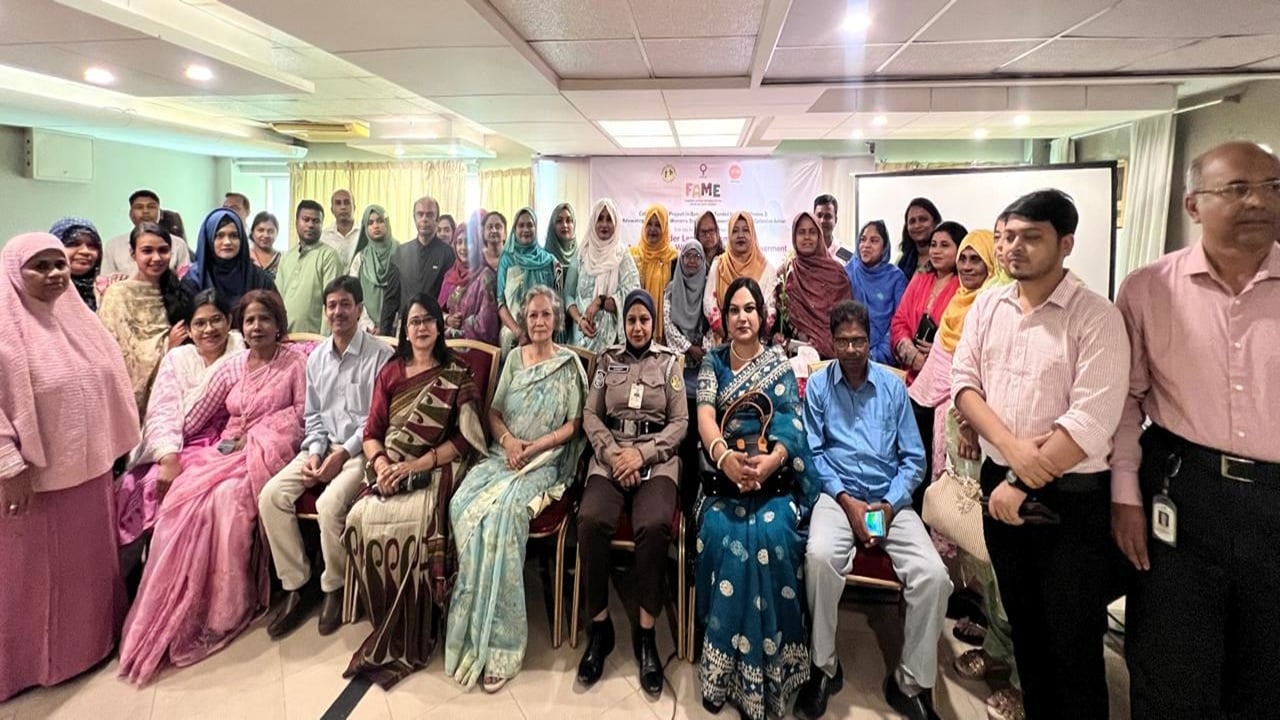
An inclusive consultative workshop titled 'Advocating for Changed Women’s Economic Empowerment Through Collective Action' was held in Khulna on Tuesday at the Darbar Hall of Hotel Castle Salam. The event aimed to identify barriers to women’s economic empowerment, market access, and social participation, and to explore possible solutions. It was organized under Window-3 of the FAME project, funded by the French Development Agency and supervised by the Dhaka Women Chamber of Commerce. Local NGO Purnima hosted the event, with the Center for Women and Children Studies (CWCS) as the lead organization and Concerned Women for Family Development (CWFD) as a partner. Representatives from government and private institutions, entrepreneurs, researchers, and members of marginalized communities attended the workshop. Participants conducted a gender lens assessment to identify obstacles such as limited access to resources, market entry challenges, mobility safety, and restrictive social norms. The day-long discussions generated several recommendations. Organizers stated that the recommendations will guide efforts to create an inclusive and gender-sensitive economic environment. A joint advocacy document will also be prepared and submitted to relevant ministries for policy consideration.
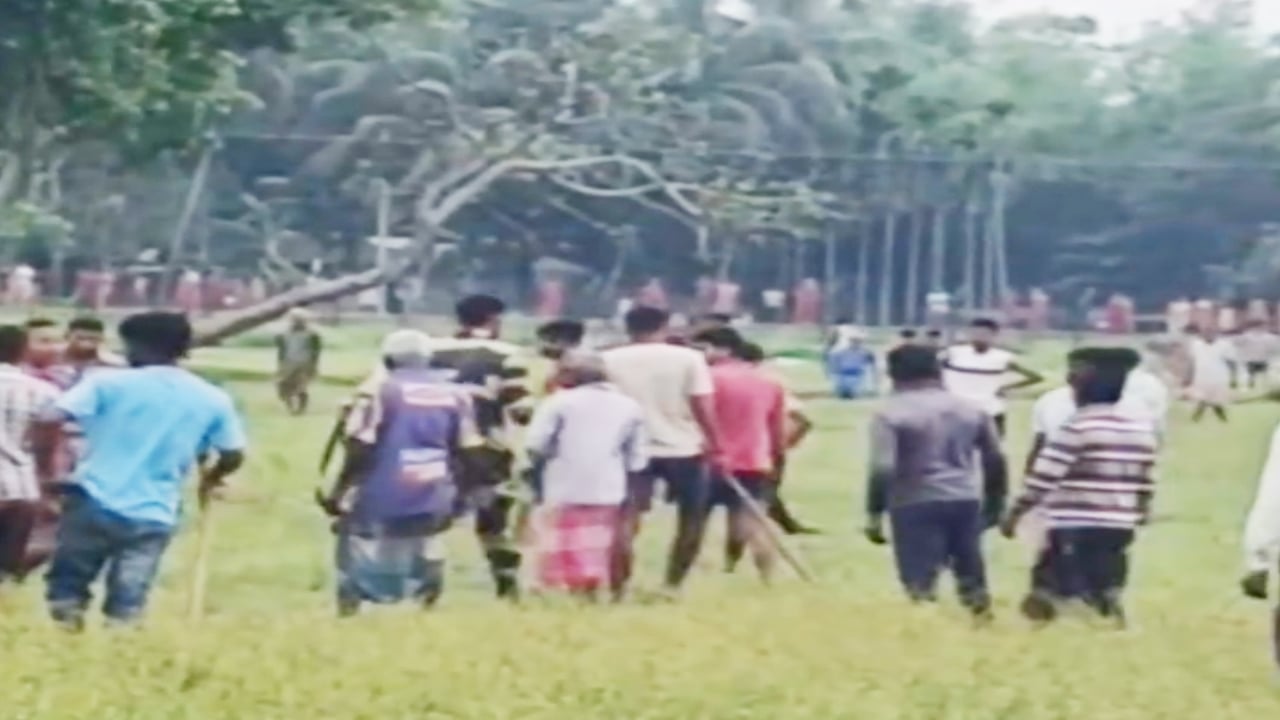
Villagers in Lalmonirhat’s Patgram upazila prevented Indian Border Security Force (BSF) members from taking Bangladeshi cattle near the Dhobalguri border on Tuesday morning. The incident occurred close to the 873 main pillar along the zero line, where the cattle were grazing. When BSF personnel tried to seize the animals, local residents intervened with sticks, leading to tension between the two sides. According to local and Border Guard Bangladesh (BGB) sources, members of the Teesta 61 Battalion arrived at the scene after receiving reports of the confrontation. Their intervention brought the situation under control, and BSF personnel subsequently retreated into Indian territory. The area is now reported to be calm. BGB’s 61 Battalion Commander Lieutenant Colonel Syed Fazle Munim confirmed that the tension arose when BSF attempted to take Bangladeshi cattle from the zero line area.
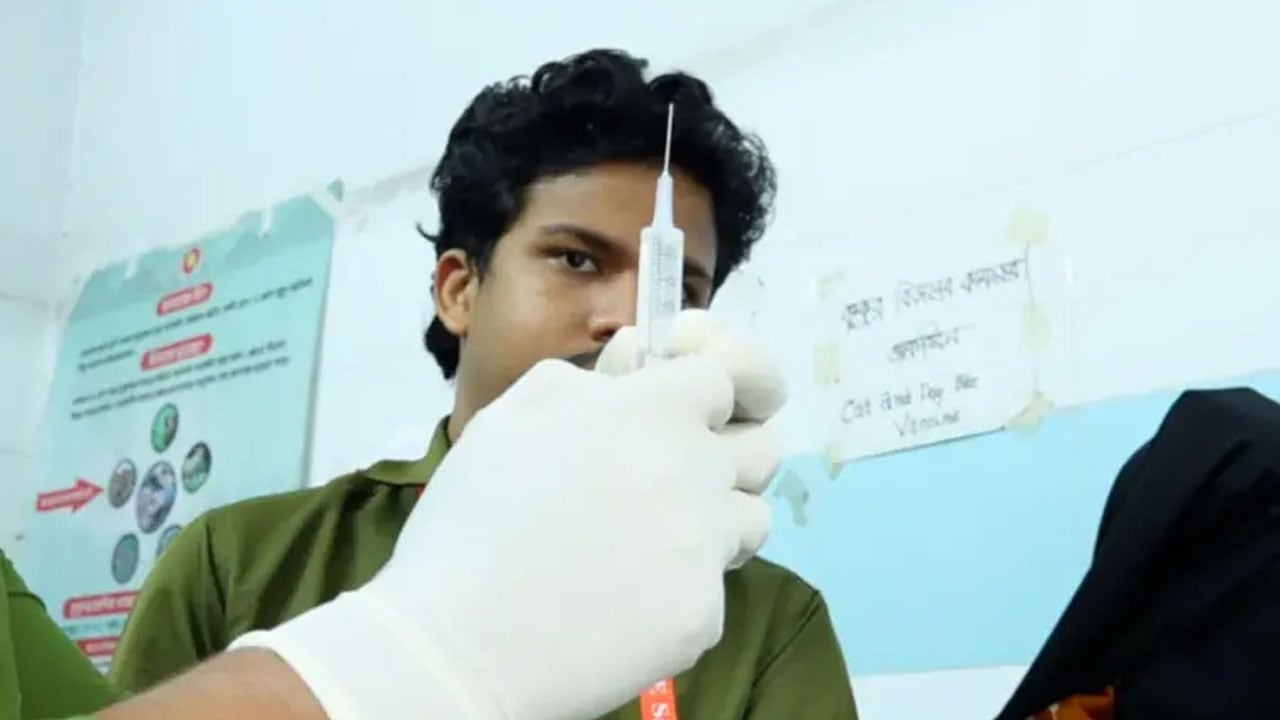
Three people have died in Sundarganj upazila of Gaibandha after being bitten by a stray dog, reportedly due to a shortage of rabies vaccines at government hospitals. The victims were among 13 people, including two children and two women, who were seriously injured in separate attacks on April 22 in Konchibari and Chaparhati unions. Families alleged that delays in obtaining vaccines from private pharmacies allowed the virus to spread, leading to the deaths. The deceased were identified as Nanda Rani, Phulu Mia, and mason Ratneshwar Kumar, who died between May 6 and May 8. Another victim, Afroza Begum, has been sent to Dhaka in critical condition, while nine others remain under treatment. Local residents said fear has gripped the area due to the lack of vaccines in public hospitals. Union council member Tajrul Islam stated that timely treatment could have prevented the deaths. Upazila health officer Dibakar Basak said funds have been allocated to purchase 30 rabies vaccines this month and advised immediate wound cleaning and vaccination after animal bites.
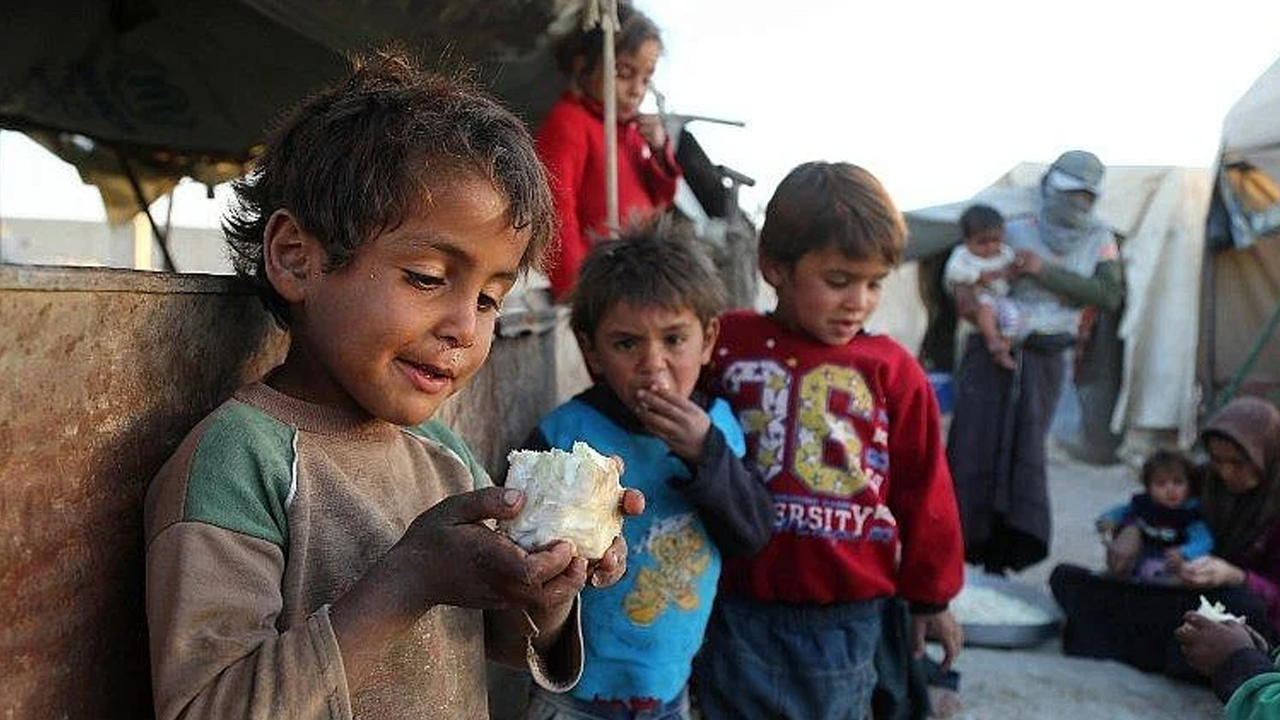
The United Nations has warned that around 45 million people could face severe hunger and famine if fertilizer shipments through the Hormuz Strait are not restored soon. Jorge Moreira da Silva, Executive Director of the UN Office for Project Services (UNOPS) and head of a task force addressing the crisis, told AFP that the world has only a few weeks to prevent a major humanitarian disaster. According to Silva, about one-third of the world’s fertilizer supply passes through the Hormuz Strait. The ongoing disruption has already affected global fertilizer distribution, threatening food production worldwide. The UN fears that the prolonged blockade of this vital trade route could trigger a collapse in agricultural output, worsening global food insecurity. The organization cautioned that failure to stabilize the situation could escalate into a massive humanitarian crisis, as millions more people are pushed into hunger and deprivation.
A murder case accused, Abdul Latif Bhuiyan, aged 45, was hacked to death in Titas upazila of Cumilla on Monday night. The attack occurred around 9:30 p.m. at the three-road junction in Manikkandi village under Bhitikandi Union. Latif, son of the late Dhonu Bhuiyan, was severely injured by assailants who used sharp weapons and later died while being taken to a hospital in Dhaka. Police and local sources said the incident stemmed from a long-running conflict between supporters of former Bhitikandi Union chairman Abul Hossain Molla and former member Saiful Islam over local dominance. The dispute had previously led to the 2022 killing of Abul Hossain Molla’s son, Jubo League leader Zohirul Islam Molla, for which Latif was an accused. He had recently been released on bail and returned to the area three days before the attack. Titas police confirmed that multiple teams are working to arrest those involved in the killing, which appears to be linked to the earlier political feud.

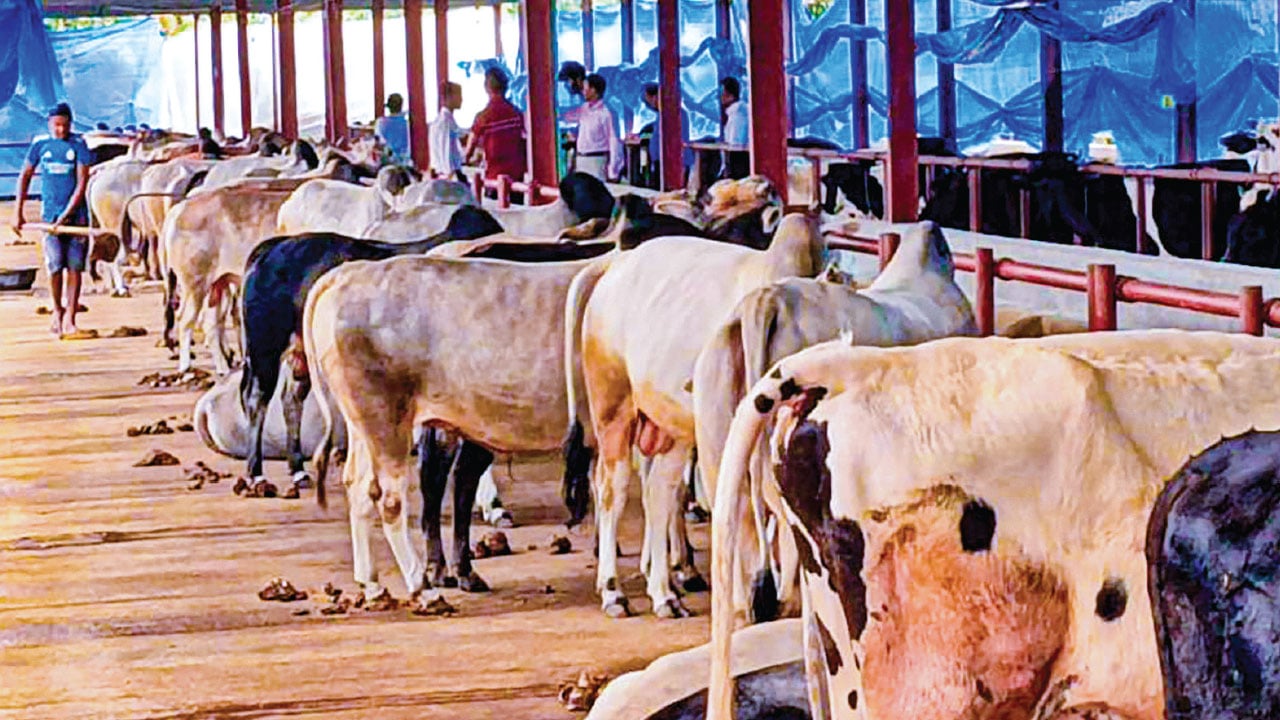
Farmers across Bangladesh are preparing sacrificial animals ahead of Eid-ul-Azha 2026, with local livestock departments reporting sufficient supply to meet national demand. In Dinajpur district alone, 426,523 animals have been readied against a demand of 273,262, leaving a surplus of over 153,000. Similar surpluses are reported in Madaripur’s Shibchar, Jamalpur’s Madarganj, and Pirojpur’s Kaukhali upazilas. Farmers are busy fattening cattle using natural feed, while local administrations have instructed law enforcement to remain alert along borders to prevent the entry of Indian cattle. Officials from livestock departments in multiple districts confirmed that animals are being raised without harmful chemicals, and training and veterinary support are being provided to ensure safe meat production. Farmers, however, expressed concern over rising feed costs and the possibility of foreign cattle entering local markets, which could affect fair prices for domestic producers. Authorities expect that the surplus livestock will allow districts like Dinajpur to supply animals to other regions, ensuring adequate availability across the country during the upcoming Eid festival.
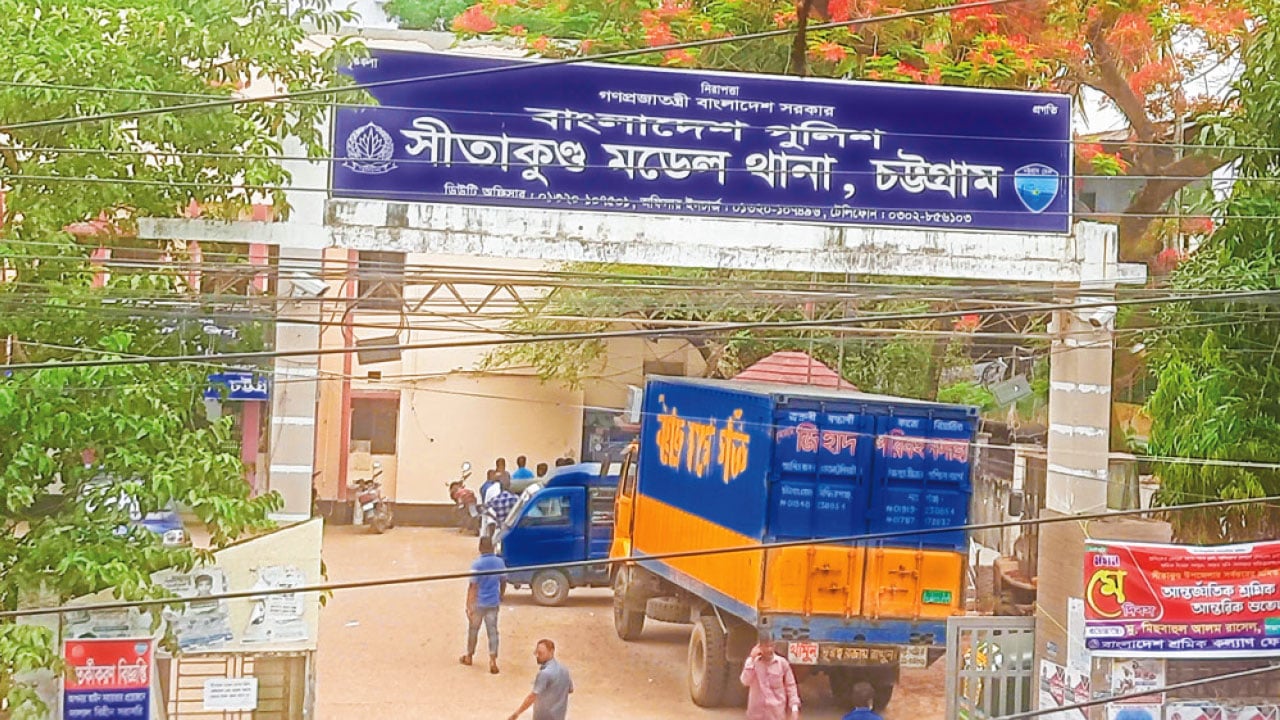
A surge in organized robberies has been reported along the Sitakunda section of the Dhaka-Chattogram highway, with incidents occurring almost nightly. Criminals have been throwing heavy objects at moving vehicles to force them to stop before robbing passengers of cash, phones, and jewelry. On May 8, robbers attempted to attack a police microbus in Bhatiari but one suspect was caught. The following night, a microbus carrying Hindu wedding guests was looted at gunpoint in Nunachhara. Local residents and travelers allege that insufficient night patrols have emboldened the gangs, turning several highway stretches—including Nunachhara, Kumira, and Faujdarhat—into danger zones. Transport operators warn that continued insecurity could disrupt trade and logistics linked to Chattogram port, posing risks to the national economy. Police officials said investigations are underway and patrols have been intensified. The Sitakunda Upazila administration pledged to monitor high-risk areas and take strict action against robbery and extortion, especially ahead of the upcoming Eid-ul-Azha festival.
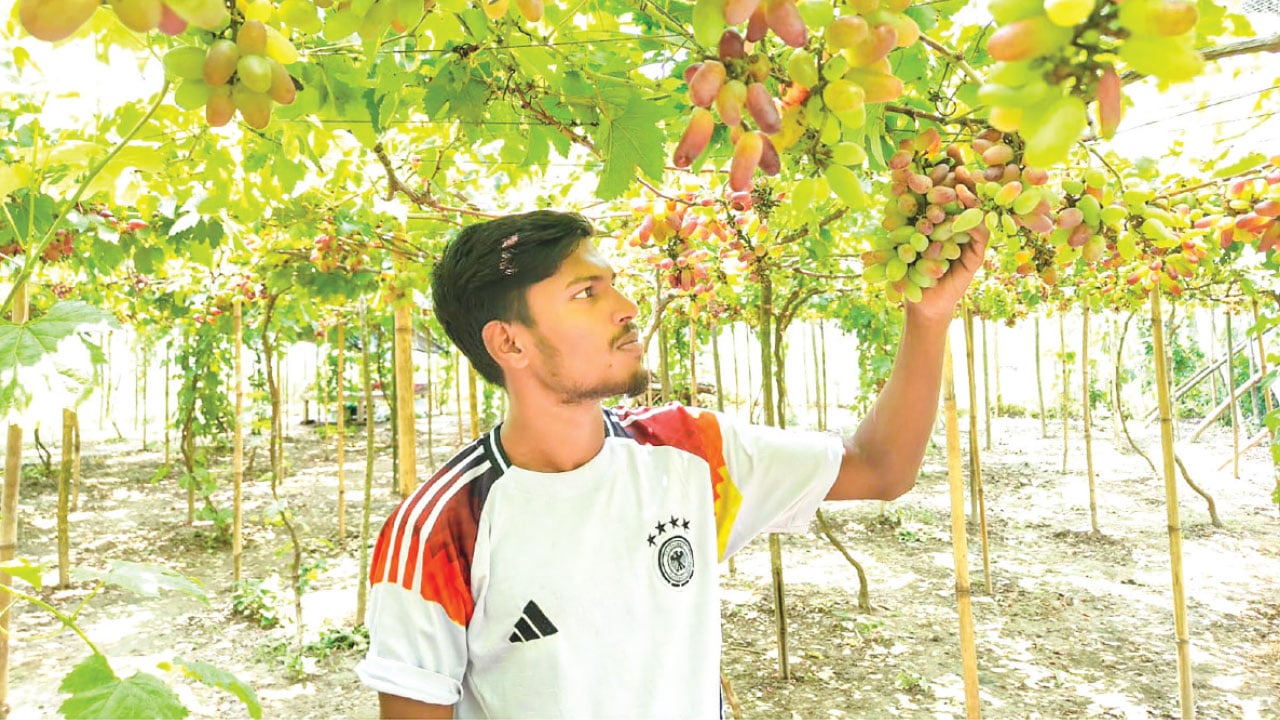
Rakib Hasan, a first-year history student at Kotchandpur Government College, has achieved notable success in grape cultivation in Kaliganj, Jhenaidah. In May 2024, he planted Baikunur and Black Magic grape varieties on ten kathas of land. Within a year, he earned BDT 200,000 from grape sales, making a profit of BDT 100,000 after expenses. This year, his vineyard produced grapes worth BDT 350,000, with only BDT 15,000 spent on irrigation, fertilizer, and maintenance. Rakib began his venture without formal training, relying on online resources and personal effort. He initially invested about BDT 100,000, including BDT 46,000 for 120 saplings and additional costs for trellising and care. The Baikunur variety, originally from Russia, proved highly productive and sweet in taste. He has also started producing and selling grape saplings alongside fruit cultivation. Kaliganj Upazila Agriculture Officer Mahabub Alam Roni said several farmers in the area are now growing grapes and receiving guidance from the department. He praised Rakib’s initiative, noting that the student continued his agricultural venture despite not owning land.
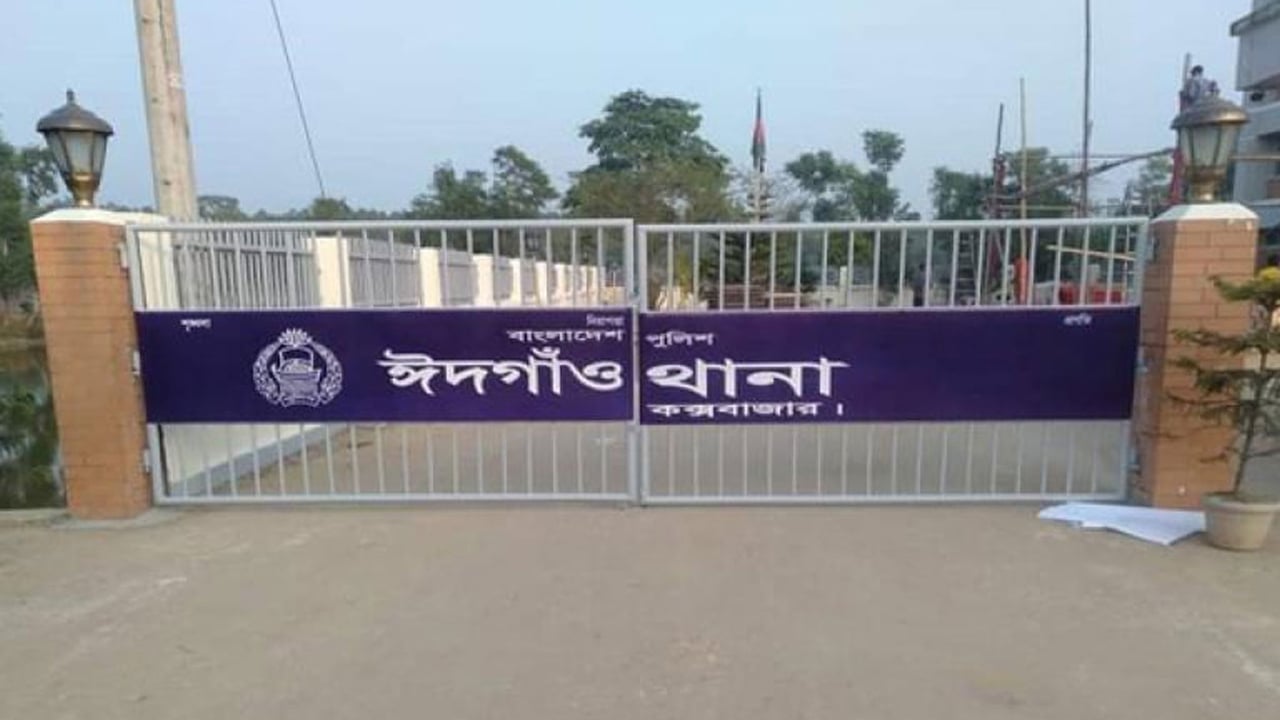
The body of an eight-year-old girl named Muntaha Taslima was recovered from a septic tank in Eidgaon upazila of Cox’s Bazar on Monday, May 11. The discovery was made in the Pokkhali Union’s East Naikhongdia village, where the child had gone missing earlier that afternoon. She was the daughter of Sirajul Islam and Mostafa Khatun. Family members began searching after she disappeared around noon, eventually finding her body inside an uncovered septic tank at a house under construction belonging to Malaysia expatriate Nurul Alam. She was taken to a hospital, where doctors declared her dead. Local residents believe the child accidentally fell into the unprotected tank while playing. Police from Eidgaon station arrived at the scene later that night, completed the necessary formalities, and allowed burial without an autopsy at the family’s request. The burial took place around 12:30 a.m. the same night. Authorities have not reported any further investigation or safety measures following the incident.
Farmers in Sunamganj are facing severe hardship after heavy rains and waterlogging submerged vast areas of Boro paddy fields. The flooding has destroyed crops across about 20,000 hectares of haor land, leaving thousands of small and marginal farmers burdened with debt. Many had borrowed from NGOs, banks, or local lenders to cover costs for seeds, fertilizer, irrigation, and labor. With their harvests lost, they now struggle to repay loans and sustain their families. Farmers report that even the limited paddy they managed to harvest has been damaged by continuous rain, as the grains could not dry properly and began to sprout. Many households are now left without food reserves, facing acute uncertainty. Livestock feed shortages have also become severe, worsening the crisis. The Department of Agricultural Extension in Sunamganj has begun preparing a list of affected farmers. Officials said two government ministers have already inaugurated a three-month relief program for the victims, and all affected farmers will gradually be brought under assistance coverage.
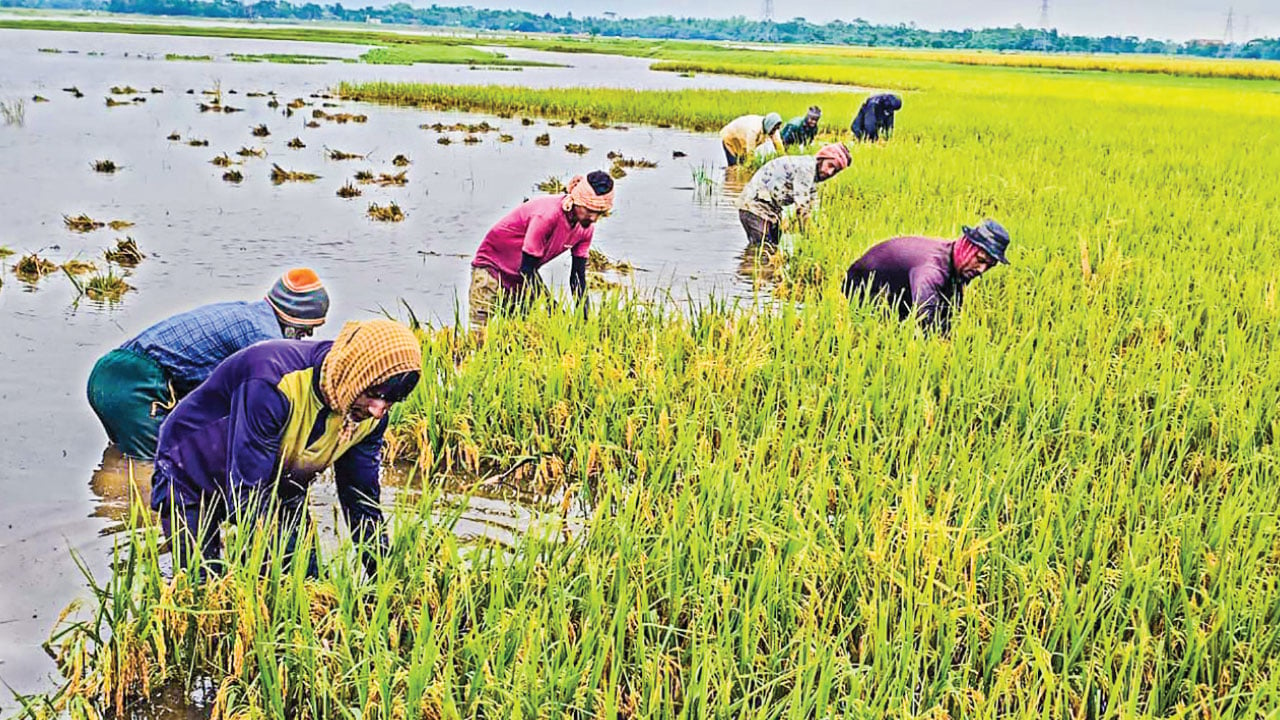
Heavy rainfall has submerged ripe Boro paddy fields in low-lying areas, leaving farmers unable to harvest due to a severe shortage of laborers. In Madhupur of Tangail, around 13,000 hectares were cultivated this season, with at least 35 hectares flooded. Farmers are struggling to bring in their crops as labor costs have surged to Tk 1,000–1,200 per day, or Tk 7,000–10,000 per bigha, while paddy prices remain low at Tk 700–850 per maund. In Naogaon’s Niamatpur, many fields remain unharvested because of the same labor shortage, raising fears of crop loss from storms and rising water levels. The local agriculture office reported that five hectares of paddy still await harvesting. Meanwhile, in Jamalpur’s Madarganj, despite good yields, farmers face mounting losses as labor costs exceed returns, with paddy selling for Tk 700–900 per maund while daily wages reach Tk 1,100–1,200. Officials in Tangail and Jamalpur acknowledged the challenges, citing ongoing efforts to improve drainage and advising timely harvesting to minimize losses.

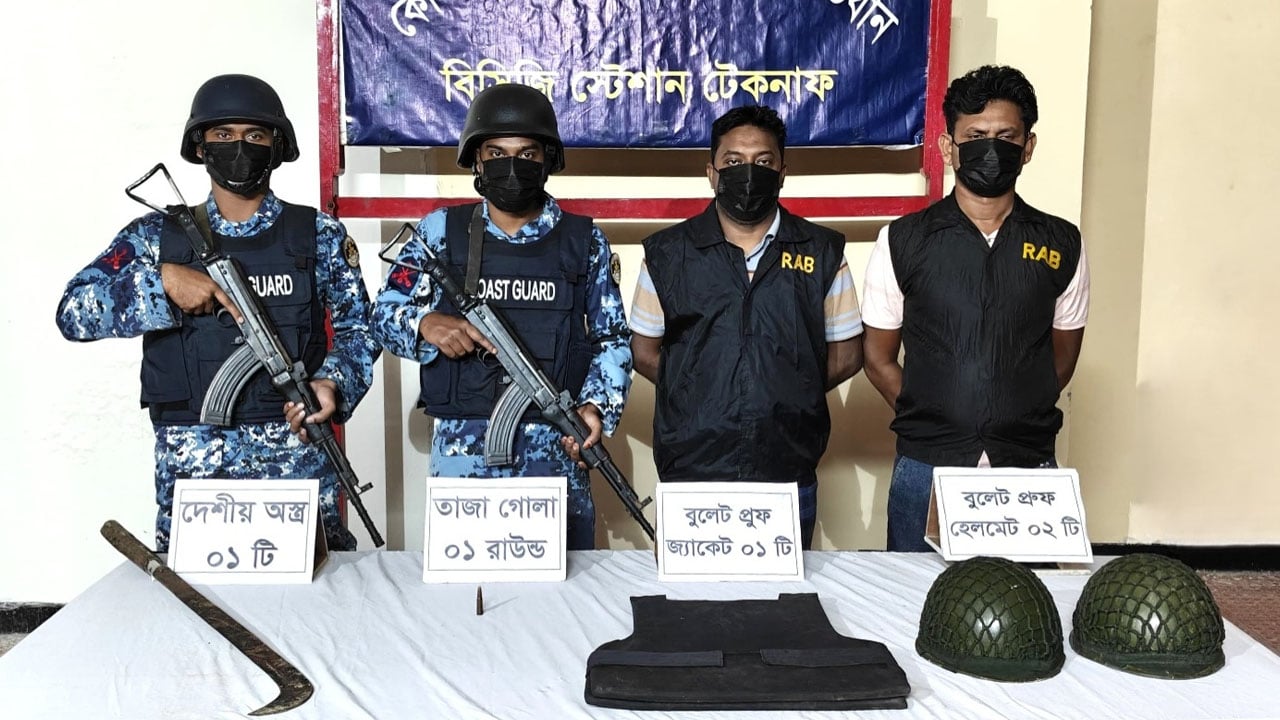
A joint operation by the Coast Guard and Rapid Action Battalion (RAB) in Teknaf, Cox’s Bazar, led to the recovery of bulletproof gear and weapons. The operation took place around 11 p.m. on Monday near Leda Lamarpara, based on secret intelligence. Coast Guard media officer Lieutenant Commander Sabbir Alam Sujon confirmed the recovery on Tuesday afternoon. During the search of a suspected house in the area, authorities found one bulletproof jacket, two bulletproof helmets, one round of live ammunition, and a locally made weapon. The Coast Guard stated that legal procedures regarding the seized items are currently underway. According to the Coast Guard official, similar operations will continue in the future to maintain stability in the country’s law and order situation.
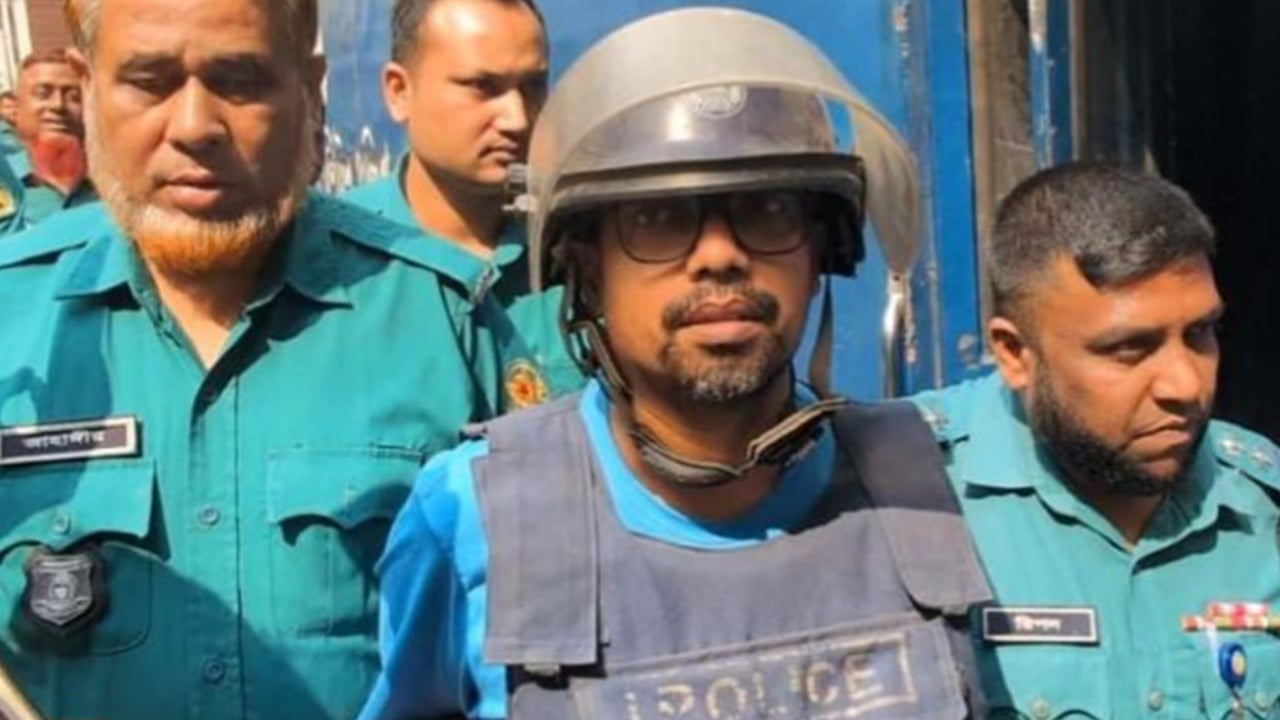
Former State Minister for Information and Communication Technology Zunaid Ahmed Palak sustained serious neck and lower back injuries in a prison van accident while being taken to the International Crimes Tribunal. According to his lawyer, Tariqul Islam, an MRI was conducted at PG Hospital following a court order, and the report has now been received. The MRI results revealed complications in the L2, L3, and L4 vertebrae of Palak’s lower back, as well as issues in the C5/6 and C6/7 discs of his neck. His lawyer stated that Palak had already been unwell and was unable to move his neck properly when visited in prison last Saturday. Although the MRI confirmed significant spinal and neck problems, Palak has not yet received the necessary medical treatment. His lawyer said a petition will be filed in court to ensure proper medical care for him.
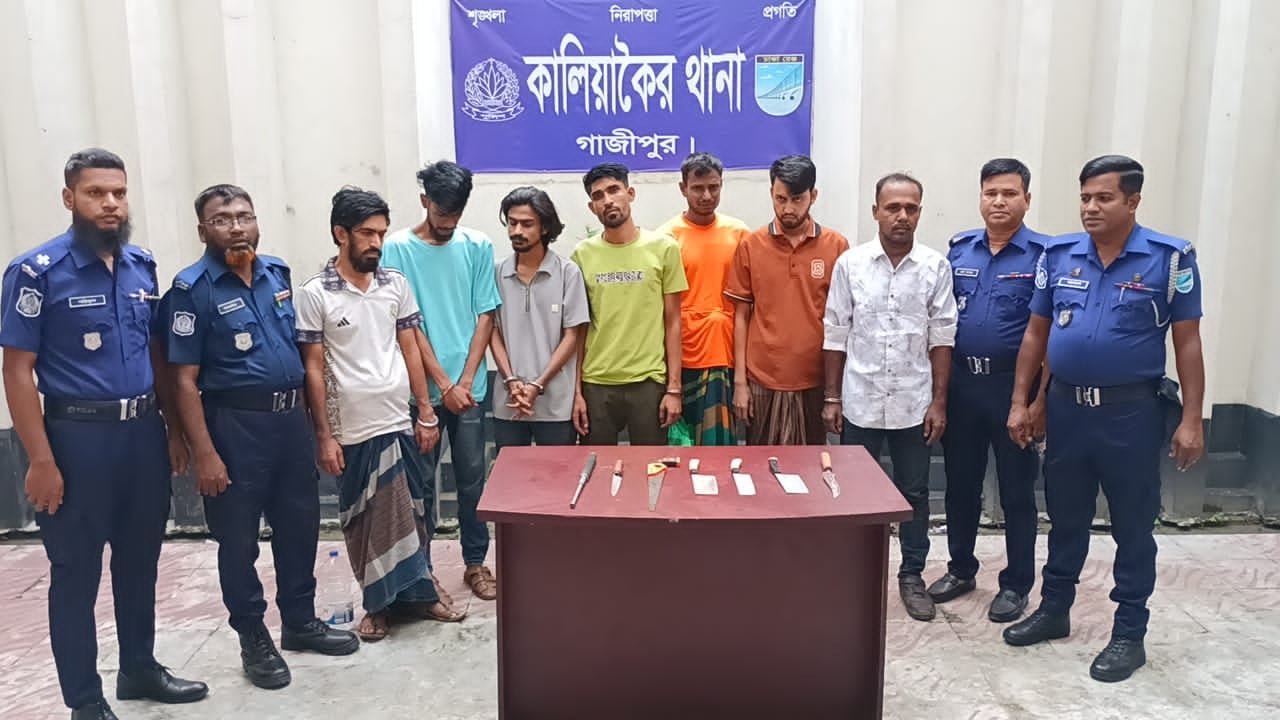
Police in Kaliakair, Gazipur arrested seven suspected robbers early Tuesday while they were allegedly preparing for a robbery. The arrests took place around 4:30 a.m. in a forested area east of Chandra raw market. The detainees were identified as residents of Ratanpur area in Kaliakair. According to the Officer-in-Charge of Kaliakair Police Station, officers recovered one machete, three knives, one saw, two daggers, and one iron rod from the suspects. A case has been filed against them for preparing to commit robbery, and police operations are continuing to apprehend other fugitives linked to the group. The arrests mark an ongoing effort by local law enforcement to curb organized robbery activities in the region, with further investigations underway to identify additional accomplices.
Chattogram Metropolitan Police have arrested six suspects in connection with the fatal shooting of Nasir Uddin, a returning Jubo Dal leader from Kadolpur in Raozan. Deputy Police Commissioner (North) Amirul Islam confirmed the arrests, identifying the detainees as Syedul Karim, Abdul Mannan, Yunus Mia, Ayatullah Ali Adnan, Abu Bakkar Siddiq alias Khokon, and Azgar Ali. The murder occurred on May 7 near Roufabad Shaheed Minar, where armed assailants shot Nasir, leading his mother Sokina Begum to file a case at Bayezid Bostami Police Station on May 9. Under the direction of Amirul Islam and leadership of Officer-in-Charge Md Abdul Karim, police formed a special team that analyzed CCTV footage and acted on intelligence to identify the suspects. The main accused, Syedul Karim, was arrested on May 11 from Cox’s Bazar’s Sugandha Beach area and reportedly confessed to shooting the victim. Police recovered his weapon, ammunition, and clothing from his residence. Subsequent operations led to the arrests of the other five suspects from various locations in Chattogram. Police noted that Syedul Karim and Khokon have multiple prior criminal cases registered against them.
The ‘1 Nojor’ media platform is now live in beta, inviting users to explore and provide feedback as we continue to refine the experience.