

The ‘1 Nojor’ media platform is now live in beta, inviting users to explore and provide feedback as we continue to refine the experience.
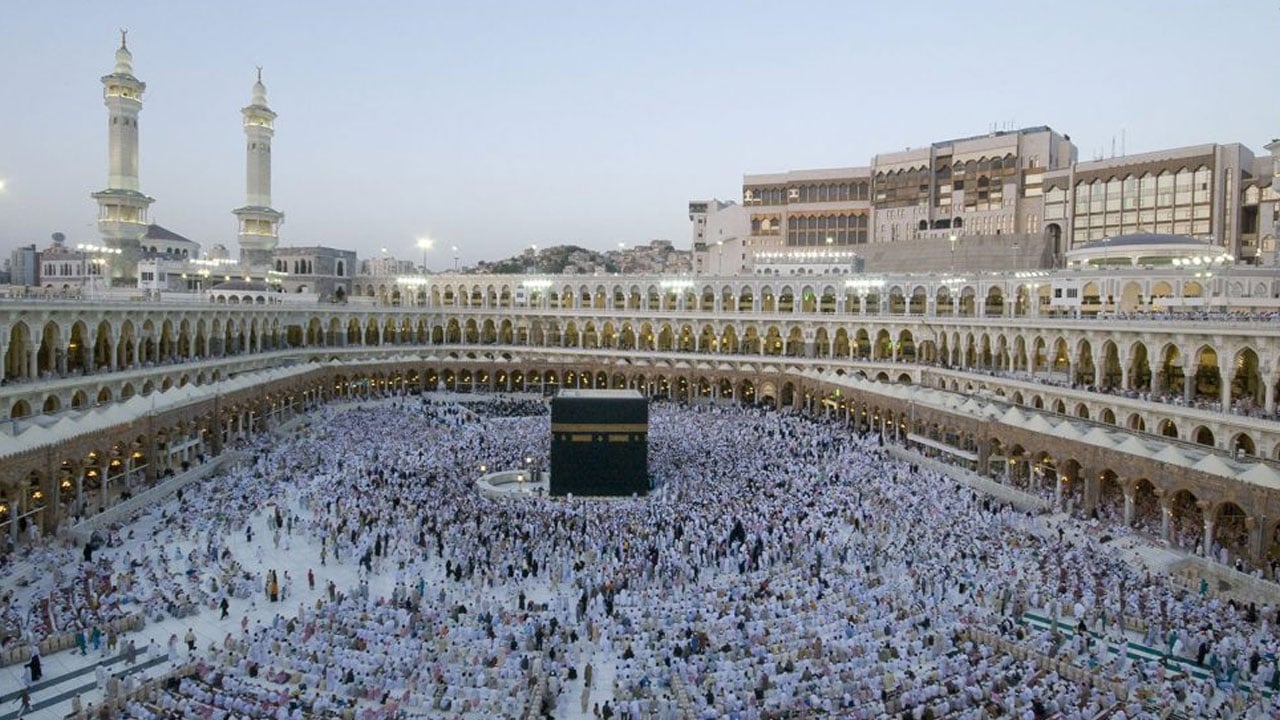
The Ministry of Religious Affairs of Bangladesh has urged Bangladeshi pilgrims to obtain Hajj permits through official and approved channels. The call follows a directive from Saudi Arabia’s Ministry of Hajj and Umrah, which emphasized that only those with valid Hajj visas and permits obtained through authorized procedures will be allowed to perform Hajj. The Saudi ministry stated that the process aims to ensure smooth services for pilgrims and compliance with all Hajj regulations. According to the Saudi ministry, adherence to the official permit system will help maintain order, manage crowds, and enhance safety at the holy sites. It also warned against unauthorized or fraudulent means of obtaining Hajj permits or visas, noting that such actions could disrupt religious observances or lead to legal consequences. The ministry highlighted that official permits guarantee access to integrated services and a secure, well-organized pilgrimage experience. The Bangladeshi ministry’s notice reinforces the importance of following institutional procedures to ensure a lawful and safe Hajj journey for all Bangladeshi pilgrims.
Former U.S. Vice President Kamala Harris has sharply criticized the Trump administration for initiating war with Iran, claiming that Russia has been the biggest beneficiary of the conflict. Speaking at a Democratic event in Las Vegas, Harris said that the American people did not want the war and that Congress had not authorized any attack. Harris argued that the war allowed Russia to profit from oil sales after sanctions were lifted, something she said would not have been possible without the conflict. She emphasized that the decision to start the war had strengthened Russia economically while undermining U.S. interests. The former vice president also described Donald Trump as dangerous, rejecting the idea of dismissing him as merely foolish. Her remarks were reported by CNN and reflect ongoing Democratic criticism of Trump’s foreign policy decisions regarding Iran and Russia.

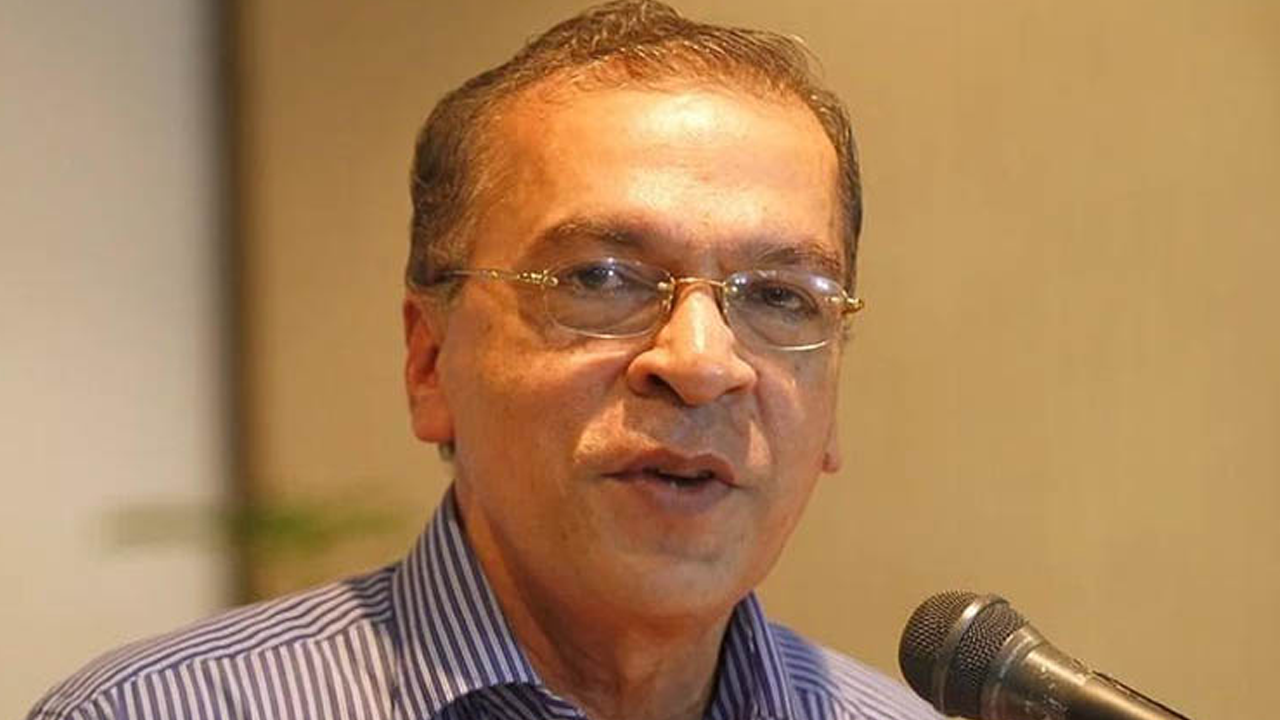
Transparency International Bangladesh (TIB) Executive Director Dr. Iftekharuzzaman stated that Bangladesh’s media institutions experienced unprecedented attacks during the one and a half years of the interim government. He made the remarks on Friday, May 8, at the opening of the two-day Bangladesh Journalism Conference held at the Radisson Blu Water Garden in Dhaka. He said that since August 2024, several incidents had occurred, including attacks on two established media houses, which he described as rare in global history. Dr. Iftekharuzzaman criticized the interim government for failing to act effectively during the assaults, noting that law enforcement and military personnel were present but did not intervene. He added that some lawyers, activists, and even media professionals appeared to celebrate the attacks, which he found deeply concerning. He emphasized the need to discuss both internal and external challenges facing the media. Citing global data, he said over 500 journalists had been killed worldwide in the past decade, including 26 in Bangladesh. The conference gathered journalists and experts from ten countries for more than twelve sessions, with 61 journalists receiving fellowships.
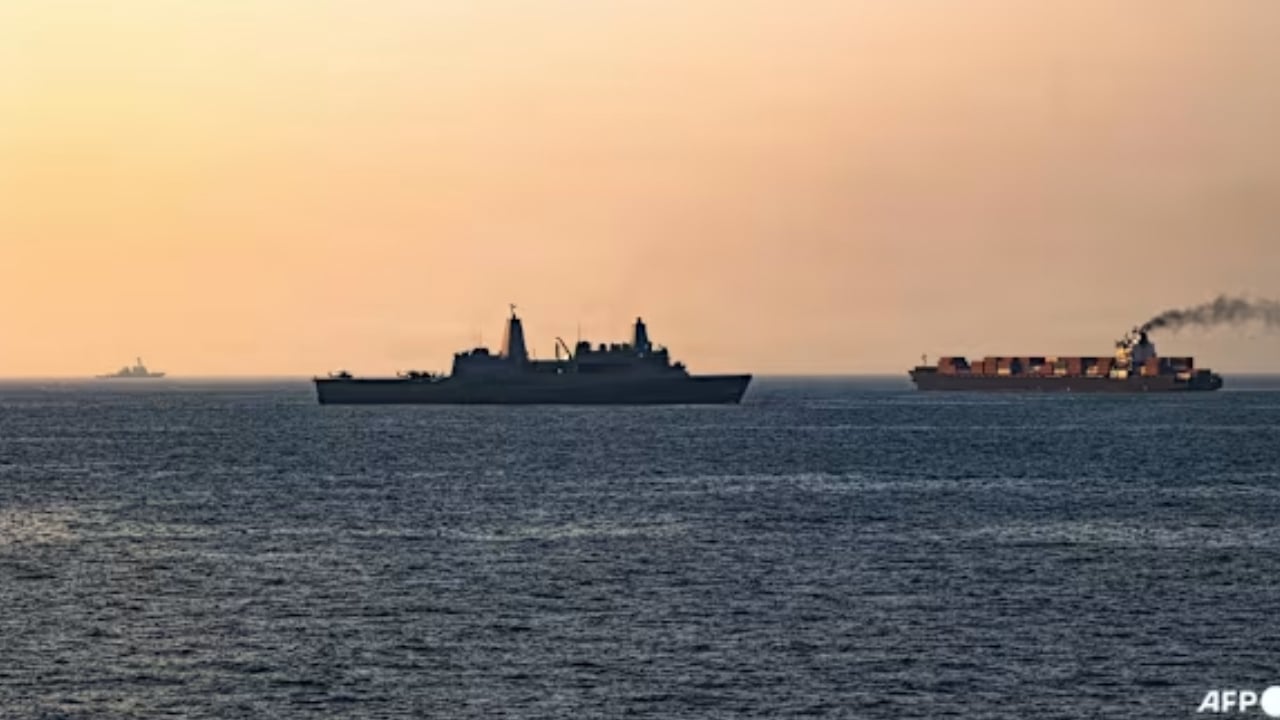
Pakistan has called for the repatriation of Pakistani and Iranian sailors detained on ships seized by the United States. Foreign Minister Ishaq Dar stated that the vessels are currently near Singapore’s waters. He said he has sought the support of Singapore’s Foreign Minister Vivian Balakrishnan to facilitate the return of the detained sailors. In a post on social media platform X, Dar added that he is coordinating with Iranian Foreign Minister Abbas Araghchi on the matter. He also affirmed Pakistan’s readiness to assist in ensuring the safe return of the Iranian nationals. According to Dar, the seized ships carry 11 Pakistani and 20 Iranian sailors. The report, citing Al Jazeera, highlights Islamabad’s diplomatic efforts to secure the release and repatriation of its citizens amid the ongoing detention of the vessels by the United States.
Ahead of the upcoming Eid-ul-Azha, authorities have decided to set up a total of 28 cattle markets in Dhaka, including the permanent one at Gabtoli. Of these, 16 markets will be under the Dhaka North City Corporation (DNCC) and 12 under the Dhaka South City Corporation (DSCC). Both city administrations have emphasized strict measures to ensure transparency in the leasing process and to keep it free from political influence. DNCC Administrator Shafiqul Islam Khan stated that the leasing process is conducted openly through tenders, allowing all interested parties to participate. He added that ten of the northern city’s markets have already been leased, while the remaining five are expected to be finalized by next Monday. DSCC Administrator Md. Abdus Salam said their 12 temporary markets were also leased through open tenders, asserting that no political pressure was involved. The DSCC further instructed that no market may operate before the designated time and that boundaries have been clearly marked, warning that any violation will result in action.

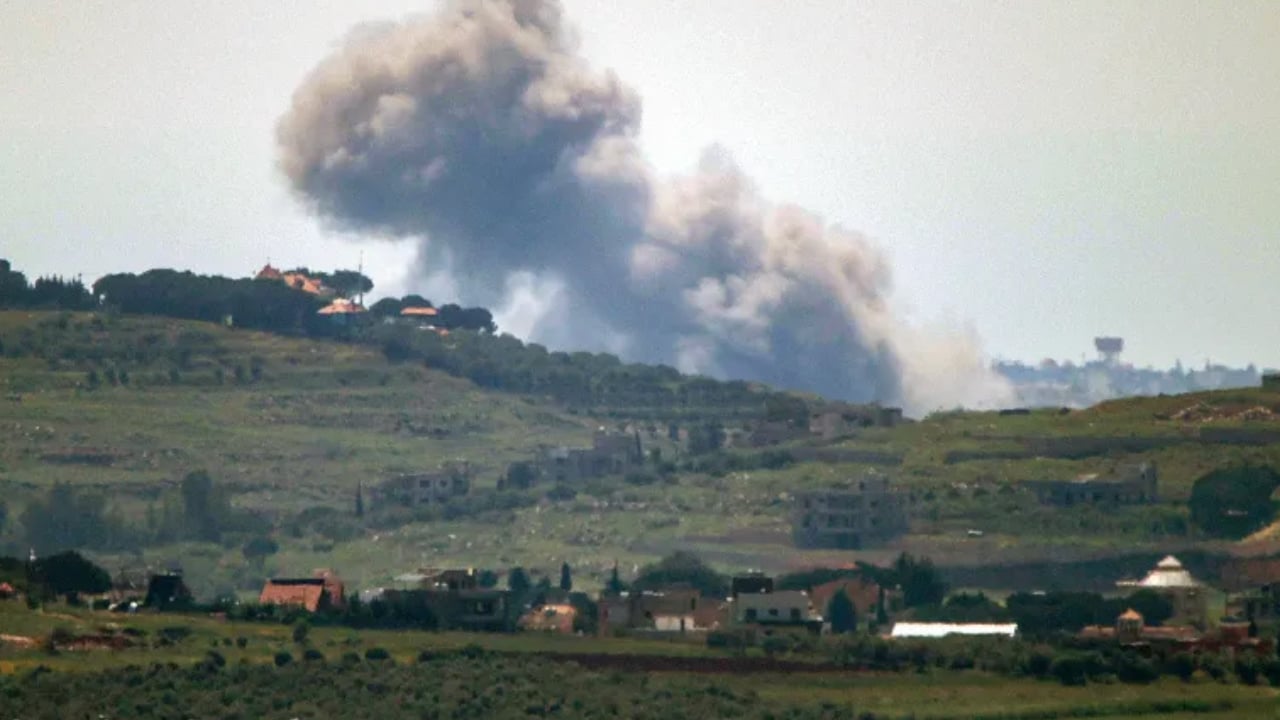
At least 12 people, including a child, were killed in Israeli airstrikes in southern Lebanon, according to the Lebanese National News Agency (NNA). The attacks targeted areas near the towns of Al-Mansouri and Bayyut al-Sayyad, extending to the Al-Mansouri-Hamra coastal zone. The strikes occurred early Friday as Israeli forces attempted to advance toward Bayyut al-Sayyad, supported by heavy helicopter fire. NNA reported that a Red Cross and Lebanese Army medical team came under fire while traveling toward the Jibkin municipality to recover bodies and evacuate the injured from a previous attack. The team was forced to retreat due to Israeli shelling. The agency also said a large explosion occurred inside the city of Al-Khiyam. Since early March, Israeli attacks in Lebanon have killed 2,727 people and injured 8,438 others, according to the same report.
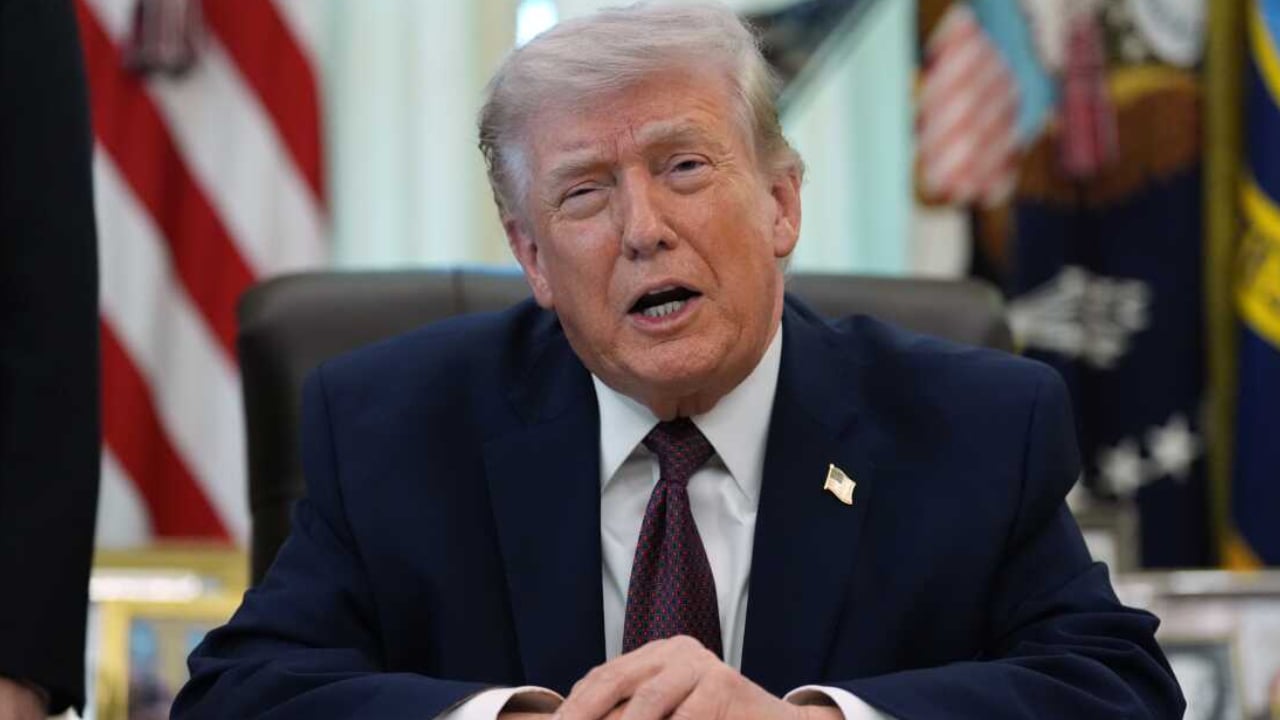
US President Donald Trump described recent American strikes on Iranian facilities as a 'gentle touch of love' and insisted that the ceasefire between the two countries remains in effect despite reciprocal attacks. In a phone interview with ABC News reporter Rachel Scott, Trump said US forces easily destroyed Iranian missiles and drones, warning Iran’s leadership of harsher actions if they fail to sign an agreement soon. According to a statement from the US Central Command (CENTCOM), Iran launched missiles, drones, and small boats targeting three US destroyers in the Strait of Hormuz. The US military responded by striking Iranian missile and drone launch sites, command centers, and intelligence surveillance facilities. Iran, however, blamed the United States for initiating the conflict, alleging that US forces first violated the ceasefire by firing on an Iranian oil tanker heading toward the Strait of Hormuz. The exchange of accusations underscores the fragile state of the ceasefire and the continuing tension in the strategic waterway, with both sides claiming defensive actions.
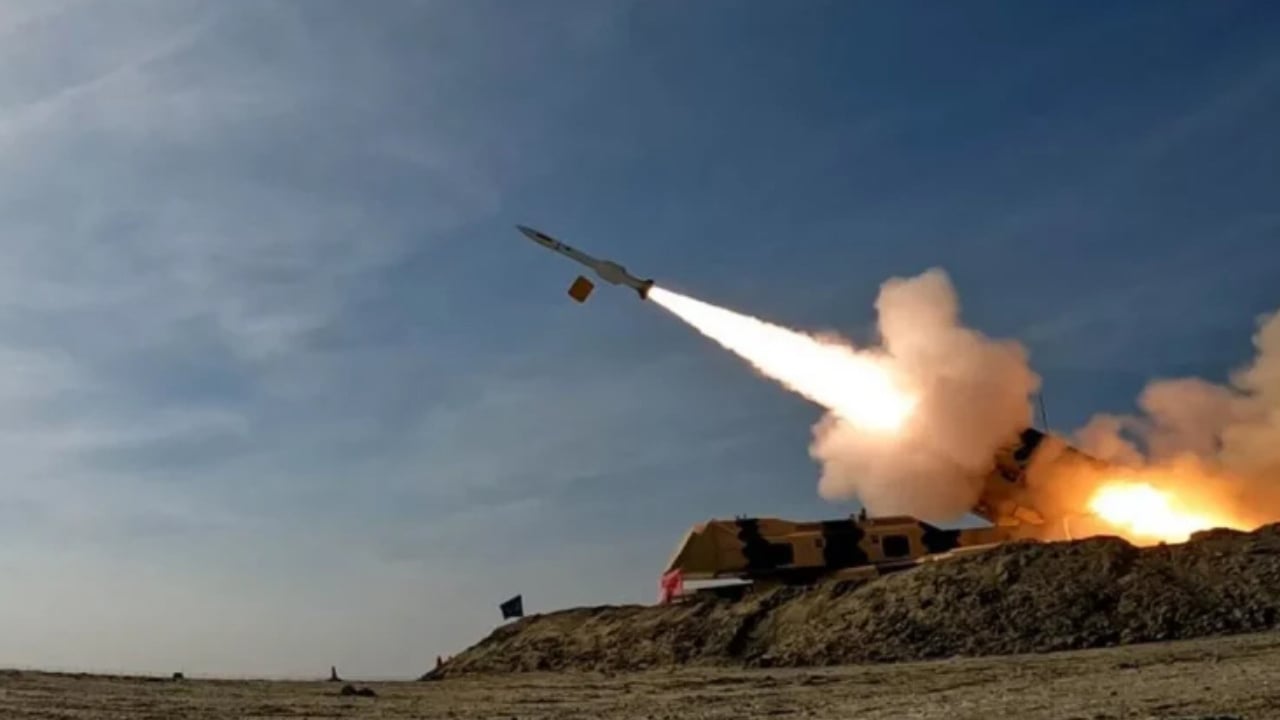
The United Arab Emirates has accused Iran of launching missile and drone attacks on its territory, according to a statement from the UAE Ministry of Defense. The ministry said its air defense systems were active to counter the threats. The announcement was made on Friday morning, and authorities urged residents to remain calm and follow official safety instructions shared on social media. The UAE had previously declared its airspace free from threats on April 9. However, the report notes that Iran has carried out more attacks on the UAE than any other country in the past two months. The UAE government’s latest advisory emphasized public safety and adherence to official guidance during the ongoing security situation. The incident adds to ongoing regional tensions, with the UAE’s defense posture reflecting heightened alertness following repeated cross-border threats. The situation remains under observation as authorities continue to monitor potential risks.
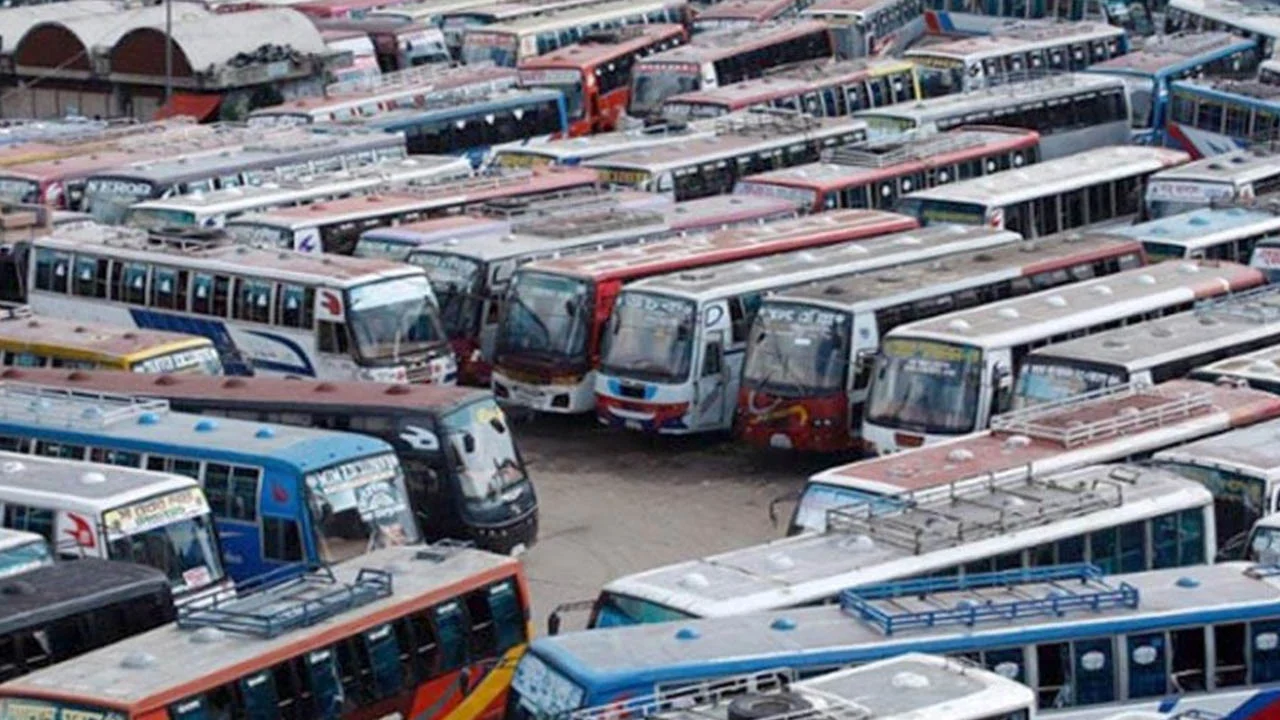
Advance ticket sales for long-distance bus travel have begun across Bangladesh ahead of the upcoming Eid-ul-Azha festival. Following a pre-set decision by the Bangladesh Bus-Truck Owners Association, ticket sales started on Friday morning through both online platforms and physical counters. Tickets are being sold for journeys scheduled between May 21 and the days leading up to Eid. According to Shyamoli NR Travels General Manager Jiban Chakraborty, all of their tickets went on sale Friday morning, with strong demand for trips on the nights of May 24, throughout May 25, and the morning of May 26. He noted that most tickets for these dates were sold out by 10 a.m., as the government holiday begins on May 25. The Bangladesh Bus-Truck Owners Association stated that no operator is allowed to charge fares above the rates set by the Bangladesh Road Transport Authority (BRTA). The same fares will apply online, and every counter must display the BRTA-approved fare chart.
Farmers in Bangladesh’s haor region are struggling to preserve their Boro paddy harvest after sudden rainfall and water inflow from India left fields submerged. The harvested paddy remains too wet to store or sell, as continuous rain and lack of sunlight prevent drying. A shortage of drying machines has worsened the situation, leaving much of the crop unsellable. The Department of Agricultural Extension (DAE) has deployed drying machines and labor support, but these measures remain insufficient. The government has begun paddy procurement at Tk 1,440 per maund, but most farmers cannot meet the 14 percent moisture requirement, forcing them to sell at distress prices of Tk 400–600 per maund in open markets. Middlemen are reportedly exploiting the situation by buying cheaply and reselling at higher prices. Agricultural economist Dr. Jahangir Alam suggested that the government could buy wet paddy and dry it elsewhere to stabilize the market. Preliminary assessments show extensive crop losses across Sunamganj, Kishoreganj, Netrokona, and Mymensingh, affecting tens of thousands of farmers. Officials say damage surveys and relief measures are underway, but uncertainty remains over how quickly affected farmers can recover.

Results from five Indian state assembly elections have reignited debate over Muslim representation in national politics. Out of 723 total seats, only 104 Muslim legislators were elected, and the ruling Bharatiya Janata Party (BJP) did not field or elect a single Muslim candidate. Analysts argue this reflects a deliberate political strategy to marginalize Muslims, particularly in states like West Bengal and Assam, where the BJP focused on consolidating Hindu votes through communal narratives. In West Bengal, 39 Muslim legislators were elected, 34 of them from the Trinamool Congress, while the BJP had none. Assam’s Muslim-majority constituencies fell from 35 to 22 after boundary changes, which opposition parties claim reduced Muslim political influence. Kerala and Tamil Nadu showed similar trends, with limited Muslim representation despite significant populations. Puducherry elected no Muslim legislators. According to The India Forum, even opposition parties are becoming more conservative in nominating Muslim candidates. Analysts warn that declining proportional representation and the exclusion of Muslims from major parties threaten the democratic inclusivity of India’s political system.

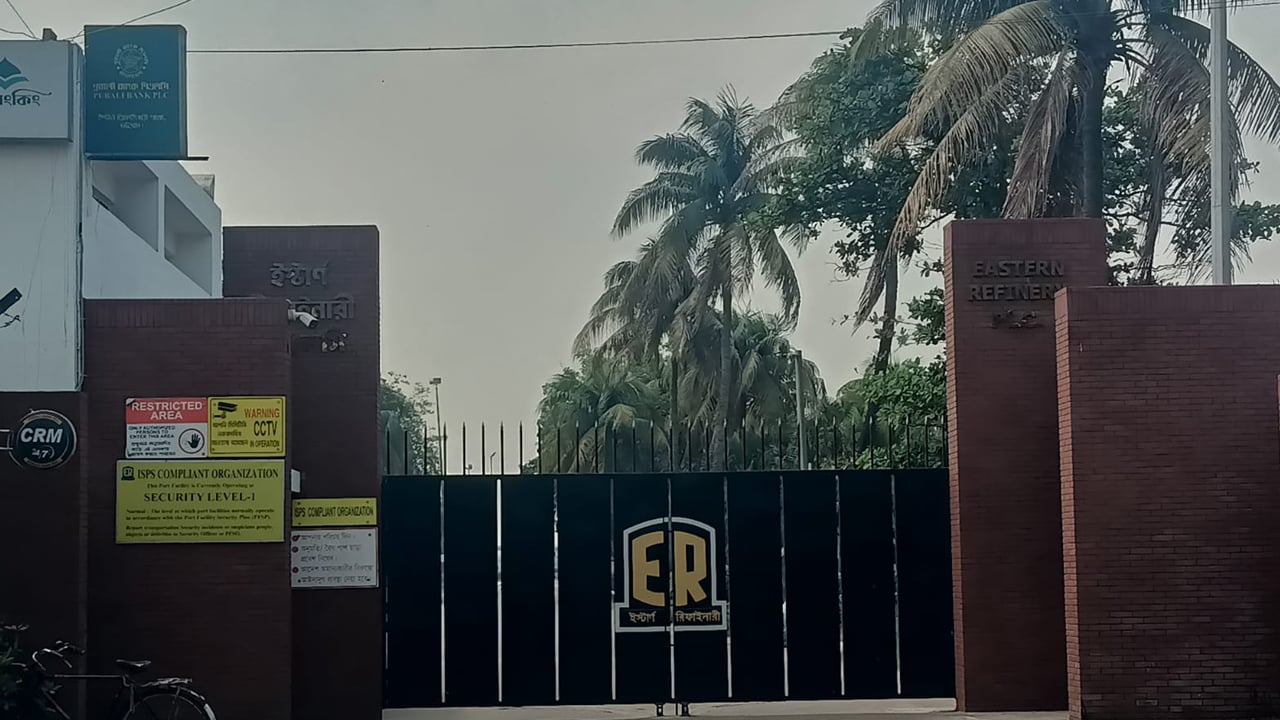
Bangladesh’s state-owned Eastern Refinery Limited resumed full operations on Friday morning after remaining closed for 24 days due to a shortage of crude oil. The main plant was officially restarted at 8:25 a.m., and the Bangladesh Petroleum Corporation (BPC) stated that the facility will now refine about 4,000 tons of fuel oil daily. The refinery had halted production on April 14 when its three main units were shut down because of raw material shortages. A smaller unit had continued limited operations using remaining stock. The disruption followed a ban on shipping through the Strait of Hormuz amid conflict in the Middle East, which cut off Bangladesh’s usual crude supply routes. To address the crisis, the government arranged alternative sea routes to import crude oil. On Wednesday, a tanker named MT Ninemiya arrived at Kutubdia Channel near Chattogram carrying 100,000 tons of crude oil from Saudi Arabia via an alternate route. After customs clearance, unloading began that night, and refinery units were gradually restarted. The refinery’s management confirmed that maintenance was completed during the shutdown and that full-scale production has now resumed.
The United States announced a new round of sanctions against Cuba on Thursday, targeting the military-controlled conglomerate Grupo de Administración Empresarial SA (GAESA) and its executive president Ania Guillermina Lastres Morera. The measures also affect Moa Nickel SA, a joint venture between Toronto-based Sherritt International Corporation and Cuba’s state-owned nickel company. The United Nations expressed concern that Washington’s actions amount to an energy blockade pushing Cuba toward a deeper energy crisis. According to the report, GAESA has links to nearly all sectors of Cuba’s economy, making the sanctions potentially far-reaching. Sherritt stated on its website that it has temporarily suspended direct participation in the joint venture due to the new restrictions. U.S. Secretary of State Marco Rubio said in a statement on X that the Trump administration would continue to act until Cuba implements necessary political and economic reforms. Cuba’s government has not yet issued an official response to the new sanctions, while the UN’s warning highlights growing international concern over the humanitarian and economic impact of the measures.
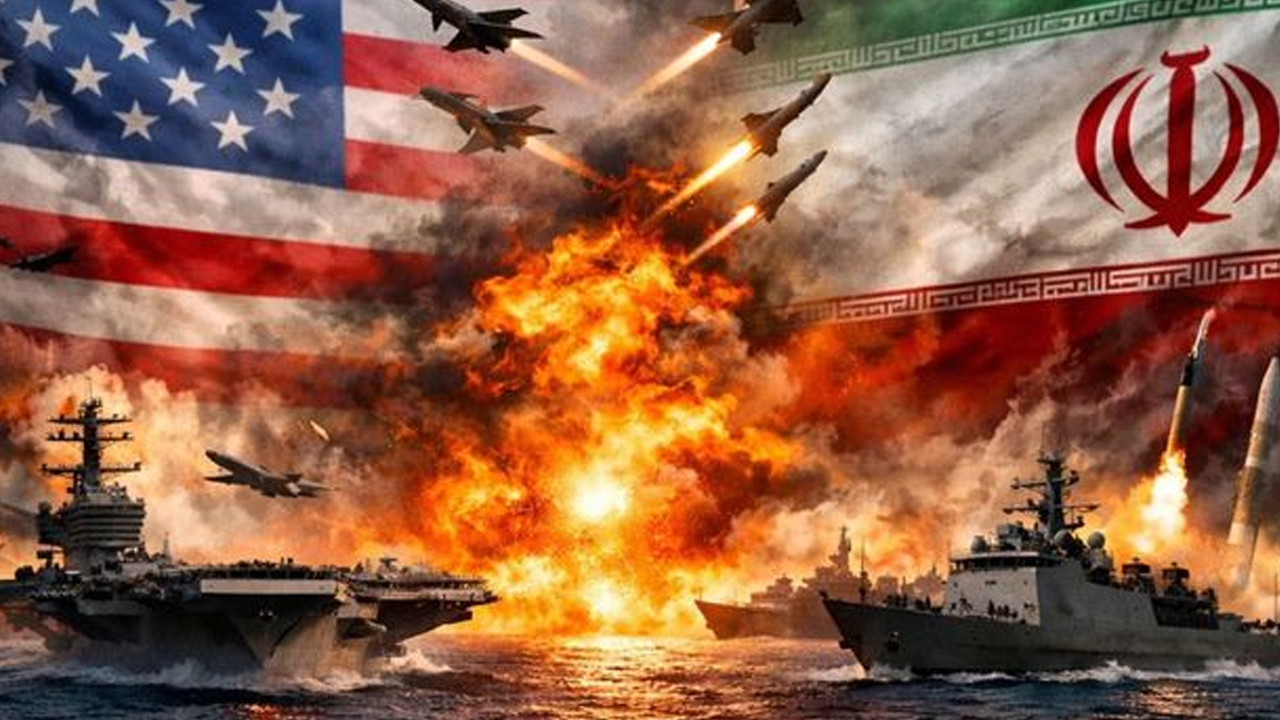
Amid a month-long fragile ceasefire, the United States and Iran launched major attacks against each other on Thursday. The confrontation occurred while both sides were negotiating an agreement to reopen the Strait of Hormuz and lift naval blockades. According to the US Central Command, Iran targeted three American destroyers with missiles, drones, and small boats. In response, US forces struck Iranian missile and drone launch sites, command centers, and intelligence facilities. Iran blamed the United States for initiating the clash, claiming that US forces had fired on an Iranian oil tanker near the Strait a day earlier, violating the ceasefire. President Donald Trump stated that the destroyers suffered no damage and warned Iran of harsher retaliation if it refused to sign an agreement. Iranian media reported explosions in Qeshm Island, Bandar Abbas, and Tehran following the strikes. Officials from both countries are discussing a 30-day truce proposal to end hostilities and lift the blockade, but disagreements over Iran’s nuclear program and uranium stockpiles remain major obstacles. The conflict has disrupted global oil supplies and caused a sharp rise in prices.
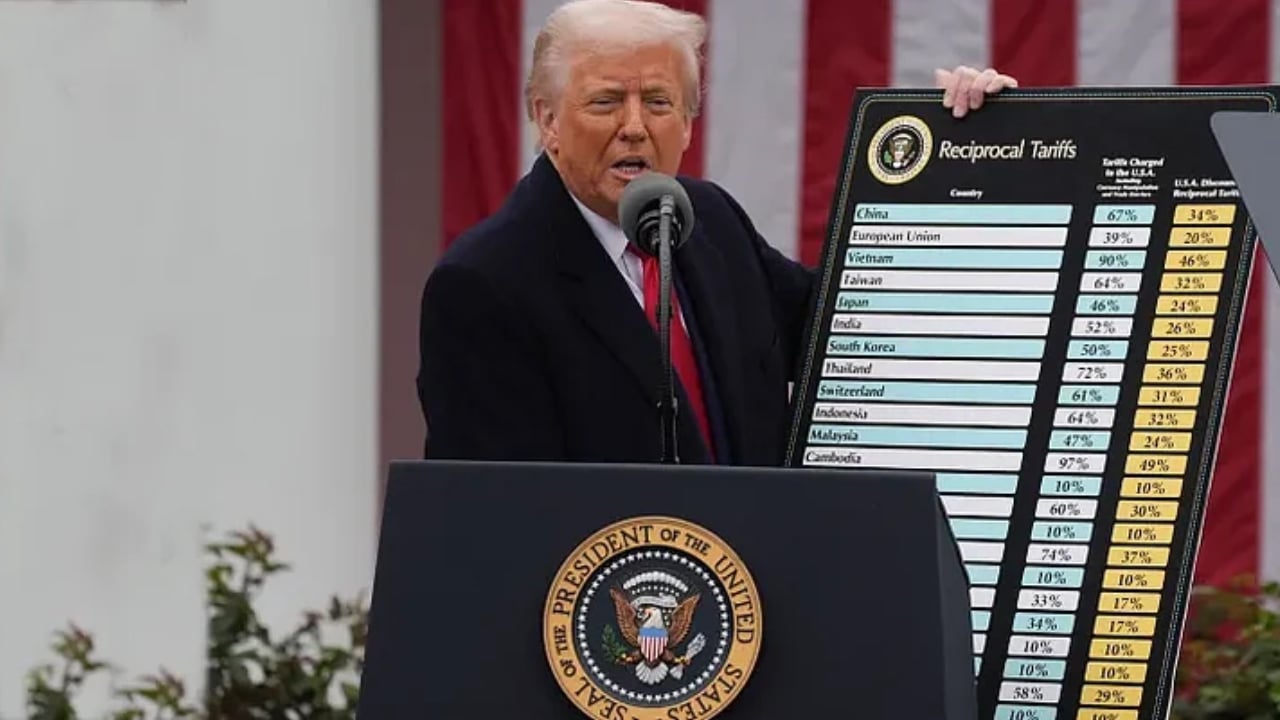
The US Court of International Trade has ruled against former President Donald Trump’s recently imposed 10 percent global tariff. The court stated that such a universal tariff was not justified under a trade law from the 1970s. The ruling came on Thursday in favor of small businesses that had filed the case, challenging the tariff that took effect on February 24. According to the plaintiffs, the new tariff attempted to bypass a previous Supreme Court decision that had struck down Trump’s 2025 tariffs imposed under the International Emergency Economic Powers Act. In his February order, Trump invoked Section 122 of the 1974 Trade Act, which allows temporary tariffs of up to 150 days to address severe trade imbalances or prevent a sharp dollar devaluation. The court found that the trade deficits cited in Trump’s order did not justify the use of this law, concluding that the measure was not an appropriate response under the statute.
The ‘1 Nojor’ media platform is now live in beta, inviting users to explore and provide feedback as we continue to refine the experience.