

The ‘1 Nojor’ media platform is now live in beta, inviting users to explore and provide feedback as we continue to refine the experience.
Germany’s top political leadership and intelligence agencies are at odds over how to address potential Iran-backed attacks within the country. According to a New York Times report, Chancellor Friedrich Merz and Interior Minister Alexander Dobrindt have acknowledged the threat but described it as theoretical or speculative. In contrast, regional intelligence chiefs consider the threat specific and urgent, warning that public awareness remains low due to political hesitation. European intelligence services have reportedly identified at least 50 plots targeting Jewish and Israeli institutions and critics of the Iranian government in Germany. Investigators are examining possible Iranian proxy involvement in a recent attack on an Israeli restaurant in Munich, claimed by a group called Harakat Ashab al-Yamin al-Islamia, which allegedly has financial ties to Tehran. The same group has claimed similar attacks in other European countries. Germany’s Interior Ministry confirmed ongoing investigations into Iranian activities, while the Chancellor’s Office declined to discuss specific threats or targets publicly.

A major dispute over proportional representation (PR) has become the central obstacle in Bangladesh’s ongoing constitutional reform process. Since the start of the 13th Parliament, the ruling and opposition parties have remained sharply divided on implementing the July Charter and the referendum verdict. The disagreement intensified after the February 12 election, with opposition members accusing the government of delaying or undermining the reform agenda. The government’s position on the July Charter’s full implementation has created further uncertainty, prompting Jamaat-e-Islami and an 11-party alliance to strengthen their protest programs. According to the July Charter’s Article 18, the proposed upper house would be formed through proportional representation based on votes received in the lower house election. While 24 parties, including Jamaat and BNP, signed the charter, seven parties expressed dissent, arguing that the upper house should reflect seat proportions instead. The ruling BNP’s refusal to take the constitutional reform council oath and its proposal for a special amendment committee have deepened mistrust. Opposition leaders accuse the government of political maneuvering and demand full implementation of the referendum’s mandate. The dispute over PR and the July Charter’s interpretation has stalled progress, leaving the timeline and mechanism for constitutional reform uncertain.

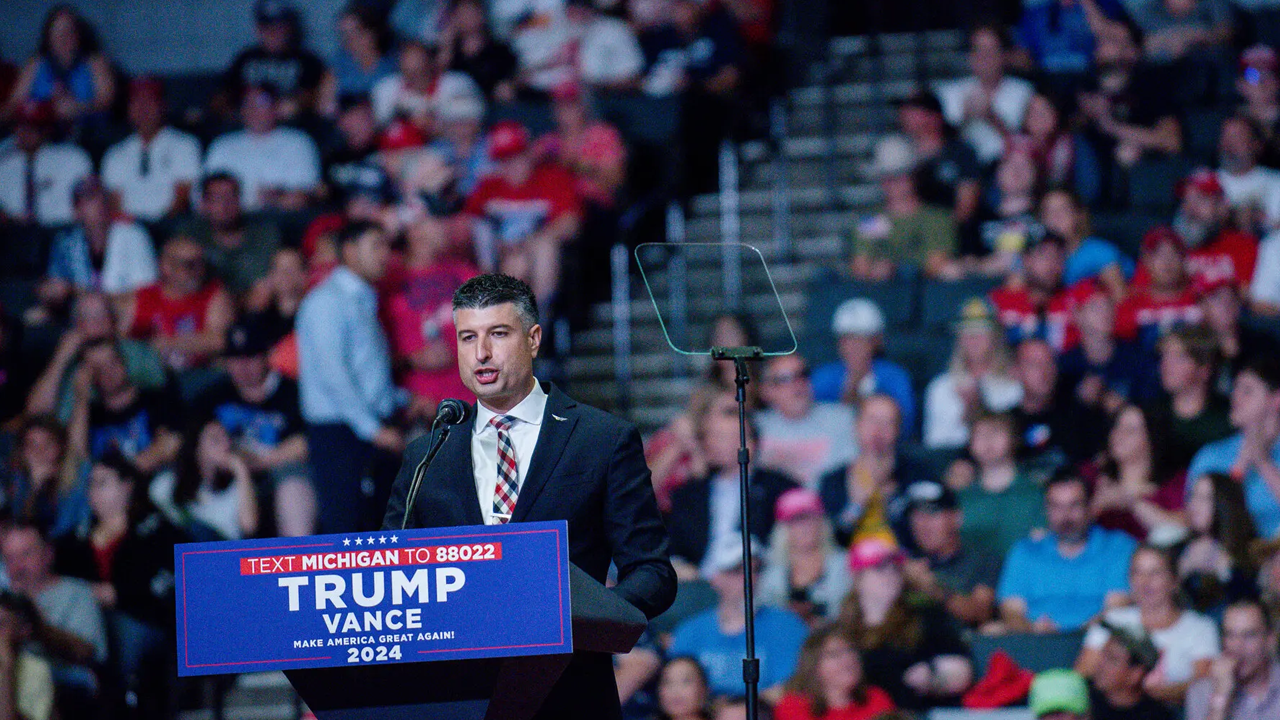
Republican Congressman Tom Barrett from Michigan has introduced a bill in the US House of Representatives seeking to restrict and eventually end ongoing American military operations in Iran. The bill, presented last Thursday, authorizes limited military actions only until July 30 and imposes strict conditions on their scope. It effectively challenges President Donald Trump’s earlier claim that the 'Iran war is over.' Barrett, a former military officer, said the proposal aims to uphold Congress’s constitutional authority and ensure transparency in the conflict. The bill prohibits any large-scale ground operations in Iran, allowing force only to destroy nuclear facilities, counter imminent threats to US forces, maintain naval blockades at ports, and secure navigation in the Strait of Hormuz. Barrett emphasized that while the president holds command authority, Congress must define the war’s objectives and timeline. Despite Trump’s assertion that the conflict ended with an April 7 ceasefire, thousands of US troops remain deployed in the region, and recent skirmishes have occurred. Alaska Senator Lisa Murkowski has also announced plans to draft a similar measure, reflecting growing unease among Republicans over the prolonged military engagement in Iran.
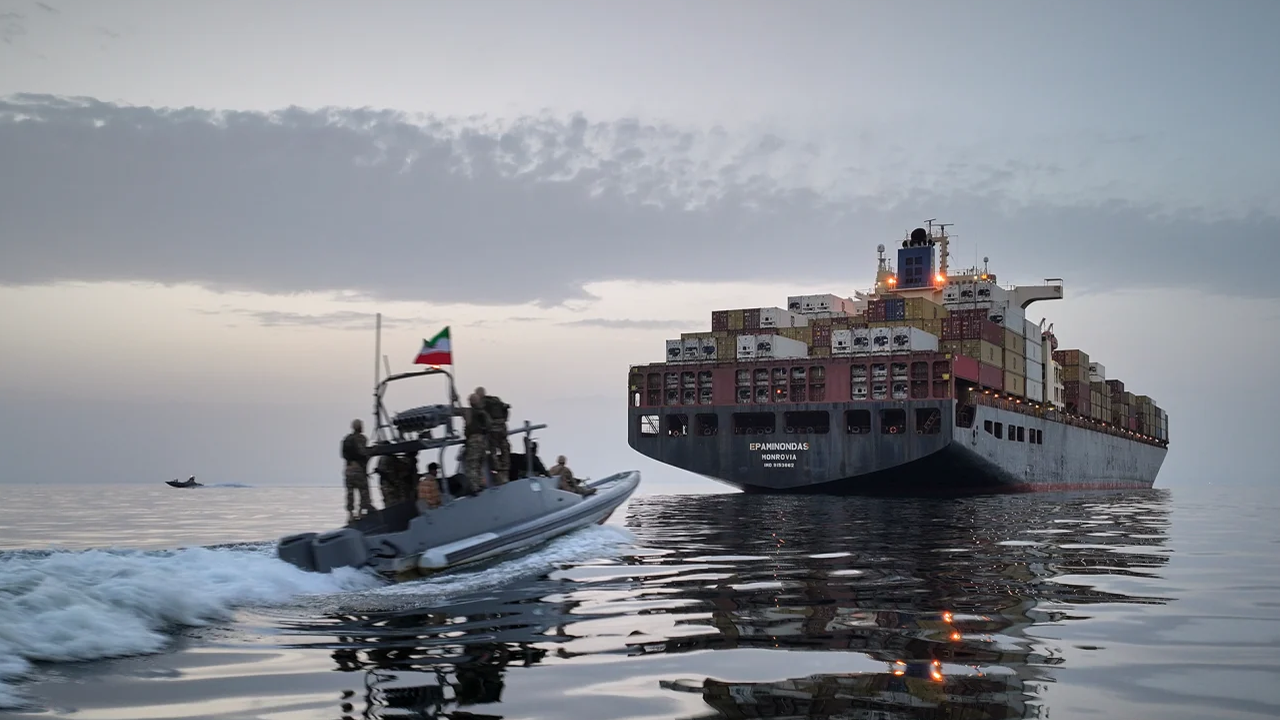
Iran has introduced a new policy to tighten control over the Strait of Hormuz, one of the world’s most critical maritime routes. Under the ‘Vessel Information Declaration’ system, every ship passing through the strait must now obtain clearance from the newly formed Persian Gulf Strait Authority (PGSA). According to a document obtained by CNN, vessels are required to complete a form answering 42 questions, including details about ownership, crew nationality, and cargo. The PGSA stated that approvals will be issued via email upon verification of accurate information, while applicants will bear responsibility for any errors. Iran’s Supreme Leader Mojtaba Khamenei said on his Telegram account that the move aligns with the “Strong Iran” strategy, emphasizing that foreign powers have no place in the region. He urged the use of the Strait of Hormuz as a strategic tool to shape a new regional and global order. The policy has already affected global energy markets, with oil prices in the United States reaching a four-year high. Lloyd’s List reported that ship traffic through the strait dropped from an average of 120 vessels per day before the conflict to only 40 in the week ending May 3. Analysts suggest Iran may impose tolls of up to $2 million per ship, though the U.S. Treasury has warned that any American entity paying such tolls would violate sanctions.
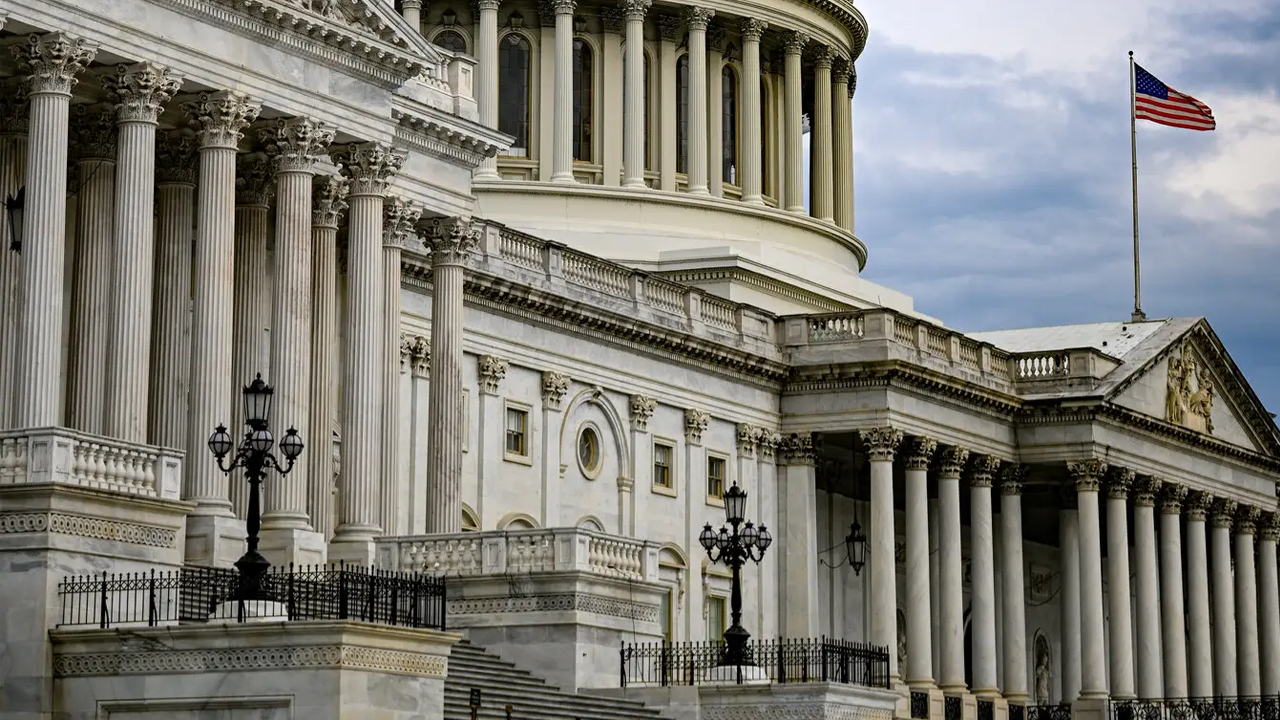
The United States has reached a concerning milestone as its national debt has exceeded the size of its total economic output. Preliminary estimates released last week show that the country’s debt now stands at 31.26 trillion dollars, slightly higher than its GDP of 31.21 trillion dollars for the twelve months ending in March. This marks the first time since World War II and the COVID-19 pandemic that such an imbalance has occurred. Economists have warned that the situation could push the US toward a major financial crisis if debt continues to grow faster than the economy. They argue that rising debt will make it increasingly difficult for the government to meet interest payments. Analysts also point to President Trump’s tax cuts and plans for higher military spending as factors that could worsen the fiscal strain. According to the Congressional Budget Office, US debt could reach 120 percent of GDP by 2036, posing a significant threat to the global dominance of the dollar. The White House, however, maintains that measures are being taken to reduce wasteful spending and control expenditures.
Global oil prices rose sharply on Friday following renewed military tensions between the United States and Iran. In early trading in the US market, crude prices increased by up to 3 percent. The latest international market data showed West Texas Intermediate (WTI) crude climbing 2.58 percent, or 2.45 dollars, to reach 97.26 dollars per barrel. The price surge came after reports of clashes between US and Iranian forces in the strategic Hormuz Strait on Thursday. Iran accused the United States of violating a ceasefire by attacking two of its ships and later bombing civilian areas along its coast. The incident triggered immediate volatility in the global energy market. Market analysts warned that continued instability in the Hormuz Strait, a key maritime route for global oil transport, could disrupt energy supplies and push prices even higher if tensions persist.

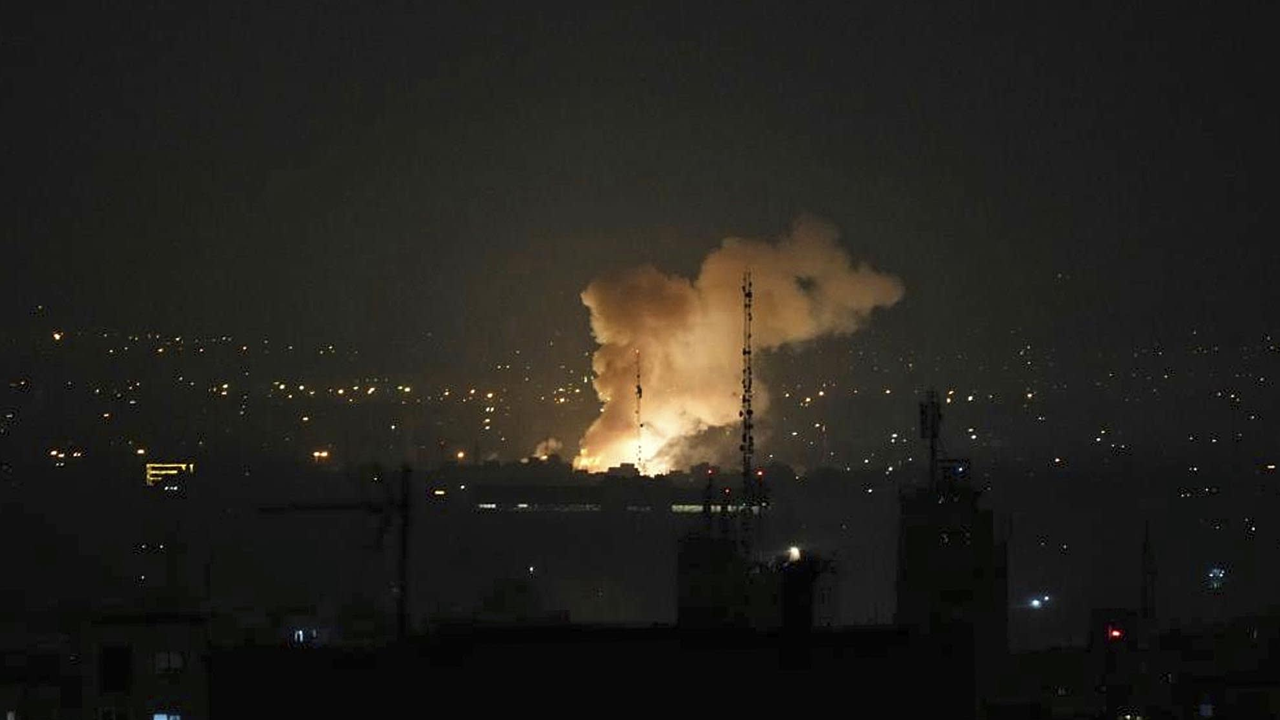
Explosions were reported in Tehran late Thursday night as Iran’s air defense systems were activated amid a fragile ceasefire. The state news agency IRNA confirmed two powerful blasts in the capital, while Reuters and Al Jazeera reported major attacks in southern Iran. The governor of Minab confirmed an assault on a naval base, and explosions were also heard in Bandar Abbas. Iran’s joint military headquarters said strikes occurred in Bandar Khamir and Sirik, damaging two Iranian ships, including an oil tanker. In response, Iran’s elite Revolutionary Guard Corps (IRGC) claimed to have launched retaliatory attacks targeting three US destroyers. Although Iranian sources described the situation as “normal,” concerns are rising over how long tensions can be contained. Earlier, US President Donald Trump stated that American destroyers had successfully intercepted Iranian drones and missiles in the Strait of Hormuz, while Iran asserted that US vessels sustained damage. The escalating exchanges in the Persian Gulf have raised fears of a wider conflict in the Middle East, with regional observers closely monitoring developments.
The United States Central Command (CENTCOM) stated that recent attacks on Iran-backed forces were entirely self-defensive actions. In a statement issued from its headquarters in Tampa, Florida, CENTCOM said the measures were taken to protect US interests amid rising tensions in the Strait of Hormuz. The command’s position aligns with recent remarks from senior Washington officials. US Secretary of State Marco Rubio said earlier this week that the United States would take necessary steps in the interest of self-defense. The US President also echoed this stance on the social media platform Truth Social, asserting that American forces were performing their duties successfully in the Strait of Hormuz. He blamed Iran for the escalating situation and said the US was compelled to respond to protect its interests. Disagreement has emerged between the two countries over the extent of damage from the clashes. Iran claimed that a US ship was damaged, but Washington denied the allegation, stating that no American vessel had been harmed.

A preliminary investigation has begun at Rangpur Central Cooperative Bank Limited following a report published in the daily newspaper Amar Desh. The inquiry was initiated by the office of the Divisional Joint Registrar after the report appeared on April 19, 2026. On Thursday around 12:30 p.m., Upazila Cooperative Officer and chief investigator Aftabuzzaman, along with District Cooperative Inspector Manjur Alam, visited the bank office and examined documents for about two hours. After the inspection, Aftabuzzaman told journalists that various documents had been reviewed and statements from the accused individuals were recorded. Some documents were submitted, while others were explained verbally. Several important issues were identified during the process. The accused accountant Pradip Kumar Sarkar and office assistant Khairun Nahar were present, but contractor Khairul Kabir Rana was absent. District Cooperative Officer and bank board chairman Farid Uddin stated that salaries were paid to the accused officials considering their financial hardship, and further action would follow the committee’s report. Divisional Registrar Muklesur Rahman warned that any authority paying illegally appointed officials would bear responsibility.

National Citizens Party (NCP) convener and opposition chief whip Nahid Islam said that if the July Charter issue is not resolved in Parliament, the movement could shift to the streets. He made the remarks on Thursday night at the Chittagong University Journalists Association office while responding to reporters. Nahid Islam emphasized that despite the tense international situation, energy crisis, and measles outbreak, he does not want political instability. He criticized the BNP for not providing a clear stance on holding a referendum for constitutional reform while calling for the implementation of the July Charter. He noted that the opposition has acted responsibly in Parliament and has not rendered it ineffective. Nahid Islam added that the BNP’s two-thirds majority in Parliament has narrowed the opposition’s political space, and the next steps depend largely on BNP’s position. Regarding local government elections, he said the NCP remains in an electoral alliance and may contest jointly or independently depending on the situation. He also met with Chittagong University’s vice-chancellor and student leaders during his visit.

The Bangladesh government has announced a continuous seven-day public holiday for the upcoming Eid-ul-Azha. The decision was made during a cabinet meeting held on Thursday at the Secretariat, chaired by Prime Minister Tarique Rahman. According to a Cabinet Division press release, the holiday will run from May 25 to May 31, 2026. To accommodate the extended break, government offices will remain open on May 23 and 24, including Saturday, which is normally a weekly holiday. In the same meeting, the cabinet approved the draft of the National Public Toilet Policy 2026, initiated by the Local Government Division. The policy aims to raise public awareness about the use, maintenance, and cleanliness of public toilets, ensuring hygienic and accessible facilities across the country. It emphasizes user-friendly toilets for women, children, persons with disabilities, the elderly, and marginalized groups. The policy also includes measures for effective management, financing, and long-term sustainability of public toilet systems, along with monitoring, evaluation, and timely reform. It mandates separate toilets for women in infrastructure projects and requires safety tanks to prevent waste from polluting water bodies.
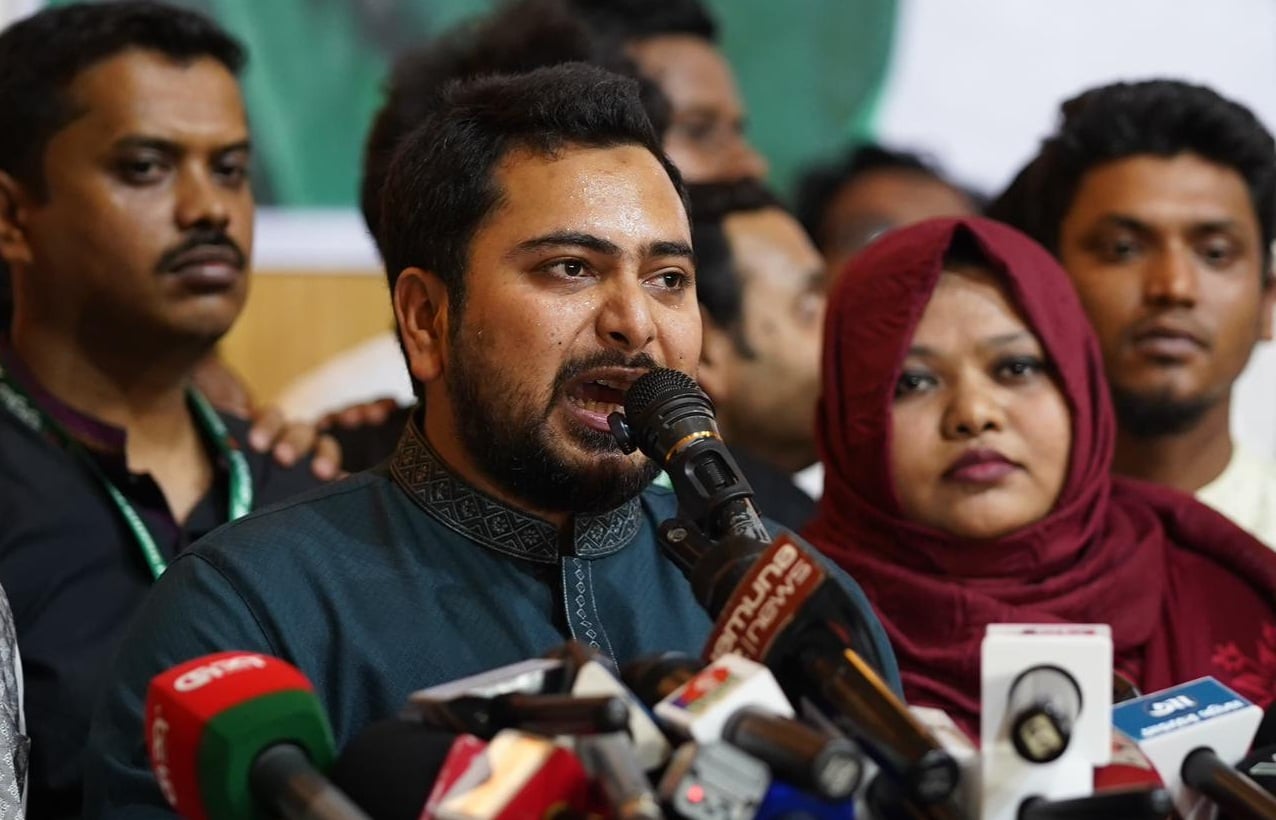
Nahid Islam, convenor of the National Citizen Party (NCP) and opposition chief whip, said that post-election violence against Muslims and other communities in West Bengal could have repercussions in Bangladesh. Speaking on Thursday in Chattogram at a ceremony where over a thousand leaders and activists from various political parties joined the NCP, he urged all citizens to act responsibly and ensure the safety of people of all faiths in Bangladesh. Nahid emphasized that while West Bengal’s election is an internal matter for India, reports of disenfranchisement of several hundred thousand citizens, mostly Muslims and members of the Matua community, were concerning. He said Bangladesh must demonstrate that it remains the safest country in South Asia for minorities. He also called on the government to be more vigilant in preventing measles outbreaks and to hold those responsible accountable. Calling for unity to resolve current national crises, Nahid urged political forces to work together both in parliament and on the streets to achieve reforms and justice, and to create a safe environment for women in politics.
The Governor of West Bengal, R.N. Ravi, has dissolved the state assembly, formally ending Mamata Banerjee’s 15-year tenure as Chief Minister. The decision follows the Bharatiya Janata Party’s (BJP) sweeping victory in the recent state elections, where it won over 200 seats, paving the way for its first government in West Bengal. Mamata Banerjee, who had led the state since 2011 through three consecutive terms, reportedly showed reluctance to submit her resignation to the Governor, raising concerns about a potential constitutional impasse. Following the announcement of election results on May 4, widespread violence erupted across the state. Police reports confirm at least four deaths and 433 arrests, with more than 200 cases filed. Clashes between supporters of the Trinamool Congress and the BJP have been reported in several districts, including Kolkata. Both parties are blaming each other for the unrest. The situation intensified after the shooting death of Chandranath Rath, a close aide of BJP leader Suvendu Adhikari. The BJP has called it a planned political killing, while the Trinamool Congress accuses BJP-backed groups of inciting violence. The state now faces both political transition and deep instability.

State Minister for Primary and Mass Education Bobby Hajjaj announced that Ebtedayee madrasas will be brought under the Directorate of Primary Education in the coming days. He made the statement on Thursday in Dhaka during a citizens’ dialogue titled ‘Government Priorities and the Education Sector: Budget and Reality,’ organized by the Citizen’s Platform of CPD. Hajjaj explained that the initiative will not start immediately, as the ministry is still addressing internal challenges and repairing weaknesses in the education system caused in recent years. He emphasized that the ministry is working step by step to strengthen the system before taking on larger responsibilities. The goal is to bring all education for children under ten years old under the same ministry with a uniform curriculum and standards. The state minister also mentioned that around 14,000 teachers awaiting appointment will not be allowed to enter classrooms without completing required training. Despite protests from these teachers, he said the ministry remains firm on its decision, and they will return to classrooms within four to six months after training.
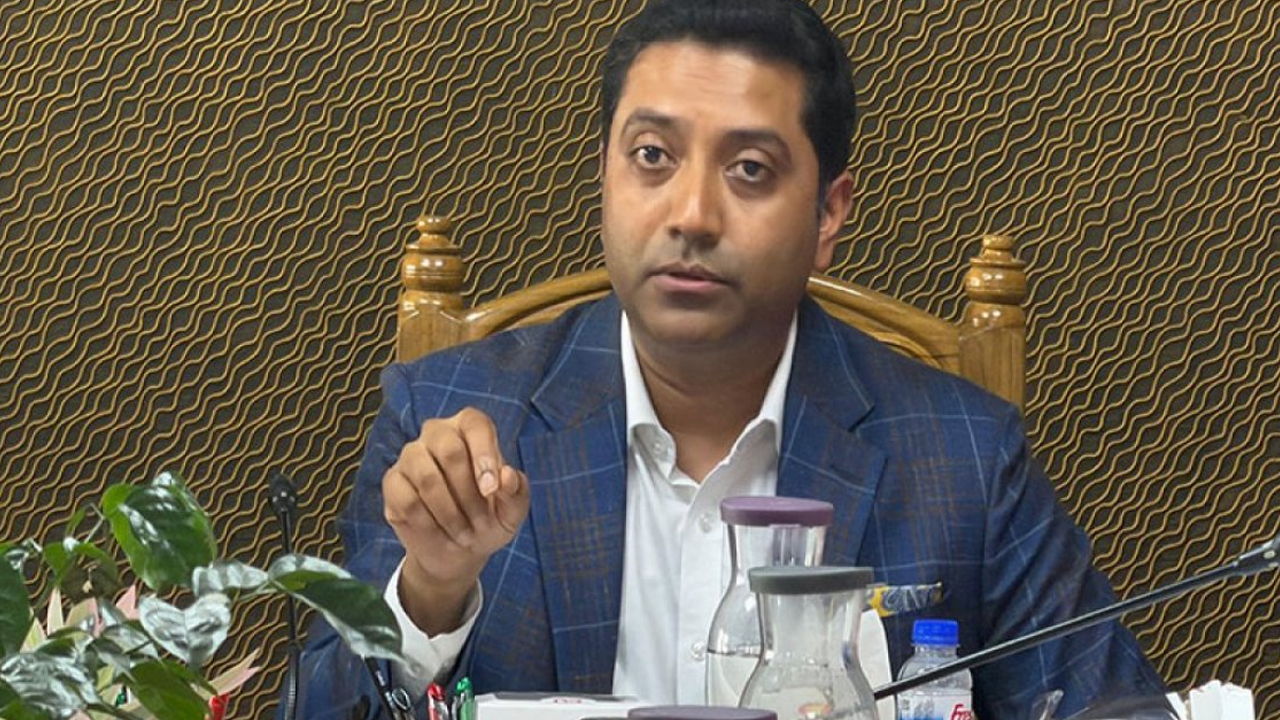
The United States’ planned naval mission ‘Project Freedom,’ aimed at securing shipping in the Strait of Hormuz, faced a major setback when Saudi Arabia and Kuwait refused to allow the use of their airspace and military facilities. As a result, U.S. President Donald Trump was compelled to temporarily suspend the operation. According to NBC News, Saudi Arabia denied access to the Prince Sultan Air Base and prohibited U.S. military flights over its territory. U.S. officials said Trump’s sudden announcement of the project on Sunday caught Gulf allies off guard. Despite a phone call between Trump and Saudi Crown Prince Mohammed bin Salman, no agreement was reached. A Saudi official told NBC News that the situation was changing too quickly for a decision, but Riyadh viewed Pakistan’s mediation between the U.S. and Iran positively. The White House maintained that regional partners had been informed in advance, though a Middle Eastern diplomat claimed coordination occurred only with Oman after Trump’s public statement. Following the suspension, Iran’s ports and maritime authority declared readiness to assist commercial vessels in the Strait of Hormuz, offering fuel, food, and medical support if needed.

The ‘1 Nojor’ media platform is now live in beta, inviting users to explore and provide feedback as we continue to refine the experience.