

The ‘1 Nojor’ media platform is now live in beta, inviting users to explore and provide feedback as we continue to refine the experience.
Arsenal have reached the final of Europe’s top club competition for the first time in 20 years after defeating Atletico Madrid 1-0 in the second leg of the semifinal at Emirates Stadium in London. The North London side secured a 2-1 aggregate victory, with Bukayo Saka scoring the decisive goal in the 45th minute to send his team to the final scheduled for May 30 in Budapest. The match was played in front of a passionate home crowd, whose energy fueled Arsenal’s performance throughout the rainy evening. Atletico Madrid’s coach Diego Simeone appeared dejected as his team’s comeback hopes faded. After the final whistle, players and fans celebrated together, with coach Mikel Arteta joining in the jubilation. This marks Arsenal’s first appearance in the competition’s final since 2006. The team also remains in contention for the domestic league title, needing three more wins to end a 22-year wait. Arsenal’s opponent in the final will be decided between Bayern Munich and Paris Saint-Germain, with PSG leading 5-4 after the first leg.

Bangladesh and Pakistan are set to face each other again in a Test series nearly two years after their last encounter in Rawalpindi in August 2024. Historically, Pakistan has dominated the rivalry, winning 12 of the 15 Tests played over the past 24 years, while Bangladesh claimed victory in the last two matches on Pakistani soil. This recent success has boosted Bangladesh’s confidence as they prepare for the upcoming series. Pakistan has conducted an intensive training camp in Lahore for its Test squad, including players returning from the Pakistan Super League, aiming to reclaim dominance based on their strong historical record. However, Bangladesh’s recent form, particularly in pace bowling, has been impressive, with bowlers like Taskin Ahmed, Shoriful Islam, and young Nahid Rana performing strongly. The team’s batting lineup, led by Mushfiqur Rahim and Liton Das, also holds an edge over Pakistan’s current players. With pace-friendly conditions expected in Mirpur and Sylhet, Bangladesh’s bowlers could pose a serious challenge to Pakistan, making the upcoming series a test of form versus history.

U.S. President Donald Trump has announced the suspension of the military operation known as 'Project Freedom' in the Strait of Hormuz. The decision was made public on Tuesday through his social media platform, Truth Social. Trump stated that the move follows progress in negotiations with Iran and requests from several countries, including Pakistan. Despite the suspension, he confirmed that the U.S. naval blockade on Iranian ports will remain fully in effect. According to Trump, the suspension aims to allow time to determine whether a final agreement with Iran can be concluded and signed. The announcement comes amid ongoing diplomatic efforts and regional developments surrounding control of the Hormuz Strait. The report cites Al Jazeera as its source. The decision signals a temporary pause in U.S. military activity in the area while diplomatic discussions continue, though no timeline for the next steps has been specified.
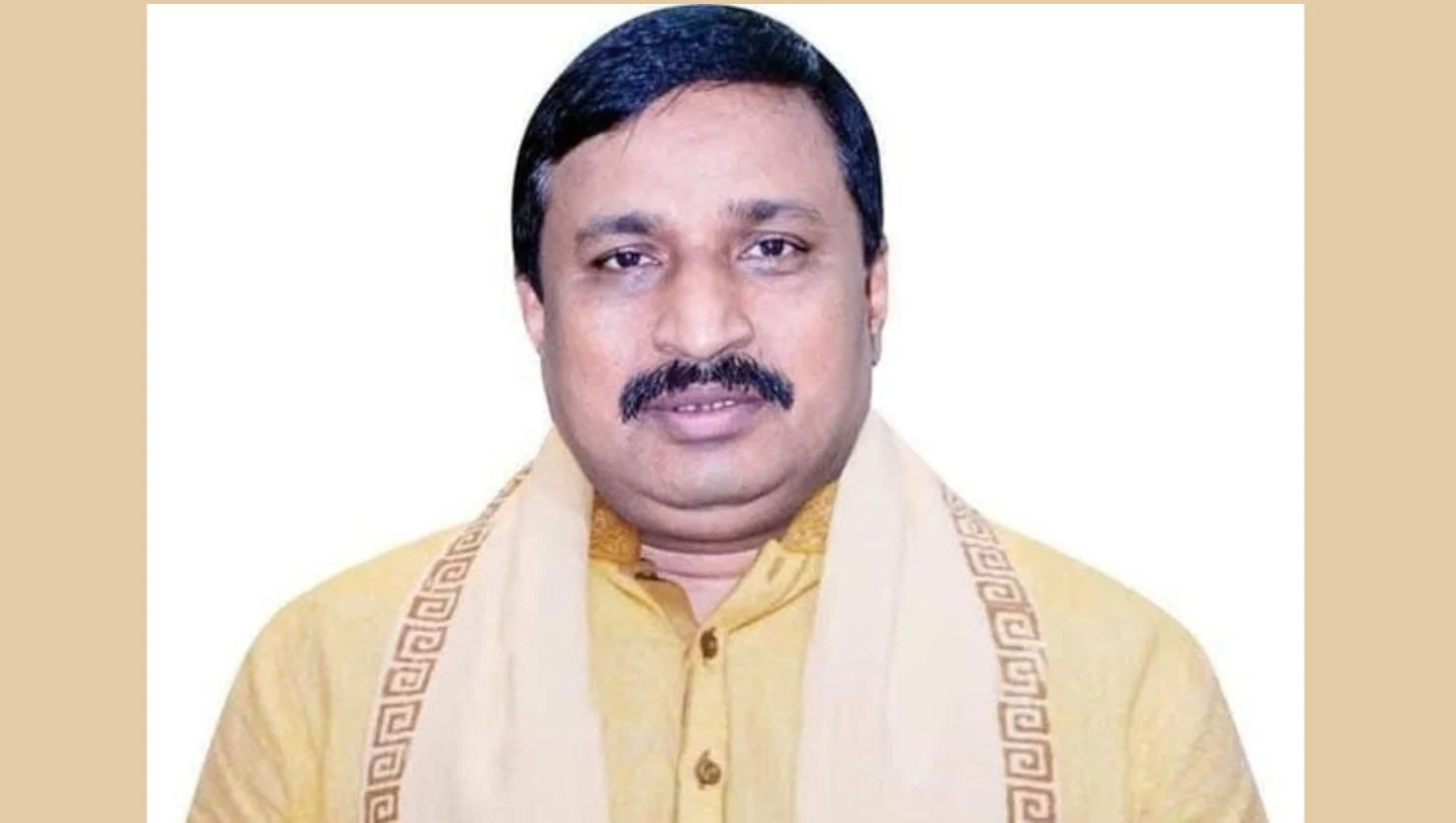
A Feni court has framed charges against former Feni-2 MP Nizam Uddin Hazari, former Feni-3 MP Masud Uddin Chowdhury, and 122 others in the murder case of tomtom driver Md. Sabuj during the July uprising in Mahipal. The order was issued on Tuesday afternoon by Senior District and Sessions Judge Md. Sirajuddoula Kutubi, marking the beginning of the first trial related to the Mahipal killing. According to court sources, Sabuj was shot dead on August 4, 2024, during an anti-discrimination student and public movement allegedly involving leaders of the Awami League and its affiliates. His brother Md. Yusuf filed the case on August 13, 2024, naming 65 individuals and 300–400 unidentified persons. On December 9, a charge sheet was submitted against 124 accused, including 59 identified through investigation. Arrest warrants were later issued for 71 fugitives. So far, 44 suspects have been arrested, including five named in the original complaint and 39 others identified later. Seven of them have been interrogated under remand.
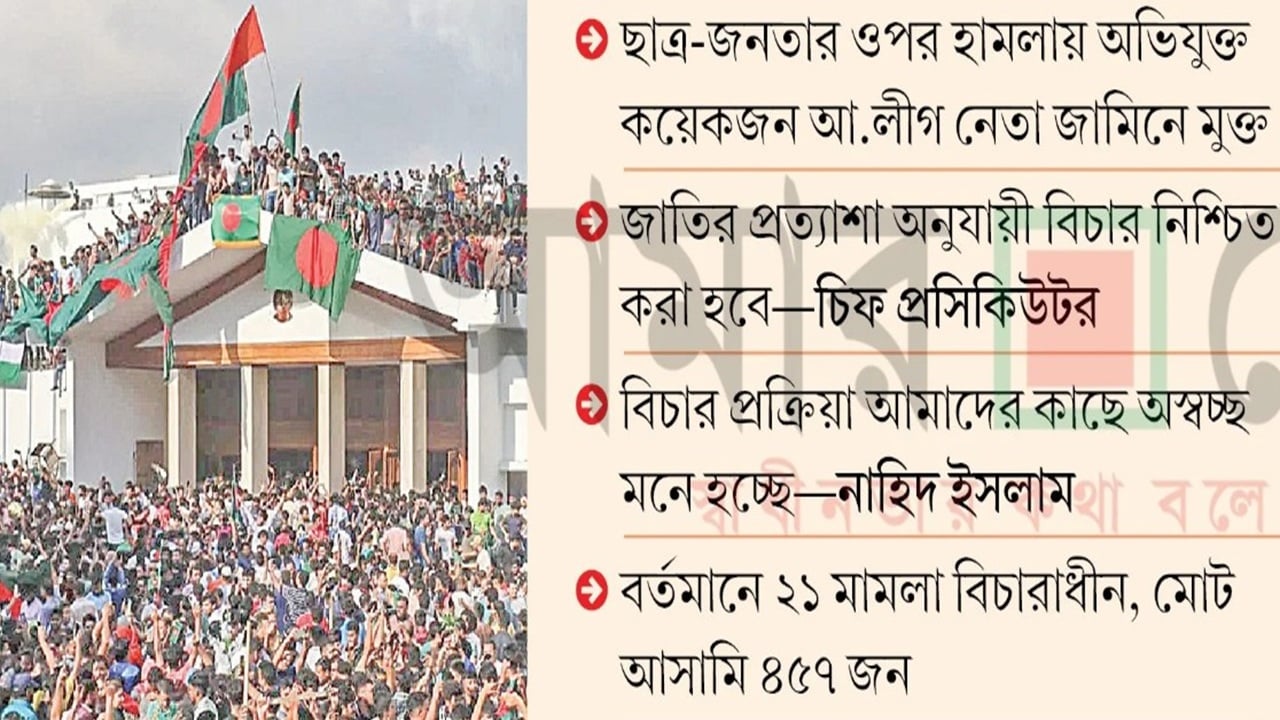
The International Crimes Tribunal has delivered verdicts in several July Revolution cases, including the Abu Sayeed murder and Chankharpul massacre, sentencing 13 people to death and 10 to life imprisonment. However, the simultaneous release of influential Awami League leaders on bail and the government’s directive to review post-August 2024 cases have raised public doubts about the impartiality of the judicial process. UN Special Rapporteur Dr. Alice Jill Edwards emphasized the need for transparency and neutrality in these trials. Political and civil society figures have voiced skepticism about recent changes in the tribunal’s leadership. The replacement of Chief Prosecutor Tajul Islam with Md. Aminul Islam has been criticized by some as potentially weakening accountability for high-ranking officials, though the new prosecutor pledged to ensure fair trials. The Home Ministry’s order to re-examine certain cases has further fueled debate over whether justice is being compromised for political convenience. With 21 cases still under trial and 457 accused, victims and observers remain uncertain whether the ongoing judicial process will deliver justice or deepen mistrust in the system.
Police’s Detective Branch (DB) arrested two individuals in Keraniganj, Dhaka, for possessing counterfeit money and equipment used to produce fake currency. The arrests were announced on Tuesday morning at a press conference held at the Dhaka District South Detective Police office by Additional Superintendent of Police (Crime and Ops) Md. Tarikul Islam. The detainees were identified as Md. Kawser and Kamal Hossain. According to the briefing, acting on a tip-off that counterfeiters were targeting upcoming Eid-ul-Azha cattle markets, a DB team led by Officer-in-Charge Shafiqul Islam Suman conducted a raid at a five-story building in Vangna Mujibnagar, Keraniganj. Kawser was arrested first, followed by house owner Kamal Hossain based on his information. Police recovered counterfeit notes worth eight lakh taka—six lakh from Kawser and two lakh from Kamal. Authorities also seized printers, special paper, ink, hand sealers, and dies used for producing fake currency. The operation was carried out under the direction of Dhaka District Superintendent of Police Md. Mizanur Rahman.

The United States is reportedly planning new attacks in Iran in coordination with Israel, despite an ongoing ceasefire between Washington and Tehran. According to CNN citing Israeli sources, preparations are underway for a new phase of strikes targeting Iran’s energy infrastructure and senior officials. The plan was largely finalized before the ceasefire in April, and the final decision rests with US President Donald Trump. Meanwhile, tensions have escalated in the Strait of Hormuz, where Iranian and US naval forces clashed earlier this week. Iran claimed that US attacks killed five civilians and destroyed several vessels, while the US Central Command denied the allegation, saying its forces targeted Iranian boats obstructing commercial shipping. Iranian officials accused Washington of aggression and warned against further military actions in the region. US Defense Secretary Pete Hegseth confirmed that the ceasefire remains in effect but warned that the strategic waterway must remain open. Global oil prices rose sharply amid fears of renewed conflict, with Brent crude reaching over $114 per barrel before easing slightly.

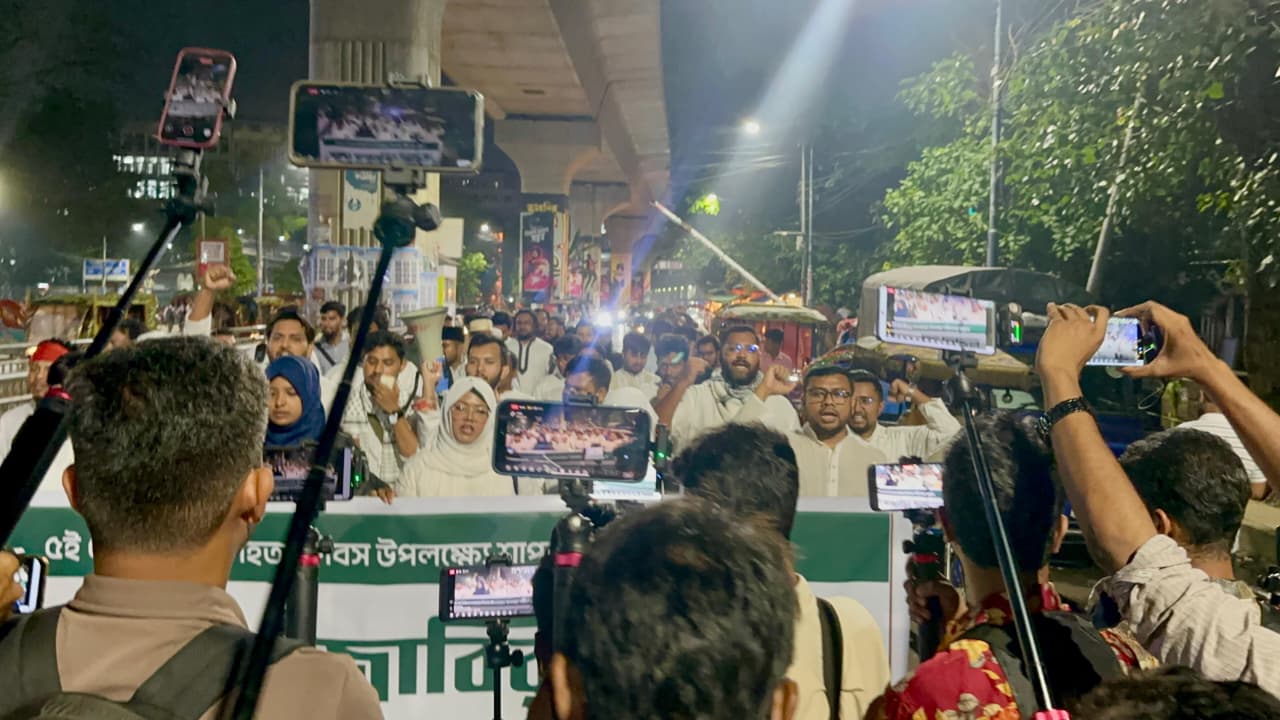
The Justice and Democracy Party (JDP) held a program at Shahbagh, Dhaka, demanding swift trials for the Shapla Chattar killings and the blogger murder cases. During a brief speech before the “White Panjabi March” on Tuesday night, JDP convener Naeem Ahmad urged leftist groups such as CPB, BSD, Chhatra Union, and Chhatra Front to apologize for their alleged roles in creating the backdrop for the Shapla massacre. Ahmad claimed that the 2013 Shahbagh Gonojagoron Mancha was state-sponsored to prolong the then government’s rule, later turning into an anti-Islamic and fascist movement. He alleged that Imran H Sarker, the platform’s spokesperson, worked as a “covert Chhatra League” member, citing a remark by Awami League leader Nuh-ul-Alam Lenin. Ahmad also said that leftist organizations and allies of Sheikh Hasina’s coalition supported this political trend, enabling a prolonged authoritarian rule. The JDP demanded the publication of an official list of those killed at Shapla Chattar, completion of all genocide trials, and strong measures against extremism and anti-religious activities. The march began at Shahbagh and ended at Dhaka University’s TSC area, joined by JDP, National Student Forum members, and general participants.
Raw jute exports from Bangladesh have remained suspended for eight consecutive months, causing widespread frustration among farmers, exporters, and workers. The government initially imposed the restriction to protect jute mills from raw material shortages, but the ban has persisted far longer than expected. Only 18 companies with prior telegraphic transfers have been allowed to export 6,377 tons of jute, mostly to India. The Bangladesh Jute Association (BJA) reports that the interim government’s September 2025 directive made raw jute a conditional export item, effectively halting exports. BJA Chairman Khandaker Alamgir Kabir said the ban has disrupted the sector, leaving exporters burdened with rent, loan interest, and wages despite no income. Farmers and suppliers are suffering losses as mill owners have reduced purchase prices, while around 100,000 workers have become jobless. Kabir alleged that the former textile and jute adviser imposed the ban unilaterally to benefit mill owners, many of whom he is linked to. Business leaders have repeatedly urged the government to lift the ban, warning that continued restrictions could discourage jute cultivation. Exporters have requested the new government to withdraw the letter of credit restrictions to resume normal trade operations.

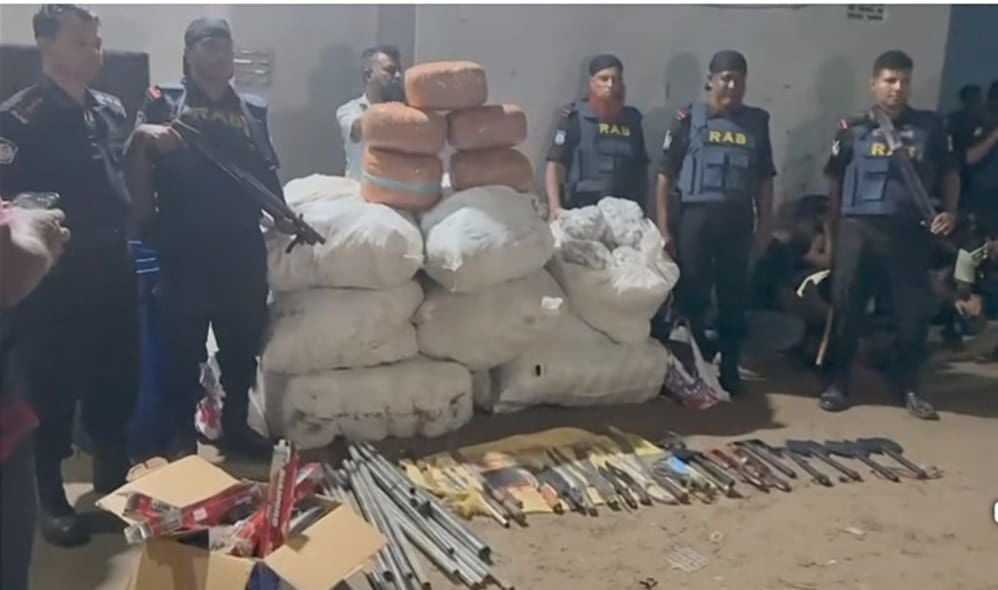
A joint operation by RAB and police in Fatullah, Narayanganj, led to the arrest of ten suspects and the seizure of a large quantity of drugs, local weapons, and cash. The raid began on Tuesday evening following an earlier attack on RAB officers. Law enforcers targeted the hideout of alleged drug dealers Rashed and Rasel in the Deobhog area, where they recovered yaba tablets, cannabis, homemade weapons, and over one million taka in cash. The identities of the detainees were not immediately disclosed. Earlier that day, three members of RAB-11’s intelligence team were attacked by drug traders while gathering information in the Boalia canal area. The officers—Mahi, Ibrahim, and Najibul—were injured, with Najibul later transferred to Dhaka for advanced treatment. The incident prompted RAB-11 Battalion Commander Lieutenant Colonel H. M. Sajjad Hossain to visit the injured officers and lead a follow-up operation in the area. RAB officials stated that a formal briefing on the operation and arrests would be provided later.
A 15-year-old boy named Mahmoud Sahweil was killed when Israel carried out a strike on a police station in Gaza. The attack also injured several police officers. According to his aunt, the boy had been selling bread to help support his 15-member family at the time of the incident. The strike is part of ongoing Israeli military actions in Gaza, where at least 830 Palestinians have been killed since the October 2025 ceasefire. The incident highlights the continuing civilian toll in the region despite the declared truce. The report underscores the persistent instability in Gaza and the human cost of renewed violence following the ceasefire.

At the ServiceNow Knowledge 2026 conference, NVIDIA founder and CEO Jensen Huang and ServiceNow chairman and CEO Bill McDermott announced an expanded collaboration to develop autonomous AI agents for enterprise use. The partnership aims to integrate NVIDIA’s accelerated computing, open models, and domain-specific skills with ServiceNow’s workflow and governance platforms. Central to this initiative is Project Arc, a self-evolving autonomous desktop agent designed for knowledge workers such as developers, IT teams, and administrators. Project Arc connects directly to the ServiceNow AI Platform through Action Fabric, enabling governance, auditability, and workflow intelligence for every action it performs. It leverages NVIDIA OpenShell, an open-source secure runtime, to ensure agents operate within sandboxed, policy-governed environments. The companies are also introducing tools such as the NVIDIA AI-Q Blueprint, Agent Toolkit, and NOWAI-Bench to support specialized agent development and benchmarking. The collaboration emphasizes efficiency and scalability through NVIDIA’s AI factories and Blackwell platform, which deliver improved token economics for large-scale AI deployment. Together, NVIDIA and ServiceNow aim to provide enterprises with the infrastructure, context, and governance needed to deploy autonomous AI systems safely and effectively.

BNP Vice Chairman and Noakhali-3 MP Barkat Ullah Bulu has demanded justice for the killing of Shaheed Sharif Osman Hadi, spokesperson of Inquilab Moncho. Speaking on Tuesday, May 5, at the inauguration of a canal excavation project in Pauranbibi Bazar of Begumganj upazila, Bulu said those responsible for the murder of the young nationalist leader must be brought to justice. The event was chaired by Begumganj Upazila Nirbahi Officer Md Kayesur Rahman and attended by officials from the Water Development Board, local BNP leaders, and residents. During his speech, Bulu also cited a remark attributed to the son of Jamaat-e-Islami founder Maulana Abul Ala Maududi, describing the party as dangerously addictive. He claimed that no member of Maududi’s family is involved with Jamaat-e-Islami. Bulu further discussed the history of canal excavation in Begumganj, crediting former President Ziaur Rahman for initiating the work and blaming later interruptions for agricultural setbacks. He said BNP leader Tarique Rahman has revived the program and urged people to remain alert against conspirators while pledging continued development under Tarique’s leadership.
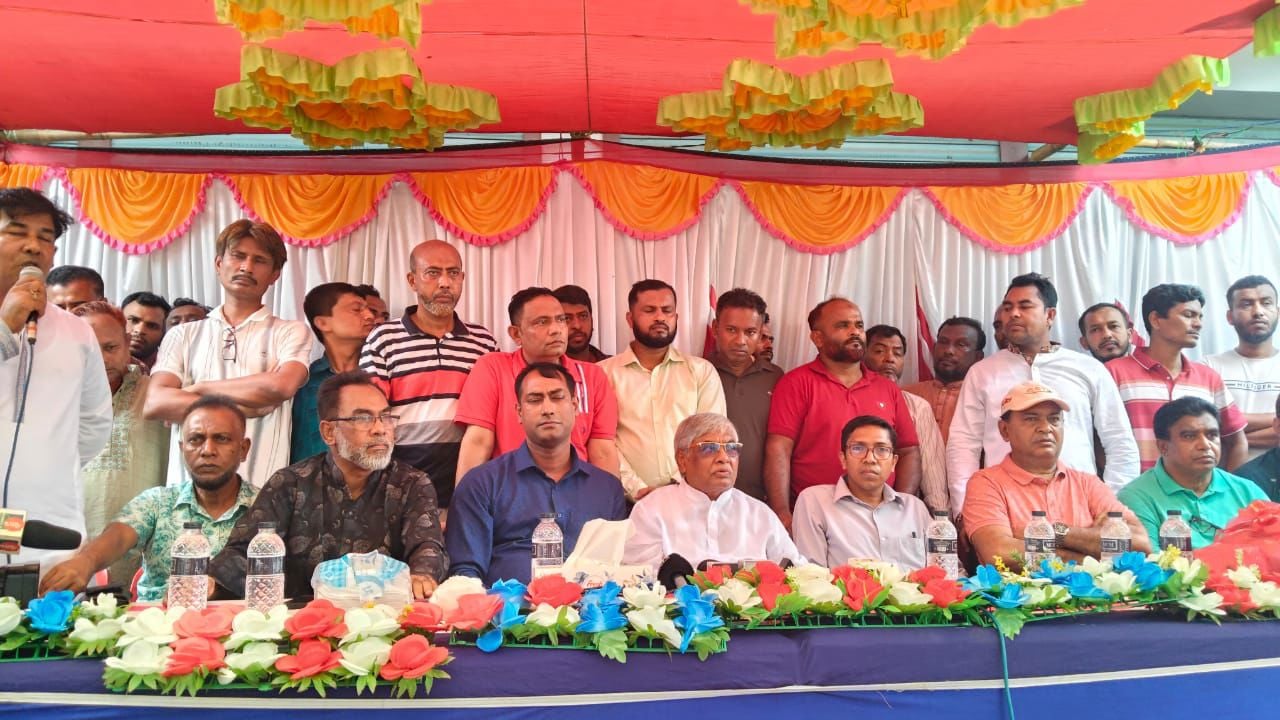
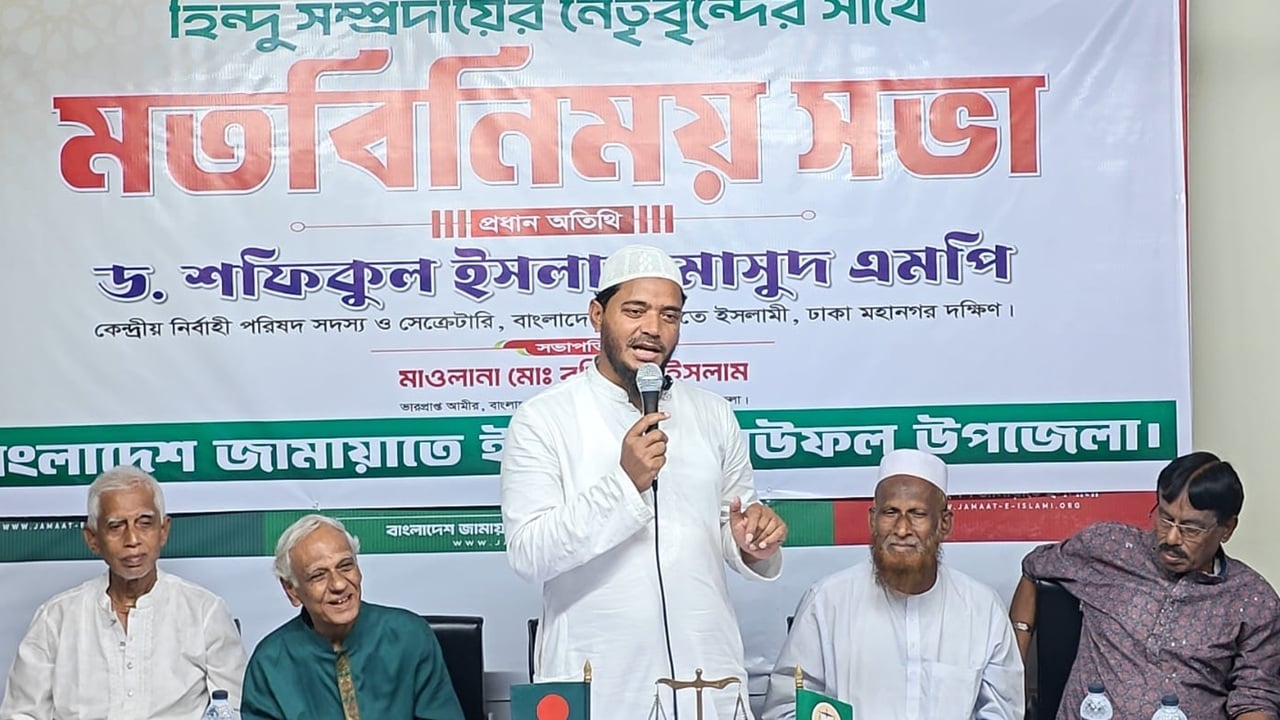
Dr. Shafiqul Islam Masud, Member of Parliament for Patuakhali-2 (Bauphal), stated that the recent election in India’s West Bengal will have no impact on Bangladesh. He made the remarks on Tuesday evening during a meeting with Hindu community leaders at the Banglabazar office of Bauphal Upazila Jamaat. Masud emphasized that elections in neighboring countries are internal matters and that Bangladesh’s communal harmony will remain unchanged. During his address, Masud discussed local issues including drug control, theft prevention, and community cooperation. He said that while drug problems have not been fully eradicated, political protection for drug dealers has been eliminated. He also mentioned that community involvement is essential to curb both drug abuse and theft, and that related legal complexities will be raised in the national parliament. Masud urged all communities to work together for social stability and assured that Bangladesh will determine its own path without external influence. He encouraged constructive criticism from local leaders to ensure accountability and progress.
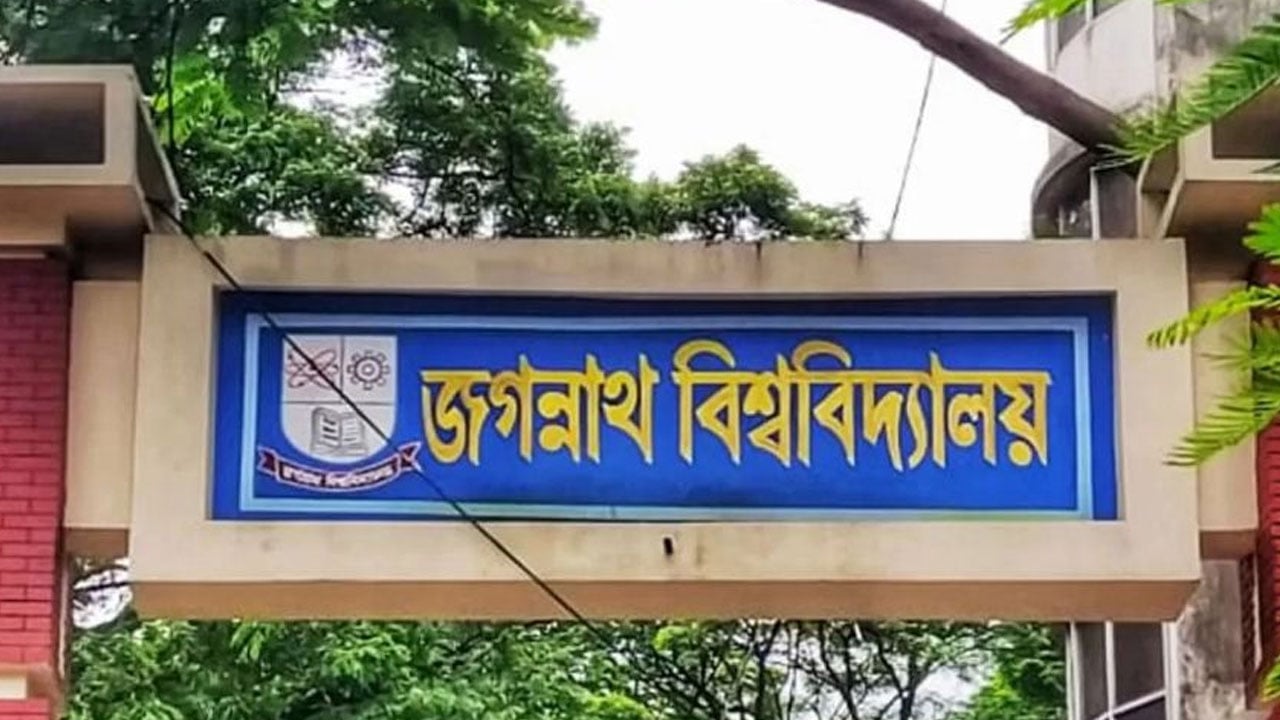
Jagannath University (JnU) administration has issued a stern warning against any form of harassment or ragging of new students on university buses. In a notice signed by Transport Administrator Dr. Tarek Bin Atik on May 5, the administration declared that any senior student or so-called 'bus committee' member found exerting influence or harassing newcomers will face exemplary punishment. The university emphasized a zero-tolerance policy toward such misconduct. According to the notice, classes for the 2025–26 academic year began on May 3, and the administration took this precautionary step to ensure a safe and fear-free environment for new students using university transport. The statement clarified that any such behavior would be treated as a disciplinary and punishable offense under university regulations. University sources said the directive was issued under the vice-chancellor’s instruction to guarantee a secure transport environment for freshmen. General students have welcomed the administration’s timely and firm initiative.
The ‘1 Nojor’ media platform is now live in beta, inviting users to explore and provide feedback as we continue to refine the experience.