

The ‘1 Nojor’ media platform is now live in beta, inviting users to explore and provide feedback as we continue to refine the experience.
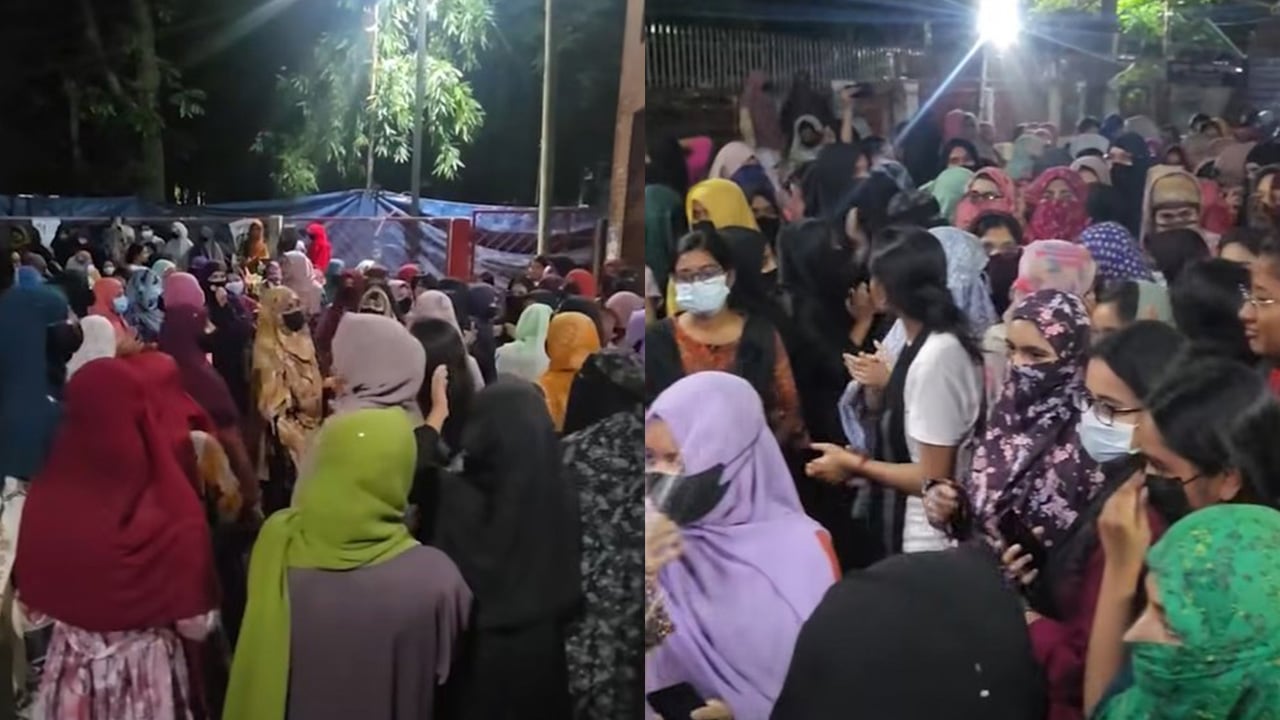
Female students of Government Titumir College in Mohakhali took to the streets late on Tuesday night, chanting slogans and demanding an end to student politics in residential halls. The protest erupted after reports spread that three students faced expulsion for criticizing a newly announced committee of the student wing of a political party. Although the college administration did not confirm the expulsions, the rumors intensified unrest among students. Participants said they wanted a safe and neutral residential environment, free from political control. They argued that political dominance restricts freedom of expression and fosters fear. The protest followed internal disputes within the student organization, but this time, general students—mostly women—led the demonstration beyond party lines. College authorities have not issued an official statement but are reportedly monitoring the situation and consulting with teachers and hall officials. While the situation is currently under control, students warned of larger movements if no visible steps are taken to stop hall politics or if the expulsion rumors prove true.
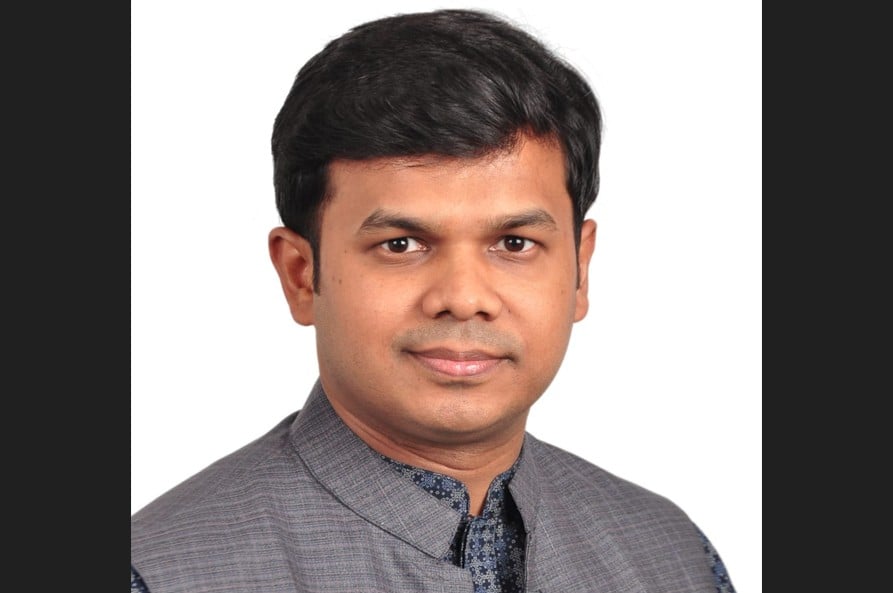
The National Citizen Party (NCP) has established a 'Global Diaspora Cell' to reinforce its organizational foundation among expatriate and migrant Bangladeshis. The announcement was made on Tuesday through a press release issued under the direction of NCP Convenor Nahid Islam and Member Secretary Akhtar Hossain. Joint Member Secretary Alauddin Mohammad has been appointed as the head of the new cell, with several other NCP leaders named as members. According to the party’s central committee, the newly formed Global Diaspora Cell will oversee the activities of the 'NCP Diaspora Alliance', which already has committees in 26 countries. The alliance previously played a significant role in promoting the 'Yes' campaign during the last national referendum and in raising financial contributions for the party. Alauddin Mohammad, who also serves as deputy head of NCP’s International Relations Cell, recently resigned from his position as convenor of Dhaka Metropolitan South NCP, which the party described as an example of selfless politics. He has now been tasked with expanding NCP’s presence among expatriates.
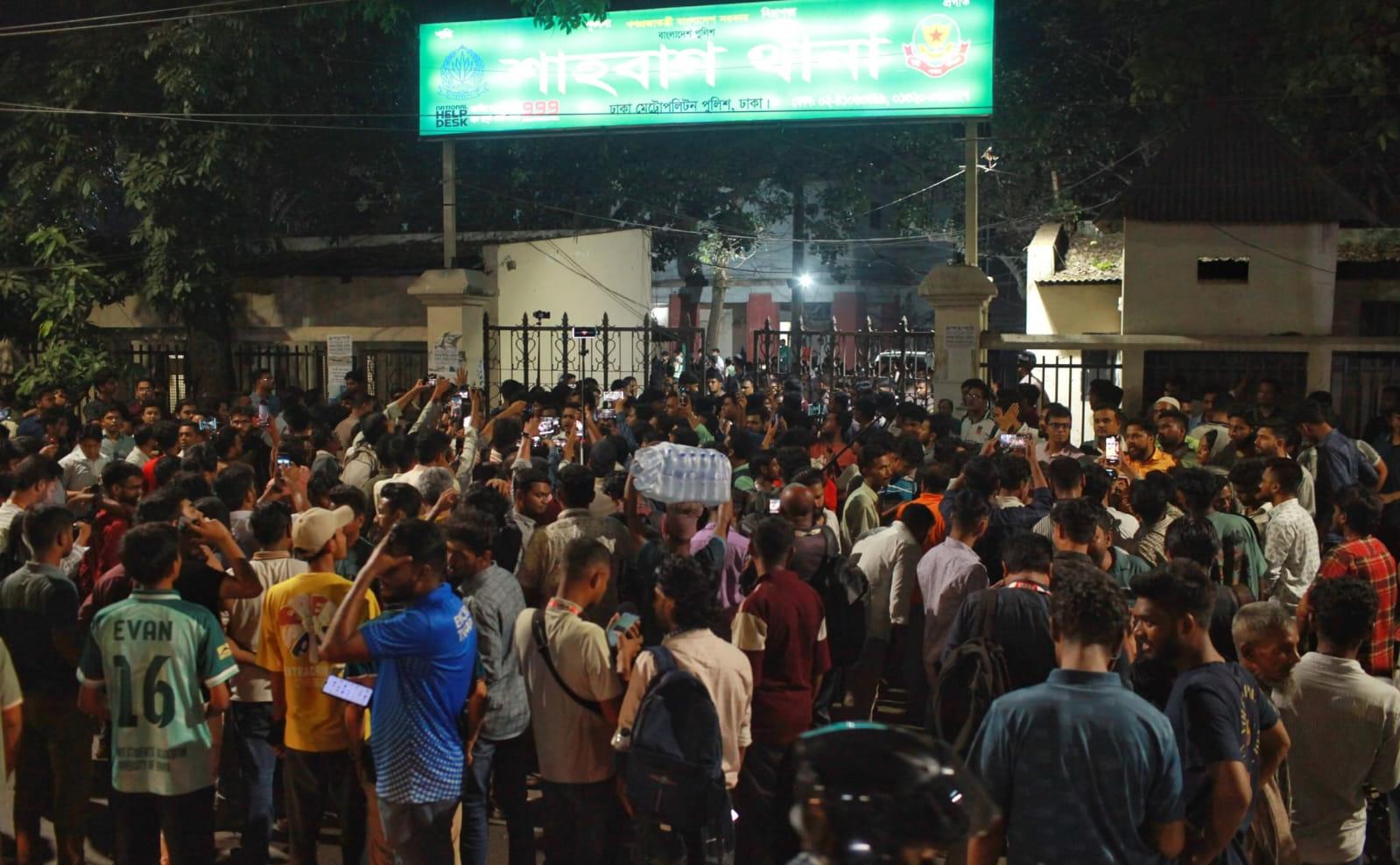
A Dhaka University investigation committee has reported that most of the 12 individuals accused in the April 23 journalist assault case have not responded to official notices. Only one accused has appeared to provide an explanation, while others have avoided responding. The committee, formed immediately after the incident, was initially given three working days to submit its report but later received a seven-day extension, set to expire on Thursday. Committee convener and Assistant Proctor Professor Mahbub Kayser stated that the investigation will continue regardless of the accused’s cooperation and that the report will be submitted within the university’s deadline. He noted that while there are some limitations, no major obstacles have been encountered so far. Dhaka University Proctor Professor Saifuddin Ahmed confirmed that the committee is working independently and that further action will follow once the report is submitted. The assault occurred when journalists were attacked while covering unrest near Shahbagh Police Station, leaving around ten university journalists injured. The lack of response from the accused is reportedly complicating the investigation process.
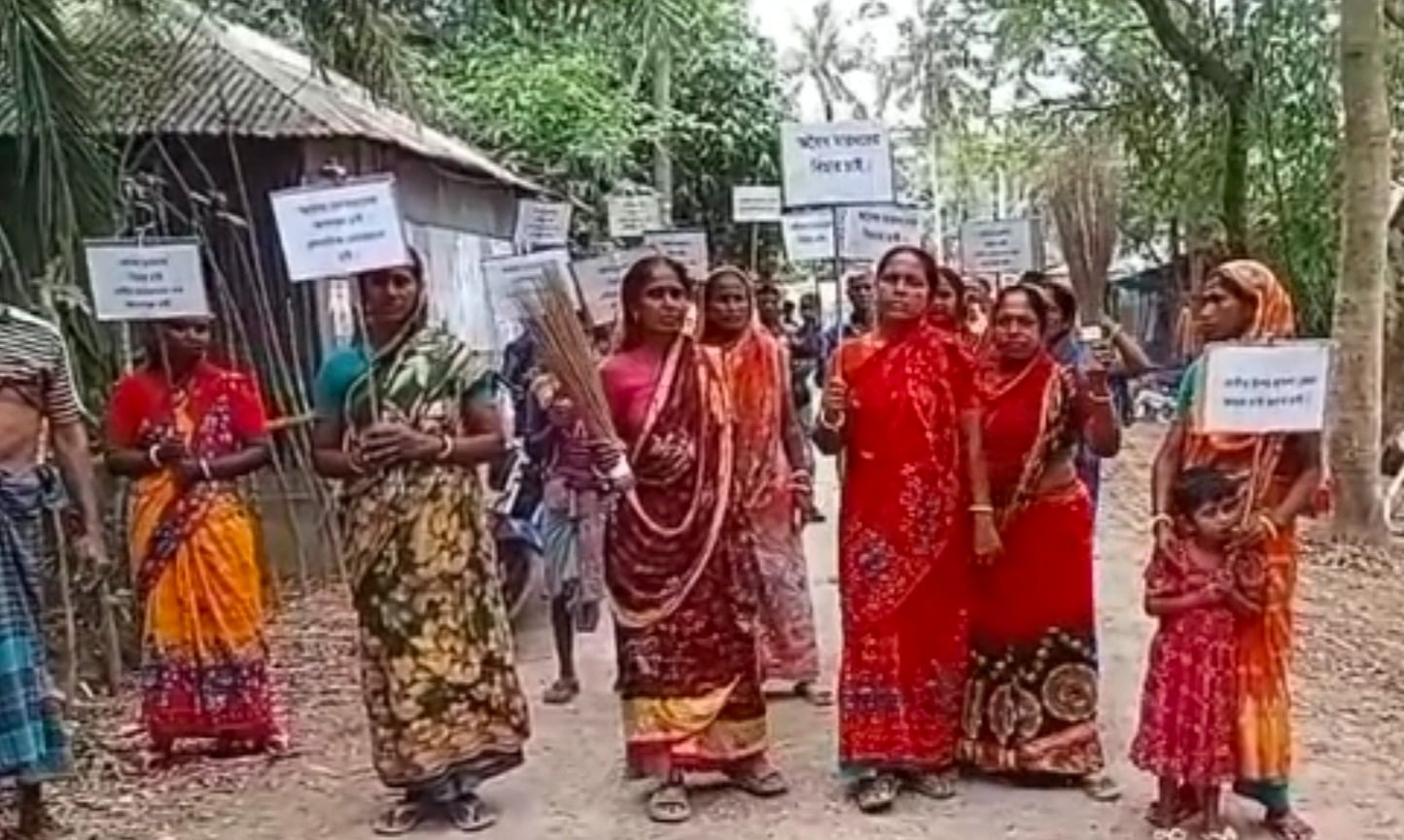
Residents of Kailashganj Union in Dacope upazila, Khulna, organized a broom procession on Tuesday morning demanding the removal of acting union parishad chairman and Awami League vice-president Prabir Mondal. The demonstrators accused him of irregularities, corruption, and misuse of funds, gathering in front of the union council with placards after marching from different wards. According to protester Uttam Kumar Mondal, after the previous chairman went into hiding in August, an assistant commissioner (land) was appointed as administrator. Six months later, Prabir Mondal was made acting chairman, but the decision was briefly revoked following public protests before he was reappointed on March 4, 2026. Locals alleged that he engaged in financial misconduct and used his associates to intimidate residents. They submitted a petition to the deputy commissioner on March 9 seeking his removal but received no response. Prabir Mondal denied all allegations, claiming they were baseless. Local MP Amir Ejaz Khan said he was aware of the matter and would ensure proper investigation, urging people not to resort to mob action.
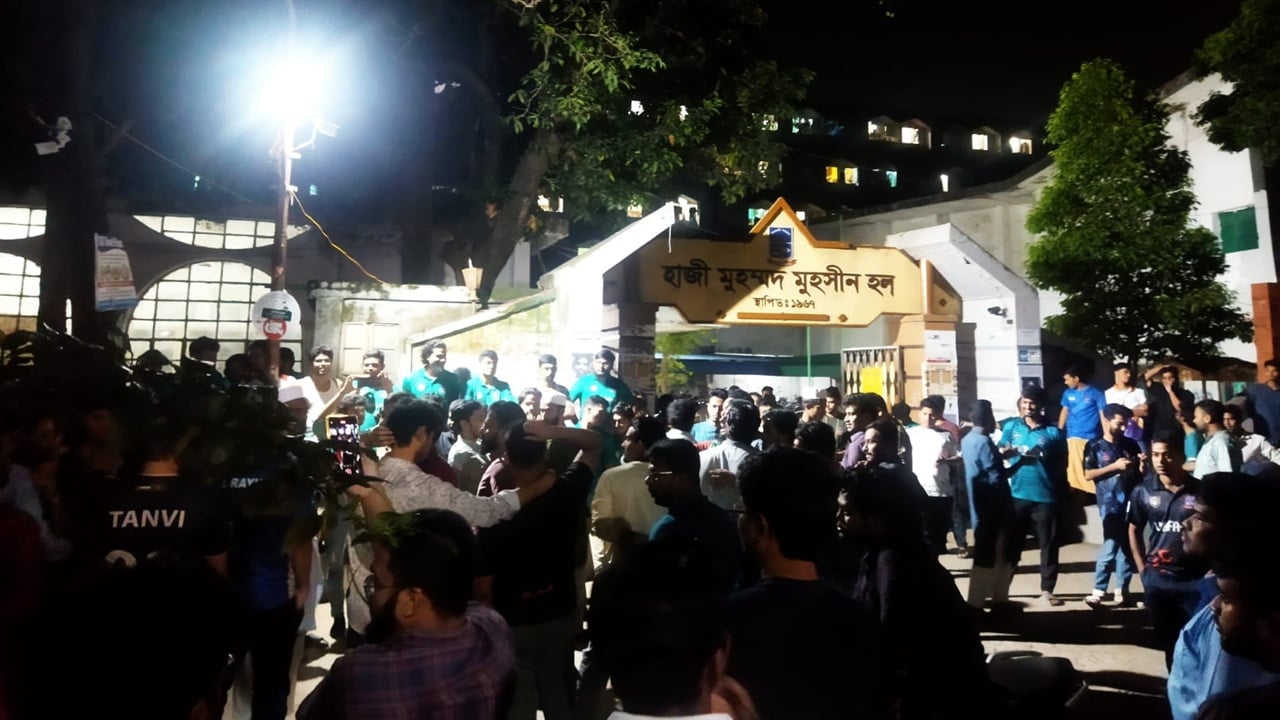
Tensions flared at Haji Muhammad Mohsin Hall of Dhaka University on Tuesday night, May 5, 2026, when supporters of Chhatra Dal and Shibir clashed over the hanging and removal of a banner. The confrontation occurred around 10:30 p.m. near the main gate, leading to shoving and scuffles that reportedly left one student injured. According to reports, the hall council had earlier hung a banner accusing Mohsin Hall Chhatra Dal joint convener Robin Hossain of involvement in an attack on the hall’s cultural secretary at Shahbagh. The banner, which included images from the incident, was repeatedly removed by Chhatra Dal activists and reinstalled by hall council members. The third attempt to remove it triggered the physical altercation. Accounting student Md. Salman Khan claimed he was injured while trying to protect the banner. Hall council leaders accused Chhatra Dal of orchestrating the attack under senior leaders’ direction and warned of stronger protests if justice was not served. Attempts to reach the hall provost and university proctor for comment were unsuccessful.
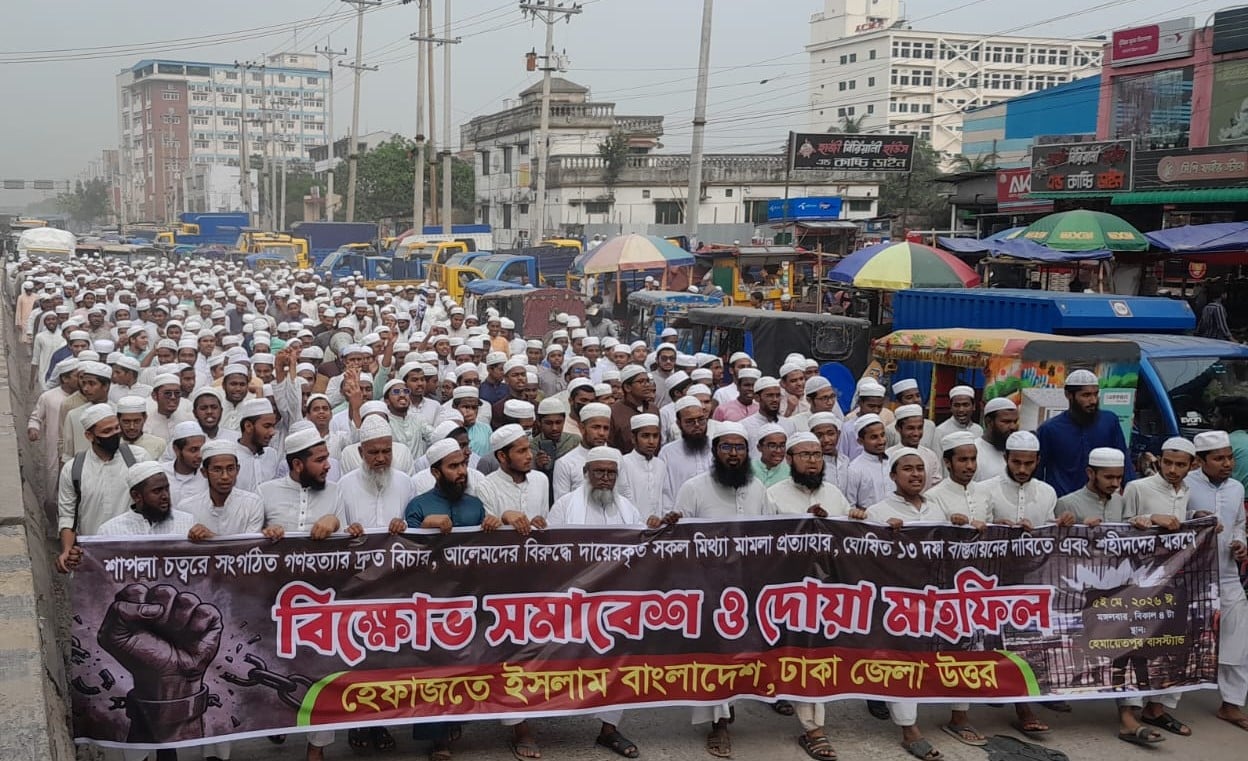
Hefazat-e-Islam Dhaka District North held a protest rally and procession in Hemayetpur, Savar, on Saturday, demanding the trial of those responsible for the killings at Shapla Chattar. The group also called for the withdrawal of what they described as false cases against Islamic scholars and the implementation of their 13-point demands. During the rally, Hefazat’s Dhaka District North president, Hafiz Maulana Ali Akbar Kasemi, said it was deeply regrettable that even after a long time, there had been no fair and acceptable trial for the Shapla genocide. He stated that the absence of justice had caused frustration and anger among the public and deprived victims’ families of justice. Kasemi urged the formation of an independent and impartial investigation commission to uncover the truth and the establishment of a special tribunal to ensure exemplary punishment for those involved. Following the rally, a large procession led by Kasemi marched along the Dhaka-Aricha highway, chanting slogans demanding justice for the Shapla killings.
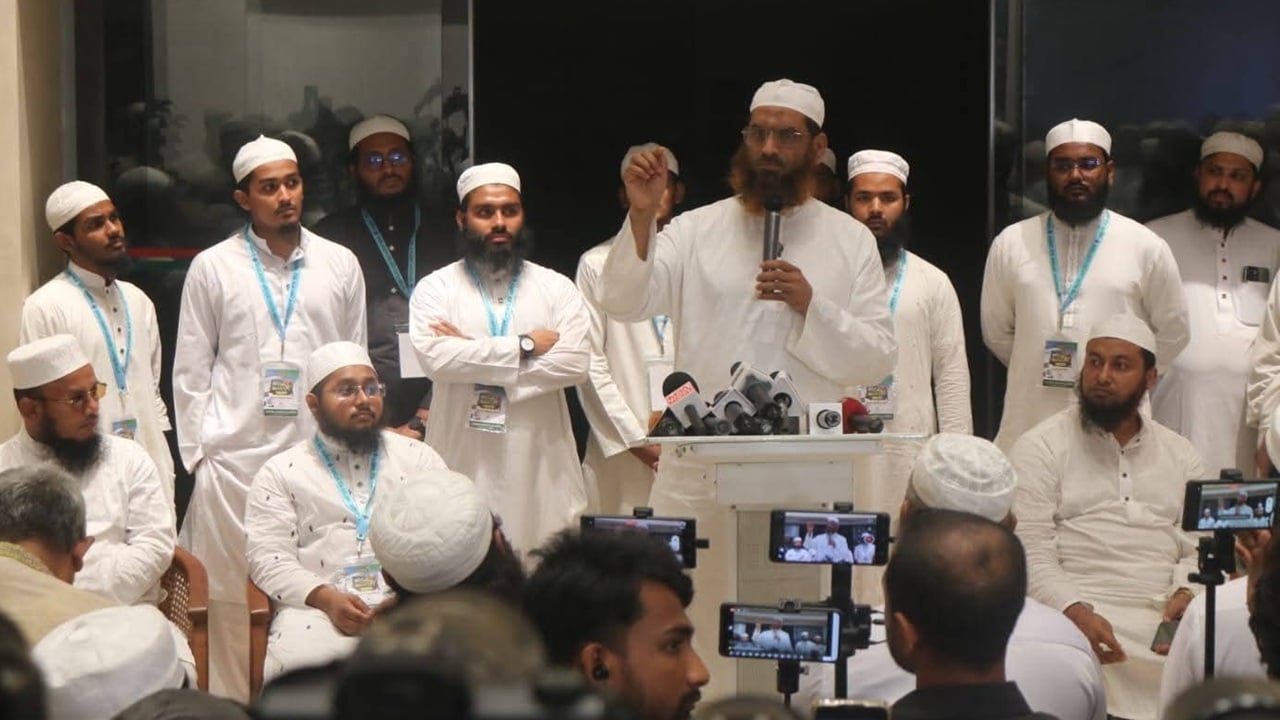
Bangladesh Khelafat Majlis Amir Maulana Muhammad Mamunul Haque stated that the future of national politics will be built upon the spirit of Shapla. Speaking on Tuesday at the inauguration of the exhibition titled ‘Shaplar Shahidchitra: Adekha Sattwer Frame’ at the Nalinikanta Auditorium of the Shahbagh Museum in Dhaka, he honored those who lost their lives in 2013, calling them the true sons of the nation. He emphasized the importance of seeking historical truth and passing it on to future generations. The event was attended by several political and social figures, including reserved seat MP Sanjida Islam Tuli, who described the exhibition as timely and praiseworthy. She said that ongoing discussions and research surrounding the Shapla incident are crucial for uncovering the truth and ensuring justice. Other attendees included writers, researchers, and leaders from various organizations. Organizers said the exhibition aimed to promote research-based historical discussions and raise awareness among the youth. They expressed hope that similar initiatives would be held on a larger scale in the future.
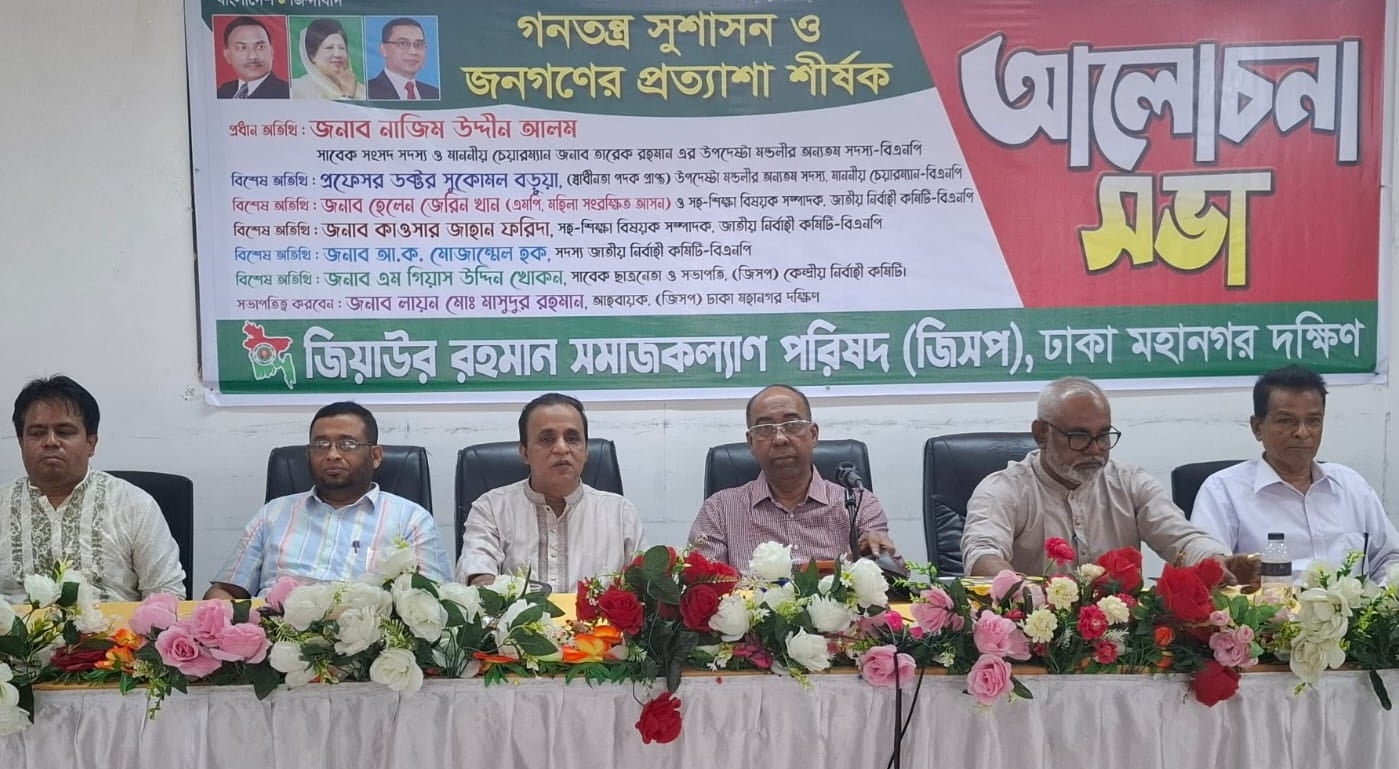
BNP Chairperson’s adviser and former DUCSU assistant general secretary Nazim Uddin Alam said that all political parties should work together through dialogue to resolve any national crisis. He made the remarks on Tuesday while addressing a discussion at the Abdus Salam Hall of the National Press Club in Dhaka. The event, organized by Ziaur Rahman Samaj Kalyan Parishad (ZISP) on the occasion of International Workers’ Day, was titled “Democracy, Good Governance and People’s Expectations.” Nazim Uddin Alam emphasized that both ruling and opposition parties must engage in constructive criticism and cooperation to overcome economic and political challenges. He said BNP, Jamaat, and NCP jointly contributed to ending fascism and pledged to ensure social security, rule of law, and economic freedom under the leadership of Tarique Rahman. He also mentioned initiatives such as family and farmer cards and the revival of Ziaur Rahman’s canal-digging program. He further stated that Bangladesh now has a democratically elected government led by Prime Minister Tarique Rahman and criticized external comments on the country’s politics, asserting that Bangladesh’s people will remain united and vigilant.
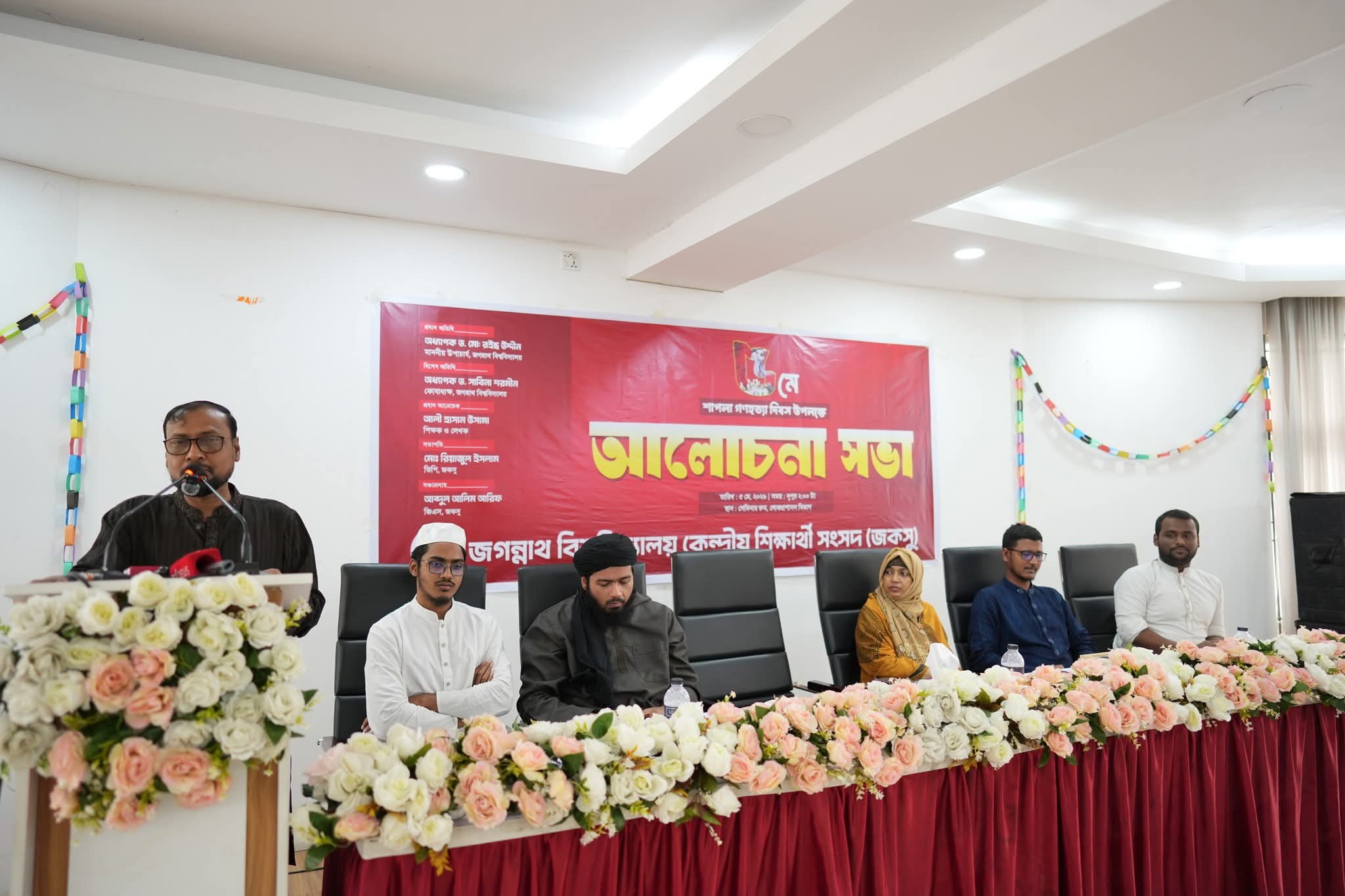
Jagannath University Vice-Chancellor Professor Dr. Raihs Uddin has called for breaking the 13-year silence surrounding the Shapla Chattar incident and uncovering the truth. He made the remarks on Tuesday at a discussion organized by the Jagannath University Central Students’ Union (JAKSU) marking Shapla Genocide Day, held at the Department of Public Administration seminar room. The VC described the long silence as painful and said the event carried both deep sorrow and important lessons for the future. He termed the incident, which occurred amid state security and political suppression, as a deep wound for the nation. Teacher and writer Ali Hasan Usama, the main discussant, reviewed the events of May 5, 2013, when Hefazat-e-Islam held a rally at Shapla Chattar. He highlighted the 13-point demand, the night operation, and subsequent repression, expressing concern over the lack of accurate casualty data and insufficient attention to affected families. Treasurer Professor Dr. Sabina Sharmin noted that the incident drew international attention and emphasized the need for research on the roles of law enforcement, political parties, and the media. Speakers urged collective efforts to reveal the truth and prevent the resurgence of authoritarian or fascist forces in the future.
National Citizen Party (NCP) member secretary Akhtar Hossain stated that the July Movement emerged from accumulated anger over impunity in Bangladesh. Speaking at a seminar titled “From Shapla Massacre to July” held on Tuesday at Rupayan Trade Center in Banglamotor, Dhaka, he demanded that those who supported or masterminded the Shapla Chattar killings be brought to justice. He emphasized the need to ensure that citizens can speak safely and called for accountability for crimes against humanity. NCP joint convener Sarowar Tushar claimed that the Awami League government had committed a series of crimes against humanity from the Pilkhana incident to the Shapla Chattar events. He urged the government to officially recognize those killed in the Shapla incident as martyrs. Other NCP leaders, including Ali Ahsan Junayed and Abdul Hannan Masud, also spoke at the seminar. The speakers collectively argued that Bangladesh cannot escape historical responsibility by denying the Shapla Chattar events and called for state recognition of victims from past movements.
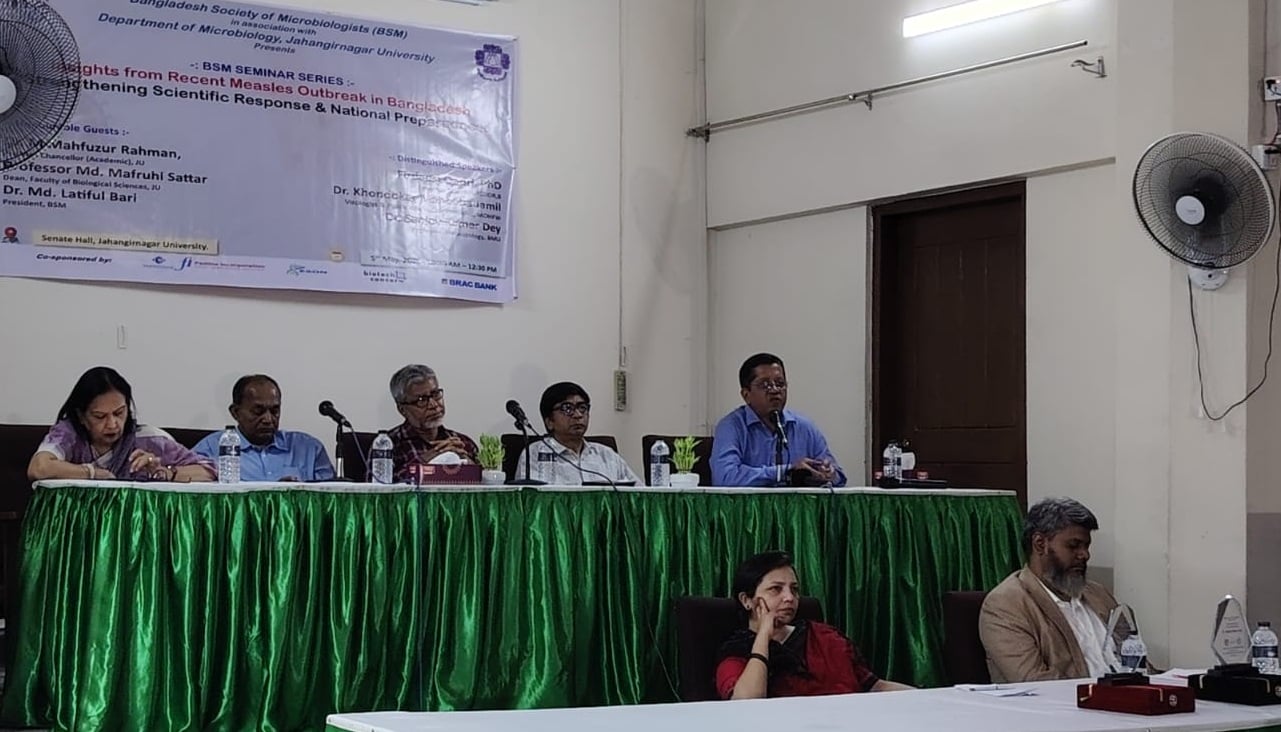
Experts have called for coordinated scientific measures, stronger research, and enhanced national preparedness to address the recent measles outbreak in Bangladesh. The appeal was made on Tuesday morning at a seminar jointly organized by the Bangladesh Society of Microbiologists (BSM) and Jahangirnagar University’s Department of Microbiology, held at the university’s Senate Hall. Speakers at the event noted a concerning rise in measles infections and child mortality, emphasizing the need for improved laboratory surveillance, treatment management, public awareness, and vaccination coverage. They highlighted the importance of molecular surveillance, rapid diagnosis, and community-level risk communication. The seminar featured Dr. Firdausi Qadri, Dr. Khondkar Mahbuba Jamil, and Dr. Sanjoy Kumar Dey, who stressed collaboration among physicians, microbiologists, public health experts, epidemiologists, and policymakers. Participants also underscored the need to strengthen vaccine security and self-reliance, noting that while UNICEF, WHO, and Gavi support immunization programs, Bangladesh must develop its own vaccine research, production, and distribution capacity to ensure long-term resilience.
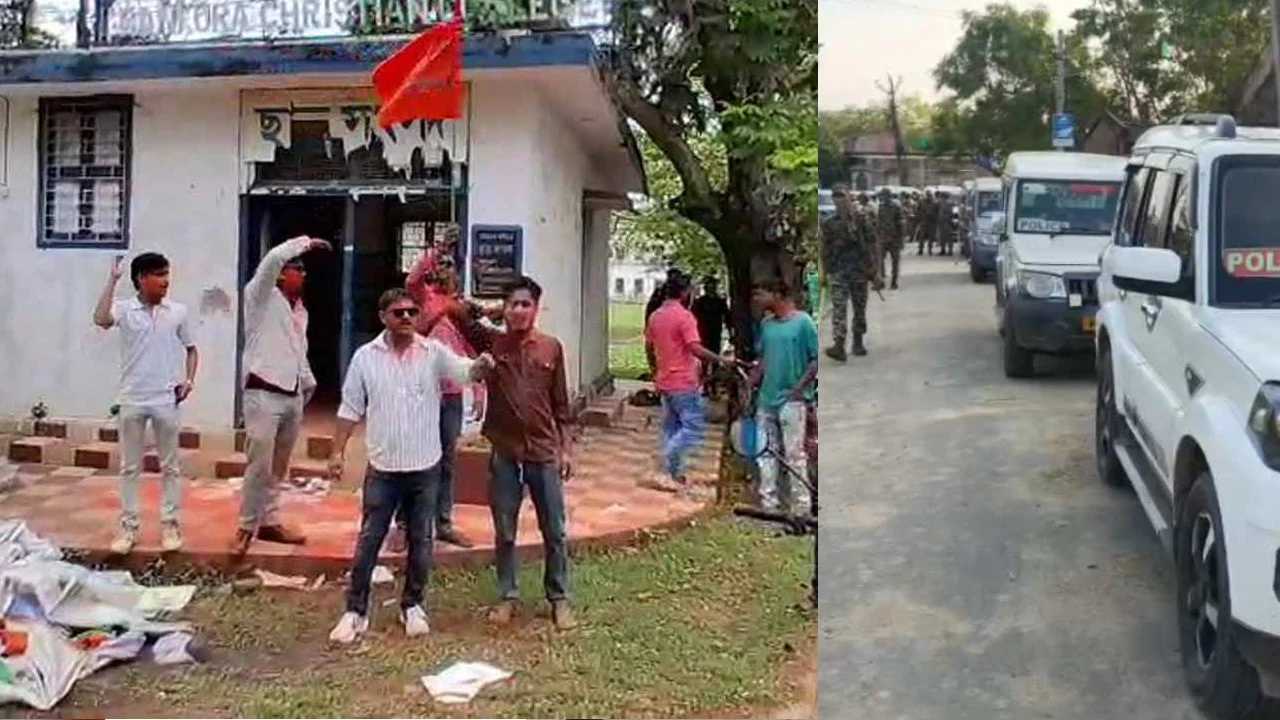
Post-election unrest has persisted across West Bengal despite repeated warnings from the Bharatiya Janata Party (BJP) leadership. Scattered incidents of violence have been reported in multiple districts, with BJP supporters holding victory processions using bulldozers and the Trinamool Congress (TMC) losing ground in North Bengal. In Jalpaiguri’s Maynaguri block, BJP members were accused of forcing Muslim-owned shops to close. Reports of clashes also came from both North and South 24 Parganas, where several deaths occurred. In Kolkata’s Beleghata area, the body of TMC worker Biswajit Pattnayak was found under suspicious circumstances, prompting a police investigation. Violence also erupted in New Town after a BJP worker was allegedly beaten to death, while in Bolpur’s Santoshpur village, a TMC member named Abir Sheikh was killed. BJP supporters reportedly took control of several TMC offices in Nandigram and Falta, replacing TMC flags with BJP ones. State BJP president Shamik Bhattacharya warned party members against seizing offices of other parties and said disciplinary action would follow if such incidents continued.
US President Donald Trump has claimed that American forces attacked and sank seven Iranian fast boats in the Strait of Hormuz. He said the action was part of Washington’s effort to secure safe passage for ships stranded in the Gulf region. The US military confirmed using helicopters in the operation, while Iranian state media denied Trump’s account. Iran’s Tasnim News Agency reported instead that two Iranian cargo vessels were hit, killing five civilians. The United Arab Emirates and South Korea also reported attacks on their vessels in the same area, with the UAE confirming a major fire at Fujairah port following Iranian strikes. The UAE said its air defenses intercepted multiple missiles and drones, and three people were injured. French President Emmanuel Macron and UK Prime Minister Keir Starmer condemned the attacks, calling them unacceptable and pledging support for Gulf partners. Following the Fujairah incident, global oil prices rose by five percent to $115 per barrel. The situation remains tense as both Iran and the US maintain blockades in the region, and thousands of sailors remain stranded since the February conflict began.
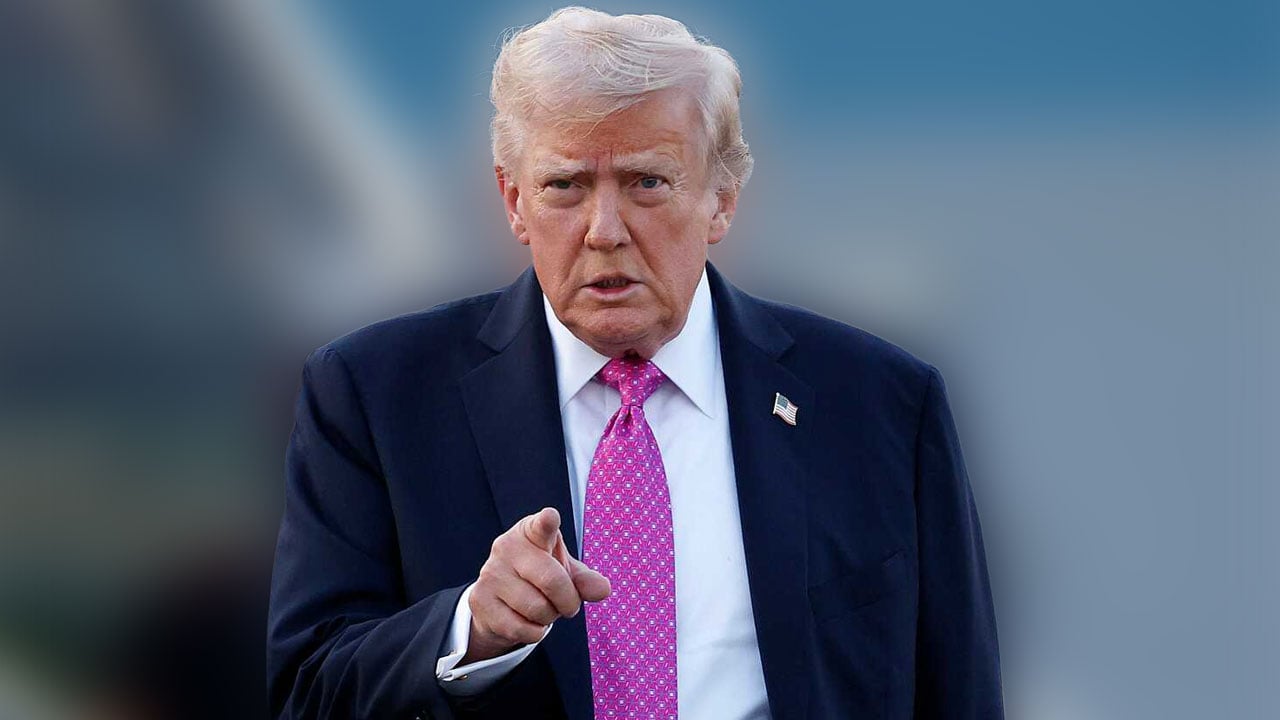
U.S. President Donald Trump has urged Iran to make what he called a wise decision, warning that the country’s economy is heading toward failure. Speaking on May 5, 2026, he said U.S. sanctions have played a major role in Iran’s economic decline and described them as the toughest ever imposed. Trump praised Treasury Secretary Scott Besent for effectively implementing the sanctions. Trump claimed that Iran’s currency has become nearly worthless and that inflation may have reached 150 percent. Despite his harsh economic assessment, he expressed reluctance to pursue military action, saying he does not want to kill people in Iran and calling the issue very difficult. Expressing sympathy for the Iranian people, Trump said he knows many Iranians in New York and elsewhere and described them as wonderful people. He concluded by emphasizing that Iran should act wisely to avoid further deterioration of the situation.
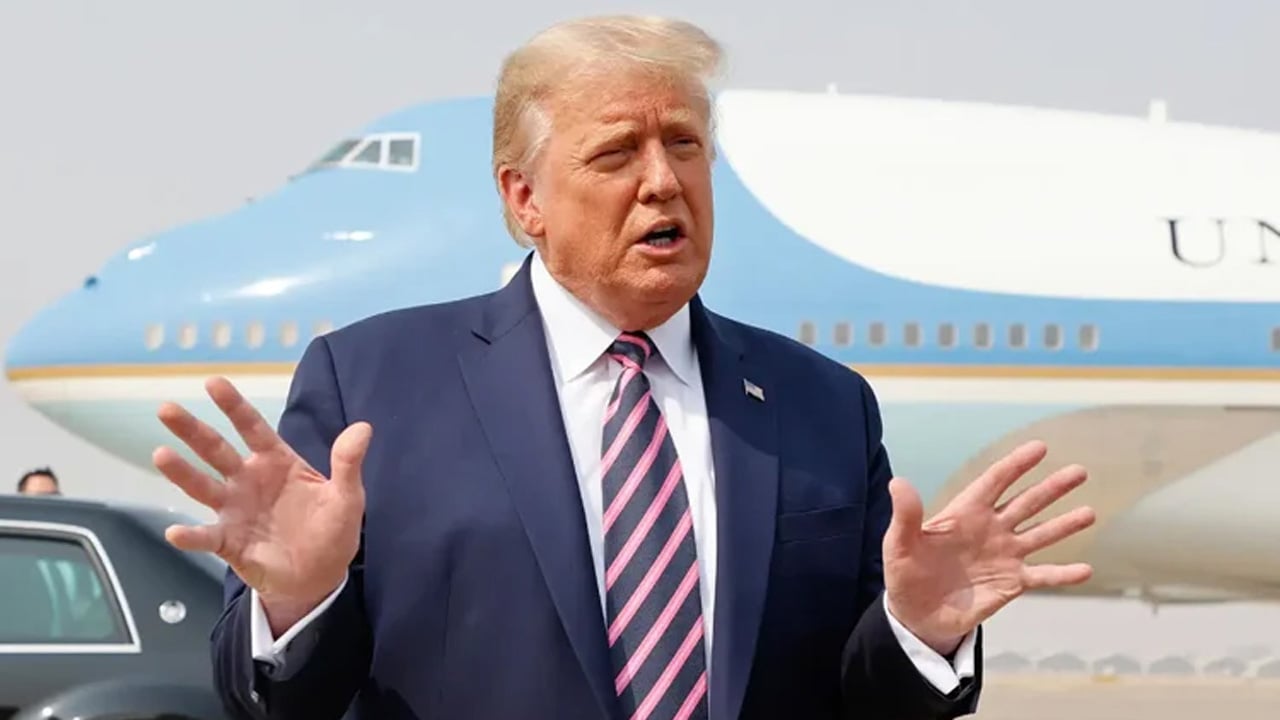
Tensions have escalated in the Gulf region following accusations from Mohammad Eslami, a researcher at Tehran University, that the United Arab Emirates has decided to act as a proxy for Israel. Eslami stated that Iran will not tolerate such a stance and warned that the UAE is becoming increasingly isolated, not only from Iran but also from Saudi Arabia, Qatar, and Oman. He argued that this growing estrangement threatens regional stability. Eslami further commented that the global economy is under pressure and urged the United States to reconsider its military and diplomatic strategies. He criticized Washington’s lack of a clear approach, saying it is worsening the conflict-ridden situation. Despite the rising tension, Eslami emphasized that Iran prefers a diplomatic solution, clarifying that this does not mean surrender but rather a search for political compromise. Analysts cited in the report warned that the ongoing strain in the Gulf could evolve into a larger geopolitical crisis if the involved parties fail to pursue dialogue and reconciliation soon.
The ‘1 Nojor’ media platform is now live in beta, inviting users to explore and provide feedback as we continue to refine the experience.