

The ‘1 Nojor’ media platform is now live in beta, inviting users to explore and provide feedback as we continue to refine the experience.
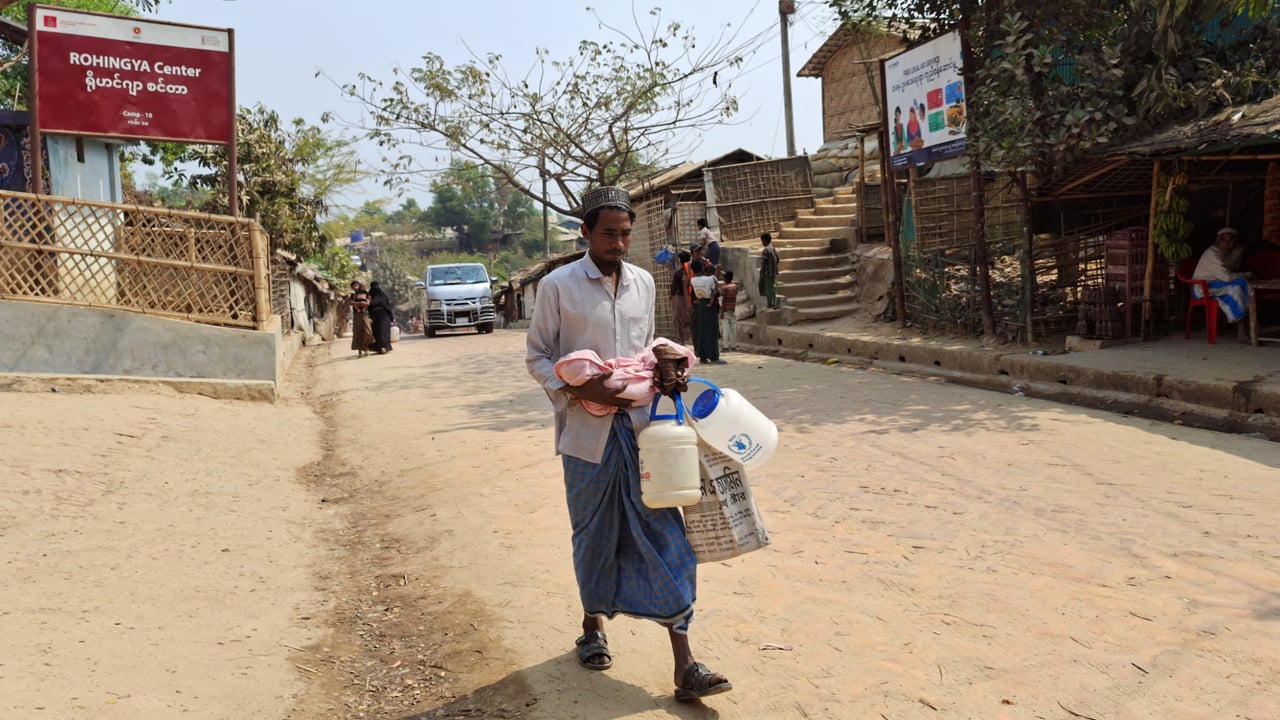
A measles outbreak has intensified in the Rohingya camps of Ukhiya and Teknaf in Cox’s Bazar, with more than 330 suspected and 40 laboratory-confirmed cases recorded in the first four months of 2026. Three deaths have been reported. The international medical organization Médecins Sans Frontières (MSF) has strengthened its operations, providing treatment to affected children and supporting ongoing vaccination efforts. MSF reported that the outbreak has spread across all 64 districts of Bangladesh, with the densely populated refugee camps posing heightened transmission risks. MSF’s Country Medical Coordinator, Mike Stensens, said infections surged sharply from March, with most patients being children under five, many showing severe pneumonia symptoms. In April alone, MSF treated 284 measles patients, four times higher than in the first quarter, with 82 requiring hospitalization. A new isolation unit opened on April 19 in the Jamtoli camp has already reached full capacity. Low vaccination coverage remains the main concern, as nearly three-quarters of confirmed patients were unvaccinated. To contain the outbreak, health authorities launched a measles and rubella vaccination campaign on April 26 across the Rohingya camps.
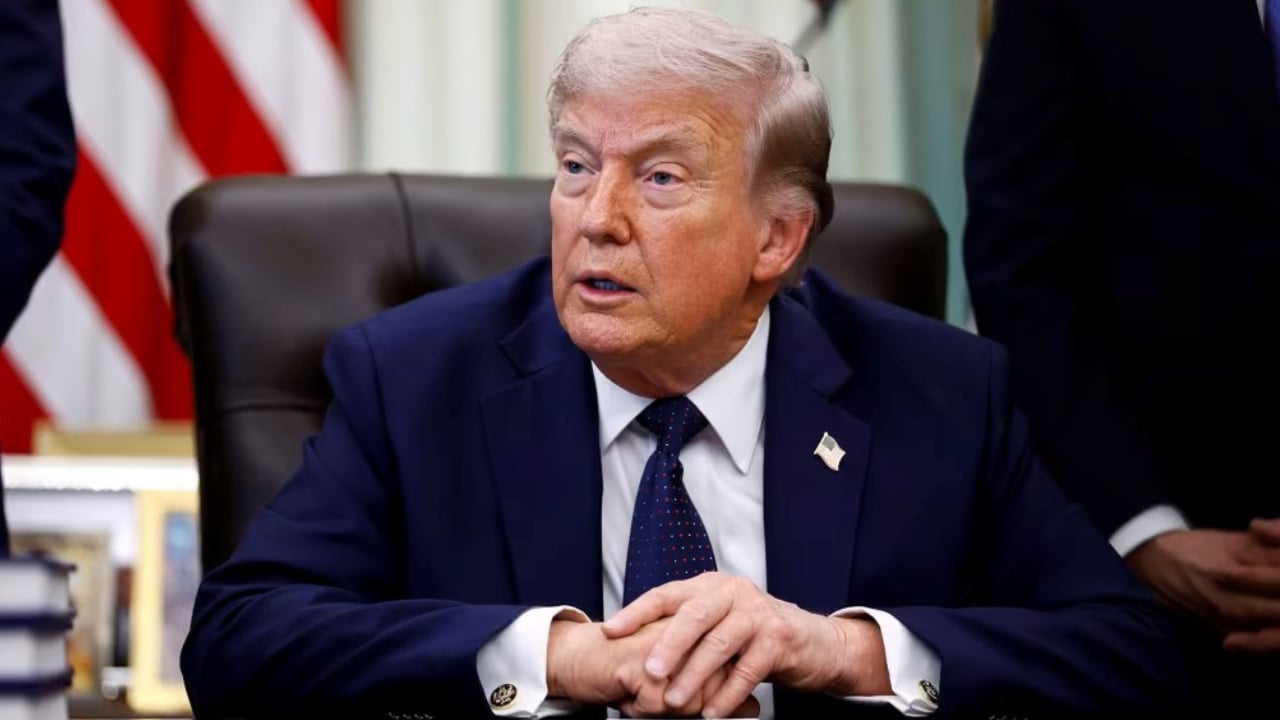
US President Donald Trump said he would review Iran’s newly submitted peace plan but expressed doubts about its acceptability. According to Iranian media, Tehran has presented a 14-point proposal to Pakistan, which is acting as a mediator. Trump made his remarks on his social media platform Truth Social, stating that he would soon examine the plan but could hardly imagine it being acceptable, citing Iran’s past actions over the last 47 years. The Iranian proposal reportedly includes assurances of non-aggression, withdrawal of US forces from areas near Iran, lifting of naval blockades, release of seized assets, removal of sanctions, and an end to conflicts across all fronts including Lebanon. The plan was reported by Gulf News and reflects Tehran’s attempt to open a new diplomatic channel amid ongoing tensions. Trump’s skepticism signals continued strain in US-Iran relations, with no immediate indication of Washington’s willingness to engage with the proposal.
xAI has launched Grok 4.3, a new large language model and voice cloning suite, expanding its AI product lineup amid ongoing competition with OpenAI and others. The model introduces an always-on reasoning architecture, a 1 million-token context window, and agentic tool-use capabilities. It is available through the xAI API and OpenRouter, with pricing set at $1.25 per million input tokens and $2.50 per million output tokens—significantly lower than its predecessor. The accompanying Custom Voices feature allows users to clone voices from short audio clips, restricted to U.S. users except in Illinois due to privacy laws. Independent evaluations show Grok 4.3 outperforming its predecessor in legal and financial reasoning benchmarks but lagging behind leading models from OpenAI and Anthropic in general reasoning and coding tasks. The model’s “always-on reasoning” improves accuracy in complex domains but can slow responses in agentic simulations. xAI also introduced new billing categories, including reasoning tokens and tool invocation fees, alongside prompt caching discounts. Positioned as a cost-efficient alternative for enterprise users, Grok 4.3 targets legal and financial applications where large-scale text processing is critical, though its mixed performance in coding and math may limit broader adoption.

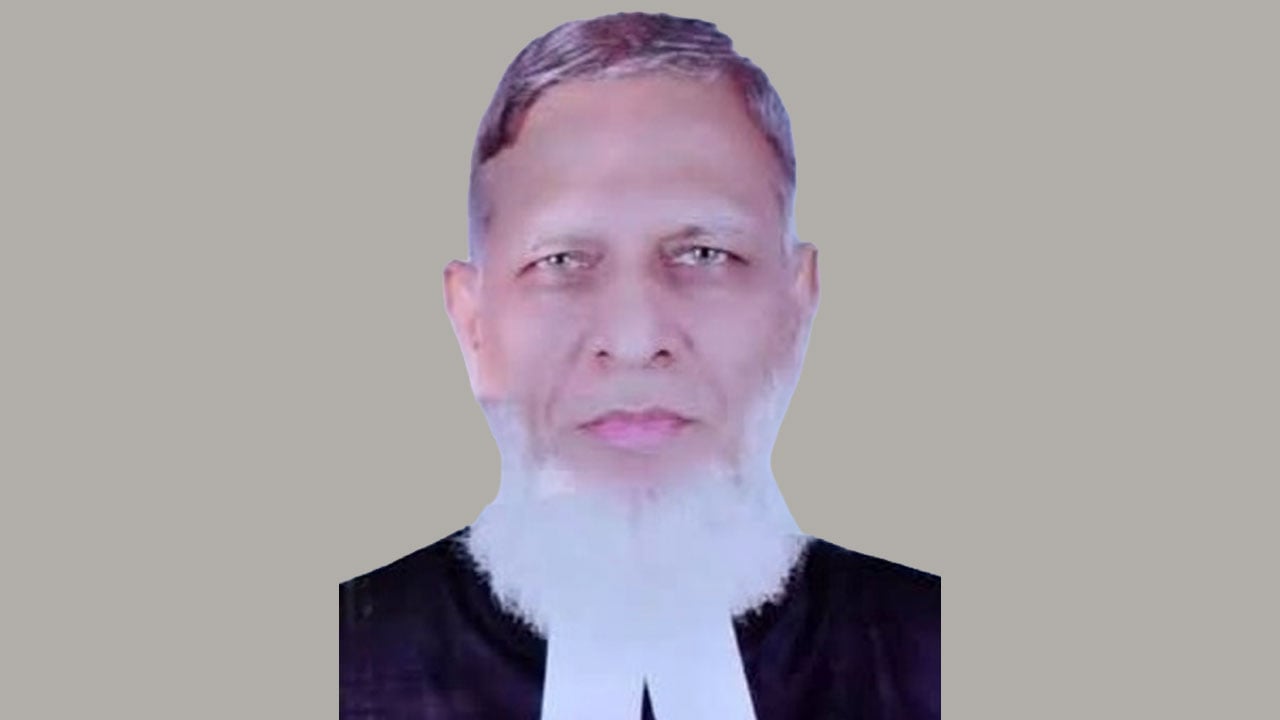
Deputy Attorney General Rezaul Karim Khandaker has resigned from his post. On Sunday, he submitted his resignation letter to the administrative officer of the Attorney General’s Office. The letter was later forwarded to the Solicitor’s Office and then to the Ministry of Law. According to the report, Rezaul Karim Khandaker resigned in order to participate in the upcoming Supreme Court Bar Association election. He will contest for the position of secretary from a panel supported by Bangladesh Jamaat-e-Islami. The resignation marks a shift from his official duties to active participation in professional electoral politics within the legal community.
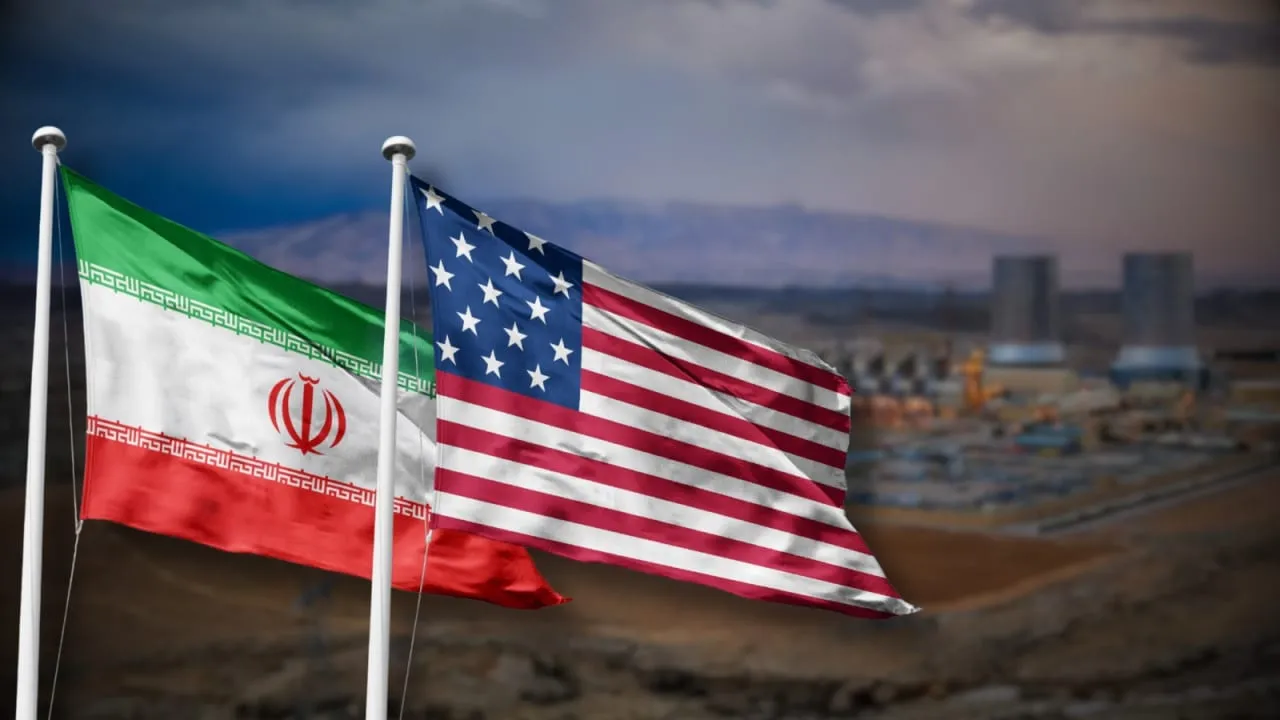
The United States has demanded that Iran completely stop all uranium enrichment as a condition for any agreement to end the ongoing conflict between the two countries. US President Donald Trump reiterated that Iran would not be allowed to develop nuclear weapons and said that military action had been taken to prevent such a possibility. Iran, however, continues to deny any intention of producing nuclear arms, insisting that its nuclear program is entirely for civilian purposes such as electricity generation. According to the United Nations nuclear monitoring agency, Iran currently possesses about 440 kilograms of uranium enriched up to 60 percent, which could theoretically be further refined to produce 10 to 11 nuclear bombs. Iran’s refusal to halt enrichment is based on its interpretation of the Nuclear Non-Proliferation Treaty (NPT), which it says allows signatory states to enrich uranium for peaceful uses under strict safeguards. The dispute follows the 2015 agreement under which Iran limited enrichment to 3.67 percent in exchange for sanctions relief. In 2018, President Trump withdrew from that deal, calling it flawed for failing to address Iran’s missile program and regional influence.
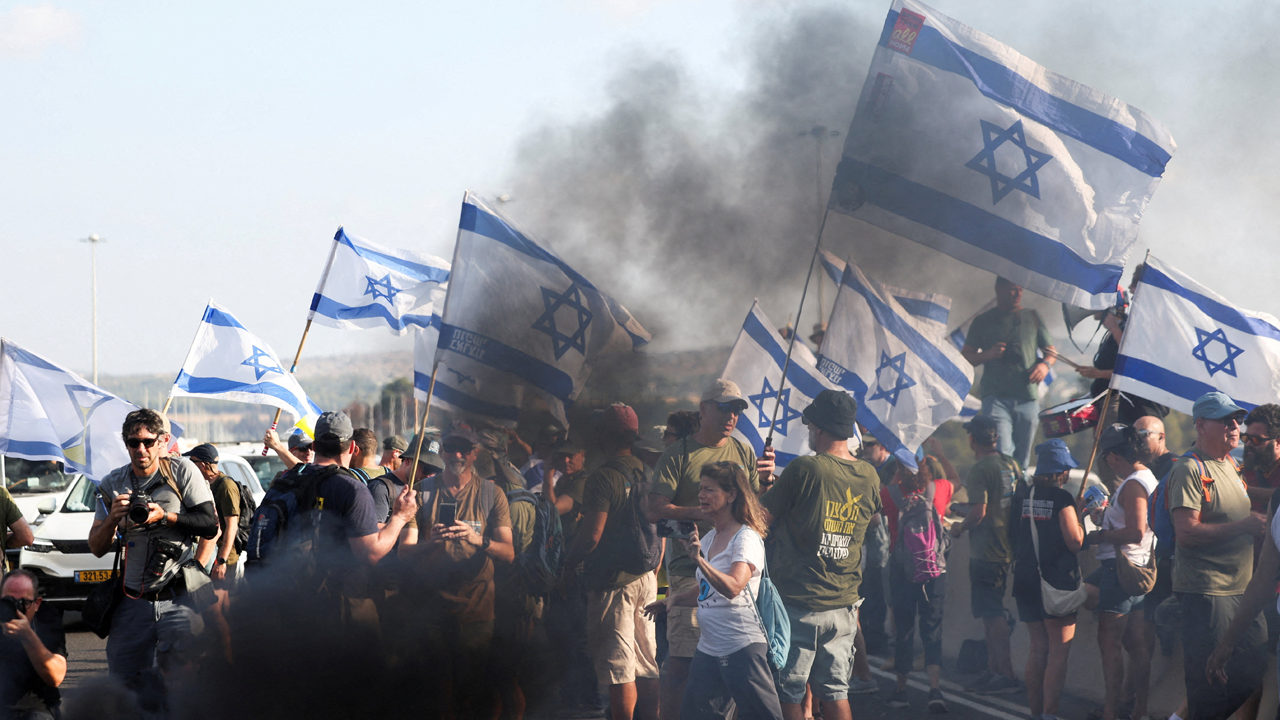
Large-scale demonstrations took place in Tel Aviv as Israeli citizens protested against Prime Minister Benjamin Netanyahu’s government and called for an immediate end to all ongoing wars and conflicts. The protesters urged the government to halt military actions and focus on peace and stability instead. During the protest, participants sharply criticized the government, accusing it of relying on destructive power and violence to govern the country. They expressed frustration that repeated wars and destructive policies were bringing no benefit to Israel and demanded a shift toward peaceful solutions. According to the report, the demonstrations reflected growing public dissatisfaction with the government’s approach to conflict management and its perceived dependence on military force.
The Chandamari Mosque, located in Chandamari Mondolpara village of Rajarhat upazila in Kurigram, is a more than 400-year-old architectural and cultural landmark. Built with lime, brick, and surki, the mosque features three large domes, four corner minarets, and intricate designs that reflect a blend of Sultanate and Mughal styles. Despite changes in the surrounding environment, the mosque remains a central part of local religious and social life, drawing worshippers especially during Friday prayers and Ramadan. Historical accounts suggest the mosque was constructed between 1584 and 1680, though no inscription confirms the exact date. Locals compare its design to the Babri Mosque in India and the Sixty Dome Mosque in Bagerhat, noting its unique craftsmanship and durability. Elderly residents recall generations of worshippers attending prayers there, and stories persist about the mosque’s enduring structure built without iron rods. Local heritage advocates emphasize the need for preservation, as parts of the plaster have begun to deteriorate. They believe proper conservation could secure the mosque’s place as one of Kurigram’s most significant historical monuments for future generations.

Seven member countries of the OPEC Plus alliance are meeting today to determine new oil production quotas. This is the first meeting since the United Arab Emirates (UAE) officially withdrew from both OPEC and the broader OPEC Plus group last Friday. The meeting follows the UAE’s decision, announced on April 28, to leave the alliance due to dissatisfaction with production limits. The UAE, one of the world’s major oil producers, had long expressed discontent over the quotas set by the alliance. Analysts cited this ongoing disagreement as the main reason behind its departure. The current meeting is expected to address production adjustments among the remaining members. According to reports, the seven participating countries may decide to increase daily oil output by about 188,000 barrels. Such a move could influence global oil supply and prices, depending on how markets respond to the new quotas.
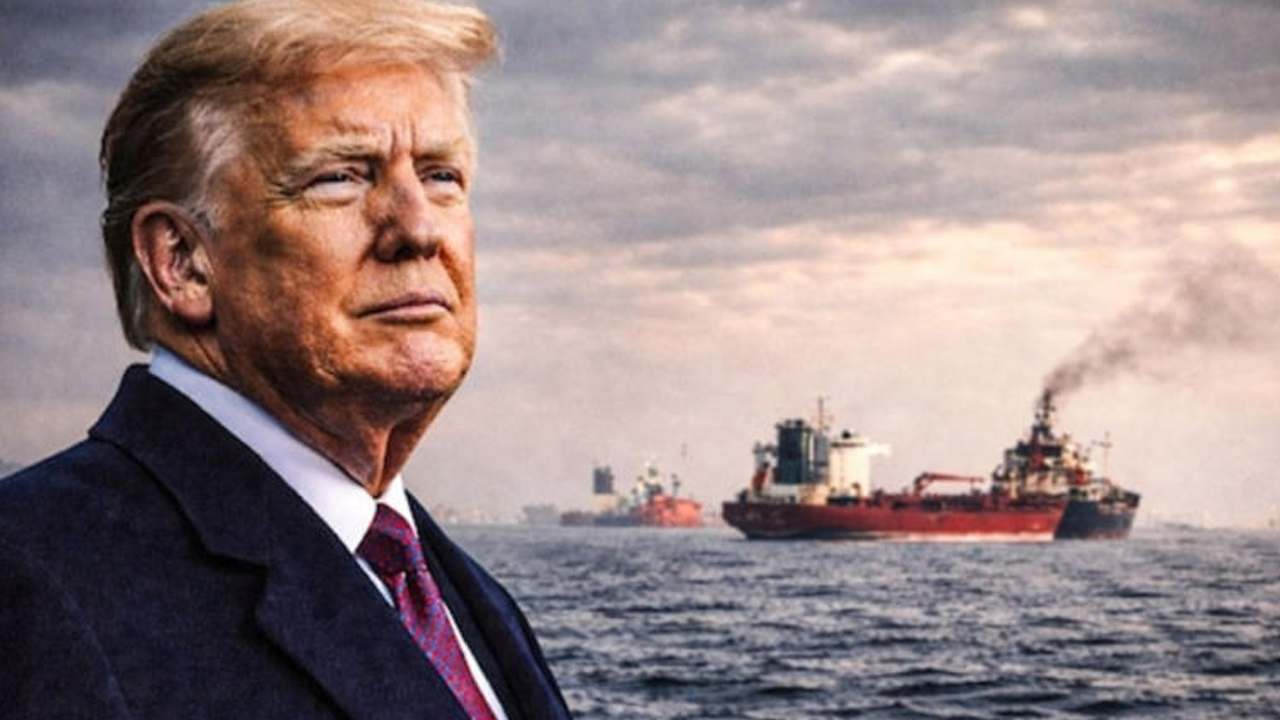
US President Donald Trump is considering launching a naval escort mission in the Strait of Hormuz to help stranded commercial tankers move safely under American protection. The information was shared by Kenneth Katzman, an analyst at the Soufan Center, who said Trump aims to resolve the ongoing deadlock with Iran without initiating a new conflict. Katzman explained that if Iran shows no progress, Trump is likely to proceed with the escort mission, which could benefit Gulf nations and allies like Iraq. However, US sanctions on Iran would remain in place. Katzman warned that any Iranian attack on the escort mission could sharply shift the tone of negotiations, giving Trump tougher options to control the situation. Analysts cited in the report believe the prolonged standoff ultimately favors the United States, as Iran’s limited maritime trade options could force it to cut oil production and face severe economic strain. Rising oil prices could pose some political challenges for Trump, but Iran’s economic situation would be far worse.
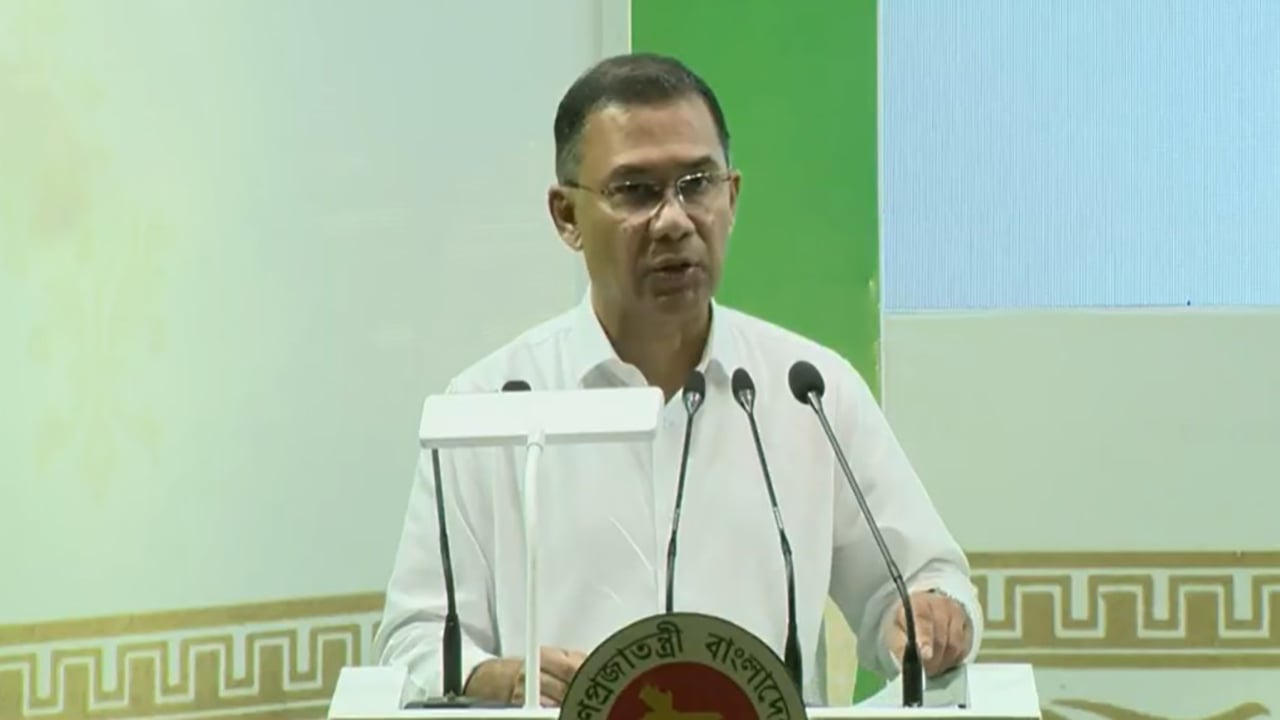
Prime Minister Tarique Rahman declared that his government will make no compromise with corruption, emphasizing the goal of bringing everyone under the rule of law regardless of political affiliation. He made the remarks on Sunday morning at the Osmani Memorial Auditorium in Dhaka while inaugurating a four-day conference of deputy commissioners. Rahman said honesty, merit, and efficiency will guide appointments and transfers in the public administration, urging officials to remain prepared to serve anywhere in the country. He noted that the government began its term with a debt burden of 30 trillion taka and faces rising poverty and unemployment. Despite institutional damage, the administration is seeking solutions without increasing public hardship. Rahman added that the government is working toward a just state and will gradually implement all commitments made in the election manifesto and the July Charter signed with the public. He also called on district commissioners to ensure cautious electricity use in markets and shopping malls after 7 p.m. and acknowledged that the ongoing war situation poses a challenge for the new government.
A madrasa student died after being thrown from his father’s motorcycle in a road accident on the Cumilla–Sylhet regional highway in the New Market area of Debidwar, Cumilla. The incident occurred on Sunday in front of Azgar Ali School in the municipal area. The child’s identity has not yet been confirmed. According to reports, the motorcycle lost control, causing the child to fall and sustain serious injuries. Locals took him to a nearby hospital, where doctors declared him dead. A driver named Rabbi said the accident happened when the motorcycle attempted to overtake a Royal Super AC bus and braked suddenly upon seeing a lorry ahead, causing the child to fall and be run over. Another local, Alamgir, alleged that frequent accidents occur on that part of the road due to potholes and poor maintenance. He suggested that proper repairs and safety measures could prevent such tragedies. Debidwar Police Station Officer-in-Charge Moniruzzaman stated that legal proceedings related to the incident are underway.

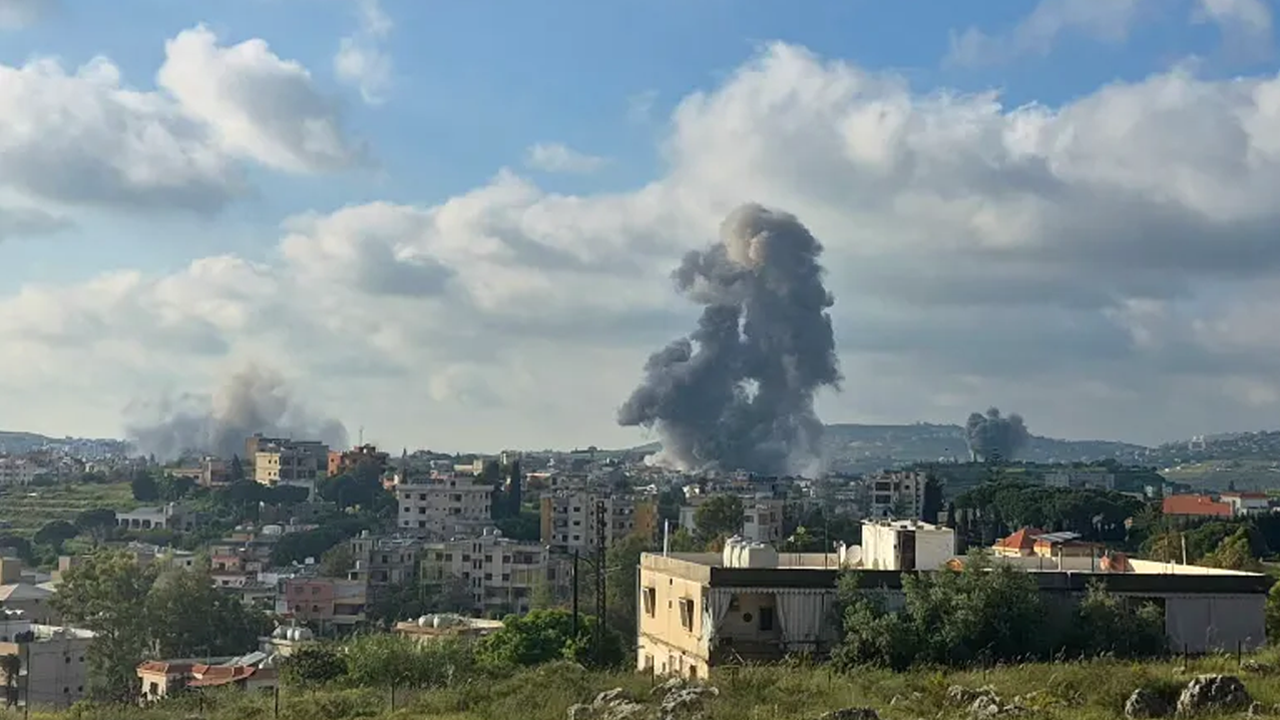
The Israeli military has issued a warning of possible attacks on 12 towns and villages in southern Lebanon, instructing residents to leave the areas immediately. The alert, announced on May 3, 2026, listed specific locations including Al-Duwayr, Arab Salim, Al-Sharkiya (Nabatieh), Jibshit, Brashit, Sarafand, Daunin, Brika, Kakaiya al-Jisr, Al-Qasiba (Nabatieh), and Kafr Sir. Residents were told to move at least 1,000 meters away from their homes to open areas. According to the Israeli military, the evacuation order is part of a broader military operation targeting the Lebanese armed group Hezbollah. The warning comes amid heightened tensions along the Israel-Lebanon border, where both sides have exchanged threats and military alerts in recent months. The announcement signals a potential escalation in the region, as Israel prepares for possible strikes while urging civilians to vacate targeted zones to minimize casualties.
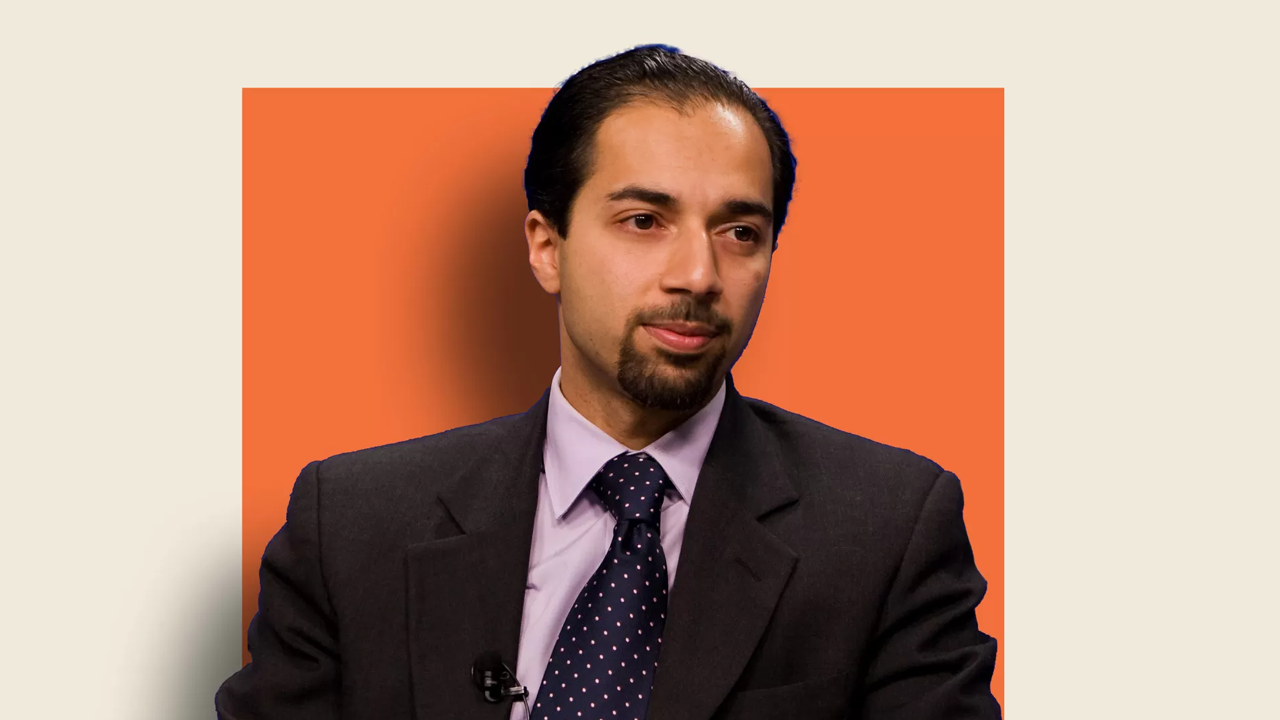
Trita Parsi of the Quincy Institute for Responsible Statecraft has said that the United States has suffered a major strategic loss due to its naval blockade on Iranian ports. In an interview with Al Jazeera, he stated that the economic cost of the blockade has far exceeded the White House’s expectations. Parsi noted that Iran has endured decades of sanctions and economic pressure without capitulating. He warned that both sides might sustain their positions for a few more weeks, but the situation is worsening daily. The stalemate, he added, is severely affecting third countries, citing Kuwait as an example, which has been unable to export oil for a month—an unprecedented situation in decades. Parsi also expressed hope that pressure from major powers, including China, could push both sides toward a diplomatic solution. Referring to the withdrawal of 5,000 US troops from Germany, Parsi argued that the United States has suffered a strategic defeat, raising global doubts about the reliability of America’s security umbrella.
NASA has released new satellite images showing that Mexico City is sinking at an alarming rate of nearly ten inches per year. The sprawling metropolis, covering about 7,800 square kilometers and home to roughly 22 million people, was built on the surface of an ancient lake. Many of its central streets were once canals, and the city’s foundation is now suffering from severe subsidence. According to NASA’s latest report, some areas, including the main airport and the Angel of Independence monument, are sinking at an average rate of 0.78 inches per month. Geophysicist Enrique Cabral from the National Autonomous University of Mexico noted that the city has sunk more than 39 feet in less than a century due to excessive groundwater extraction and urban development. The shrinking aquifer has also caused a persistent water shortage. For decades, authorities have largely ignored the problem except for stabilizing foundations under landmarks such as the Metropolitan Cathedral. Recently, as the water crisis worsens, the government has begun funding further research into the issue.

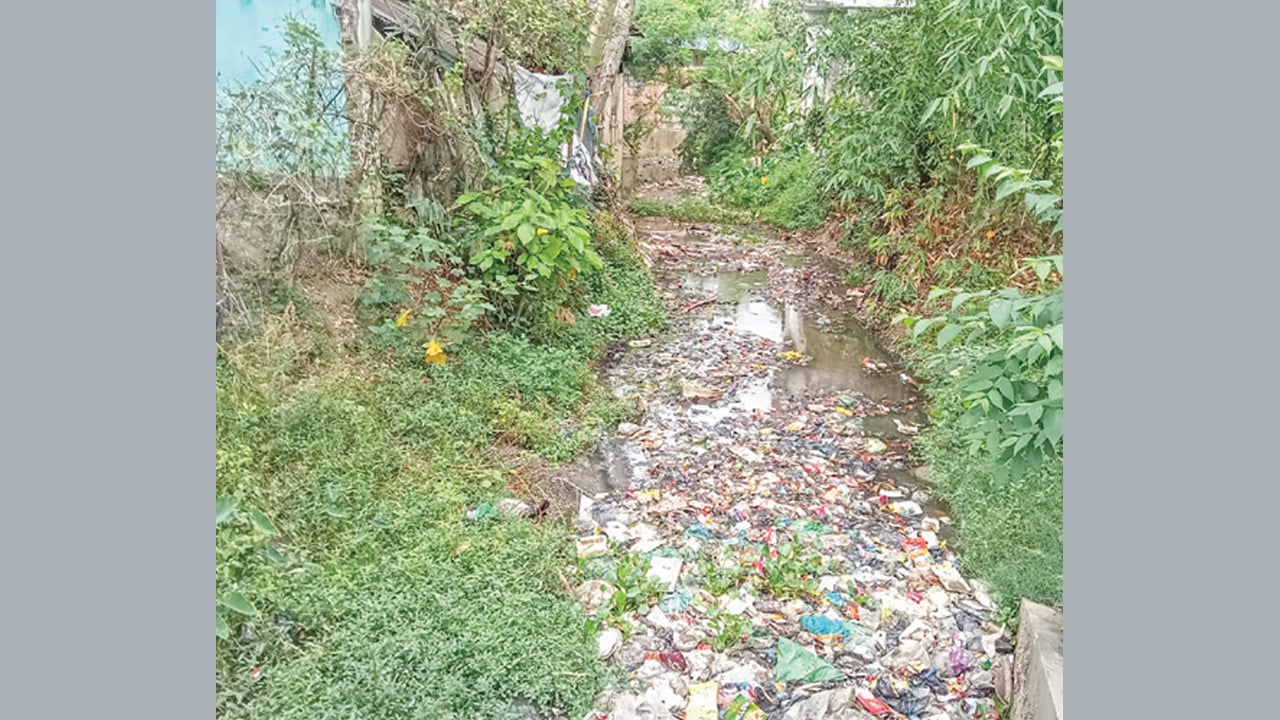
The historic saline Jhorjhari canal flowing through the southern part of Sitakunda municipality in Chattogram has become nearly dead due to encroachment, pollution, and mismanagement. Once a vital natural drainage route carrying mountain runoff from Chandranath Hill to the sea, the canal has lost its navigability and flow, causing severe waterlogging across the area during monsoon rains. Local residents report that influential groups have occupied sections of the 7.5-kilometer canal, constructing shops, warehouses, and houses along its banks. Unplanned dumping of waste has filled the canal bed, blocking water flow and leading to prolonged flooding in low-lying areas such as Chaudhurypara, Hasan Gomosta Mosque area, Amirabad, and West Mirabad. Homes, roads, and even government offices, including the Upazila Executive Officer’s residence, have been inundated, raising concerns over damage to official documents. Farmers say hundreds of acres of crops are destroyed annually due to waterlogging, harming the local economy. The Upazila Executive Officer stated that proposals have been sent under the national canal excavation program to restore the Jhorjhari and other canals once funding is approved.
The ‘1 Nojor’ media platform is now live in beta, inviting users to explore and provide feedback as we continue to refine the experience.