

The ‘1 Nojor’ media platform is now live in beta, inviting users to explore and provide feedback as we continue to refine the experience.
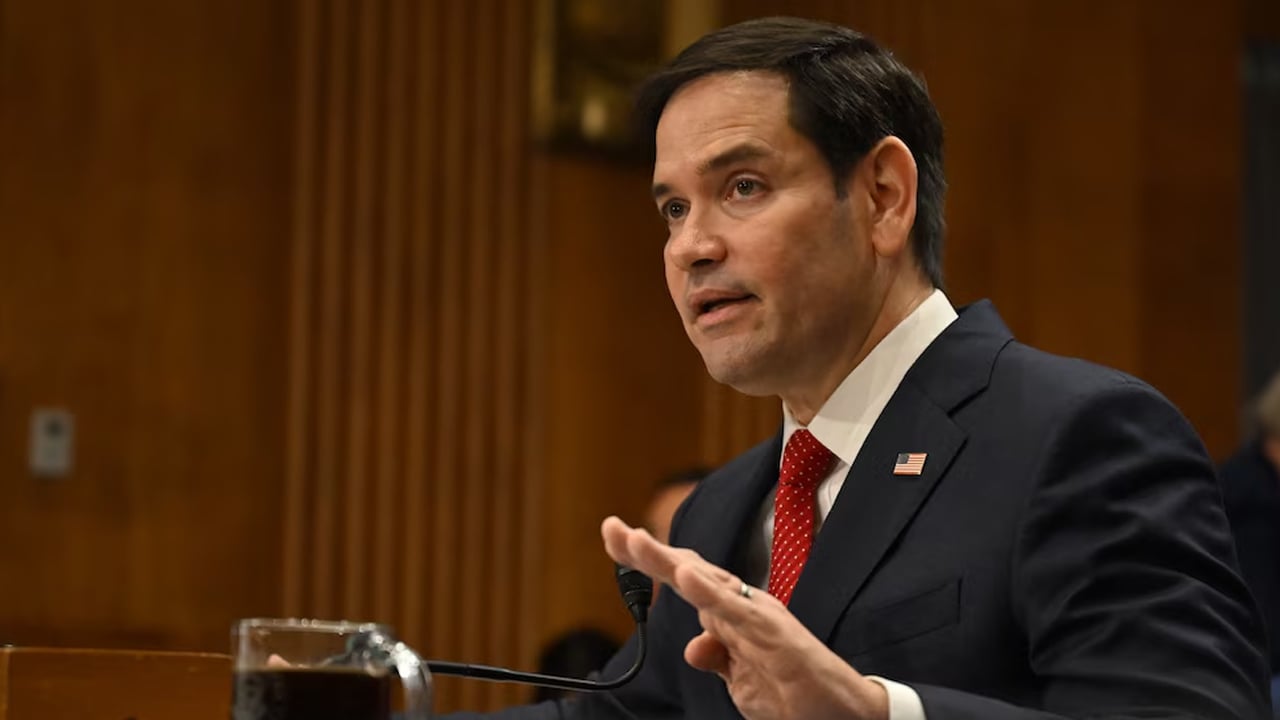
US Secretary of State Marco Rubio is scheduled to visit Rome and the Vatican this week, according to an Italian government source. The trip comes at a time of heightened tension between US President Donald Trump and Pope Leo XIV over war and migration policies. During the visit, Rubio is expected to meet Vatican Secretary of State Cardinal Pietro Parolin and Italian Foreign Minister Antonio Tajani, and may also meet Defense Minister Guido Crosetto. Italian media have described the visit as a diplomatic effort to 'warm relations.' The tensions trace back to May 2025, when Pope Leo XIV, who succeeded Pope Francis, criticized the Trump administration’s immigration stance and expressed concern over US-Israel threats toward Iran. Trump responded by calling the Pope 'weak' and rejecting his views on Iran and nuclear issues. Italian Prime Minister Giorgia Meloni also condemned Trump’s remarks, prompting Trump to accuse Italy of insufficient NATO support and to threaten troop withdrawals from Italy, Spain, and Germany. The visit is seen as an attempt to ease strained relations between Washington, the Vatican, and European allies following months of diplomatic friction.
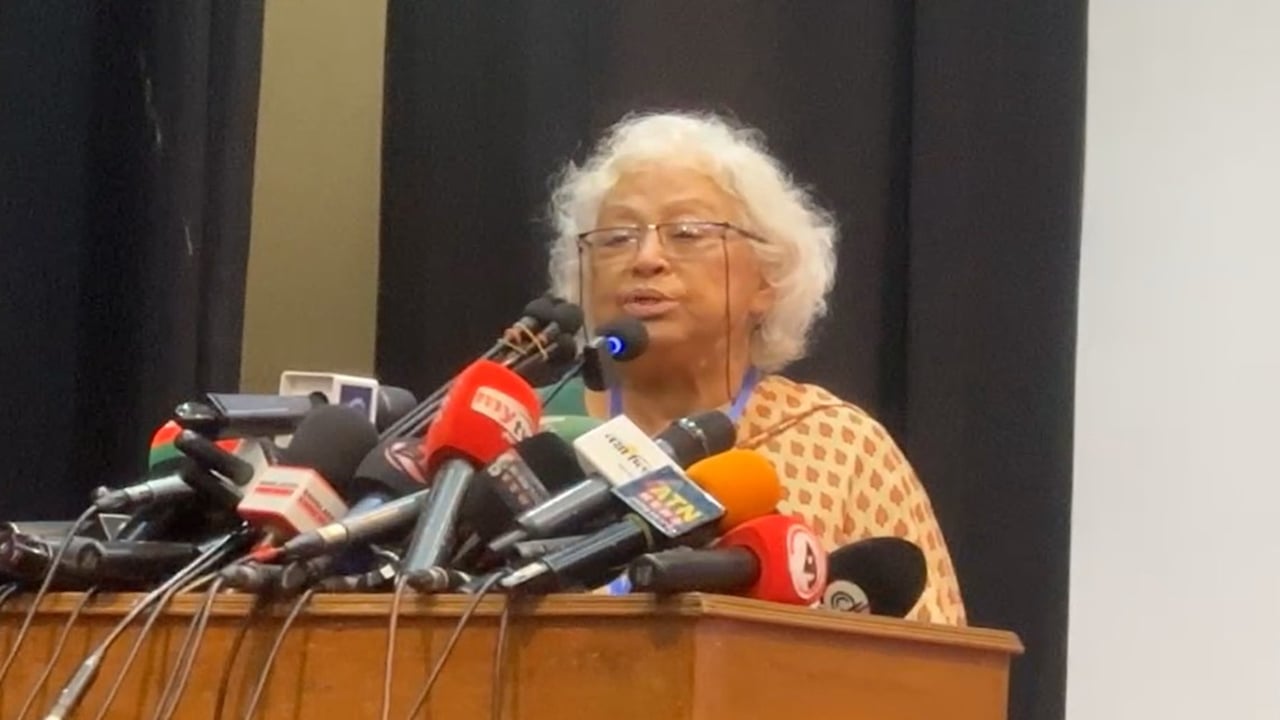
Political scientist Professor Dilara Chowdhury has warned that the Prime Minister could become authoritarian if the government fails to implement the July Charter and related ordinances. She made the remarks on Sunday, May 3, at a national convention on energy, economic reform, and referendum organized by the NCP Reform Implementation Committee at the Diploma Engineers Institute in Dhaka. Chowdhury criticized the ruling party for reversing institutional reforms related to enforced disappearances, human rights, the Anti-Corruption Commission, and the judiciary that were outlined in the July Charter. She said that despite earlier commitments, no progress had been made on forming councils to ensure independent appointments to constitutional bodies. She also alleged that Bangladesh’s elite, civil-military, and bureaucratic groups were obstructing reform to retain power. She further stated that if the government continues to ignore the July Charter and referendum commitments, it risks reverting to the authoritarian tendencies of previous administrations.
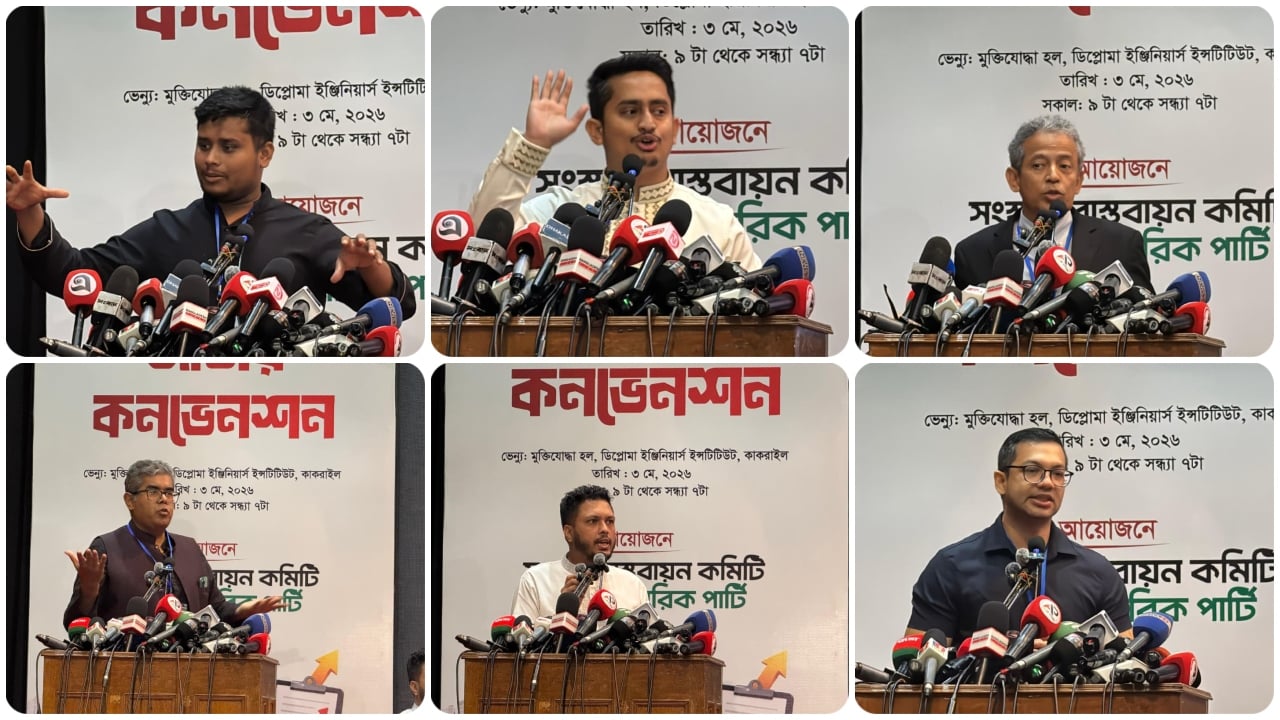
Speakers at a national convention in Dhaka on Sunday accused the BNP-led government of deceiving the public over promised reforms. The event, organized by the National Citizen Party’s Reform Implementation Committee at the Diploma Engineers Institute, focused on energy, economy, human rights, and constitutional reform. Participants alleged that the government had abandoned its pre-election commitments and was moving toward authoritarianism by reversing key institutional reforms. NCP leaders, academics, and civil society representatives criticized the government for canceling the July Charter’s provisions on human rights, anti-corruption, and judicial independence. They claimed that the BNP had withdrawn from constitutional reform initiatives and dissolved commissions meant to ensure accountability. Political scientist Dilara Chowdhury and sociologist Mirza Hasan said the ruling elite and bureaucracy were obstructing reforms to retain power. Speakers urged the government to honor the July Charter and referendum outcomes, warning that failure to do so would push the administration toward authoritarian rule. They called for a public movement to compel reform implementation if the BNP government continued to ignore its commitments.
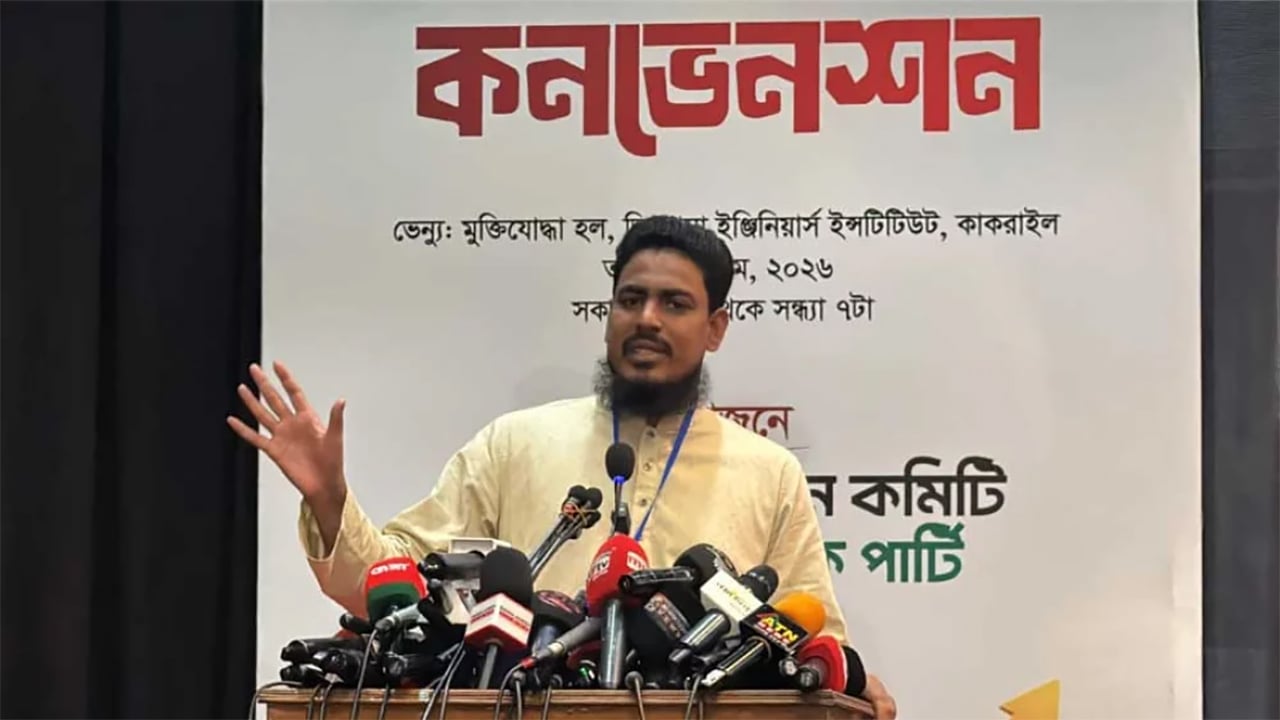
National Citizen Party (NCP) Member Secretary Akhtar Hossain has accused the Bangladesh Nationalist Party (BNP) of avoiding necessary reforms under the pretext of power politics. Speaking on Sunday, May 3, at a national convention on energy, economic reform, and referendum held at the Diploma Engineers Institute in Dhaka, he said the BNP prefers to enjoy absolute power rather than pursue reform. Hossain stated that although the BNP repeatedly mentioned a 'note of dissent', the consensus commission had agreed that any differing opinions would be recorded separately, making dissent secondary. He added that after the referendum, BNP’s approval or disapproval was no longer a central issue. He questioned BNP’s objections to four specific referendum questions, which included proposals for a new upper house, a caretaker government under a new formula, and neutral boards for constitutional appointments. He urged BNP not to disregard the people’s verdict from the referendum and emphasized that the proposed constitutional reforms aimed to strengthen the basic structure of governance. The session was moderated by Monira Sharmin, convener of the National Women’s Power.
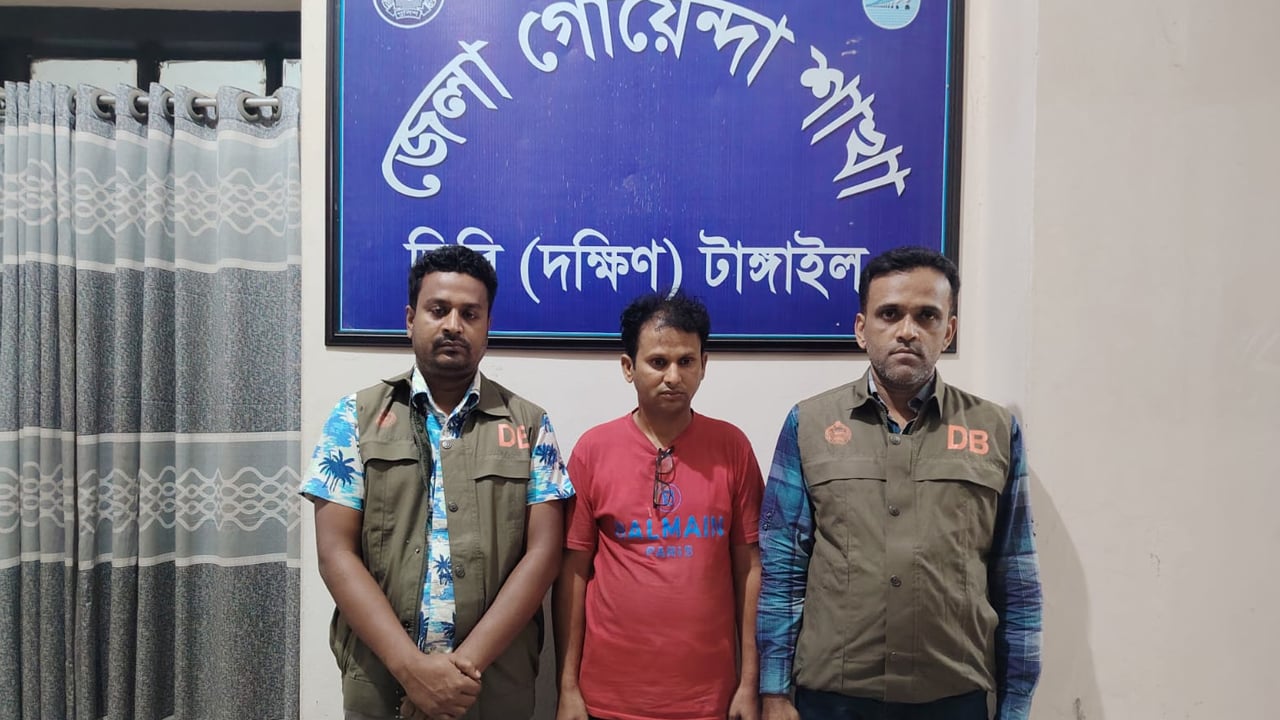
A drug dealer named Shawkat Hossain was arrested with 300 yaba tablets in Mirzapur upazila of Tangail on Saturday night, May 2, 2026. The arrest took place around 9:30 p.m. near the flyover area of Gorai Union. Shawkat Hossain, aged 48, is the son of Hossain Uddin from Chanpur village in Latifpur Union. According to the Detective Branch (DB) police, the operation was conducted based on secret information under the leadership of Sub-Inspector Raiz Uddin of Tangail South DB Police. Shawkat was caught red-handed while selling yaba tablets in a building on the north side of the Gorai flyover. During the search, officers recovered 300 yaba tablets from his possession. Sub-Inspector Rashed Fazal of Mirzapur Police Station stated that a case has been filed under the Narcotics Control Act, and Shawkat Hossain has been sent to jail through the Tangail court.
Bangladesh observed World Press Freedom Day on May 3, 2026, under the theme “Shaping a Peaceful Future: Freedom of the Press for Human Rights, Development, and Security.” The Ministry of Information and Broadcasting organized a rally and discussion session in Dhaka to mark the occasion. The rally began at 9 a.m. from the Officers’ Club premises and concluded at the Information Building Complex. A discussion followed at the Department of Films and Publications conference hall, focusing on the role of a free and responsible press in fostering a culture of accountability. Information and Broadcasting Minister Zahir Uddin Swapon attended the event as the chief guest. Professor Dr. S. M. Shamim Reza of Dhaka University presented a paper, while several prominent media figures, including the Bangladesh Press Council chairman and editors from leading newspapers and television channels, participated as discussants. World Press Freedom Day was first recognized by the United Nations in 1993 following a UNESCO recommendation. The day reaffirms commitments to press freedom, honors journalists’ sacrifices, and pledges to resist interference in media independence.

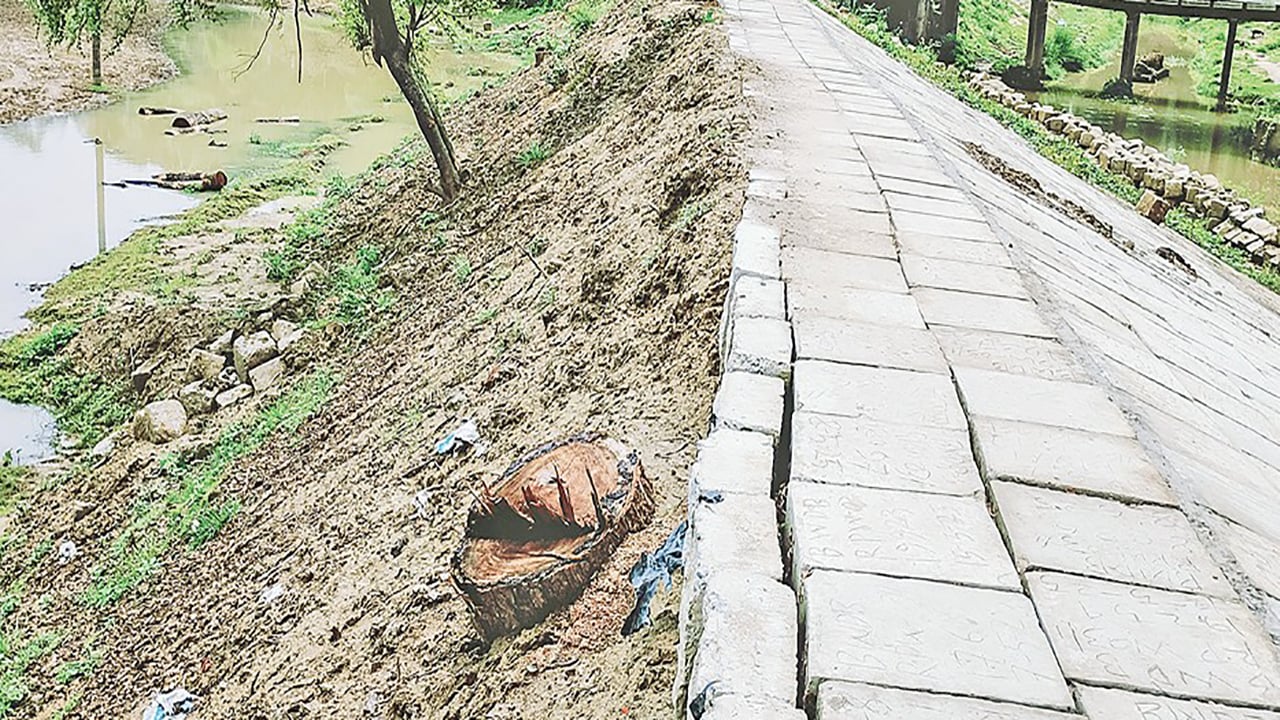
Allegations of irregularities and mismanagement have surfaced in a Tk 133-crore project of the Water Development Board (Paubo) at Shrimai Canal in Patiya, Chattogram. The project, ongoing for three years, is facing structural issues as concrete blocks placed along the canal embankment have started to shift, causing partial collapses. With only two months left in the project’s timeline, none of its five packages have progressed beyond 70 percent completion, raising concerns about timely completion and effectiveness before the upcoming monsoon season. The project, launched on January 1, 2023, under Chattogram Paur Division-1, includes riverbank protection, construction of a hydraulic elevator dam, and afforestation. Local residents allege that blocks meant to prevent erosion were not installed in vulnerable areas, while unnecessary sections received attention. They also accuse the Water Development Board and contractors of negligence in land acquisition and quality control, leading to block displacement in several sections. Officials have denied negligence, stating that the project is still ongoing and defects will be corrected. They also reported informing local authorities about unregulated sand extraction near the dam site.
India’s Election Commission (ECI) has ordered a complete re-vote in all polling booths of the Falta Assembly constituency in West Bengal. The decision, announced on May 3, 2026, follows allegations of serious electoral offences and disruption of the democratic process during the April 29 voting. According to the ECI directive, fresh polling will be held on May 21 across 285 booths, including auxiliary ones, from 7 a.m. to 6 p.m., with results to be declared on May 24. Vote counting for the state’s other 293 constituencies will proceed on May 4. The decision comes amid intense political confrontation between the Trinamool Congress (TMC) and the Bharatiya Janata Party (BJP). The BJP alleged that electronic voting machines in several booths were tampered with to block its symbol, while the TMC denied the charge, accusing the BJP of spreading false claims to mask its impending defeat. TMC leader Abhishek Banerjee challenged the BJP on social media, calling the re-vote a test of the “Diamond Harbour model.” Earlier, re-polling had been held in 15 booths of Falta and Magrahat West due to irregularities, where voter turnout exceeded 90 percent. Police later arrested three TMC workers over alleged intimidation and violence during that process.

Heavy and prolonged rainfall across Bangladesh has submerged vast areas of ripe Boro paddy fields, leaving farmers in distress over crop losses and loan repayments. In several districts including Sunamganj, Habiganj, Netrakona, Mymensingh, Jamalpur, and others, floodwaters have inundated low-lying lands and haor regions, damaging both ripe and half-ripe crops. Many farmers, who cultivated Boro paddy with borrowed money, are now forced to harvest immature crops to minimize losses. District administrations have formed emergency monitoring cells to address the disaster, while local agricultural offices are preparing lists of affected farmers. In Sunamganj alone, about 20,000 hectares of farmland have been damaged, with 2,000 hectares completely destroyed, affecting over 20,000 farmers. Similar devastation has been reported from Habiganj, Naogaon, Mymensingh, and Jamalpur, where continuous rain and flash floods have caused widespread crop submersion. Farmers are struggling to dry harvested paddy due to lack of sunlight, and many have lost hope as floodwaters continue to rise. Officials have begun assessing the extent of damage, but persistent rain and waterlogging continue to threaten remaining crops and delay recovery efforts.

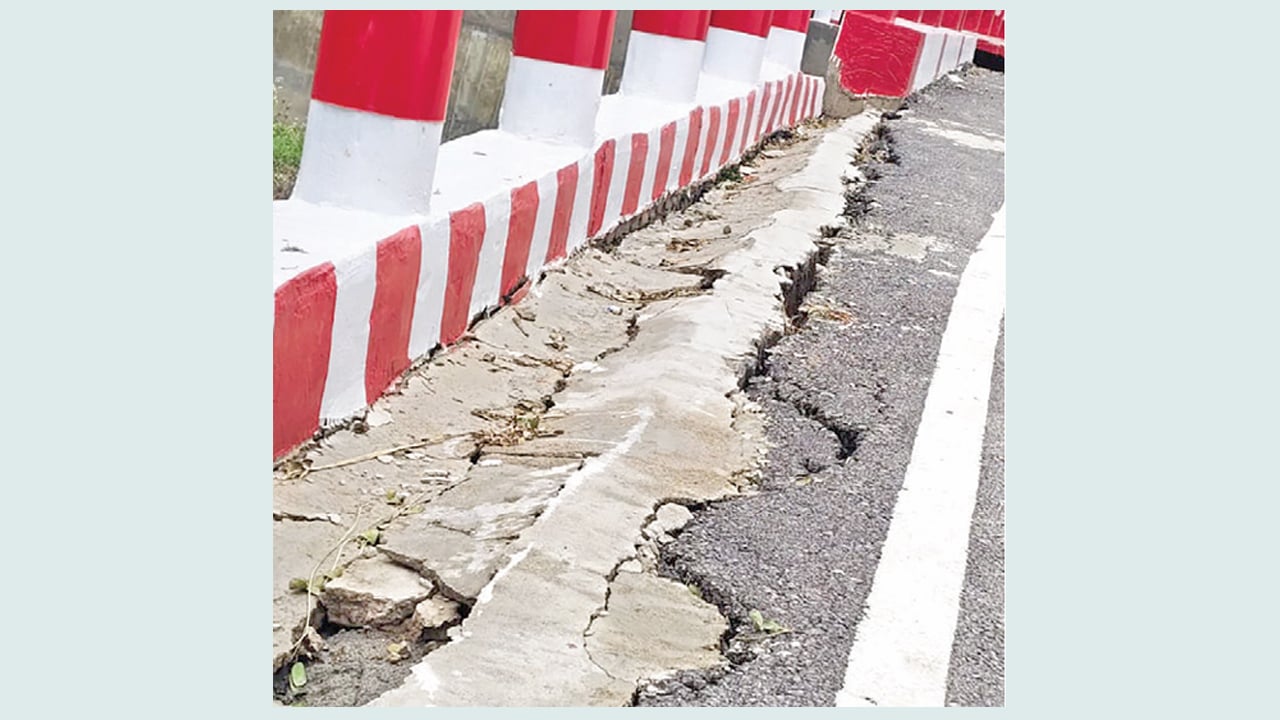
A newly built bridge on the Majhigacha–Nindapur Ronger Bazar connecting road in Kachua, Chandpur, has started collapsing before its official inauguration. The approach to the 12-meter RCC girder bridge, built under the ‘Program for Supporting Rural Bridges’ project funded by the Bangladesh government and the World Bank, has partially caved in. The project, costing about 23.17 million taka, was implemented by contractor firm Messrs Harun & Sons. Field inspection revealed soil erosion under the guardwalls and large cracks and holes on the connecting road. Local residents, including Abul Kalam Shikdar, Hazrat Ali, and Jilani, accused the contractor of using substandard materials and ignoring proper construction schedules. They claimed to have repeatedly complained to the Upazila Engineer and Assistant Engineer without any response. Residents demanded intervention from higher authorities of the Local Government Engineering Department (LGED). Upazila Engineer Abdul Alim Liton stated that parts of the structure were damaged by rain and that the issue is under investigation. He added that the contractor has not yet received full payment, and the final bill will be settled after quality verification.
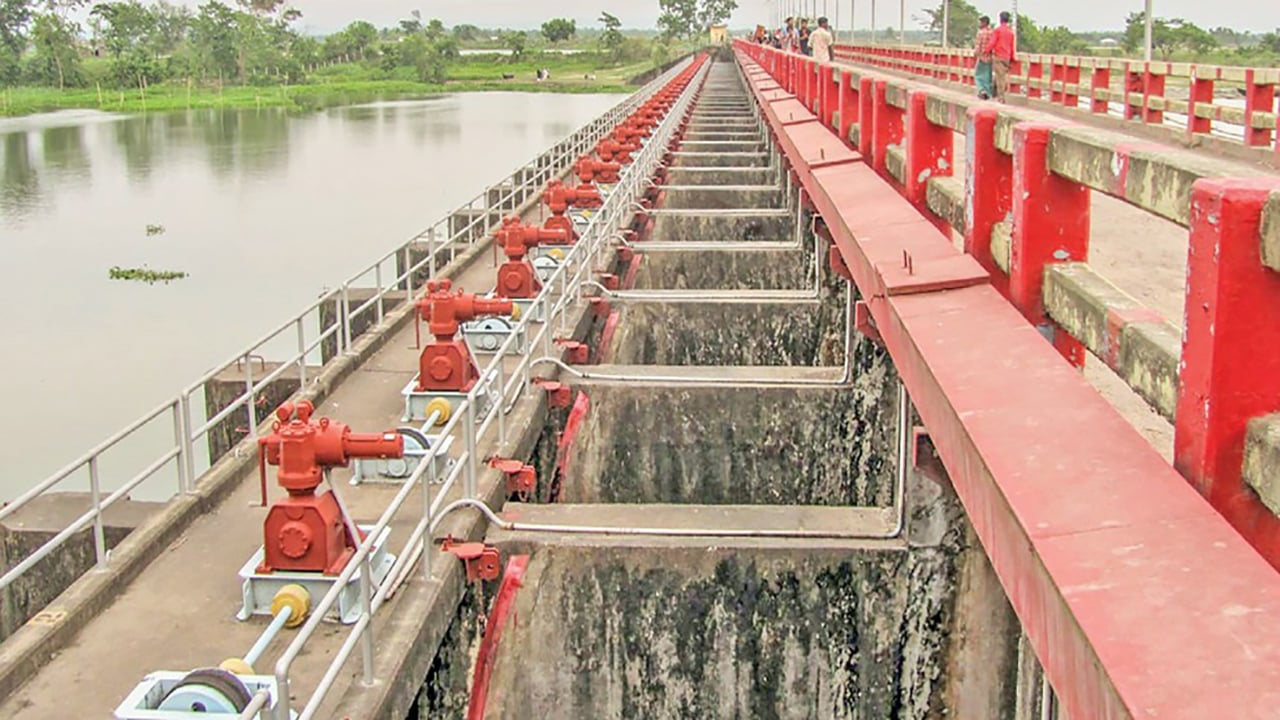
The Tk 232 crore Muhuri Irrigation Project, completed in June 2024 across Feni and Chattogram’s Mirsarai areas, has failed to deliver expected benefits to local farmers. The project, approved in 2014 under the government’s Irrigation Management Improvement Project with Asian Development Bank support, aimed to irrigate 18,000 hectares through 850 underground pipeline schemes. However, only 338 schemes are operational, and just 3,000 hectares have received irrigation so far. Flooding in 2024 severely damaged pumps, pipelines, prepaid meters, and electrical systems, halting irrigation despite formal handover to farmers. The project also faced disruptions from local extortion groups, theft of equipment, and corruption allegations, including claims of inflated costs and substandard materials. Farmers’ declining interest in irrigation-based crops and theft of electrical components have further hindered operations. Project Director Md. Rafius Sajjad stated that a group has been deliberately obstructing the project, while flood damage and transformer theft have worsened the situation. Authorities continue to face challenges in restoring full functionality and ensuring the intended agricultural benefits.
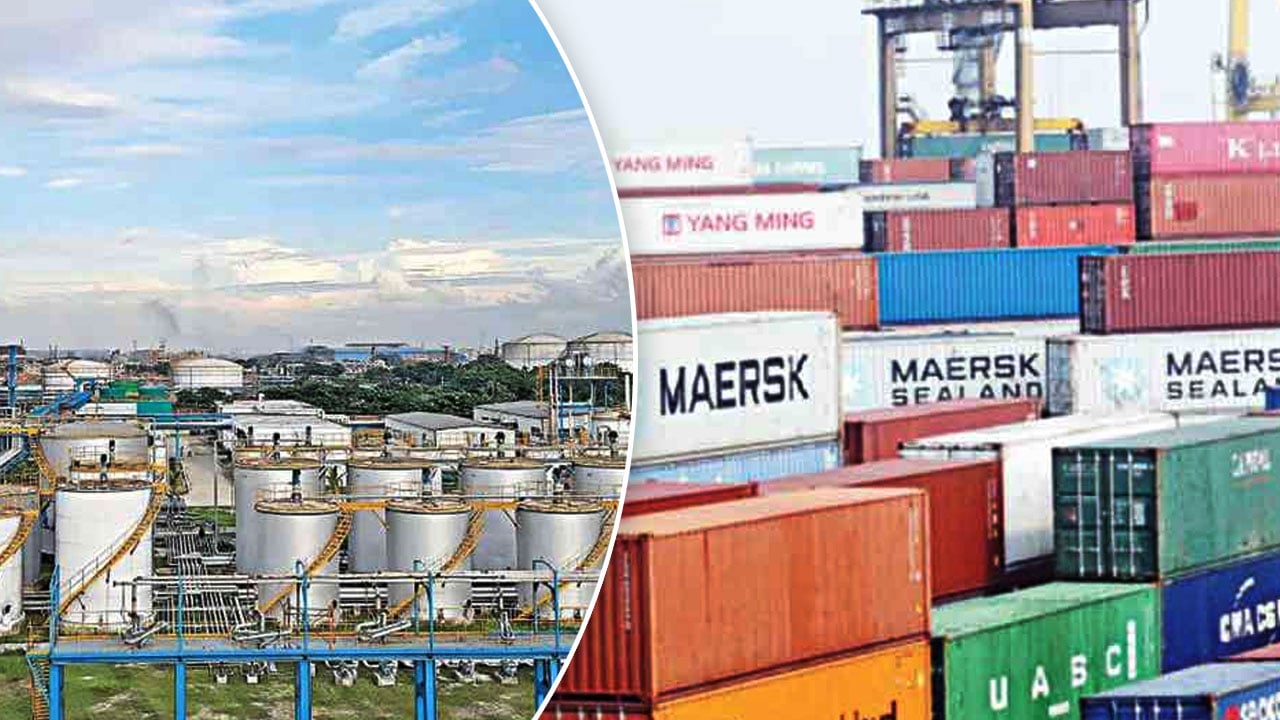
A global energy crisis triggered by the Middle East conflict has severely disrupted Bangladesh’s industrial sector, with gas, electricity, and fuel shortages putting immense pressure on production. Export earnings have fallen for eight consecutive months, marking an unprecedented decline in the country’s history. In March 2026, export income dropped by over 18 percent year-on-year to 3.48 billion dollars, compared to 4.25 billion dollars in March 2025. Business leaders and economists attribute the downturn to reduced production capacity, rising costs, and shipment delays that have eroded foreign buyers’ confidence. The ready-made garment sector, which accounts for over 80 percent of export earnings, saw a 5.51 percent decline in the first nine months of the fiscal year. Vietnam has overtaken Bangladesh as the world’s second-largest apparel exporter, earning 82 million dollars more in 2025. Industry associations report that many factories in Gazipur, Savar, Ashulia, and Narayanganj have lost up to 30 percent of production capacity due to power and fuel shortages. Economists warn that unless the energy crisis eases soon, Bangladesh’s export-dependent economy could face deeper challenges.
U.S. low-cost carrier Spirit Airlines announced an immediate shutdown of its global operations on Saturday after last-minute talks with lenders and the White House collapsed. The airline canceled all flights and suspended customer service, citing a severe financial crisis driven by rising fuel costs and other business pressures. American Airlines, Delta, United, and JetBlue quickly launched rescue efforts, offering discounted fares and additional flights to accommodate stranded passengers. Some airlines also began assisting and recruiting Spirit’s employees. Spirit, which had about 7,500 employees by the end of last year, had faced multiple bankruptcy proceedings since 2024. The company promised refunds to affected passengers. U.S. Transportation Secretary Sean Duffy said President Donald Trump made every effort to keep the airline afloat but noted that the outcome depended on lenders’ decisions. Labor unions criticized the shutdown, warning that the burden would fall on pilots, cabin crew, and mechanics. Analysts said the airline’s collapse could reshape the U.S. low-cost travel market, as rising jet fuel prices following Middle East tensions delivered the final blow to an already weakened carrier.

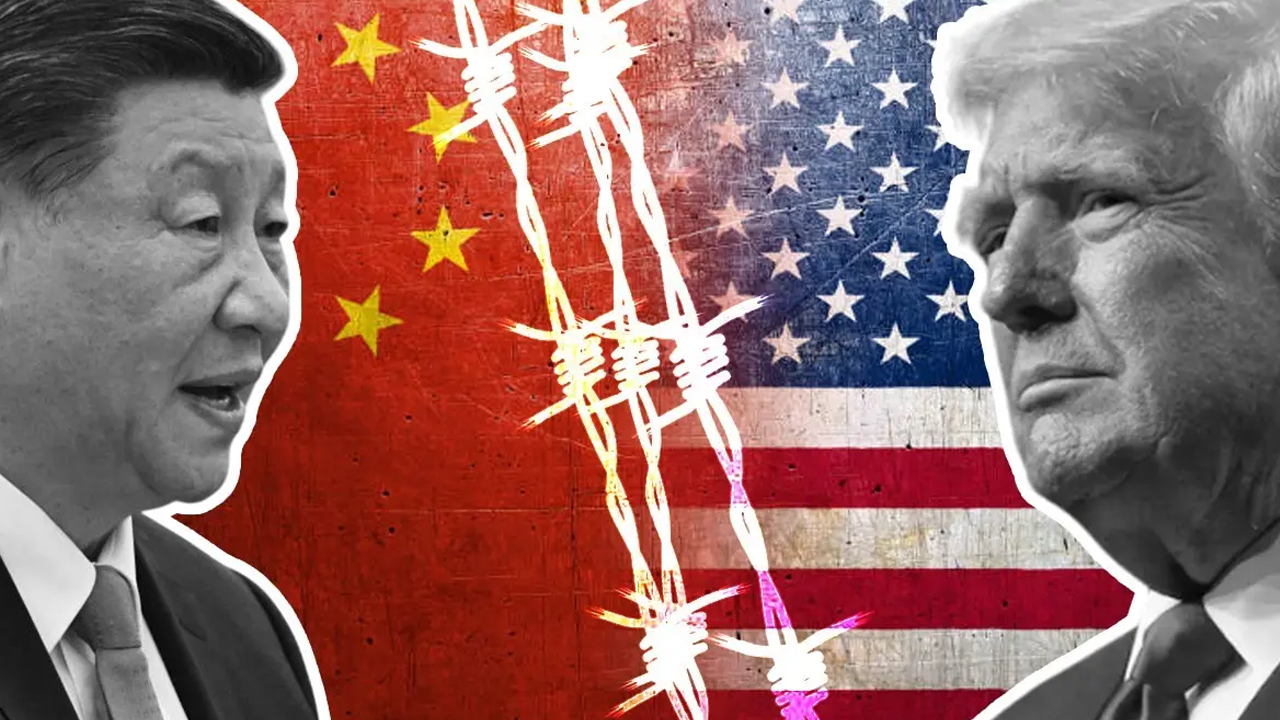
Beijing has refused to comply with U.S. sanctions imposed on five Chinese refineries accused of purchasing Iranian oil. The Chinese government described its stance as defensive and justified, according to the state-run English-language outlet China Daily. The report said that China issued an injunction to block Washington’s sanctions, which include measures against Hengli Petrochemical Refinery and four other facilities. Beijing argued that the U.S. action violates international law, as it lacks authorization from the United Nations. In an article, China Daily writer Li Yang stated that Washington’s sanctions attempt to extend U.S. jurisdiction over bilateral trade between two sovereign nations. He further noted that the United States has long used the dominance of the dollar to expand the reach of its sanctions through so-called secondary sanctions that penalize entities dealing with blacklisted parties. Li emphasized that China has drawn a clear line, declaring that Chinese companies will not comply with what it considers illegal U.S. restrictions.
Prime Minister Tarique Rahman inaugurated several major development projects during his visit to Sylhet on Saturday, May 2, 2026, despite heavy rainfall. He laid the foundation stone for the Surma Riverbank Development Project, worth about Tk 4,635 crore, aimed at improving flood protection and urban beautification. He also inaugurated the ‘Notun Kuri Sports’ initiative at the district stadium and later addressed a civic gathering at the Sylhet City Corporation auditorium. During the event, the prime minister announced plans to double-track the Dhaka–Sylhet railway line and expedite the expansion of the Dhaka–Sylhet highway after resolving land acquisition issues. He pledged to reopen closed factories, attract foreign investment, and activate the Sylhet IT Park. Rahman also launched the re-excavation of the historic Basiya River after 49 years, a project expected to benefit thousands of farmers. He further revealed a plan to recruit 100,000 health workers, 80 percent of whom will be women, to raise health awareness nationwide. The prime minister emphasized environmental protection, water management, and the government’s commitment to fulfilling electoral promises through ongoing development efforts.

The ‘1 Nojor’ media platform is now live in beta, inviting users to explore and provide feedback as we continue to refine the experience.