

The ‘1 Nojor’ media platform is now live in beta, inviting users to explore and provide feedback as we continue to refine the experience.
Continuous heavy rainfall over several days has triggered hill torrents and tidal water intrusion through broken embankments, flooding vast areas of Banshkhali in Chattogram. At least 20,000 people in areas including Chanua, Shekherkhil, Napora, Chambal, Shilkup, Jaldi municipality, Premashia, Kadamrasul, and Pukuria have become waterlogged. Thousands of homes are submerged, leaving residents unable to cook and forcing many into hunger. Fish farms and rural roads have also been inundated, cutting off communication in several villages. Local social workers and union officials reported that entire neighborhoods such as Madhukhali and Napora are isolated, with key roads and bamboo bridges submerged or damaged. Complaints have surfaced that fishing nets placed in sluice gates are obstructing water flow. Residents have urged immediate government intervention and road repairs to restore access and prevent further damage. In coastal areas like Khan Khanabad and Baharchhara, tidal water has damaged croplands and homes, raising fears of worsening conditions if embankments are not repaired promptly.
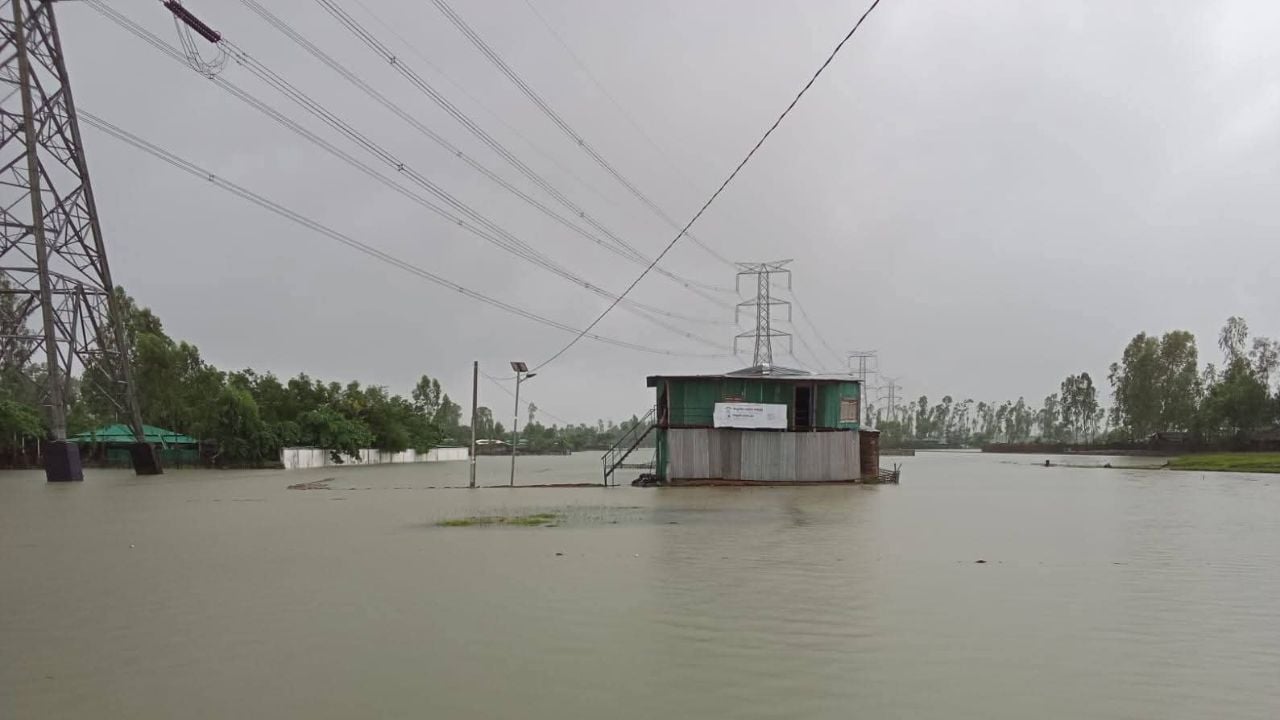
Widespread rainfall continued across Bangladesh on July 7, 2026, as a monsoon low over the Bay of Bengal caused heavy downpours in coastal areas including Chattogram. The Bangladesh Meteorological Department (BMD) reported that the low pressure remained strong, prompting authorities to maintain local cautionary signal number 3 at all maritime ports. Fishermen and trawlers in the northern Bay were advised to stay near the coast and navigate carefully due to rough sea conditions. According to the latest BMD forecast signed by meteorologist Khondoker Hafizur Rahman, the monsoon depression had weakened into a well-marked low over eastern Madhya Pradesh after moving northwest from Odisha and Jharkhand. However, pressure variations over the northern Bay continued to generate gusty winds. Over the previous 24 hours, Chattogram recorded 283 millimeters of rain, Kutubdia 195, Sandwip 167, Bandarban 128, and Ambagan 177, while Dhaka saw 14 millimeters. The BMD warned that heavy to very heavy rainfall may persist for 48 hours in Khulna, Barishal, Chattogram, and Sylhet divisions, potentially disrupting daily life and flooding low-lying areas. The department said it is monitoring conditions continuously and will issue updates as needed.
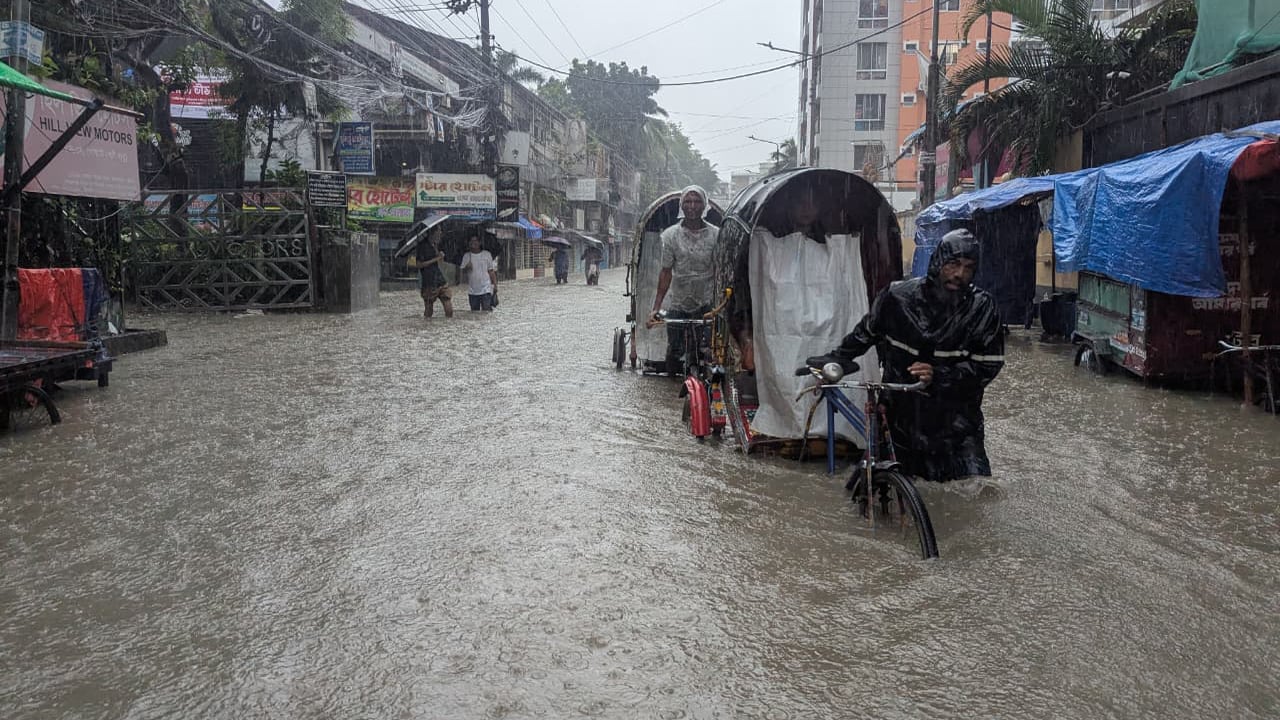
Prime Minister’s Information and Broadcasting Adviser Dr. Zahed Ur Rahman said the government will discuss with India, at the state level, the issue of fugitive Awami League leaders allegedly making inciting statements from Indian territory. He made the remarks on Tuesday morning during a weekly press briefing at the Secretariat in response to a question about recent social media videos showing the leaders urging supporters to resist law enforcement in Dhaka. Rahman stated that the government had previously raised the matter with India and would continue to do so, noting that several of the individuals involved are accused in criminal cases, have warrants issued against them, or have already been convicted. He emphasized that such actions from abroad could harm Bangladesh’s internal law and order and that the government expects cooperation from India in this regard. The adviser also addressed questions about recent deaths in the Turag River following a police chase involving banned Awami League activists, describing the incident as tragic and under investigation. He urged all citizens to respect the law while awaiting judicial decisions on the party’s legal status.
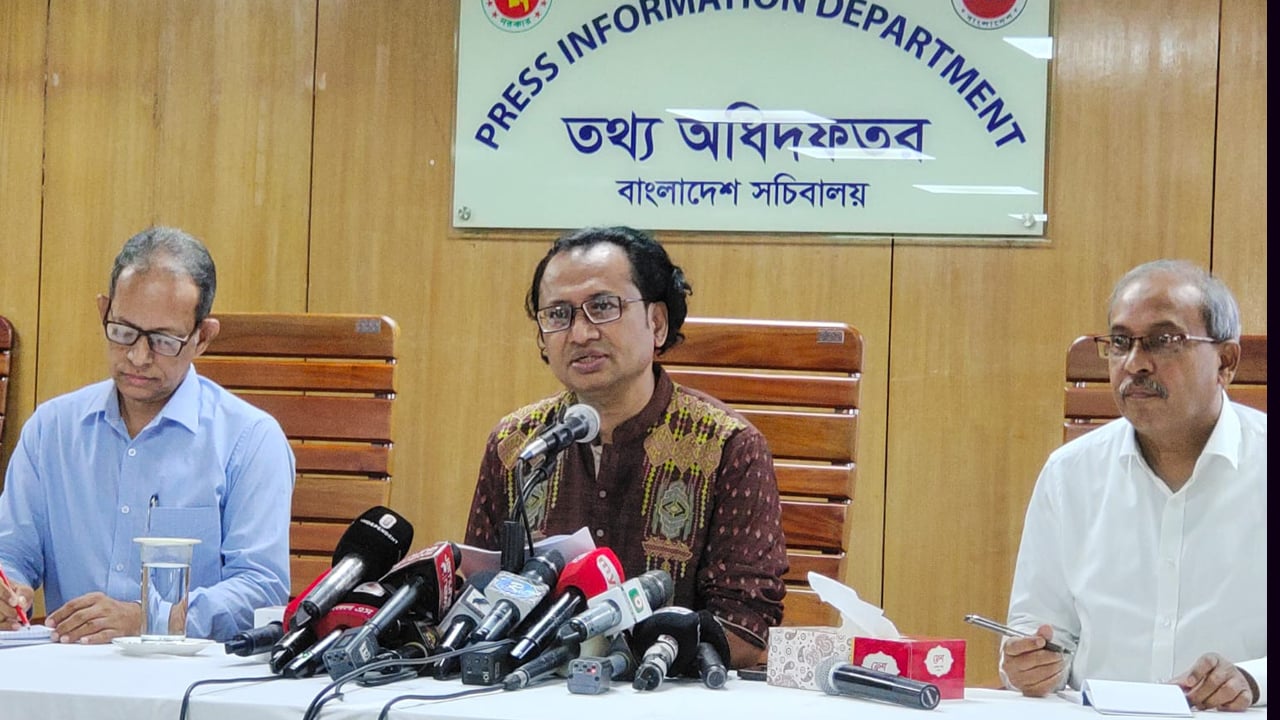
Iranian Parliament Speaker Mohammad Bagher Ghalibaf issued a message during the funeral of the country’s martyred leader and his family members, declaring that those responsible for the killings, particularly the enemies of the Islamic Ummah, will face divine punishment. He said the ultimate act of revenge would be realized through the liberation of Jerusalem, describing the day of the leader’s final presence in Tehran as a historic moment that strengthened national unity and Islamic awareness. According to Iran’s state news agency, Ghalibaf praised the Iranian nation for its steadfastness over 47 years of revolution and noted that in the past four months, citizens have repeatedly voiced opposition to the United States and Israel. He emphasized that aggressors on Iranian soil and those responsible for the deaths of martyrs would be punished, asserting that the Islamic Republic remains enduring and victorious with the people’s support. Ghalibaf also urged officials to uphold citizens’ dignity and work tirelessly to strengthen defense, diplomacy, and economic welfare, following the guidance of the late leader and the current Supreme Leader Ayatollah Seyyed Mojtaba Hosseini Khamenei.

The Ministry of Health in Bangladesh has announced that dengue diagnosis through the NS1 test will now be available free of charge at all government hospitals. The initiative will remain in effect until December 31, according to an official notification issued by the Health Services Division’s Government Health Management-1 branch on Sunday. The directive instructs the Director General of Health Services to take immediate steps to implement the decision. The circular states that the decision follows approval from the Finance Division of the Ministry of Finance. The move comes as dengue cases rise across the country with the onset of the monsoon season. So far this year, 7,110 people have been infected, of whom 61.5 percent are men and 38.5 percent are women. Nineteen deaths have been reported in 2026. The free testing initiative is expected to support early detection and treatment of dengue cases, helping to reduce the disease’s spread and mortality during the current outbreak period.

More than fifty workers at Color & Co. Ltd., a garment factory in Tepirbari area of Sreepur, Gazipur, suddenly fell ill on Tuesday morning, causing panic among staff. The incident began around 10 a.m. when a female worker collapsed on the fifth-floor sewing section, followed by others showing symptoms such as vomiting, abdominal pain, and dizziness. The affected workers were taken to Alhera Hospital at Maona Chowrasta, where most received primary treatment and were later released, while a few remained under observation. Factory workers said anxiety had persisted since the June 25 death of fellow worker Liza Akter, who died while on duty. The recurrence of illness on the same floor has intensified fear among employees. The cause of the sickness remains unknown. A brief dispute occurred when factory officials allegedly seized a journalist’s phone, later returned after clarification. Administrative officer Sanjib Kumar Dey stated that workers left the premises out of fear, not due to an official closure. Police and local administration have launched an investigation. The Upazila Nirbahi Officer confirmed that steps are being taken to ensure medical care and determine the cause of the incident.
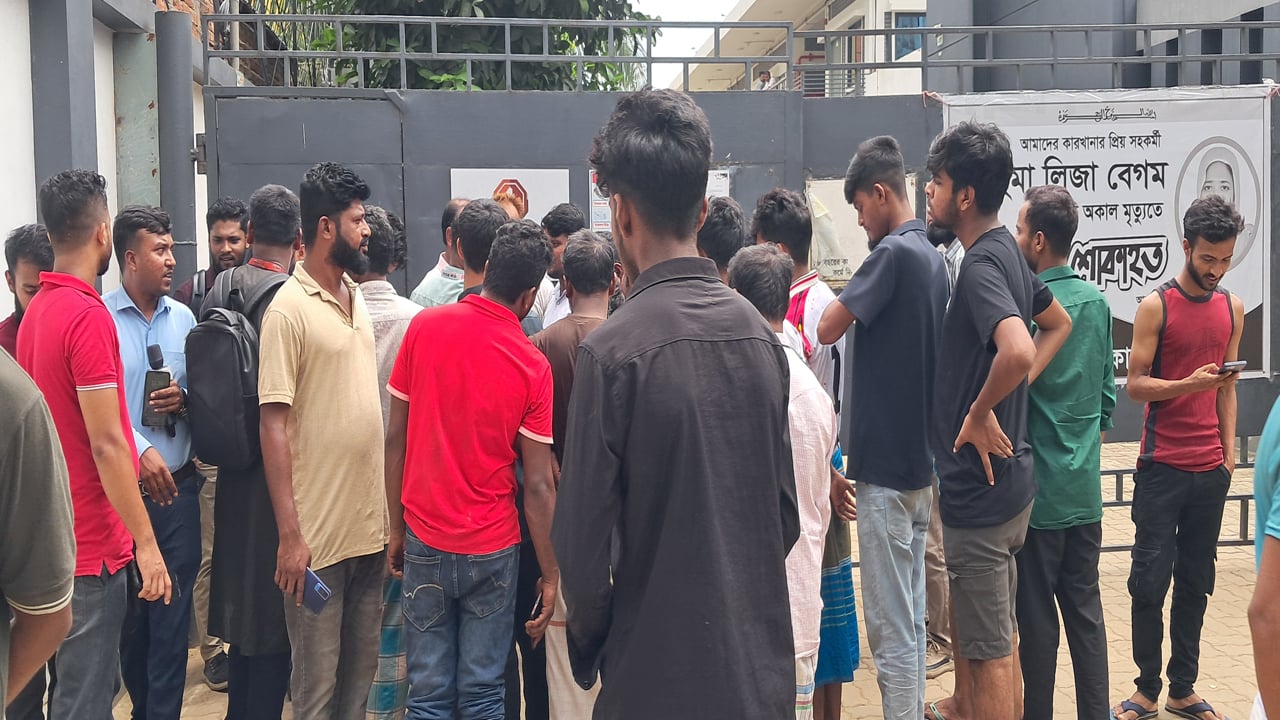
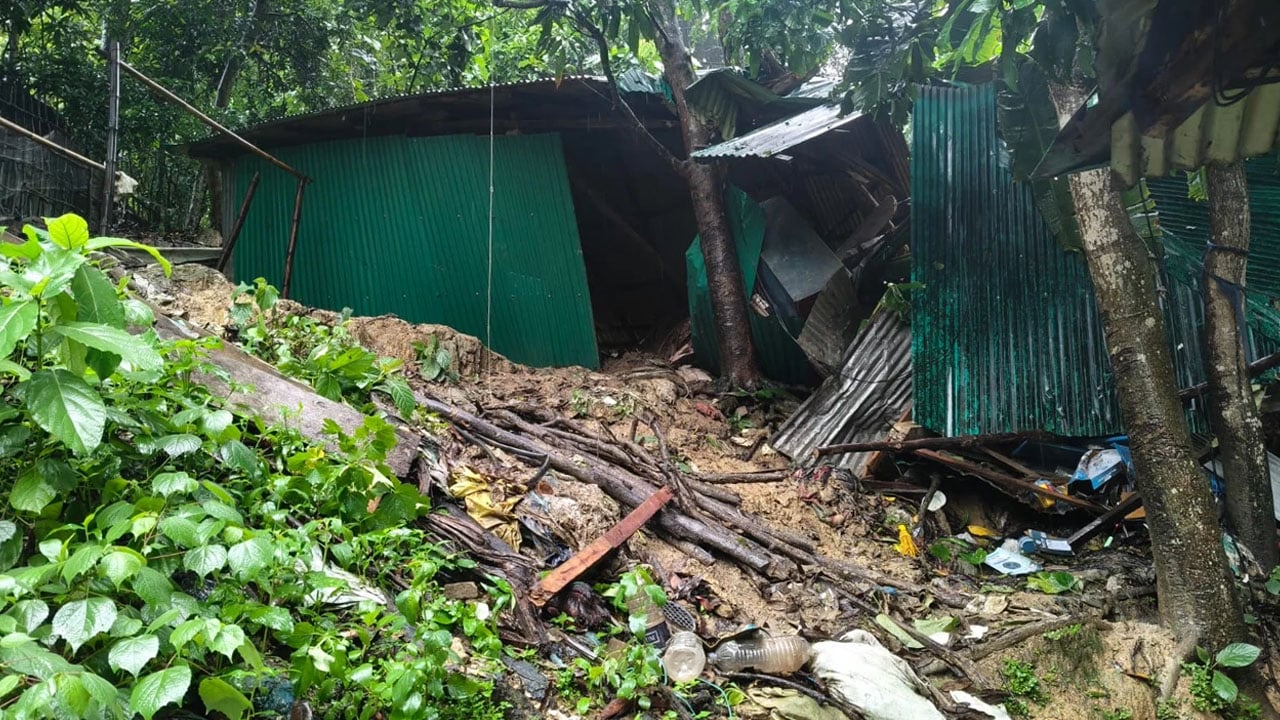
A woman named Nasima Akter, aged 27, was killed in a landslide triggered by continuous heavy rainfall in Cox’s Bazar’s Jhilongja Union under Sadar upazila on Tuesday, July 7. The incident occurred around 1 p.m. in the Dorianagar Borochhara area, where her house was buried under a collapsed hillside. Her husband and child were seriously injured and taken to Cox’s Bazar District Hospital, where Nasima was declared dead by doctors. Cox’s Bazar Sadar Upazila Nirbahi Officer Tahmina Akter confirmed the incident and said the administration had earlier warned residents in risky hilly areas to move to safer locations, but many did not comply. Continuous rainfall has caused multiple landslides across the district. According to official information, a total of 11 people have died in landslides across Cox’s Bazar over the past two days, including eight in Ukhiya’s Rohingya camps, two in Cox’s Bazar town, and one in Pekua upazila.
Telecommunication, Information Technology, and Science and Technology Minister Fakir Mahbub Anam announced that the Ruppur Nuclear Power Plant will be connected to Bangladesh’s national grid by the end of August. He shared the update on Tuesday morning during a discussion with ICT and telecom journalists at the ICT Tower in Agargaon, Dhaka. The minister explained that the government is closely monitoring ongoing projects to prevent wasteful spending and ensure timely completion. As part of this effort, uranium has already been loaded into the nuclear reactor. If all processes proceed as planned, the plant will begin supplying electricity to the national grid by late August. He also mentioned that, following the Prime Minister’s directive, work will soon begin on creating a “One ID” system that will store all information about a citizen from birth to death.

The Revolutionary Workers Party of Bangladesh has strongly condemned a cocktail attack on the National Citizens Party (NCP) rally held at Tarapur field in Savar, where several party members were injured. In a statement issued to the media on Tuesday, the party’s General Secretary Saiful Haque denounced the incident and held the local administration responsible for failing to prevent the attack. Saiful Haque stated that the assault occurred in the presence of NCP convener and opposition whip Nahid Islam, describing it as evidence of the country’s deteriorating law and order situation. He expressed concern over the overall security environment, noting that even five months after the formation of the elected BNP government, citizens’ safety remains uncertain. He alleged that criminals, extortionists, and mafias continue to operate across the country, threatening public life and undermining local administration. The statement urged authorities to identify and arrest the attackers immediately and ensure exemplary punishment. It also called on citizens to unite across political lines to resist ongoing terrorist activities nationwide.

A Dhaka court has sentenced three people to death and two others to life imprisonment for abducting and murdering eight-year-old Mahfuz in Gopalganj’s Kashiani upazila fifteen years ago. The verdict was delivered on Tuesday afternoon by Judge Farzana Yasmin of Dhaka’s Speedy Trial Tribunal-4. Those sentenced to death are Jamal Sheikh, Shamim Sheikh, and Ranjhu Sheikh, while Mahmuda Khanam Usha and Billal Sheikh received life sentences. Each convict was also fined 50,000 taka, confirmed state prosecutor Gias Uddin. According to the case details, on July 5, 2012, Mahfuz was abducted while walking to a local mosque in Borashur village. The kidnappers demanded ransom, and when it was not paid, they strangled him to death at Mahmuda Khanam Usha’s house on August 20, 2012, and dumped his body in a nearby mahogany grove. Mahfuz’s father was an expatriate in Italy, and the family reportedly had prior enmity with the accused. Following the incident, Mahfuz’s mother filed a case on July 6, 2012. The case was later transferred to Dhaka’s Speedy Trial Tribunal-4 in December 2013, and the trial began in February 2014, with 23 prosecution witnesses testifying.

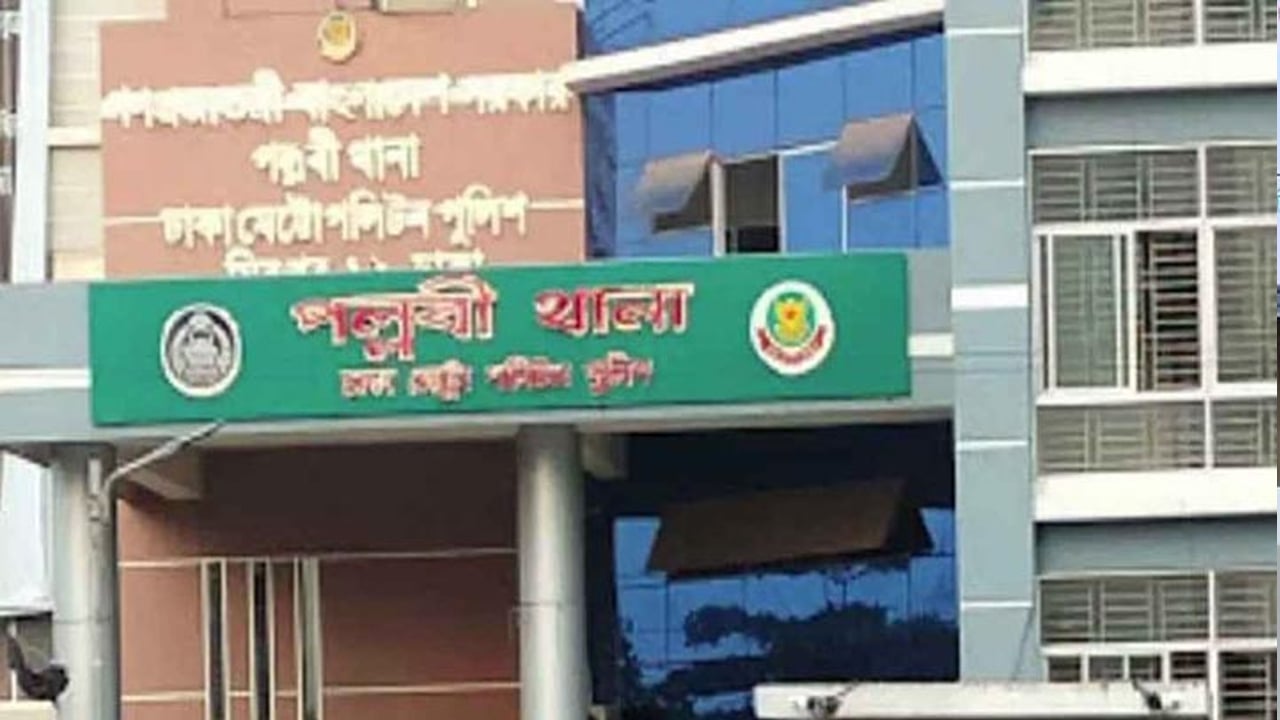
Police in Dhaka’s Pallabi area arrested four members of the Ashik gang during a special operation on Monday night. The arrests were made in separate raids led by Sub-Inspectors Sachu Biswas, Jahangir Alam, and Tohakul Islam. Law enforcement recovered locally made sharp weapons from the suspects. The detainees were identified as Dulal Hossain, Kamal Hossain Rubel, Mridul Sarkar, and Shamim Hossain Polu. According to police information, Dulal Hossain faces eight cases at Pallabi Police Station, including charges of drug dealing, robbery preparation, and attempted murder. Kamal Hossain Rubel is accused in eight cases across several police stations, including Pallabi, Khilkhet, Kotwali, and Mirpur Model, involving drugs, violence, and robbery attempts. Shamim Hossain Polu has six cases against him at Pallabi Police Station for drug-related and theft offenses. Police said legal proceedings against the arrested individuals are currently underway.
The Democratic Republic of the Congo has reported more than 500 deaths from the ongoing Ebola outbreak, according to the World Health Organization. As of July 4, at least 506 people had died and 1,561 were confirmed infected. The outbreak, officially declared on May 15, is caused by the Bundibugyo strain, for which no vaccine or treatment currently exists. WHO has begun two clinical trials and authorized emergency use of a molecular diagnostic test. The outbreak’s epicenter is believed to be Mongbwalu in Ituri province, where the fatality rate has reached 50.7 percent. Health authorities have not yet identified the first patient, and thousands of potential contacts remain untraced. The first month of this outbreak has been the deadliest on record. Neighboring Uganda has reported two deaths and 20 confirmed cases. The situation has been further strained by a strike threat from frontline health workers in Ituri, who cite unpaid allowances, poor working conditions, and lack of supplies. The virus has also spread near North and South Kivu provinces, where conflict and limited access complicate containment efforts.

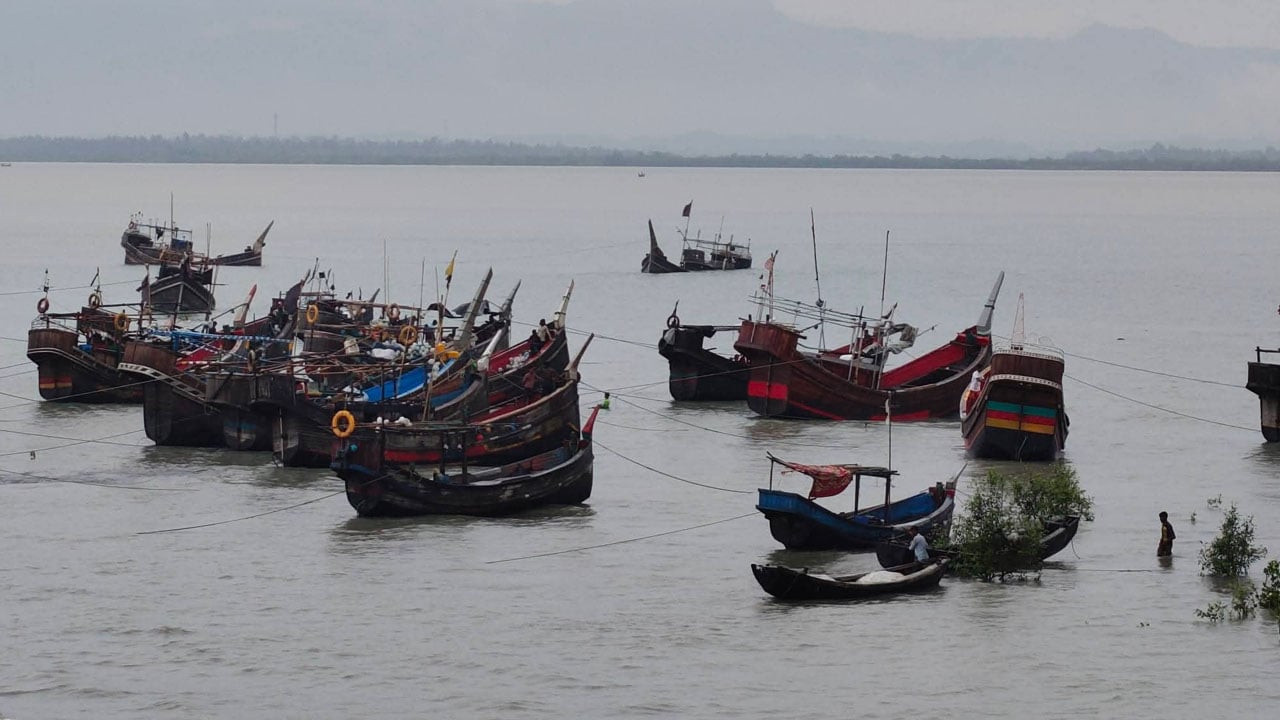
Six fishermen from Patuakhali have been missing for two days after their fishing trawler sank in the deep Bay of Bengal. The incident occurred around 10 p.m. on Sunday, July 5, about 60 kilometers south of the Maudubi area in Rangabali upazila. The trawler had left Panpatti Union in Galachipa upazila on Saturday night with 11 fishermen on board. Following the accident, five fishermen were rescued alive after clinging to broken parts of the trawler and a buoy for nearly six hours before being found by another fishing vessel. The missing fishermen have been identified as Imadul Khan, Harun, Forkan, Sayed, Al-Amin, and Akkas. Local authorities and the Coast Guard have continued search operations to locate them. According to Galachipa Upazila Nirbahi Officer Abu Zafar Md. Ejazul Haque, the upazila administration is coordinating with relevant agencies to support the rescue efforts. Search operations remain ongoing as of July 7, with local fishermen assisting the Coast Guard in the rescue mission.

Dr. Sharif Bhuiyan, counsel for the petitioners, stated that the 15th Amendment to the Constitution, which abolished the caretaker government system, amounted to a betrayal of the Constitution and should be entirely repealed. He made the remarks on Tuesday while participating in the hearing of an appeal against a High Court verdict that had declared several provisions of the amendment invalid. The hearing took place before the Appellate Division, with Attorney General Barrister Md. Ruhul Quddus Kajol representing the state. The appeal hearing began on July 6, 2026. Earlier, on December 11, 2025, a six-member appellate bench led by then Chief Justice Dr. Syed Refaat Ahmed had postponed the case until after the 13th National Parliamentary Election. During the earlier proceedings, several lawyers, including Barrister Sara Hossain, Barrister Ruhul Quddus Kajol, Advocate Mohammad Shishir Monir, and Barrister S.M. Shahriar Kabir, appeared as intervenors, while then Attorney General Md. Asaduzzaman represented the state.

Boat movement between Teknaf and Saint Martin in Cox’s Bazar has been suspended for six consecutive days due to rough weather, severely disrupting daily life on the country’s only coral island. The suspension has particularly affected Higher Secondary Certificate (HSC) examinees who are struggling to reach examination centers. Local social worker M. Nur Mohammad said that the halt in boat operations has caused extreme hardship for both students and residents. Acting chairman of Saint Martin Union Parishad, Fayezul Islam, stated that the suspension began last Thursday and warned that if it continues, the island could face a serious food shortage. Upazila Nirbahi Officer S. M. Anik Chowdhury confirmed that the suspension is temporary and that authorities have been informed about the students’ situation. Officials indicated that the resumption of boat services depends on weather improvement, while residents remain concerned about essential supplies and mobility.
The ‘1 Nojor’ media platform is now live in beta, inviting users to explore and provide feedback as we continue to refine the experience.