

The ‘1 Nojor’ media platform is now live in beta, inviting users to explore and provide feedback as we continue to refine the experience.
Bata Bangladesh has announced a 105 percent final cash dividend for the year 2025, raising its total annual dividend to 248 percent. The company reported a turnover of 9,164 million taka despite global economic pressures, political uncertainty, and challenging geopolitical conditions. The announcement reflects Bata’s continued focus on strengthening its long-term competitiveness in the footwear market. Throughout the year, the company emphasized customer-centric strategies, prioritizing high-growth segments such as casual, sneaker, and premium product categories. These areas showed notable progress, aligning well with evolving market trends. The expansion of Bata’s omnichannel network further enhanced customer engagement across both digital and physical platforms. Bata Bangladesh continues to improve institutional efficiency and maintain an organized structure to navigate current market conditions. With ongoing investments in product innovation and customer service, the company aims to capitalize on future opportunities and sustain its leadership in the country’s footwear industry.

Home Minister Salahuddin Ahmed told parliament that he signed the July National Charter through compromise to prevent election delays under the pretext of reforms. Speaking during the discussion on the motion of thanks to the President’s address, he said the government prioritized holding elections and therefore agreed to the charter despite differences. He emphasized that all parties united and reached an understanding to safeguard the electoral process. Referring to the July implementation order, the minister said his party and allies had publicly declared they would not accept anything outside the July National Charter. He also criticized the misuse of freedom of expression on social media, warning that unchecked behavior could harm national culture and religious harmony. Ahmed urged young people not to exploit the spirit of July for political gain and called for collective ownership of its democratic ideals. He further noted that the interim government had support from both major political sides and thanked the President for his leadership during the governmentless period in August 2024.
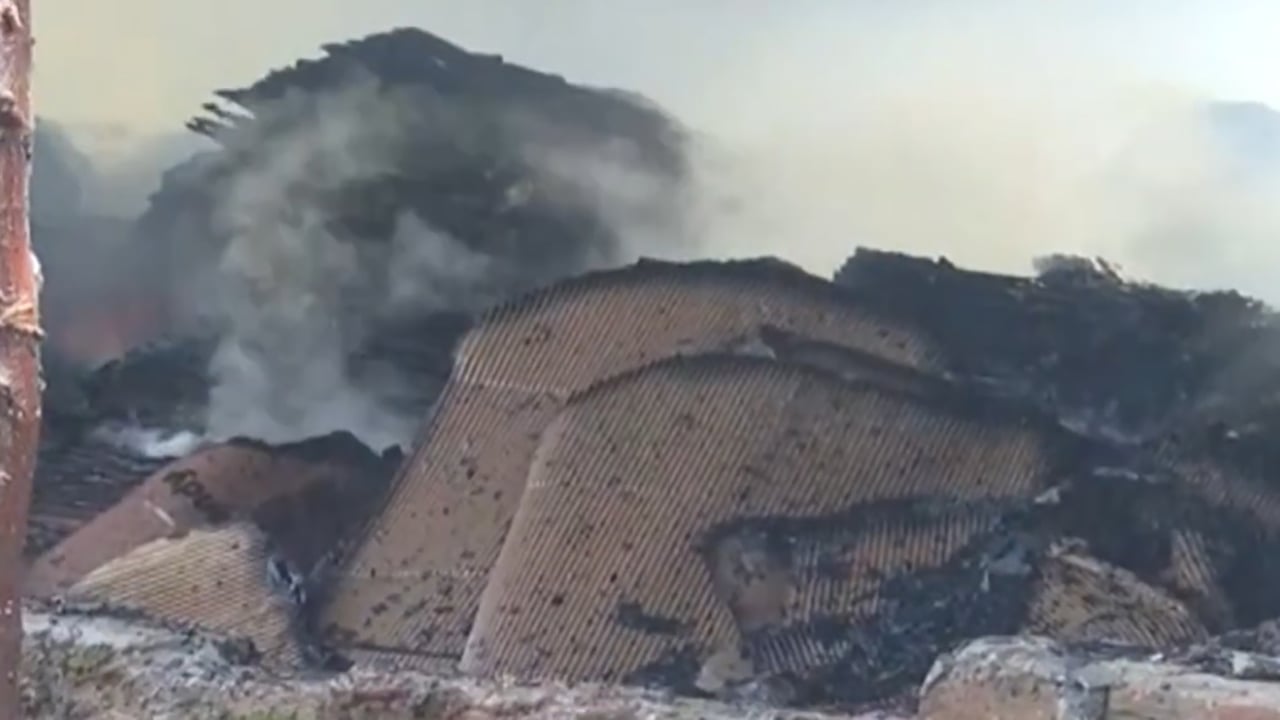
A major fire broke out at a tin-shed ink manufacturing factory in Amulia Model Town, Demra, on Thursday, April 30, 2026, around 11:30 a.m. According to Fire Service Inspector Anwarul Islam, the Demra Fire Station dispatched two units immediately after receiving the alert at 11:38 a.m., reaching the site by 11:55 a.m. As the fire intensified, additional units from Siddikbazar and Khilgaon fire stations joined, bringing the total to eight units working to control the blaze. Local sources reported that the fire spread rapidly due to the flammable materials inside the tin-shed structure, causing panic among nearby residents. Many people evacuated to safer areas as smoke and flames engulfed the factory. Firefighters continued their efforts to bring the situation under control, while law enforcement personnel were deployed to maintain order at the scene. As of the latest update, no casualties or damage estimates were confirmed, and the cause of the fire remained unknown.
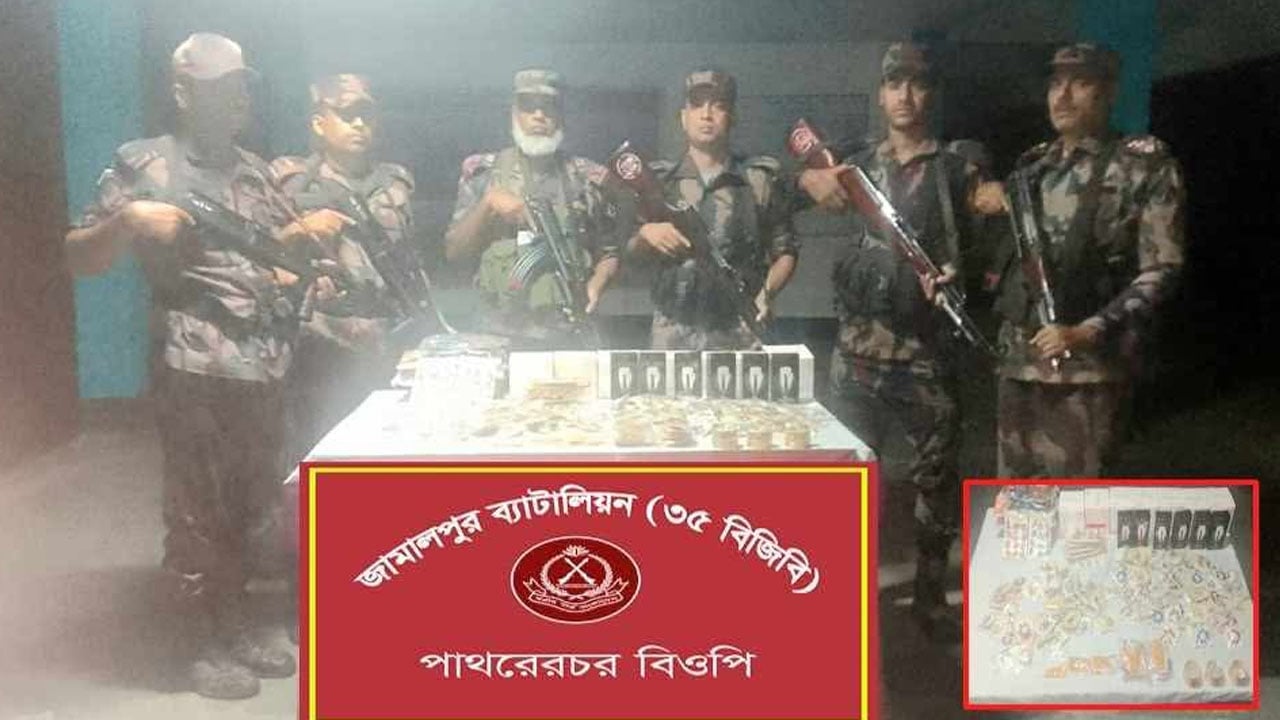
The Border Guard Bangladesh (BGB) recovered 732 pieces of Indian cosmetic products during an operation near the Dewanganj border area of Jamalpur. The raid took place on Wednesday night near border pillar 1076 in the Kumarer Char area. The 35 BGB Battalion headquarters confirmed the seizure through a press release on Thursday morning. According to the report, the operation was conducted based on BGB’s own intelligence information. The seized cosmetics were later handed over to the Roumari Customs authorities on Thursday. The 35 BGB Commanding Officer, Lieutenant Colonel Hasanur Rahman, stated that anti-smuggling and anti-drug operations along the border are continuing. The operation reflects ongoing efforts by BGB to curb illegal cross-border trade and smuggling activities in the region.
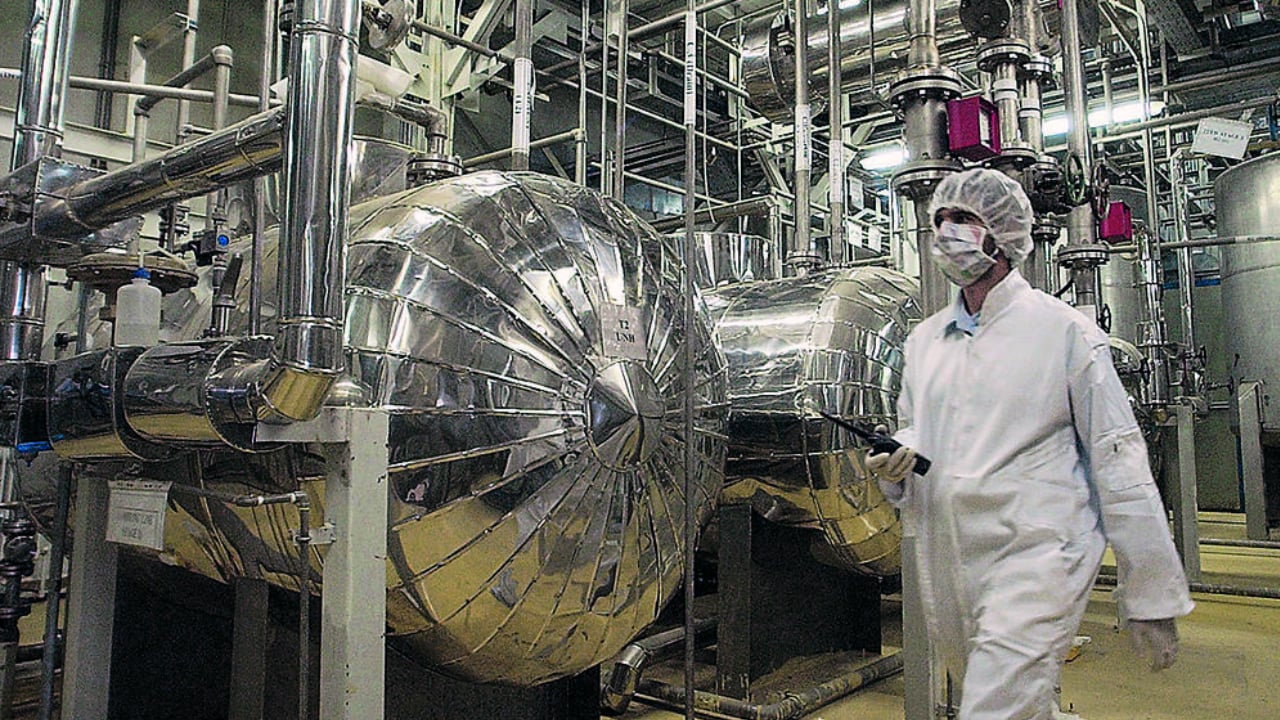
Iran has accumulated about 22,000 pounds, or 11 tons, of enriched uranium since the United States withdrew from the nuclear deal eight years ago. Despite a U.S. military campaign launched two months ago to prevent Iran from developing nuclear weapons, the current status of this stockpile remains unclear. The uncertainty follows U.S. airstrikes in June 2025 on Iran’s enrichment facilities at Natanz and Fordow, and on uranium storage tunnels in Isfahan. After the attacks, Iran suspended cooperation with the International Atomic Energy Agency, ending direct monitoring of its enrichment sites. Satellite imagery has not resolved where the uranium is stored, and some of it may be buried under war debris. Experts say that even if Iran retrieves the material, it would take many months to convert it into weapons-grade fuel. The Trump administration claims U.S. satellites are tracking the buried uranium, but analysts question this, suggesting Iran may have moved much of its stockpile to a new underground site near Isfahan. The situation leaves open the possibility that Iran retains a hidden enrichment facility capable of restarting weapons-related activities if conditions allow.
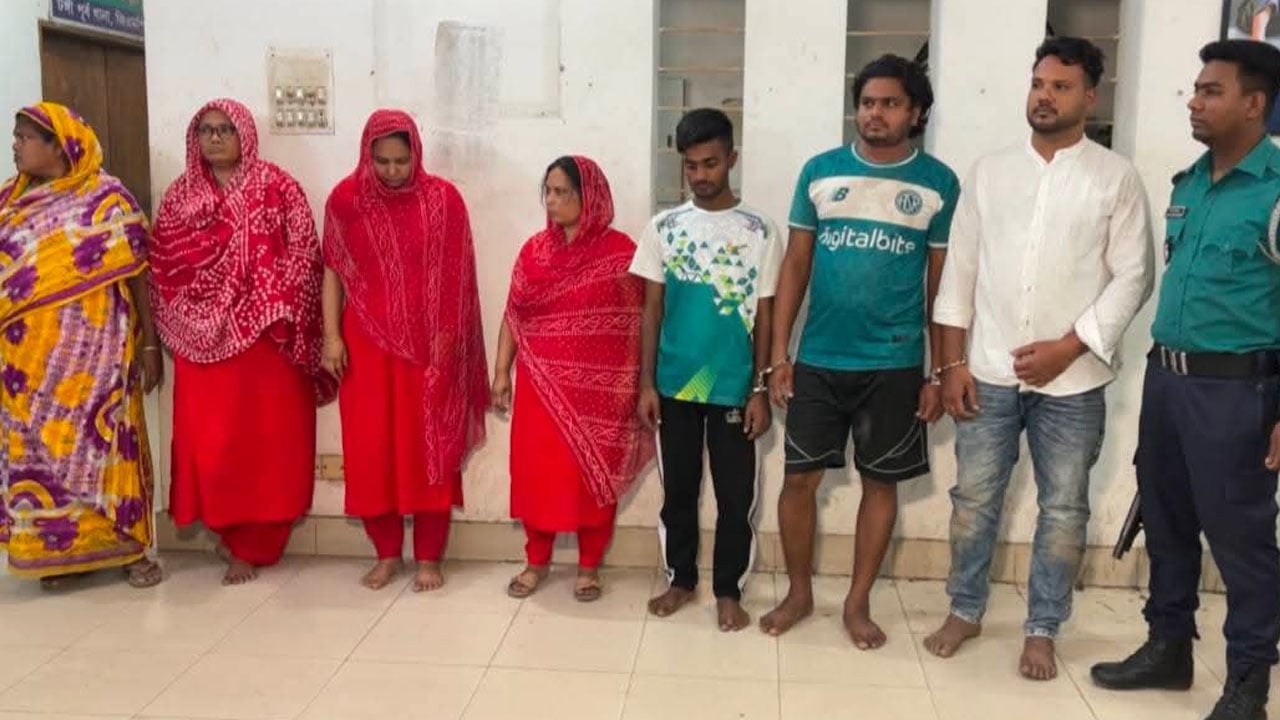
Seven suspected drug dealers were arrested in Tongi, Gazipur, after attacking police officers during an anti-drug operation on Wednesday night. The Gazipur Metropolitan Police team conducted the raid at Himarydighi Amtali Keranirtek slum, where the suspects surrounded the officers and attempted to assault them. Several officers, including constables Ariful Islam, Rakibul Islam, Jahanara Islam, and SI (unarmed) Nure Alam, were injured in the attack. Police later detained Shahin Ahmed Rizvi, Sohel, Raihan, Rowshan Ara, Sumi Akter, Nurjahan, and Beauty Akter, while alleged top drug dealer Runa Akter escaped. According to Gazipur Metropolitan Police Additional Commissioner (Crime and Operations) Md. Belayet Hossain, a case has been filed with Tongi East Police Station over the incident. Officer-in-Charge Md. Mehedi Hasan stated that the arrested individuals are being processed for transfer to the Gazipur District and Sessions Judge Court. The arrested Shahin Ahmed Rizvi is identified as a candidate for the Tongi East Thana Jubo Dal president post and a contestant for the Gazipur City Corporation’s Ward 46 councilor position.
The 39th National Snooker Championship began today in Dhaka, organized by the Bangladesh Billiard and Snooker Federation with support from Dhaka Boat Club. The tournament was inaugurated at the Dhaka Boat Club, where organizers shared details at a press conference attended by club and federation officials. A total of 183 players from 32 clubs across the country are competing, with attractive prizes for winners. The champion will receive 100,000 taka, the runner-up 50,000 taka, and semifinalists 20,000 taka each. Players achieving a break of 50 or more will also receive a special prize of 20,000 taka. The event is sponsored by Amber Group, with co-sponsorship from Eminence Sourcing and Rashid Group. RC Cola and MUM are beverage partners, and Impact PR is the media partner. Dhaka Boat Club President Rubel Aziz said regular tournaments like this can help popularize cue sports in Bangladesh, though high import VAT on snooker tables remains a challenge. Federation President Brigadier General (Retd.) Sarker Md. Shamsuddin emphasized preparing talented players for international competition. The tournament will conclude with the final on May 14. Organizers noted that the large participation reflects the growing popularity of snooker in Bangladesh and provides a platform for emerging talent.

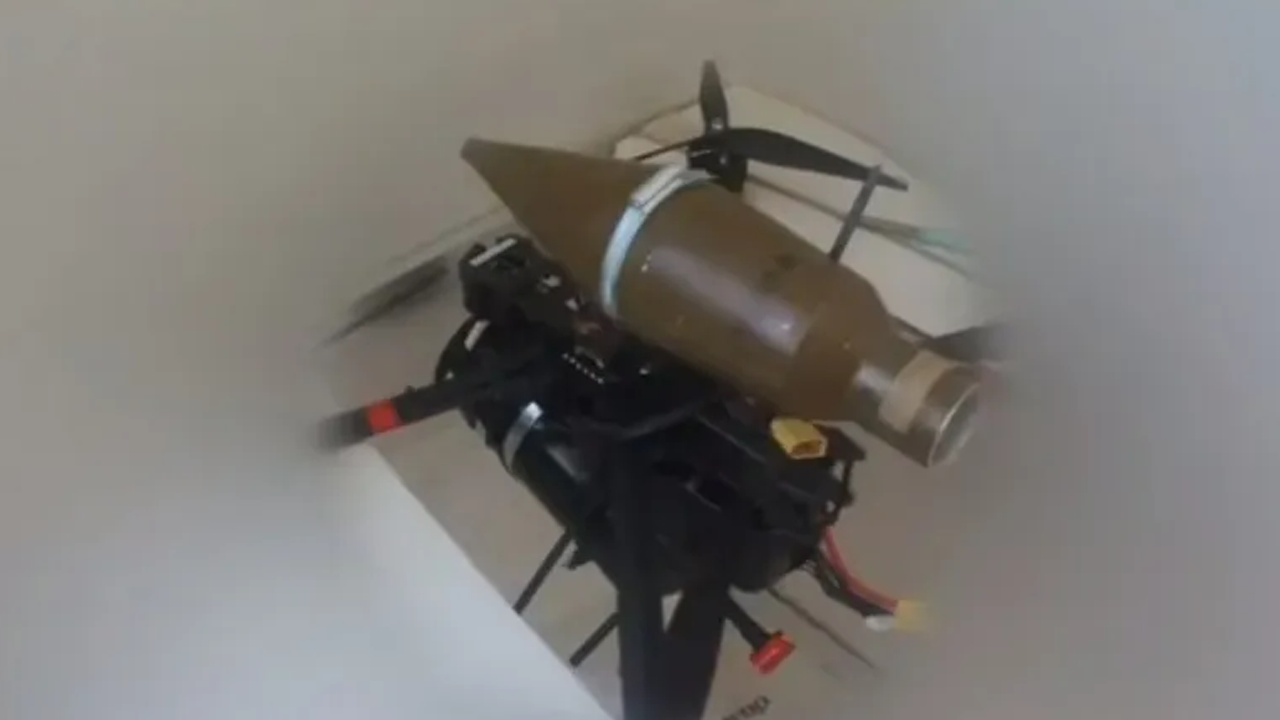
A report from Israeli daily Yedioth Ahronoth claims that Hezbollah’s new fiber‑optic drones are undermining Israel’s multi‑billion‑dollar defense systems during clashes in the Taybeh area of southern Lebanon. One incident involved a drone approaching an Israeli medical evacuation helicopter, forcing ground troops to shoot it down after electronic defenses failed. The drone exploded only a few meters away. Unlike conventional drones that rely on radio or satellite signals, these first‑person‑view models are controlled through fiber‑optic cables extending up to 30 kilometers. Experts cited in the report say the drones are resistant to jamming and nearly invisible to radar due to their lightweight fiberglass construction. Military analysts suggest they can bypass Israel’s “Trophy” active protection system designed to intercept incoming missiles and shells. Some Israeli units have resorted to using nets to trap drones, though this is not considered an effective solution. Analysts link the technology’s development to lessons from recent conflicts such as the war in Ukraine. Despite vulnerabilities in bad weather, the low‑cost drones pose a significant new challenge to high‑tech defense systems.
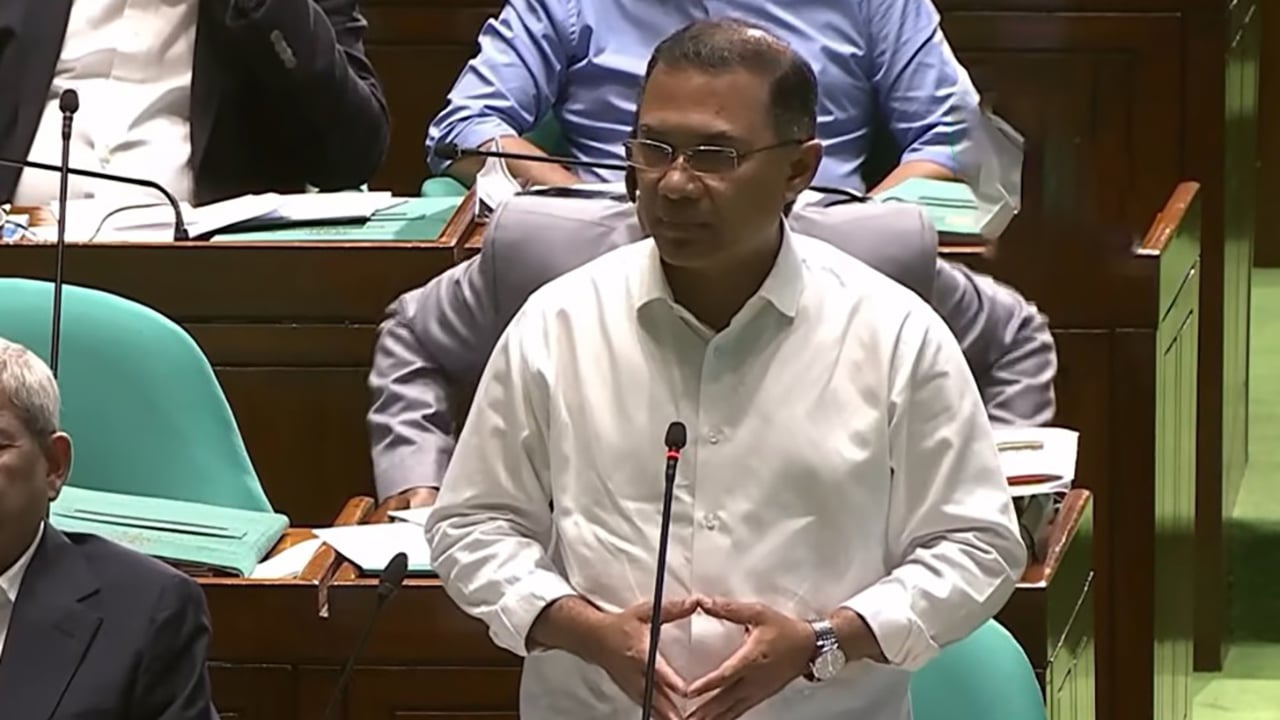
Prime Minister Tarique Rahman on Thursday expressed his determination to fulfill the expectations of the people through united efforts. Speaking during a parliamentary session, he pledged to work with full strength to meet national aspirations. At the beginning of his address, he paid tribute to those who were killed in the anti-fascist movement and also remembered the martyrs of the Shapla Chattar incident. Rahman honored the memory of those who sacrificed their lives in 1971 and on May 5, 2013. Reflecting on the challenges of leadership, he remarked that while the prime minister’s chair may appear comfortable, it feels like sitting on burning fire due to the responsibilities it carries. During the same session, he again remembered the Shapla martyrs. Earlier in the session, opposition leader and Jamaat-e-Islami chief Dr. Shafiqur Rahman demanded justice for the killing of Shaheed Sharif Osman Hadi, calling for accountability for all injustices committed against them.
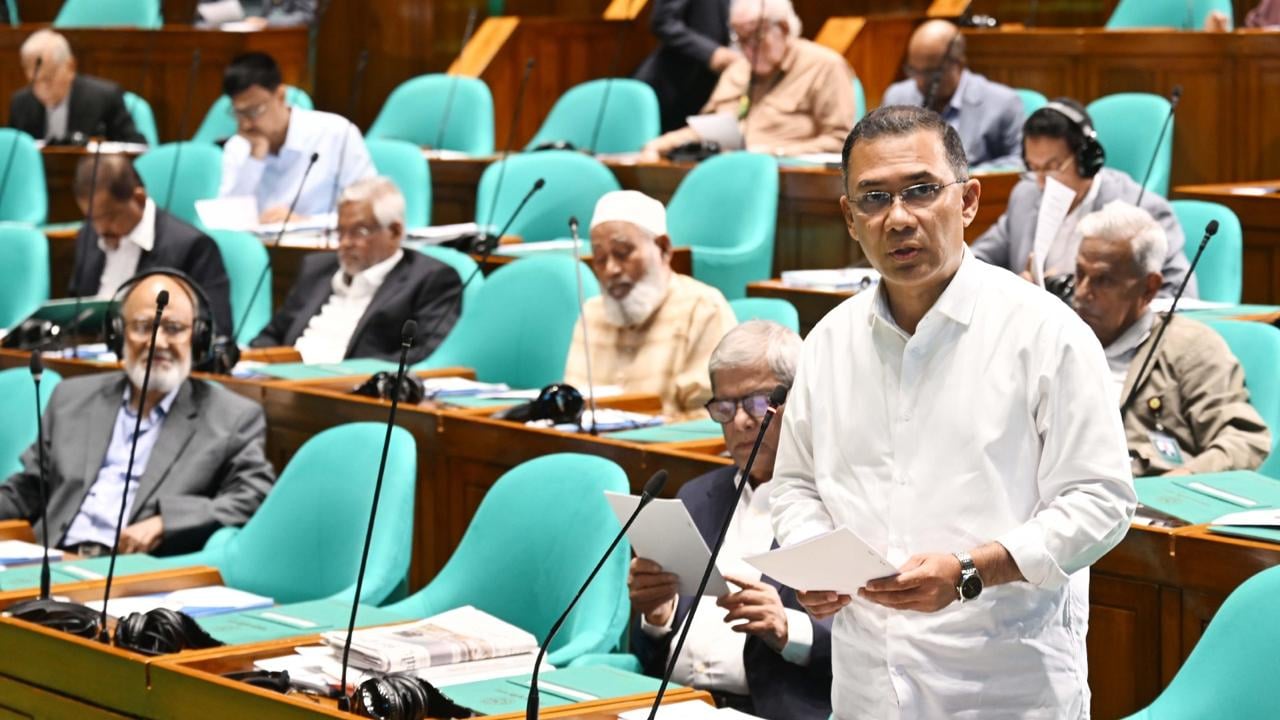
Prime Minister Tarique Rahman told Parliament on Thursday that the prime minister’s chair may appear comfortable, but sitting on it feels like enduring burning fire. He made the remark during a parliamentary session while reflecting on the responsibilities and challenges of leadership. At the beginning of his speech, the prime minister paid tribute to the martyrs of 1971 and those who died on May 5, 2013, at Shapla Chattar. Earlier in the session, opposition leader and Jamaat-e-Islami Ameer Dr. Shafiqur Rahman demanded justice for the killing of Shaheed Sharif Osman Hadi, calling for accountability for all injustices committed against them. The session also highlighted the government’s commitment to allocate a large portion of GDP to education and health sectors, as well as upcoming national events such as Police Week starting on May 10, during which 107 officers will receive medals.
West Bengal Chief Minister Mamata Banerjee delivered a strong message to the people of the state amid an intense election atmosphere on April 30, 2026. Expressing deep gratitude to voters who braved the heat to cast their ballots, she said the election was not just a political contest but a fight to protect Bengal’s autonomy and dignity. Her remarks reflected strong confidence in the Trinamool Congress’s victory. Banerjee accused sections of the central forces and administration of bias and alleged that Trinamool workers and ordinary voters faced harassment. She dismissed exit polls circulated by the opposition, particularly the Bharatiya Janata Party, calling them part of a conspiracy to manipulate the stock market. She urged party workers to remain alert on counting day to prevent any tampering with electronic voting machines or irregularities during counting. Reminding supporters of Bengal’s heritage of resistance, Banerjee said the people of Bengal would decide their own fate. She concluded with the belief that Bengal’s victory would be confirmed once counting ends on May 4.

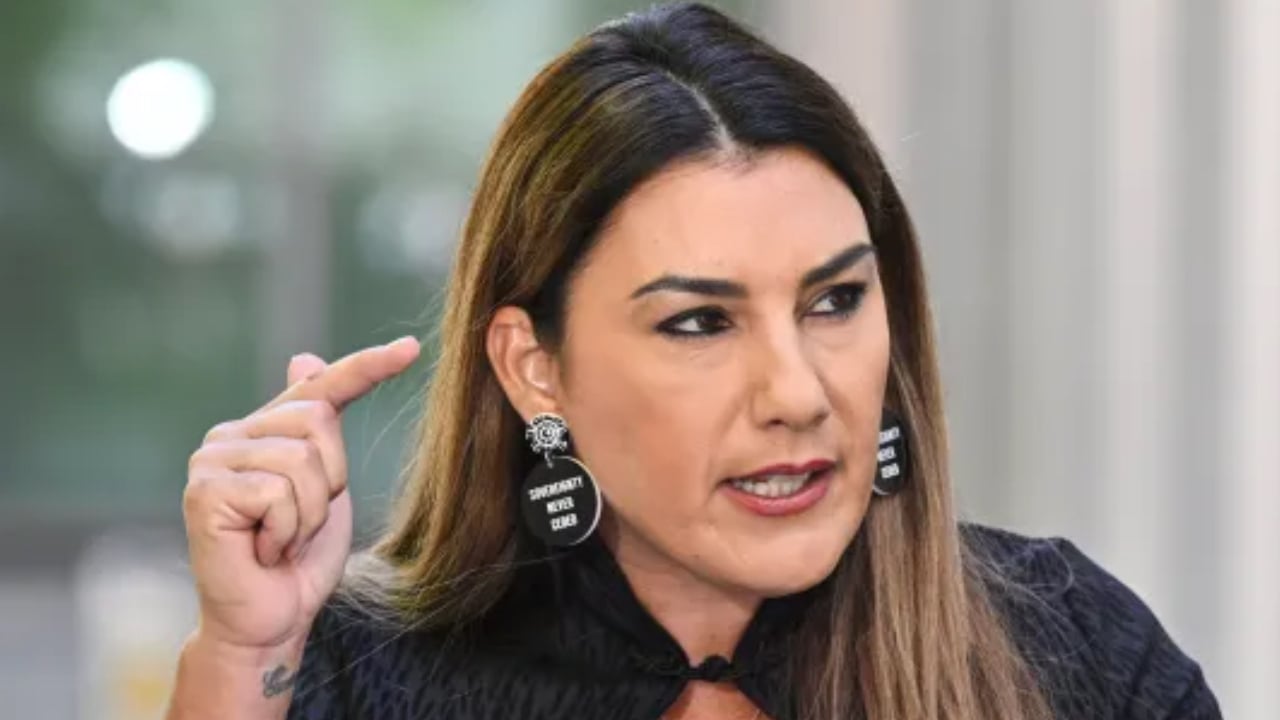
An Indigenous Australian senator, Lidia Thorpe, has called for action against growing anti-Palestinian racism in Australia. Her remarks followed a new report by the Australia Palestine Advocacy Network, which claimed that anti-Palestinian sentiment is increasing across the country. Thorpe accused the government, institutions, and media of actively fueling such racism, warning that this trend is contributing to a broader climate of intolerance. She linked the tightening of protest laws to efforts to silence those speaking out against the situation in Gaza and alleged genocide there. Thorpe emphasized that Australia must confront all forms of racism if the nation hopes to heal its divisions. The report and Thorpe’s comments highlight rising tensions in Australia’s political and social discourse concerning Palestine, with calls for stronger institutional accountability and protection of free expression.
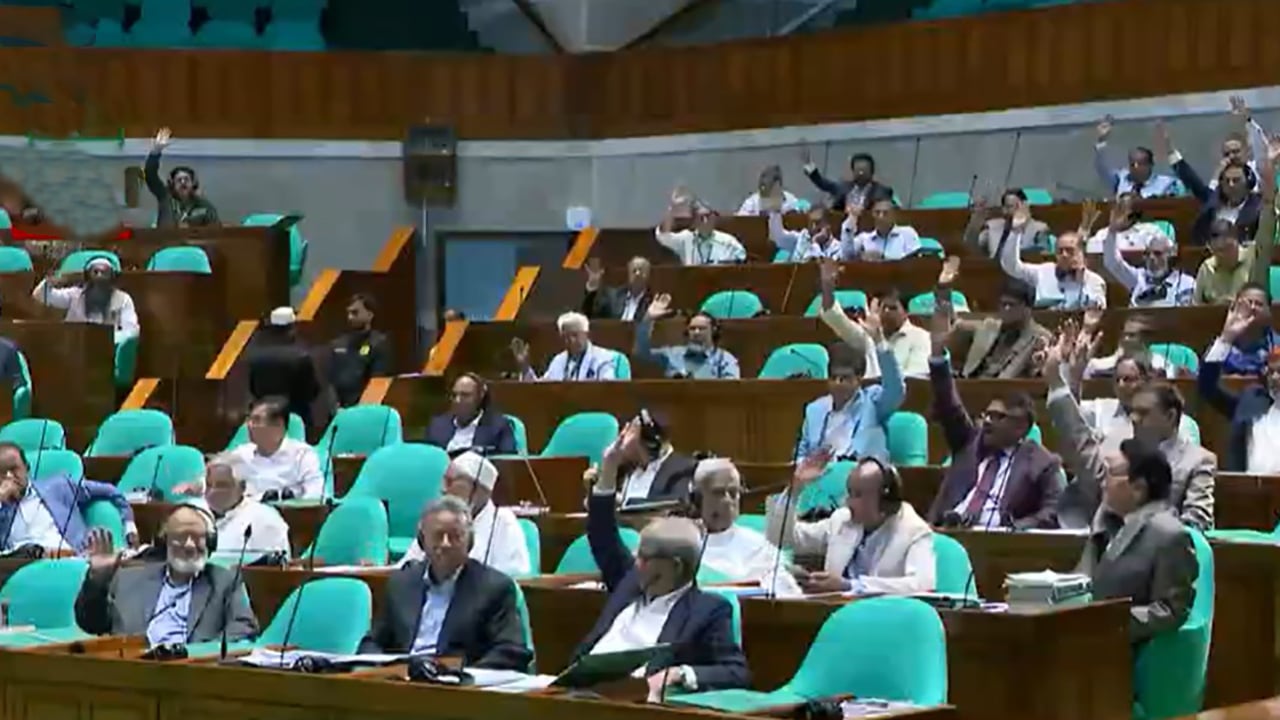
The Bangladesh Parliament has passed the Bangladesh Securities and Exchange Commission (Amendment) Act, aimed at enhancing oversight of the capital market, protecting investors’ interests, and promoting the development of the securities sector. The bill, recommended by a special committee, was approved on Thursday at 11:25 a.m. Opposition leader Dr. Shafiqul Rahman had called for the bill’s postponement, but the motion was rejected through a voice vote. Alongside this, two additional amendment bills were passed to remove the age limit for appointments to top positions at the Bangladesh Securities and Exchange Commission (BSEC) and the Insurance Development and Regulatory Authority (IDRA). The legislative changes are expected to provide greater flexibility in leadership appointments and reinforce regulatory capacity in Bangladesh’s financial and insurance markets.
After two phases of voting in the West Bengal assembly election, the Trinamool Congress has expressed confidence that it will win more than 230 seats. Party sources said internal analyses indicate such a result, and Chief Minister Mamata Banerjee stated that her party expects to secure a two-thirds majority. According to the party, the election discourse centered on the BJP’s campaign around infiltration and public dissatisfaction over the SIR issue. Trinamool leaders argued that the BJP’s ‘outsider’ attacks and warnings backfired. Reports suggested that in Nandigram, the ruling party holds a slight advantage based on internal assessments. Party sources also mentioned that both Rabindra Sangeet and DJ music will be played on May 4, the counting day, echoing earlier campaign remarks by Abhishek. Trinamool sources further claimed that a warning video by Ajaypal Sharma created a negative impression among voters, and threats allegedly made by outsiders from Uttar Pradesh and Gujarat were poorly received. The party believes it successfully mobilized women voters and benefited from migrant workers’ support in weaker districts.

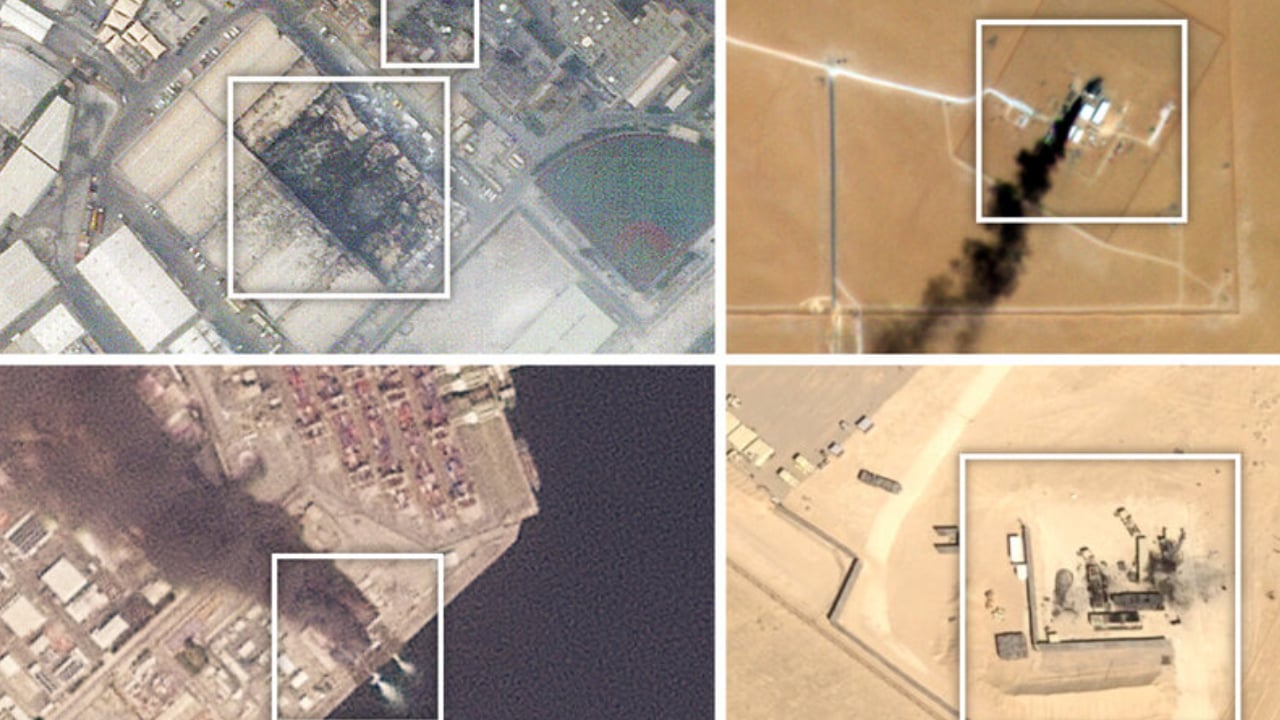
Iran carried out extensive attacks on US military bases and other facilities across seven Middle Eastern countries, causing significant damage, according to a report by NBC News. The strikes followed US and Israeli attacks on February 28, and targeted warehouses, command centers, aircraft hangars, satellite communication systems, runways, advanced radar systems, and aircraft. The report indicated that the visible damage was far less than the actual scale of destruction. Repairing the affected installations is expected to cost several billion dollars. Despite the activation of US air defense systems, an Iranian F-5 aircraft managed to strike a target, exposing weaknesses in the defense network. The Pentagon has not released a full account of the damage, and the US Central Command declined to comment on the wartime loss assessment. The report underscores the intensity of the confrontation and the vulnerability of US assets in the region, though official confirmation of the full extent of losses remains pending.
The ‘1 Nojor’ media platform is now live in beta, inviting users to explore and provide feedback as we continue to refine the experience.