

The ‘1 Nojor’ media platform is now live in beta, inviting users to explore and provide feedback as we continue to refine the experience.
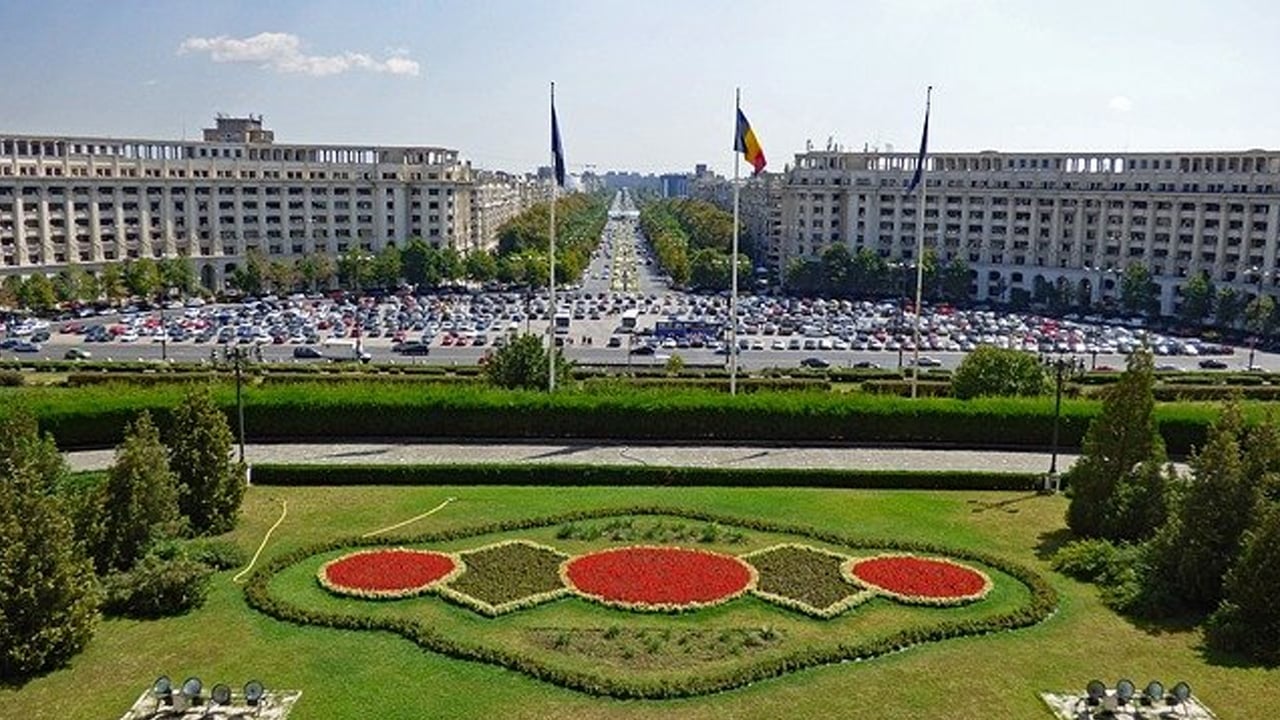
Romania has introduced a new conditional legalization program for foreign workers who have become irregular despite initially entering the country legally. The government issued Emergency Ordinance No. 32 on April 23, which was published in the official gazette on April 27. This measure allows non-EU workers meeting specific conditions to regain legal status. The initiative has been welcomed by the Embassy of Bangladesh in Romania, which said it could help many Bangladeshi workers regularize their stay. The provision mainly targets those who entered Romania with valid work visas but later became irregular due to employer-related issues, such as job loss or administrative lapses. Workers must contact Romanian immigration authorities within 60 days of the law’s enactment, secure a valid employer, obtain a work permit, and then apply for a temporary residence card. Those who entered illegally or have received a return decision are excluded from the program. The special legalization opportunity will remain effective until December 31 of the current year, and the Bangladeshi embassy has advised affected workers to seek its assistance if needed.
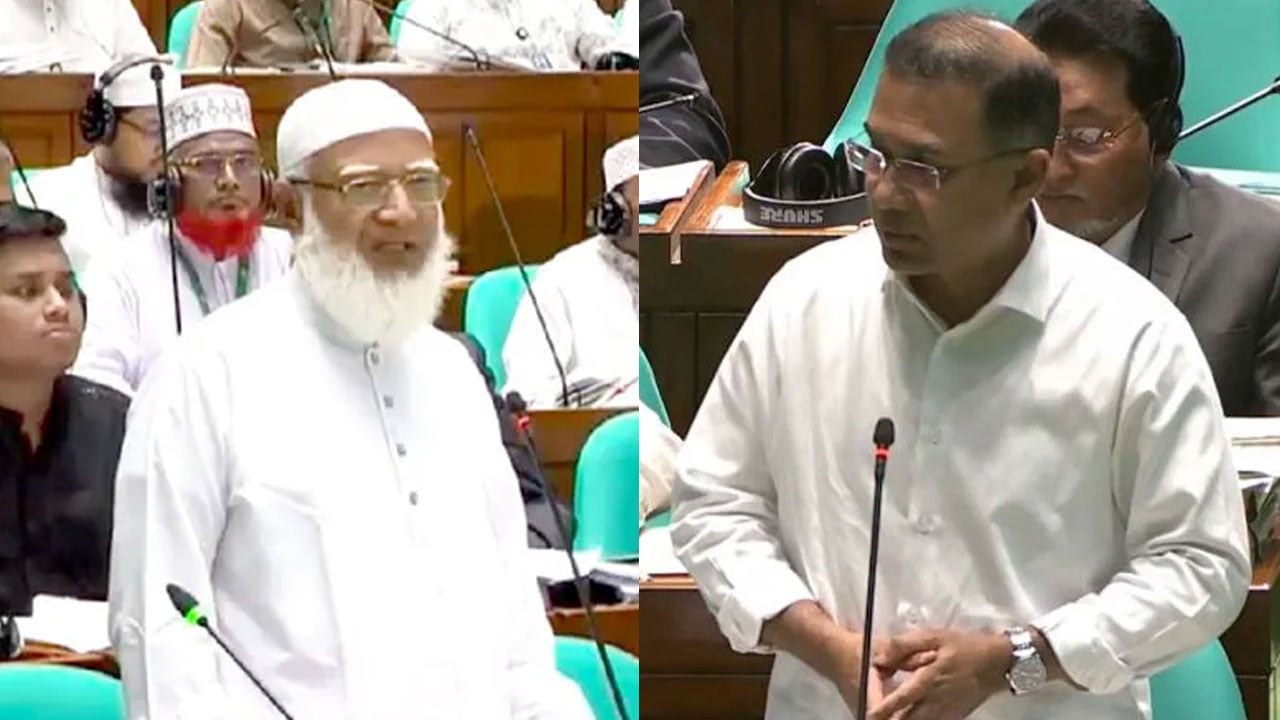
Prime Minister Tarique Rahman has accepted a proposal from the Leader of the Opposition and Jamaat-e-Islami Ameer Dr. Shafiqur Rahman to provide additional allowances to parliament officials and employees. The announcement came during a parliamentary session on Thursday, where the prime minister expressed full support for the opposition leader’s demand. During his speech, Prime Minister Rahman reflected on the challenges of leadership, noting that the prime minister’s chair may appear comfortable but feels like sitting on fire. He began his address by paying tribute to the martyrs of 1971 and those who died on May 5, 2013, at Shapla Chattar. Earlier in the session, Dr. Shafiqur Rahman had called for justice in the killing of Shaheed Sharif Osman Hadi and demanded accountability for all injustices committed against them. The parliamentary exchange highlighted a rare moment of agreement between the government and opposition benches, focusing on welfare measures for parliamentary staff and remembrance of national sacrifices.
A bridge over the GK irrigation canal in Jhenaidah Sadar upazila collapsed in June 2025 due to heavy rainfall, halting all vehicle movement. For the past nine months, around 50,000 residents from 37 villages have been forced to cross the canal using a bamboo walkway built by locals. The bridge, constructed about 45 years ago, had been unstable for several years, and locals allege that heavy trucks from nearby brick kilns contributed to its collapse. The damaged bridge lies on the Bhabanipur–Defolbari section of the Bishoykhali–Jisingar Bathan GC via Defolbari road, a key route connecting Kumrabaria and Maharajpur unions. The bamboo structure now used for crossing has also become shaky, leaving school students and farmers particularly affected. Auto-rickshaws, vans, and motorcycles remain unable to pass, severely disrupting transport between Jhenaidah, Kaliganj, Kotchandpur, and Chuadanga. Local LGED executive engineer Abul Kalam Azad said two separate project proposals for rebuilding the collapsed bridge have been submitted for approval, and construction will begin once approval is granted.

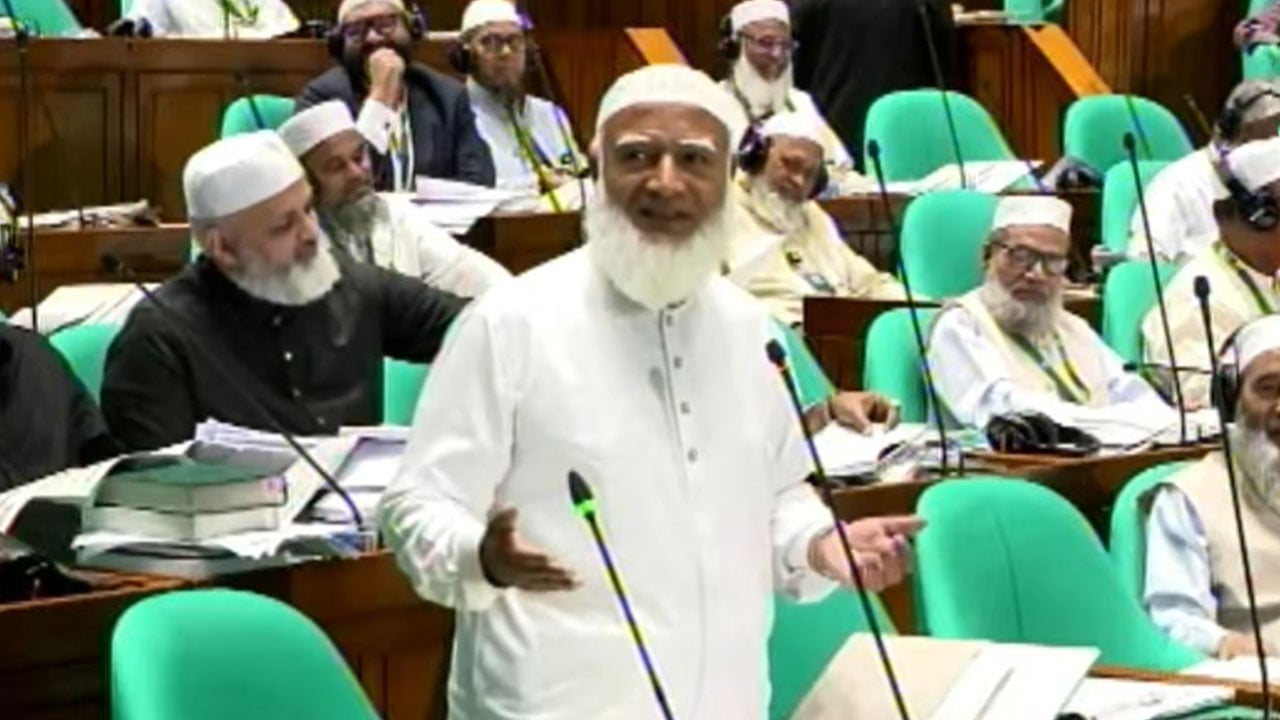
Leader of the Opposition and Jamaat-e-Islami Ameer Dr. Shafiqur Rahman called for firm action against extortion during a discussion in the National Parliament on Thursday, April 30, 2026. Speaking on the motion of thanks to the President’s address, he stated that he does not want to hear who the extortionists are, and if he himself is one, he should be handcuffed. The session was presided over by Speaker Hafiz Uddin Ahmed. Dr. Rahman emphasized that extortionists cannot belong to any political party and that the people of the country must be freed from their oppression. He also noted that about 80 percent of the parliamentary discussions since the 12th have been focused on historical topics, which he said is important for understanding the nation’s path forward. His remarks highlighted a call for accountability and transparency in political and social conduct, urging collective responsibility to eliminate extortion from all sectors.
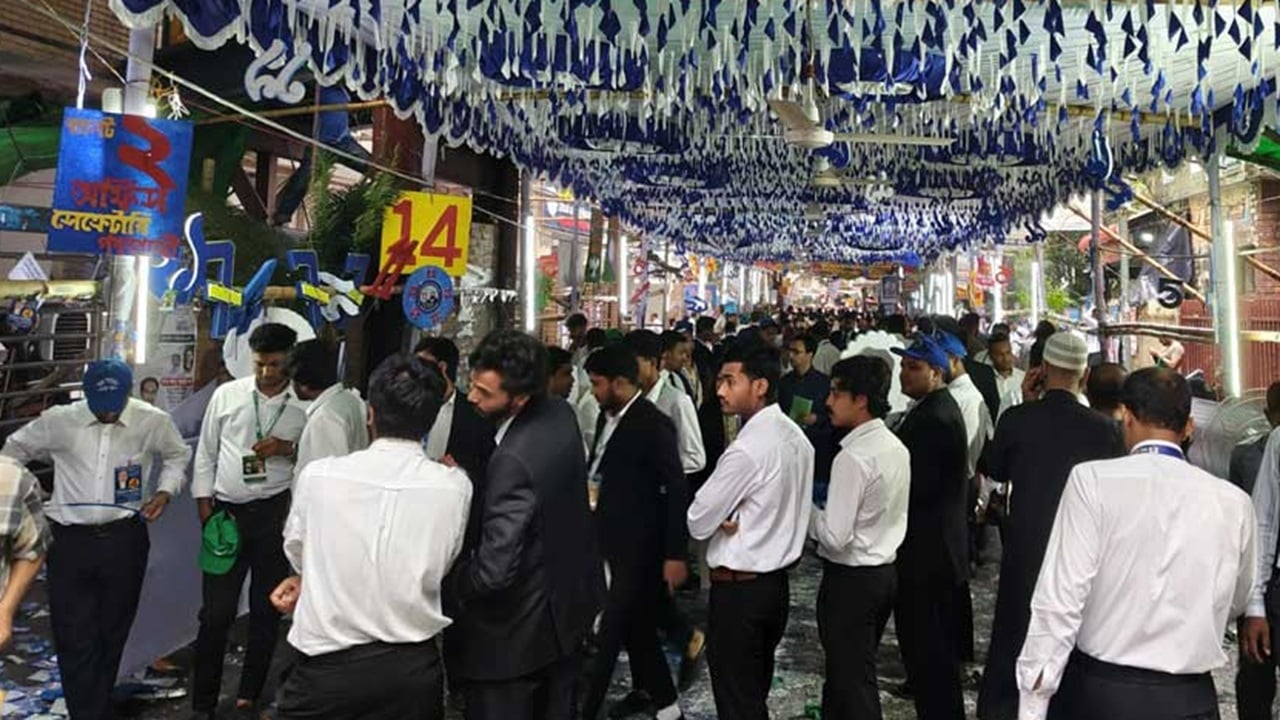
The Dhaka Bar Association election for the 2026–27 term concluded peacefully and in a festive atmosphere on Thursday. Voting began at 9 a.m. and continued until 5 p.m. Over two days, a total of 7,069 votes were cast out of 20,727 registered voters, marking a 34 percent turnout. The Chief Election Commissioner, Alhaj Mohammad Borhan Uddin, confirmed that vote counting will take place on Friday. The election schedule was announced on March 29, and 54 candidates contested for 23 posts, including 13 editorial and 10 executive positions. The main competition was between the BNP-backed Blue Panel, led by Anwar Zahid Bhuiyan and Md. Abul Kalam Khan, and the Jamaat-backed Green Panel, led by S.M. Kamal Uddin and Abu Bakar Siddique. Six independent candidates also contested for various posts. No Awami League candidates participated due to a state restriction. According to the election commission, adverse weather and voter hesitation contributed to the lower turnout, though the overall process remained peaceful and orderly.
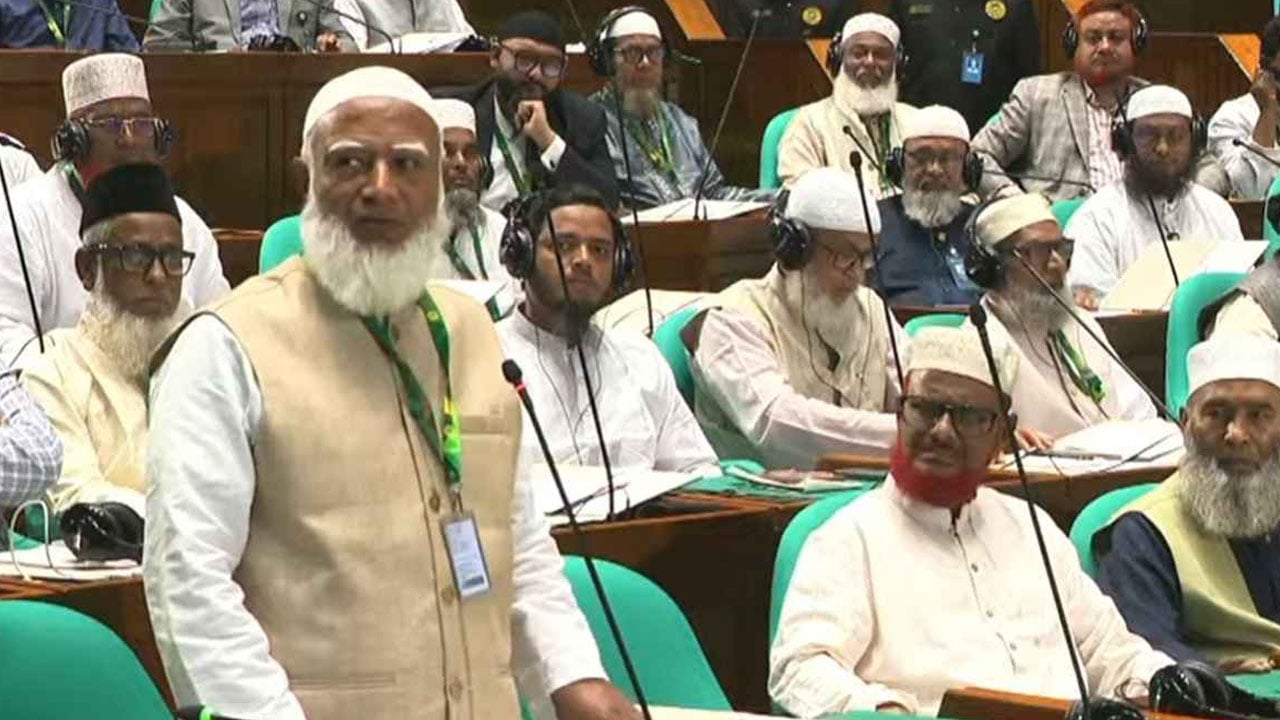
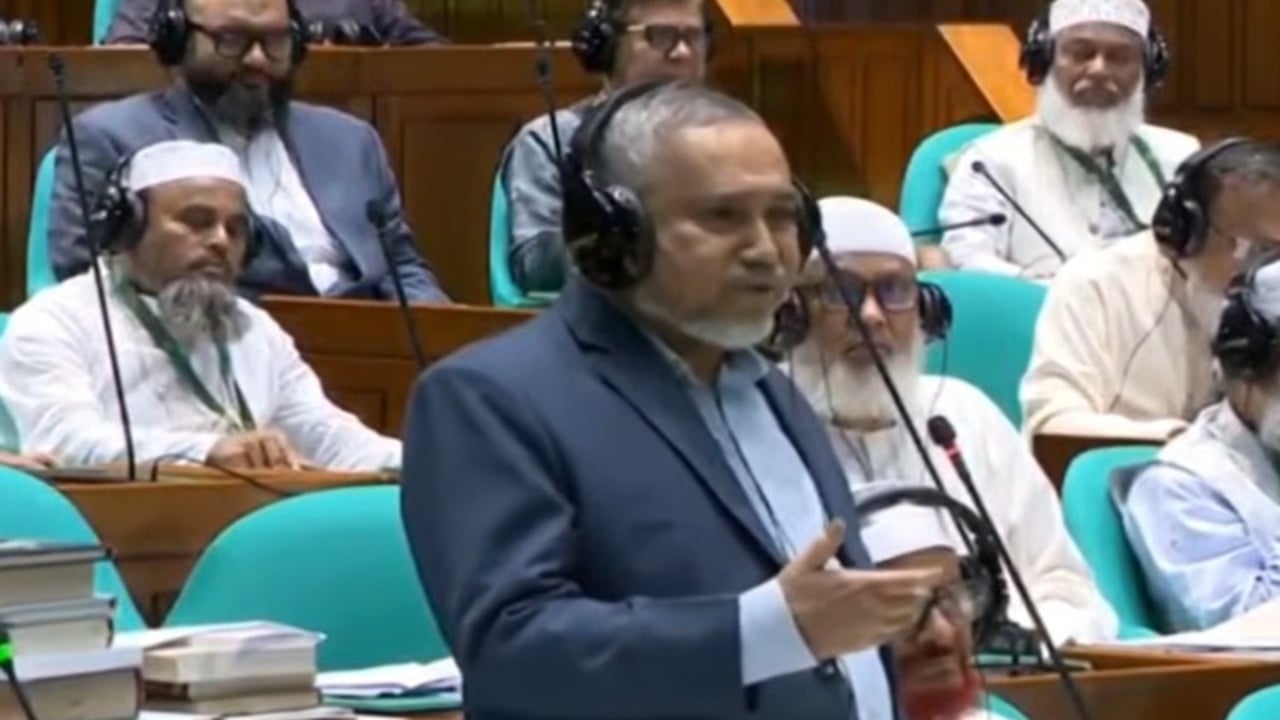
Opposition Deputy Leader and Jamaat-e-Islami Nayebe Ameer Dr. Syed Abdullah Mohammad Taher has alleged that the current ruling party is speaking against Jamaat in the same tone once used by the Awami League. Speaking in parliament on Thursday, he said that the government benches now sound like the Awami League, while the opposition side seems to represent Jamaat-BNP members. He expressed concern that the parliamentary atmosphere has become heated and divisive. Dr. Taher recalled the joint movements of BNP, Jamaat, and other parties against the Awami League in the past, emphasizing that they had once agreed to work together for good governance after the fall of the Awami League. However, he said the post-election scenario has disappointed many, as the expected unity and reform have not materialized. He also warned that a two-thirds majority has historically led to negative outcomes in the subcontinent and urged the government to avoid repeating such mistakes. He further defended Jamaat’s political stance, rejected allegations linking the party to anti-liberation forces, and called for mutual respect and constructive politics in parliament.
Law enforcement officials in Banshkhali, Chattogram, seized 100,000 yaba tablets valued at approximately Tk 30 million during an operation on Wednesday evening. The raid was conducted by the Rapid Action Battalion (RAB) near Banshkhali Girls College, where officers set up a checkpoint and searched a CNG-run auto-rickshaw used for drug transport. Three suspected drug traffickers were detained, and the vehicle was confiscated. According to RAB-7 Assistant Director and Assistant Superintendent of Police A.R.M. Mozzafar Hossain, the operation was based on secret intelligence. Preliminary interrogation revealed that the detainees had allegedly been involved in collecting drugs from border areas and distributing them across different parts of the country. Legal proceedings against the suspects are currently underway. The arrested individuals were identified as Salim Ullah from Sonapara in Cox’s Bazar, Hasan Murad from Kutubjum in Maheshkhali, and Majid Alam alias Morjan from the same area.

In a parliamentary session held on Thursday, Dr. Shafiqur Rahman, the Leader of the Opposition and Amir of Jamaat-e-Islami, called for justice over the killing of Sharif Osman Hadi. Speaking before lawmakers, he demanded accountability for all forms of injustice and specifically urged that those responsible for Hadi’s death be brought to trial. The statement came during a regular sitting of the national parliament, where Dr. Rahman reiterated his party’s stance on addressing past injustices. His remarks centered on the need for fair trials and justice for victims of political violence, including the case of Hadi, whom he referred to as a martyr. Further details about the case or government response were not provided in the session, and the report indicated that more information would follow.
Admiral Brad Cooper, head of the US Central Command, announced that 42 commercial vessels attempting to enter or leave Iranian ports have been redirected. He praised the effectiveness of the naval blockade against Iran, stating that 41 tankers carrying 69 million barrels of oil, valued at over six billion dollars, remain unsold by the Iranian authorities. Cooper reaffirmed the US military’s commitment to fully enforcing the blockade. The situation has intensified around the Strait of Hormuz, where hundreds of oil and gas tankers and cargo ships are stranded. Approximately 20,000 sailors are reportedly stuck in the Persian Gulf, unable to cross the strait due to the US blockade and heightened security risks. The ongoing maritime standoff underscores the growing tension in one of the world’s most critical energy corridors, with significant implications for global oil transport and regional stability.

Saudi Arabia’s Ministry of Human Resources and Social Development has announced that workers in the country will be entitled to up to 15 days of paid leave to perform Hajj. The ministry stated that this leave, which includes the Eid al-Adha holidays, is part of the Saudi labor law and aims to strengthen workers’ rights. Employees must have worked continuously for at least two years in the same organization to qualify for the benefit. According to the ministry, the special leave can only be taken once during an employee’s entire career and is available only to those who have not previously performed Hajj. Employers will determine how many workers can take the leave each year, based on the nature and operational needs of their organizations, to ensure that business activities are not disrupted. The ministry emphasized that the initiative will make it easier for Muslim employees in Saudi Arabia to fulfill their religious obligations while reinforcing labor protections across the workforce.

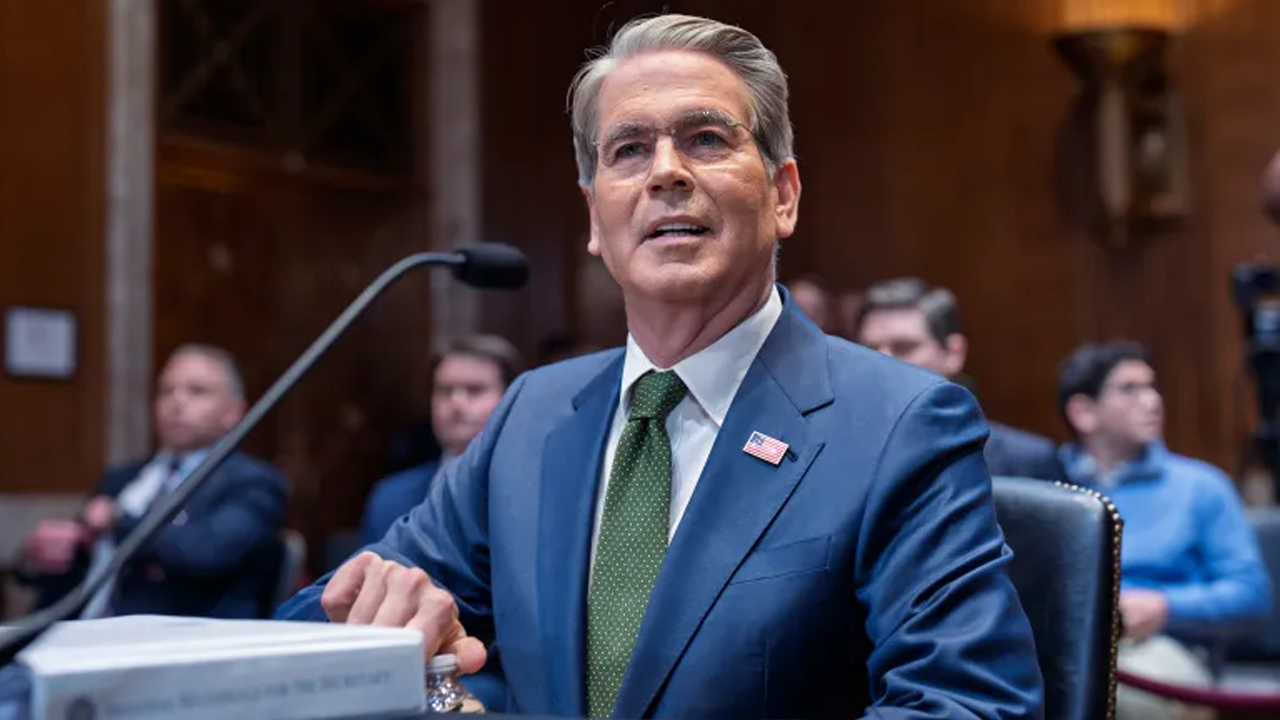
The United States has claimed to have seized nearly $500 million worth of Iranian cryptocurrency assets, intensifying its economic pressure on Tehran. US Treasury Secretary Scott Besent told Fox News that about $350 million in crypto assets were recently seized, adding to a previously confiscated $100 million, bringing the total close to half a billion dollars. He added that bank accounts in several countries are also being frozen as part of the same effort. Besent stated that former President Donald Trump had ordered the expansion of economic pressure on Iran in March of the previous year and recently renewed that directive. The US is now urging foreign governments and companies to reduce economic ties with Iran, warning of secondary sanctions on those purchasing Iranian oil. Besent said the ongoing financial campaign and naval blockade at Iranian ports could cause lasting damage to Iran’s economy. Iran dismissed the move, saying it would only push global oil prices higher. Iranian Parliament Speaker Mohammad Bagher Ghalibaf mocked Besent’s comments on social media, calling them irrelevant.
Around 20,000 sailors are stranded in the Persian Gulf as hundreds of oil, gas, and cargo ships remain unable to pass through the Strait of Hormuz due to a US blockade and ongoing security risks. The standoff has persisted for nearly eight weeks, leaving crews such as that of Indian captain Rahul Dhar confined to their tankers while maintaining operations under growing psychological strain. The sailors had hoped for relief after a ceasefire between the United States and Iran on April 7, but the conflict has yet to reach a clear resolution. The Strait of Hormuz is a critical global energy route, normally handling about one-fifth of the world’s oil and liquefied natural gas shipments. According to Lloyd’s List Intelligence, only about 80 ships crossed the strait between April 13 and 19, compared with more than 130 per day before the conflict, underscoring the severe slowdown in maritime traffic.

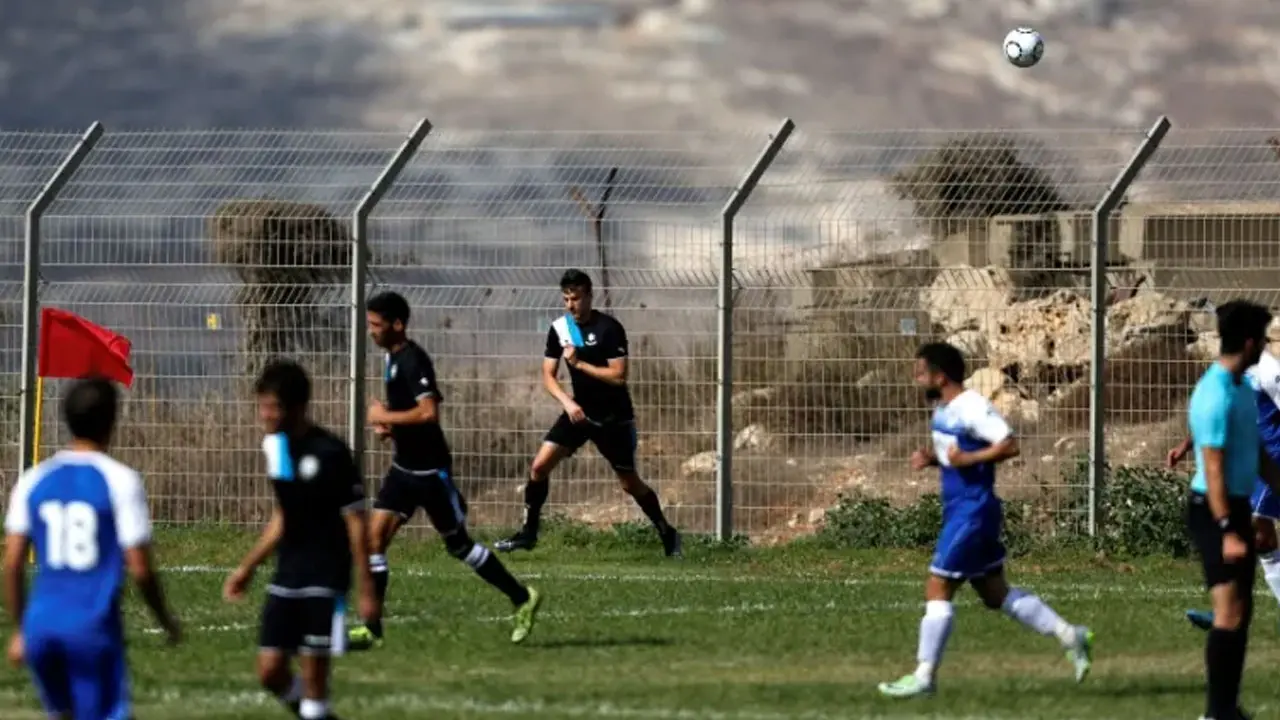
The Palestine Football Association (PFA) has filed an appeal with the international sports court against FIFA’s decision not to take action against Israeli clubs operating in the occupied West Bank. The appeal, submitted on April 20, 2026, follows FIFA’s statement last month that no disciplinary measures could be taken because the legal status of the West Bank remains internationally unresolved. The PFA described FIFA’s position as unfair and said it had exhausted all internal legal options within the organization. PFA Vice President Susan Shalabi said the association would continue to pursue justice through legal means, emphasizing that discussions on the issue had been ongoing for 15 years without resolution. She also highlighted the dire state of Palestinian football, noting that most infrastructure in Gaza has been destroyed or rendered unusable, professional leagues have been suspended, and player safety remains a major concern. The appeal has drawn renewed international attention to the longstanding dispute over the participation of Israeli clubs based in occupied territories.
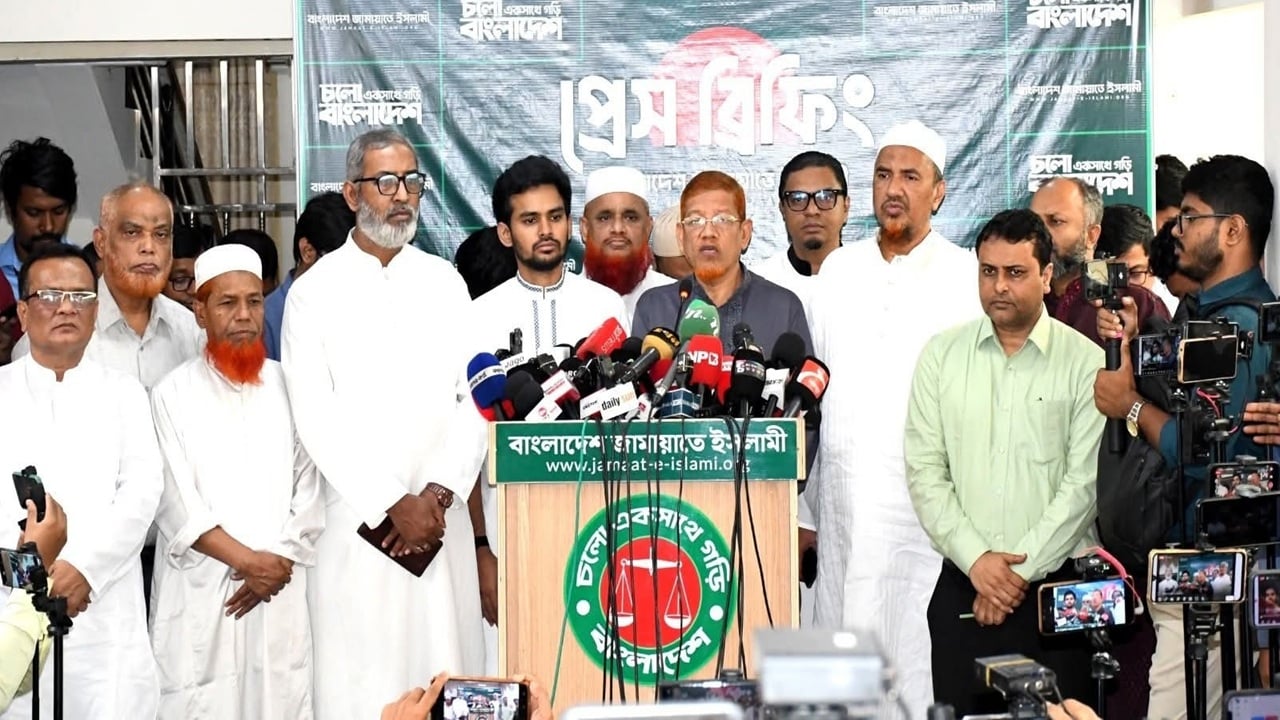
At a meeting of the 11-party alliance liaison committee held on Wednesday, April 30, 2026, at the Bangladesh Jamaat-e-Islami central office in Moghbazar, Dhaka, NCP spokesperson Asif Mahmud Sajib Bhuiyan declared that their movement to implement the referendum verdict would continue both through their representatives’ voices in parliament and through public mobilization on the streets. The meeting was attended by senior leaders from several allied parties, including Bangladesh Jamaat-e-Islami, Bangladesh Khelafat Majlis, Nezame Islam Party, Bangladesh Labour Party, Jatiya Ganatantrik Party, AB Party, LDP, and Bangladesh Development Party. Following the meeting, the 11-party alliance announced a series of nationwide programs, including divisional rallies in Rajshahi on May 16, Chattogram on June 13, Khulna on June 20, Mymensingh on June 27, Rangpur on July 11, Barishal on July 18, and Sylhet on July 25. The alliance also plans to hold a grand rally in Dhaka in October as part of its ongoing campaign to press for the implementation of the referendum verdict.
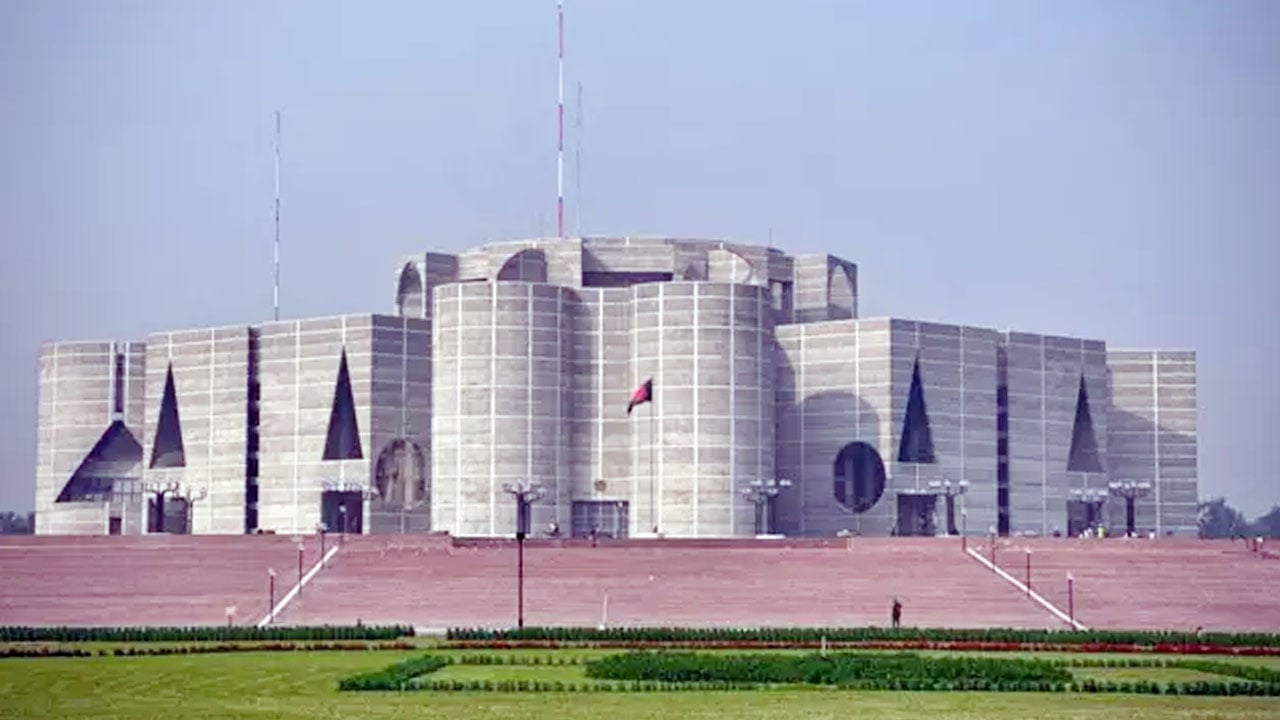
The Election Commission (EC) has issued the official gazette for 49 reserved women members of the 13th National Parliament of Bangladesh. The gazette was published on Thursday evening and signed by Additional Secretary K M Ali Newaz, who is performing the routine duties of the EC Secretary. The commission will soon send the gazette to the Parliament Secretariat, after which the newly elected women MPs will take their oath administered by the Speaker of the National Parliament. According to the final list, 36 of the 49 reserved seats have been filled by candidates nominated by the BNP-led alliance. Twelve members were nominated by the Jamaat-NCP and the 11-party alliance, while one candidate was elected as an independent. The EC’s announcement completes the formal process of filling the reserved seats for women in the 13th Parliament. The swearing-in ceremony is expected to take place soon, marking the full formation of the new Parliament’s representation under the reserved quota for women.
The ‘1 Nojor’ media platform is now live in beta, inviting users to explore and provide feedback as we continue to refine the experience.