

The ‘1 Nojor’ media platform is now live in beta, inviting users to explore and provide feedback as we continue to refine the experience.
International crude oil prices continued to rise as diplomatic efforts between the United States and Iran to ease tensions remained stalled. As of 00:51 GMT, Brent crude futures for June delivery increased by 45 cents, or 0.4 percent, reaching $108.68 per barrel. The previous session saw a 2.8 percent gain, marking the seventh consecutive day of upward movement. Meanwhile, US West Texas Intermediate crude for June delivery rose by 58 cents, or 0.6 percent, to $96.96 per barrel after a 2.1 percent increase the day before. Analysts attributed the sustained price rise to geopolitical uncertainty in the Middle East and the deadlock in US-Iran discussions, which have raised concerns about potential supply disruptions. These factors have maintained upward pressure on oil prices in global markets. The ongoing instability in the region and lack of diplomatic progress suggest that volatility in energy markets may persist if the situation remains unresolved.

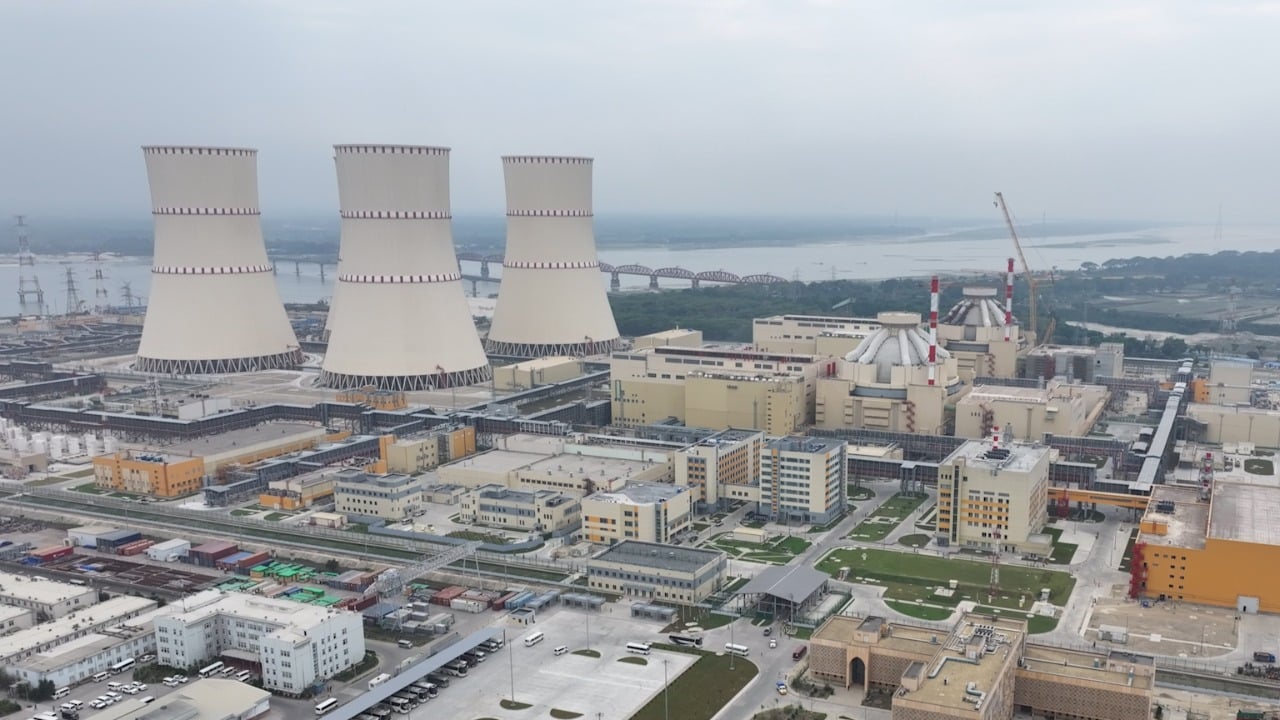
Fuel loading of uranium officially begins today, Tuesday, at the Rooppur Nuclear Power Plant in Ishwardi, Pabna. The event marks a major milestone as the country’s first nuclear power facility moves toward test production of electricity. The ceremony will be attended by Science and Technology Minister Fakir Mahbub Anam as chief guest, along with ministry officials and Alexey Likhachev, Director General of Russia’s Rosatom. According to a senior official from the Ministry of Science and Technology, Bangladesh received a license on April 16 to load nuclear fuel after meeting all safety and monitoring requirements set by the International Atomic Energy Agency (IAEA). The fuel loading process for the first unit is expected to take at least 45 days. The ministry official added that test electricity generation from the first unit could begin in early August, initially supplying 300 megawatts to the national grid. Full-capacity generation of 1,200 megawatts is targeted by January 2027.
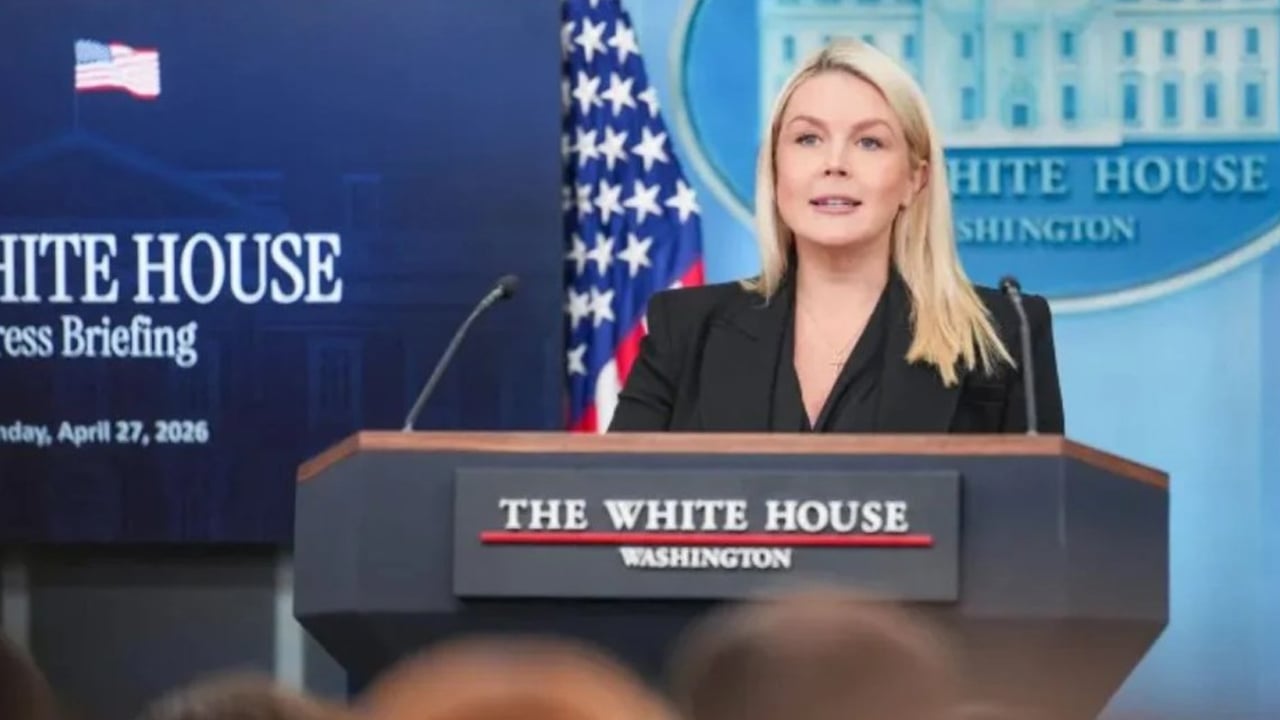
The United States is reviewing a new peace proposal from Iran aimed at easing tensions and resolving the deadlock in the Strait of Hormuz. According to Al Jazeera, White House Press Secretary Carolyn Levitt said President Donald Trump discussed the proposal in detail with his national security team on Monday, April 27. However, no final decision has been made yet. The proposal, sent through Pakistan’s mediation, emphasizes ending the ongoing conflict and ensuring the uninterrupted operation of the strategically vital Strait of Hormuz for global trade. It also leaves room for potential future discussions on Iran’s nuclear program. Levitt noted that while the proposal is under consideration, President Trump’s core position remains unchanged. The review signals a cautious approach by Washington as it weighs diplomatic options amid persistent regional tensions and global concerns over maritime stability in the Gulf.

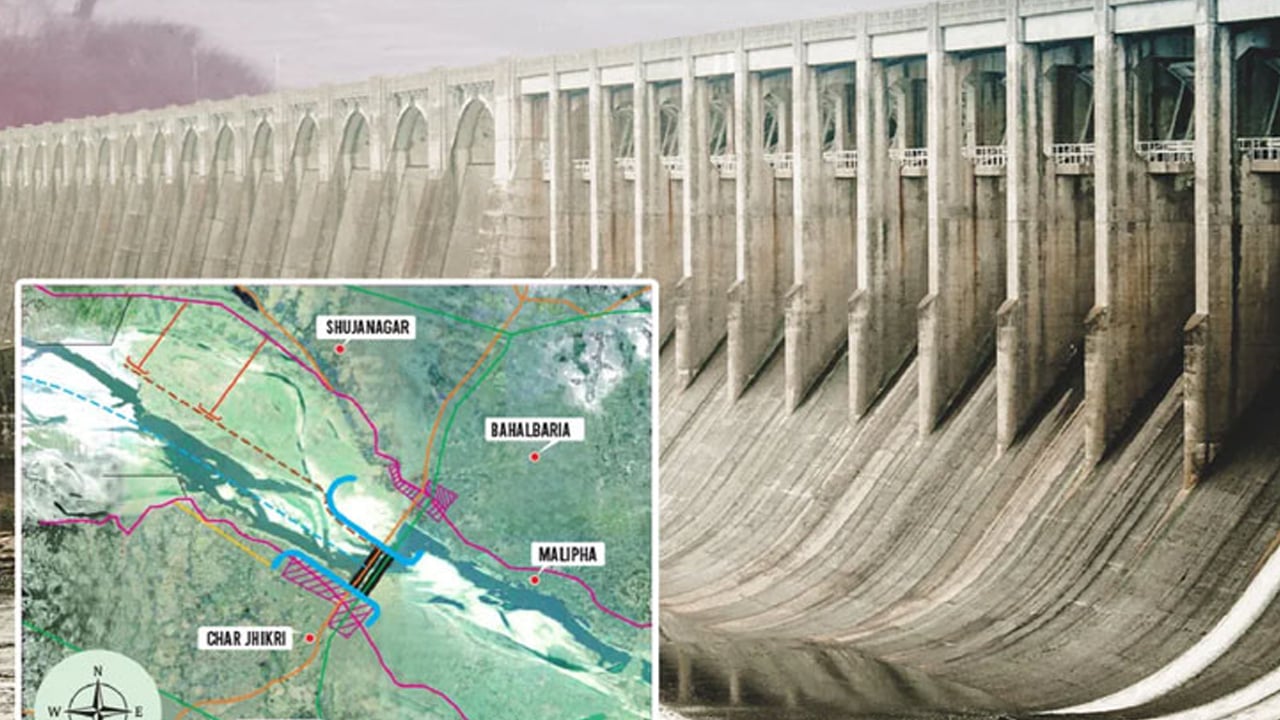
Field-level administrative officials across Bangladesh have submitted 1,729 proposals to the Cabinet Division ahead of the upcoming Deputy Commissioners (DC) Conference scheduled for May 3–6 in Dhaka. Among the proposals are calls for constructing the Padma Barrage to protect the southwest region from the effects of India’s Farakka Barrage, improving law enforcement to combat drug trafficking, and ensuring stable fuel and electricity supplies. The Cabinet Division has reviewed the submissions and accepted 498 proposals for discussion at the conference. The event will be the first DC Conference under the new government led by Prime Minister Tarique Rahman, following the BNP’s electoral victory on April 17. The government expects the conference to strengthen coordination between central policymakers and field administrators. Discussions will cover 56 ministries and agencies across 34 sessions, focusing on public service delivery, infrastructure, disaster management, poverty reduction, and local governance. State Minister for Public Administration Md Abdul Bari said the government prioritizes integrity, competence, and neutrality in administrative appointments, emphasizing that officials must serve citizens rather than political interests.
Five struggling Islamic banks—Exim, Social Islami, First Security Islami, Union, and Global Islami—were merged under the interim government to form the state-owned Sammilit Islami Bank. However, the bank’s chairman has resigned, and the appointed managing director has not joined. In the two months since the new government took office, no progress has been made on leadership appointments, branch consolidation, or IT integration, leaving depositors anxious about the bank’s future. The merger was initiated under the 2025 Bank Resolution Ordinance, with the government contributing Tk 20,000 crore in capital and depositors receiving Tk 15,000 crore in shares. Yet, a recent legal amendment allowing former owners to regain control has reignited depositor unrest. Administrators report stalled operations, rising withdrawal pressure, and a lack of clear direction from Bangladesh Bank. Governor Mostakur Rahman has acknowledged that the government has not reached a final decision on the banks’ fate. Experts warn that prolonged indecision could worsen financial instability. They stress that any move to return ownership to previous controllers must ensure accountability for past mismanagement and protect depositor confidence.

At least 29 people were killed when militants attacked sleeping villagers in Guyaku village, Adamawa State, Nigeria, on Sunday night. The Islamic State (ISIS) claimed responsibility for the assault through a message on Telegram. According to government sources, armed militants entered the village in several groups and opened fire indiscriminately, killing many on the spot and injuring others. Several houses were also set on fire as terrified residents fled for safety. Police arrived at the scene after receiving reports and took the injured to a local hospital. On Monday, Adamawa State Governor Ahmadu Umaru Fintiri visited the site and condemned the incident as a cowardly attack. In a separate incident the same day, armed assailants stormed an orphanage in Lokoja, Kogi State, abducting 23 teenagers. Police later rescued 15 of them, while the search for the remaining missing youths continues. No group has claimed responsibility for the abductions. Authorities are continuing rescue operations and investigations into both attacks, which have heightened security concerns in the affected regions.
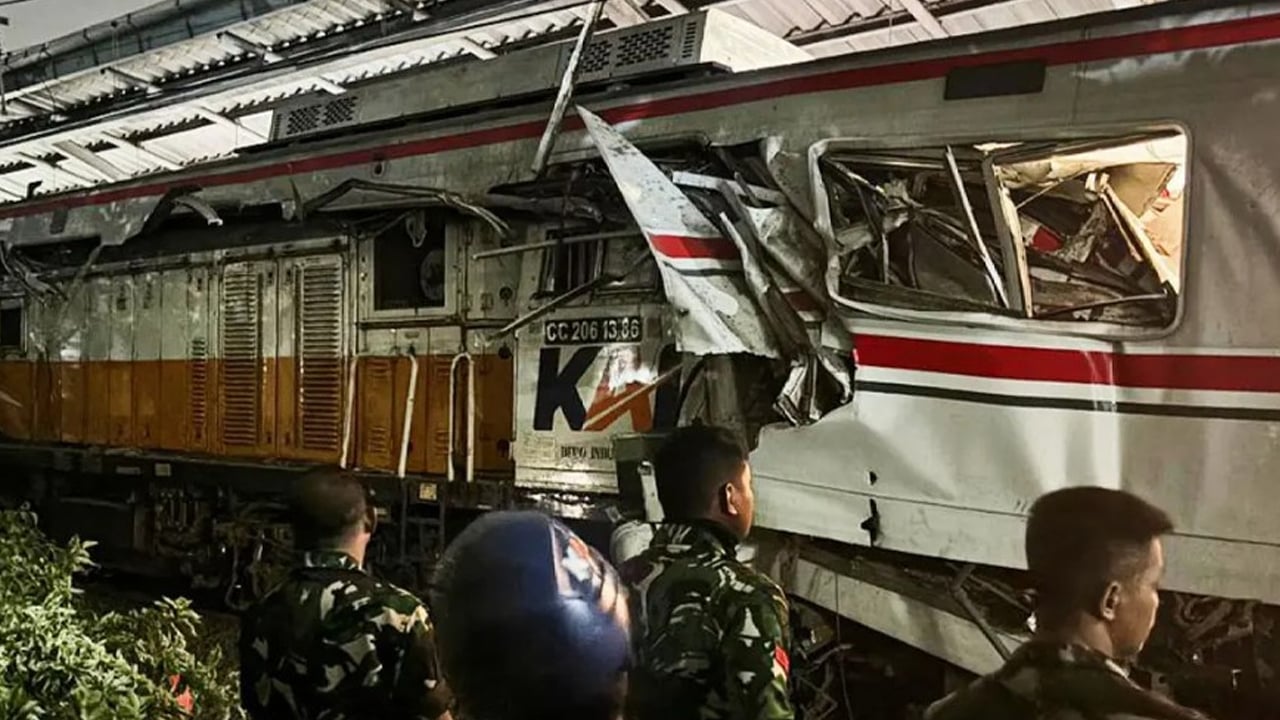
At least four people were killed and several dozen injured when two trains collided near Jakarta, Indonesia, on Monday. According to state media reports cited by international outlets, the crash occurred close to Bekasi Timur Station on the outskirts of the capital when a long-distance train struck a stationary local train from behind. Several carriages were severely damaged in the impact. Footage broadcast by local media showed rescuers working to free passengers trapped inside the wreckage, with many being carried to hospitals on stretchers. Authorities fear the death toll could rise as rescue operations continue. The spokesperson for Indonesia’s state railway operator, KAI, confirmed four deaths and said 38 people had been rescued and sent to nearby hospitals. He expressed condolences to the families of the victims. The cause of the collision has not yet been detailed, and officials continue to assess the extent of the damage and injuries.
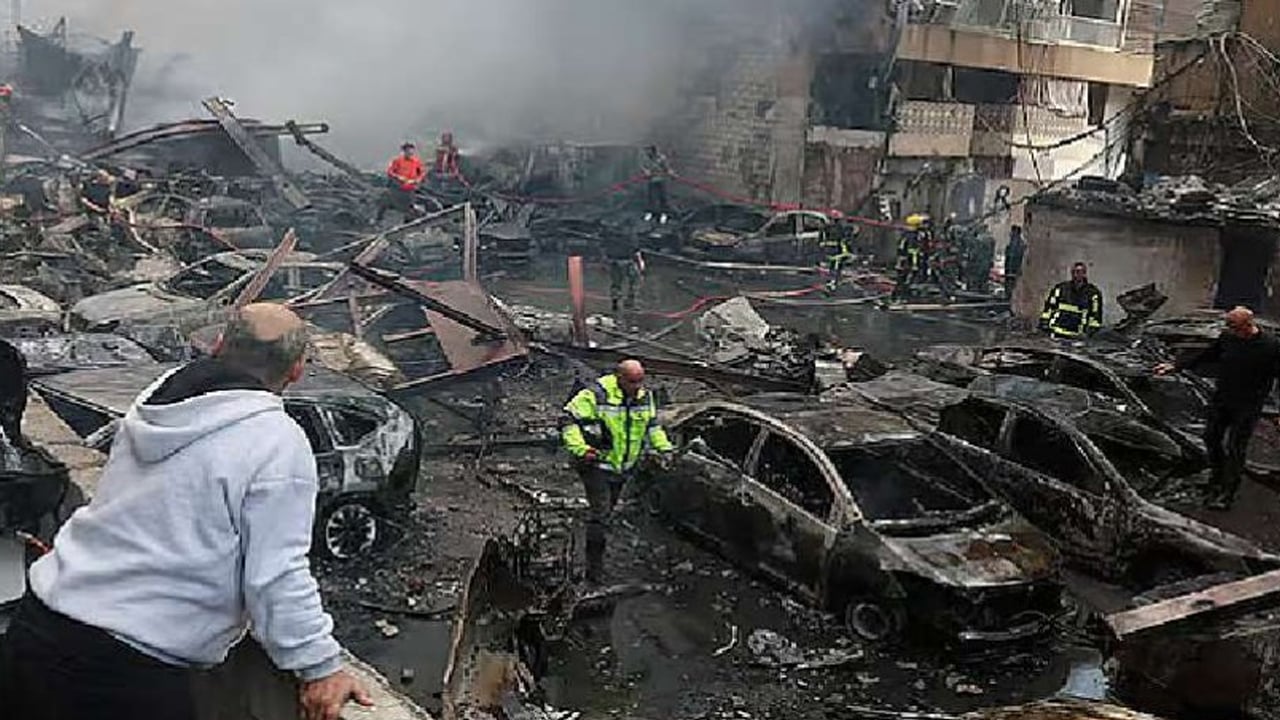
Lebanon’s Ministry of Health has reported that 2,521 people have been killed in Israeli attacks on Lebanese territory since the assaults began on March 2 this year. The updated figures, released through the National News Agency (NNA) on Monday, also indicate that 7,804 individuals have been injured during the same period. Although a ceasefire is officially in effect between Israel and Lebanon, the truce is becoming increasingly fragile. According to the NNA, at least 22 people have been killed in Israeli strikes over the past two days despite the ongoing ceasefire. The situation has drawn growing concern from the international community. Analysts cited in the report suggest that while the ceasefire exists on paper, hostilities have not fully stopped and the region appears to be sliding back toward instability.
Five children have drowned in separate incidents over four days in Sitakunda upazila of Chattogram, causing widespread grief and alarm among residents. The latest death occurred on Monday afternoon in Baraidala Union, where six-year-old Humayra fell into a pond near her home. Earlier, four other children aged between three and nine died in similar accidents in different areas of the upazila. Local residents said most rural homes are surrounded by open ponds and water bodies without protective fencing, posing serious risks to children. Health officials noted that drowning is one of the leading causes of death among Bangladeshi children aged one to ten, particularly in rural areas where ponds and ditches are common near homes. Sitakunda Health Officer Dr. Altaf Hossain described the deaths as preventable and called for awareness campaigns and coordinated efforts among local departments. Public health experts recommended institutional measures such as swimming lessons in primary schools, community daycare centers, and local water safety programs. Residents urged authorities to treat the issue as a public safety emergency to prevent further tragedies.

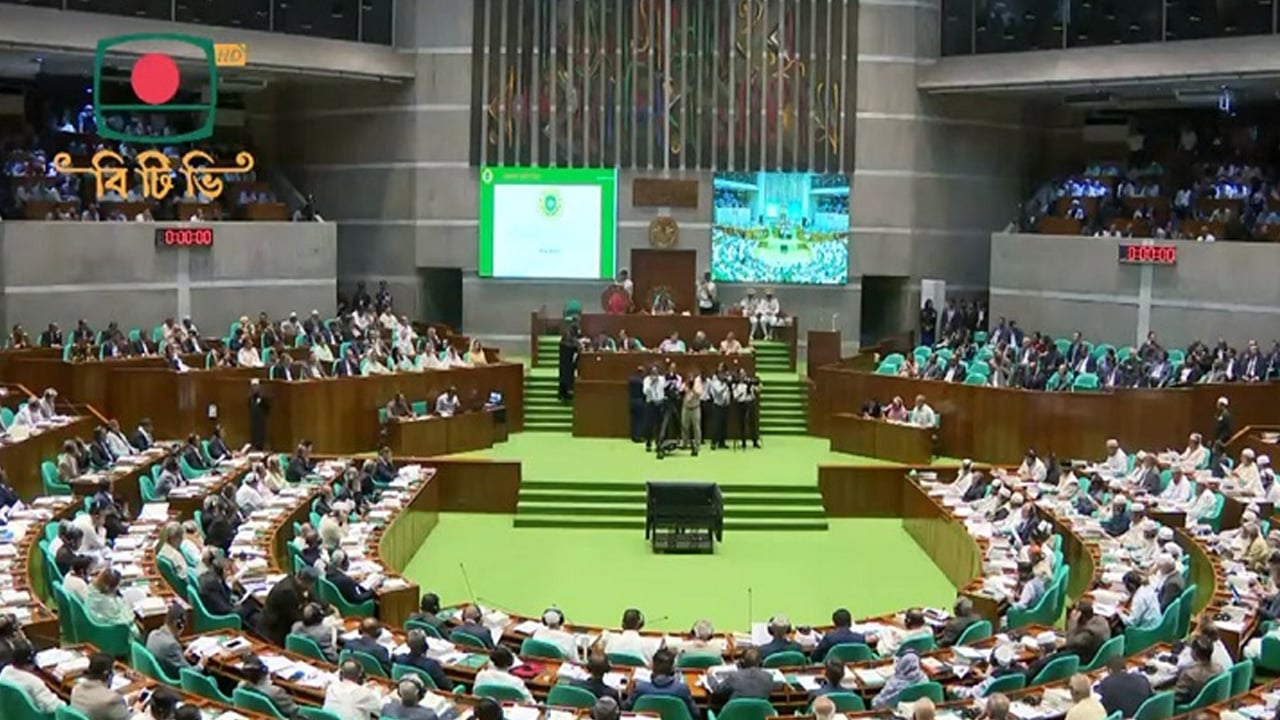
A brief uproar erupted in Bangladesh’s National Parliament on Monday evening after a BNP lawmaker described the July Charter as 'unnecessary'. The incident occurred before the Maghrib prayer break during discussions on the motion of thanks to the President’s address. BNP MP Manjurul Karim remarked that the opposition had been debating an 'unnecessary July Charter' since the first day of the current parliament. Following his comment, Jamaat-e-Islami MP Nurul Islam Bulbul raised a point of order, arguing that the current government was formed in continuation of the July uprising and that calling July 'unnecessary' was unacceptable. As members began shouting, Speaker Hafiz Uddin Ahmed intervened, reminding MPs that differing opinions were part of democracy and urging them to respect freedom of speech and maintain decorum. After the prayer break, Chief Whip Nurul Islam Moni said he had spoken with Manjurul Karim, who clarified that he meant 'unnecessary debate', not that the July Charter itself was unnecessary. The Deputy Speaker later stated that the matter would be reviewed and appropriate action taken.
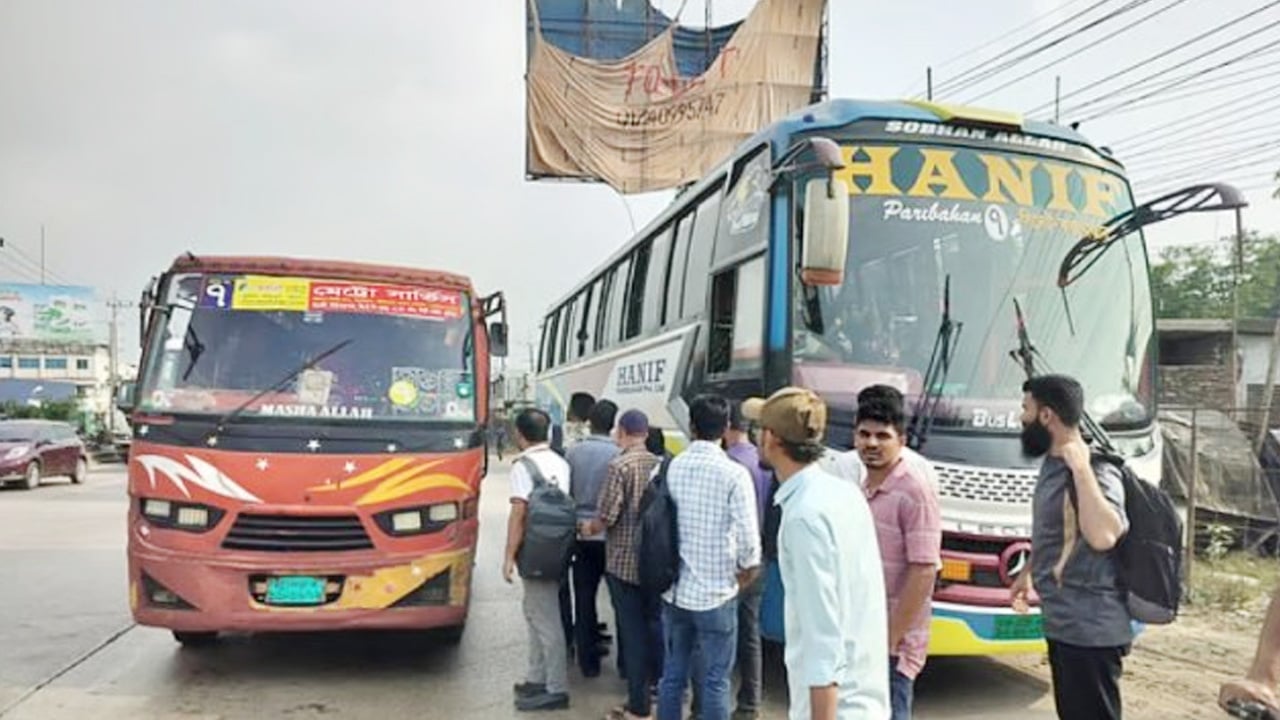
Five days after bus fares were raised following a fuel price hike, bus operations in Dhaka have yet to return to normal. The shortage began when a fuel crisis hit the country due to the Iran war, leading to fewer buses on major city routes such as Gulistan–Mirpur, Rampura, and Satrasta. As a result, passengers are facing long waits and overcrowded buses, particularly during office hours. Bus conductors said they spend long hours in line to refuel, reducing the number of daily trips. Some owners are also avoiding operating buses lacking proper documents or fitness certificates under the new government. Although fares were officially increased last Thursday, most city buses are still charging old rates, as conductors have not received updated fare charts. Transport workers expressed dissatisfaction with the new fare structure, and owners have yet to issue final instructions. On long-distance routes, the new fares have been implemented, but passengers reported being charged 50 to 150 taka more than the approved rates. The Passengers’ Welfare Association confirmed receiving growing complaints about overcharging on several inter-district routes.
The United States is reviewing a proposal from Iran to end ongoing hostilities and reopen the Strait of Hormuz. According to the White House, President Donald Trump and senior policymakers are seriously considering the offer. White House spokesperson Caroline Levitt said Trump met with his national security team earlier in the day, and discussions on Iran’s proposal were part of that meeting. Tehran’s proposal reportedly includes a condition that disputes over its nuclear program be postponed for the future. However, President Trump has previously made clear that Iran will not be allowed to develop nuclear weapons under any circumstances. Levitt reaffirmed that Trump’s stance on the nuclear issue remains firm and uncompromising. The review of Iran’s proposal signals a potential diplomatic opening, though the outcome remains uncertain given the conflicting positions on nuclear policy and regional security.
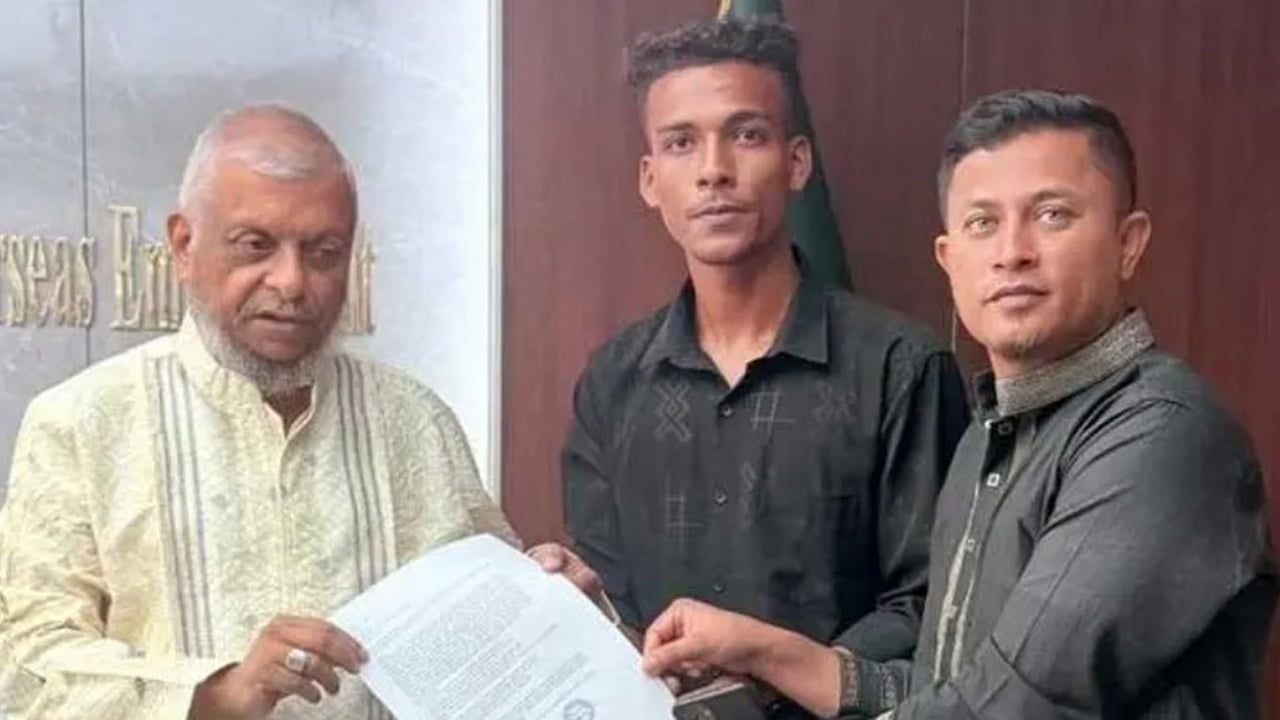
The Migrant Welfare Network (MWN) has submitted a memorandum to Bangladesh’s Ministry of Expatriates’ Welfare and Overseas Employment demanding compensation, rehabilitation, justice, and accountability for hundreds of Bangladeshi workers who returned from Malaysia after facing abuse and fraud. The memorandum was handed over on Monday during a meeting with the expatriates’ welfare minister. According to returning workers, they had spent between 500,000 and 550,000 taka to go to Malaysia in 2023 and were employed by companies such as Mediseram and Kawaguchi. They alleged that the companies withheld salaries for over five to six months, confiscated passports, and subjected them to forced labor and physical abuse. The minister reportedly assured them that the responsible recruitment agencies would be summoned and that compensation and blacklisting issues would be addressed. The workers’ demands include immediate payment of due wages, full compensation under international standards, return of seized passports, cancellation of blacklists, effective rehabilitation programs, and legal action against exploitative agencies. They also called for zero-cost safe migration, reform of complaint mechanisms, and inclusion of workers in migration policy-making.
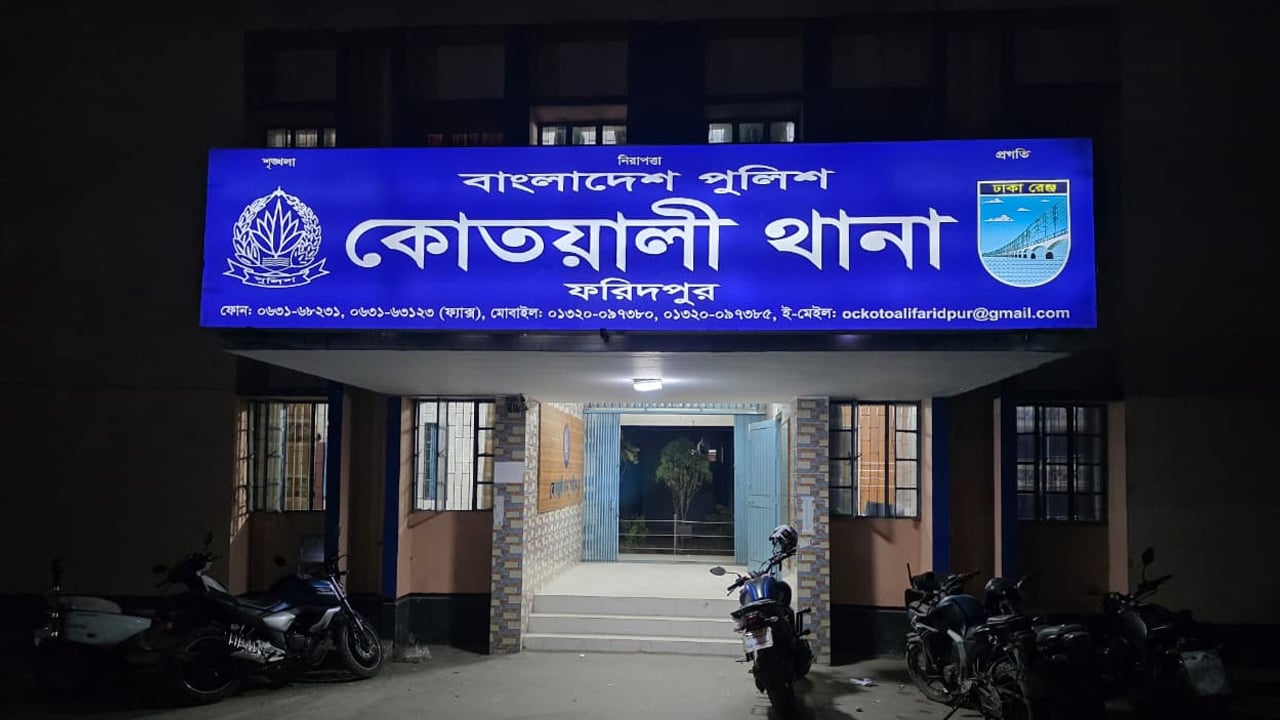
Three people, including two members of the same family, were hacked to death in the Khushi Bazar area of Gadadhardangi village under Aliyabad Union in Faridpur Sadar upazila on Monday night around 9:30 pm. The accused, identified as 28-year-old Akash, allegedly used a sharp axe and spade in the attack before fleeing the scene. The victims were Rahila Begum, 50, Amena Begum, 75, and neighbor Kabul Chowdhury, 45. Another person, Riaz Molla, 45, was injured and taken to hospital for treatment. According to police, two of the victims were the suspect’s grandmother and aunt, while the neighbor was killed while trying to intervene. Following the incident, senior police officials, including Assistant Superintendent of Police Md Shamsul Azam, visited the site. Faridpur Kotwali Police Station Officer-in-Charge Md Shahidul Islam confirmed the incident and said legal proceedings are underway. As of the latest update, the suspect remains at large, and police operations to apprehend him are ongoing.
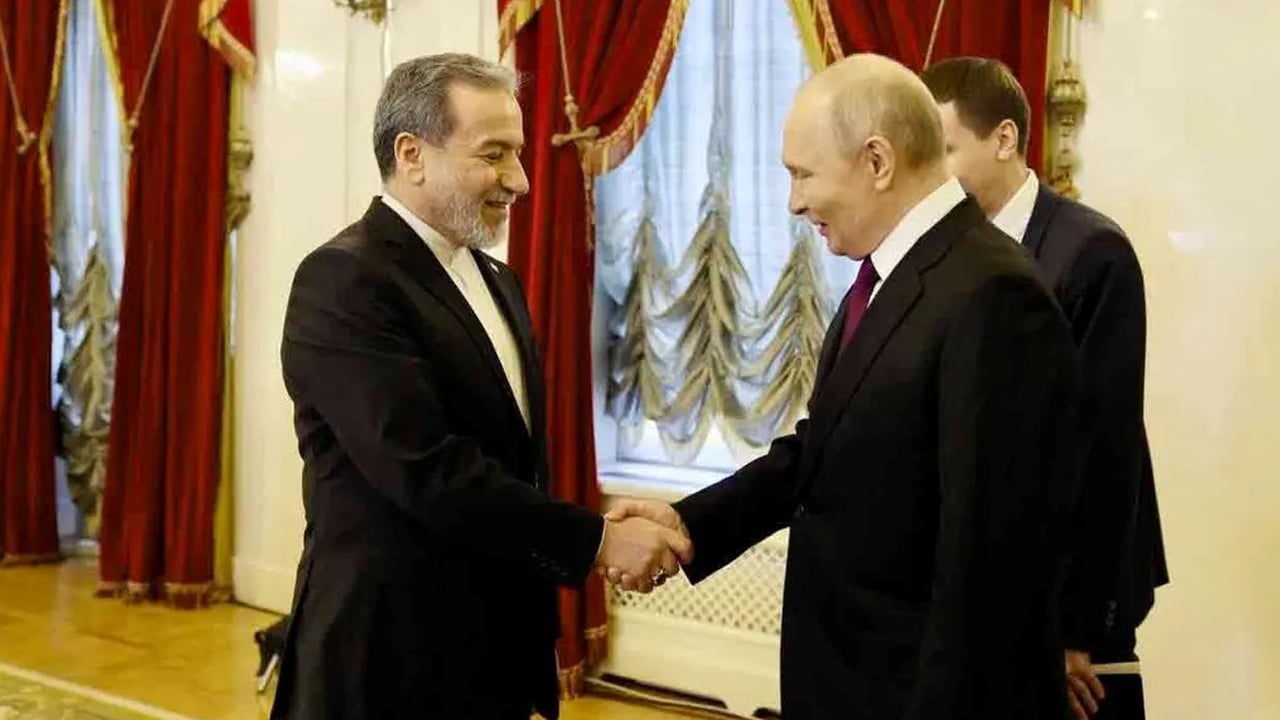
Russian President Vladimir Putin has praised the Iranian people for their steadfast struggle to defend their independence and sovereignty amid pressure from the United States and Israel. During a high-level meeting with Iranian Foreign Minister Abbas Araghchi in St. Petersburg on Monday, Putin promised that Russia would extend all possible cooperation to Tehran and play a leading role in establishing peace in the region. Putin commended the courage and bravery of the Iranian people and expressed hope that Iran would overcome its current challenges and regain stability soon. He emphasized that Russia would act in ways that protect the interests of both Iran and the broader region, underscoring Moscow’s commitment to regional peace. The report also noted that Russia has condemned US and Israeli attacks in the Middle East and offered to mediate to ease tensions. Moscow has repeatedly proposed storing Iran’s enriched uranium to reduce regional friction, but the United States has rejected the offer.
The ‘1 Nojor’ media platform is now live in beta, inviting users to explore and provide feedback as we continue to refine the experience.