

The ‘1 Nojor’ media platform is now live in beta, inviting users to explore and provide feedback as we continue to refine the experience.
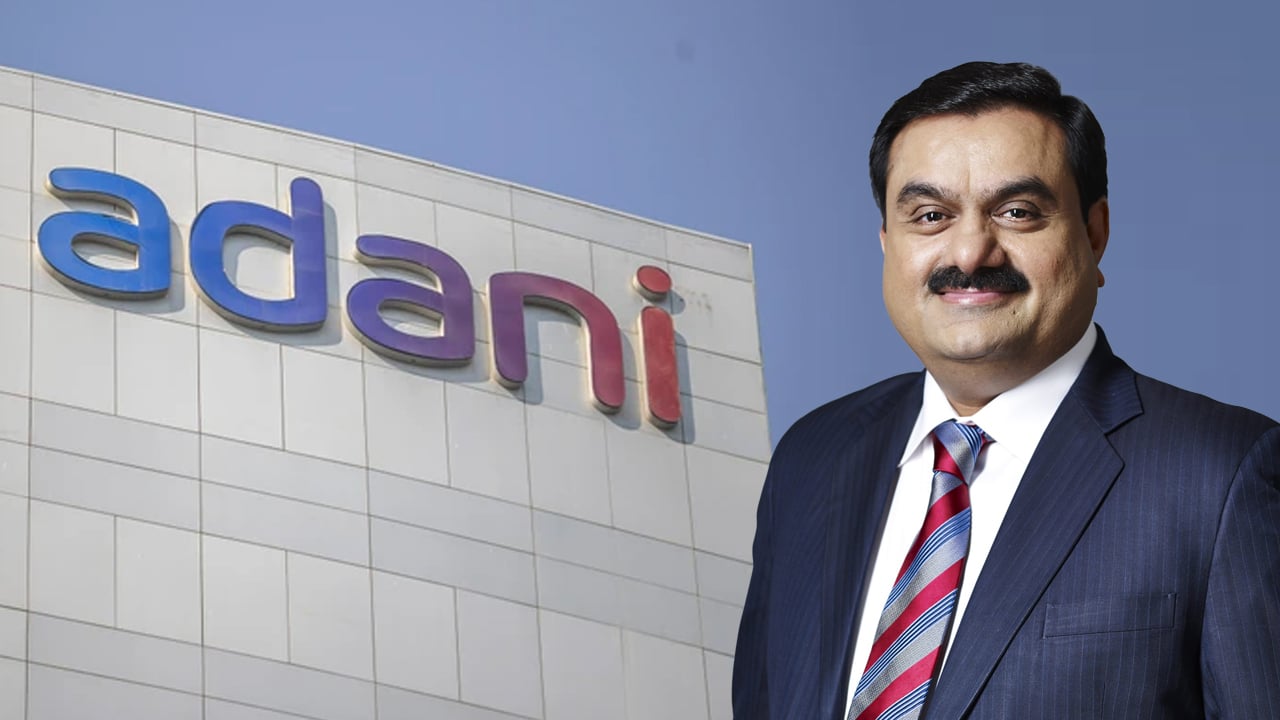
A power generation unit of India’s Adani Group, which had been shut down due to a recent mechanical fault, has resumed operations. According to the Bangladesh Power Development Board (PDB), electricity from the previously closed unit began feeding into the national grid from Monday night. With both units now active, Bangladesh is again receiving electricity from the full capacity of the Adani power plant. Data from the Power Grid Company of Bangladesh (PGCB) showed that the two units together had been supplying up to 1,499 megawatts before the disruption. On April 22, production dropped sharply to about 700 megawatts when one unit went offline, creating pressure on the national grid. The restoration of the unit is expected to stabilize supply levels and ease grid stress. The report did not specify the exact location of the power plant or the duration of the shutdown, but the resumption marks a return to normal power flow from Adani’s facilities to Bangladesh.
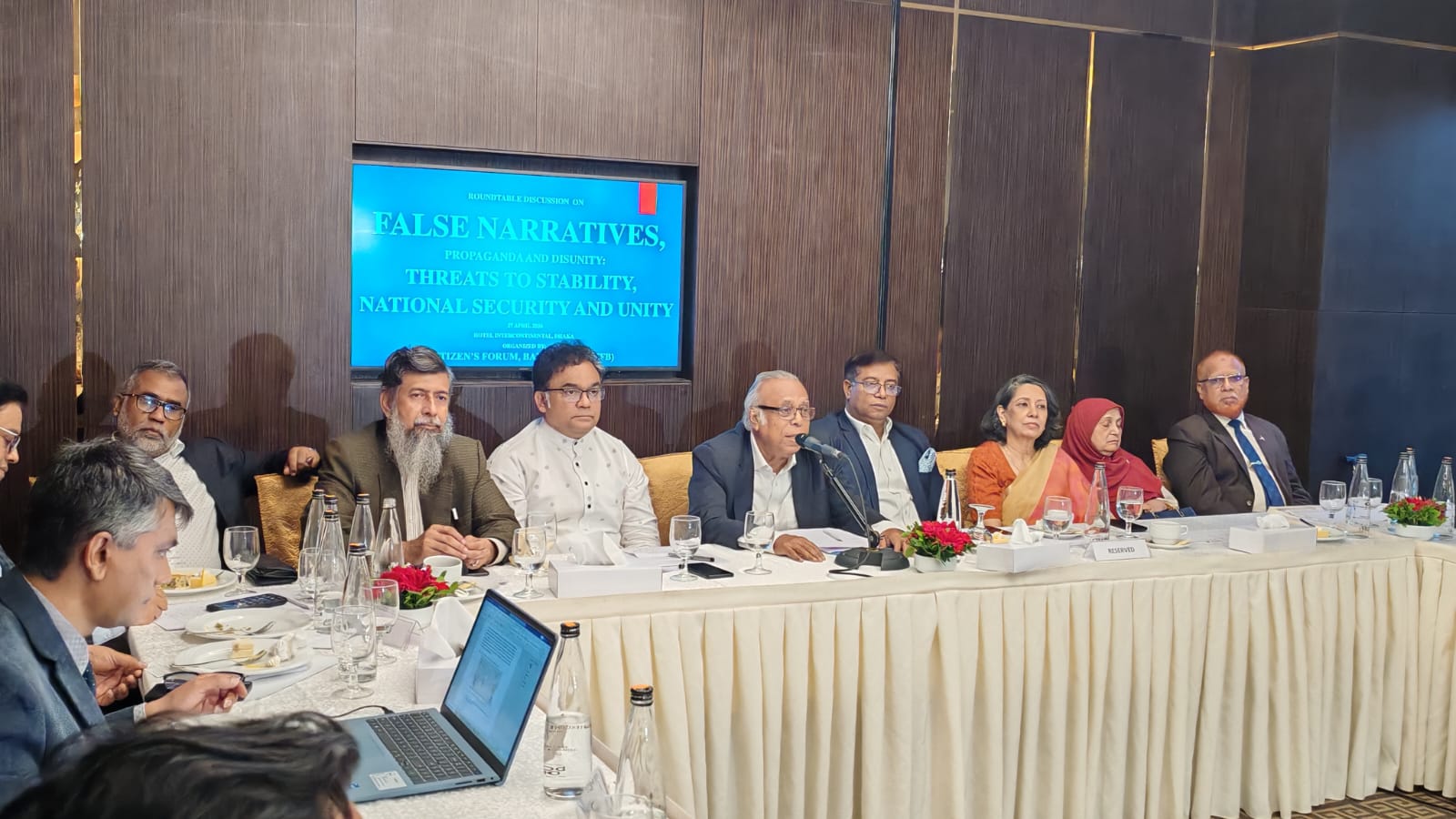
At a roundtable held on Monday at Hotel Intercontinental in Dhaka, prominent citizens warned that conflicting and baseless narratives on social media are fostering division in society. Organized by Citizens Forum Bangladesh (CFB) under the theme “False Narratives, Propaganda and Disunity: Threats to Stability, National Security and Unity,” the event emphasized the need for national unity and moral education to combat misinformation. Participants also called for the establishment of a permanent education commission to ensure a stable education policy. CFB Chairman and former Dhaka University Vice-Chancellor Professor Dr. Anwar Ullah Chowdhury said that false narratives cannot be defeated by law alone but through truth-based narratives. He stressed the importance of building a knowledge-based society and educating students in ethics to foster patriotism and social responsibility. Other speakers highlighted the role of misinformation in destabilizing university campuses and urged strategic reforms in education to include national security and defense awareness. Former police chief Md. Ashraful Huda pointed to intelligence lapses behind the spread of false information, while other participants urged transparency from the government regarding the ongoing energy crisis, which they attributed to global conflicts.
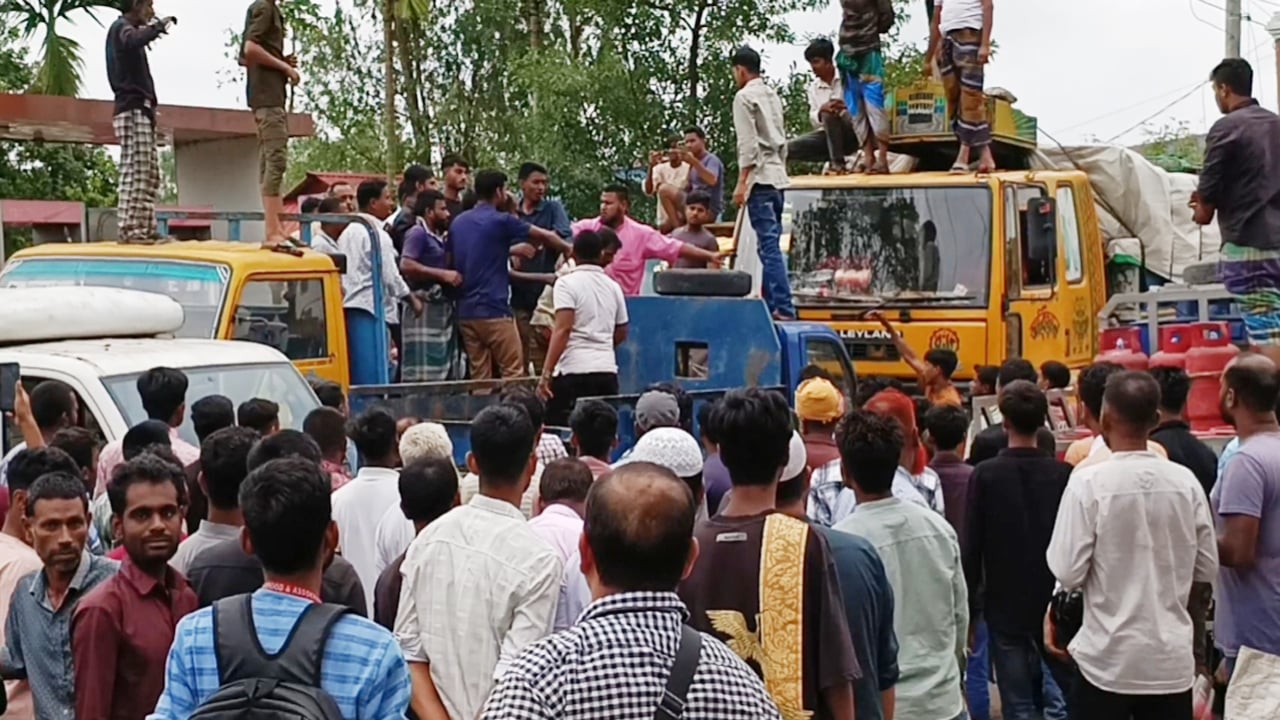
A clash broke out at the Laboni Filling Station in Madarganj upazila of Jamalpur on Monday afternoon over fuel collection. Witnesses said motorcyclists and farmers gathered at the station from early morning despite a storm. Arguments over standing in line escalated into a physical altercation, leading to stone-throwing and panic in the area. Police officers and station staff intervened to bring the situation under control, and fuel sales were temporarily suspended. Later in the afternoon, fuel distribution resumed in the presence of the upazila executive officer Suman Chowdhury, upazila BNP president Advocate Manjur Kader Babul Khan, and general secretary Mizanur Rahman Ratan. A mobile court fined three drivers three thousand taka each and another driver two thousand taka for lacking registration cards, driving licenses, and helmets. The incident highlighted tensions among local fuel consumers during supply disruptions and prompted immediate administrative action to restore order.
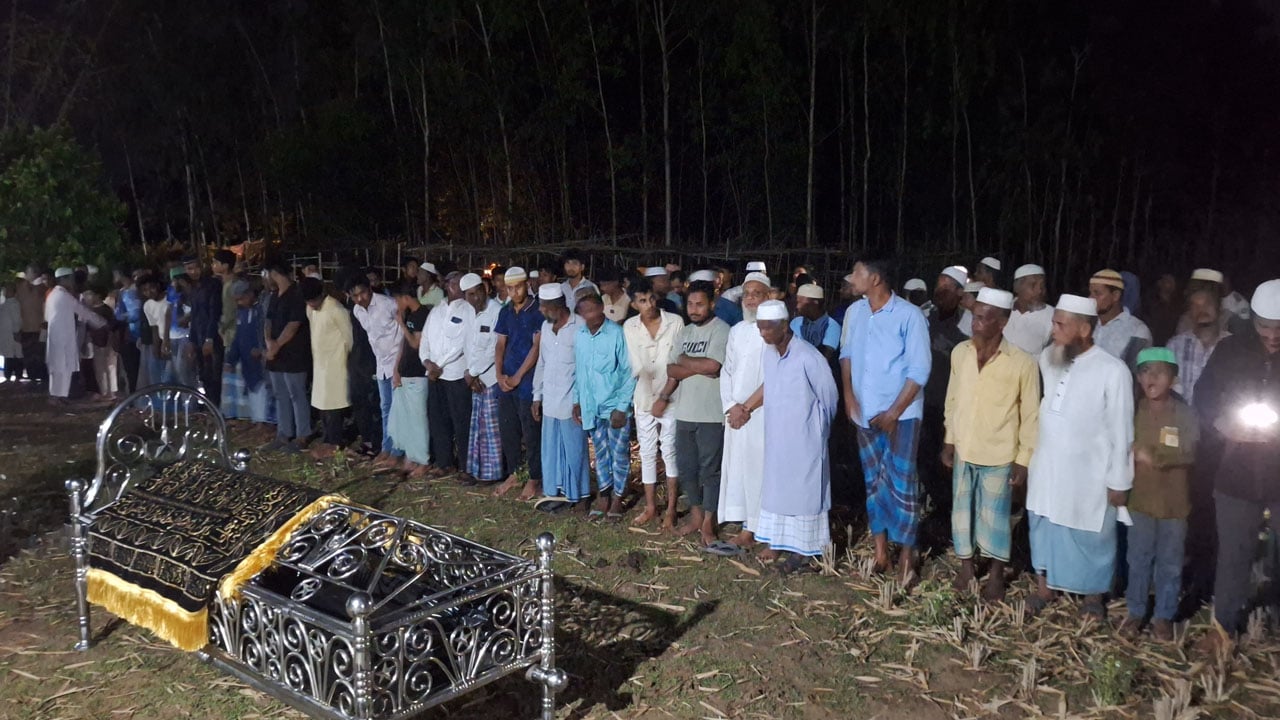
The funeral prayer for Jubo Dal activist Md. Nasir Talukdar, also known as Madhu Nasir, who was shot dead by armed assailants in Raozan, Chattogram, has been completed. The burial took place on Monday evening, April 27, 2026, at the Shomserpara Tilapara social graveyard in Kadolpur Union. His body was brought home from Chattogram Medical College Hospital after an autopsy, where relatives and neighbors gathered to pay their respects. Local Jubo Dal leaders claimed Nasir was politically affiliated with their organization. However, no leaders or activists from BNP or Jubo Dal were seen attending the funeral, despite the presence of villagers and family members. Locals remarked that although Nasir was involved in Jubo Dal politics, no party representatives came to his final farewell. According to Raozan Police Station Officer-in-Charge Sajedul Islam, Nasir was shot dead by armed assailants on Sunday night, April 26, around 9:30 p.m., after which the attackers fled the scene.
At least 23 people have died in lightning strikes across nine districts of Bangladesh over the past two days, amid increasing rainfall and storm activity. Sunday recorded the highest single-day toll with 14 deaths, followed by nine more fatalities on Monday in Netrokona, Habiganj, Bogura, and Hatiya. Gaibandha saw the most casualties, including a child, while other deaths occurred in Jamalpur, Sirajganj, Natore, Panchagarh, Bogura, and Sherpur. The Bangladesh Meteorological Department has issued a 48-hour warning for Kalbaishakhi storms with lightning, forecasting heavy to very heavy rainfall in northern and northeastern regions. Authorities have also raised signal number two at river ports in Mymensingh and Sylhet. Experts note that lightning occurs most frequently in the country’s northeastern haor areas and Rangpur region, especially near water bodies. Following the failure of a previous palm tree planting project, the government has begun installing lightning arresters to reduce fatalities. Disaster management officials emphasize public awareness and early warnings as key to saving lives during the April–May lightning season.

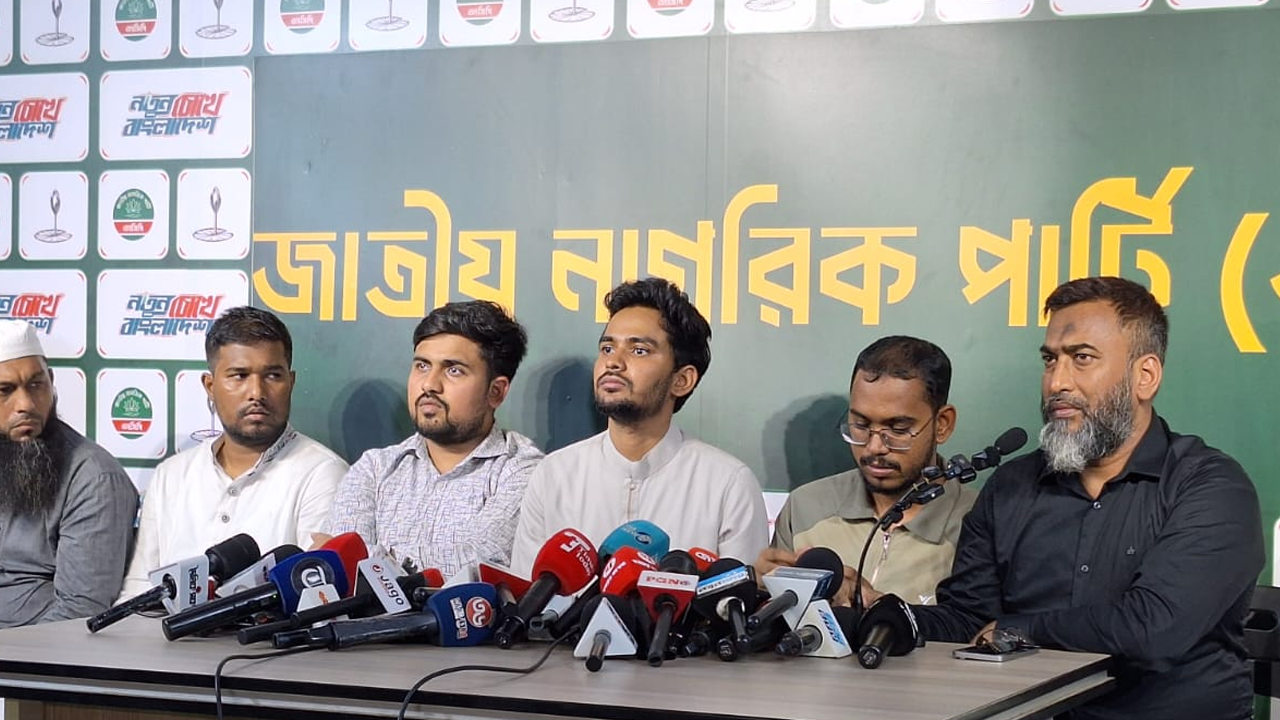
National Citizen Party (NCP) spokesperson Asif Mahmud Sajib Bhuiyan called on Prime Minister Tarique Rahman to introduce an anti-extortion and anti-corruption card to address what he described as Bangladesh’s most pressing problems. He made the remarks on Monday evening at the NCP’s temporary central office in Banglamotor during a reception for the newly formed partial committee of Dhaka South. Asif Mahmud stated that the NCP’s doors would remain open to all citizens except those involved in genocide, fascism, terrorism, or extortion. Criticizing the government, he said it had failed to fulfill public expectations and implement the results of the referendum, adding that administrative weaknesses were evident. He also questioned the government’s claim of having the highest fuel reserves while long queues persisted at fuel stations and criticized the printing of twenty thousand crore taka. Discussing local government elections, he emphasized strengthening the NCP as an organization and ensuring that no vote cast for the party would be wasted, promising strong vigilance at every polling center.
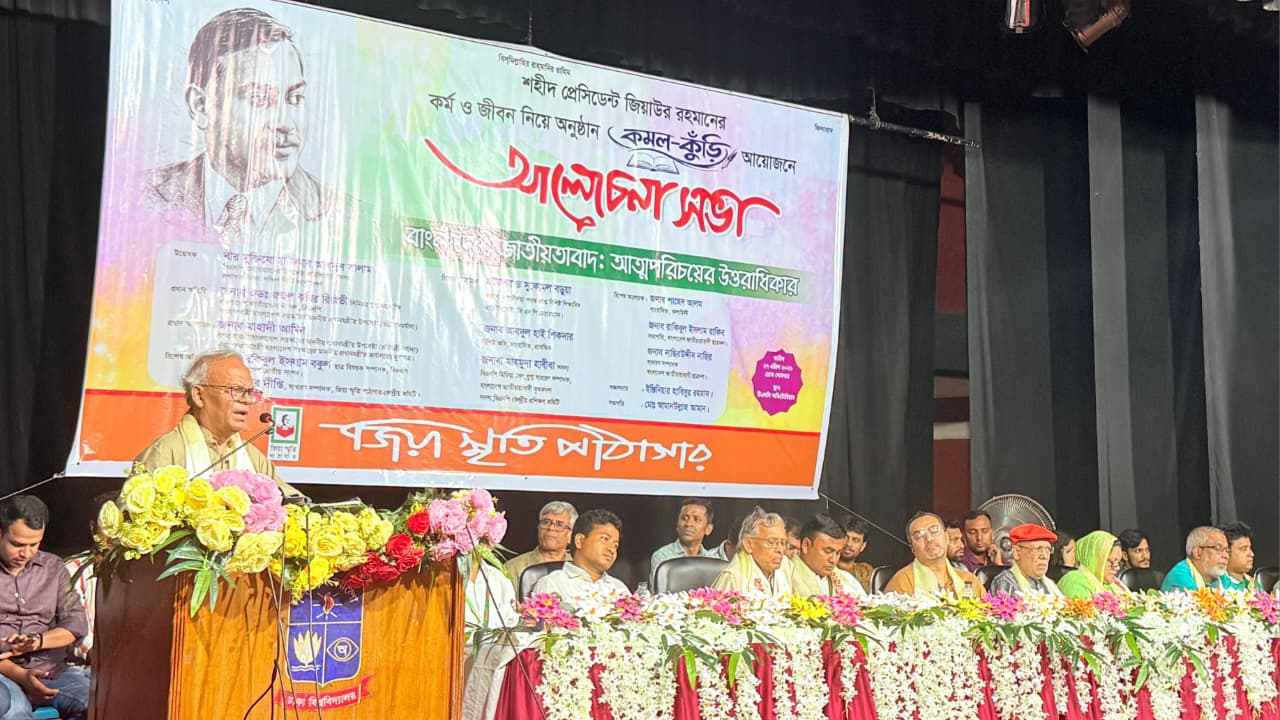
A discussion titled “Bangladeshi Nationalism: The Legacy of Identity,” organized by Komol Kuri at Dhaka University’s TSC auditorium on April 27, 2026, focused on the life and political philosophy of late President Ziaur Rahman. Speakers said Zia’s concept of Bangladeshi nationalism played a crucial role in defining the country’s identity, emphasizing patriotism, nationalism, and democracy as his enduring principles. BNP Senior Joint Secretary General Ruhul Kabir Rizvi described Ziaur Rahman as a true nationalist whose patriotism made him a target of opposition. He criticized the Farakka Barrage for harming northern Bangladesh’s environment and river flow. Political analyst and Prime Minister’s adviser Dr. Mahdi Amin said Bangladeshi nationalism ensures equal rights and dignity for all citizens regardless of religion or ideology, adding that BNP’s politics reflects respect for all faiths. He also mentioned Zia’s 1971 declaration of independence and the party’s role in restoring democracy. BNP adviser and freedom fighter Md. Abdus Salam praised the role of the Jatiyatabadi Chhatra Dal in democratic movements, noting members’ sacrifices over the past 17 years and pledging continued struggle to protect democracy.
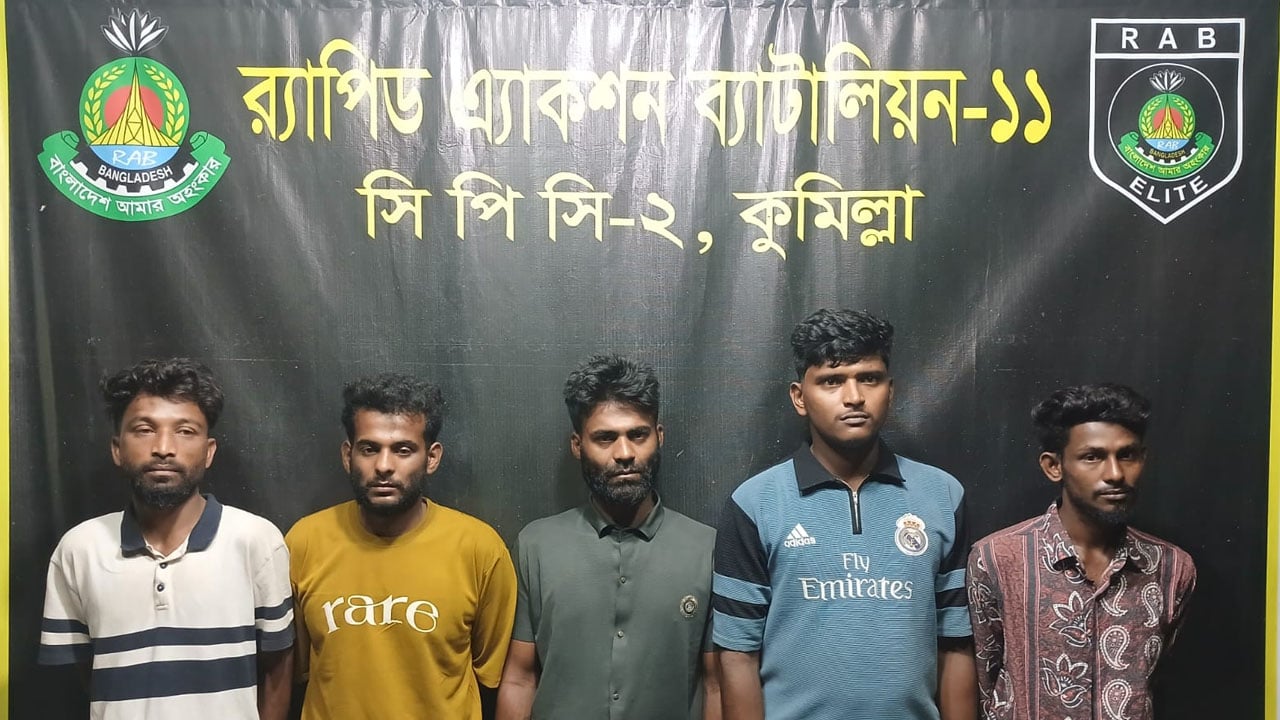
Four robbery suspects have confessed in court to their involvement in the murder of customs officer Bullet Bairagi, aged 27, in Comilla. The court also granted a three-day remand for another suspect in the same case. The five accused were presented before the Comilla court on Monday, April 27, where the investigating officer, Sub-Inspector Titu Kumar Nath of Sadar Dakshin Police Station, sought a 10-day remand and permission to record confessional statements. Court Inspector Mamunur Rashid confirmed that one suspect was placed on remand while the remaining four gave confessional statements. The arrests followed operations across different areas of Comilla on Sunday, during which five suspects were detained. Sohag was first arrested near Comilla Railway Station, leading to further arrests in the Bibirbazar area and the seizure of a CNG-run autorickshaw near Ershad Degree College in Burichang. Law enforcement recovered stolen mobile phones and other evidence. RAB-11 stated that analysis of information technology and CCTV footage confirmed the suspects’ involvement in the killing.
The White House announced that ongoing diplomatic discussions with Iran will not be conducted through the media. According to Al Jazeera, citing CBS News, Assistant Press Secretary Olivia Wells stated that the talks are sensitive in nature, and the United States will not engage in them publicly. She emphasized that any agreement reached will protect the interests of the American people and prevent Iran from obtaining nuclear weapons. The report noted that the United States and its ally Israel continue to pressure Iran to halt its uranium enrichment program, alleging that Tehran is moving toward developing nuclear weapons. Iran has consistently denied these accusations. Meanwhile, Iranian state media reported that the current diplomatic efforts do not include discussions on nuclear issues. Former U.S. President Donald Trump also commented on social media about Iran’s enriched uranium, expressing interest in securing it, despite his earlier claim that Iran’s nuclear capability had been destroyed in a 12-day war.

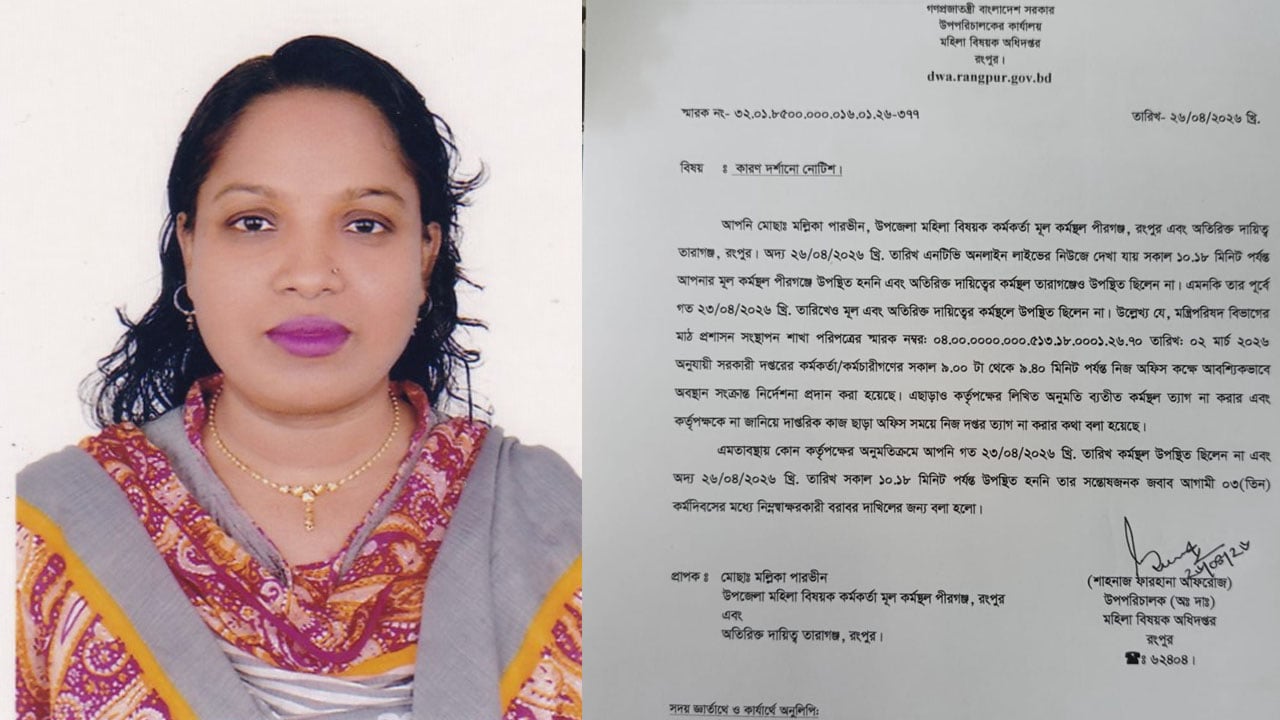
The Department of Women Affairs in Rangpur has issued a show-cause notice to Mosammat Mallika Parvin, the officer responsible for Pirganj and Taraganj upazilas, for being absent from her workplace. The notice, signed by Deputy Director (Additional Charge) Shahnaz Farhana Afroze, was issued on April 26, 2026. It alleges that Parvin was not present at either her primary office in Pirganj or her additional duty station in Taraganj on the morning of April 26, and had also been absent from both offices on April 23. According to government regulations, all officials and employees must be present at their workplaces between 9:00 and 9:40 a.m., and leaving without permission is prohibited. The notice requires Parvin to provide a satisfactory written explanation within three working days, clarifying why she was absent and under whose authorization. When contacted by phone, Mallika Parvin stated that she had not yet received the notice and would review it before giving an official response.
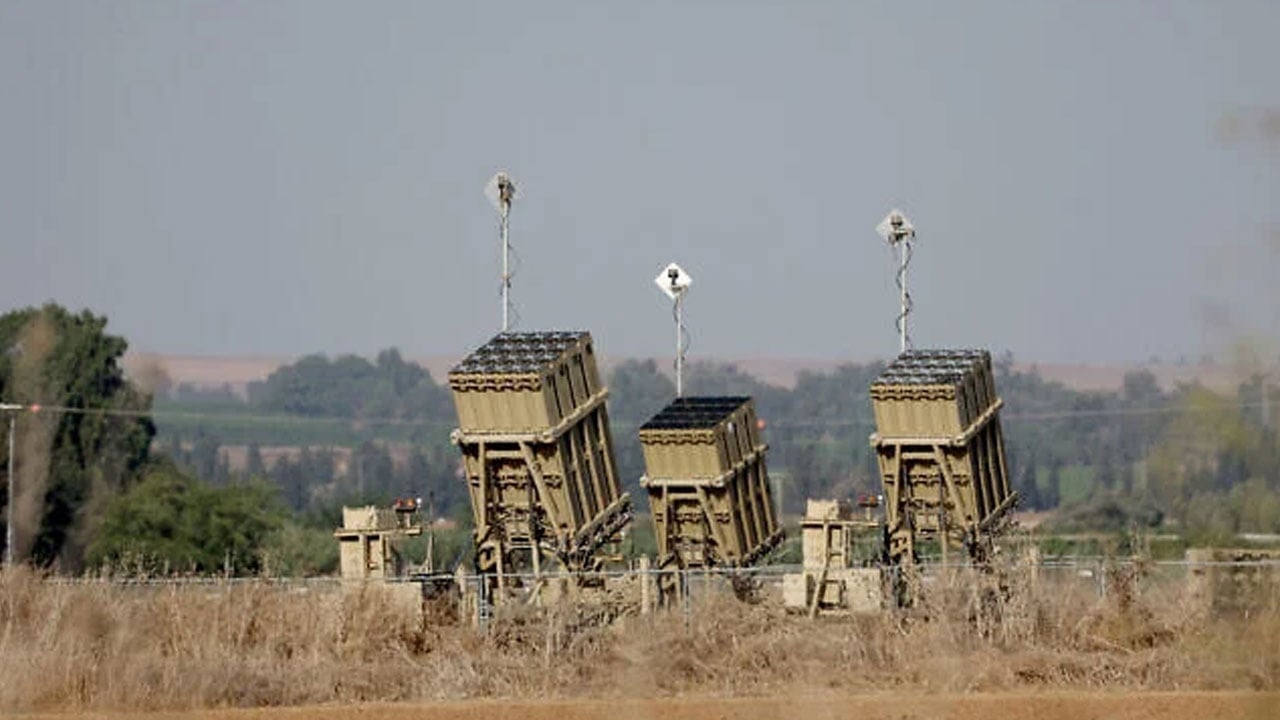
Israel has deployed an Iron Dome missile defense battery and troops to the United Arab Emirates following the outbreak of war with Iran, according to reports citing Israeli and American officials. Axios reported on Sunday that this marks the first time Israel has sent the system outside its own territory or the United States. The deployment followed a conversation between Israeli Prime Minister Benjamin Netanyahu and UAE President Mohammed bin Zayed Al Nahyan. During the U.S.-Israel war against Iran, the UAE’s defense ministry said Tehran launched repeated attacks on Emirati territory, firing about 550 ballistic and cruise missiles and more than 2,200 drones. Although most were intercepted, some struck military and civilian targets, prompting Abu Dhabi to request allied assistance. The Times of Israel reported that the Iron Dome system intercepted dozens of Iranian missiles. Axios noted that allowing Israeli troops into the UAE was politically sensitive, but a senior Emirati official said the country would not forget Israel’s assistance during the conflict. Israel and the UAE normalized relations in 2020 under the Abraham Accords, partly driven by shared concerns over Iran.
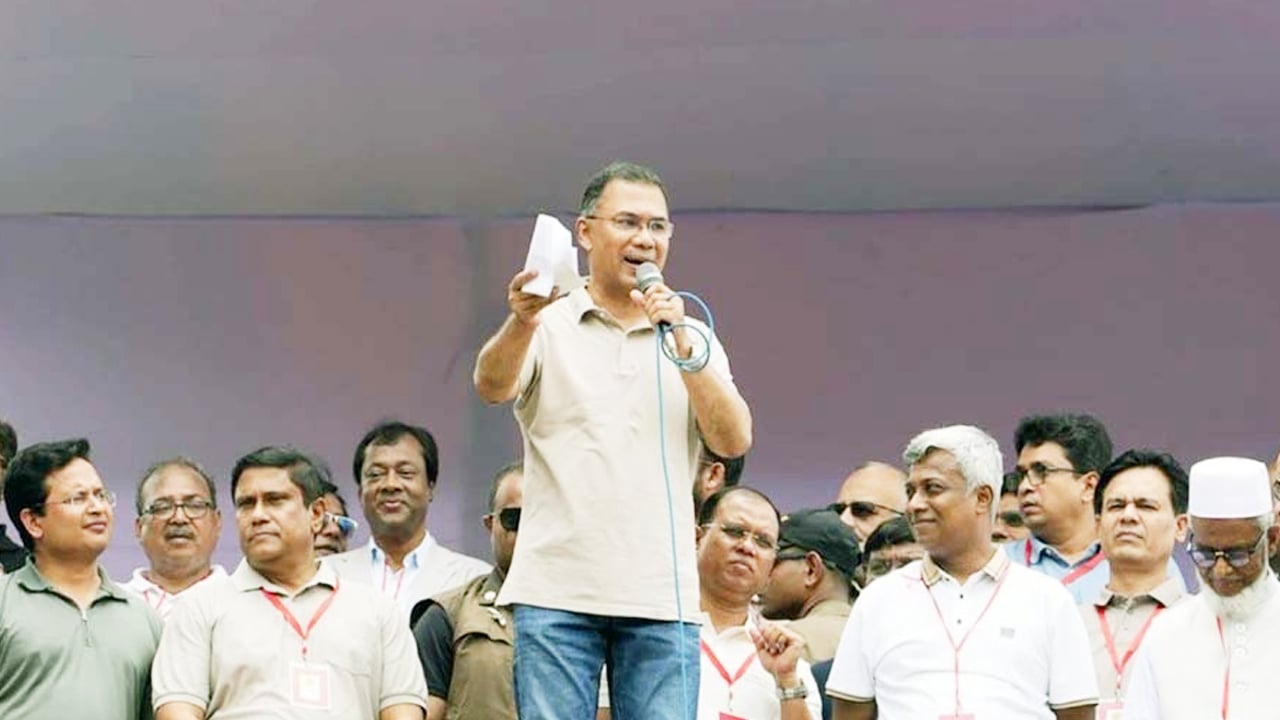
Prime Minister Tarique Rahman said a certain group is trying to obstruct Bangladesh’s progress by spreading fear and confusion. Speaking as the chief guest at a public rally organized by the Jessore District BNP at the central Eidgah on Monday, he stated that similar attempts to mislead people were made in 1971 and 1996. He emphasized that while some spread confusion, his government remains focused on nation-building, backed by the people’s trust. Earlier in the day, Rahman inaugurated the re-excavation of the historic Ulashi-Jadunathpur canal in Sharsha upazila and laid the foundation stone for a 500-bed hospital near Jessore Medical College. He reaffirmed his commitment to implementing the July Charter and highlighted several initiatives, including family cards for women, free education for girls up to the graduate level, LPG cards for households, and honorariums for religious leaders. He also announced the waiver of agricultural loans up to ten thousand taka and plans to reopen closed factories to create jobs. Rahman said these measures aim to improve livelihoods, empower women, and ensure food self-sufficiency through agricultural development.
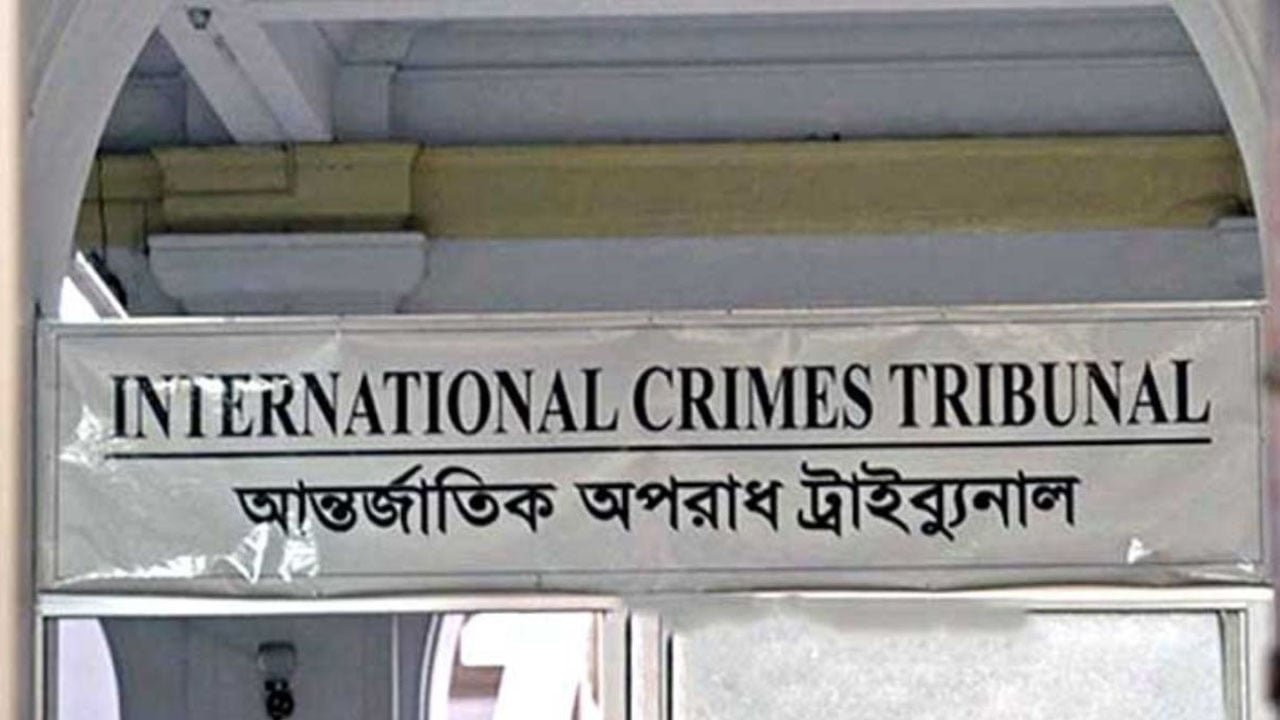
At the International Crimes Tribunal-1 in Dhaka, Nargis Akter, aunt of slain Rita Akter, gave her testimony as the eighth witness in the case against Sheikh Hasina’s adviser Salman F Rahman and former law minister Anisul Huq. The tribunal, chaired by Justice Golam Murtuza Mojumdar, heard her account of the events during the July Revolution-related unrest. Nargis stated that on August 5, 2024, during the quota reform movement near Mirpur-2 Stadium, her niece Rita was shot in the back of the head and died on the spot. She testified that Awami League supporters and police opened fire during the protest. Nargis said she took Rita to Suhrawardy Hospital, where doctors declared her dead, and later buried her in Joypurhat. She held Sheikh Hasina, Obaidul Quader, Foreign Minister Hasan Mahmud, Anisul Huq, and Salman F Rahman responsible for the killing, claiming she heard they were close to Hasina. Nargis demanded justice for her niece’s death. The tribunal proceedings are part of ongoing trials concerning crimes against humanity allegedly committed during the July Revolution period.
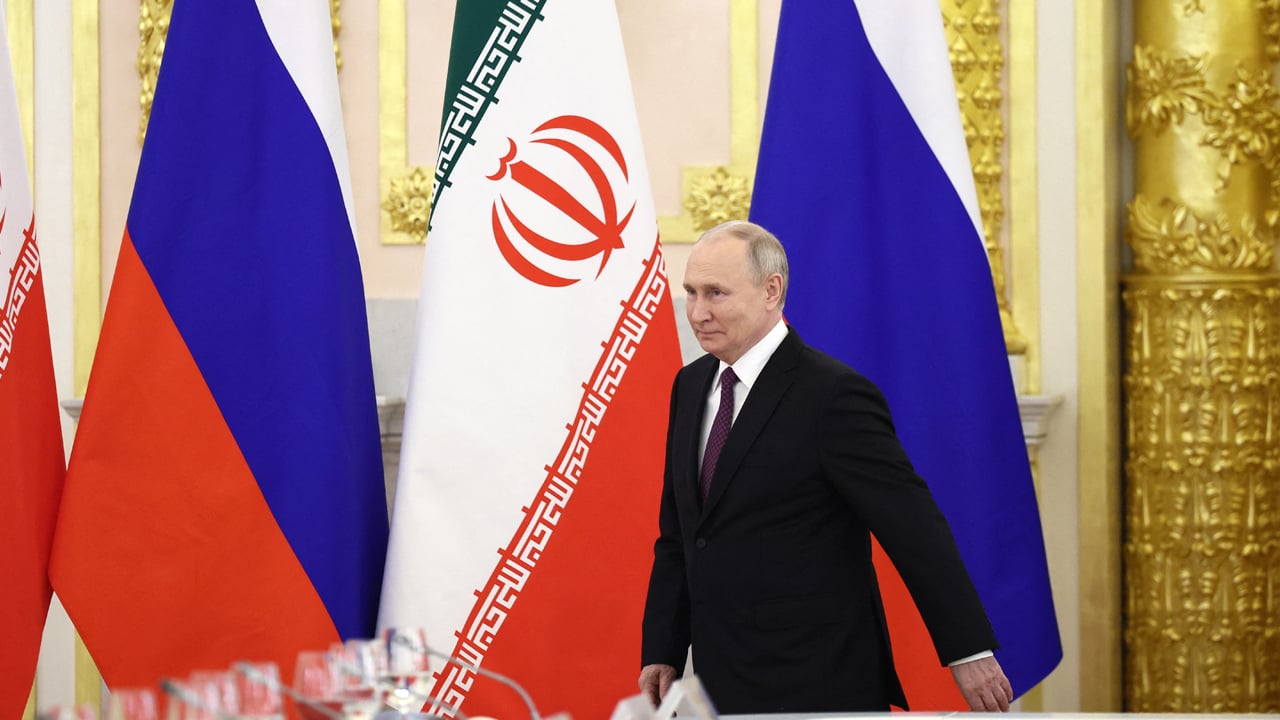
Russian President Vladimir Putin and Iranian Foreign Minister Abbas Araghchi held a special meeting, according to reports from Russian state media cited by Al Jazeera. During the talks, Putin said Russia would do everything necessary to establish peace as quickly as possible in the interests of Iran and the region’s people. He expressed hope that the Iranian people would draw strength from their courage and desire for independence to overcome current difficulties and achieve peace. In response, Araghchi thanked Moscow for its support and praised the relationship between Russia and Iran, expressing optimism that bilateral ties would continue to strengthen. He reaffirmed Iran’s determination to continue resisting the United States, saying the Iranian people had proven their ability to withstand American aggression through resilience and bravery. The meeting underscored the growing alignment between Moscow and Tehran amid regional tensions, with both sides emphasizing mutual support and shared opposition to US influence.
Channel One, a popular Bangladeshi news channel shut down 16 years ago, resumed broadcasting on Monday evening, April 27, 2026. The channel had been closed in 2010 under orders from the then executive authority, allegedly due to political retaliation against its critical reporting. The relaunch was announced at a press conference held the previous Sunday at Hotel Westin in Dhaka, where the management confirmed the return to air at 6:57 p.m., the same time it was originally shut down. At the press conference, Managing Director Gias Uddin Al Mamun recalled that Channel One began operations on January 24, 2006, emphasizing news neutrality and public welfare. He stated that the channel’s commitment to questioning power led to its popularity and eventual closure. The management credited the Supreme Court’s suspension of the 2010 Bangladesh Telecommunication Regulatory Commission decision on February 24 of the previous year for clearing the final legal barriers to resuming broadcast. Channel One’s leadership pledged to maintain editorial neutrality, objectivity, and courage in its renewed operations, aiming to rebuild audience trust and popularity.

The ‘1 Nojor’ media platform is now live in beta, inviting users to explore and provide feedback as we continue to refine the experience.