

The ‘1 Nojor’ media platform is now live in beta, inviting users to explore and provide feedback as we continue to refine the experience.
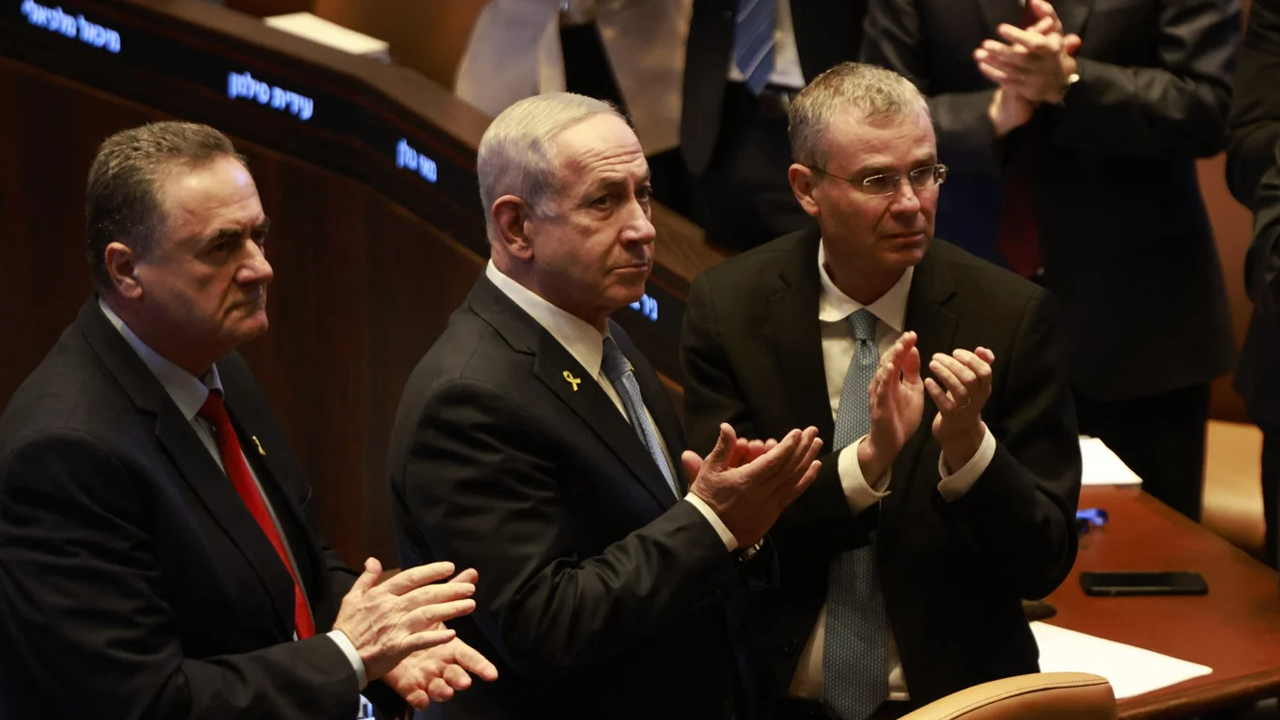
A group of 71 British lawmakers and peers from multiple parties have urged the UK government to impose sanctions on Israeli Prime Minister Benjamin Netanyahu and Justice Minister Yariv Levin. In a letter to Foreign Secretary Yvette Cooper, they cited systematic and well-documented abuse of Palestinian civilians by Israeli forces. The letter, led by Labour MP Neil Duncan-Jordan, included signatures from 30 Labour MPs and seven members of the House of Lords. The lawmakers argued that previous sanctions on Israeli ministers Itamar Ben-Gvir and Bezalel Smotrich had little effect on Israel’s treatment of Palestinian detainees, and that impunity had worsened the situation. They referenced a UN report describing torture, forced displacement, and deprivation as part of Israel’s control over Palestinians. The letter also mentioned Netanyahu’s praise for the withdrawal of a rape case against Israeli soldiers and the detention of British citizens during the blockade of a Gaza-bound aid flotilla. A UK Foreign Office spokesperson called reports of prisoner mistreatment “deeply shameful” and urged Israel to allow Red Cross access to Palestinian detainees and investigate all torture allegations.
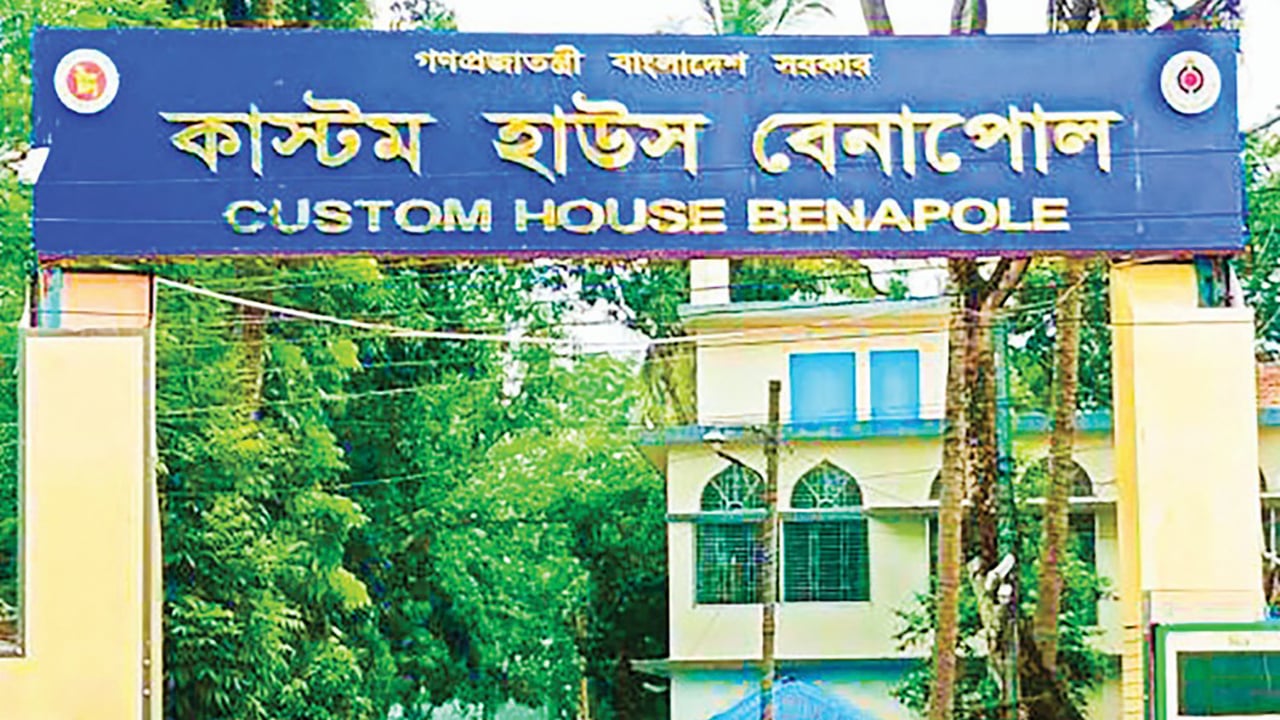
Revenue collection at Benapole Customs House, the country’s largest land port, fell drastically in the 2025–26 fiscal year. Against a government target of Tk 11,290 crore, only Tk 6,559 crore was collected, leaving a shortfall of Tk 4,731 crore. Import and export activities also declined significantly, with total imports dropping by about 197,000 tons compared to the previous year. Officials and traders attributed the revenue slump to reduced imports, global trade slowdown, foreign currency shortages, changes in tariff structures, and irregularities. Imports of high-duty items such as industrial raw materials, electronics, machinery parts, and chemicals fell sharply, directly cutting customs and VAT income. Business leaders said daily truck movements for both imports and exports have nearly halved compared to the previous year. Customs authorities stated that investigations into weight-scale manipulation and other irregularities are ongoing, with legal actions already initiated in some cases. Stakeholders emphasized that improved digital monitoring, transparency, and anti-corruption measures could help restore revenue performance.
Bangladesh’s overall inflation rate declined slightly in June 2026, standing at 9.16 percent on a point-to-point basis, according to data released by the Bangladesh Bureau of Statistics (BBS) on Monday. This marks a 0.26 percentage point drop from May’s 9.42 percent, though inflation has remained above 9 percent for three consecutive months. In March, the rate was 8.71 percent. The BBS report shows that both food and non-food inflation decreased in June. Food inflation fell to 8.60 percent from 9.06 percent in May, while non-food inflation eased to 9.61 percent from 9.71 percent. Inflation declined in both rural and urban areas, with rural inflation at 9.23 percent and urban inflation at 9.01 percent. Analysts attribute the persistent high inflation to rising prices of essential goods and fuel, which continue to pressure low- and middle-income households. BBS data also indicate that the 12-month average inflation from July 2025 to June 2026 was 8.68 percent, down from 10.03 percent in the previous year, suggesting a modest improvement in annual inflation trends.
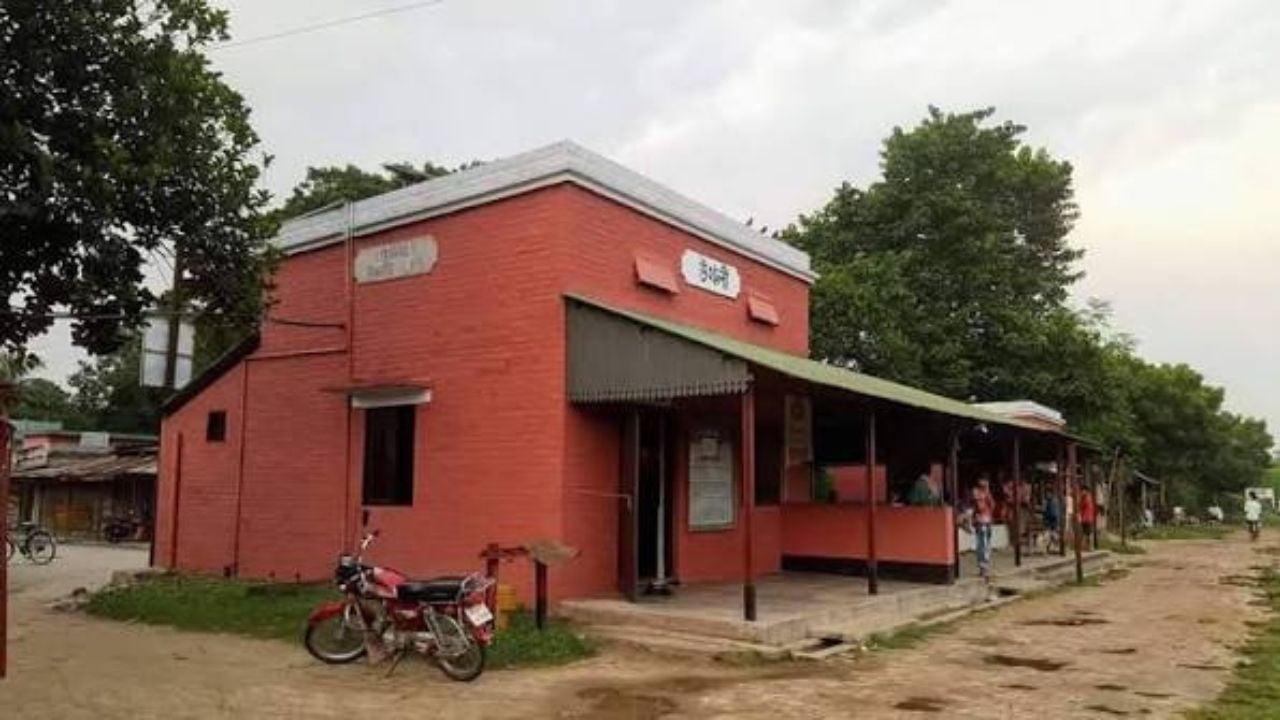
A 31-year-old man named Ariful Islam died after being hit by a train at Uthli Railway Station in Jibannagar upazila of Chuadanga district on Monday afternoon. The incident occurred around 3:30 p.m. when the Chilahati-bound Rupsha Express train passed the western end of the platform, cutting him under the wheels. Police later recovered the body and sent it to Chuadanga Sadar Hospital morgue for autopsy. According to local sources, Ariful Islam, son of Khoybor Ali from Neeler Kuti village in Rajarhat upazila of Kurigram, had been seen wandering around the station area for several days. Locals suspected he was mentally unstable. On the day of the incident, he was reportedly standing on the railway track when the train approached. Station Master Abu Sayeed confirmed the accident and said the authorities were immediately informed. Police stated that the body would be handed over to the family after completing legal procedures.
The initiative to introduce a single-point enlistment system for auditors and audit firms in Bangladesh has stalled, despite a target to implement it by January 15, 2026. According to the Financial Reporting Council (FRC), the delay stems from the absence of recommendations from the Insurance Development and Regulatory Authority (IDRA) and the NGO Affairs Bureau regarding special qualification requirements. FRC Chairman Sajjad Hossain Bhuiyan said the council has renewed its request to these agencies and will issue an order once their inputs are received. The single-point enlistment plan was approved during the interim government period to streamline the registration process under the FRC, eliminating the need for auditors to register separately with multiple regulatory bodies. Representatives from the FRC, Bangladesh Bank, BSEC, IDRA, NBR, MRA, NGO Bureau, ICAB, and ICMAB participated in the initial meeting that set the January 2026 deadline. While some agencies, including BSEC and Bangladesh Bank, have submitted their conditions, IDRA and the NGO Bureau have yet to respond. The FRC argues that the unified enlistment would reduce duplication, lower administrative costs, and save time for auditors and firms currently required to meet 33 conditions and submit 48 documents across different regulators.

An investigative report by The New York Times, cited in the article, describes how the Rashtriya Swayamsevak Sangh (RSS) helped bring the Bharatiya Janata Party (BJP) to power and supported Narendra Modi’s rise as India’s prime minister. The report and other international findings allege that the RSS promotes an ideology inspired by Hitler, undermines constitutional freedoms, and fosters anti-Muslim and anti-Christian sentiment. Multiple organizations, including the United Nations, Human Rights Watch, and Amnesty International, have documented growing religious discrimination, hate speech, violence, and restrictions on freedom of religion in India. Data from Pew Research Center and India Hate Lab show that Muslims face disproportionate levels of bias and hostility, with hate speech incidents increasing by 13 percent between 2024 and 2025. Human Rights Watch also recorded demolitions of Muslim homes and businesses and deportations of Indian citizens. Despite UN calls for stronger legal protections and accountability, the article notes little improvement. The author warns that India’s treatment of minorities affects regional stability and urges international dialogue to address the issue. The piece concludes that protecting all religious communities is essential for peace and prosperity across South Asia and calls for renewed commitment to secular and democratic principles.
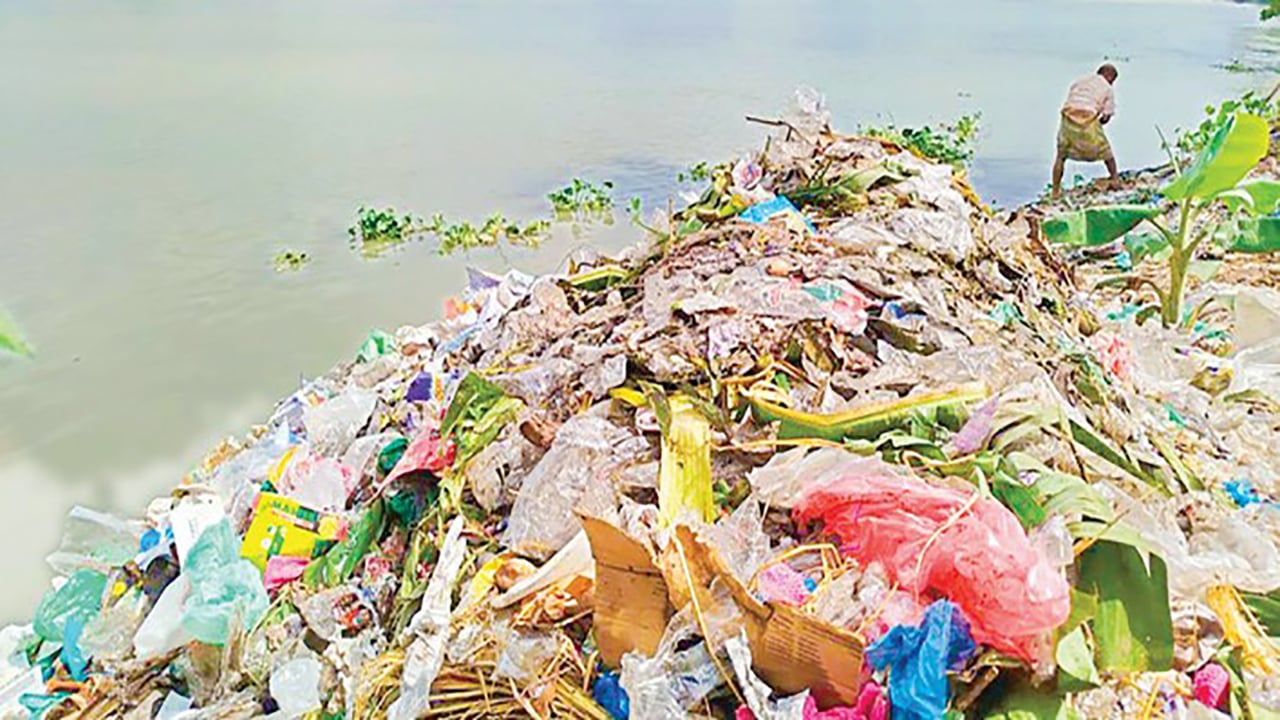
An article published on July 7, 2026, highlights the persistent problem of polythene bag use in Bangladesh despite existing legal bans. Under the Bangladesh Environment Conservation Act of 1995, the government has the authority to prohibit the production, import, and sale of environmentally harmful polythene and plastic materials. Although enforcement initially reduced usage after severe flooding in 2004, weak monitoring since 2008 has allowed illegal production and free distribution to return. The article notes that one-time-use polythene bags have become pervasive across cities and rural areas, clogging drains and polluting soil and waterways. Efforts by the interim government’s trade and environment advisers to promote jute bags have faced public resistance due to cost differences. The author argues that instead of maintaining a full ban, the government could impose high tariffs, taxes, and VAT on polythene bags so that their retail price exceeds 20–30 taka, discouraging use and encouraging consumers to switch to reusable jute alternatives. Such a policy could simultaneously reduce environmental damage and generate significant government revenue, similar to existing high-tax models on cigarettes and soft drinks.
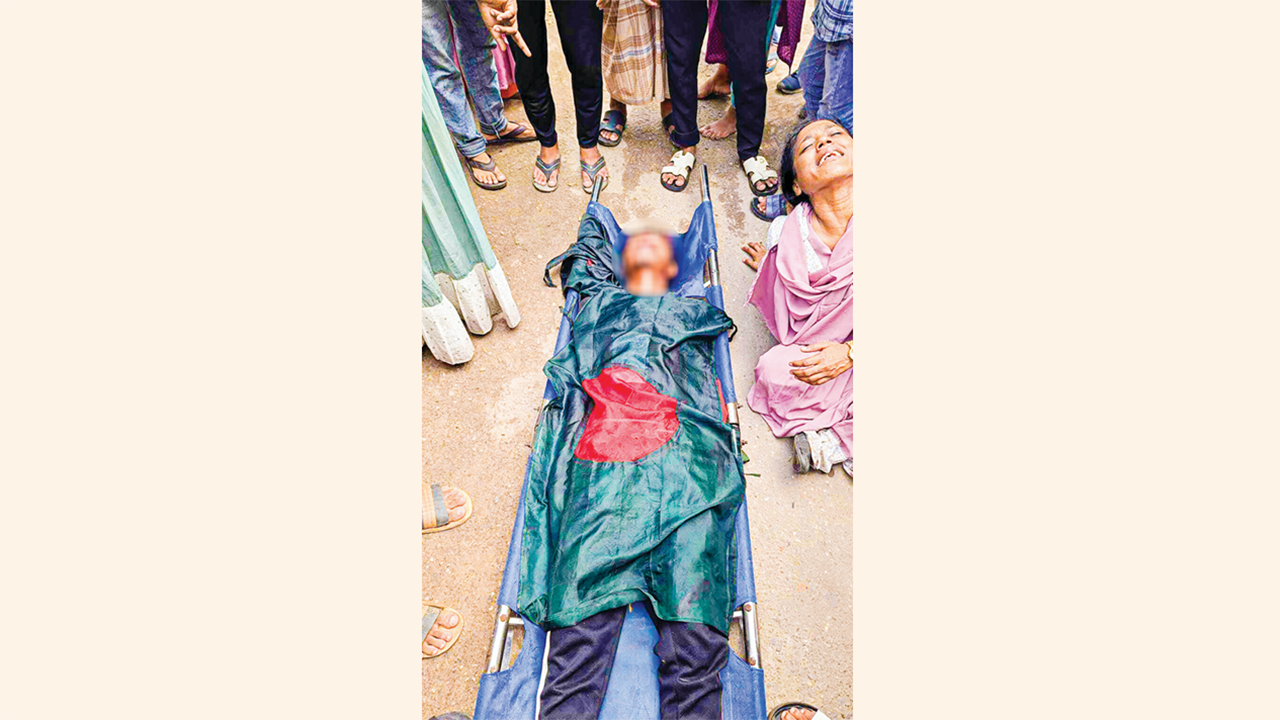
An opinion piece published on 7 July 2026 in the Bangladeshi daily *Amar Desh* reflects on the events of July 2024, when student protests demanding reform of the government job quota system spread across the country. The article describes how the movement, initially focused on fairness in recruitment, escalated after state suppression into a broader call for political change and the end of what it calls a mafia-style regime. The death of a protester named Abu Saeed on 16 July is portrayed as a turning point that intensified public participation. The writer recounts how the protests united people from all walks of life, with students, parents, and teachers joining in solidarity. The government’s use of force, resulting in casualties and widespread fear, is depicted as failing to silence the movement. The piece emphasizes the emotional toll on families and the enduring symbolism of July as a time of sacrifice and collective courage. It concludes that July represents a nation’s conscience, urging remembrance of those who died and continuation of their struggle for justice and equality.
Lebanese President Joseph Aoun is scheduled to visit the White House at the end of July to meet U.S. President Donald Trump. The visit aims to advance a framework agreement between Lebanon and Israel. Preparations for the trip began after a 17-minute phone conversation between the two leaders, which Aoun described as positive. He confirmed the plan in an interview with Lebanon’s daily An-Nahar. Aoun acknowledged that the framework deal with Israel is not ideal but said it reflects the current balance of power in southern Lebanon, which favors Israel. He emphasized that the agreement is only a framework, not a final treaty, and warned against betting on divisions within the Lebanese army. Aoun stated that the deal would not halt Lebanon’s struggle to reclaim occupied territories. The president added that a pilot security deployment will begin in Zawtar, Nabatieh district, where Lebanese forces will assume control of certain towns as Israeli troops gradually withdraw. He also noted that U.S. Secretary of State Marco Rubio was asked to ensure Lebanese control over the nearby Ali al-Taher mountain, a proposal reportedly accepted by Israeli Prime Minister Benjamin Netanyahu.

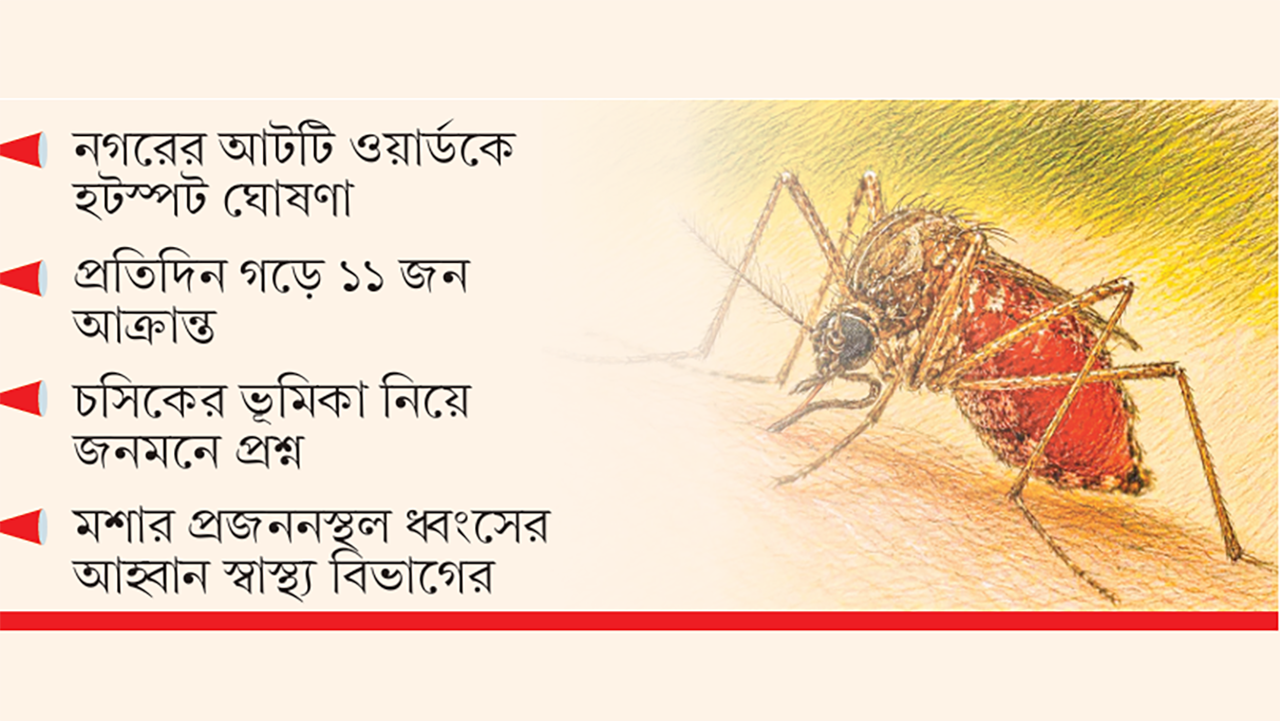
Dengue infections in Chattogram have risen sharply, with an average of 11 new cases daily. In the first five days of July alone, 57 people were infected, including 18 in a single day. The divisional health director’s office has identified eight city wards as high-risk dengue hotspots, where one in every four houses contained Aedes mosquito larvae. The survey found that 70–80 percent of the larvae were of the Aedes aegypti species, the primary dengue carrier. Residents have expressed concern over inadequate mosquito control, alleging irregular spraying of insecticides across the city’s 41 wards. In response, the Chattogram City Corporation (CCC) and the district civil surgeon’s office stated that dengue corners have been set up in all government hospitals, with increased test kits and beds. The CCC claimed that spraying is being conducted daily across seven zones with upgraded equipment and additional manpower. Health officials have urged citizens to destroy mosquito breeding sites at home. The divisional health director confirmed that coordinated action plans are underway to strengthen mosquito control and ensure effective treatment at the upazila level.
An alleged attack on Sajib, president of the Satutia Union unit of the Jhalakathi Rajapur Chhatra Dal, took place on the night of July 6 at Lebubunia market. According to reports, Sajib, his elder brother Babul, and another person named Kaif were injured when a group of 10–12 people armed with sharp weapons attacked them. Sajib was admitted to Rajapur Upazila Health Complex, while the others received primary treatment. Local sources said the attackers, led by Sohel Akon, Shamim Akon, and Afzal along with his brothers Faisal and Solaiman, had long been involved in drug trading in the area. The clash reportedly began after Sajib and locals protested against their activities, leading to a heated argument that later escalated into violence. Afzal denied the allegations, claiming the dispute stemmed from a business issue involving coconuts. Rajapur police said they had received verbal information about the incident and would take legal action upon receiving a written complaint.
Seven years after the brutal murder of Feni madrasa student Nusrat Jahan Rafi, the High Court has yet to complete the hearing of the death reference and appeals of 16 convicts sentenced to death. Although the trial court delivered its verdict in just 61 working days in October 2019, the final judicial process remains stalled. The case documents were sent to the High Court in October 2019, but repeated bench changes and procedural delays have prevented completion of the hearing. In December 2024, a new bench began hearing the case, completing arguments for seven convicts before proceedings were again interrupted. In June 2026, Chief Justice Zubayer Rahman Chowdhury formed a special bench to expedite death reference cases, including Nusrat’s. The case is currently listed for hearing, but lawyers cannot confirm when it will resume. Nusrat’s family continues to live under police protection and expresses frustration over the prolonged delay. Prosecutors warn that such delays could embolden offenders, urging swift completion and execution of the verdict to ensure justice.

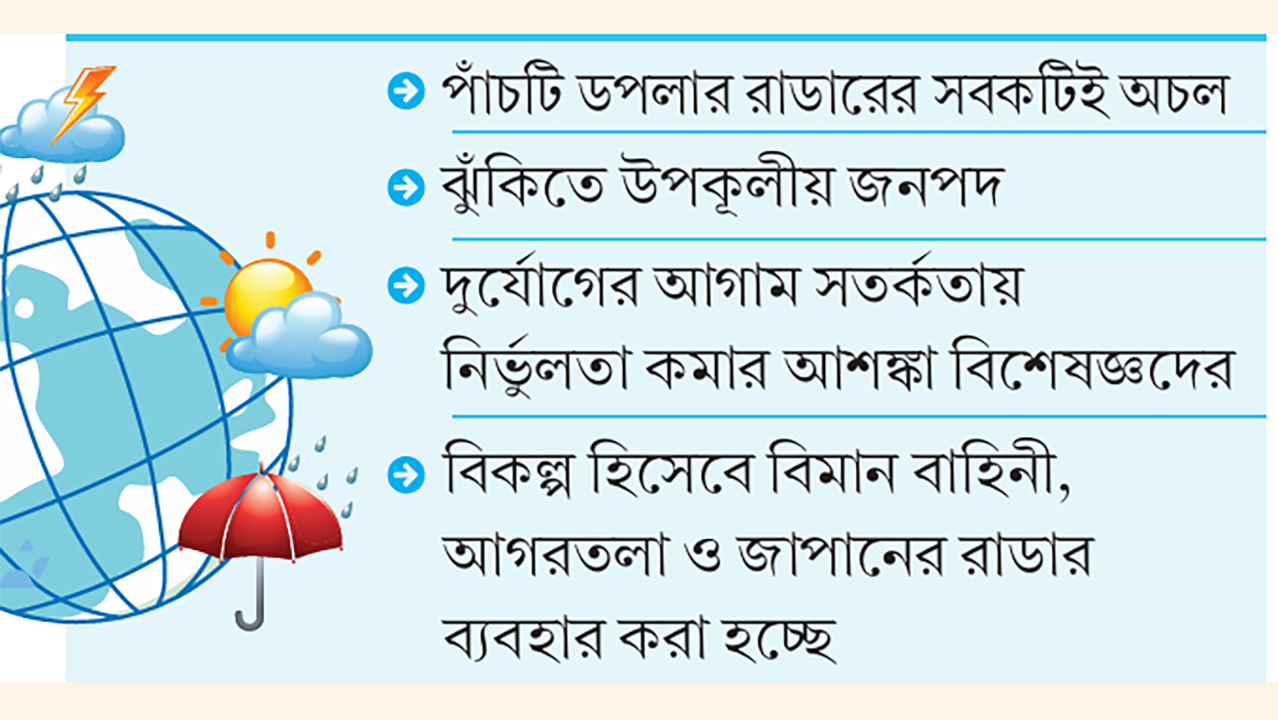
The Bangladesh Meteorological Department, the country’s main source for early disaster warnings, is facing a severe operational crisis as all five of its Doppler radar stations are currently out of service. The radars located in Dhaka, Cox’s Bazar, Khepupara, Rangpur, and Moulvibazar have become nonfunctional due to technical faults, expired components, and lack of maintenance. Experts warn that this situation could significantly reduce the accuracy of real-time forecasts during cyclones, heavy rainfall, and other natural disasters. Officials from the department claim that they are using alternative data sources, including radars from the Air Force, India’s Agartala, and Japan, as well as satellite imagery, to continue monitoring weather conditions. Repairs are underway for the Rangpur and Dhaka radars, with expectations of partial restoration by July 9. The remaining radars are planned to be replaced under a JICA-funded project. Experts emphasize that a functional radar network is vital for Bangladesh’s disaster preparedness and public safety. They urge the government to establish a sustainable maintenance system to prevent future disruptions in early warning capabilities.
French captain Kylian Mbappé has strongly condemned Paraguayan senator Celeste Amaria for making racist remarks about him following Paraguay’s exit from the World Cup. After France defeated Paraguay 1–0 in the round of 16 through Mbappé’s penalty goal, Amaria posted on social media calling him a “Cameroonian colonial man” and a “barbarian,” even suggesting that Paraguayan players should have physically confronted him. Mbappé responded sharply, calling Amaria a hateful person unworthy of her position and saying her comments tarnished Paraguay’s image. The French Football Federation (FFF) also denounced the senator’s statements as “vile, hateful, and completely unacceptable.” In an official statement, the FFF expressed solidarity with Mbappé, the French team, and all victims of racism. The federation announced it would file a formal complaint with the prosecutor’s office to initiate legal proceedings against Amaria. France emphasized that such remarks insult not only an individual player but the entire nation, urging stronger international action against racism in football.

Hamas has announced its decision to dissolve the civilian administration it has maintained in Gaza for nearly 20 years. The group stated that all administrative responsibilities will be transferred to a new body called the National Committee for the Administration of Gaza. If implemented, this move would mark a major shift in Gaza’s governance structure. Despite the announcement, Israeli airstrikes across the Gaza Strip continued on Monday, with at least six Palestinians reported killed, including a couple whose apartment was struck by a rocket. The declaration has raised several questions about how the new committee will be formed, who will oversee it, and whether it will gain international and public legitimacy. These issues are expected to play a central role in any post-war discussions or agreements regarding Gaza’s future. The announcement signals Hamas’s willingness to step back from direct governance, though it remains unclear whether this represents a genuine transfer of power or a tactical move linked to ongoing ceasefire negotiations. For ordinary Gazans, the political uncertainty continues amid relentless airstrikes, displacement, and a deepening humanitarian crisis that no political proposal has yet resolved.

The ‘1 Nojor’ media platform is now live in beta, inviting users to explore and provide feedback as we continue to refine the experience.