

The ‘1 Nojor’ media platform is now live in beta, inviting users to explore and provide feedback as we continue to refine the experience.
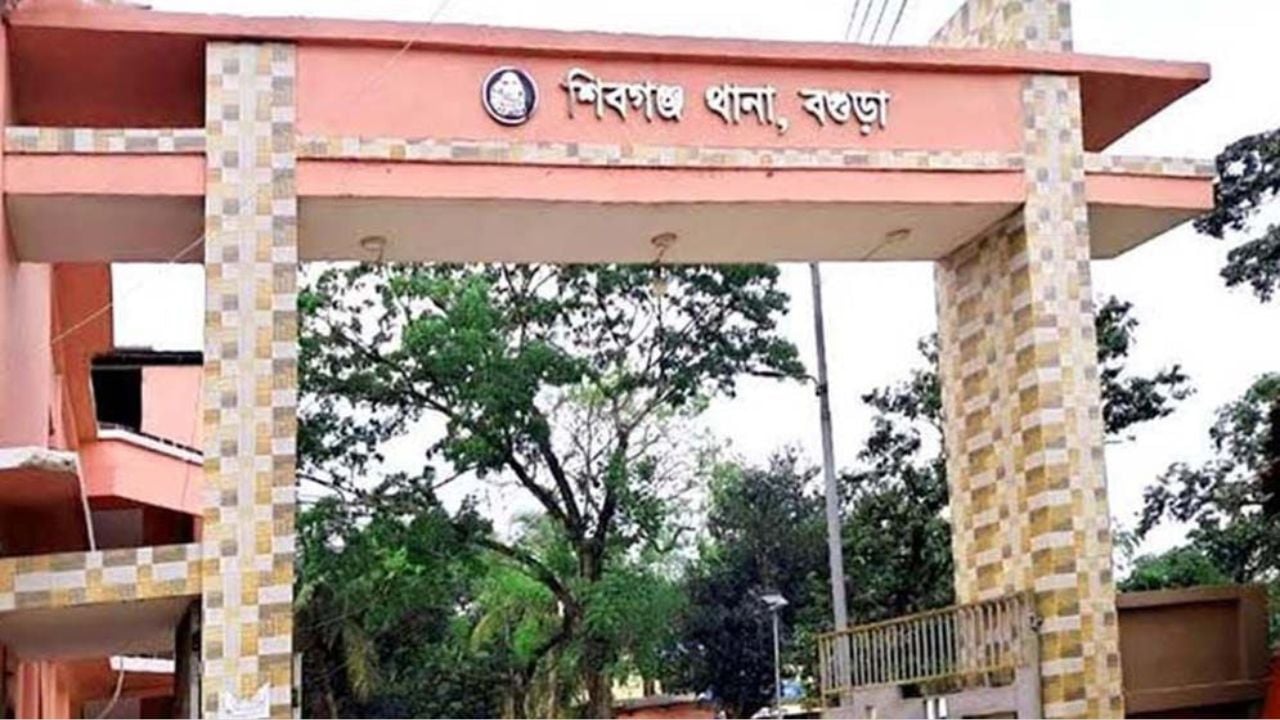
An elderly rice mill owner was brutally murdered inside his mill in Shibganj upazila of Bogura between Sunday midnight and early Monday. The victim, Mohammad Ali, aged 70, was found with his hands, feet, and mouth tied, and his body bore multiple stab wounds and severe head injuries. After the killing, the assailants stole three electrical transformers from the mill and fled the scene. The incident occurred in the Phulthola area of Feni village. Local residents discovered the crime on Monday morning and informed the police, who recovered the body and sent it to Shaheed Ziaur Rahman Medical College Hospital morgue for autopsy. The murder has sparked anger and shock across the area. According to Shibganj police, initial investigation suggests that Mohammad Ali might have recognized the thieves or tried to stop them from stealing the transformers, leading to his murder. Police are working to identify and arrest those involved.
On July 7, 2024, Bangladesh witnessed widespread disruption as students across the country enforced a 'Bangla Blockade' demanding the abolition of the quota system in government jobs. The protest, entering its seventh day, saw demonstrators shift from four demands to a single demand: eliminating discriminatory quotas across all grades and legislating minimal quotas only for underprivileged groups. Major intersections in Dhaka, including Shahbagh, Science Lab, and Nilkhet, were blocked, paralyzing traffic. Student coordinators were briefly called for talks by government representatives but later reaffirmed their stance against further dialogue. Prime Minister Sheikh Hasina stated that the quota issue was sub judice and should be resolved by the High Court, while senior Awami League leaders echoed that the matter was under judicial consideration. Former Education Minister Mohibul Hasan Chowdhury suggested examining whether any conspiracy lay behind the movement. Student groups announced continuation of the blockade and class boycotts nationwide, with demonstrations spreading to universities in Chattogram, Rajshahi, Mymensingh, Barishal, Sylhet, and Kushtia, signaling an intensifying standoff between protesters and the government.

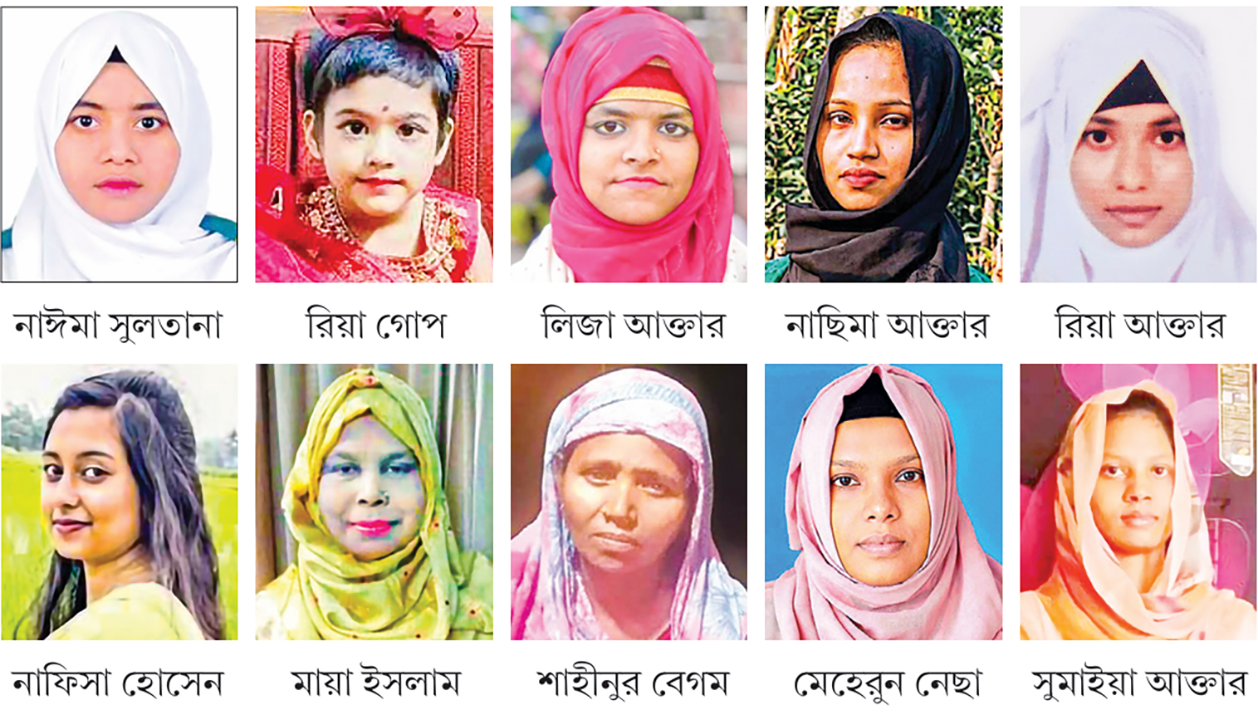
The July uprising in Bangladesh is remembered not only for the student and public protests but also for the sacrifices of women who played vital roles on the streets, in caregiving, and in communication. According to the official gazette, ten women and children were among those killed during the movement. Their stories reflect the human cost of the struggle against what the report calls a fascist regime, with victims including students, workers, homemakers, and a domestic worker. Among them were 15-year-old Naima Sultana, shot while standing on her balcony in Uttara; six-year-old Riya Ghosh, killed in Narayanganj; and 17-year-old Nafisa Hossain Marwa, who died during a protest march in Savar. Others include Sumaiya Akter, Shahinur Begum, Liza Akter, Nasima Akter, Rita Akter, Maya Islam, and Meherun Nesa Tanha. Each story portrays a personal tragedy intertwined with the national democratic movement. Families of the victims said these women and children represent enduring symbols of courage and sacrifice. They called for the state to preserve their memory, recognize their martyrdom, and ensure justice as part of the nation’s democratic and humanitarian commitment.
Several members of Bangladesh Jamaat-e-Islami have recently faced criticism over alleged misuse of government allocations and benefits, prompting the party to issue strict disciplinary directives. Incidents involving MPs and local leaders—such as favoritism in distributing bicycles and inclusion of family members in aid lists—have sparked public debate and embarrassment for the party. In response, Jamaat has strengthened internal discipline, removed some officials, and instructed MPs to avoid conflicts of interest. Party leaders, including Secretary General Mia Golam Porwar, argue that some controversies stem from inexperience among new MPs and media exaggeration. They claim that rival political groups and certain media outlets are amplifying minor mistakes while ignoring larger issues in other parties. The leadership has initiated training programs and issued written guidelines urging MPs to act with integrity, transparency, and accountability. Analysts cited in the report note that Jamaat’s rapid expansion as a parliamentary opposition has increased scrutiny. They suggest that while disciplinary measures are positive, the party must remain cautious to preserve public trust and organizational stability.

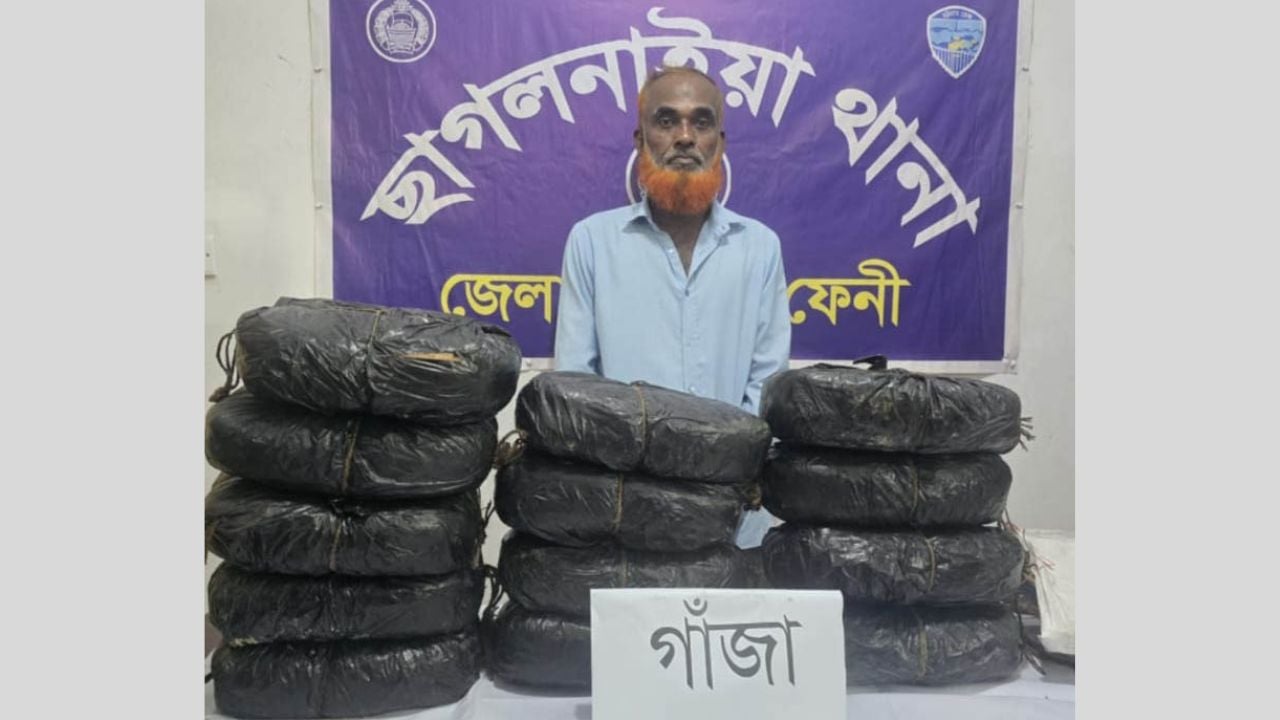
Law enforcement agencies in Chhagalnaiya upazila of Feni conducted two separate operations that led to the seizure of 26 kilograms of cannabis and eight liters of locally brewed liquor. Two suspected drug dealers were arrested during the raids. On Monday evening, a team from the Department of Narcotics Control (DNC) in Feni carried out an operation near Dumghat Bridge in Ghopal Union, where they arrested Md. Sabbir Ahmed Sabuj, 32, and recovered eight liters of liquor. A regular case has been filed under the Narcotics Control Act. Earlier, on Sunday, police from Chhagalnaiya Police Station detained Nurul Amin Siddiqui, 50, in the Muhuriganj Bazar area of Ghopal Union. Officers recovered 26 kilograms of cannabis and seized a private car allegedly used for drug transport. Police confirmed that legal action has been taken against the detainee. Authorities stated that such anti-drug operations will continue as part of ongoing efforts to curb narcotics trafficking in the region.
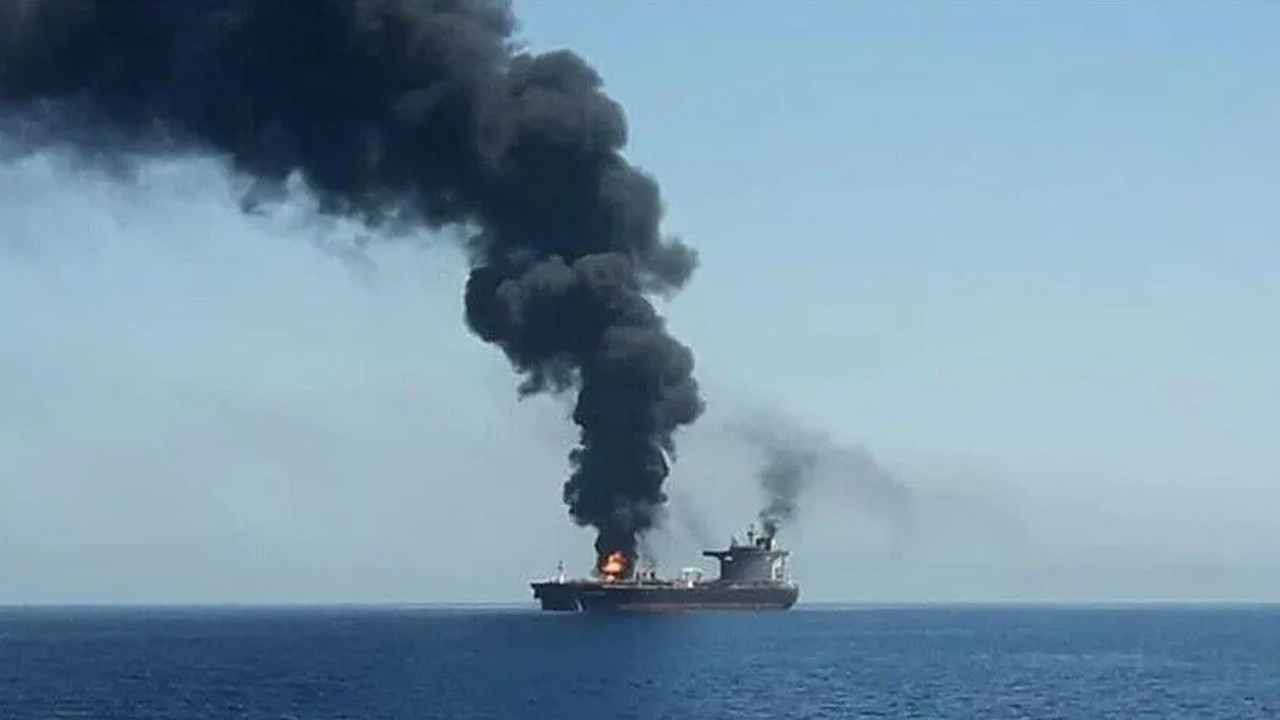
A missile attack struck an oil tanker near the coast of Lima, Oman, causing a fire onboard, according to the United Kingdom Maritime Trade Operations (UKMTO). The incident occurred eight nautical miles east of Lima while the vessel was heading south. UKMTO confirmed that the missile hit the port side of the tanker. Authorities reported no casualties or environmental damage from the attack. The cause and source of the missile strike have not been disclosed. Officials have launched an investigation into the incident to determine further details. The UKMTO continues to monitor the situation as maritime security agencies assess potential risks in the area.
The US Department of Energy reported that the country’s Strategic Petroleum Reserve has dropped by 6.2 million barrels to 319.5 million barrels, marking its lowest level since April 1983. The decline is part of an agreement involving the withdrawal of a total of 172 million barrels from the reserve. According to Al Jazeera, the global energy market continues to feel the effects of the closure of the Strait of Hormuz during wartime. Nearly one-fifth of the world’s oil supply passes through this crucial maritime route, making its disruption highly significant for global energy stability. Following the signing of a memorandum of understanding between the United States and Iran, indirect talks have begun in Qatar. As a result, the Strait of Hormuz is gradually reopening to shipping, with discussions emphasizing the importance of maintaining normal maritime operations.
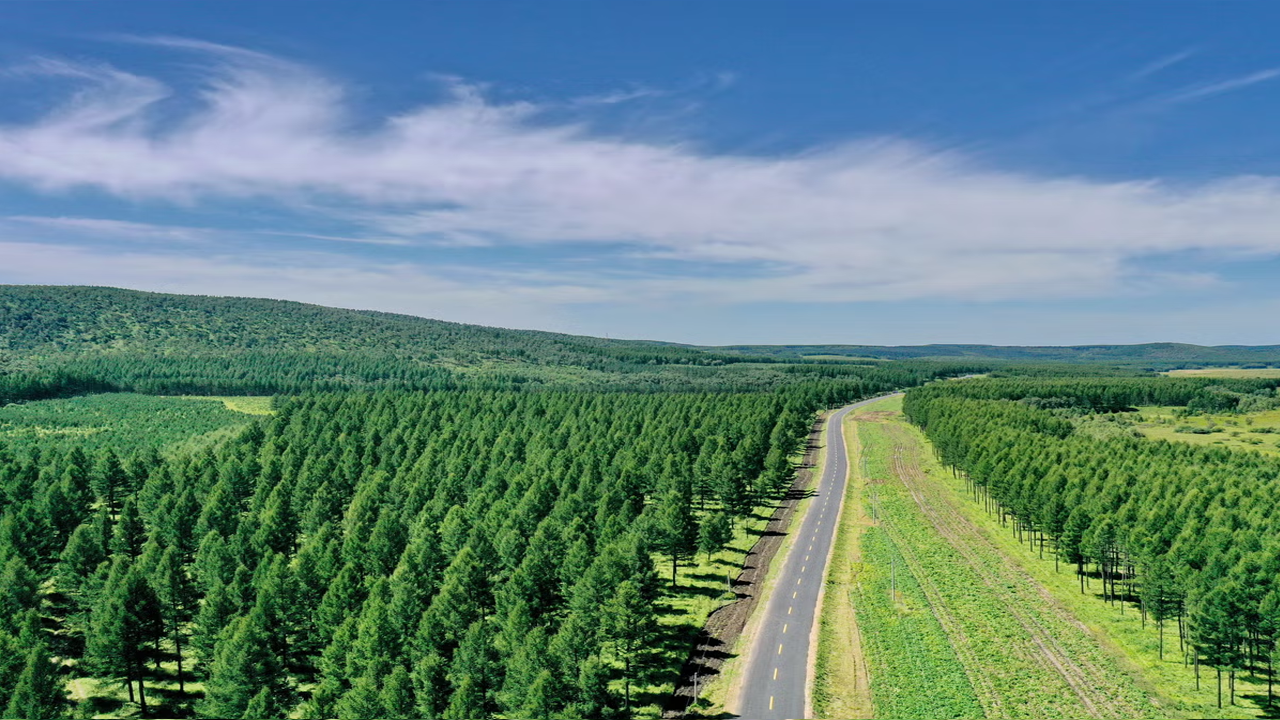
China has planted more than 66 billion trees since 1978 under its Great Green Wall project, aimed at halting the spread of the Gobi and Taklamakan deserts. A recent study found that these planted trees are growing faster than natural forests and play a major role in carbon absorption, helping to maintain environmental balance. The government plans to plant an additional 34 billion trees by 2050 as part of the long-term afforestation effort. Researchers discovered that the planted trees’ leaf area expanded 66 percent faster than that of natural forests, based on satellite data measuring the leaf area index, a key indicator of canopy density and carbon uptake. The study suggests that human-managed forests, often containing fast-growing species such as eucalyptus and poplar, benefit from controlled conditions like pruning and fertilization, which reduce competition for water and nutrients. However, scientists noted that the rapid growth of planted trees slows after 30 to 40 years, making their carbon absorption benefits temporary. In contrast, natural forests grow more steadily and provide longer-term carbon storage and ecological resilience.
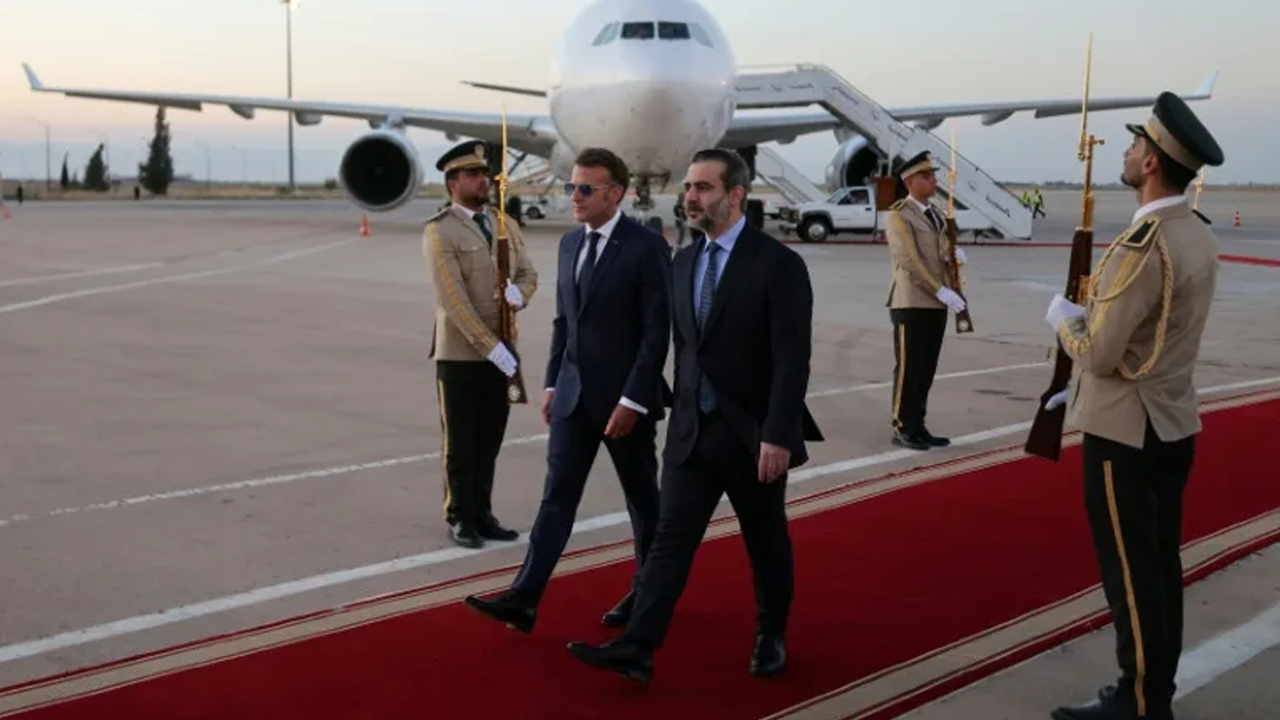
French President Emmanuel Macron arrived in Damascus on Monday, marking the first visit by a Western European head of state to Syria since the country’s new government took power in 2024. The trip, confirmed by AFP, is scheduled to conclude on Tuesday. According to the French presidency, Macron intends to express support for a free and pluralistic Syria that respects all its components and contributes to easing tensions in the Middle East. Syria’s Foreign Minister Asad al-Shaibani welcomed Macron upon arrival. The visit comes as President Ahmed al-Shara, who replaced long-time ruler Bashar al-Assad after his ouster in December 2024, seeks to restore Syria’s international image and revive its fragile economy. The last French presidential visit to Syria occurred in 2009 under Nicolas Sarkozy, before relations deteriorated following Assad’s violent crackdown on pro-democracy protests in 2011. Syria’s state news agency SANA described Macron’s visit as a crucial step in restoring the country’s international presence and beginning a new era of balanced partnership between Syria and France.
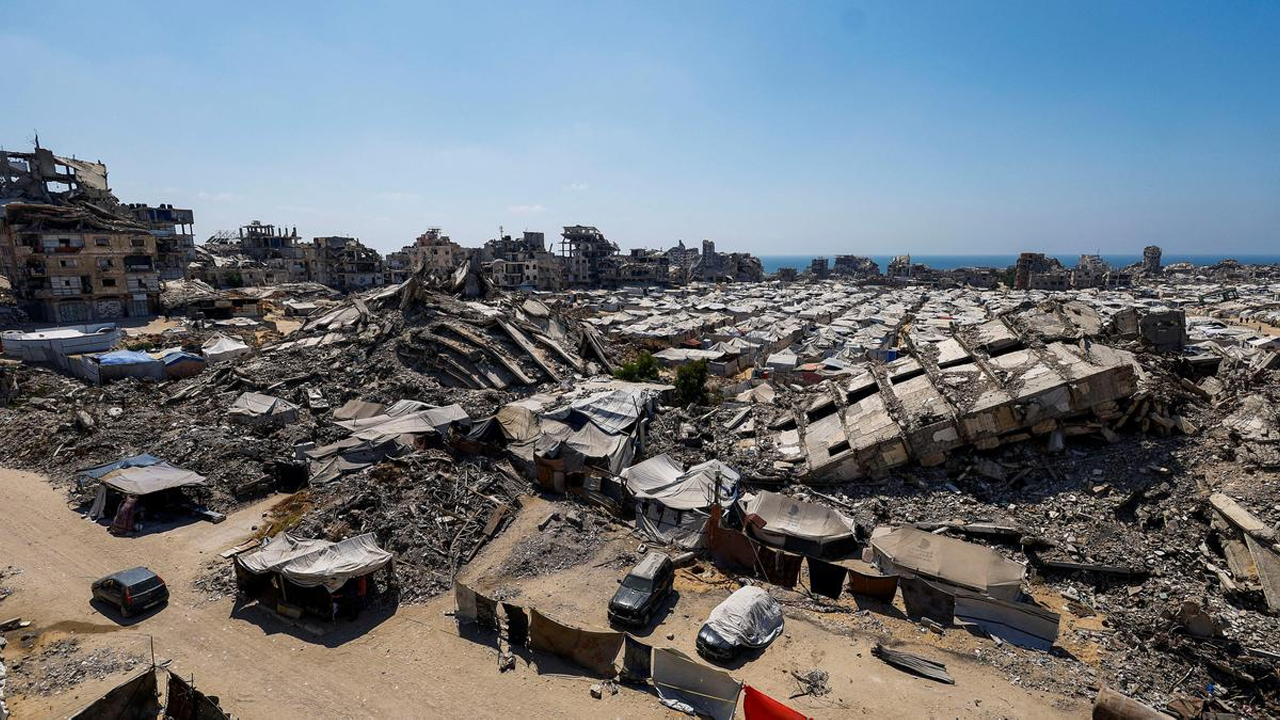
The United Nations has formally welcomed Hamas’s decision to dissolve its long-standing administrative committee that has governed the Gaza Strip for nearly two decades. The announcement was made after Hamas decided to dismantle the governing body responsible for managing Gaza’s internal affairs. UN Secretary-General’s spokesperson Stéphane Dujarric said in a statement that the organization welcomes any step contributing to the implementation of ceasefire agreements and advancing the objectives of relevant Security Council resolutions. He added that the UN continues to support efforts to establish a unified Palestinian governance structure under the Palestinian Authority. According to the statement, the UN views the move as a positive development toward political unity and stability in the Palestinian territories, aligning with international efforts to sustain peace and reconstruction in Gaza.
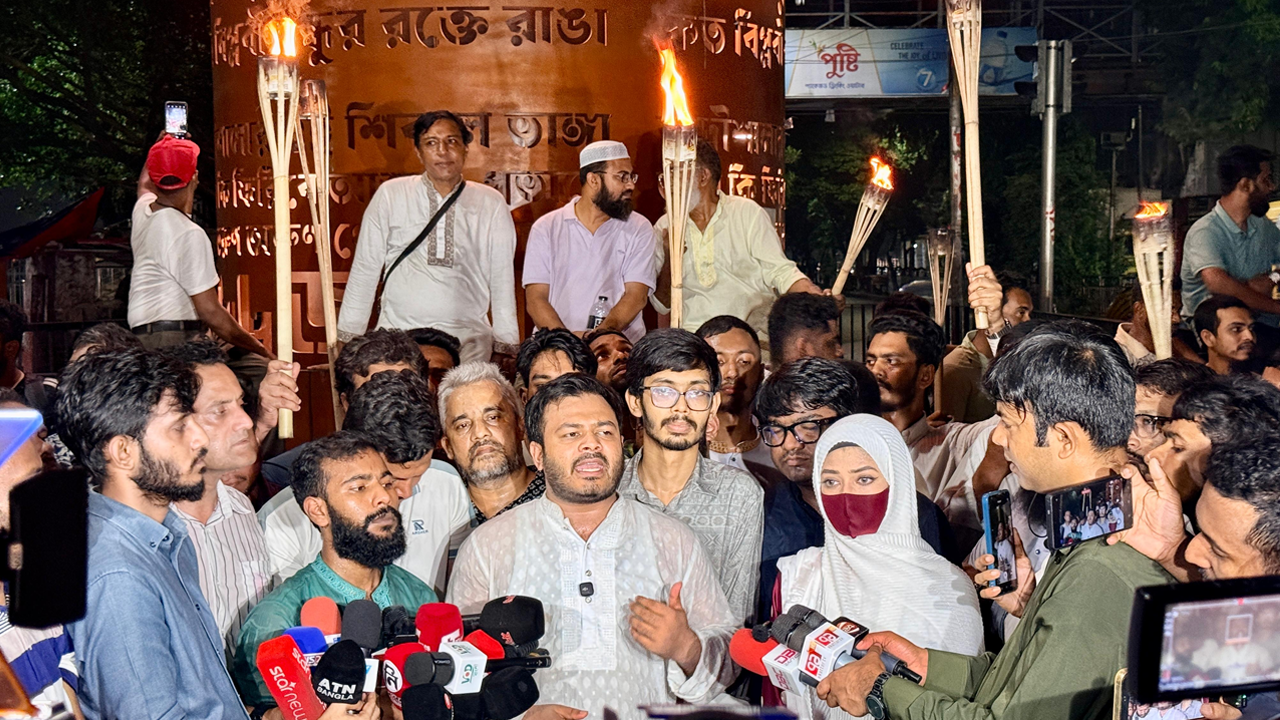
The Dhaka North unit of the National Citizen Party (NCP) organized a torch procession in the capital on Monday night to protest a bomb attack on the party’s rally in Savar. The procession began around midnight in front of the NCP central office at Banglamotor and ended at Shahbagh after parading through several city streets. A brief rally was held at the base of the July Memorial in Shahbagh, where senior joint convener and Dhaka North convener Ariful Islam Adib addressed participants. NCP joint member secretary Zainal Abedin Shishir, joint chief coordinator Arifur Rahman Tuhin, and other leaders and activists from the Dhaka North unit joined the procession. After the rally, party leaders demanded justice for the Savar attack and called for effective measures to prevent such incidents in the future. Earlier, a cocktail explosion occurred during an NCP rally in Savar, injuring at least four people, which prompted the protest in Dhaka.
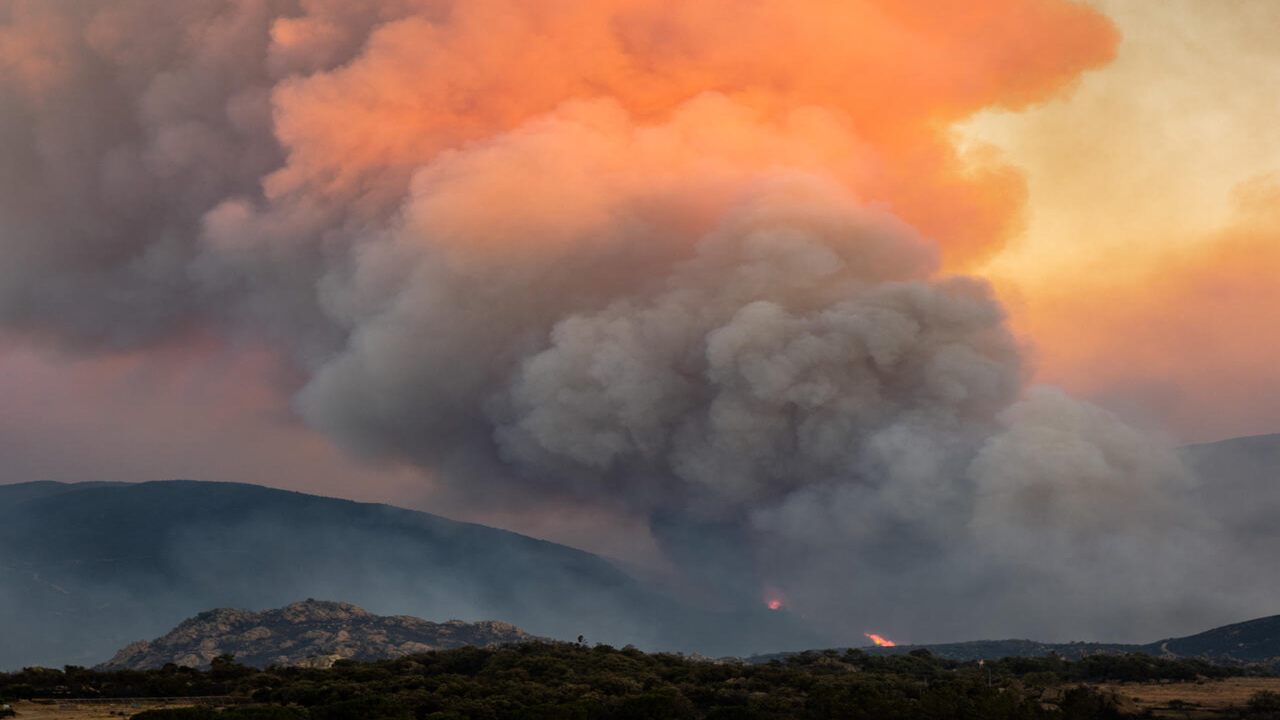
Thousands of residents across southern Europe have been forced to evacuate as new wildfires spread through Portugal, Spain, France, and Greece. Authorities in France banned spectators from Monday’s Tour de France stage through the Pyrenees due to the fire threat. More than 20,000 hectares of land have burned across the region, with temperatures reaching 43°C in parts of Spain. In France’s Pyrénées area near Perpignan, over 10,500 people were told to leave their homes as flames consumed more than 4,600 hectares. Firefighters are battling multiple blazes, including in France’s Drôme region and Greece’s Thessaloniki area, where fires reached factories. In Spain’s Costa Brava, more than 2,200 hectares burned in two days. Portugal reported controlling a northern fire that destroyed 13,000 hectares, while Croatia’s Hvar island and Albania’s Tale area also suffered major losses. Scientists from World Weather Attribution said June’s record heat in Europe would have been “virtually impossible” without human-induced climate change. Authorities have extended heat alerts in Portugal, Spain, and France, warning that the new heatwave could last through the weekend.
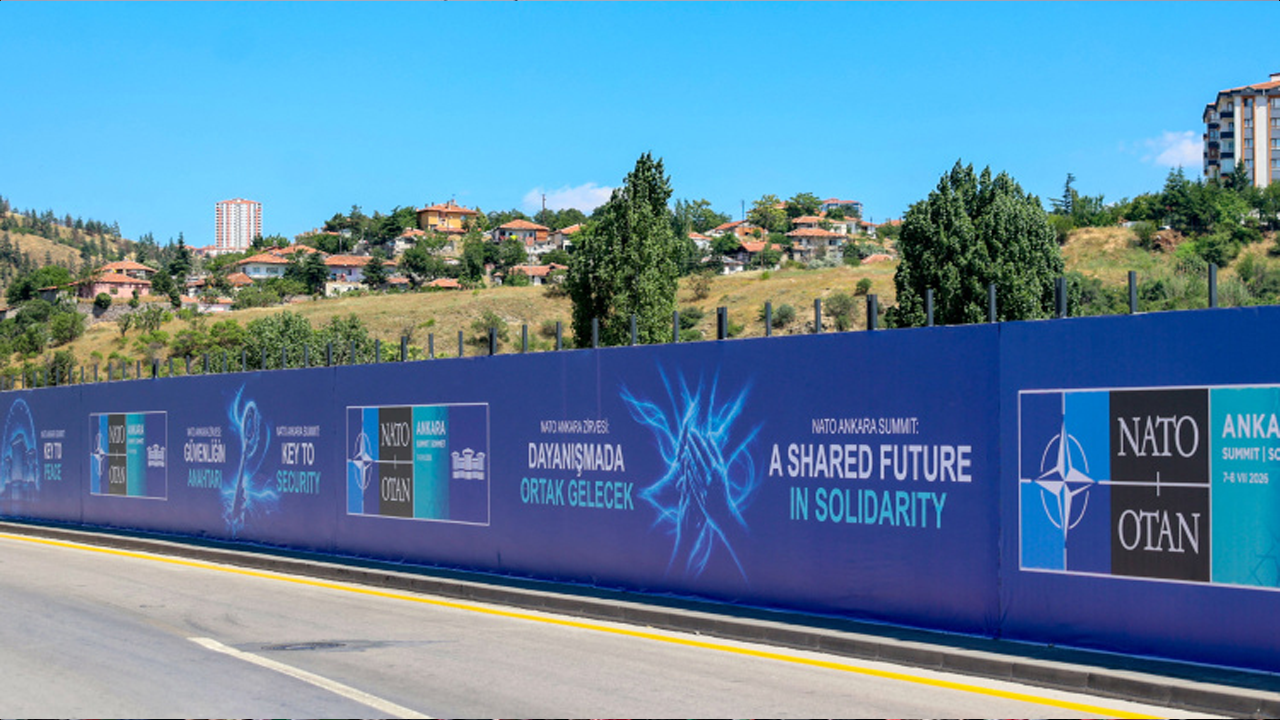
NATO Secretary General Mark Rutte announced on Monday that member states will reveal several multibillion-dollar arms deals during the upcoming NATO summit in Ankara. The move aims to demonstrate to U.S. President Donald Trump that allies are making tangible progress on their defense spending commitments. The summit, attended by leaders from the 32-member alliance, follows Trump’s criticism of Europe’s response to the Iran war. Last year, under U.S. pressure, NATO members pledged to raise defense and security spending to 5 percent of GDP by 2035. Rutte said European allies and Canada are already investing about 4 percent and will present clear plans to reach the target. He noted that combined additional investments for 2025 and 2026 total $258 billion. The summit will also feature a defense industry forum where major arms contracts will be announced. Diplomatic sources indicated that European and Canadian allies will commit at least €70 billion in military aid to Ukraine for 2026 and 2027, following reduced U.S. support. Ukrainian President Volodymyr Zelensky will attend part of the summit, while Rutte emphasized continued NATO support for Ukraine’s sovereignty and air defense needs.
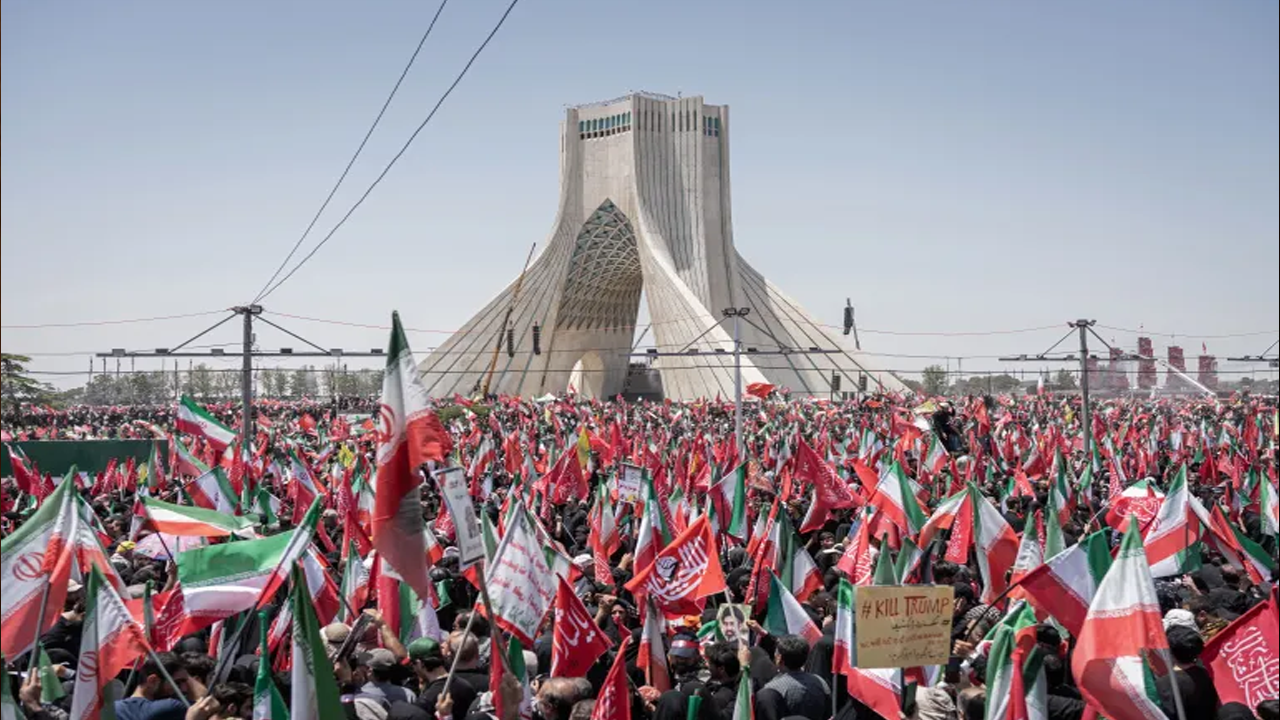
Around 50,000 people required emergency medical assistance during the funeral of former Iranian Supreme Leader Ayatollah Ali Khamenei held in Tehran, according to Iran’s emergency services department. The state-affiliated ISNA news agency reported that a total of 48,804 individuals received treatment, including three who underwent successful cardiac resuscitation. Approximately 18,000 people were treated on an outpatient basis. Authorities confirmed that no deaths or major incidents occurred during the funeral procession. The large-scale medical response reflected the massive turnout for the event, which drew crowds across the capital. Officials have not reported any further complications, and the emergency services continue to monitor the situation as part of their post-event assessment.
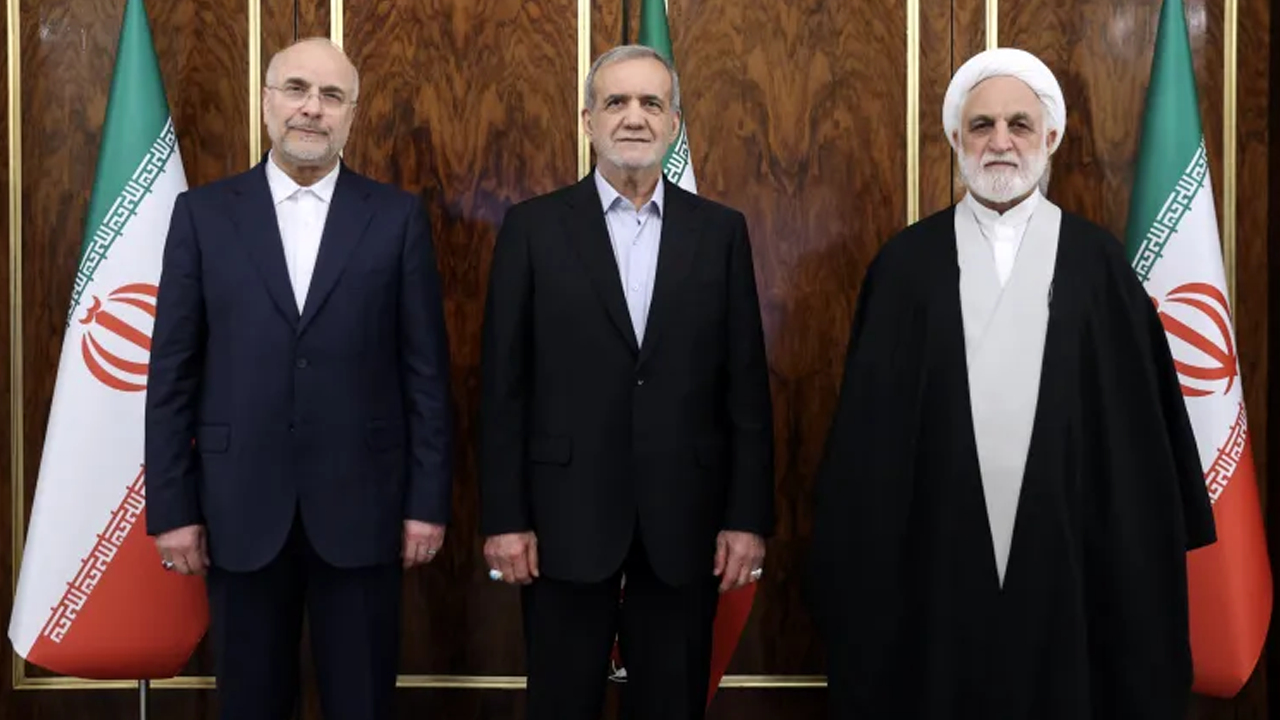
Iran’s new Supreme Leader, Mojtaba Khamenei, has reappointed Gholam-Hossein Mohseni-Ejei as the country’s chief justice for another five-year term. The decision was announced in a written message during the funeral of former Supreme Leader Ayatollah Ali Khamenei, where administrative continuity was emphasized amid the national mourning period. The 69-year-old cleric’s reappointment marks Mojtaba Khamenei’s first major administrative decision since assuming leadership in March following his father’s death. The announcement coincided with preparations in Tehran for the funeral procession of the late leader and four members of his family, which drew thousands of mourners along the designated route. Senior Iranian officials, including President Masoud Pezeshkian, former President Mahmoud Ahmadinejad, and Islamic Revolutionary Guard Corps commander Ahmad Vahidi, attended the funeral procession alongside Mohseni-Ejei, underscoring the event’s political and symbolic significance.
The ‘1 Nojor’ media platform is now live in beta, inviting users to explore and provide feedback as we continue to refine the experience.