

The ‘1 Nojor’ media platform is now live in beta, inviting users to explore and provide feedback as we continue to refine the experience.
The University Teachers Forum (UTF) has strongly condemned a cocktail attack on the National Citizens Party’s (NCP) ‘July March’ rally held in Savar on July 6, 2026. According to a joint statement by UTF convener Professor Dr. Md. Sirajul Islam and member secretary Dr. Shamim Hamidi, the explosion occurred around 9:45 p.m. at the Savar Thana Stand Eidgah ground during the NCP’s post-march gathering, injuring several people. The forum demanded the immediate arrest and prosecution of those responsible. The NCP organized the ‘July March 2026’ program nationwide to press for a referendum, job creation, and border security. The Savar rally marked the beginning of the campaign across 64 districts and 100 upazilas and municipalities. UTF leaders said the attack was an attempt by opponents of the July Revolution to intimidate activists and disrupt unity and solidarity. UTF further stated that the incident highlights a deterioration in the country’s law and order situation, urging authorities to take swift action against the perpetrators.
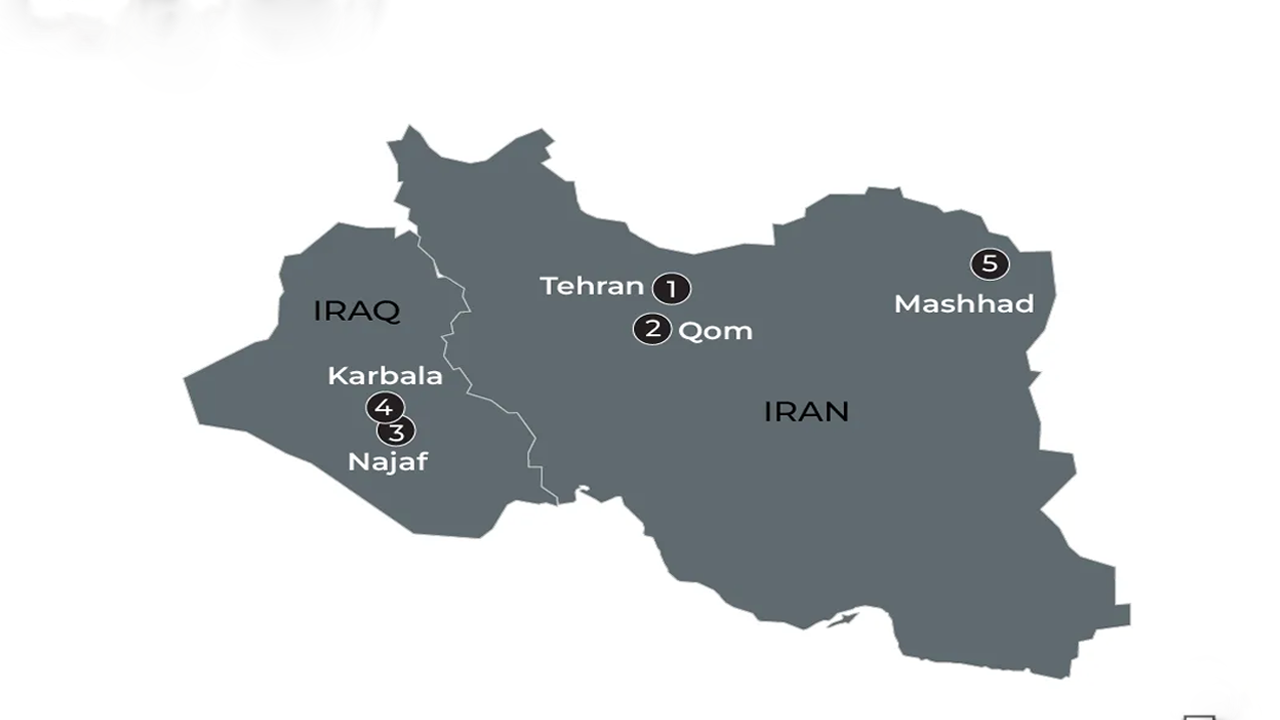
The body of Iran’s slain Supreme Leader Ayatollah Ali Khamenei has been transported to the holy city of Qom for the next stage of funeral ceremonies, according to the country’s state media. Iranian state television channel IRIB released footage on Telegram showing a helicopter flying over the historic Jamkaran Mosque in Qom Province, which reportedly carried Khamenei’s body. The official schedule indicates that funeral processions and related ceremonies will continue in Qom tomorrow. After the homage in Qom, Khamenei’s body will be taken to the Iraqi holy cities of Najaf and Karbala for further religious rites. State media confirmed these plans as part of the extended mourning program. The transfer marks a continuation of national mourning events following Khamenei’s death, with the ceremonies moving from Iran to key religious centers in Iraq as part of the final burial arrangements.
Brazil has been eliminated from the 2026 World Cup after a 2-1 defeat to Norway in the round of 16. Following the early exit, speculation arose about the future of Italian coach Carlo Ancelotti. However, the Brazilian Football Confederation (CBF) confirmed that it retains full confidence in Ancelotti and intends to keep him in charge until the 2030 World Cup, as originally planned. CBF executive director Rodrigo Caetano stated that there is no plan to dismiss the coach in haste, emphasizing that Ancelotti was appointed as part of a long-term project. After concluding his tenure at Real Madrid in 2025, Ancelotti took over Brazil’s national team late in the qualifying campaign. Although the team showed gradual improvement during the tournament, it faltered in its first major knockout test against Norway. Despite the disappointment, CBF aims to focus on rebuilding the team in a calm environment. Caetano praised the squad’s effort and progress under Ancelotti over the past 38 days, while the coach himself vowed to start anew and continue pursuing success with Brazil.

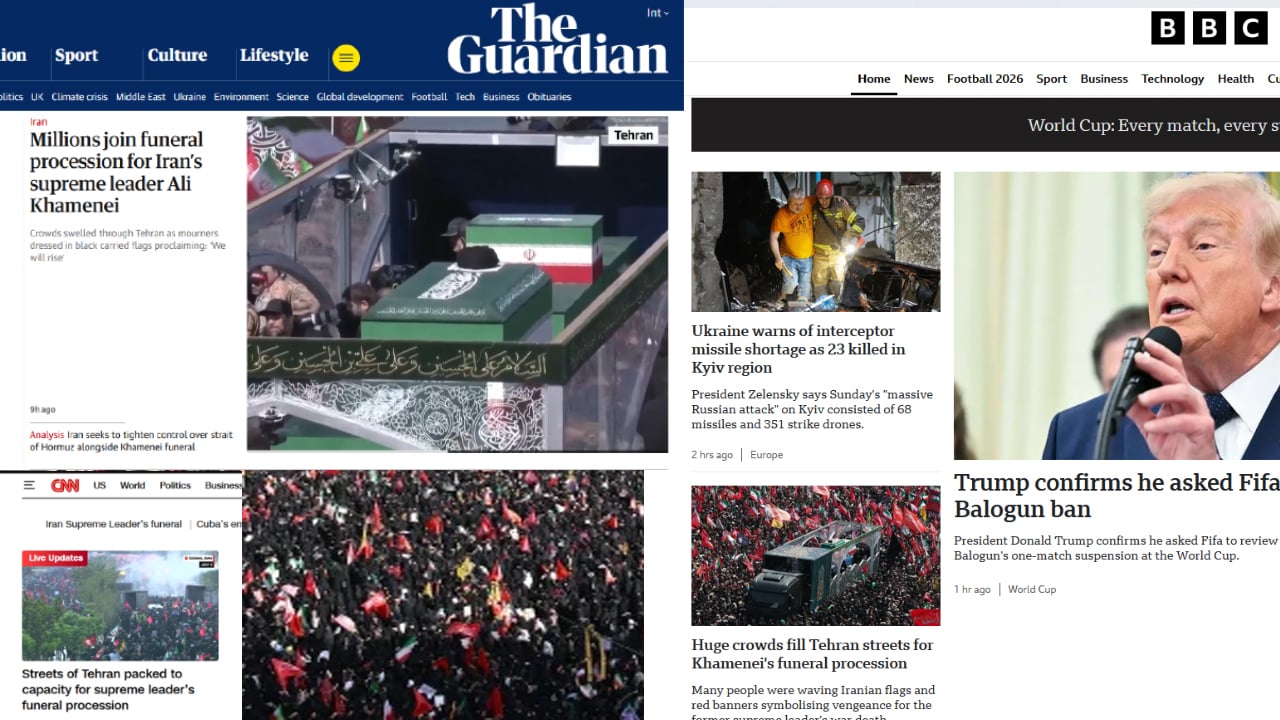
Various Western media outlets, including BBC, CNN, and The Guardian, gave extensive coverage to the funeral of Iran’s former Supreme Leader Ayatollah Ali Khamenei. The farewell ceremony began on Monday in the capital, Tehran, drawing significant international media attention. Reports highlighted the scale of the event and the participation of large crowds from across the country. According to Iran’s state broadcaster IRIB, the funeral procession saw participants carrying national flags and portraits of Khamenei. Throughout the march, attendees expressed respect through slogans and emphasized messages of national unity. In addition to Western outlets, Israeli and several Muslim world media organizations also gave the event prominent coverage. The large-scale participation and broad media attention underscored the significance of the occasion within Iran and beyond, reflecting both domestic reverence and global interest in the transition following Khamenei’s passing.
Continuous heavy rainfall in Bandarban has triggered a major power outage and increased the risk of landslides across the district. In response, the district administration announced the closure of all tourist destinations until July 10 to ensure the safety of residents and visitors. The power disruption began on July 6 when a 33 kV transmission pole tilted near Hotel Green Peak on the Bandarban–Keranihat road, cutting electricity to several upazilas including Sadar, Ruma, Roangchhari, and Thanchi. The outage also disrupted businesses, hospitals, and communication networks. According to local accounts, softened soil from days of rain caused the pole to lean, prompting the Power Development Board to suspend supply to prevent accidents. Repair teams are working to restore service gradually. The administration’s emergency notice also warned of risky road conditions and urged people to avoid waterfalls, hill trails, and remote areas. Tourists already in Bandarban have had to alter their travel plans, while authorities advised against unnecessary trips. Weather officials recorded 164 millimeters of rainfall in 24 hours, with landslides reported in several upazilas. The army and local administration are clearing debris to restore road links, and 220 shelters have been prepared for possible evacuations.

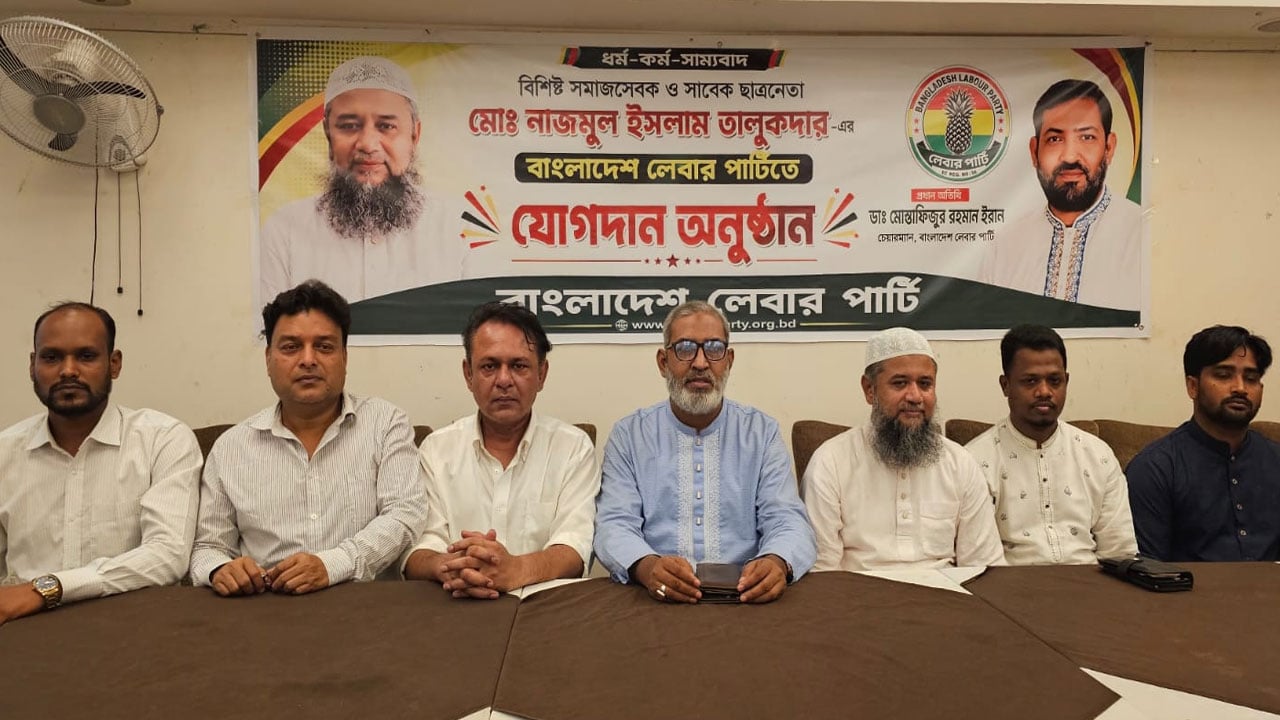
Prominent social worker and former student leader Md. Nazmul Islam Talukdar formally joined the Bangladesh Labour Party on Monday evening at Hotel Rahmania International in Dhaka. He presented a bouquet to the party’s chairman, Dr. Mostafizur Rahman Iran, to mark his official induction. Senior party leaders, including the acting general secretary, joint general secretary, and other central and regional representatives, attended the event. In his address as chief guest, Dr. Iran called for a united movement against fascism and dominance to strengthen the struggle for democracy, voting rights, and the rule of law in Bangladesh. He accused those who oppose these principles of attempting to undermine the spirit of the July mass uprising. Dr. Iran declared that the Labour Party must become more organized and powerful at the grassroots level to build a just and equitable Bangladesh. After joining, Nazmul Islam Talukdar expressed full support for the party’s ideals and pledged to work actively toward establishing an equitable and democratic Bangladesh.
Police in Rajnagar, Moulvibazar, recovered the buried body of a woman named Zayeda Begum, 31, twenty days after she went missing. The body was found on Monday in the yard of her husband, Alomgir Hossain, in Karimpur village under Munshibazar Union. Police detained Alomgir and three others in connection with the case. During initial questioning, Alomgir admitted to killing his wife and burying her body in an eight-foot-deep pit in their yard. According to police and local sources, Zayeda, daughter of Abdul Hannan from Sonatiki village, had been married to Alomgir of Karimpur village. Following a family dispute on June 18, Alomgir allegedly killed her and later told relatives and neighbors that she had gone abroad. When Zayeda’s father could not contact her, he filed a general diary with Rajnagar Police Station on July 3. During the investigation, Alomgir revealed the burial site, leading to the recovery of the body in the presence of the district police superintendent and an executive magistrate. Police said the body was sent to Moulvibazar Sadar Hospital morgue for autopsy, and further investigation is underway.

Microsoft has announced plans to lay off approximately 4,800 employees, representing about 2.1 percent of its global workforce. The decision, reported by NDTV on July 6, 2026, is part of an ongoing restructuring aimed at improving efficiency and expanding investment in artificial intelligence (AI) technologies. The company is channeling significant funds into AI infrastructure and rapidly integrating AI across its business operations. The move comes as global technology firms face intense competition in AI-related investments, which are expected to exceed 700 billion dollars this year. Companies such as Amazon and Meta have also implemented large-scale layoffs to manage rising costs and maintain profitability. Microsoft’s decision follows a 23 percent decline in its share price during the first half of 2026, marking its weakest performance since 2022. Earlier in the year, Microsoft offered voluntary exit options to about 9,000 U.S.-based employees, roughly 7 percent of its workforce. Despite growth in its cloud computing business, the company faces financial pressure from heavy spending on data centers required to support AI services and rising memory chip prices.

The Bangladesh government will print 320 million free textbooks for school students in the upcoming academic year. Around 80,000 metric tons of paper will be required for the printing. Paper mill owners will sign agreements with the government to supply the paper at fixed prices to ensure timely printing. The decision was made at a meeting between the Ministry of Education and paper mill owners held on Monday. After the meeting, Education Minister Ehsanul Haque Milon said the ministry was assured that the books would be printed and distributed on time. He noted that coordination issues between press and paper mill owners had been identified, and the mills agreed to supply the required paper without raising prices. Education Secretary Abdul Khalek stated that tenders had already begun through the National Curriculum and Textbook Board (NCTB), and press owners were participating. Paper mill representatives, including the CEO of Bashundhara Paper Mills Ltd., pledged to maintain communication with NCTB and ensure timely paper delivery to avoid previous years’ problems.
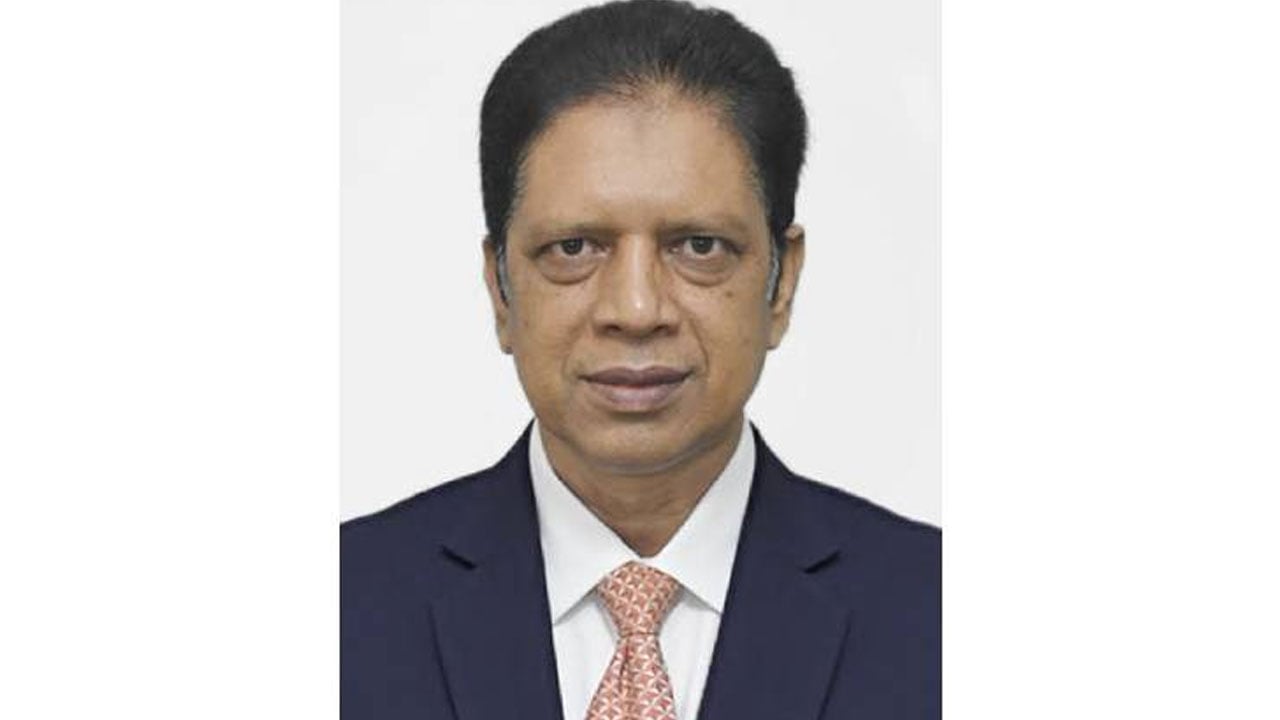
The government has cancelled the remaining term of the contractual appointment of Zakir Hossain Chowdhury, Deputy Governor of Bangladesh Bank. The Financial Institutions Division of the Ministry of Finance issued a notification on Monday announcing the decision. Following the fall of the Awami League government on August 5, central bank officials compelled all contractual officers, including deputy governors, to resign. After the formation of the interim government, Deputy Governors Kazi Sayedur Rahman and Md. Khurshid Alam submitted their resignations upon government advice. Zakir Hossain Chowdhury and Kabir Ahmed were appointed to the vacant positions on September 8, 2024. The government has now revoked Chowdhury’s appointment. The decision marks another change in the central bank’s leadership structure under the interim administration, though no further details were provided in the official notification.
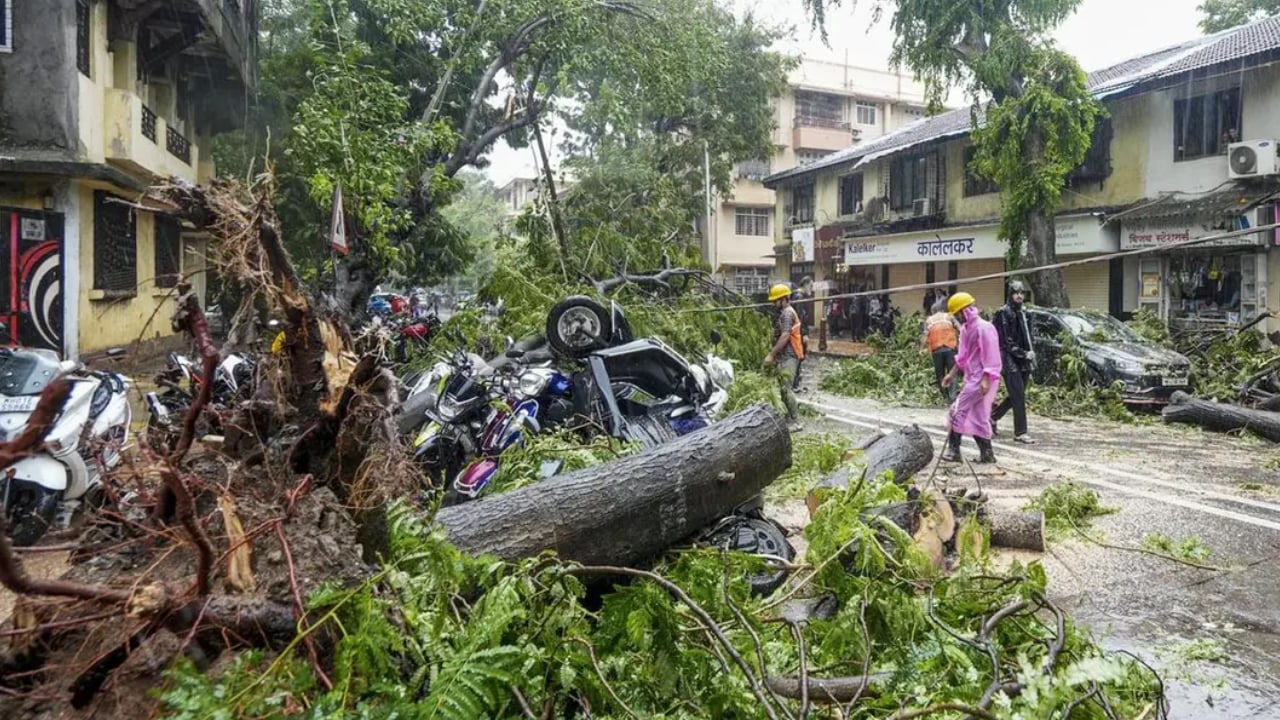
Continuous heavy rainfall over several days has caused severe flooding, landslides, and building collapses across Maharashtra, India, leaving at least 13 people dead. The worst damage occurred in Mumbai, Pune, and Thane, where road and rail services have been heavily disrupted. In Pune’s Maval area near Lohagad Fort, a section of hill collapsed overnight, burying several houses. Authorities fear around 30 people remain trapped under the debris, and rescue operations by the National Disaster Response Force and state disaster teams are ongoing. A landslide near a tunnel exit on the Mumbai–Pune Expressway forced authorities to close the route, while parts of the old highway remain submerged. Six people, including five children, died when a house collapsed in Mumbai’s Mankhurd area, and a 17-year-old boy drowned in Thane. Maharashtra’s chief minister announced financial aid of five lakh rupees for each victim’s family. The state meteorological department warned that heavy to very heavy rainfall and strong winds will continue in Mumbai, Pune, Raigad, Thane, and Palghar, maintaining a red alert for Mumbai and Pune. Schools, colleges, and government offices in Mumbai were closed as authorities urged residents to stay indoors.
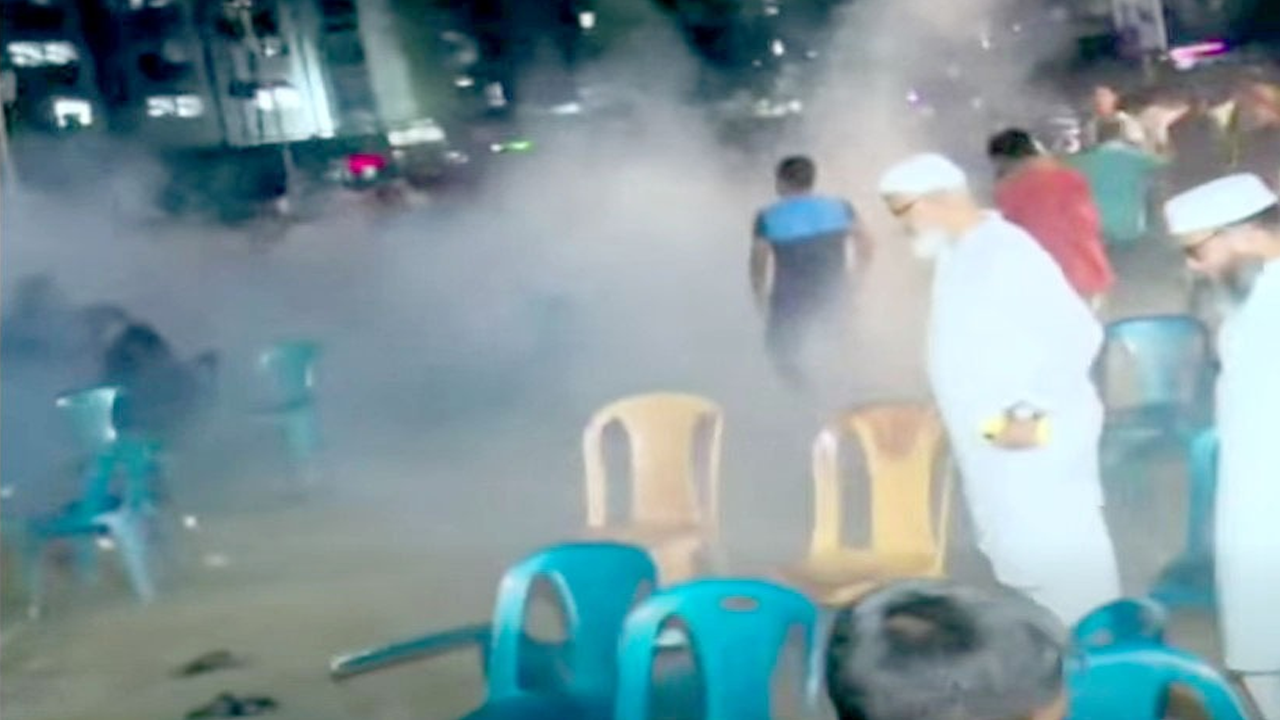
A cocktail explosion occurred during the National Citizen Party’s (NCP) post-march rally in Savar on Monday night, injuring four people. The incident took place around 10 p.m. near Enam Medical College Hospital’s Eidgah ground. The injured were identified as Shahin Khondakar, Jasim, Shahadat Hossain, and Imran, with two reported to be in serious condition. Witnesses said the explosion caused panic among attendees. NCP convener and opposition chief whip Nahid Islam accused the administration of involvement, alleging that electricity was cut before the blast. He claimed the attack was intended to disrupt the party’s July movement and blamed government-linked groups for the violence. Central leaders, including Nahid Islam and Akhtar Hossain, were present when the attack occurred. Following the incident, NCP leaders staged a protest in front of Savar Police Station and filed a complaint. Police said law enforcement quickly brought the situation under control and launched an investigation. Nahid Islam vowed to continue the NCP’s July campaign despite the attack, demanding justice and accountability from authorities.

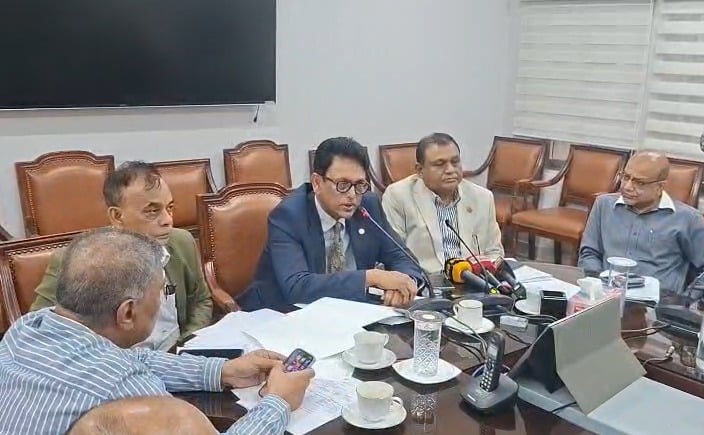
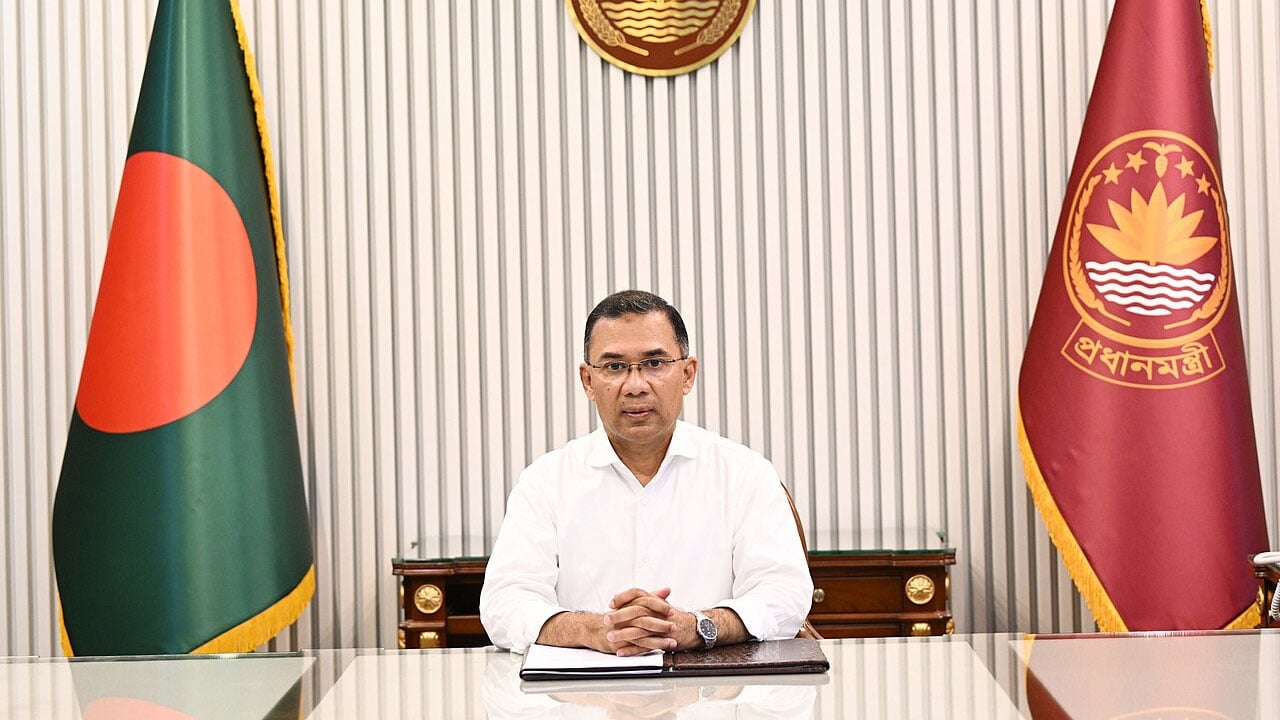
Prime Minister Tarique Rahman has called on citizens to act more responsibly and consciously for the country's welfare. Speaking at a meeting at the Prime Minister’s Office in the Bangladesh Secretariat on Monday afternoon, he said that challenges will always exist, but progress is possible through collective sincerity and effort. The meeting focused on ensuring safe food, controlling product quality, and addressing issues faced by agencies conducting anti-adulteration drives. According to Deputy Press Secretary Md. Sujauddoula, the Prime Minister directed the formation of a three-member high-level committee to identify and resolve problems faced by institutions responsible for food safety and quality control. The committee, comprising Adviser Ismail Jobiullah, State Minister Abdul Bari, and Cabinet Secretary Dr. Nasimul Gani, has been asked to submit recommendations within a month. Officials from the Directorate of National Consumer Rights Protection, Bangladesh Food Safety Authority, and BSTI highlighted manpower shortages, lack of modern equipment, and safety risks during field operations. The Prime Minister listened patiently to their concerns and assured quick solutions. Emphasizing public awareness, he cited the example of waste management at Gulshan Lake, noting that societal change requires both government initiative and citizen responsibility.
UNICEF has reported that more than 300 children have been killed in Sudan over the past six months, most of them in drone attacks. The ongoing conflict between Sudan’s army and the paramilitary Rapid Support Forces (RSF), which began in April 2023, has plunged the country into a severe humanitarian crisis. The violence is currently concentrated in the Kordofan, Darfur, and Blue Nile regions, where about 60 percent of casualties are linked to drone strikes. According to the report, at least 59,000 people have been killed and around 13 million displaced since the conflict began. More than 30 million people now require urgent humanitarian assistance. Drone attacks and shelling have damaged schools, markets, fuel depots, and water facilities, putting over half a million people at risk. Many communities have been living under near-siege conditions for over a year. The United Nations has urged both warring parties to protect civilians and infrastructure, allow unhindered humanitarian access, and ensure the safety of children trapped in the violence.
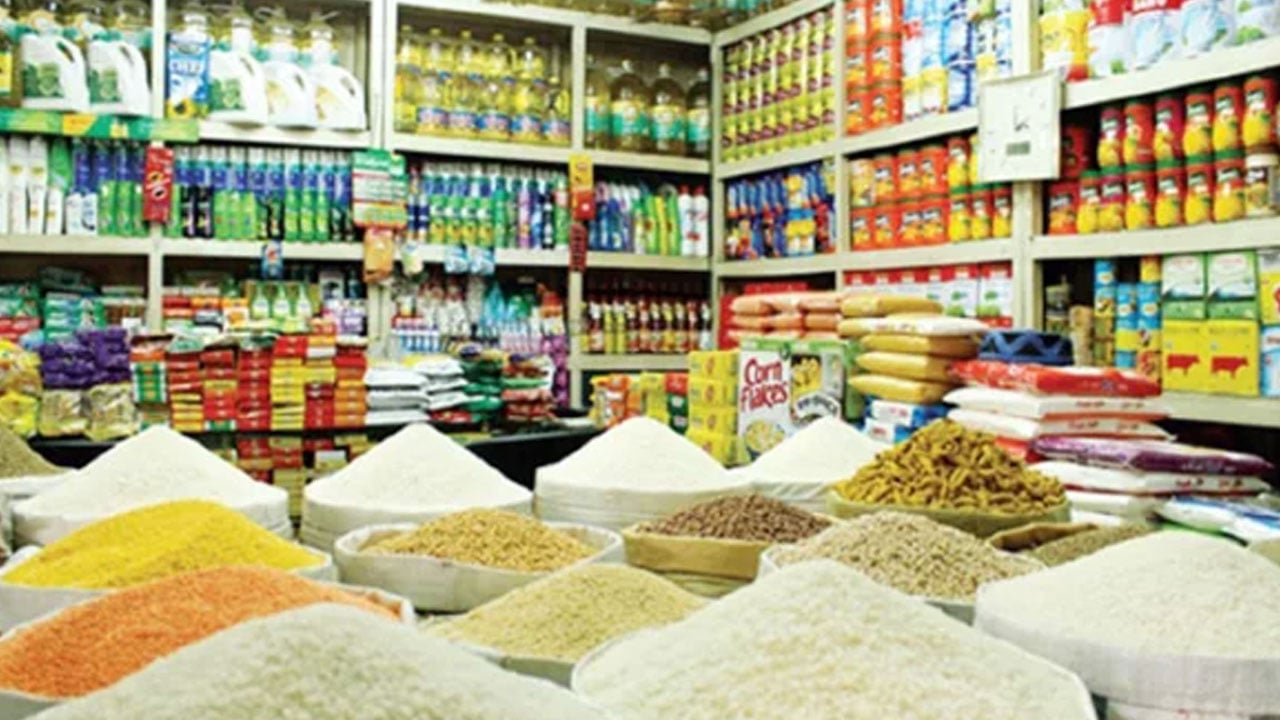
The government of Bangladesh announced tax reductions on 63 essential goods in the current fiscal year’s national budget to ease consumer costs. Despite the policy’s aim to reduce import and marketing expenses, retail prices of key items such as rice and edible oil have not fallen. Instead, market instability has increased, with some products becoming more expensive. According to the Consumers Association of Bangladesh (CAB), the benefits of the tax relief are being absorbed by traders rather than reaching consumers. CAB Vice President S.M. Nazer Hossain stated that the government’s intention to reduce public hardship through lower taxes has not materialized in practice. CAB attributes the situation to weak market monitoring and the influence of dishonest traders. The organization noted that import taxes on items like rice, wheat, livestock, onions, garlic, and edible oils were reduced to as low as 0.5 percent, yet retail prices remain unchanged. Market analysts warn that if the government’s revenue sacrifices do not translate into consumer benefits, the policy’s purpose will be undermined. CAB has urged stronger regulatory action to curb unethical business practices and restore market stability.
The ‘1 Nojor’ media platform is now live in beta, inviting users to explore and provide feedback as we continue to refine the experience.