

The ‘1 Nojor’ media platform is now live in beta, inviting users to explore and provide feedback as we continue to refine the experience.
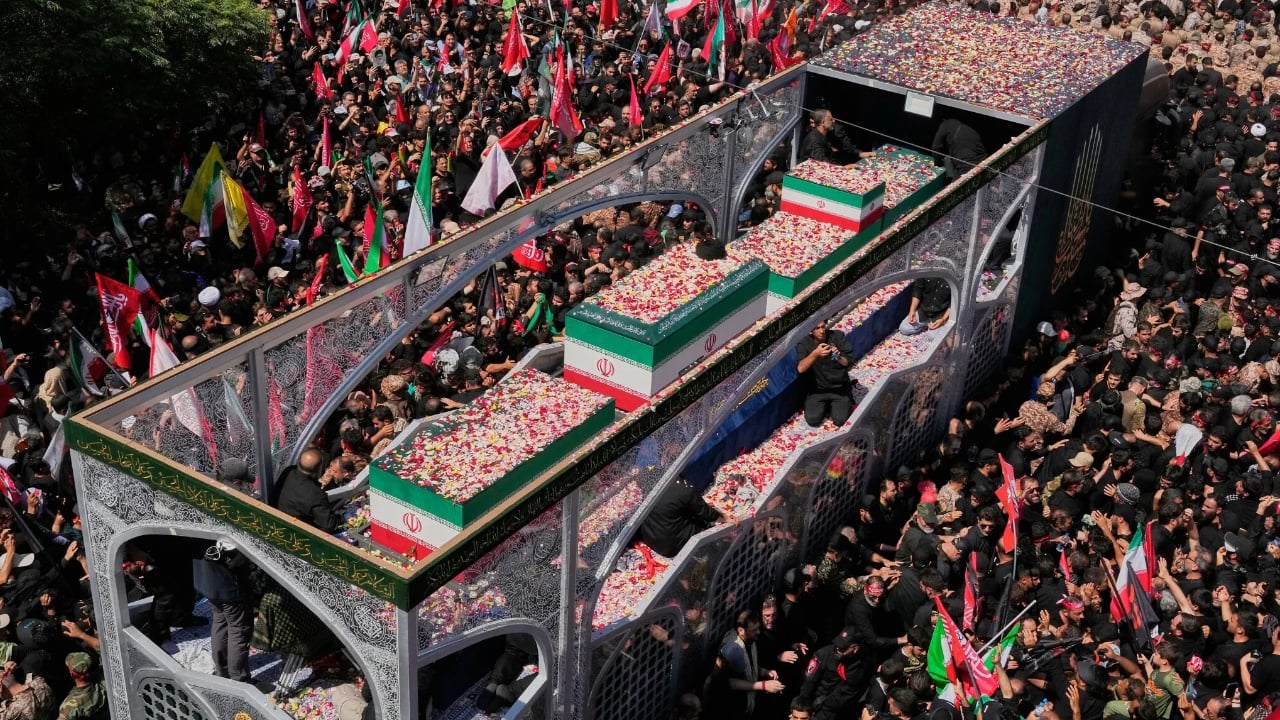
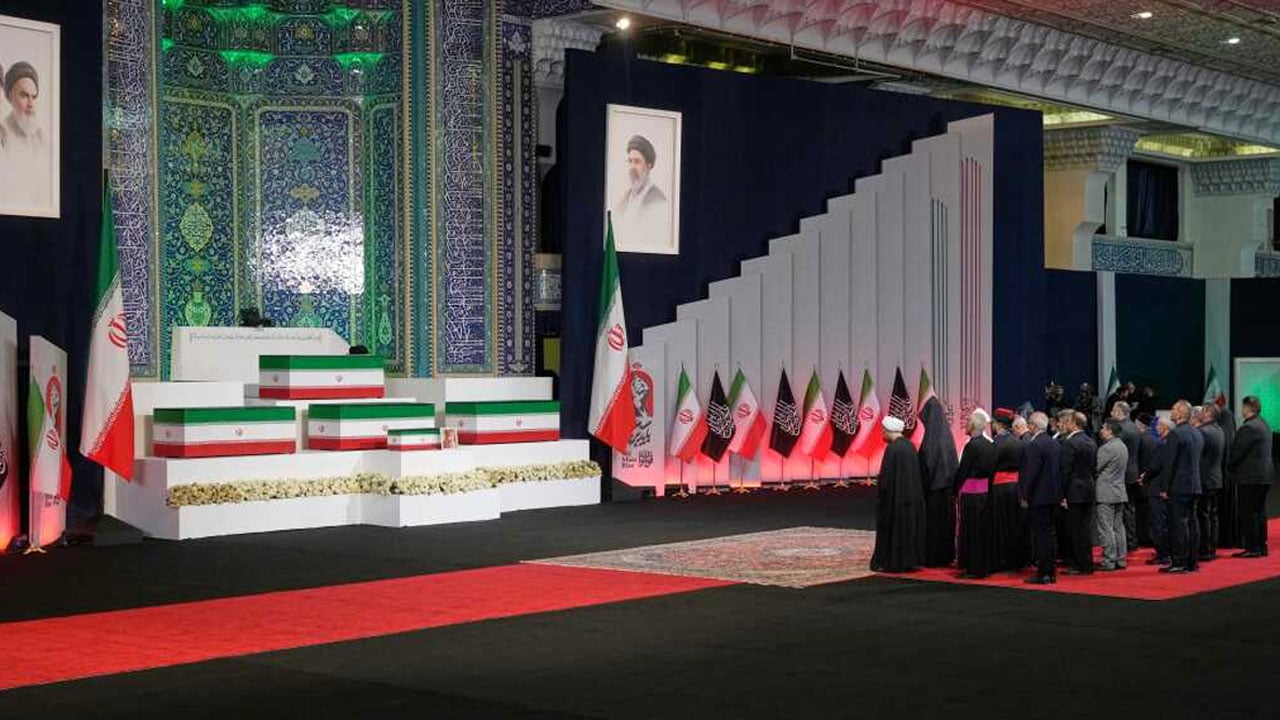
Iranian authorities have implemented heightened security measures to prevent a repeat of the 1989 turmoil during the funeral of Supreme Leader Ayatollah Ali Khamenei. According to the state news agency IRNA, special arrangements have been made to manage crowds and maintain order during the ceremony. In 1989, the funeral of Khamenei’s predecessor, Ayatollah Ruhollah Khomeini, drew around ten million mourners. The massive crowd led to a deadly stampede that killed at least ten people and injured more than ten thousand. The situation spiraled out of control when mourners surrounded the vehicle carrying Khomeini’s body, causing the coffin to break and the body to fall to the ground. Authorities were forced to use a helicopter to complete the burial. Officials have not yet disclosed how close the public will be allowed to approach the procession this time. However, they have emphasized crowd control based on lessons learned from the past. A participant named Gholamreza Khanbabai said enthusiasm among the people appears even greater than in 1989.
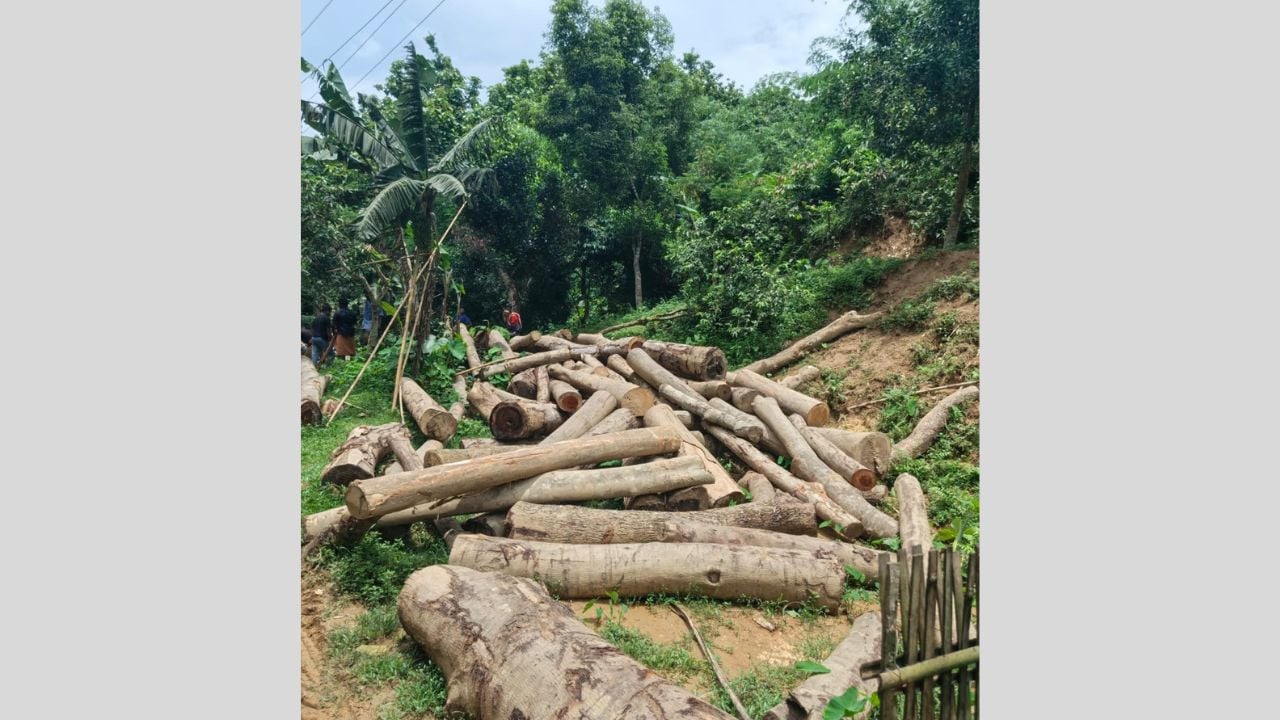
Authorities in Moulvibazar’s Barlekha upazila have uncovered large-scale illegal tree felling at the Sabajpur Tea Estate, allegedly carried out without approval from the Forest Department or other relevant agencies. The operation reportedly continued for nearly two months before coming to light when the upazila administration seized about 700 cubic feet of timber. Forest officials have been measuring the felled trees over the past three days to prepare a detailed report. Local sources claim that hundreds of trees were cut across several hilly areas and sold to timber traders, with allegations of involvement by influential groups. The estate management failed to produce any official authorization documents during inspection. Assistant Commissioner (Land) Naima Nadia confirmed that the trees were cut without required permissions and directed the estate to preserve the logs pending investigation. The estate’s manager stated that the trees were removed as part of tea cultivation expansion and that an approval request was pending. Environmental experts warned that such unauthorized felling violates laws and threatens local biodiversity, urging a neutral investigation and legal action against those responsible.
The Ministry of Primary and Mass Education of Bangladesh has revoked its earlier directive requiring all government primary schools to keep three specific books in their libraries: 'President Zia: Political Biography', 'Begum Khaleda Zia: Life and Struggle', and 'Sobar Age Bangladesh'. The cancellation order, signed by Deputy Secretary Roshan Ara Polly, was issued on Monday following widespread debate. The ministry confirmed that the June 3 instruction to the Directorate of Primary Education to ensure collection of these books has been officially withdrawn. According to sources, the directive had been issued at the initiative of State Minister for Primary and Mass Education Bobby Hajjaj without the education minister’s knowledge. The books, published by a nationalist press, focus on former President Ziaur Rahman, former Prime Minister Khaleda Zia, and current BNP leader Tarique Rahman. The move to include politically specific books in school libraries drew criticism from educators and the public. Education expert Rasheda K. Chowdhury said school libraries should include works on all major national leaders to ensure balance and prevent one-sided political narratives. She emphasized that libraries should reflect the nation’s full history and heritage rather than promote any single ideology.

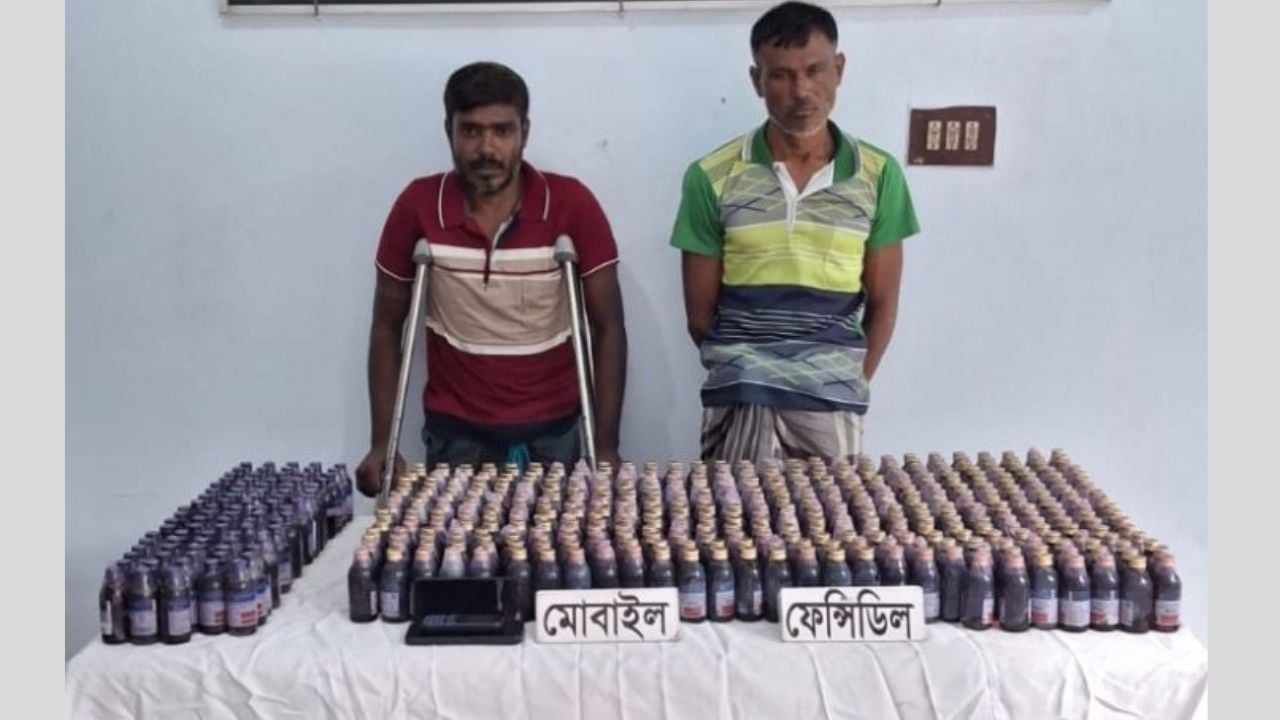
Two alleged drug traders were arrested in Satkhira with 542 bottles of Phensedyl during a RAB operation on Monday morning. Acting on secret information, a team from RAB-6’s CPC-1 unit based in Satkhira conducted the raid. The detainees were identified as Asadul Morol, 45, son of Abdul Majed, and Ruhul Amin Molla, 39, son of Iyar Ali Molla, both residents of Harddah area in Sadar upazila. According to RAB, the seized items included 454 bottles of Wincrex and 88 bottles of Eskaf syrup, totaling 542 bottles of Phensedyl. The narcotics were confiscated in the presence of witnesses, and an official seizure list was prepared. RAB’s company commander, Additional Superintendent of Police Zayan Uddin Muhammad Ziyad, stated that a case under the Narcotics Control Act has been filed against the two suspects. The arrested individuals, along with the seized drugs, have been handed over to Satkhira Sadar Police Station for further legal action.
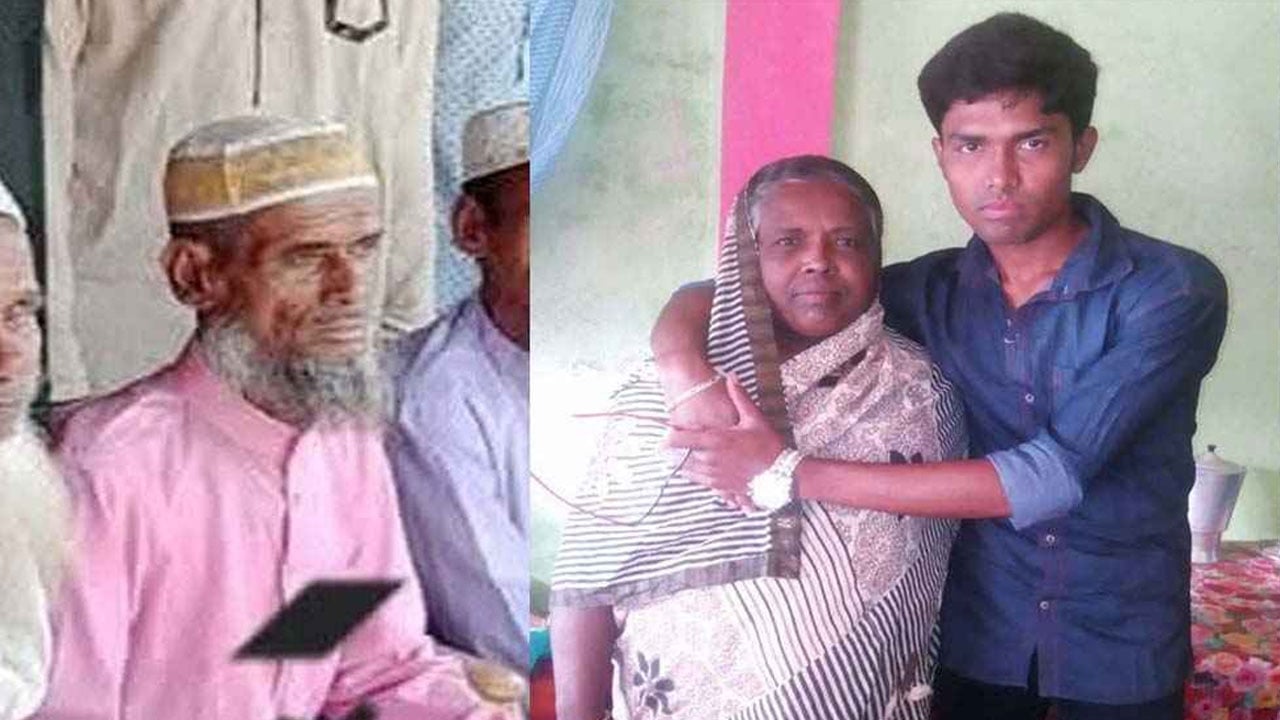
Three members of the same family died after being electrocuted in Bishwambharpur upazila of Sunamganj district on Monday. The incident occurred in Dawa Anantapur village of Fatehpur Union. The deceased were identified as Nurul Amin, aged 60, his wife Fatema Akter, aged 50, and their son Forhad Mia, aged 30. According to local union parishad member Zainal Abedin, Forhad Mia was repairing electrical wiring at his home shop around 5 p.m. when he accidentally came into contact with a live wire. His mother rushed to rescue him and was also electrocuted. Moments later, his father tried to save them and met the same fate. All three died on the spot. Bishwambharpur Police Station Officer-in-Charge Md. Shahin Mia confirmed that police were sent to the scene and further action would be taken after their return.
Israeli news outlet The Times of Israel has described the recitation of Quranic verses at the funeral of Iran’s Supreme Leader Ayatollah Ali Khamenei as a form of political propaganda and military messaging. The report argued that Iran’s leadership has long used religion to advance political, social, and economic goals, and that specific verses were chosen to send symbolic messages to visiting delegations. According to the report by writer Fatema Al Harbi, verses were selected to align with the identities of groups such as Hezbollah, Hamas, and the Houthis. Each verse was said to carry a distinct political message, portraying these organizations as divinely sanctioned or spiritually legitimate. The author claimed that the ceremony’s delay allowed Iranian authorities to plan every detail carefully, turning religious rituals into instruments of political communication. The report further warned that religious extremism begins when political groups claim exclusive authority to interpret sacred texts, framing their supporters as true believers and opponents as outsiders. It concluded that Iran’s use of Quranic verses at the funeral exemplified how political propaganda can merge with religious expression.
A seven-year-old boy named Minhaj was killed in a landslide triggered by continuous heavy rainfall in Pekua upazila of Cox’s Bazar. The incident occurred around 5 p.m. on Monday in Khalifa Mura area of Toitong Union’s Ward No. 3. According to local sources, a portion of the hill suddenly collapsed, burying the child under the debris. Despite quick rescue efforts by locals, Minhaj died at the scene. He was the son of local residents Kalim Ullah and Rubi Akter. Following the tragedy, the area was gripped by grief as relatives and neighbors mourned the child’s death. Pekua Upazila Nirbahi Officer Rafiqul Islam said the administration immediately sent the Project Implementation Officer to the site and began investigating the incident. Authorities have warned residents in landslide-prone areas to move to safer locations. Project Implementation Officer Kawsar Ahmed stated that public announcements were made urging people in Toitong, Shilkhali, and Barabakia unions living near hill slopes and foothills to relocate to nearby shelters. The administration continues to monitor the situation as heavy rainfall persists, raising further landslide risks.

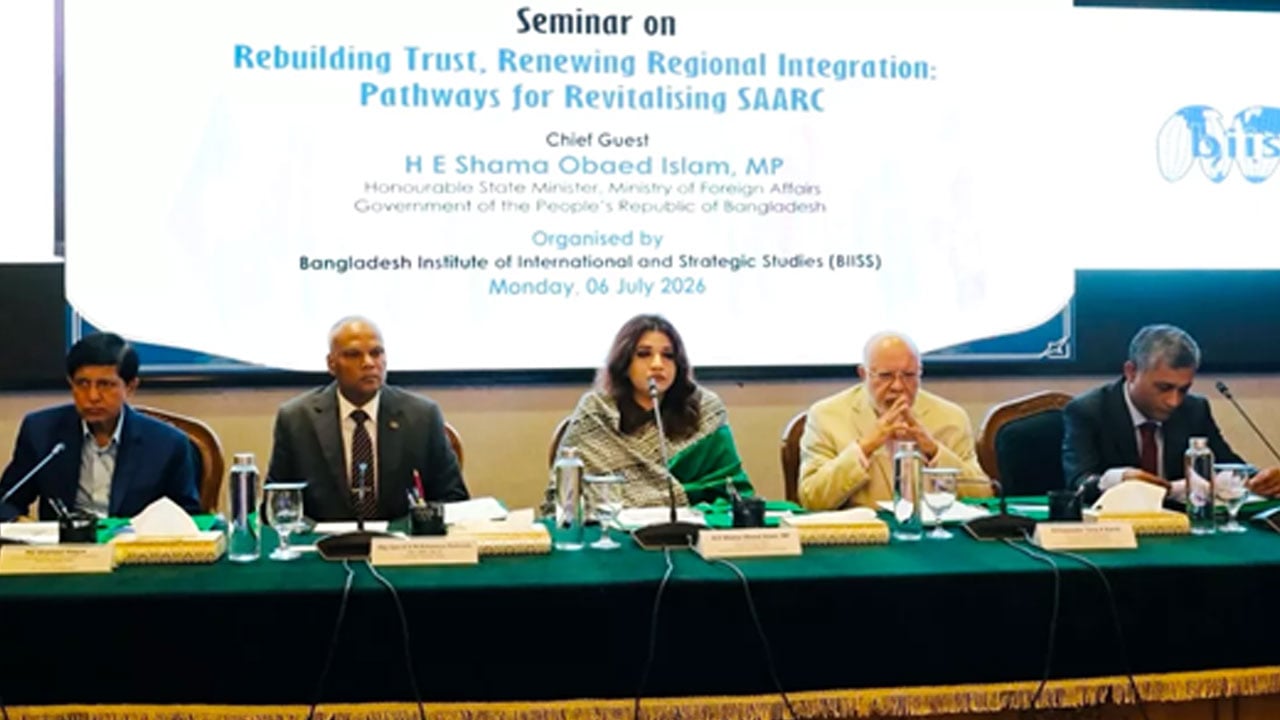
A diplomatic dispute erupted in Dhaka on Monday during a seminar organized by the Bangladesh Institute of International and Strategic Studies (BIISS) when Indian and Pakistani representatives clashed over a map of South Asia. Ambassador Tariq A Karim, adviser at the Center for Bay of Bengal Studies, presented a paper showing a map that prompted protest from Pooja Kumari Jha, Second Secretary (Political and Information) at the Indian High Commission. She objected that the map was inaccurate, asserting that Jammu and Kashmir is an integral part of India. Karim clarified that the map was used only for presentation purposes and did not represent actual borders. Following the exchange, Pakistan’s Deputy High Commissioner Mohammad Wasif attempted to comment but was not given the floor. After the seminar, he criticized India’s “narrow mindset,” claiming it hindered regional cooperation through SAARC. The incident created discomfort among attendees, some of whom questioned both Jha’s interruption and Karim’s role as keynote presenter. The Kashmir issue remains the core dispute between India and Pakistan, which have fought three major wars over the region since 1947.
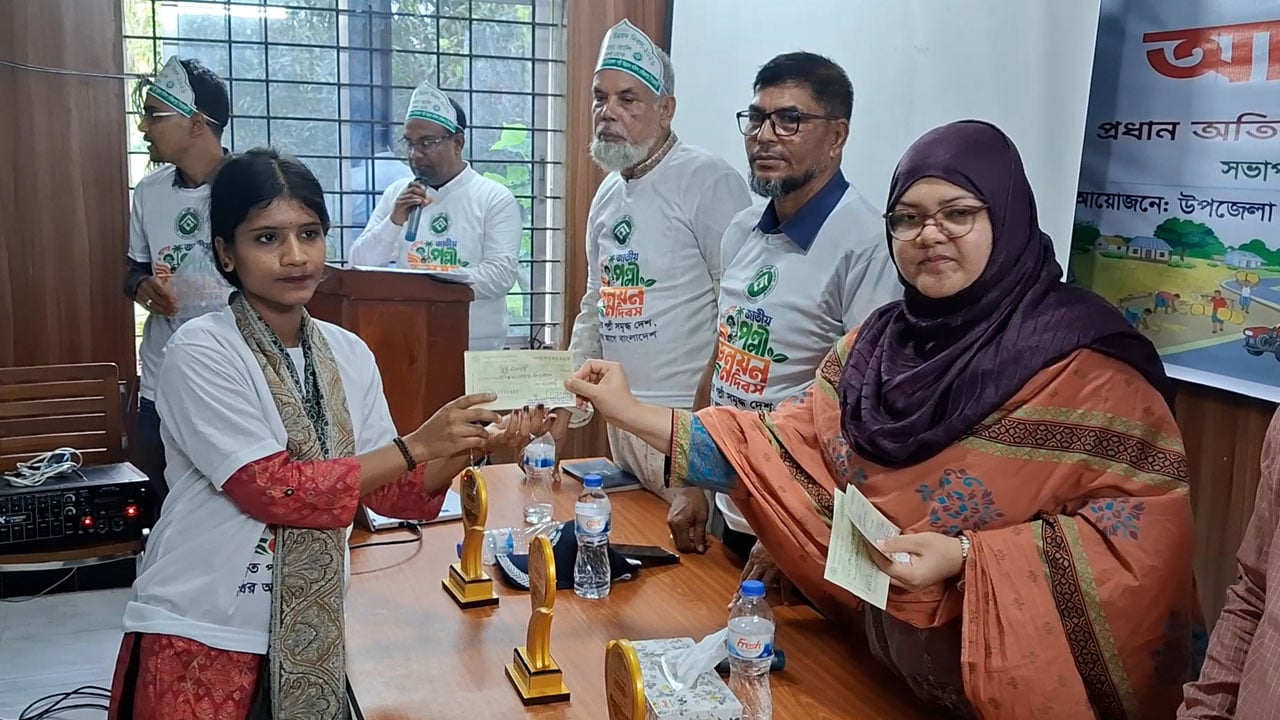
An event marking National Rural Development Day 2026 was held in Nazirpur upazila of Pirojpur, organized by the upazila administration and the local rural development office. The discussion, themed “Developed Villages, Prosperous Nation, Bangladesh First,” took place on Monday morning at the Upazila Agriculture Training Auditorium, with Upazila Nirbahi Officer Sajia Shahnaz Toma presiding. In her address, the UNO emphasized that rural development should not be limited to infrastructure but must also prioritize education, health, women’s empowerment, and employment generation. She called for coordinated efforts among government and non-government institutions to achieve sustainable progress and highlighted the importance of delivering services to grassroots communities. She also mentioned ongoing initiatives to promote women’s entrepreneurship through proper use of cooperatives and microcredit. At the end of the event, loan checks were distributed among beneficiaries and students to support rural economic activities. Local officials, freedom fighters, journalists, and representatives from various cooperatives attended the program, expressing optimism that continued rural progress would accelerate national economic growth.
At a rally in Gazipur on Monday, National Citizens Party (NCP) convener and opposition chief whip Nahid Islam MP accused the ruling BNP of deceiving the public by rejecting the July Charter after forming the government. He said that through the national election held after the 2024 mass uprising, citizens had endorsed the charter with a 'yes' vote, and warned that failure to implement it would lead to the government’s downfall. The event, organized by the Gazipur district NCP as part of a month-long program marking the second anniversary of the July uprising, launched a nationwide campaign of marches and street meetings across 64 districts and 100 upazilas. Nahid Islam also criticized the government’s handling of law enforcement, drug control, and employment issues, and demanded justice for those killed during the July uprising. Several central and regional NCP leaders attended the Kaliganj rally, which marked the formal start of the party’s July movement activities across the country.

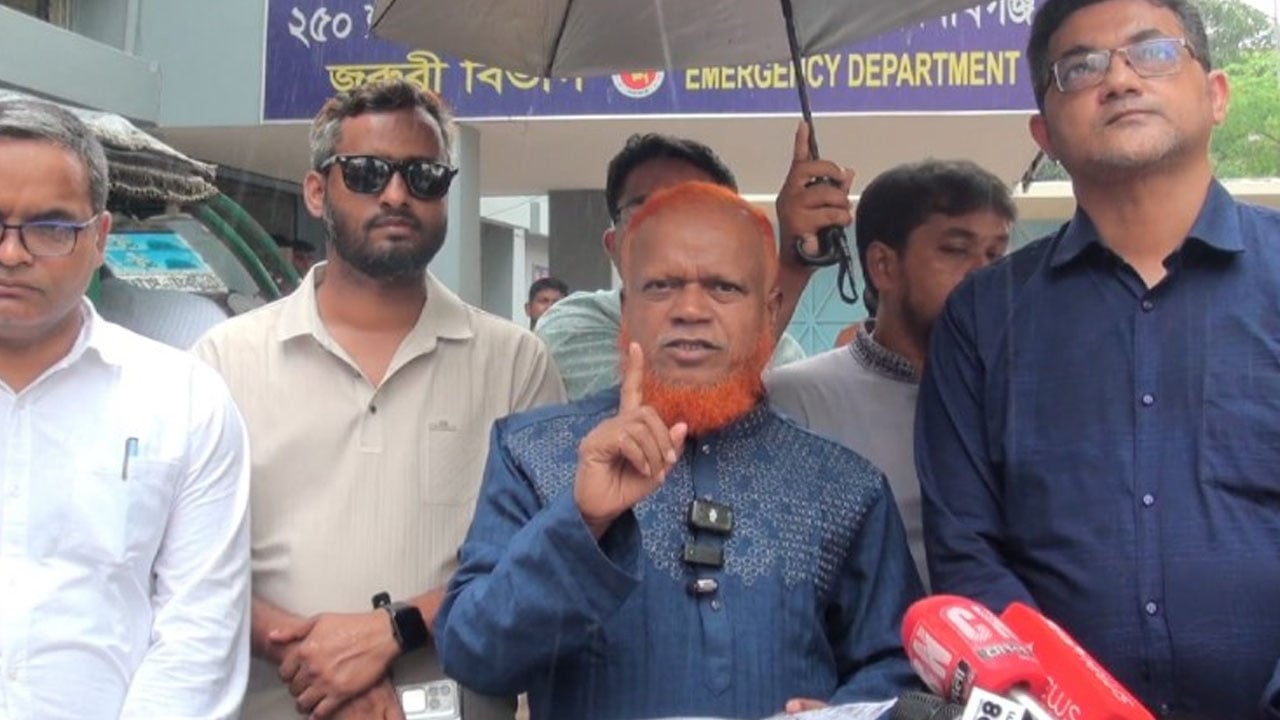
Member of Parliament Nurul Islam Bulbul from Chapainawabganj-3 constituency visited the 250-bed Chapainawabganj District Hospital on Monday afternoon. During the inspection, he toured various departments and later spoke to journalists about the hospital’s operational challenges, highlighting a shortage of doctors and staff that hampers the delivery of comprehensive patient care. Bulbul stated that the hospital lacks the required number of medical professionals and staff, making it difficult for authorities to ensure full services. He also mentioned that several doctors had recently been transferred from the hospital based on written recommendations by local leaders of a doctors’ association, following controversy involving a private hospital. The MP alleged that these transfers were politically motivated. During discussions with hospital officials, Bulbul emphasized the need to resolve staffing and service issues promptly to improve healthcare quality in the district.
Students of the Faculty of Animal Science and Veterinary Medicine (ASVM) at Sher-e-Bangla Agricultural University (ShEkribi) continued their protest for a second consecutive day on Monday, July 6, 2026, boycotting classes and exams. They are demanding investigation into why none of the 18 candidates from their faculty were recommended for the 47th BCS technical cadre despite participating in the viva, and calling for a separate code for combined degree holders along with three other demands. The sit-in began at 10:30 a.m. under the M. Mahbubuzzaman Building, where faculty members, including Dean Professor Dr. Jahangir Alam and Proctor Professor Dr. Arfan Ali, expressed solidarity with the students. However, students voiced frustration that not all teachers attended. The dean assured that the university and the Public Service Commission (PSC) were taking steps regarding the combined code issue and allowances for intern veterinarians. Despite the proctor’s request to resume classes to avoid session delays, students rejected the appeal, vowing to continue the boycott until visible progress is made on their four-point demands.
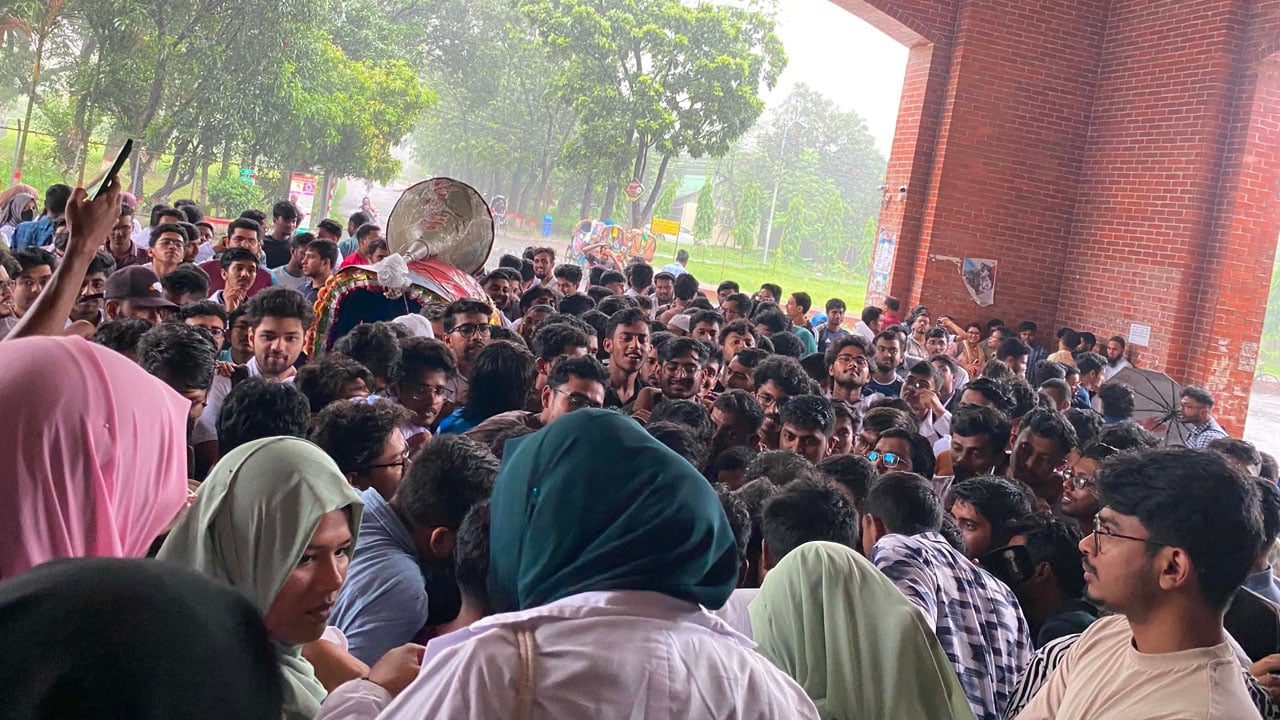
The Bangladesh Meteorological Department has forecast moderate to very heavy rainfall across the country for the next two days due to an active monsoon low over the land. The agency has instructed all maritime ports, including Chattogram, Cox’s Bazar, Mongla, and Payra, to hoist local cautionary signal number three. Inland river ports have been asked to display signal number one as gusty winds are expected in coastal areas. According to the latest weather bulletin, heavy to very heavy rainfall is likely in Khulna, Barishal, Chattogram, and Sylhet divisions, while other regions may experience light to moderate rain with thunderstorms. The rainfall may continue for 48 hours from Monday afternoon, leading to a slight drop in day and night temperatures. The Met Office also warned of possible waterlogging in Dhaka and Chattogram and landslide risks in hilly areas of Chattogram division. The five-day extended forecast suggests that rainfall activity may further increase. Fishermen in the northern Bay of Bengal have been advised to remain in safe shelter until further notice.

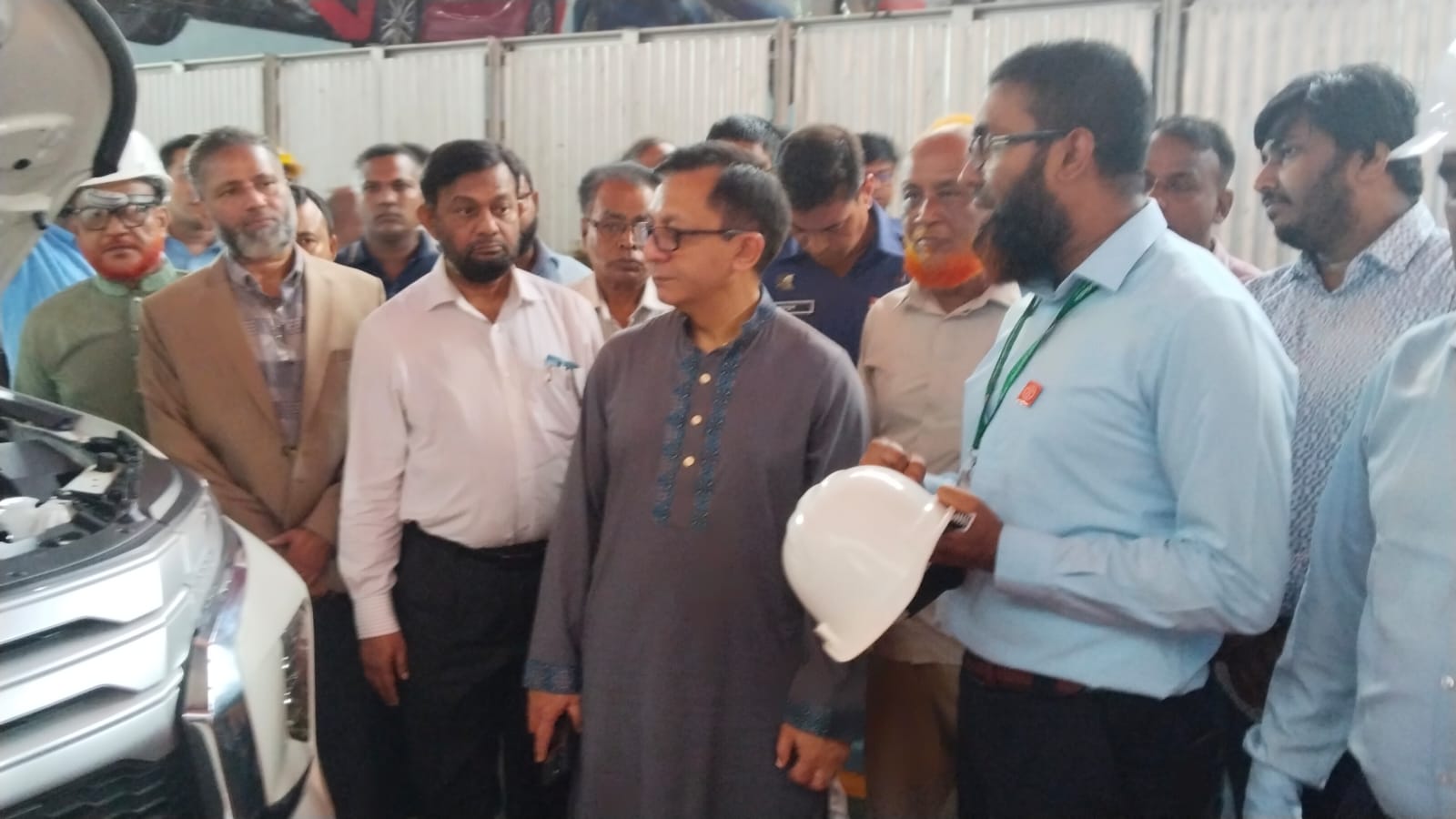
Industry and Commerce Minister Khandaker Abdul Muktadir visited the Sitakunda factory of Progoti Industries Limited (PIL), a Green Factory Award-winning automobile assembler, on Monday afternoon. He was welcomed by Bangladesh Steel and Engineering Corporation (BSEC) Chairman Md. Anwarul Alam, Additional Secretary Md. Firoz Uddin, and PIL’s Acting Managing Director Mohammad Abu Saim, along with officials, employees, and labor leaders. During the visit, the BSEC Chairman briefed the minister on the factory’s main production lines and overall operations. He emphasized the importance of modernizing the plant in line with current market demands and presented plans for launching an environmentally friendly electric vehicle (EV) assembly project. The minister expressed satisfaction with the factory’s production capacity and future plans, acknowledging Progoti’s pioneering role in Bangladesh’s automobile industry. Khandaker Abdul Muktadir assured full policy and administrative support from the government to help Progoti Industries modernize and adopt eco-friendly technologies. He later met with factory officials and workers, encouraging them to continue working with dedication for the company’s progress.
Police in Kolkata’s southern suburb of Baruipur are investigating the death of a Muslim teenage girl whose body was found in a pond on Sunday morning. A preliminary autopsy report released Monday indicates she was alive when placed in the water, as mud and water were found in her lungs. The report also found multiple injuries, including head wounds and signs of sexual assault. Doctors cited excessive bleeding and drowning as probable causes of death, estimating the incident occurred late Saturday night. Investigators are reconstructing the sequence of events using autopsy findings, CCTV footage, and statements from arrested suspects. Footage showed the girl walking through Suryapur Bazaar on Saturday afternoon, followed by a man identified as Prabhas Mondal. Police later arrested him and others, though their statements have been inconsistent. Prabhas, known locally as an unemployed drug addict, claimed another suspect, Anand Sardar, planned to kidnap the girl for ransom. Members of West Bengal’s Muslim community have strongly condemned the killing, alleging discrimination under the current state government and demanding justice for the victim.

The ‘1 Nojor’ media platform is now live in beta, inviting users to explore and provide feedback as we continue to refine the experience.