

The ‘1 Nojor’ media platform is now live in beta, inviting users to explore and provide feedback as we continue to refine the experience.
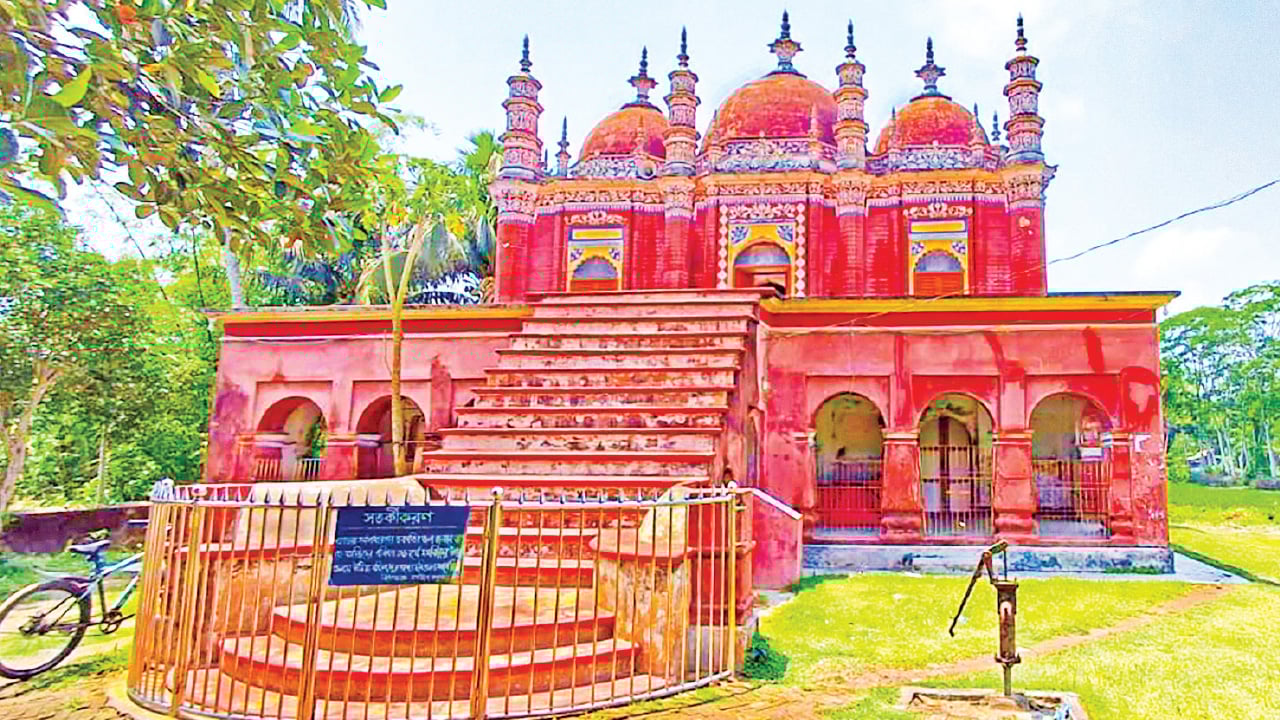
The Miyabari Mosque in Korapur, Barishal, remains one of the few surviving monuments representing the region’s ancient heritage. Built by Hayat Mahmud, a Bengali Muslim military commander under the Chandradwip ruler and later a zamindar of Buzurg-Umadpur, the mosque stands as both an architectural and archaeological landmark. Mahmud, who resisted British East India Company rule, was declared an outlaw, exiled to Prince of Wales Island, and later returned to settle in Korapur, where he constructed the mosque. Believed to have been built in the late 18th century, the two-storied mosque follows the Shaista Khani architectural style, similar to many 17th-century Mughal structures. It measures about 70 feet long and 40 feet wide, with thick brick-and-lime walls and a roof built without iron or rods. The mosque features three domes, eight large minarets, and twelve smaller ones, and can accommodate around 60 worshippers. Two unidentified graves lie beneath its staircase. Recently, local efforts have restored the mosque’s beauty, and its ground floor now houses a madrasa. The Miyabari Mosque continues to symbolize Barishal’s Muslim heritage and its historical defiance of colonial dominance.
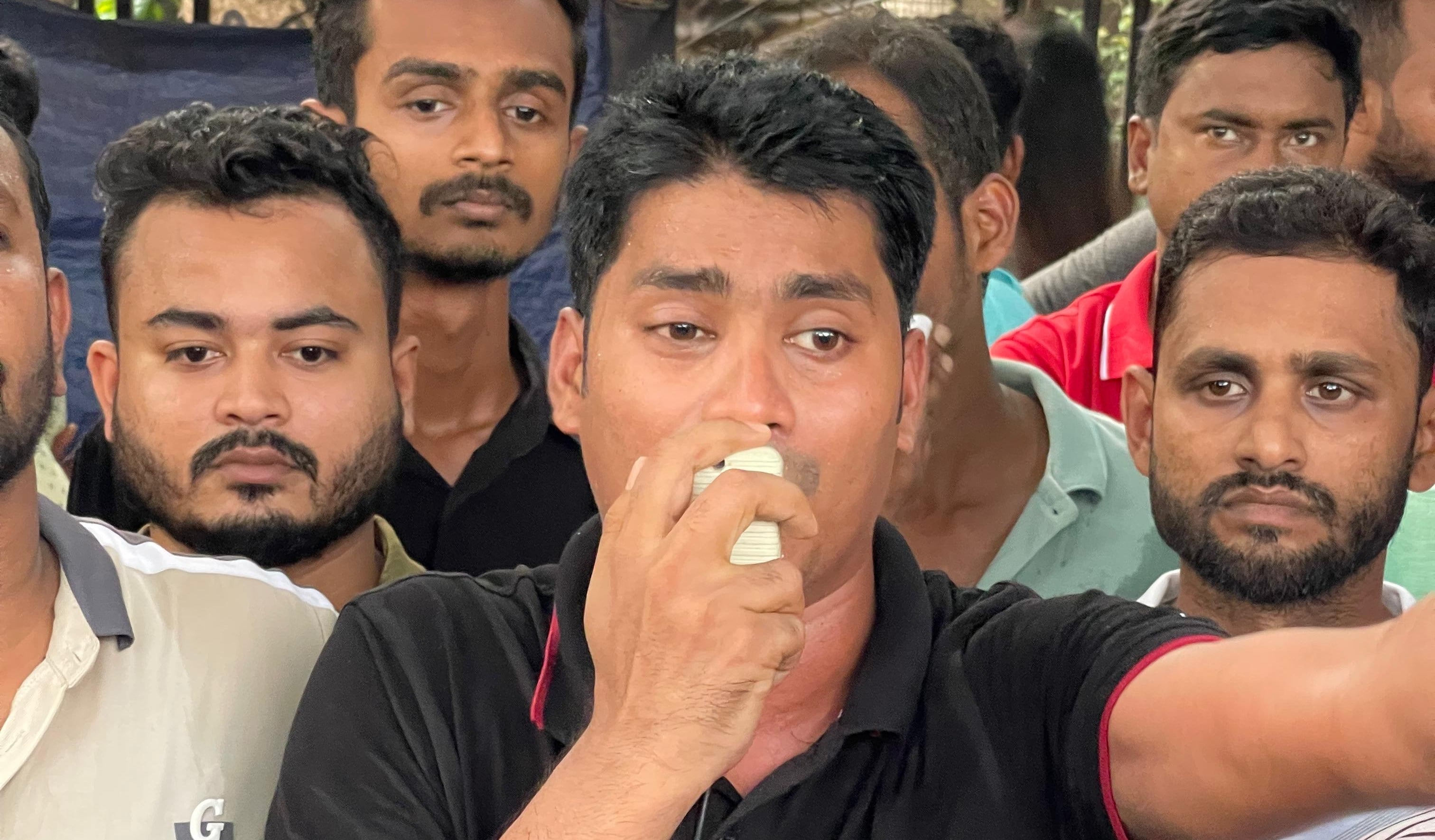
Dhaka Metropolitan West Chhatra Dal General Secretary Akram Ahmed has announced a 'zero tolerance' policy against individuals conducting secret political activities. The declaration came during a protest rally in Mirpur, Dhaka, organized to condemn recent attacks on Chhatra Dal and general students at Chittagong City College and Pabna Ishwardi Government College. The rally began at the Tolarbagh footbridge and concluded near the Directorate of Primary Education in Mirpur-2. In his address following the rally, Akram Ahmed alleged that for the past 16–17 years, former Prime Minister Sheikh Hasina and her followers had established a fascist regime that held ordinary citizens hostage. He further accused members of Shibir of carrying out covert attacks on Chhatra Dal activists and students. Akram stated that his organization would take a firm stand against such secret political operations in every educational institution and neighborhood under its jurisdiction. He warned that any future attacks on Chhatra Dal members would be resisted. Several senior leaders of Dhaka Metropolitan West Chhatra Dal were present at the event.
Two leaders of the Dhaka University Central Students’ Union (DUCSU), identified as A.B. Zubair and Mosaddeq Ali Ibn Mohammad, were reportedly attacked by activists of the Chhatra Dal in the Shahbagh area of Dhaka. The incident was reported on April 23, 2026, according to the source. The report, published by Amar Desh, stated that the attack took place under the jurisdiction of Shahbagh Police Station. No further details about the circumstances of the attack, the condition of the victims, or any police action were provided in the initial report. Further information is expected as the story develops, as the source indicated that more details are forthcoming.
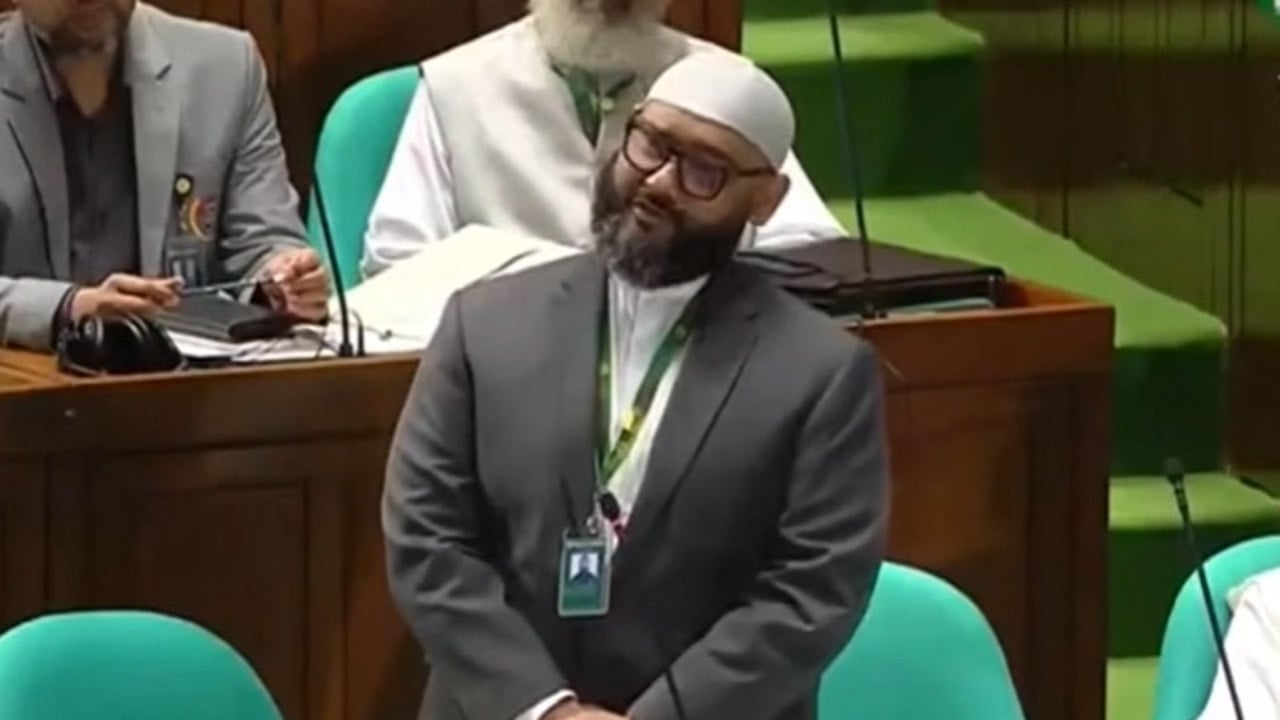
Jamaat-e-Islami lawmaker Mir Ahmad Bin Kasem, also known as Barrister Arman, told the national parliament on Thursday that many individuals allegedly involved in enforced disappearances still occupy important positions in Bangladesh. Speaking during the discussion on the motion of thanks to the President’s address, he said these individuals are attempting to create instability in the country and must be brought to justice. Drawing on his own experience as a former victim of enforced disappearance, Kasem became emotional while recounting the suffering of affected families. On their behalf, he presented three demands: ensuring accountability, guaranteeing the economic security of victims’ families, and preventing future occurrences of such crimes. He called for strong laws, political will, and the establishment of independent commissions on disappearances and human rights. Kasem also mentioned testifying before the International Crimes Tribunal against powerful groups still in authority, saying witnesses face ongoing risks. He urged that justice for disappearances not become a superficial exercise reminiscent of authoritarian times and called for state recognition of victims.
Police Bureau of Investigation (PBI) has collected the DNA sample of former army warrant officer Hafizur Rahman in connection with the Tonu murder case, ten years after the case was filed. The sample was collected at the CID forensic lab in Dhaka before Hafizur was presented in a Comilla court, and the matching process has begun. The investigation officer, Inspector Md. Tarikul Islam, confirmed the development on Thursday evening, adding that efforts are ongoing to arrest other suspects. In 2017, the CID reported finding sperm from three men on Tonu’s clothing but did not match the DNA profiles with any suspects. This is the first time a suspect’s DNA has been collected for matching. Hafizur was arrested from his home in Keraniganj on Tuesday and placed on a three-day remand by a Comilla court. Two other retired army personnel, Sergeant Zahid and soldier Shahin Alam, are also under suspicion. The case dates back to March 20, 2016, when Tonu’s body was found inside the Comilla Cantonment area after she went missing while tutoring at a residence there.

The Ministry of Finance of Bangladesh has approved a subsidy release of Tk 2,067 crore and 5 lakh to clear the March 2026 outstanding bills of private power producers. The directive, issued on April 21, states that the funds will be disbursed to the Bangladesh Power Development Board for payment to independent power producers (IPPs) and rental power plants (RPPs). The amount will come from the electricity subsidy allocation under the revised budget for the 2025–26 fiscal year. According to the directive, the subsidy was calculated based on the actual shortfall of 85 IPPs and 9 RPPs for March, while dues up to February have already been settled. The Finance Division imposed conditions that no funds will be released for two unapproved power plants or for electricity imports from India. It also instructed the concerned entities to obtain necessary approvals promptly. The ministry further directed that the subsidy be used strictly for the designated IPP and RPP payments, with full compliance to financial regulations. Monthly shortfall reports must be submitted to enhance transparency, and future audits will reconcile the subsidy with verified liabilities.
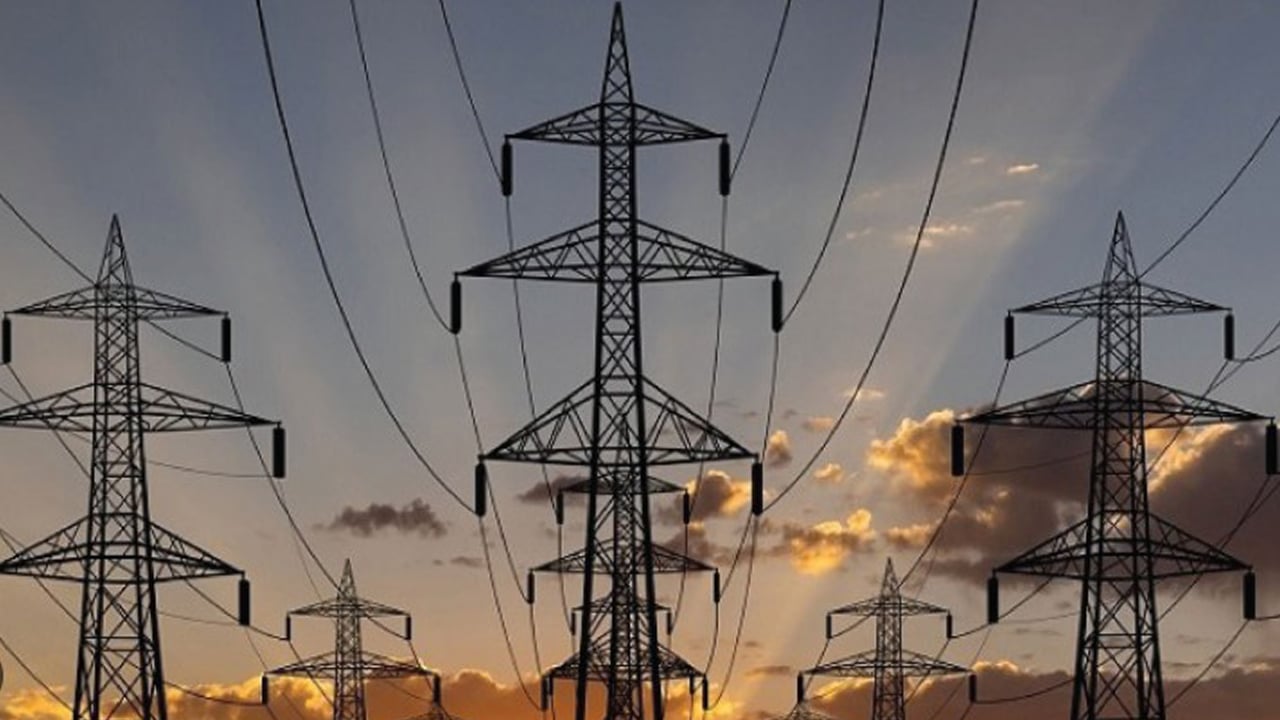
Two road workers were killed on Thursday afternoon when a Bhuiyan Paribahan bus heading toward the airport lost control and mounted a road divider in front of Setu Bhaban in Banani, Dhaka. The victims, identified as Sagar Mia, 35, and Moslem Uddin, 47, were working on the road at the time of the accident. The incident occurred around 4 p.m. on April 23, 2026. Banani Police Sub-Inspector Rafiqul Islam confirmed the deaths and said the bodies were sent to Dhaka Medical College morgue for autopsy. The bus involved in the accident was seized, but the driver fled the scene. Authorities identified the victims through their national identity cards. According to police information, Sagar was from Mahishbandi village in Sadullapur upazila of Gaibandha district, while Moslem Uddin lived in the Isha Khan Road area of Mirpur Section 1 in Dhaka.

U.S. President Donald Trump continues military operations against Iran without new authorization from Congress, as a key legal deadline approaches under the War Powers Resolution. The law allows a president to deploy troops for only 60 days without congressional approval, and that period is set to expire within a week. Despite this, most Republican lawmakers are still backing Trump, effectively giving him a political free pass. Public support for the war is declining, and Trump’s approval rating is also falling. Confidence in the Republican-controlled Congress has hit a low point, while the U.S. military has requested an additional 200 billion dollars to cover war expenses. Rising living costs and fuel prices have fueled voter dissatisfaction. Observers are now watching how Republican members of Congress will respond once the legal time limit expires, as their stance could determine the future of Trump’s wartime authority.
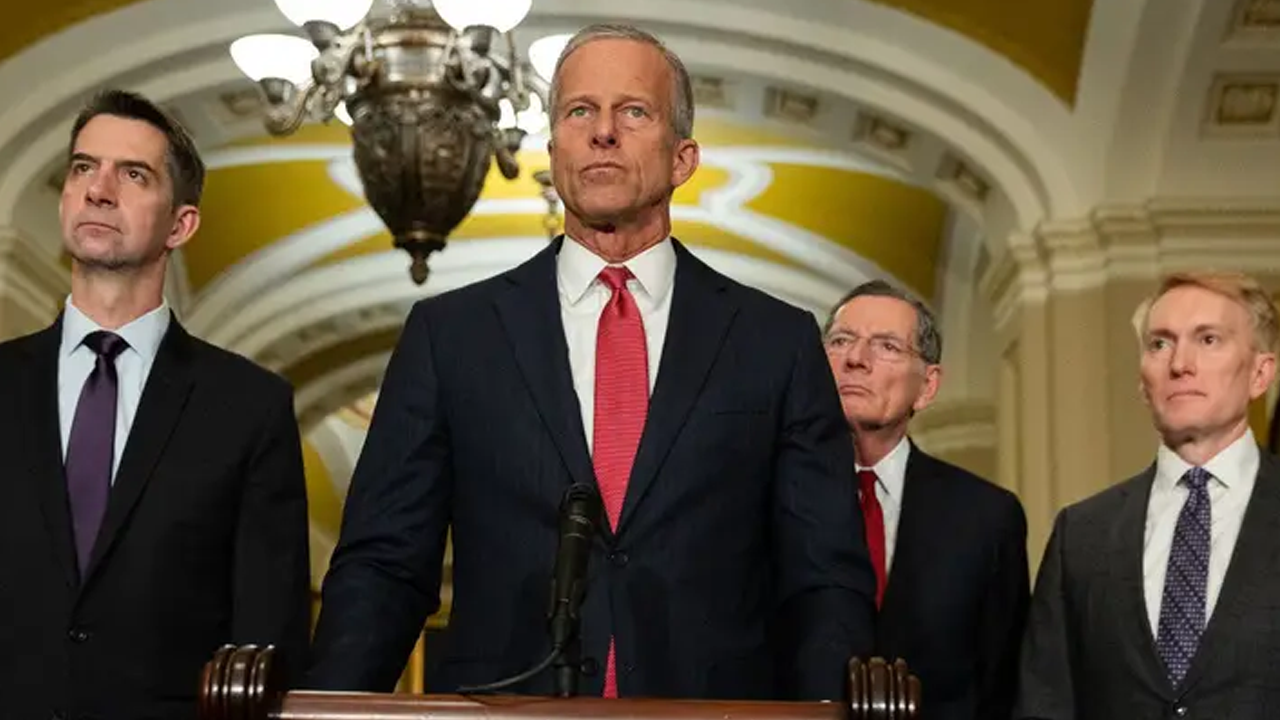
A violent clash broke out in Rajshahi on Thursday afternoon over control of the district motor workers’ union office, leading to explosions, vandalism, and panic in the Shirail bus terminal area. The confrontation, which lasted about an hour, involved supporters of Rafiqul Islam Pakhi, the acting general secretary of the union and convener of the city workers’ party. Witnesses reported that Pakhi’s followers detonated several crude bombs to disperse rivals and seize control of the office. The conflict followed growing internal disputes after Pakhi assumed his position following the fall of the Awami League government. Tensions escalated when some workers were allegedly assaulted by his supporters, prompting protests and demands for new elections. On Thursday, opposing groups armed with rods and pipes gathered in different parts of the city before the clash erupted. Local residents alleged that police were present but failed to intervene effectively. Authorities later deployed additional forces to stabilize the area, which remained tense amid fears of renewed violence.

Opposition Leader Dr. Shafiqul Rahman proposed that load-shedding in Dhaka should begin from the Parliament area. He made the suggestion on Thursday while participating in an unscheduled discussion in Parliament. Earlier, State Minister for Power, Energy and Mineral Resources Anindya Islam Amit said that a decision had been taken to implement 110 megawatts of load-shedding in the capital on a trial basis to reduce the disparity between urban and rural areas. The decision was made following the Prime Minister’s advice and discussions with the opposition leader. During the session, when the Speaker Hafiz Uddin Ahmed noted that power cuts could disrupt parliamentary proceedings, Dr. Rahman clarified that he was not referring to the Parliament session itself but to other facilities within the Parliament complex. He emphasized that the Parliament area should experience load-shedding in the same way as other parts of the capital. The discussion highlighted the government’s plan to distribute power shortages more evenly across regions and the opposition’s call for fairness in implementing the policy.
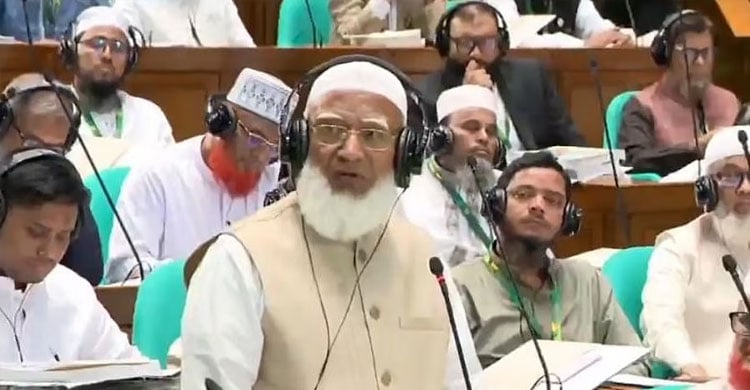
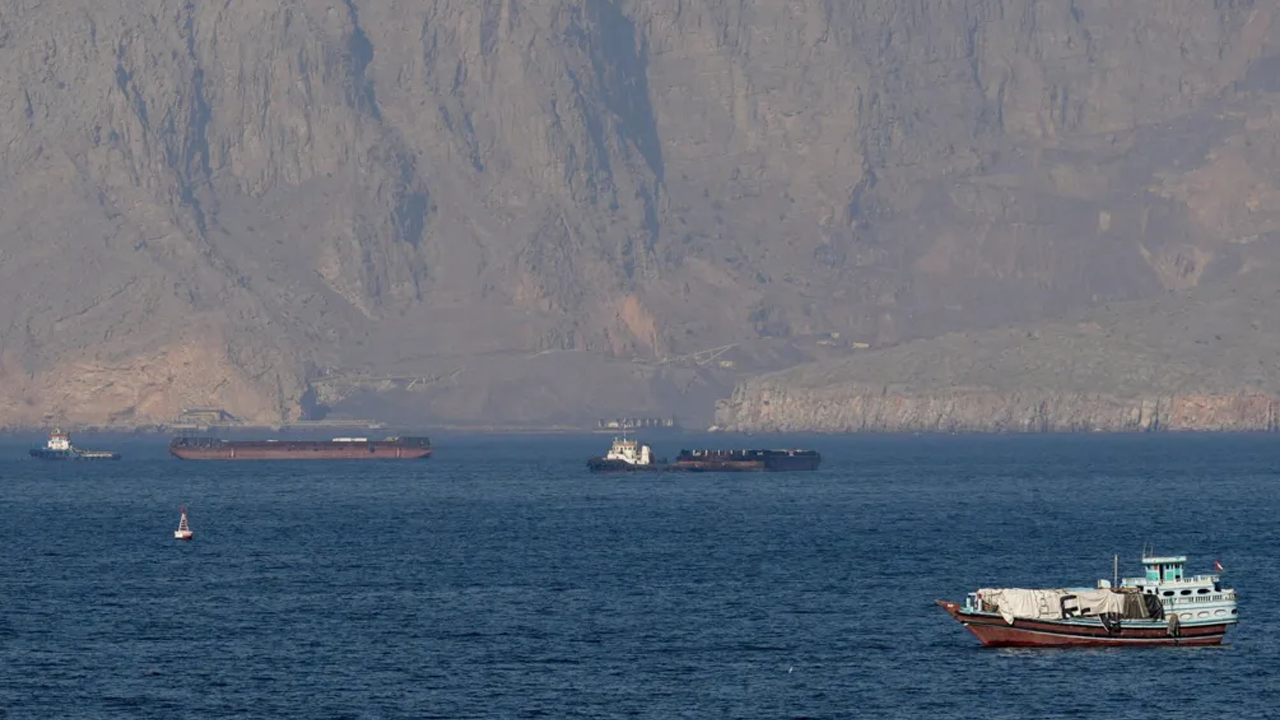
US President Donald Trump has claimed that the United States now has full control over the Strait of Hormuz. In a statement on April 23, 2026, he said the vital waterway would remain tightly sealed until Iran agrees to a deal. Trump emphasized that the blockade would not be lifted until Tehran reaches an understanding or agreement with Washington. The Strait of Hormuz is one of the world’s most important routes for oil transportation. The US Navy’s firm stance in the area has raised concerns about potential disruptions to global trade. However, the Trump administration stated that the move aims to ensure the security of this strategic maritime passage. Earlier, Trump had also warned of strong action against those attempting to plant mines in the strait. The situation underscores rising tensions in the region, with possible implications for international energy markets and diplomatic relations between the United States and Iran.
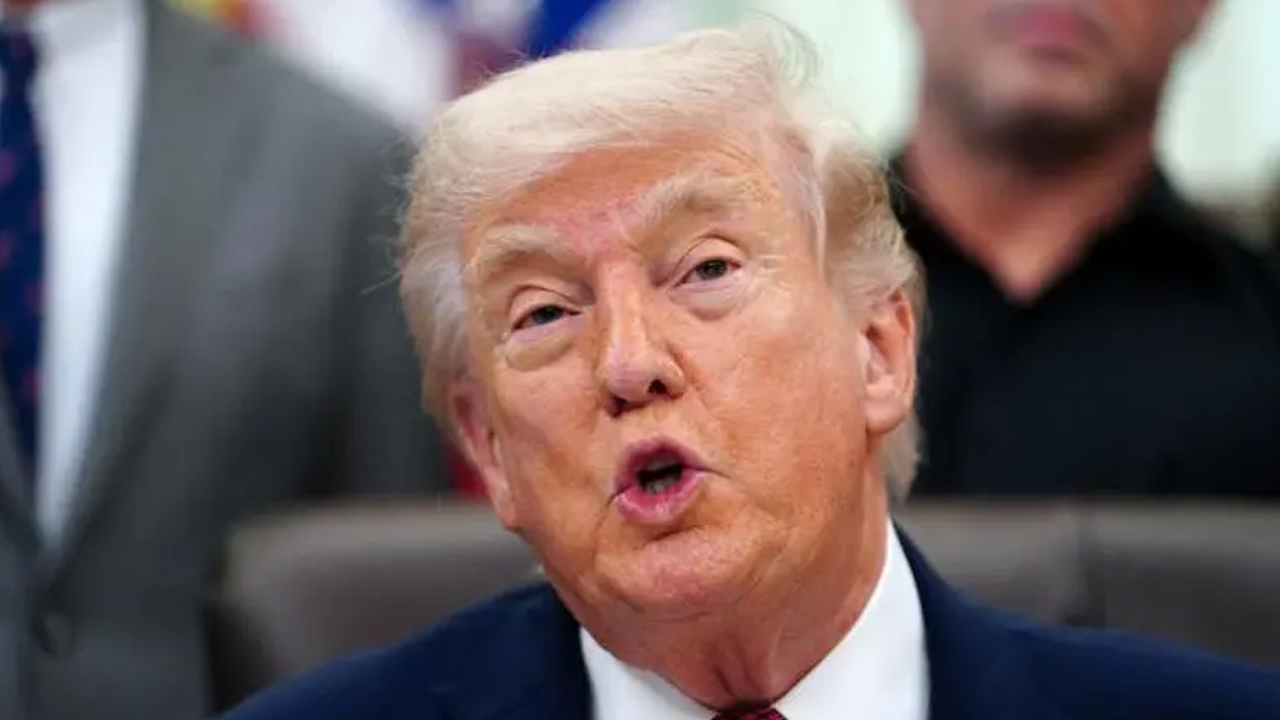
UK Defence Minister John Healey and French Defence Minister Catherine Vautrin have expressed optimism about significant progress toward reopening the Hormuz Strait. The two ministers made the remarks on Thursday after a meeting with their countries’ military planners. In a joint statement released by the UK Ministry of Defence, they emphasized the need for concrete planning, open dialogue, and firm commitment among allies and partners to turn diplomatic efforts into reality. The statement also expressed gratitude to countries that have already shown willingness to contribute to the process and voiced confidence that real progress could be achieved in reopening the strait. The Hormuz Strait, one of the world’s most vital maritime routes, has been paralyzed due to U.S. blockades and rising tensions. Against this backdrop, the joint initiative by the UK and France has drawn notable international attention. The report adds that while former U.S. President Donald Trump previously claimed full American control over the strait, the two European nations are pursuing diplomatic and military discussions to resolve the current deadlock.

Iran has collected its first transit fee from ships passing through the Strait of Hormuz, marking the beginning of a new toll system. The announcement was confirmed by Hamidreza Haji Babayi, deputy speaker of Iran’s parliament, who said the first installment of the collected toll has already been deposited into the Central Bank of Iran’s account. Another parliament member, Alireza Salimi, also confirmed the toll collection based on reliable sources. According to the report, the toll amount is determined by factors such as the type of vessel, cargo volume, and level of risk. Iran’s parliament had planned this ‘security tax’ to help cover the costs of ensuring safety in the strategic waterway. The measure comes as ship movements through the Strait have been disrupted since February 28 due to ongoing tensions in the Middle East. Iran has recently tightened control over commercial vessels transiting the area, allowing passage only under specific conditions. With this step, Iran has formally begun a regular toll collection process for ships using the Strait of Hormuz.
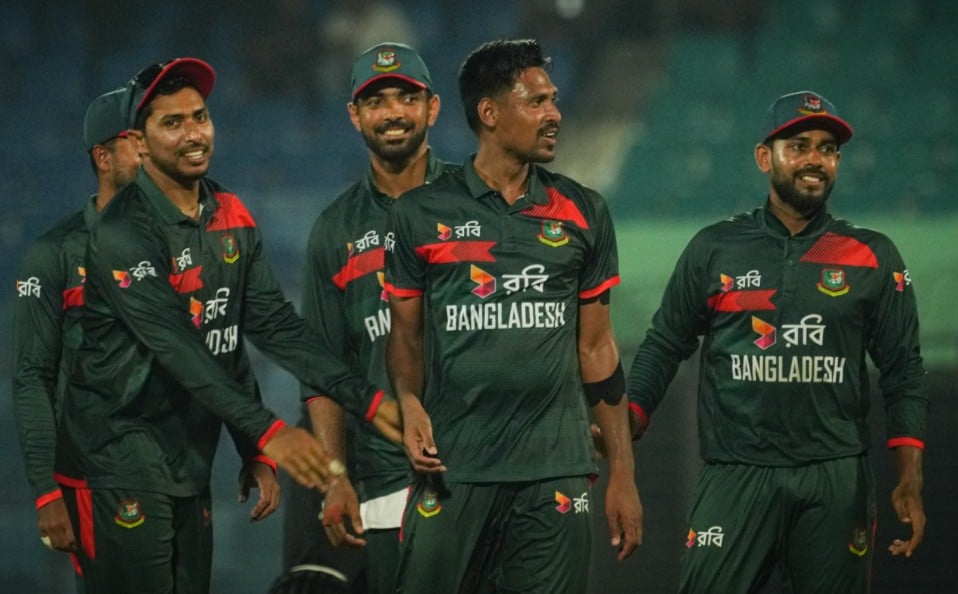
Bangladesh secured a 55-run victory over New Zealand to win the three-match ODI series 2–1 on April 23, 2026. The hosts dominated most of the match, maintaining pressure through both batting and bowling. Despite a late surge from New Zealand’s pacer Will O’Rourke, who took three wickets, Bangladesh built a solid total with a century from Najmul Hossain Shanto and a half-century from Liton Das. In reply, New Zealand’s innings collapsed after Nick Kelly’s dismissal, with Dean Foxcroft’s 75 off 72 balls proving insufficient to turn the tide. Mustafizur Rahman, returning to the side, delivered a match-winning performance by taking five wickets for 43 runs, while Nahid Rana and Mehidy Hasan Miraz claimed two wickets each. Bangladesh bowled out New Zealand for 210 in 44.5 overs. Najmul Hossain Shanto was named Player of the Match for his 105-run innings, and Nahid Rana earned Player of the Series honors with eight wickets across the series.
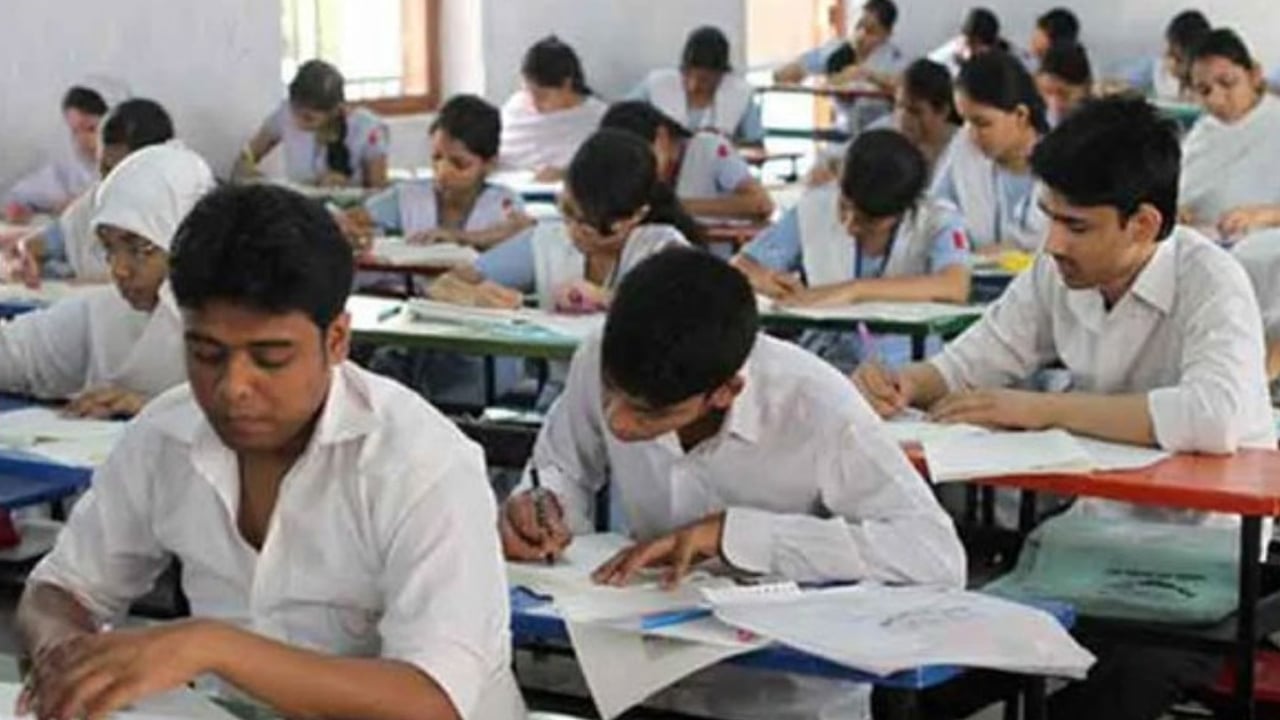
On Thursday, the second day of the Secondary School Certificate (SSC), Dakhil, and equivalent examinations across Bangladesh, absenteeism and expulsions increased compared to the first day. According to the Inter-Education Board Coordination Committee, 26,865 students were absent out of 1,492,806 registered candidates under 11 education boards, while 19 students were expelled for cheating. On the first day, 25,408 students were absent and only six were expelled. The committee’s statement, signed by Professor Dr. Khondoker Ehsanul Kabir, chairman of the Dhaka Education Board, detailed that 12,316 absentees were from nine general boards, 12,150 from the Madrasa Board, and 2,399 from the Technical Board. The day’s exams included Bangla Paper II for SSC, Arabic Paper I for Dakhil, and English-2 for vocational students. The written exams began on April 21 and will continue until May 20, followed by practical tests from June 7 to 14. The data showed varying absentee rates across boards, with the general boards averaging 1.10 percent absenteeism and the Madrasa Board recording 4.79 percent. The Technical Board reported 2,399 absentees out of 120,160 registered candidates.
The ‘1 Nojor’ media platform is now live in beta, inviting users to explore and provide feedback as we continue to refine the experience.