

The ‘1 Nojor’ media platform is now live in beta, inviting users to explore and provide feedback as we continue to refine the experience.
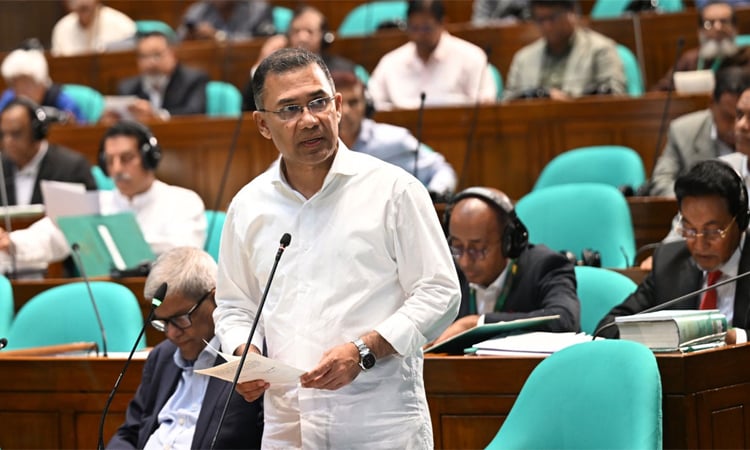
State Minister for Power, Energy and Mineral Resources Anindya Islam Amit announced in parliament that the government has decided to implement a 110-megawatt load shedding in Dhaka on a trial basis. The decision aims to ensure that farmers are not affected by electricity shortages during the irrigation season and to reduce inequality between rural and urban areas. The announcement was made on Thursday under Rule 300 in the National Parliament. The minister expressed regret for the public suffering caused by ongoing power cuts, noting that current nationwide load shedding stands at around 2,000 megawatts but is expected to decline within seven days. He explained that despite high theoretical generation capacity, actual production remains lower due to gas shortages and maintenance at some power plants. Bangladesh currently faces a daily gas shortfall of about 1,164 million cubic feet. Amit said the government, guided by the Prime Minister and in consultation with the opposition leader, is prioritizing uninterrupted electricity for agriculture. He added that visible progress in expanding gas infrastructure is expected within 180 days under the government’s priority plan.

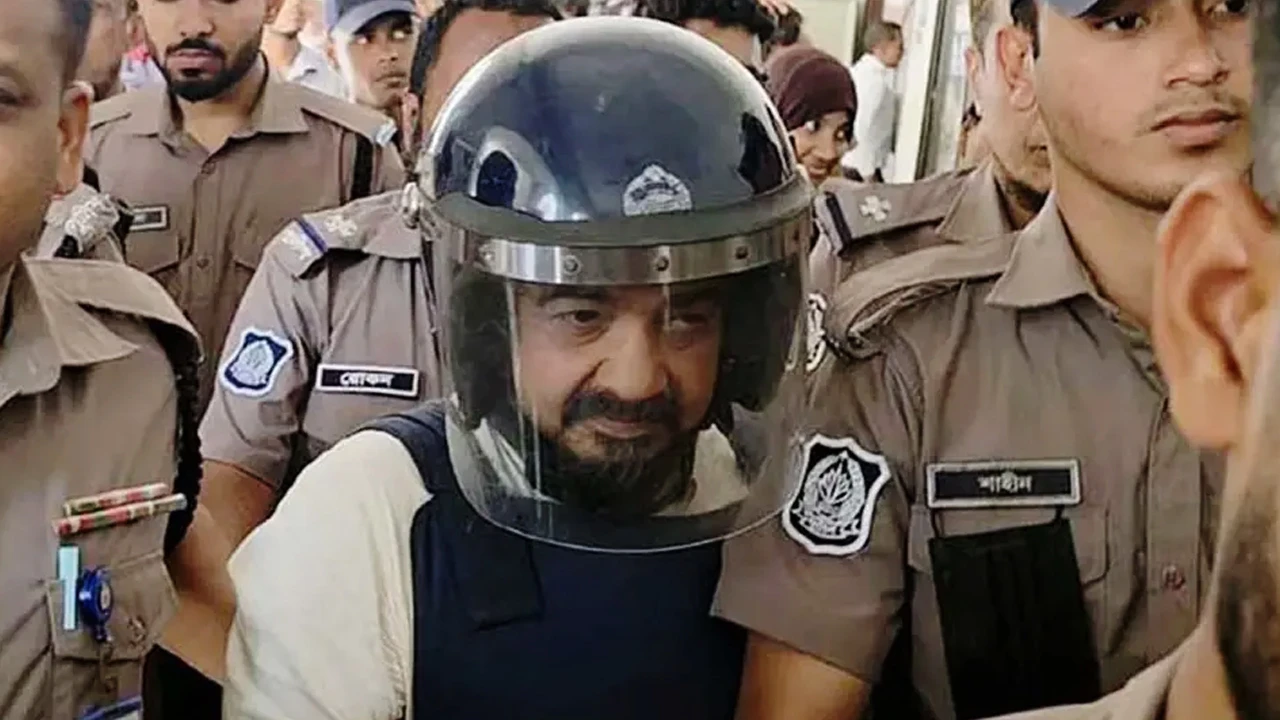
A Dhaka court has granted a four-day remand for former DGFI officer Md. Afzal Naser in connection with a murder case filed over the killing of a man during the July Movement in Uttara. The order was issued on Thursday, April 23, 2026, by Additional Chief Metropolitan Magistrate Sefatullah. The prosecution was represented by state lawyer Shamsuddoha Suman. Earlier, the investigating officer, Sub-Inspector Mohammad Ashraful Alam of Uttara East Police Station, had sought a seven-day remand for interrogation. According to the remand petition, preliminary investigation indicated Naser’s involvement in the incident. Investigators claimed that under his direction, violent activities were carried out to suppress the anti-discrimination student movement. The petition stated that sufficient evidence had been found and that police custody was necessary for further investigation. Naser was previously arrested on March 30 from his residence in Mirpur DOHS and had been remanded multiple times in other cases before being sent to jail. The case alleges that on August 5, 2024, victim Mahmudul Hasan was shot dead during a student rally against discrimination in Uttara, leading his family to file the murder case at Uttara East Police Station.
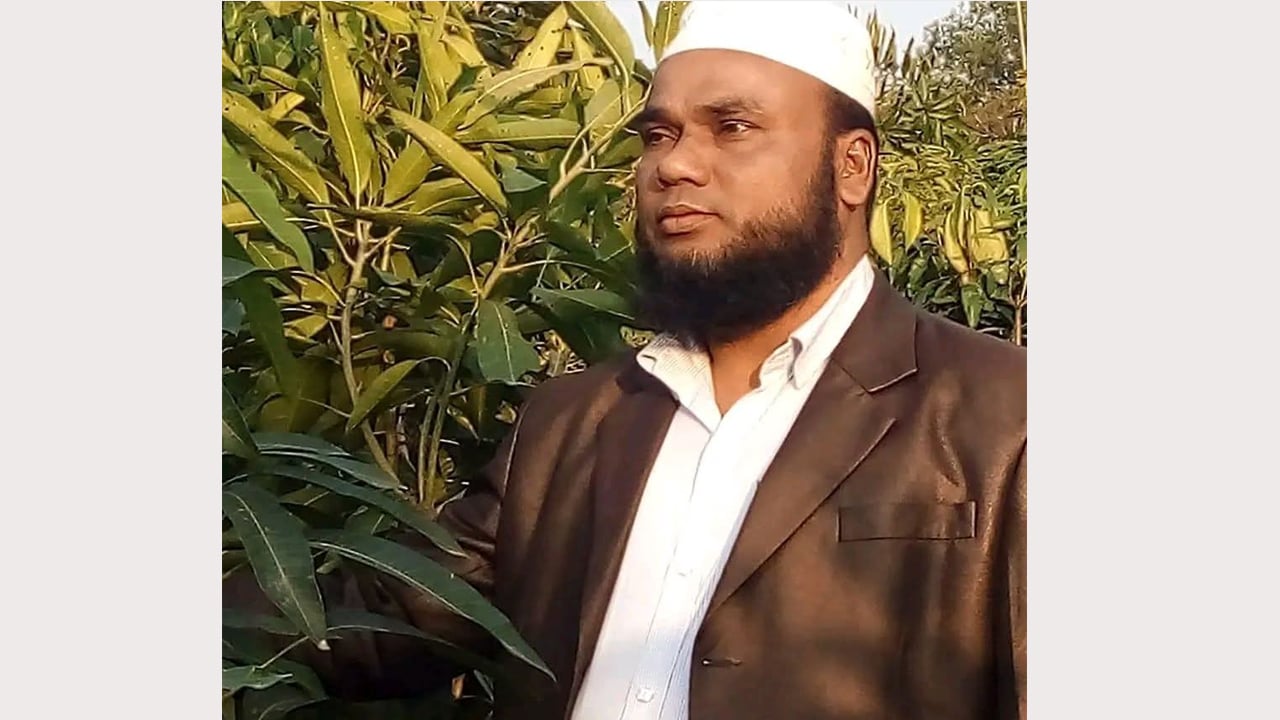
Two teachers, including the exam center secretary, were dismissed in Uzirpur, Barishal, after an SSC examination was conducted using the wrong question paper. The action was taken by Upazila Nirbahi Officer Md. Ali Suza following confirmation of the allegations. The dismissed individuals are center secretary Faruk Hossain and assistant teacher Khagen Mondal. According to the report, the exam was mistakenly held with the 2026 question paper meant for regular students instead of the 2025 paper designated for irregular candidates. This error raised concerns about potential complications in the affected students’ results. The dismissal followed an investigation that verified the complaint. Authorities stated that measures are being taken to ensure that students do not suffer academic consequences due to the incident.
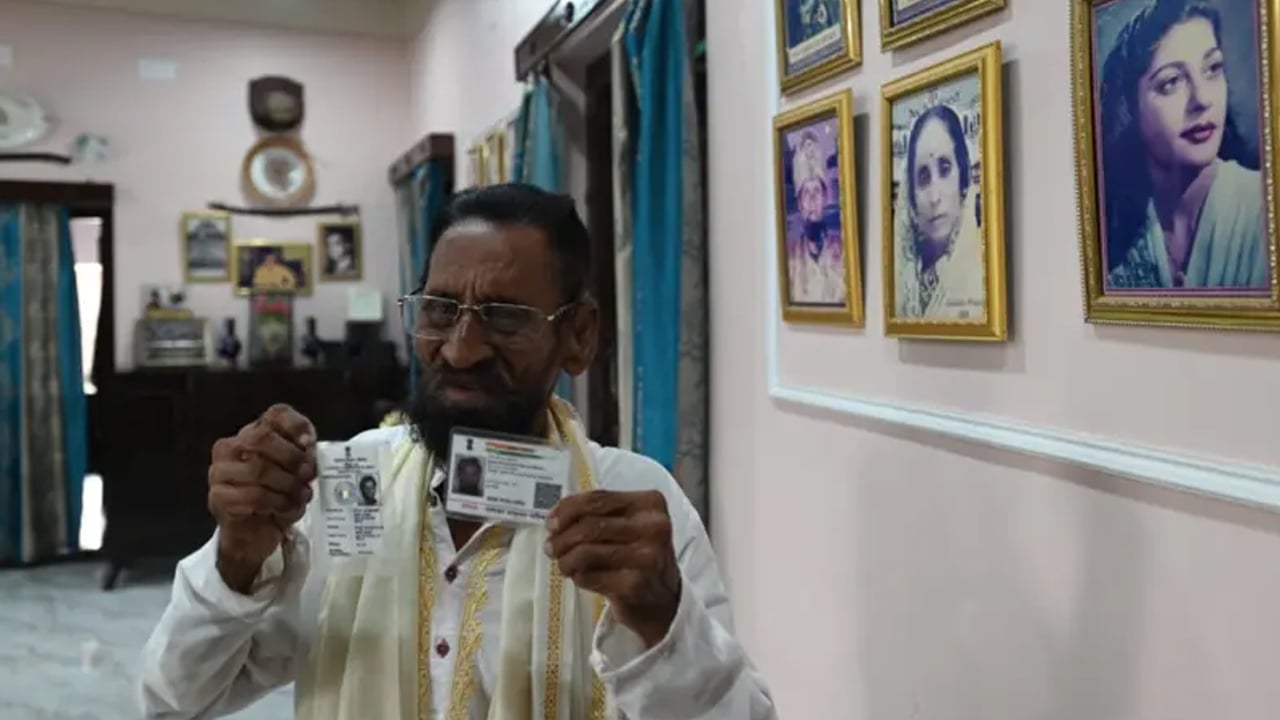
Syed Muhammad Reza Ali Mirza, known as 'Chhote Nawab' and a descendant of Mir Jafar, was unable to vote in the recent West Bengal election held on April 23, 2026. According to his family, more than 150 members of Mir Jafar’s lineage, including his son Syed Muhammad Fahim Ali Mirza, were excluded from the official voter list. The first phase of polling took place in Murshidabad, but those whose names were missing could not cast their votes. The family resides in and around Kella Nizamat in Lalbagh, Murshidabad. They stated that after the preliminary voter list was published, several family members were called for hearings and submitted all required documents. Despite this, their names were reportedly removed from the final list. The report, citing BBC Bangla, highlights the family’s complaint but does not include any official response or explanation from election authorities regarding the omission.
A new analysis by real estate consultancy Knight Frank projects that the number of billionaires worldwide could rise to nearly 4,000 within the next five years. The firm’s report indicates that the current global billionaire population stands at 3,110 and is expected to grow by 25 percent to 3,915 by 2031. The study also found a sharp increase in multimillionaires, with individuals holding assets worth at least 30 million dollars rising from 162,191 in 2021 to 713,626 globally. Knight Frank’s head of research, Liam Bailey, attributed the rapid wealth expansion to profits from the technology sector, particularly artificial intelligence. He noted that business scalability has reached record levels, enabling faster accumulation of wealth through technology and AI. The report highlights that Saudi Arabia is expected to see the fastest growth in billionaires, from 23 in 2026 to 65 by 2031, while Poland and Sweden will also experience significant increases. The findings come amid widening global inequality. The World Inequality Report shows that 0.001 percent of the world’s population controls more than three times the total wealth of the poorest groups, while Oxfam reported a record number of new billionaires last year.

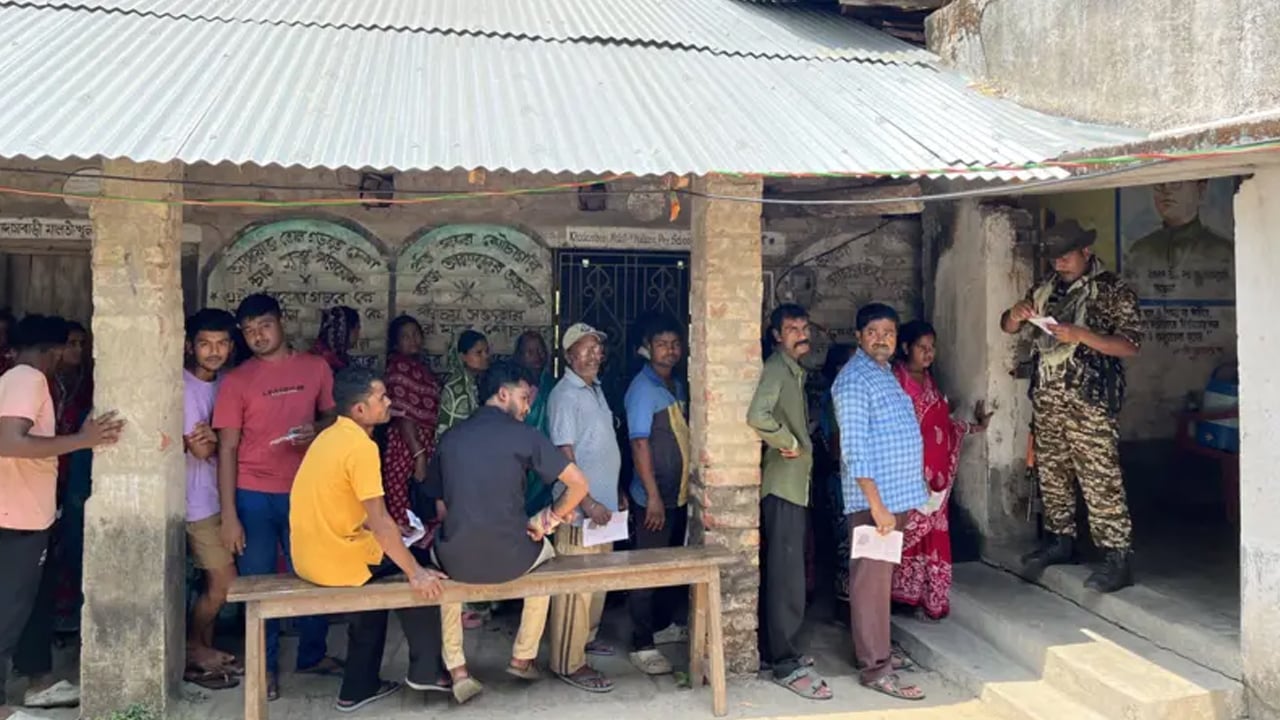
The first phase of the West Bengal Assembly elections saw an average voter turnout of 78.77 percent by 3 p.m. on Thursday, according to data from the state election commission. The highest turnout was recorded in Shamsherganj constituency of Murshidabad district, where 87.53 percent of voters cast their ballots. Shamsherganj, a Muslim-majority area, had previously seen the highest number of names removed from the voter list. Lalgola and Bhagabangola constituencies, which also had large numbers of names deleted from the electoral rolls, recorded approximately 85 percent and 84 percent turnout respectively. BBC correspondents visiting these areas observed that many migrant workers had returned home from other states specifically to vote. Residents reportedly feared that failing to vote might lead to their names being removed from the voter list. In Nandigram, where opposition leader Suvendu Adhikari is contesting, the turnout reached 81.3 percent by 3 p.m., while Purulia recorded the lowest turnout at 72.22 percent.
Habibur Rahman Mallik, uncle of the slain Nazrul Islam Mallik, testified before the International Crimes Tribunal-1 that intelligence officials told his family RAB intelligence chief Ziaul Ahsan was responsible for Nazrul’s killing. His statement came during cross-examination by defense lawyer Aminul Gani Tito before a two-member judicial panel led by Justice Shafiul Alam Mahmud on Thursday, April 22. Habibur Rahman is the fourth witness in a crimes against humanity case involving allegations of enforced disappearances and killings during one and a half decades of Awami League rule. During cross-examination, Tito disputed the witness’s claim, arguing that Ziaul’s name was introduced under the investigator’s influence. Habibur Rahman maintained that intelligence personnel had repeatedly visited their home and informed them of Ziaul’s involvement. The tribunal set May 6 as the next date for testimony. Ziaul’s sister and lawyer Naznin Nahar objected to the schedule, arguing that other cases receive longer intervals between hearings. Prosecutor Uday Tasmir responded that the defense complains both when witnesses are delayed and when they appear regularly. The tribunal upheld its decision and adjourned the session.
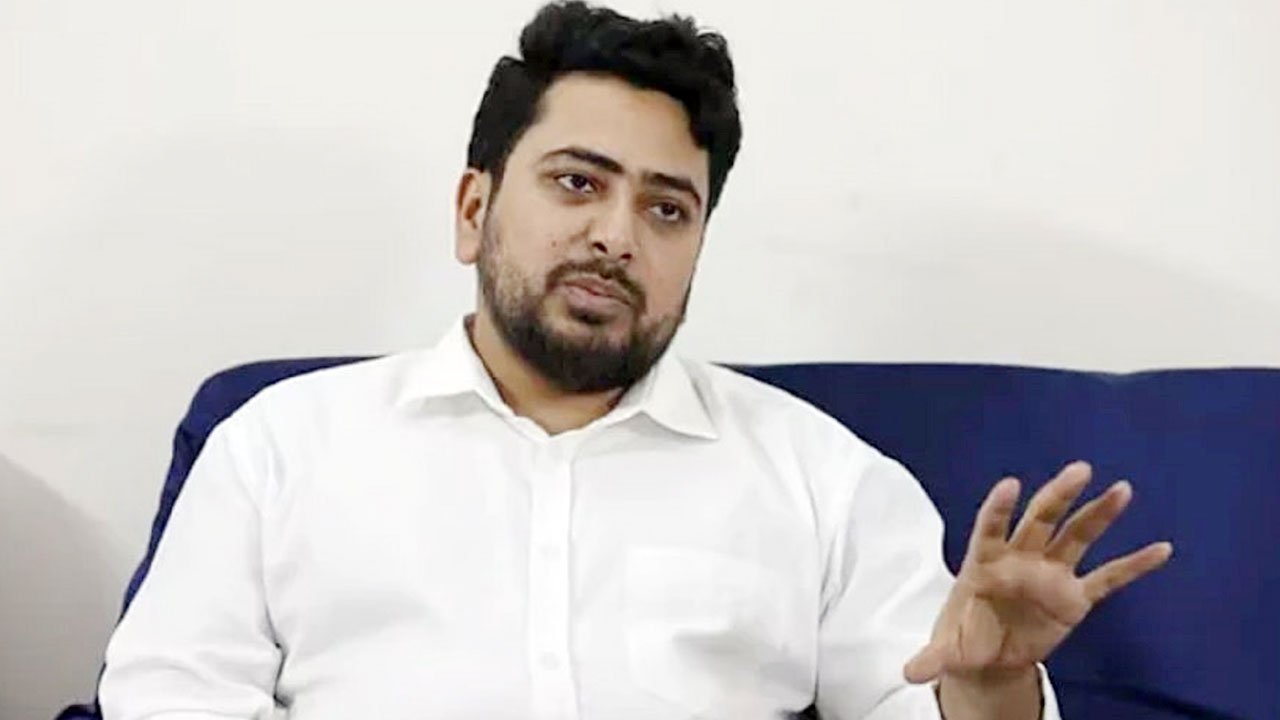
Nahid Islam, convener of the National Citizens Party (NCP) and a member of parliament, warned that his party and its 11-party alliance would not hesitate to take to the streets if the ruling BNP government fails to initiate reforms. In an interview with Amar Desh published on April 23, 2026, he said that while his party does not seek another mass uprising, public anger could erupt if the government ignores popular demands. He argued that the current administration has become deeply unpopular within two months of taking office, citing fuel shortages, rising commodity prices, and difficulties in handling international pressure. Nahid Islam questioned whether the government could complete its five-year term under such conditions. Referring to the post-July uprising political landscape, he described Bangladesh as standing at a crossroads between old political forces trying to retain power and a new generation eager for state reconstruction. He suggested that the direction of future politics will depend on how this tension unfolds.
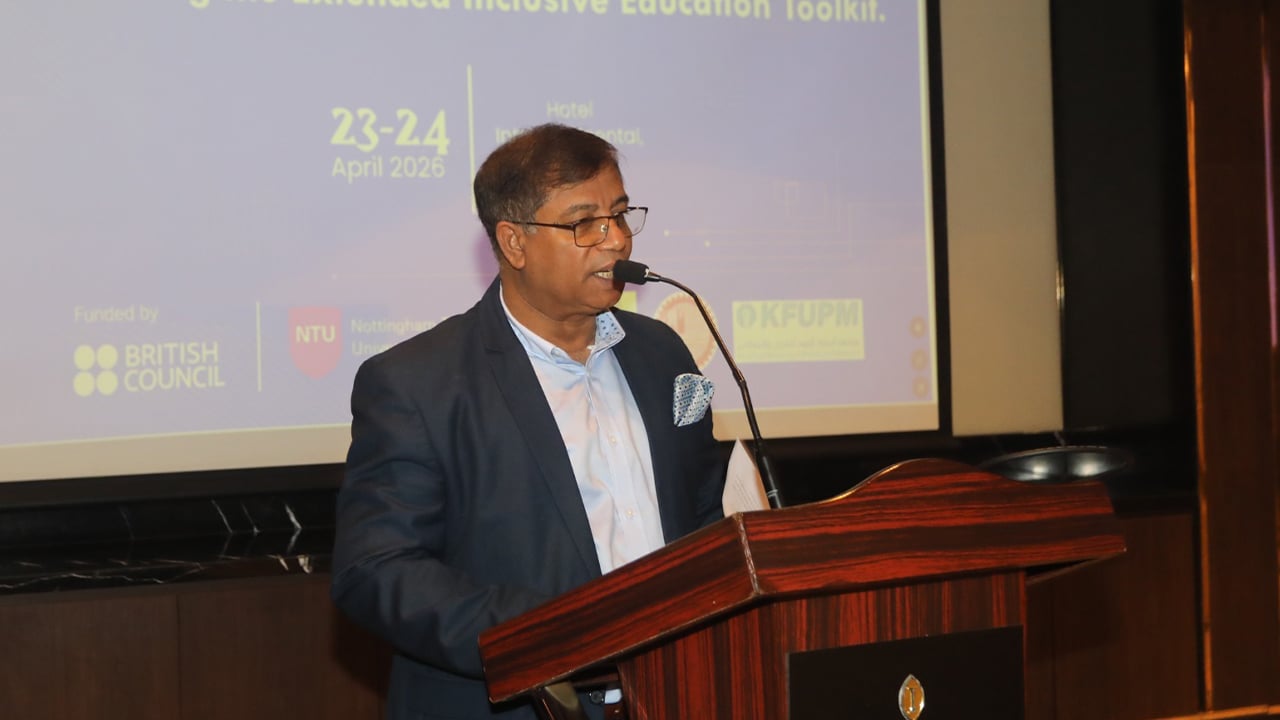
The University Grants Commission (UGC) of Bangladesh has initiated the formulation of a national policy to ensure the ethical use of artificial intelligence (AI) in education, research, and administration across the country’s universities. The announcement was made by UGC Chairman Professor Dr. Mamun Ahmed during the opening of a two-day workshop titled “Building Equity: Assessing the Extended Inclusive Education Toolkit,” held in Dhaka on Thursday. The workshop was jointly organized by the Bangladesh University of Engineering and Technology, American International University-Bangladesh, Nottingham Trent University of the UK, and King Fahd University of Petroleum and Minerals of Saudi Arabia, with funding from the British Council. The UGC chairman emphasized AI’s transformative role in building equitable and inclusive education and said the policy aims to ensure responsible and ethical AI practices. He added that training programs are being developed to enhance teachers’ and academic leaders’ skills, while research and innovation are being encouraged to address local challenges such as rural access, language barriers, and equitable resource distribution. The UGC is also working on institutional guidelines and quality assurance frameworks to align AI use with national goals and international standards.
The government and opposition parties have agreed to form a 10-member committee to develop recommendations for resolving the country's energy problems. Prime Minister Sheikh Hasina proposed the formation of the committee in parliament on Thursday, naming five members from the ruling party. The committee will be chaired by the Minister of Power, Energy and Mineral Resources, Iqbal Hasan Mahmud Tuku. The opposition leader welcomed the initiative and said that the names of their five representatives would be announced soon. During the parliamentary session, the Prime Minister emphasized the importance of joint efforts between the government and opposition to address issues of national interest. The opposition leader thanked the Prime Minister for taking the matter positively and expressed hope that the parliament would become the center for solving national problems. The Speaker, Hafiz Uddin Ahmed, noted the need for a committee chair, after which the Prime Minister confirmed the energy minister as the head. The formation of this bipartisan committee marks a rare instance of cooperation between the ruling and opposition parties, signaling a potential new phase of collaborative policymaking on critical national issues.
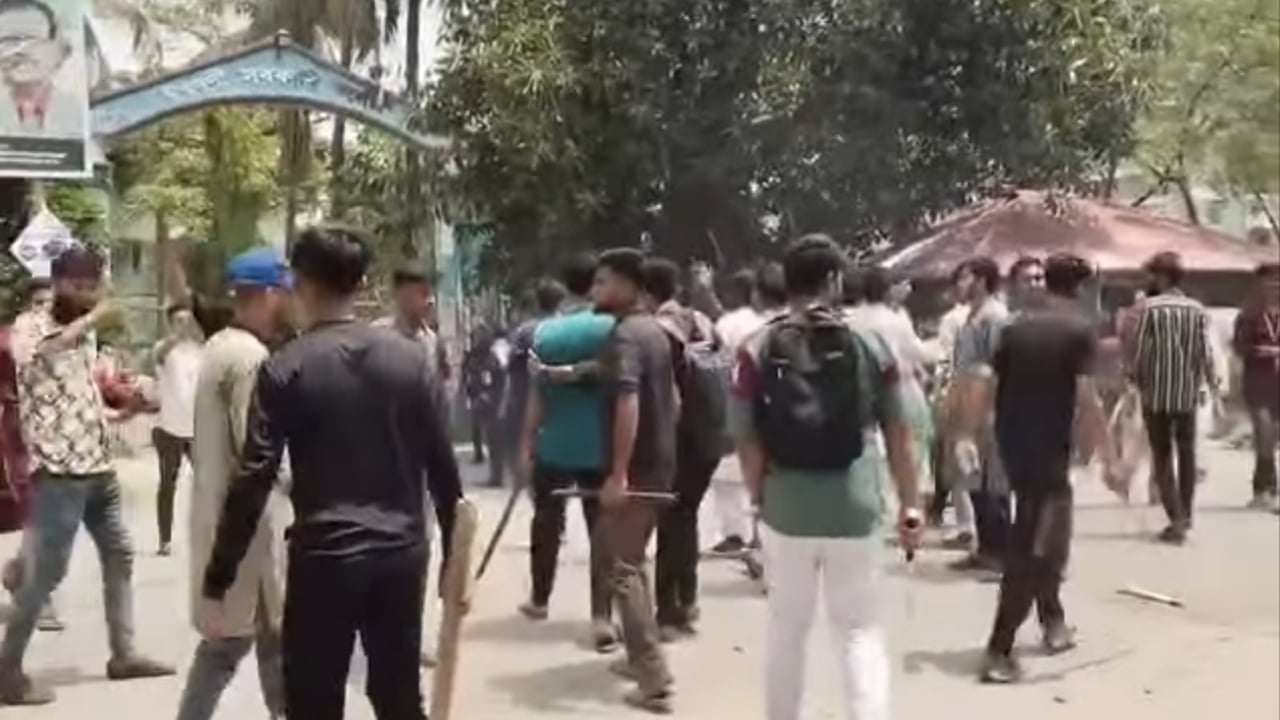
A violent clash erupted on Thursday afternoon between activists of Islami Chhatra Shibir and Jatiyatabadi Chhatra Dal at Ishwardi Government College in Pabna. The confrontation involved gunfire and crude bomb explosions, spreading panic across the campus. Several individuals from both groups were reportedly injured, and a temporary office of Chhatra Dal near the college gate was vandalized during the incident. According to Shibir’s upazila president Sajib Hasan, his group had a pre-scheduled protest program approved by the college authorities and had sought police cooperation. He claimed that Chhatra Dal members attacked them with bricks as their procession reached the college gate, triggering the clash. Chhatra Dal’s college unit vice president Imran Hossain Khan alleged that around 100–150 Shibir activists, accompanied by outsiders, attacked their members, assaulted them, and detonated crude bombs, creating fear on campus. Ishwardi police officer-in-charge Md. Ashadur Rahman stated that the situation is now under control, both groups have left the campus, and additional police have been deployed to maintain order.
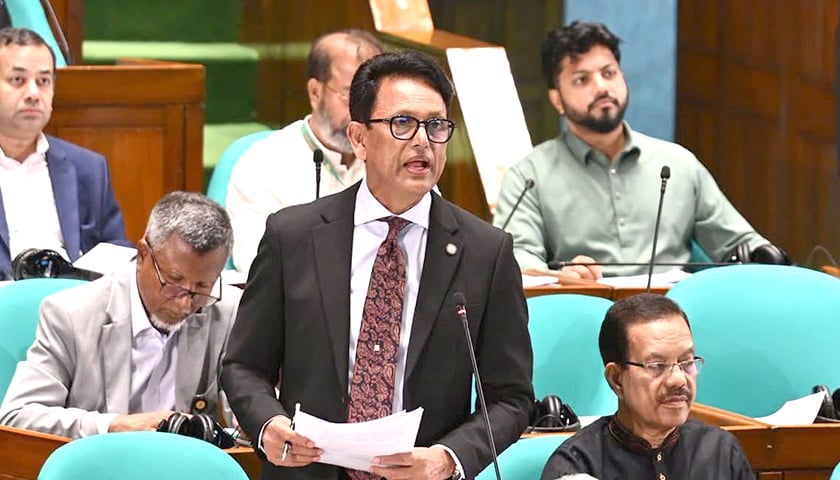
Education Minister A N M Ehsanul Haque Milon announced in parliament that a white paper will be published detailing irregularities and corruption in Bangladesh’s education sector during the Awami League’s tenure. Responding to a question from ruling party MP Shamsur Rahman Shimul, the minister said the government has prioritized investigations covering the fiscal years 2008–09 to 2024–25. The Education Ministry has instructed relevant authorities to verify and compile findings into a comprehensive report. Milon stated that after the investigation and verification process is complete, the government will take necessary steps to prepare and release the white paper in phases. However, he noted that due to the extensive scope of the inquiry, no specific timeline can yet be set. The minister also addressed issues related to pending retirement benefit applications, financial shortfalls in the welfare trust, and vacant teaching positions in private institutions. He further mentioned ongoing efforts to modernize madrasa education by including vocational and technical subjects, with vocational courses already introduced in 548 madrasas and plans to expand to 1,000 more.
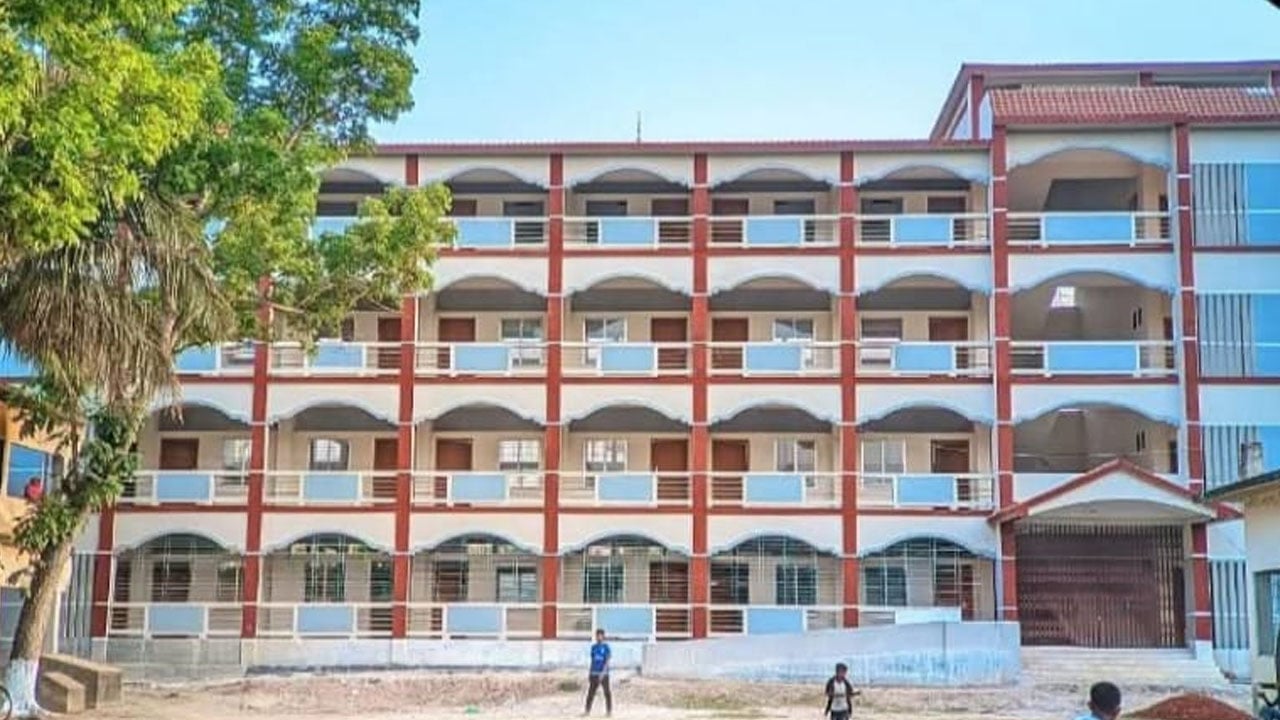
A complaint has been filed against the Chuadanga Kamil Madrasa examination center for conducting the Dakhil (SSC equivalent) exam with the wrong question paper for about 22 to 25 minutes without granting sufficient extra time. The district administration has ordered the removal of the center secretary and the tag officer from their duties and is issuing show-cause notices against them. According to the report, the incident occurred on Tuesday during the first-day exam of the Quran Majid subject. The exam was supposed to include 60 marks for written questions and 40 marks for multiple-choice questions to be answered on the main script. However, a 30-mark multiple-choice paper with a separate OMR sheet was distributed instead. After about 25 minutes, the center secretary acknowledged the error and promised to adjust the time, but students alleged that only four to five extra minutes were given. Students and guardians expressed frustration, saying the mistake and insufficient time adjustment negatively affected performance. The additional deputy commissioner (Education and ICT) confirmed that disciplinary action was ordered after the issue came to the administration’s attention.
Saudi Arabia’s Ministry of Interior has issued a strict warning against transporting visit visa holders to Mecca during the Hajj season. The ministry announced that anyone found violating this rule could face a fine of up to 100,000 Saudi riyals. The restriction, which began on April 20 (1 Dhul-Qadah), will remain in effect until May 30 (14 Dhul-Hijjah). During this period, individuals holding visit visas are completely prohibited from entering or being transported into the holy city. Authorities stated that violators will not only face financial penalties but also risk having their vehicles confiscated through court proceedings. This applies whether the vehicle owner is the driver or has partners involved in the offense. Citizens have been urged to report any violations related to Hajj and Umrah regulations by calling 911 in Mecca, Medina, Riyadh, and the Eastern Province, or 999 in other regions. The ministry assured that informants’ identities will remain confidential and that they will not face legal consequences. The measure aims to preserve the sanctity of Hajj and ensure the safety of registered pilgrims.

The Directorate General of Health Services (DGHS) has issued an emergency directive instructing all government hospitals in Bangladesh to increase bed capacity to handle the growing number of measles patients. The order, signed by Dr. Abu Hossain Md. Moinul Ahsan, Director of Hospitals and Clinics, was released on Thursday, April 23, 2026. Hospitals have been told not to refuse or redirect any measles or measles-symptom patients due to bed shortages. According to the directive, hospitals must arrange additional beds if necessary and can only refer patients when advanced or complex treatment is required. The DGHS also emphasized that all referrals must follow the established chain from upazila health complexes to district, medical college, and specialized hospitals. Any violation of this rule will hold the hospital head responsible. DGHS data show that between March 15 and April 22, a total of 38 children died from measles, while 190 children with measles symptoms also died during the same period.

The ‘1 Nojor’ media platform is now live in beta, inviting users to explore and provide feedback as we continue to refine the experience.