

The ‘1 Nojor’ media platform is now live in beta, inviting users to explore and provide feedback as we continue to refine the experience.
Prime Minister Tarique Rahman arrived in Bogura on Monday morning, April 20, 2026, marking his first visit to his home district since assuming office. He departed from his residence in Gulshan, Dhaka, at 6:10 a.m. and reached Bogura by road around 10 a.m., accompanied by his wife, Dr. Zubaida Rahman. According to the official schedule, the Prime Minister will inaugurate several development projects during the day. These include the unveiling of the new building of the District Lawyers’ Association at 11 a.m., the launch of the e-bail bond system at the Judge Court at 11:15 a.m., and the inauguration of the newly formed Bogura City Corporation at 11:30 a.m. He will also travel to Bagbari in Gabtali upazila to inaugurate a measles vaccination campaign at the Ziaur Rahman Village Hospital at 12:45 p.m. In the afternoon, at 4 p.m., Tarique Rahman is scheduled to address a public rally organized by the district BNP at the historic Altafunnesa playground. Following the rally, he will inaugurate the new building of the Bogura Press Club and the reconstruction of the Baitur Rahman Central Mosque.

Iran has announced that it will not send any delegation to Pakistan due to the ongoing US sanctions. According to Iran’s Tasnim News Agency, no Iranian negotiators will travel to Islamabad as long as the naval blockade declared by Donald Trump remains in effect. The report stated that Tehran currently has no plans to engage in talks while the blockade continues. Meanwhile, Donald Trump said on Sunday that his representatives would arrive in Islamabad on Monday for discussions with Iran. The conflicting positions highlight a diplomatic deadlock between the two sides, with Iran linking any negotiation to the lifting of the blockade. The situation underscores heightened tensions between Washington and Tehran, with Pakistan positioned as a potential venue for dialogue that now appears uncertain under the current circumstances.
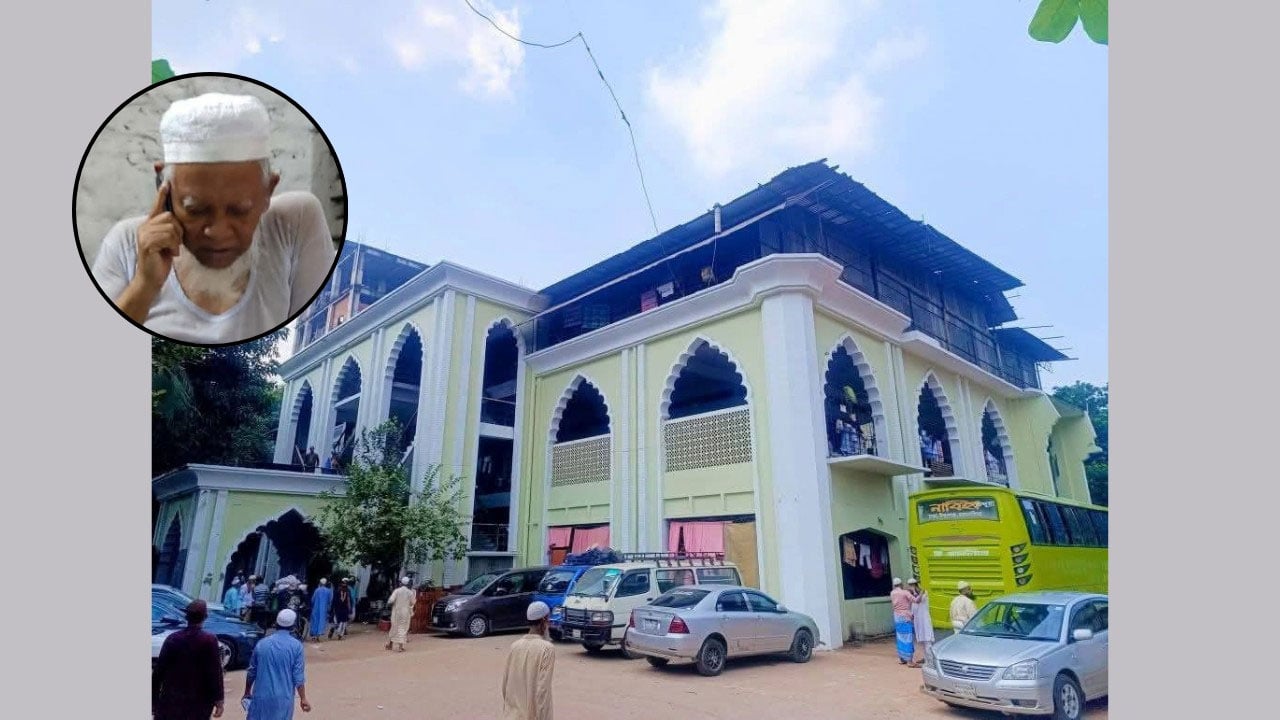
Maulana Faruq, a senior elder and member of the Ahle Shura of Tabligh Jamaat Bangladesh, passed away on Sunday evening at the National Institute of Neurosciences in Agargaon, Dhaka. He was 74 years old at the time of his death. The news was confirmed by Habibullah Raihan, media coordinator of Tabligh Jamaat Bangladesh Shura-e-Nizam. Maulana Faruq hailed from Peyarapur area of Sadar upazila in Lakshmipur district. His death has cast a shadow of grief across the religious community in Bangladesh. He had long played a significant role in the Tabligh Jamaat’s missionary and religious activities, contributing to its organizational and spiritual work. Following the announcement of his passing, expressions of sorrow spread among devout followers and associates across the country. The report did not mention details about funeral arrangements or official statements from the organization beyond confirmation of his death.
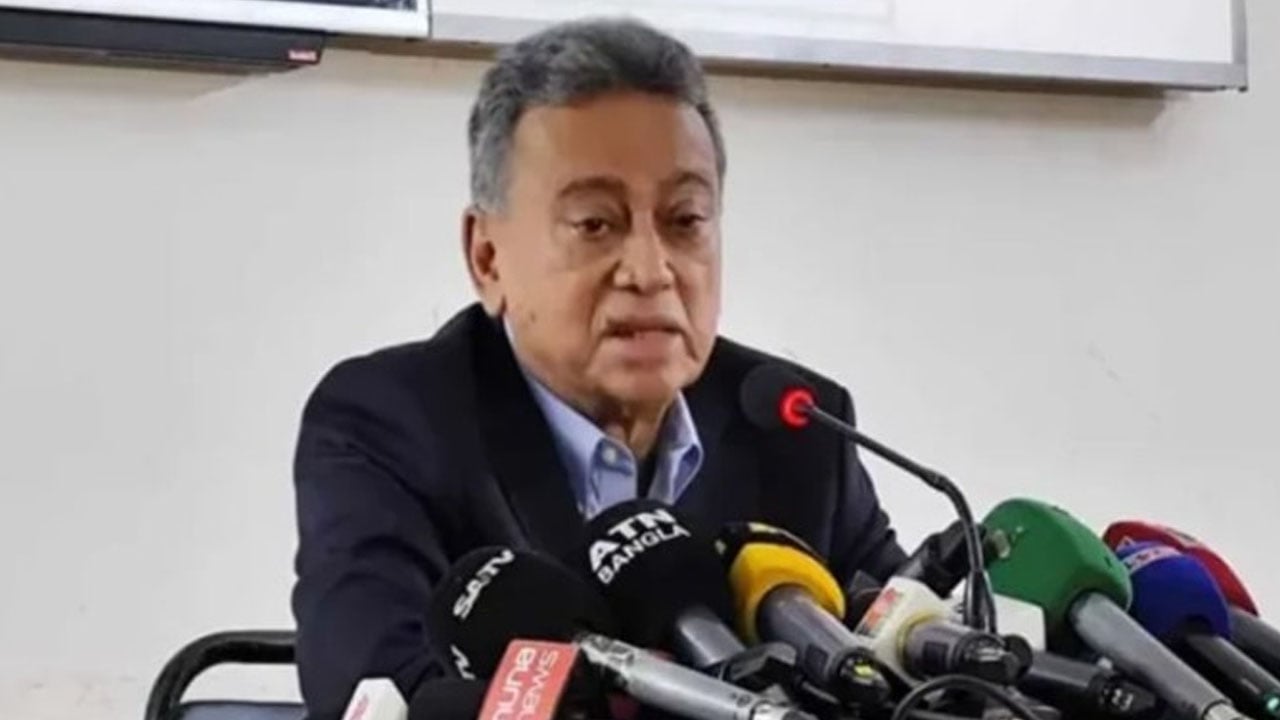
Finance and Planning Minister Amir Khosru Mahmud Chowdhury stated that the government will not accept any International Monetary Fund (IMF) conditions that obstruct the protection of public interests. Speaking at his office in the Finance Ministry on Sunday after returning from the World Bank and IMF Spring Meetings held in Washington from April 13 to 18, he said the IMF loan program was initiated during the Awami League’s tenure. He noted that while the program includes many conditions, some may not be acceptable to the current BNP-led elected government. The minister clarified that the IMF program taken under the Awami League government will conclude in six to seven months, and any decision on a new program will be made later. Responding to questions about whether the introduction of the Family Card might affect IMF loan disbursement or conditions, he said the Family Card has no link to the IMF loan and has been widely praised for delivering economic benefits to the poor. He emphasized that no donor agency’s conditions will be fulfilled at the expense of public welfare, and that development partners have positively received the Family Card initiative.
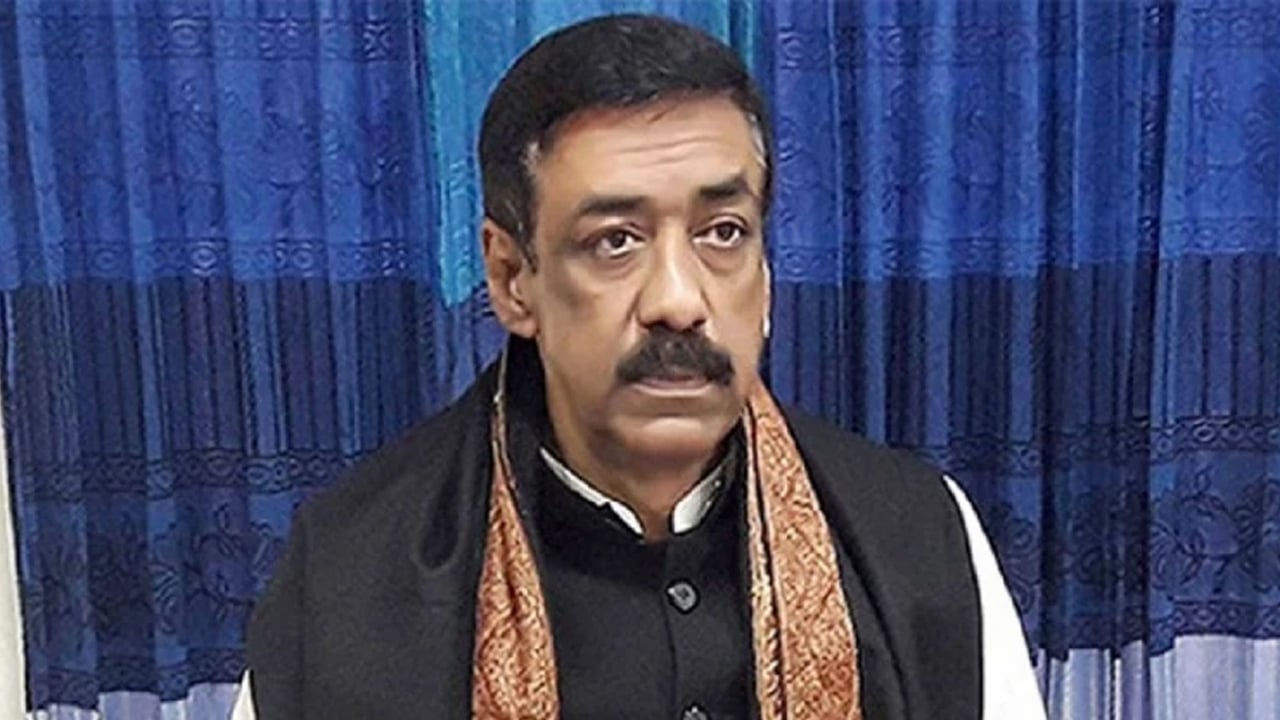
The prosecution has requested the International Crimes Tribunal-1 to formally frame charges and begin trial against former Member of Parliament AKM Shamim Osman and 11 others in a case over crimes against humanity committed during the July Revolution in Narayanganj. The hearing took place on Sunday before a three-member panel led by Justice Golam Mortuza Mojumdar, with Prosecutor Abdus Sattar Palowan presenting three specific charges. According to the prosecution, the first charge involves the killing of several unarmed protesters, including a child, on July 19 in multiple locations under Fatullah and Sadar police stations. The second charge concerns the shooting deaths of two men and injuries to many others on July 21, 2024, while the third charge relates to killings and assaults on August 5, 2024, in Narayanganj city. The prosecution alleged that the crimes were committed under the direction and presence of Shamim Osman and his associates. After the prosecution’s submission, defense lawyers sought additional time to present their arguments. The tribunal granted the request and scheduled the next hearing for April 23.
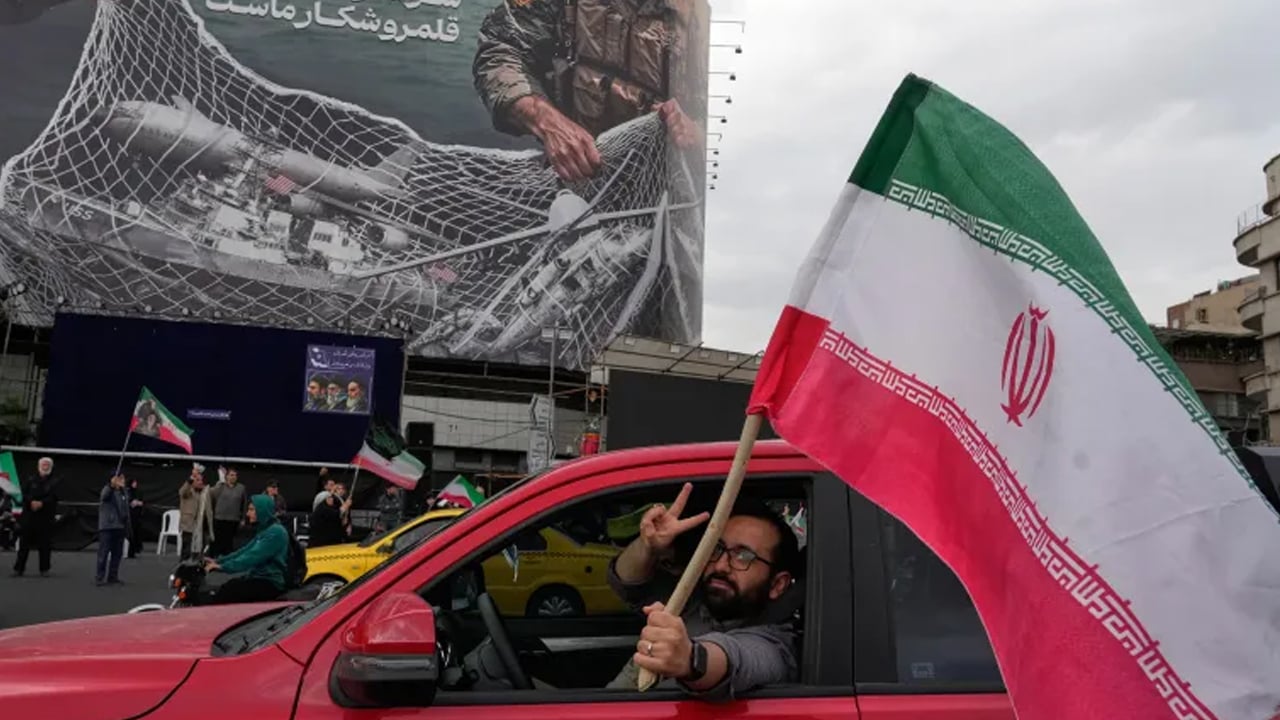
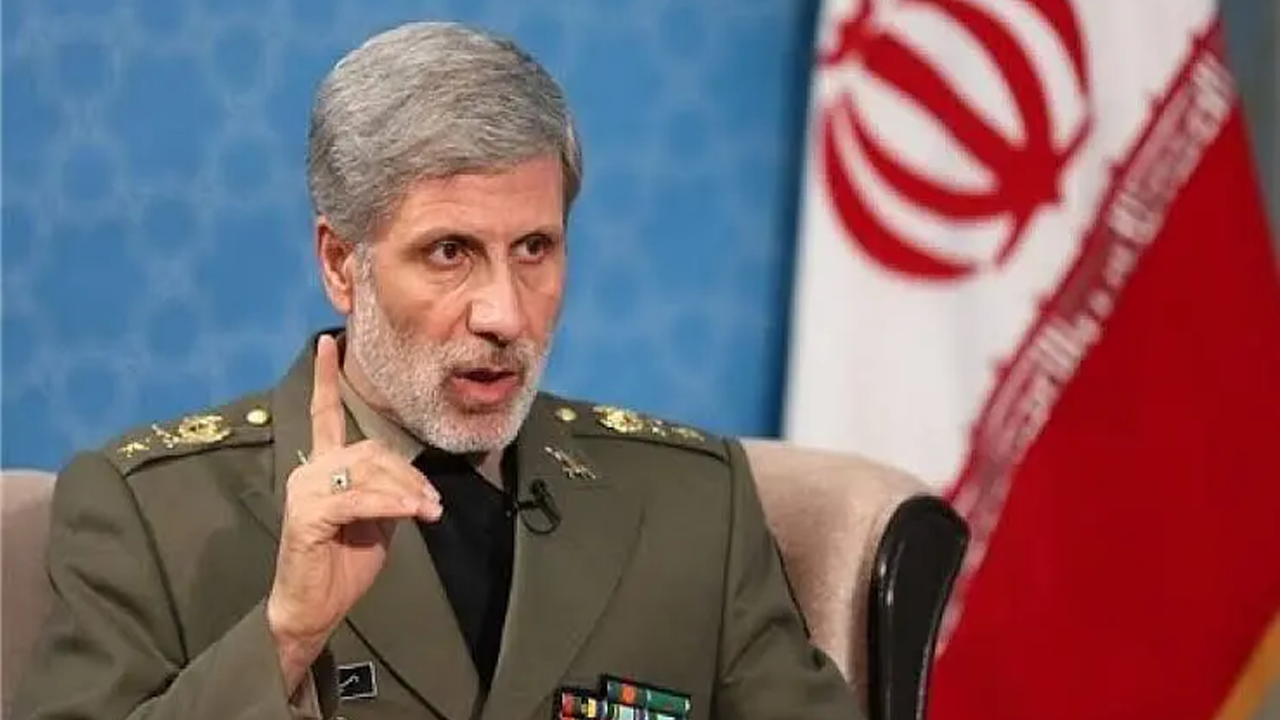
Iran’s military chief Amir Hatami declared that the country’s armed forces are fully prepared to defend its independence, territorial integrity, and security. Speaking on April 19, 2026, he said the army is committed to protecting Iran by land, air, and sea, and will fight to the last drop of blood if necessary. Hatami emphasized that all branches of the armed forces are ready to confront any enemy and continue strengthening their military capabilities. He described the morale of Iranian troops as highly motivated, inspired by ideals of jihad and sacrifice, and pledged that they would not deviate from their duties. Hatami warned that the forces’ “fingers are now on the trigger,” signaling readiness to respond decisively to any threat. The statement, reported by Al Jazeera, underscores Iran’s heightened military posture and its leadership’s emphasis on national defense amid regional tensions.
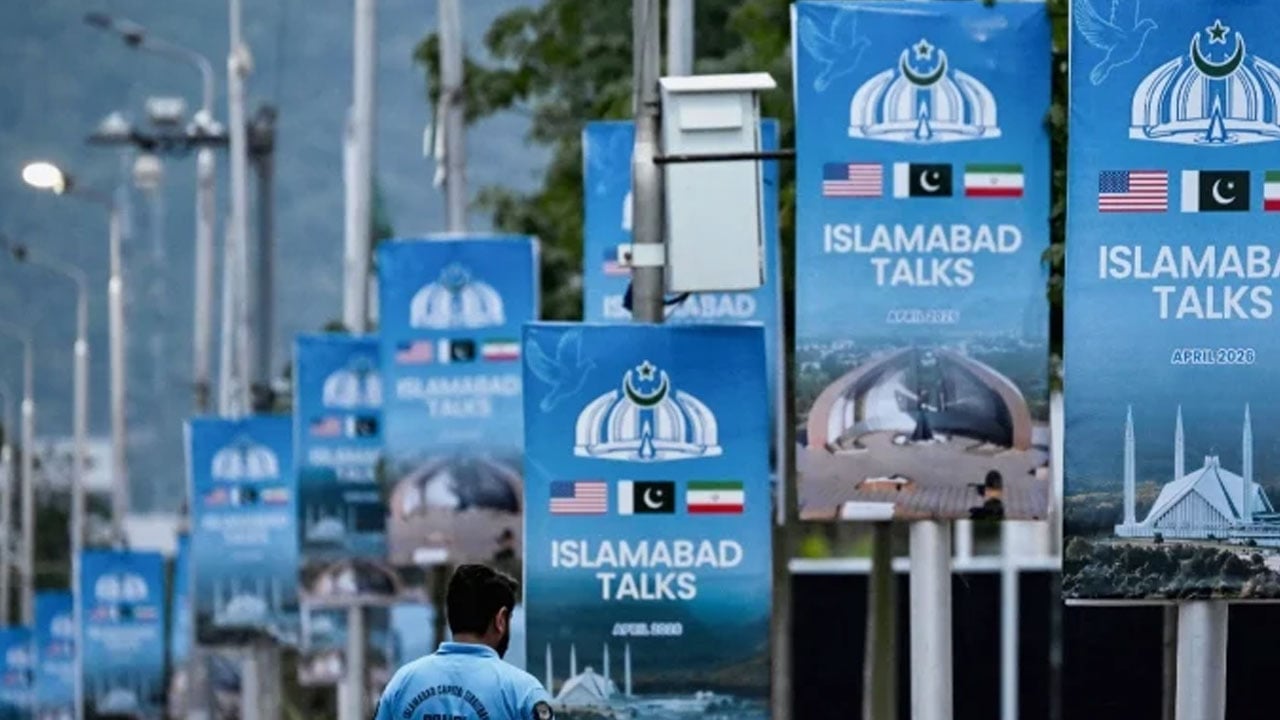
An advance delegation from Washington arrived in Islamabad on Sunday, April 19, ahead of the anticipated second round of peace talks between Iran and the United States. The discussions are expected to take place next week in Pakistan’s capital, though no official schedule has been released by the governments of Pakistan, Iran, or the United States. Security in Islamabad has been significantly tightened following the arrival of the foreign representatives. Police announced that all vehicular movement in the city’s Red Zone and extended Red Zone areas will remain suspended until further notice. The heightened measures reflect the sensitivity surrounding the upcoming dialogue. The first round of talks was held in Islamabad on April 10 and 11, following a two-week ceasefire brokered by Pakistani Prime Minister Shahbaz Sharif on April 8. The conflict began after a joint Israeli-US strike on February 28, which triggered widespread instability across the Middle East.
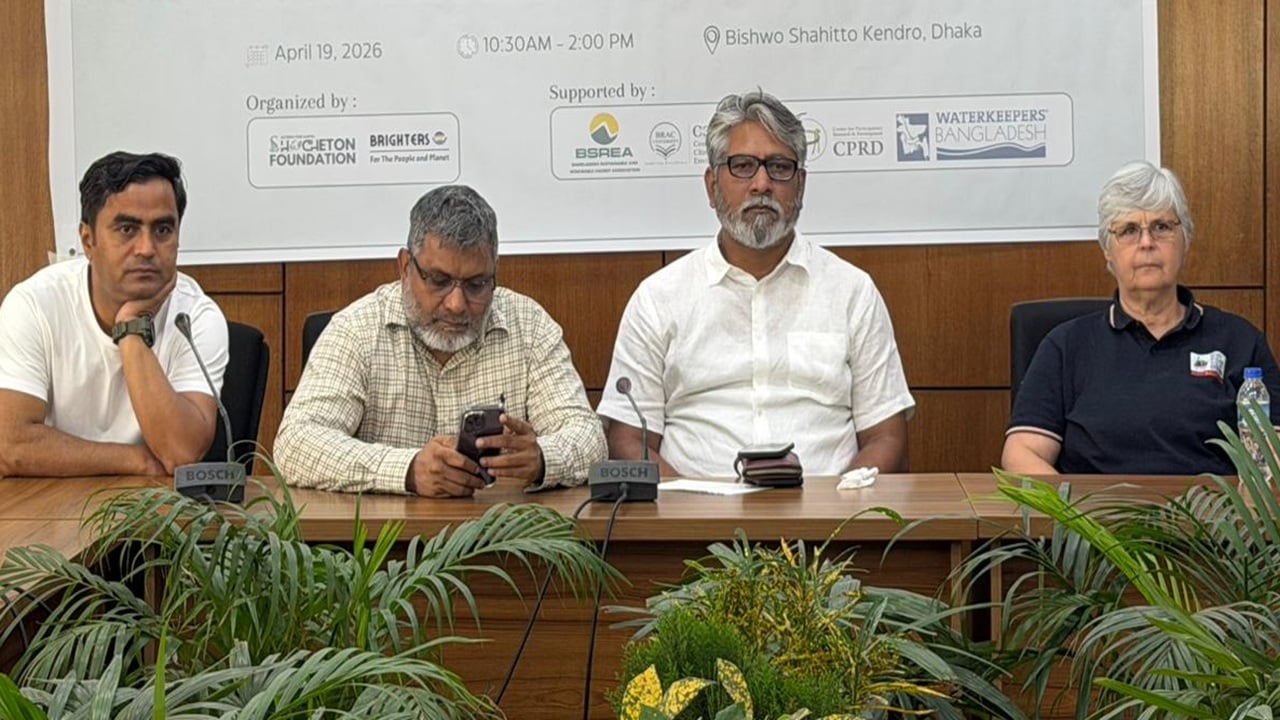
Experts at an energy conference in Dhaka on Sunday said Bangladesh must expand renewable energy production to overcome its worsening fuel crisis. They warned that the country’s heavy dependence on imported fuel has made the energy sector vulnerable, especially amid global oil price volatility caused by the ongoing US–Iran conflict. The discussion, held at the World Literature Centre, called for reducing VAT and taxes on renewable energy products to encourage investment. Speakers noted that renewable sources currently account for only 2 to 3 percent of Bangladesh’s total electricity generation. They cautioned that failure to transition in time could deepen the energy crisis. Participants urged the government to adopt an effective master plan to reduce oil import dependence and ensure long-term energy security. They also highlighted the need to prevent corruption in future solar projects and to hold accountable those responsible for past irregularities. The government’s target of producing 10,000 megawatts of renewable power was cited as a key step, but experts stressed the importance of skilled workforce development and sustained planning to achieve it.
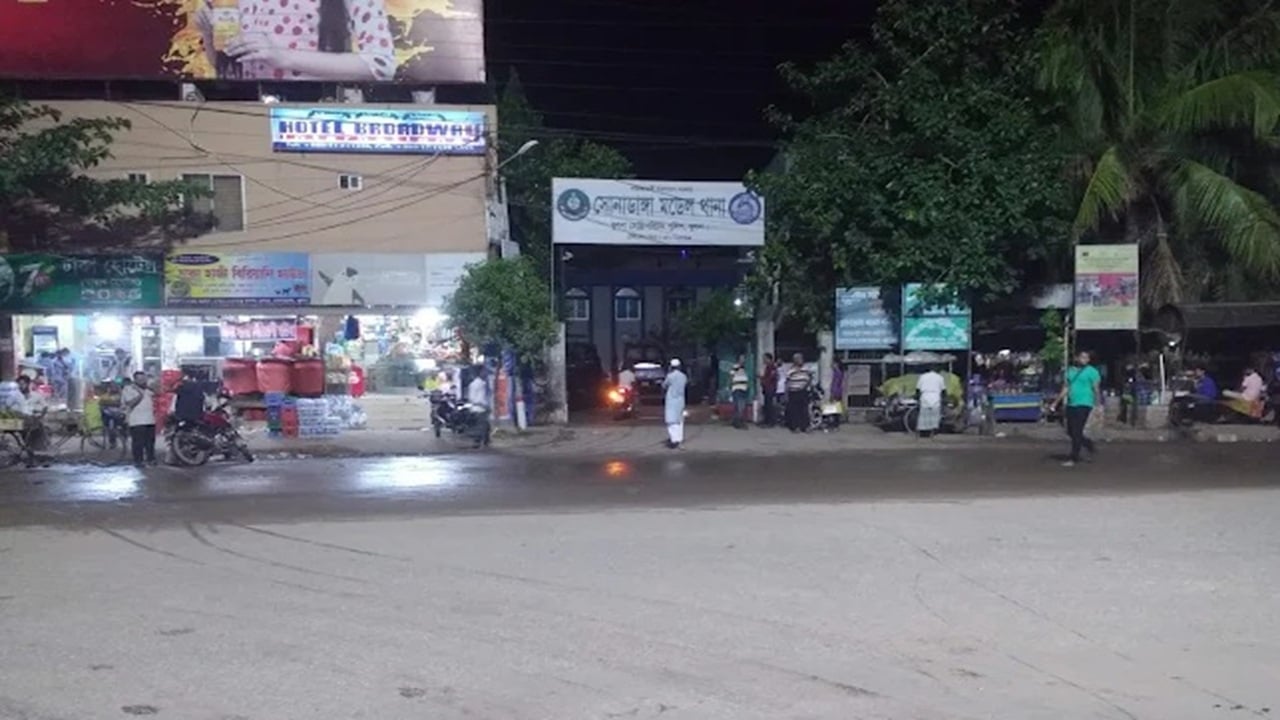
Police arrested Sayeedur, an active member of the top-listed criminal outfit Group B, from Shibbari intersection in Khulna on Sunday afternoon. The arrest took place around 3:30 p.m. during a police operation based on secret information. Along with Sayeedur, a van driver named Arif Hossain, who was distributing sherbet in the area, was also detained. According to Sonadanga Model Police Station Officer-in-Charge Rafiqul Islam, followers of Group B leader ‘Grenade Babu’ were distributing sherbet to pedestrians and drivers in the area when police intervened. Authorities confirmed that Sayeedur is listed by Khulna Metropolitan Police (KMP) as a top criminal and has an existing case under the Arms Act. Police stated that Arif Hossain’s involvement is being verified. If found uninvolved in any criminal activity, he will be released following investigation.
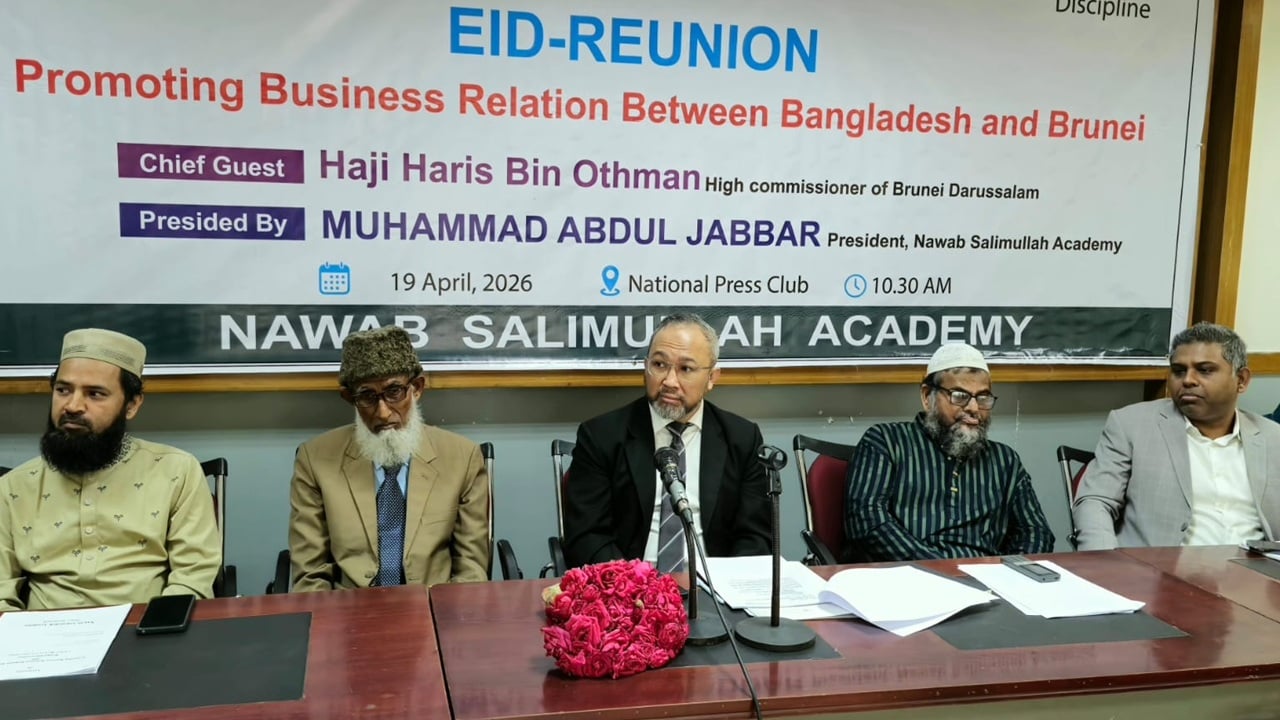
Brunei’s Ambassador to Bangladesh, Haris bin Osman, announced that Brunei is interested in importing aromatic rice from Bangladesh. He made the remarks on Sunday at a discussion organized by Nawab Salimullah Academy at the National Press Club. The ambassador also urged consideration for establishing a Brunei-Bangladesh Chamber of Commerce to enhance bilateral trade cooperation. He highlighted opportunities for expanding trade, direct foreign investment, and collaboration in education and agriculture between the two countries. Despite past setbacks due to natural disasters, he noted that Brunei could become a major market for Bangladeshi agricultural products such as mangoes and jackfruits. The ambassador emphasized that Bangladesh’s economic zones already attract Japanese and German companies, showing a favorable investment climate, though concerns remain over policy continuity. Haris bin Osman added that ensuring a stable business environment could pave the way for direct Bruneian investment. He also called for more active roles from BIDA, EPB, and Bangladeshi embassies abroad in promoting trade fairs and attracting investors. He urged Bangladesh to finalize agreements on investment protection and double taxation avoidance to strengthen economic relations.
Prime Minister Tarique Rahman departed for Bogura early Monday morning, April 20, 2026, marking his first visit to his home district since assuming office. He left his residence in Gulshan, Dhaka, at 6:10 a.m. by road, accompanied by his wife, Dr. Zubaida Rahman. According to the official itinerary, the Prime Minister will inaugurate several development and administrative projects in Bogura. His schedule includes unveiling the foundation stone of the new District Lawyers’ Association building at 11:00 a.m., launching the e-bail bond system at the District Judge Court at 11:15 a.m., and inaugurating the newly formed Bogura City Corporation at 11:30 a.m. Later, he will travel to Bagbari in Gabtali upazila to open a measles vaccination campaign at the Ziaur Rahman Village Hospital at 12:45 p.m. In the afternoon, at 4:00 p.m., Tarique Rahman will address a public rally organized by the district BNP at the historic Altafunnesa playground. Following the rally, he is scheduled to inaugurate the new Bogura Press Club building and the reconstruction of the Baitur Rahman Central Mosque.

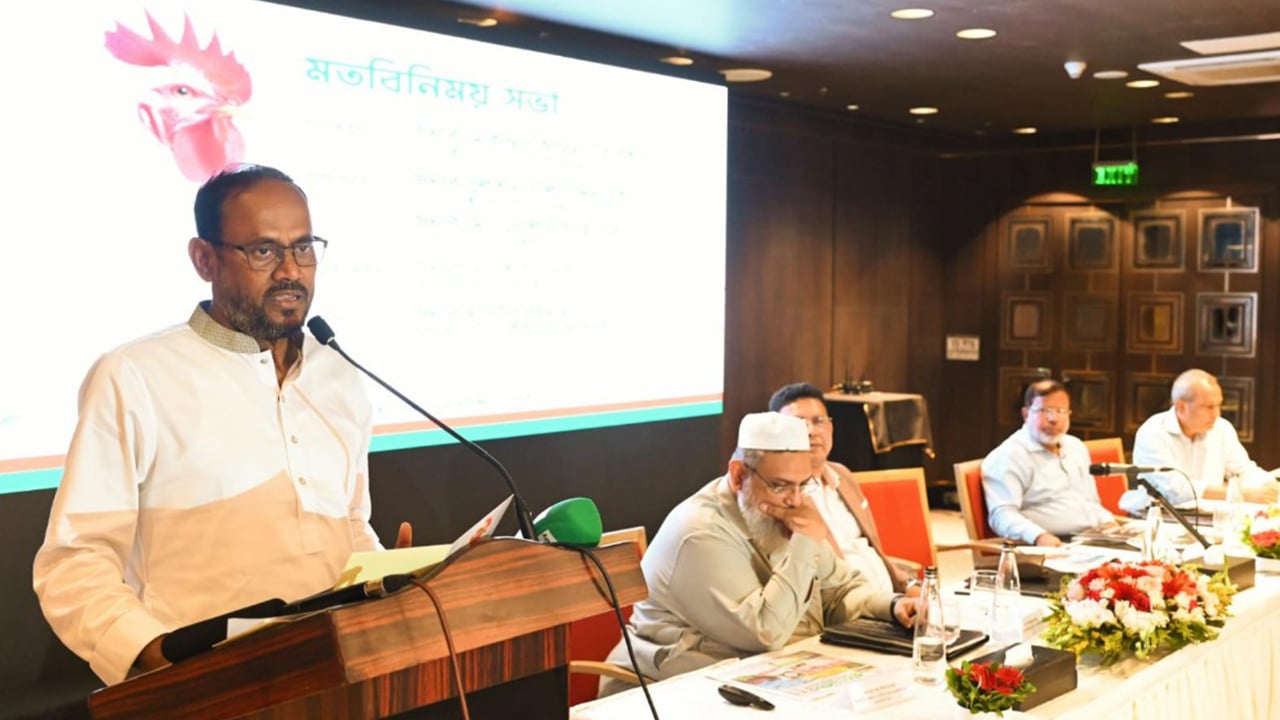
State Minister for Fisheries and Livestock Sultan Salauddin Tuku announced that the government will continue comprehensive support for the development of Bangladesh’s poultry sector, aiming to elevate it to export level by 2030. Speaking as chief guest at a views-exchange meeting on the livestock sector held at a hotel in Dhaka, he emphasized the need for collective effort to move the country forward. The event was organized by the Bangladesh Poultry Industry Central Council. The minister said that poultry farmers will be brought under the farmer card program, allowing them to access the same benefits as other agricultural producers. He stressed the importance of honesty and unity in serving the nation’s interests, warning that dishonesty would not be tolerated. Addressing production challenges, he noted that farmers currently sell eggs at a loss and assured that the government will help reduce production costs. He also urged vaccine importers to act responsibly and called for balance across all parts of the poultry value chain to avoid burdening consumers. Fisheries and Livestock Secretary Md. Delwar Hossain reaffirmed full government cooperation and pledged to minimize the influence of middlemen in the sector.
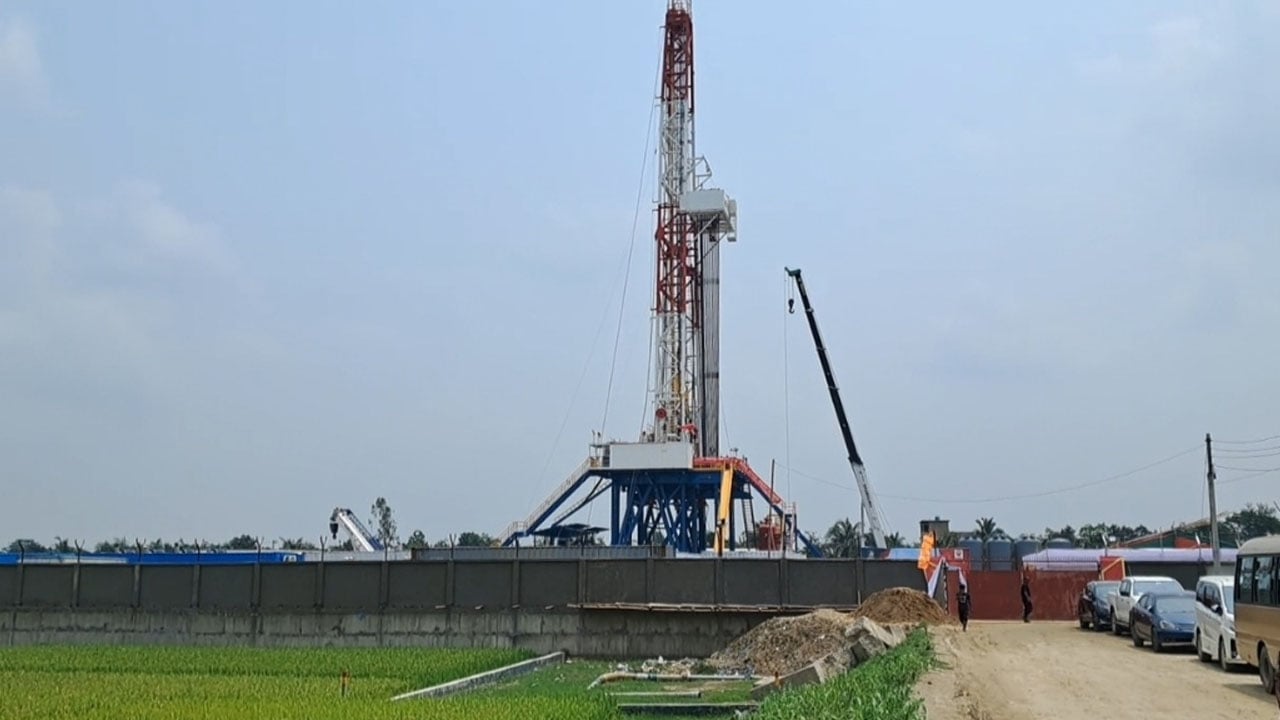
Bangladesh has launched drilling of its first deep exploration well at the Titas gas field in Brahmanbaria. The project was inaugurated on Sunday afternoon by Petrobangla Director (Finance) A.K.M. Mizanur Rahman at Budhal area of Sadar upazila. Once completed, the well is expected to add about 15 million cubic feet of gas per day to the national grid. The drilling, reaching a depth of 5,600 meters, will take around seven months and is being carried out by Chinese contractor CCDC. The Bangladesh Gas Fields Company Limited (BGFCL), which operates Titas, currently supplies about 325 million cubic feet of gas daily from 22 wells. Due to long-term extraction, pressure and reserves have declined, prompting new exploration efforts. Based on 3D seismic survey results, the new well may contain 1 to 1.5 trillion cubic feet of gas. The total cost for two deep exploration wells at Titas and Bakhrabad fields is estimated at 5.94 billion taka. Officials said successful completion could lead to seven more wells and significantly ease the country’s energy shortage. Petrobangla plans to drill 50 wells nationwide this year to strengthen energy security.
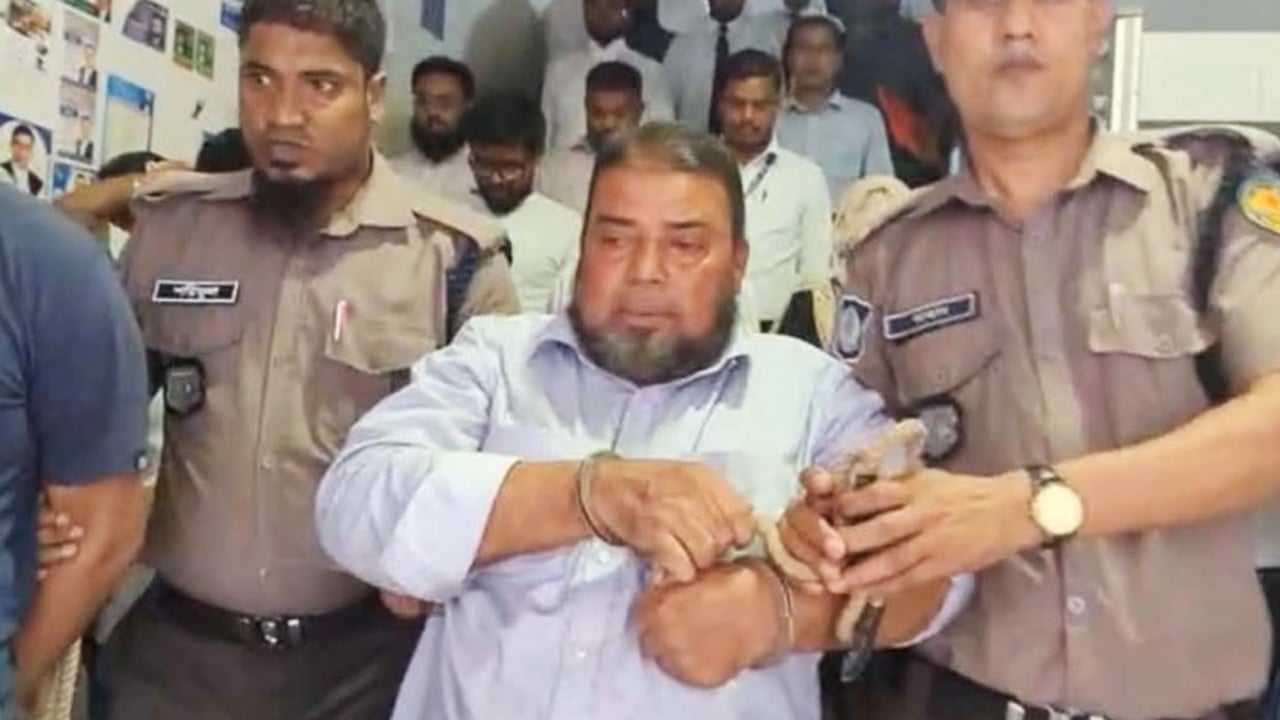
A Dhaka court has granted a two-day remand for Md. Yusuf, who was arrested in a case filed over alleged extortion, intimidation, and obstruction of construction work at a house in the Gulshan area of the capital. The order was issued on Sunday, April 19, 2026, by Metropolitan Magistrate Sefatullah. The state prosecutor, Shamsuddoha Suman, confirmed the court’s decision. According to the case details, Yusuf and 20 to 25 unidentified individuals allegedly entered a house in Gulshan-1 where boundary construction was underway. They reportedly forced the workers to stop work and demanded Tk 2 million from the homeowner. The prosecution argued that interrogation during remand could reveal information about other members of the extortion group. The court approved a two-day remand instead of the ten days requested by the prosecution.
Iranian authorities arrested four individuals, including two foreign nationals, in the country’s northwestern region on Sunday. According to the Tasnim News Agency, the detainees are accused of being connected to a “U.S. and Israel-linked intelligence network.” They also face charges of importing satellite internet equipment similar to Starlink, which is considered a punishable offense in Iran. The nationalities of the foreign suspects have not been disclosed. The arrests come amid heightened tensions following a joint attack on Iran by the United States and Israel on February 28, after which internet services across the country were reportedly shut down. The report did not specify further details about the investigation or the current status of the detainees.

The ‘1 Nojor’ media platform is now live in beta, inviting users to explore and provide feedback as we continue to refine the experience.