

The ‘1 Nojor’ media platform is now live in beta, inviting users to explore and provide feedback as we continue to refine the experience.
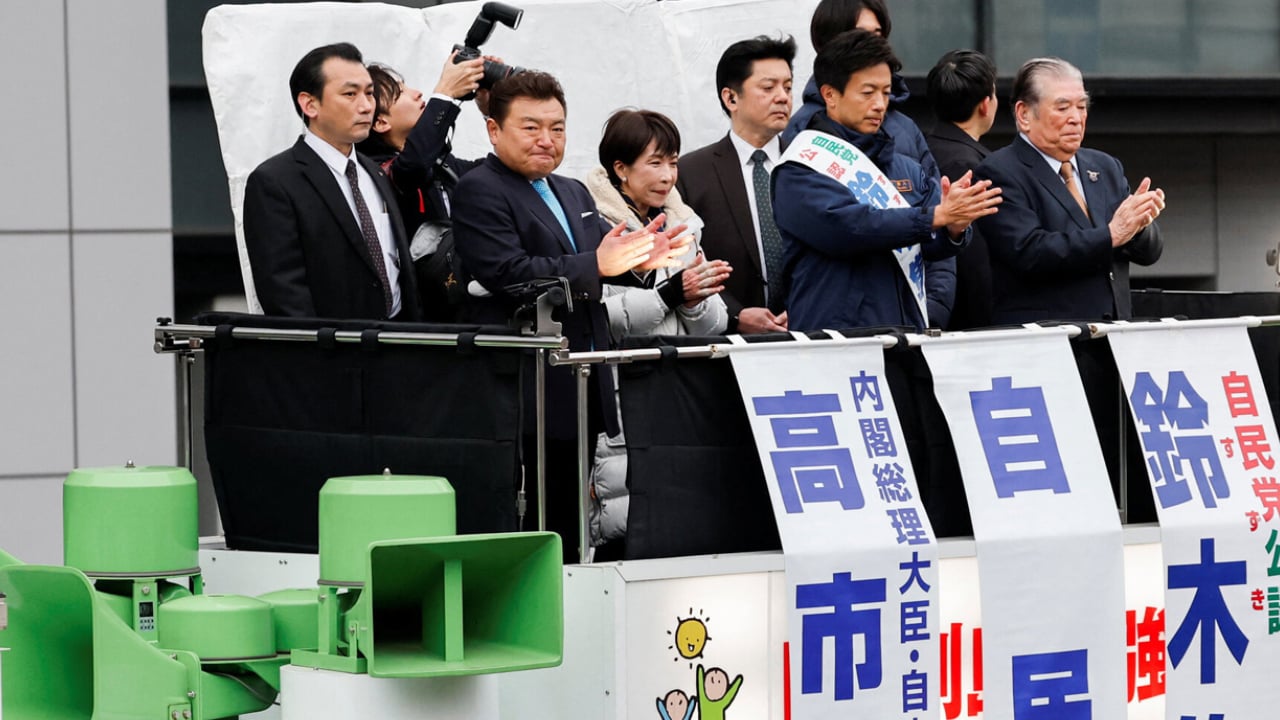
Japan is holding its parliamentary election today, with voting beginning at 8 a.m. local time and continuing until 8 p.m. A total of 1,284 candidates are contesting for 465 seats in the lower house of parliament. The election follows the dissolution of parliament on January 23 by Prime Minister Sanae Takaichi, who also announced the February 8 early election date. Opinion polls suggest that Prime Minister Takaichi’s conservative alliance, led by the Liberal Democratic Party (LDP) and the Japan Innovation Party, is expected to win by a large margin. Surveys indicate the coalition could secure more than 300 of the 465 seats in the lower house. Of the 465 seats, 289 members will be directly elected from single-member districts, while the remaining 176 will be chosen through proportional representation across 11 regional blocs. Takaichi, Japan’s first female prime minister, faces her main challenge from the Japan Innovation Party.
The Election Inquiry and Judicial Committee has issued show-cause notices to two candidates from Jamaat-e-Islami and the Bangladesh Nationalist Party (BNP) for alleged violations of the electoral code of conduct in Rangpur-1 constituency ahead of the 13th National Parliamentary Election. The notices, signed by committee chairman and Rangpur Land Survey Tribunal judge Md. Samiul Alam, cite that Jamaat candidate Md. Raihan Siraji hung festoons on trees, breaching Rule 7(g) of the 2025 electoral code, while BNP candidate Md. Mokarram Hossain Sujon allegedly pasted leaflets and posters near the Rangpur Metro Police Lines, violating Rule 7(a). The committee stated that such activities could disrupt a fair and neutral election environment and that violating the code is a punishable offense. Both candidates have been instructed to appear in person at the Rangpur Land Survey Tribunal on February 9, 2026, to submit written explanations. Law enforcement officials confirmed that the notices are being delivered and that security forces remain alert to enforce the code. Committee chairman Samiul Alam emphasized that the electoral code applies equally to all and reaffirmed the committee’s firm stance on ensuring a fair election process.

British police are conducting searches at two properties linked to former UK ambassador to Washington Peter Mandelson as part of an investigation into alleged misconduct in public office connected to the late financier Jeffrey Epstein. The Metropolitan Police confirmed that its Central Specialist Crime team is examining addresses in Camden, London, and Wiltshire in relation to a 72-year-old man. Mandelson, who owns homes in both areas, has not been arrested or charged. The investigation follows the release of documents suggesting Mandelson passed sensitive government information to Epstein about fifteen years ago. Earlier, Prime Minister Keir Starmer dismissed Mandelson after emails revealed he maintained contact with Epstein following the latter’s 2008 conviction. Newly released US Department of Justice emails appear to show Mandelson shared potentially market-moving information while serving as business secretary under former Prime Minister Gordon Brown. The scandal has intensified political pressure on Starmer, whose judgement is being questioned by both opponents and members of his own party. The prime minister has apologised for appointing Mandelson and pledged full cooperation with police inquiries.

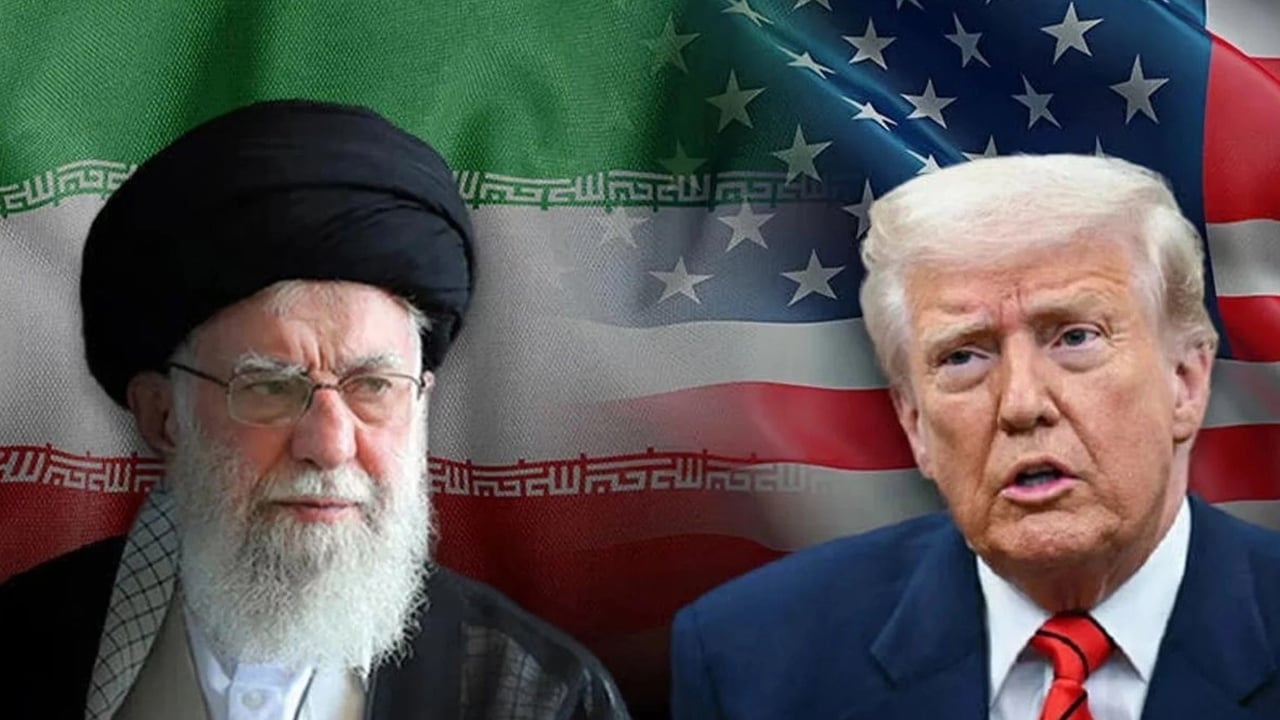
Tensions between the United States and Iran have escalated sharply, with Washington deploying major military assets to the Middle East following President Donald Trump’s call for the removal of Iran’s Supreme Leader Ayatollah Ali Khamenei. The U.S. has demanded that Tehran dismantle its nuclear enrichment and ballistic missile programs and curb its regional influence, warning of a more severe attack if Iran refuses to negotiate. Iran’s parliament has declared its nuclear and missile capabilities as a national red line, viewing U.S. pressure as a threat of regime change. Analysts cited in the report warn that any U.S. military strike could destabilize not only Iran but the entire region. Such action might consolidate Iran’s ruling power, empower the Islamic Revolutionary Guard Corps, or trigger internal conflict. Tehran has vowed retaliation through regional allies, potentially drawing Israel and Gulf states into a wider confrontation. The article concludes that a U.S. attack could ignite regional war, disrupt global energy markets, drive up inflation, and increase refugee flows toward Europe, amplifying global instability.
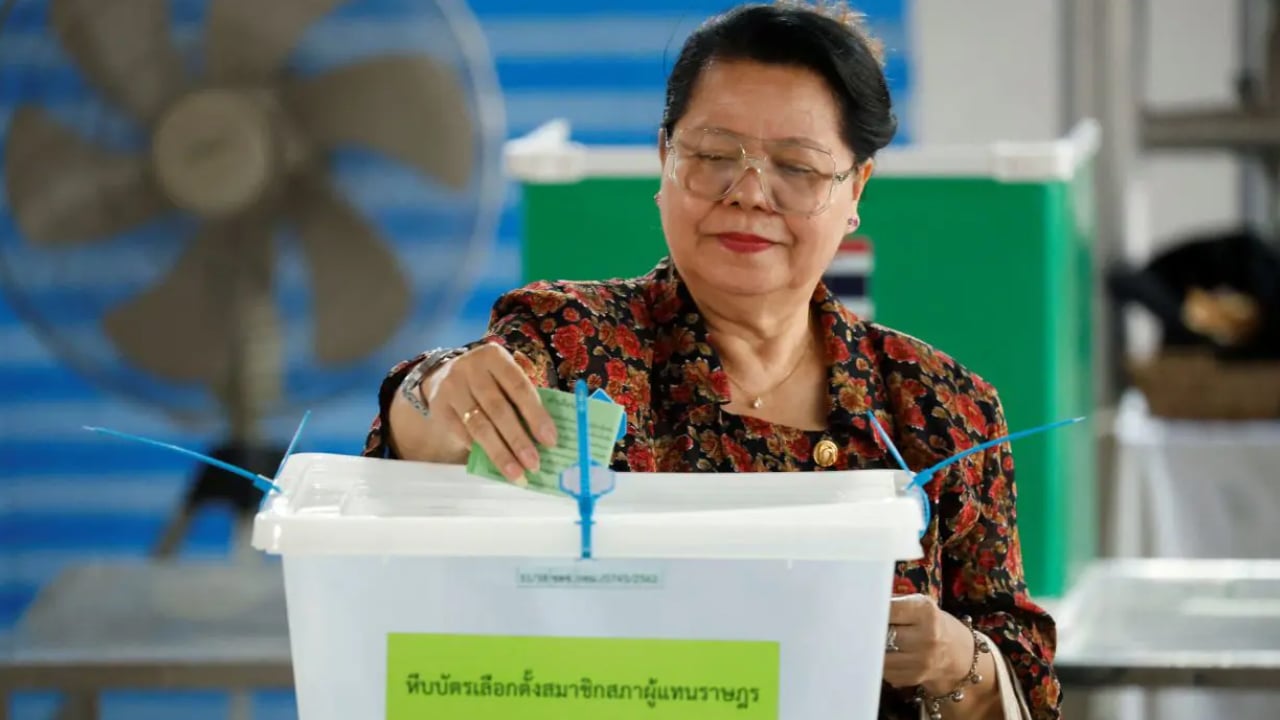
Thailand began voting in its general election on Sunday, with polls opening at 8 a.m. local time and set to close at 5 p.m. The election features three main political blocs: reformist, military-backed conservative, and populist forces. Alongside the parliamentary vote, a national referendum on constitutional change is also being held. According to the Election Commission, more than 2.2 million people had already cast ballots during early voting that began on February 1. The election takes place against a backdrop of sluggish economic growth and heightened nationalism. Although over 50 parties are contesting, only three — the reformist People’s Party, Bhumjaithai, and Pheu Thai — are seen as having the nationwide support to form a government. Thailand has 53 million registered voters for this election. Surveys suggest no single party will win an outright majority in the 500-seat parliament, but the People’s Party, led by Nathaphong Ruangpanyawut, is projected to secure the most seats.
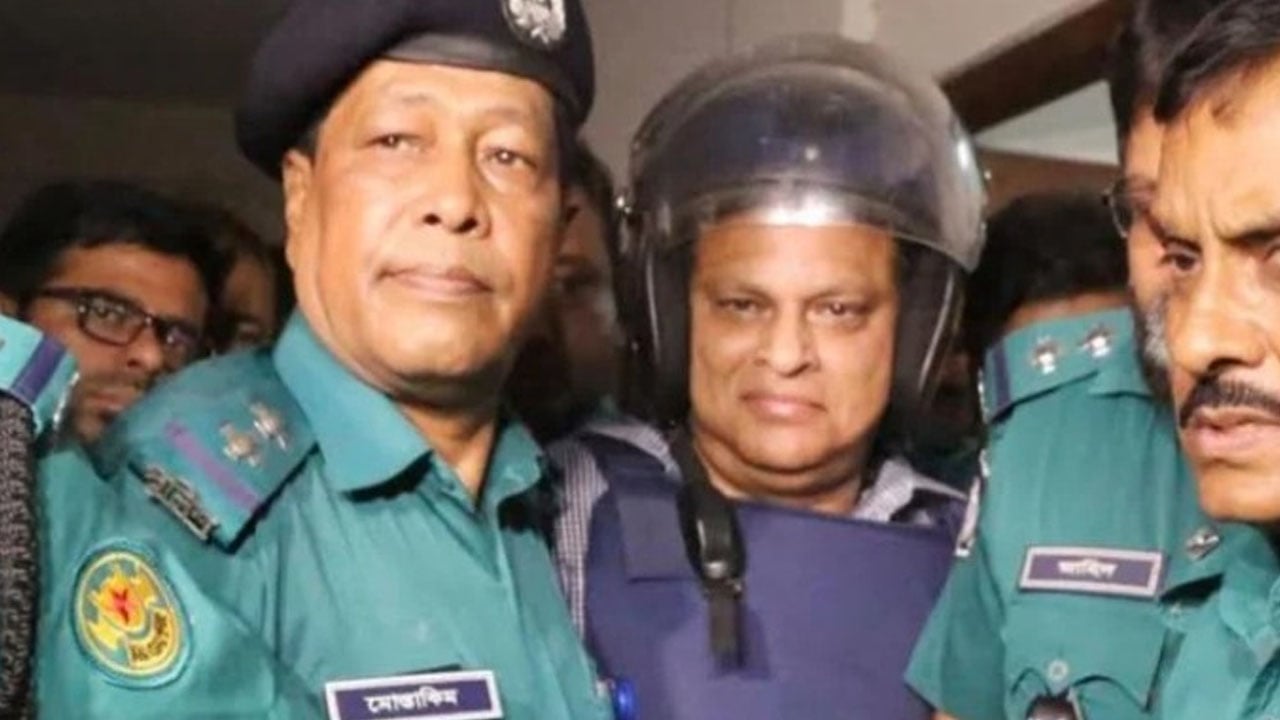
The trial of dismissed army officer Major General Ziaul Ahsan began Sunday at the International Crimes Tribunal-1 in Dhaka, chaired by Justice Golam Mortuza Majumder. Former army chief General Iqbal Karim Bhuiyan appeared before the tribunal to testify against Ziaul. The prosecution opened the proceedings with its introductory statement before the three-member panel, which also includes Justice Shafiul Alam Mahmud and Judge Md Mohitul Haque Enam Chowdhury. The tribunal is scheduled to record the testimony of the first witness today. Earlier, on January 14, the tribunal rejected Ziaul’s petition for discharge and formally framed charges against him. The case involves allegations of crimes against humanity, including enforced disappearances and killings during the Awami League’s one and a half decades in power. The charges detail three major incidents, including the killing of detainees in Gazipur in 2011, mass executions in Barguna’s coastal areas, and staged “gunfights” in the Sundarbans under operations named Nishankhali, Mora Bhola, and Kotka. The tribunal proceedings mark the first phase of a high-profile case alleging over a hundred enforced disappearances and killings attributed to Ziaul’s command.
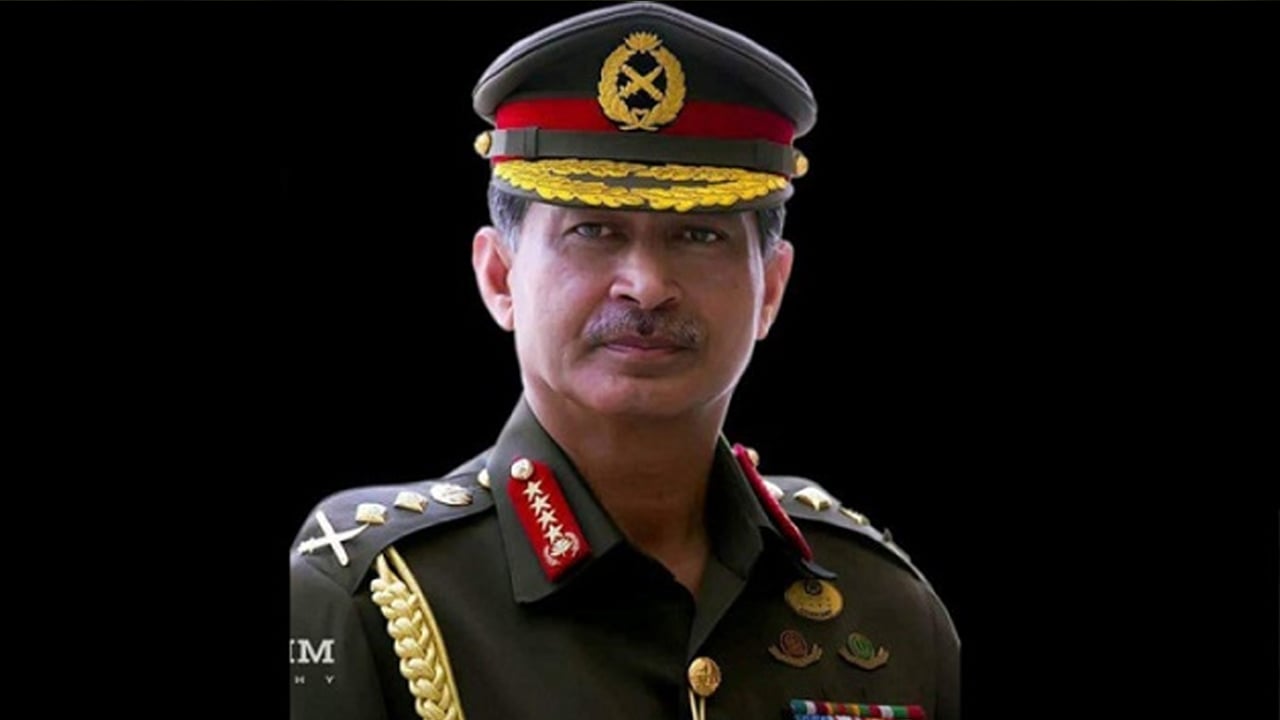
The trial of dismissed army officer Major General Ziaul Ahsan begins today, Sunday, at the International Crimes Tribunal-1 in Dhaka. The three-member tribunal, chaired by Justice Golam Mortuza Mojumdar, will open proceedings with the prosecution’s introductory statement. The other members are Justice Shafiul Alam Mahmud and Judge Md Mohitul Haque Enam Chowdhury. The first witness testimony is also scheduled for recording today. Earlier, on January 14, the tribunal rejected Ziaul’s plea for discharge and formally framed charges against him. Ziaul Ahsan faces three charges of crimes against humanity, including the killing of detainees in Gazipur in July 2011, mass executions in the coastal areas of Barguna’s Patharghata, and staged “gunfights” in the Sundarbans under the guise of anti-bandit operations. The prosecution alleges that these acts resulted in the deaths of over a hundred people during the Awami League’s one-and-a-half-decade rule. The tribunal proceedings mark a significant step in addressing allegations of enforced disappearances and extrajudicial killings attributed to security operations during that period.
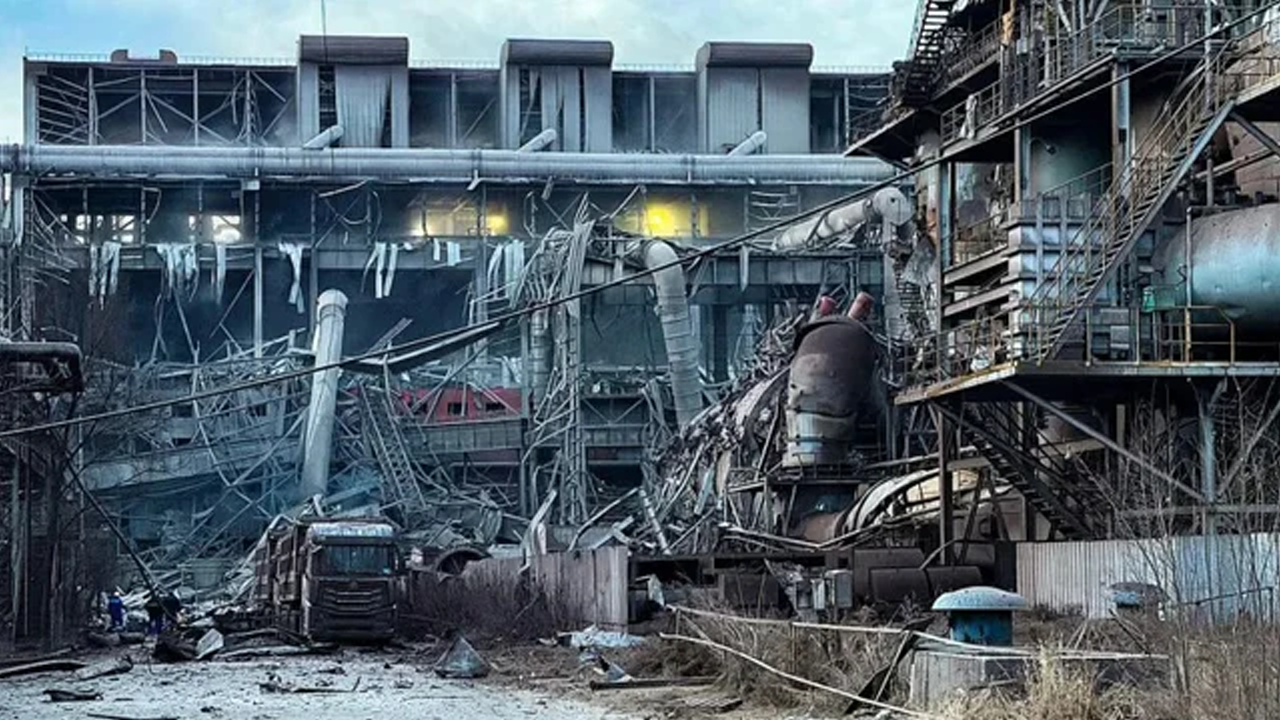
At least seven people were killed in an explosion at a biotech factory in northern China, according to state media reports. The incident occurred on Saturday at the Jiapeng Biotech Company facility in Shanxi province’s Shanyin County, about 400 kilometers west of Beijing. Xinhua News Agency reported on Sunday morning that one person remains missing following the blast, citing local authorities. Search and rescue operations are continuing at the site. The cause of the explosion is still under investigation. Industrial accidents are relatively common in China, often attributed to lax safety standards. In late January, a similar explosion at a steel plant in neighboring Inner Mongolia province killed at least nine people. Authorities have not yet released further details about the victims or the extent of the damage, and investigations into the cause are ongoing.
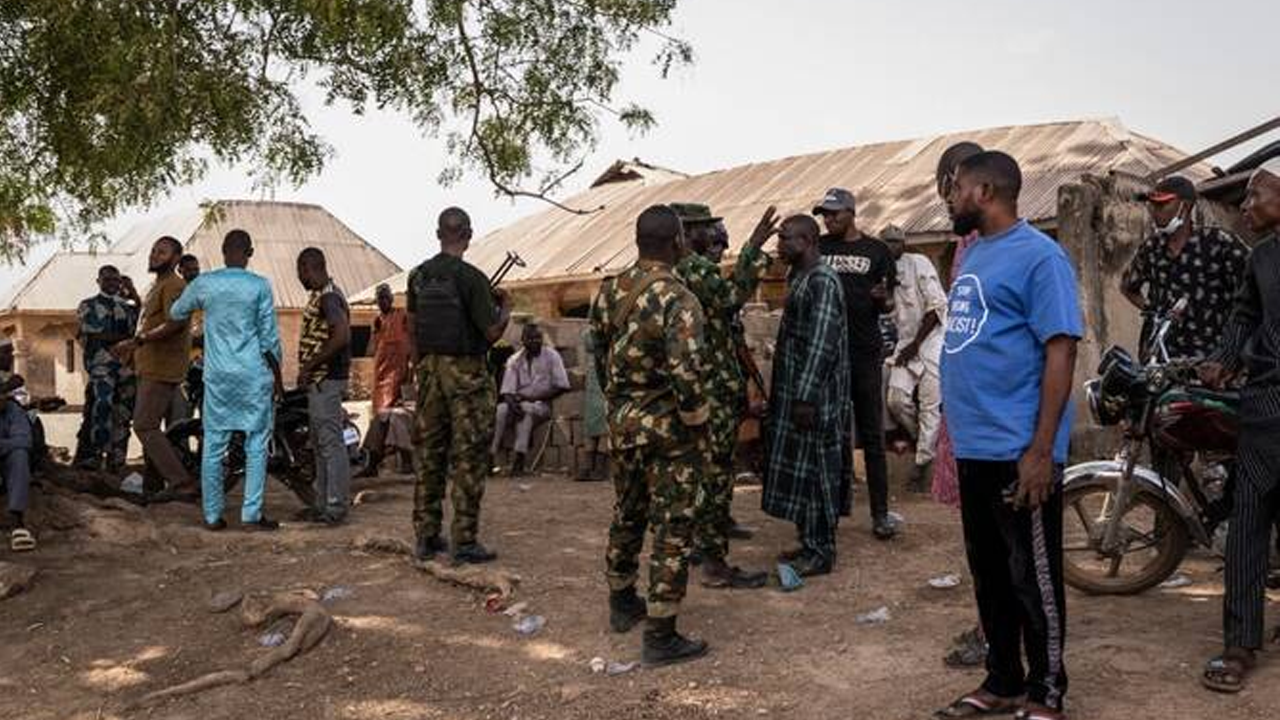
At least 30 people were killed in two separate armed attacks in Nigeria’s central Benue state within a few days, according to AFP. Local official Ibi Andrew said that on Friday afternoon, armed bandits attacked a market in Anwase village in the Kwande area, killing at least 13 traders. Witnesses reported that the attackers opened fire indiscriminately, causing panic as people fled. Several shops and homes were damaged, and families searched for missing relatives. A few days earlier, on Tuesday, a similar attack took place at a market in the nearby town of Mbaikyor, where at least 17 people, including a police officer, were killed, according to local residents and media reports. Violence in Benue state has intensified in recent months, largely driven by disputes between Muslim Fulani herders and predominantly Christian farmers over land and natural resources. Analysts cited in the report said that climate change-induced land scarcity, the easy availability of illegal weapons, and the Nigerian government’s lack of effective long-term measures have further complicated the situation.
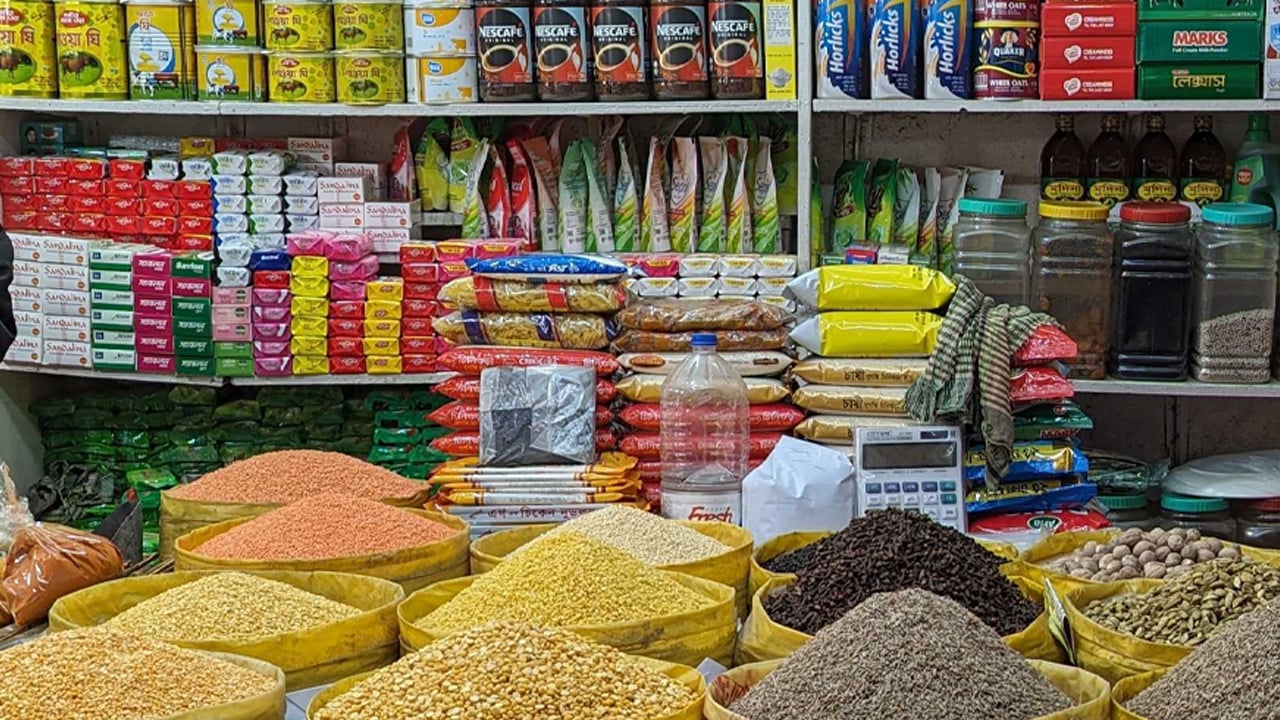
As Bangladesh’s new government prepares to assume power following the election, public concern is rising over rapidly increasing prices of essential goods ahead of Ramadan. The article warns that controlling the soaring market will be the administration’s first major challenge, as past political transitions have often been exploited by unscrupulous traders to destabilize prices. Commodities such as rice, lentils, oil, sugar, and vegetables have already begun to rise sharply, threatening affordability for middle- and low-income families. The report highlights that around 2.1 million tons of food products are currently stuck at Chattogram Port, creating fears of an artificial shortage if clearance delays persist. A lack of lighter vessels and storage facilities is worsening the situation. The piece attributes market instability not to supply shortages but to syndicates that hoard goods and manipulate prices, taking advantage of weak monitoring by local authorities. It urges immediate government intervention to dismantle these syndicates and ensure stable supply before Ramadan, emphasizing that maintaining reasonable prices will be the new administration’s first and most critical test of credibility.
The political alliance July Unity has called for an 'India Out' campaign, accusing India of interference in Bangladesh’s internal affairs and dominance in international cricket. The announcement came on Saturday afternoon during a 'Rally for Bangladesh' gathering at the Central Shaheed Minar in Dhaka, attended by student leaders, political figures, and members of affiliated organizations. The protest also included a march from Shaheed Minar to Shahbagh’s Shaheed Osman Hadi Square. Speakers at the rally alleged that India provided shelter to those involved in the killing of Shahid Sharif Osman Hadi, influenced Bangladesh’s electoral process, and used its power within the International Cricket Council to sideline Bangladesh from the T20 World Cup. They also criticized India’s trade and water policies, claiming these actions undermined Bangladesh’s sovereignty. Participants demanded international investigation under the United Nations into Hadi’s murder, citing distrust in domestic agencies. The rally concluded with calls for boycotting Indian influence, supporting the upcoming referendum, and ensuring justice for Osman Hadi. Protesters vowed to resist any foreign interference in Bangladesh’s political and sporting spheres.
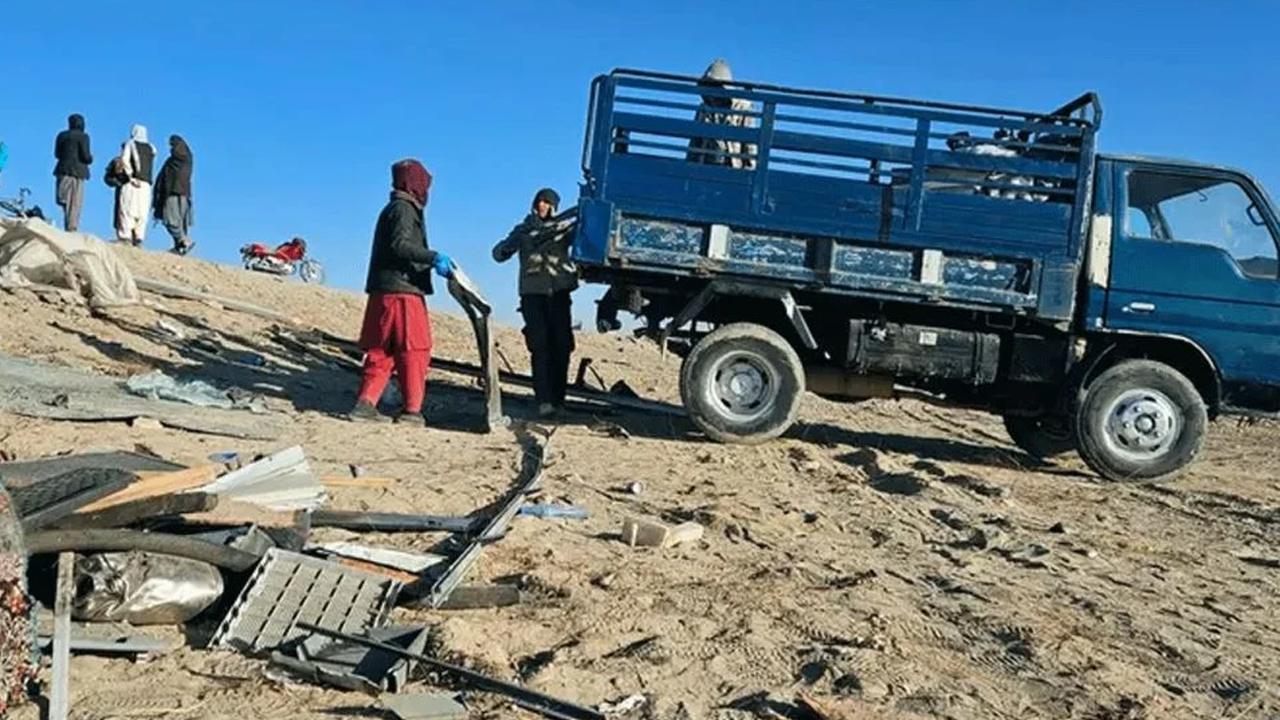
At least 12 people were killed and three others seriously injured when a minibus plunged into a ravine in northeastern Afghanistan, local officials said on Saturday. The accident occurred as the vehicle was traveling toward the provincial capital, Faizabad, along a road in Badakhshan province. According to a provincial police spokesperson, the bus lost control before falling into the ravine. The victims included men, women, and children, and the injured were reported to be in critical condition. Fatal road accidents are common in Afghanistan, where decades of conflict have left road infrastructure weak and safety regulations poorly enforced. Reckless driving and the lack of traffic discipline further contribute to frequent tragedies on the country’s highways. Previous major accidents include an August crash in Herat province that killed 78 people, many of them children, and another near Kabul later that month that left 25 dead after a bus overturned due to driver negligence.
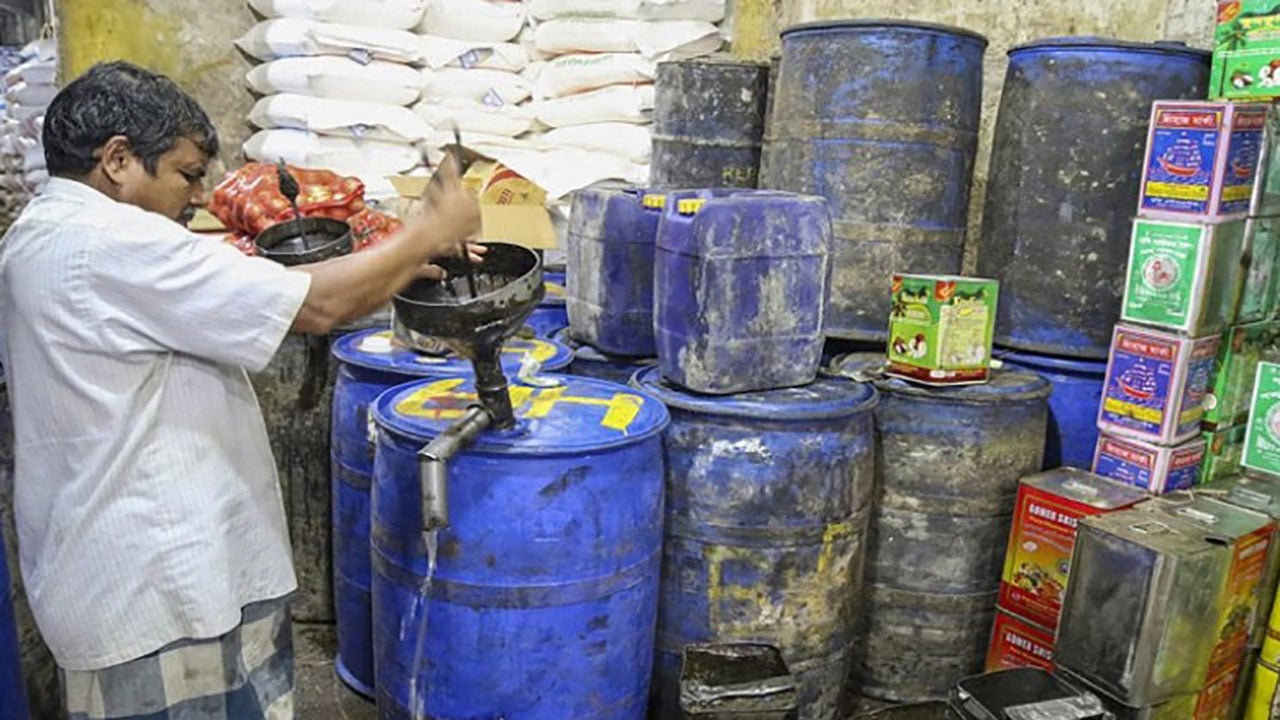
Despite a government ban effective since August 1, 2023, open-drum soybean and palm oil continue to be sold widely across Bangladesh, including in Dhaka’s wholesale and retail markets. Consumers and small businesses prefer open oil because it is cheaper and can be purchased in flexible quantities. However, experts warn that such oil poses serious health risks due to contamination, lack of vitamin A fortification, and use of non-food-grade plastic drums. Studies cited in the report show that 65 percent of edible oil in the market is sold in drums, with 59 percent lacking vitamin A enrichment and 34 percent containing insufficient levels. The absence of labeling and source information makes it impossible to trace the oil’s origin. Health experts link vitamin A deficiency to blindness in children and increased maternal mortality, urging coordinated government action to ensure safe, fortified oil. Advocacy group PROGGA and nutrition specialists have called for strict enforcement of the ban and public awareness campaigns, warning that continued sale of open-drum oil threatens both public health and national nutrition security.
Dr. Faridul Alam, the Bangladesh Jamaat-e-Islami candidate for Chattogram-12 (Patiya) constituency, stated that people of all religions would live safely if Jamaat came to power. He emphasized that there would be no discrimination among Hindus, Muslims, or followers of other faiths, and that all citizens would coexist as Bangladeshis within the country’s territory. He made these remarks on February 7 during campaign visits across several wards in Kashiyaiash and Ashia unions of Patiya upazila. Alam said that during the previous authoritarian period, false propaganda had been spread about Jamaat-e-Islami among people of different religions. He claimed that after August 5, the people of Bangladesh had gained a full understanding of Jamaat-e-Islami. He added that the future Bangladesh would be a safe and just welfare state. Several local Jamaat and Shibir leaders accompanied him during the campaign. The statement comes ahead of the February 12 election, where Jamaat is fielding candidates in multiple constituencies, including Chattogram-12.

Syria and Saudi Arabia have signed a multibillion-dollar investment package covering aviation, energy, real estate, and telecommunications as Damascus’s new leadership moves to rebuild after a 14-year civil war. Syrian Investment Authority chief Talal al-Hilali announced the agreements, which include developing a new international airport in Aleppo, launching a low-cost Syrian-Saudi airline, and creating a telecommunications project called SilkLink to position Syria as a regional hub. Saudi Arabia’s Elaf fund will invest $2 billion to develop two airports in Aleppo, while nearly $1 billion will go into telecommunications infrastructure. Saudi Arabia has been a key supporter of Syria’s new government, which took power after toppling Bashar al-Assad in December 2024. The deals mark the largest investment since the United States lifted sanctions on Syria in December. The Ministry of Energy also signed a water agreement with Saudi firm ACWA Power, and Flynas partnered with the Syrian Civil Aviation Authority to establish “Flynas Syria,” expected to begin operations in late 2026. US envoy Tom Barrack praised the agreements as a boost for reconstruction, while analyst Benjamin Feve cautioned that the deals may carry more political than immediate economic weight.

The ‘1 Nojor’ media platform is now live in beta, inviting users to explore and provide feedback as we continue to refine the experience.