

The ‘1 Nojor’ media platform is now live in beta, inviting users to explore and provide feedback as we continue to refine the experience.
Bangladesh will hold its first national election since the ousting of former Prime Minister Sheikh Hasina on February 12, with about 127 million registered voters set to elect 350 members of the Jatiya Sangsad. The caretaker government, led by Nobel laureate Muhammad Yunus since August 2024, is overseeing the vote following Hasina’s removal after a deadly student-led uprising. Hasina, sentenced to death for ordering a violent crackdown, remains in exile in India, and her Awami League has been banned from political activity. A referendum on the July National Charter 2025, outlining governance reforms, will also take place on the same day. The main competition is between the Bangladesh Nationalist Party (BNP), led by Tarique Rahman, and Jamaat-e-Islami (JIB), headed by Shafiqur Rahman. The BNP, once allied with Jamaat, now leads a 10-party coalition, while Jamaat heads an 11-party alliance that includes the student-founded National Citizen Party. Other parties such as Islami Andolan Bangladesh and the Jatiya Party are contesting independently. Interim leader Yunus and Army Chief General Waker-Uz-Zaman are seen as key figures ensuring a stable and credible election process. Hasina’s continued influence from exile and the exclusion of her party have raised concerns about political unity and future stability in Bangladesh.

The 17th Al Jazeera Forum in Doha was dominated by warnings that Israel’s military campaign in Gaza is destabilising the global order and reshaping regional power dynamics. Iranian Foreign Minister Abbas Araghchi described the Palestinian issue as the defining strategic question for the Middle East, calling Israel’s actions genocide and urging comprehensive sanctions, an arms embargo, and legal accountability. He said the violence in Gaza represents a deliberate destruction of civilian life and a collapse of international law, while also confirming that Iran and the United States plan a second round of indirect talks. Al Jazeera Media Network chairman Sheikh Hamad bin Thamer Al Thani said the assault on Gaza marks a turning point for the Palestinian cause, accusing Israel of seeking to reoccupy and resettle parts of Gaza and the West Bank. Somali President Hassan Sheikh Mohamud warned that the conflict and Red Sea tensions reflect a wider breakdown of global governance, while Turkiye’s communications chief Burhanettin Duran said the Gaza war exposes the failure of international institutions to prevent atrocities. Speakers collectively urged renewed commitment to justice, sovereignty, and multilateral cooperation to restore stability and prevent further erosion of international norms.

Voters across Japan are casting ballots in a snap parliamentary election expected to deliver a decisive victory for Prime Minister Sanae Takaichi’s conservative coalition. The vote, held on Sunday, is seen as a test of Takaichi’s mandate to advance her agenda of higher defence spending, stricter immigration controls, and economic relief measures. Opinion polls suggest the coalition of the Liberal Democratic Party (LDP) and the Japan Innovation Party could secure more than 300 of the 465 lower house seats, a major gain from the 233 currently held. Takaichi, Japan’s first female prime minister, took office in October after becoming LDP leader. Her campaign has focused on addressing the rising cost of living, pledging to suspend the 8 percent food sales tax for two years and continuing stimulus measures to ease household burdens. She has also vowed to revise defence policies by December, lifting restrictions on weapons exports and expanding Japan’s military capabilities. The election takes place amid record snowfall that could affect turnout, though analysts expect little impact on the outcome. Takaichi’s popularity, particularly among younger voters, and her growth-oriented strategy emphasizing AI, semiconductors, and defence spending are seen as key drivers of her coalition’s expected success.

Saudi Arabia has started issuing visas for the 2026 Hajj season (1447 Hijri) from Sunday, according to the country’s Ministry of Hajj and Umrah. The ministry said the decision aims to enhance service readiness and simplify procedures ahead of pilgrims’ arrival. All necessary service agreements for foreign pilgrims have been finalized, and accommodation contracts in Makkah have been completed through the 'Nusuk' platform. So far, about 750,000 pilgrims have registered, including 30,000 who booked Hajj packages directly from their home countries. For international pilgrims, around 485 camps have been allocated across the holy sites, and 73 Hajj offices have completed initial preparations. In Bangladesh, both government and private pilgrims must undergo health checks at government hospitals and receive vaccinations before obtaining a fitness certificate. As per Saudi guidelines, visa applications must be submitted between February 8 and March 20 with the certificate. The Ministry of Religious Affairs stated that no one will be allowed to perform Hajj without it. Based on moon sighting, the Hajj is expected to take place on May 26, with flights beginning on April 18.

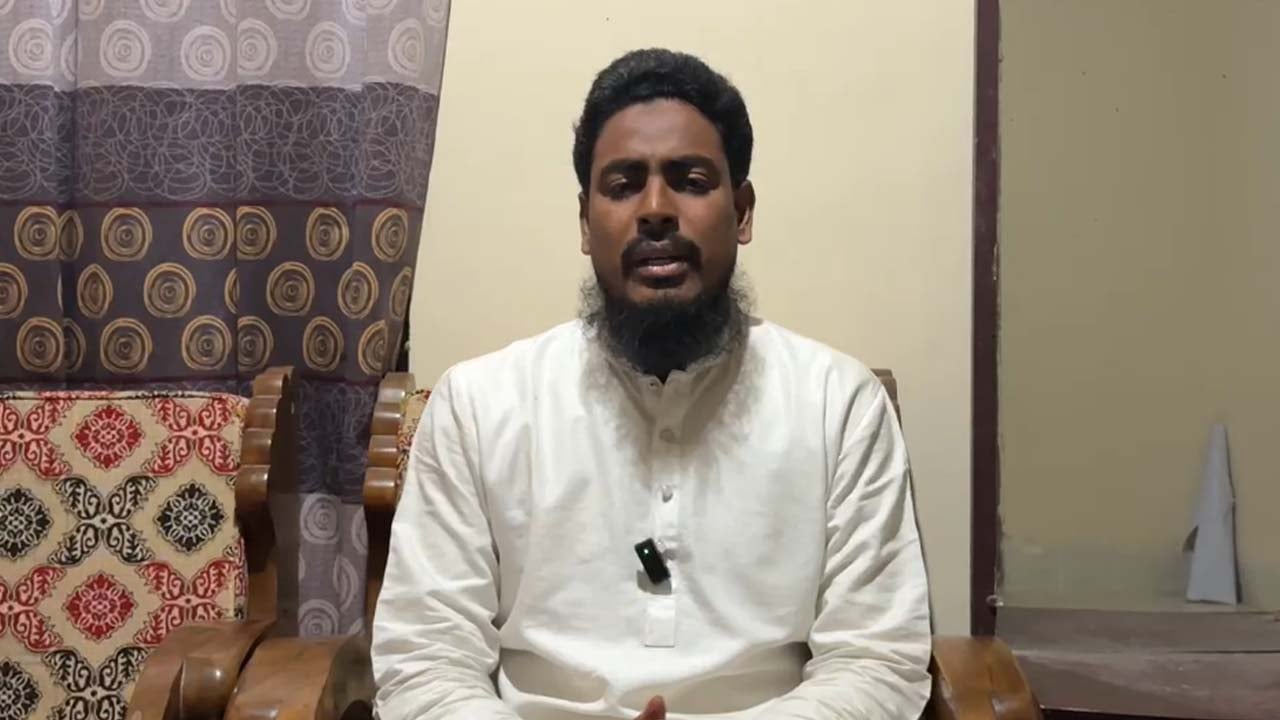
Akhtar Hossain, member secretary of the National Citizens Party (NCP) and the Shapla symbol candidate representing an 11-party alliance including Jamaat and NCP in Rangpur-4 (Kaunia–Pirgacha), has reported receiving a death threat. The threat came through a phone call from an unknown number on the evening of February 7, 2026, while he was campaigning in Kishamat village under Chaola Union. Following the incident, he filed a general diary (GD) at Pirgacha Police Station for his safety. In a video message released on social media Saturday night, Hossain stated that intimidation cannot halt their political progress and that they are moving forward with public support. He emphasized that the election should be contested on ideals and programs, not through threats or fear. He also mentioned that Shapla symbol activists across the country have faced similar threats. Hossain expressed hope that law enforcement agencies would remain highly vigilant to ensure a fair election. He added that their political journey, built through years of struggle, would not be stopped by fear or intimidation.
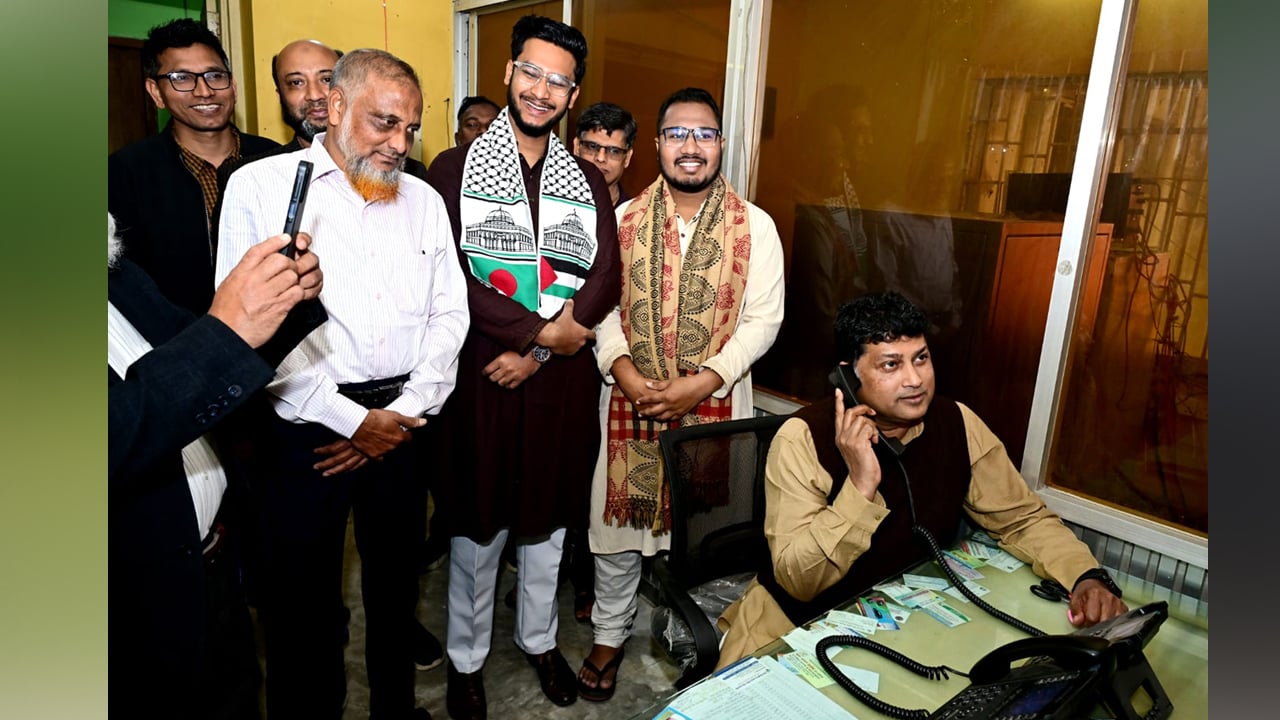
The Chittagong University administration has launched a 24-hour emergency helpline to ensure student safety and provide essential services. The service was inaugurated on Saturday by Professor Dr. Md. Kamal Uddin, the university’s Pro-Vice-Chancellor (Administration). The initiative was introduced by the Chittagong University Central Students’ Union (CHAKSU) with the cooperation of the university authorities. During the inauguration, Professor Kamal Uddin stated that the helpline would help guarantee student safety and deliver necessary services promptly. He added that the initiative would play an important role in improving service quality across the campus. Through this helpline, students can access emergency information and services at any time of the week, including medical assistance, the proctor’s office, security department, engineering office, ICT cell, and admission-related information. He also expressed hope that students would use the service responsibly and that it would become a practical support system in their daily lives. Several university officials and CHAKSU representatives attended the inauguration ceremony.
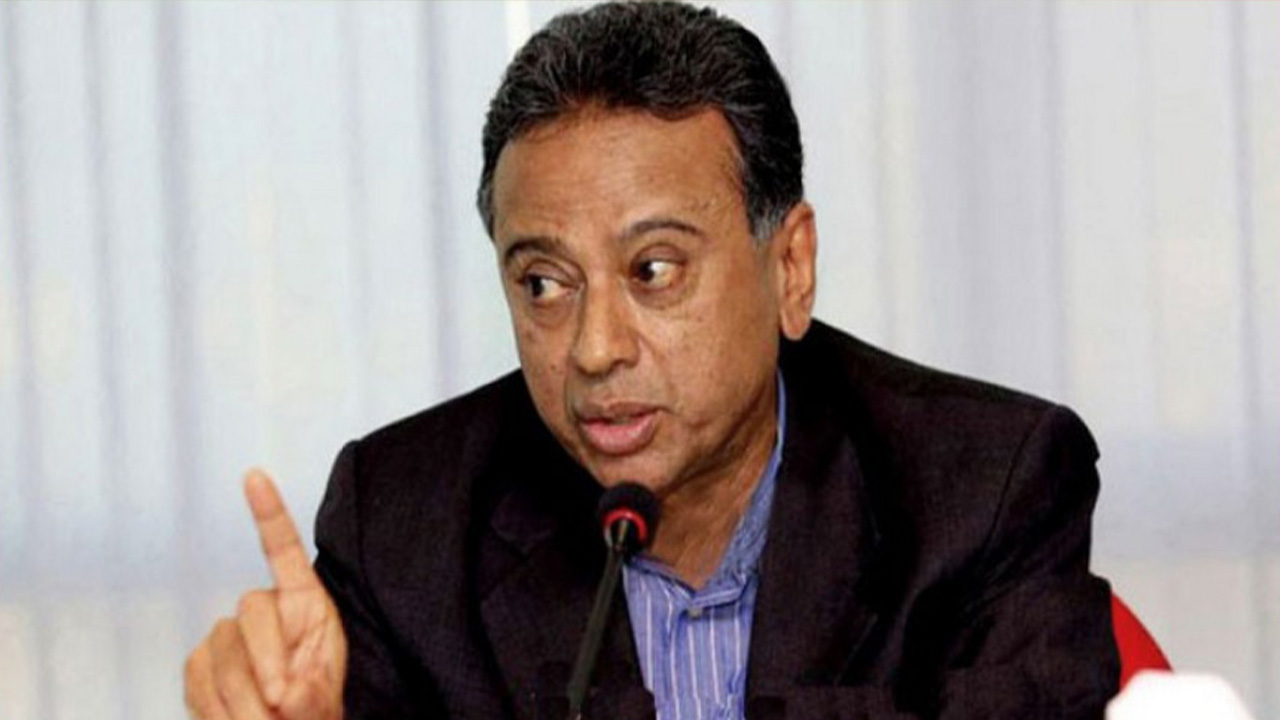
Finance Adviser Dr. Salehuddin Ahmed has informed Bangladesh Bank Governor Ahsan H. Mansur that amending the Bangladesh Bank Order, 1972, is not feasible during the tenure of the interim government. In a letter sent on February 5, he stated that such a fundamental law should not undergo major revisions until a new government assumes office. Consequently, the proposed amendment to the central bank order has been put on hold. The adviser’s letter noted that the proposed changes involved key issues such as appointment and removal of top officials, elevation of the governor’s status, restructuring of the board, financial liability of the republic, and conflict of interest prevention. He emphasized that as the 1972 order forms the foundation of the country’s central banking system, any amendment must be carefully reviewed with input from stakeholders and experts. Earlier, Bangladesh Bank had submitted a reform proposal aimed at enhancing its autonomy and insulating it from political influence. The governor’s draft suggested merit-based appointments through a search committee and legal safeguards for removal procedures.

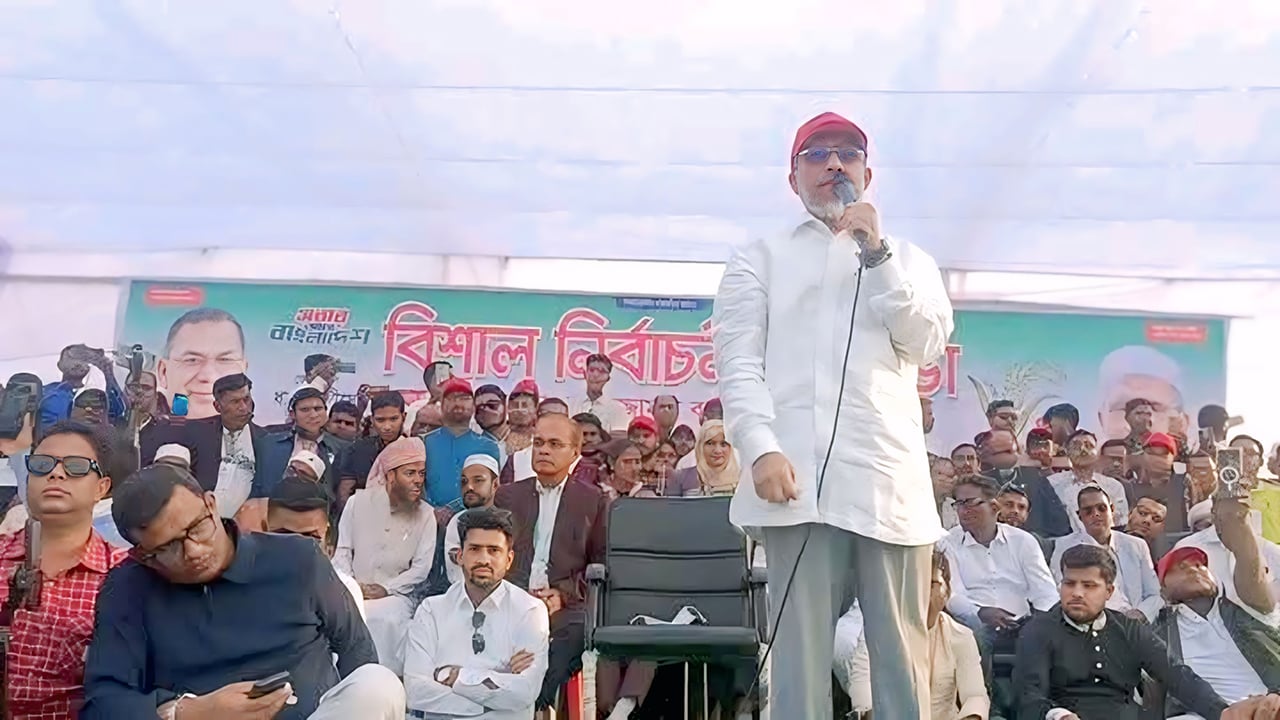
BNP Standing Committee member and former Commerce Minister Amir Khasru Mahmud Chowdhury stated that no foreign power has the opportunity to control Bangladesh. He made the remark on Saturday at a public rally held at Fatikchhari Government College field in Chattogram, organized in support of BNP candidate Sarwar Alamgir for the Chattogram-2 (Fatikchhari) constituency. Khasru emphasized that the upcoming election is crucial for restoring democracy and ensuring a government accountable to the people. He said that a truly elected parliament is necessary to return ownership of the country to its citizens. Khasru urged voters to secure a decisive victory on the 12th to send a message of peace, tolerance, and mutual respect in politics. He added that Bangladeshis aspire to improve living standards, create employment, and build an educated and talented nation. He reiterated that Bangladesh’s people have always trusted the Bangladesh Nationalist Party (BNP) during difficult times and continue to place their confidence in Tarique Rahman, Begum Khaleda Zia, and the late President Ziaur Rahman. Khasru called on supporters to fulfill this public expectation collectively through a strong electoral mandate.
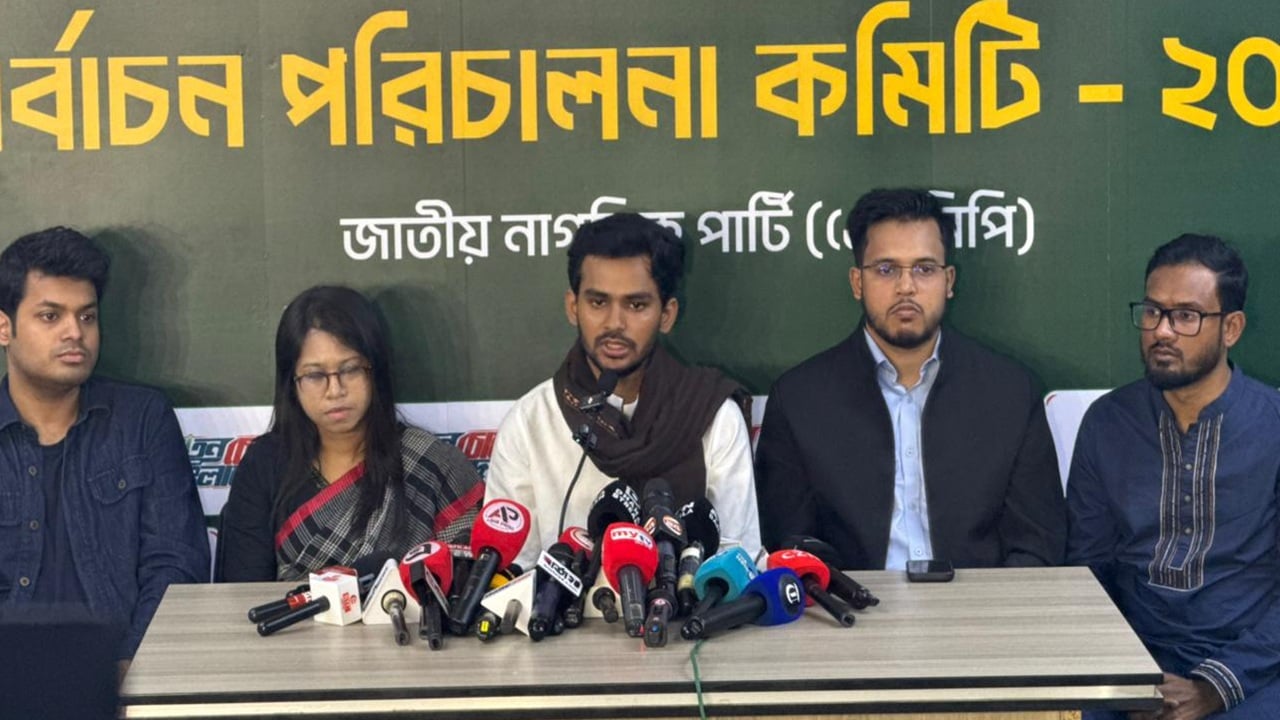
National Citizen Party (NCP) spokesperson and central election committee chairman Asif Mahmud Sajib Bhuiyan has expressed concern that some political parties are stockpiling weapons ahead of Bangladesh’s 13th national parliamentary election. Speaking at a press conference on Saturday evening at the party’s temporary central office in Banglamotor, Dhaka, he warned that these weapons could be used in electoral violence and called the situation alarming. Asif urged the Election Commission to take strict measures, noting that some candidates were allegedly threatening voters during yard meetings without visible intervention from the commission. Asif also criticized the BNP’s election manifesto, claiming it reflects deception toward the public. He alleged that despite signing the July Charter, the BNP would not implement it if it came to power. He further stated that the BNP appeared weak regarding the Awami League and accused it of working to bring the Awami League back to power. Asif warned that any such attempt would be resisted on the streets. NCP election officials Monira Sharmin and Tarikul Islam were also present at the press conference.
Former state minister and BNP candidate for Netrokona-4, Lutfuzzaman Babar, stated that the events of 1971 and 2024 cannot be compared. He made the remark on Saturday afternoon at a public meeting held at Tahura Amin Pilot Government School field in Madan municipality, Netrokona. Babar said he never thought he would be able to join an election campaign again and emphasized that the nation must remember both the independence of 1971 and July 2024 separately. Babar urged people not to politicize the years 1971 and 2024, expressing pride in the national flag. He mentioned that his political leader had spent 17 years in exile and had a plan to implement if brought to power through electoral victory. He said the plan included introducing family and agriculture cards. Babar criticized another political group for reacting negatively to these proposals. He further highlighted the importance of strengthening the country's economic capacity, developing skilled citizens, and sending youth abroad to achieve self-sufficiency.
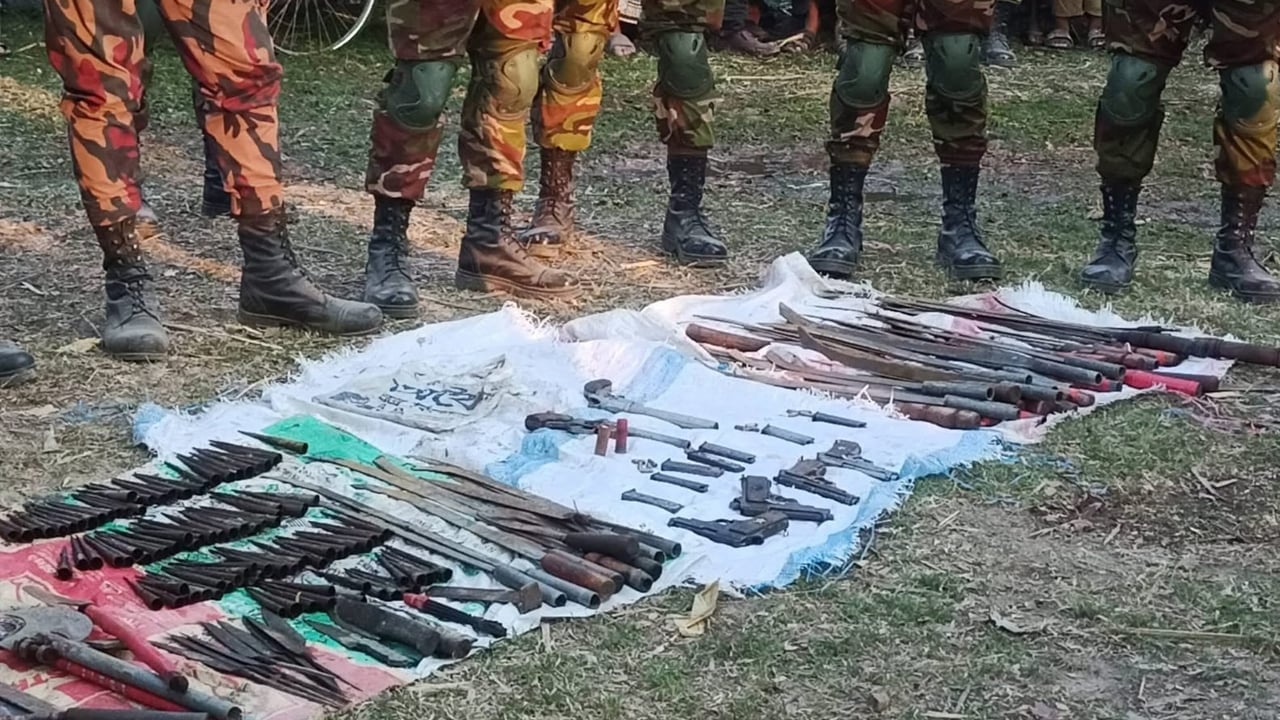
A joint force recovered a large quantity of firearms and locally made weapons from a pond near the Kanaipur Sugarcane Center in Faridpur Sadar on Saturday. The special operation, led by Lieutenant Colonel Minhaj, was conducted from noon to afternoon, during which the pond was drained and searched with nets. The recovered items included four pistols with 16 rounds of ammunition, two pipe guns with two rounds, five Chinese axes, 65 small and large chisels, eight spears, six knives, 101 spearheads, one harpoon, and five empty foreign liquor bottles. All seized weapons and ammunition were taken to the joint forces’ camp. According to the joint forces, the operation was carried out based on secret intelligence information with assistance from the Fire Service. The weapons were found hidden underwater. No arrests have been made so far, but law enforcement has launched an investigation to identify who stored the weapons and for what purpose. Faridpur Army Camp sources said similar operations will continue to curb crime and recover illegal arms, with intensified intelligence surveillance to identify those involved.
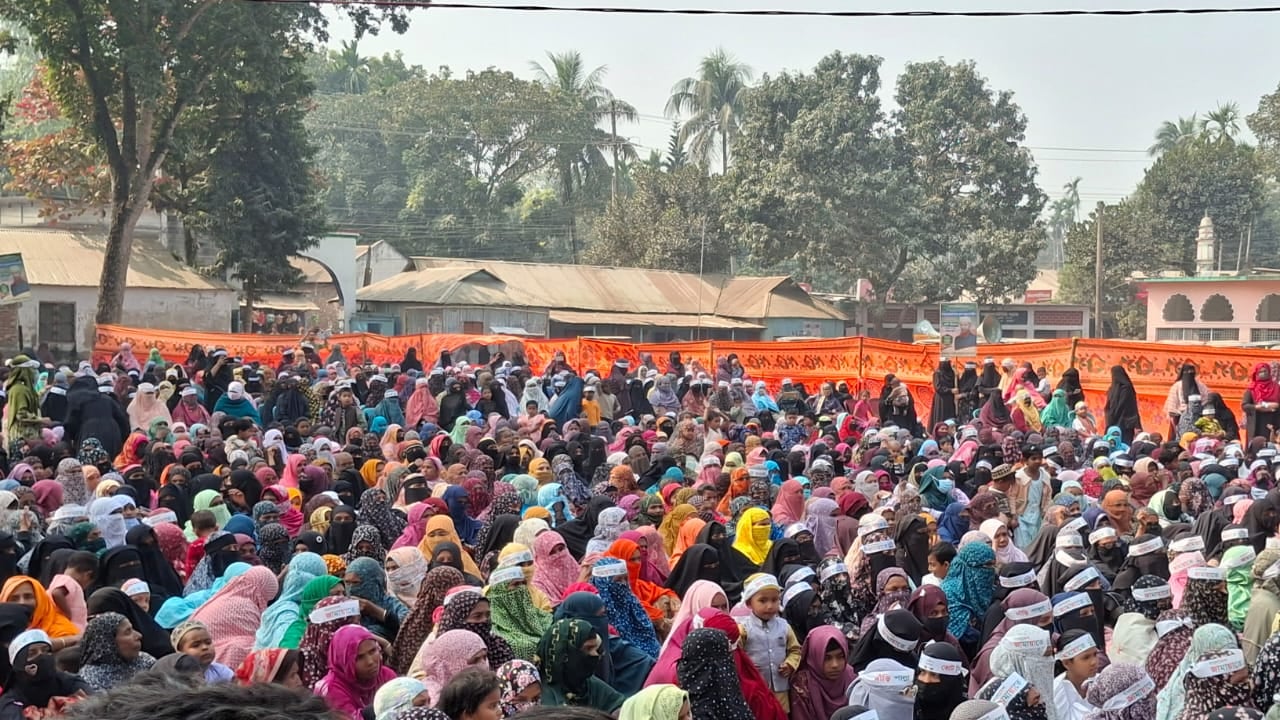
Women in Dewanganj, Jamalpur organized a procession in support of Jamaat-e-Islami candidate Advocate Nazmul Haque Sayeedi, who is contesting for the Jamalpur-1 constituency under the 'scales' election symbol. The rally, initiated by the women's wing of Jamaat, started from Dewanganj Kamil Madrasa, paraded through the town’s main roads, and concluded at the madrasa grounds. Before the procession, a protest rally was held at the same venue on Saturday morning, condemning reported attacks, harassment, and abusive remarks against women involved in election activities across the country. The event was presided over by Halima Jannat, district president of the student organization, and featured speeches by candidate Nazmul Haque Sayeedi, Jamaat leader Ashek Mahmud Shanto, and Upazila Ameer Mahbubur Rahman Talukdar, among others. The gathering highlighted Jamaat’s efforts to mobilize female supporters and address concerns about the safety of women participating in political campaigns.
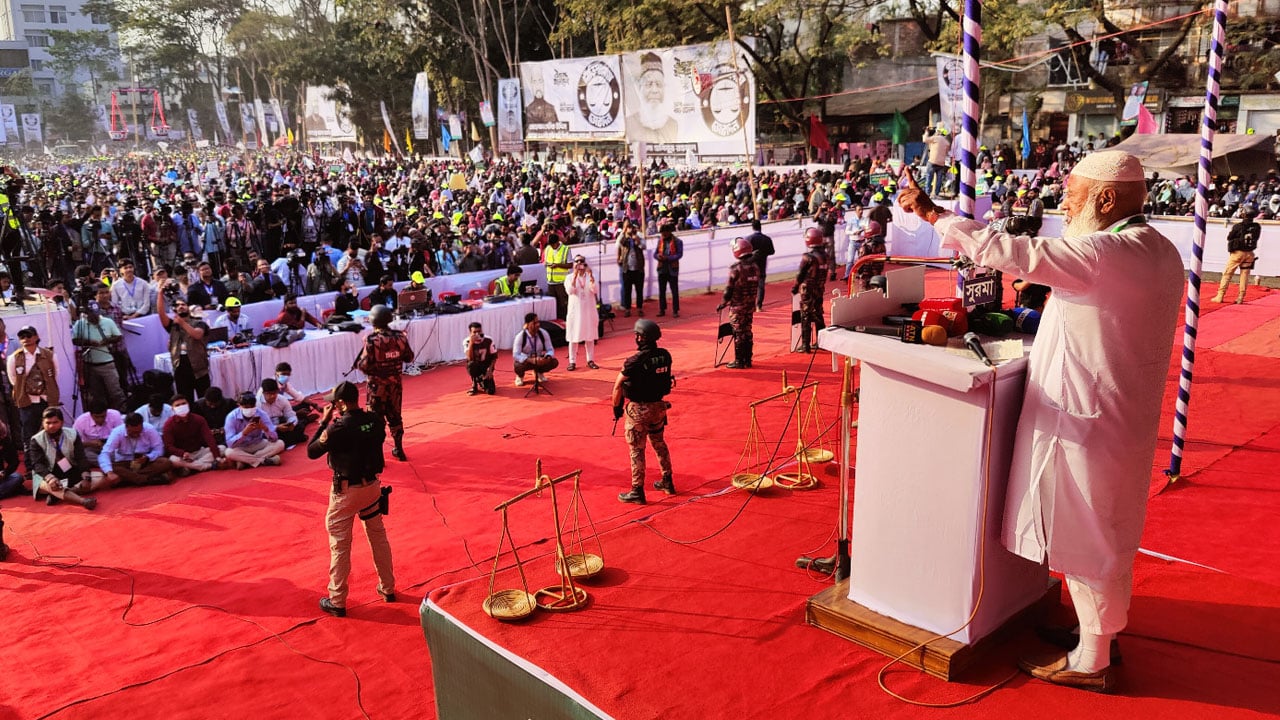
Jamaat-e-Islami Ameer Dr. Shafiqur Rahman addressed a large election rally at Alia Maidan in Sylhet on February 7, 2026, ahead of the February 12 polls. He stated that the first vote would be cast in favor of 'Yes' and the second for the party’s symbol, the scale. Rahman said a victory for Jamaat would transform the nation in line with the aspirations of the younger generation and end what he described as the country’s old, decayed politics. The rally, organized under the coordination of the 11-party alliance, was presided over by Sylhet city Ameer Muhammad Fakhrul Islam and attended by candidates from six Sylhet and three Sunamganj constituencies. Senior Jamaat and alliance leaders, including Advocate Ehsanul Mahbub Zubair and Maulana Rezaul Karim Jalali, also spoke. A notable feature of the event was the large participation of women for the first time in a Sylhet Jamaat gathering. Rahman urged voters to give Jamaat a chance, promising to serve as guardians of the people rather than rulers, and expressed hope that a new dawn would rise on February 13.
BNP Chairperson Tarique Rahman has declared that if his party forms the next government, it will not use the Bangladesh Army for political purposes. Speaking on Saturday night at a meeting with retired military officers and families of the Pilkhana massacre victims at the Radisson Blu Hotel in Dhaka, he said the BNP has never acted in ways that undermine the army’s honor and will not do so in the future. His wife, Dr. Zubaida Rahman, was also present at the event. Rahman emphasized that the BNP stands for Bangladesh’s independence and sovereignty, asserting that a strong BNP ensures a strong nation and a respected army. He recalled his mother Khaleda Zia’s trust in the armed forces and his father Ziaur Rahman’s pride as a military officer. He also proposed restoring the name of the former Bangladesh Rifles (BDR) and marking the Pilkhana tragedy as a national day of remembrance. He further announced plans to form a committee to review military-related reform proposals, including the creation of a National Security Council and implementation of the “One Rank One Pay” policy if the BNP wins the February 12 national election.

The Online Editors Alliance has strongly condemned the reported attack, threats, and obstruction of journalists by law enforcement officers while they were performing their professional duties. In a joint statement issued on Saturday, the alliance’s president Md Hasan Sharif and general secretary Mizanur Rahman Sohel described the incident as a deliberate assault that poses a serious threat to the freedom of the press. According to the statement, several journalists were injured and their professional equipment damaged when members of the law enforcement agencies allegedly launched a sudden attack during a protest in front of the Chief Adviser’s residence at Jamuna on Friday. The alliance leaders said that obstructing, harassing, or attacking journalists while on duty contradicts democratic values and is unacceptable, especially when carried out by those responsible for ensuring public and media safety. The Online Editors Alliance demanded a fair and impartial investigation, identification of those involved, and their prosecution under the law. It also urged the government to take visible measures to ensure journalists’ safety during the upcoming election period and called for unity in protecting press freedom.

The ‘1 Nojor’ media platform is now live in beta, inviting users to explore and provide feedback as we continue to refine the experience.