

The ‘1 Nojor’ media platform is now live in beta, inviting users to explore and provide feedback as we continue to refine the experience.
The Election Commission (EC) announced on Saturday, February 7, that a total of 309,110 postal ballots sent from across Bangladesh and abroad have reached the respective returning officers. According to the EC’s statement, 766,862 ballot papers were sent to expatriate voters in various countries, of which 527,033 were received by voters. Among them, 494,185 voters cast their votes, and 468,091 ballots were submitted through postal services. Out of these, 422,960 ballots arrived in Bangladesh, and 225,168 were received by returning officers. Within the country, 694,146 postal ballots were distributed to registered voters, including government employees, law enforcement personnel, and prisoners eligible for postal voting. Of these, 381,007 voters received their ballots, 321,695 cast votes, and 276,272 submitted them via post. Returning officers have so far received 83,942 of these ballots. The EC confirmed that a total of 1.533 million voters, both domestic and overseas, registered to vote by postal ballot for the upcoming national election and referendum scheduled for February 12.
The Bangladesh Army has identified Dhaka-14 and Dhaka-16 constituencies as highly risky among three constituencies in the capital, according to Mirpur Camp Commander Lieutenant Colonel S M Fuad Masroor. Speaking at a press conference on Saturday at the Shaheed Suhrawardy Indoor Stadium in Mirpur, he said 18 percent of polling centers in Dhaka-14, 16, and 18 have been marked as risky, with two of them categorized as highly risky. Fuad Masroor explained that polling centers have been divided into three categories—general, moderate, and highly risky—based on their vulnerability levels. The army is maintaining maximum alert to ensure voters can reach polling centers safely. Security measures are being implemented according to the risk classification, and the army will act as a striking force to maintain a peaceful election environment. He also urged journalists to verify information before reporting on any incidents of unrest or sabotage during the election period to prevent misinformation. The army will ensure the safety of both candidates and media workers, and any signs of risky situations should be immediately reported to law enforcement authorities.

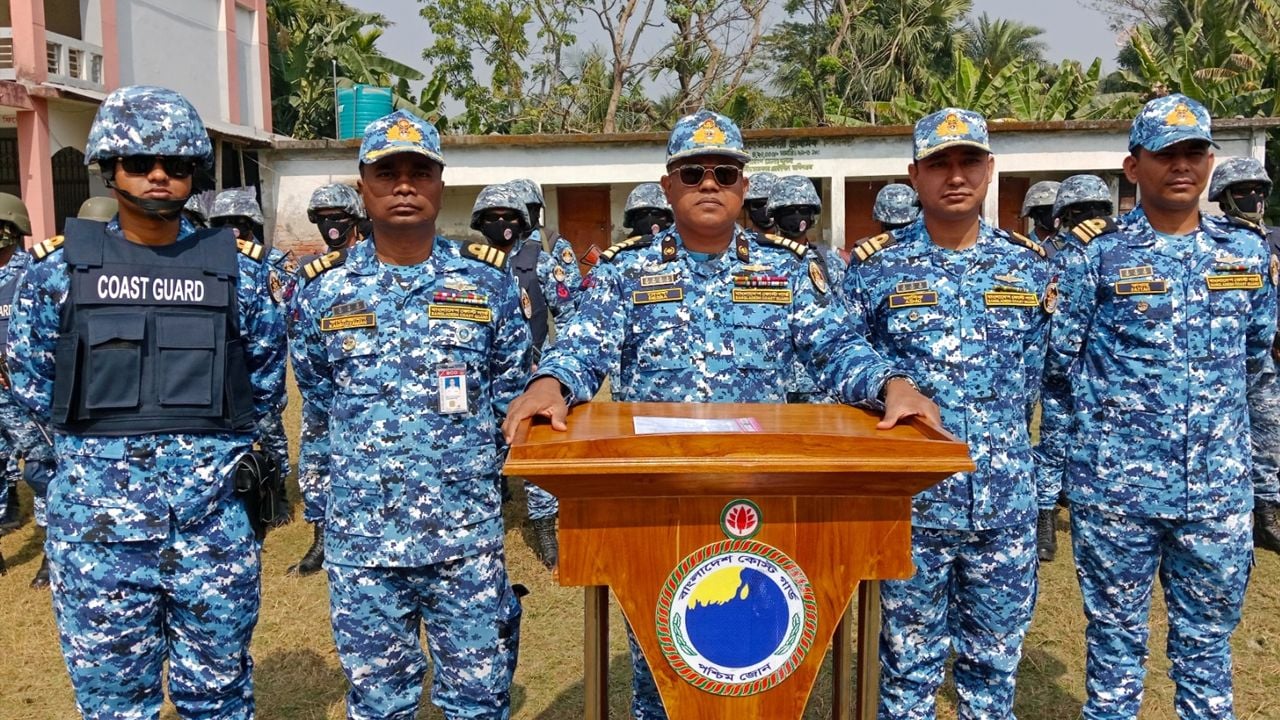
The Bangladesh Coast Guard has been deployed across coastal and riverine areas to maintain peace and order ahead of the 13th National Parliamentary Election and Referendum 2026. Coast Guard media officer Lieutenant Commander Siam-ul-Haq confirmed the deployment on Saturday, February 7, 2026. The force began its 28-day duty on January 18 and will continue until February 14, covering remote and critical coastal polling centers. According to the Coast Guard, members are operating under the Western Zone in Khulna-1, Khulna-6, and Pirojpur-3 constituencies, including Dacope, Koyra, and Mathbaria upazilas. They are stationed at 66 polling centers across 16 unions. Special intelligence surveillance, drone monitoring, and regular patrols are being conducted to ensure a festive and peaceful voting environment. The interim government has scheduled the referendum on the same day as the election to promote accountability and public welfare. The Coast Guard stated it remains vigilant to prevent violence, safeguard voters’ rights, and assist other law enforcement agencies in ensuring overall security and communal harmony in its operational areas.
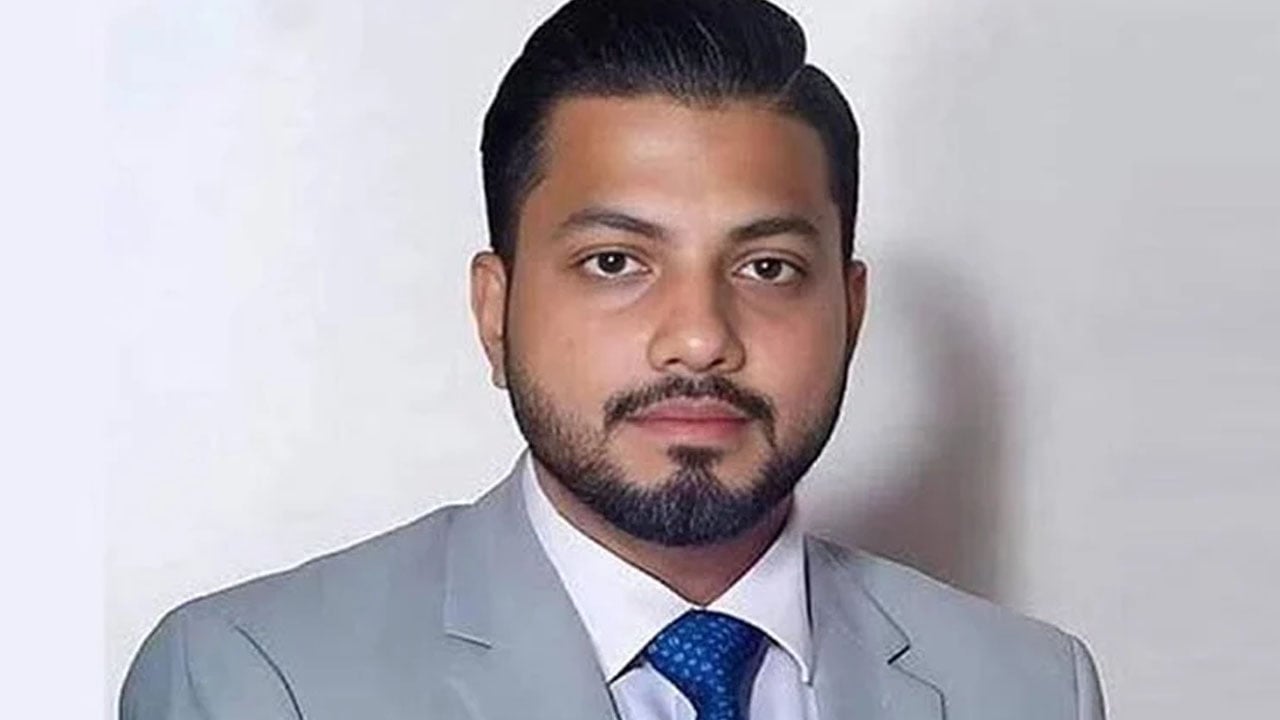
BNP candidate for Dhaka-6, Ishraq Hossain, has lodged a complaint with the Election Commission (EC) expressing fears of polling center occupation and fake voters ahead of the election. On Saturday, he met EC Secretary Akhtar Ahmed at the Election Building and demanded action against those involved, including a request to change a polling center after weapons and sticks were recovered there. Ishraq said police recovered 152 thick sticks from the Cosmopolitan School center in Sutrapur on February 4, a property owned by the rival political party Jamaat-e-Islami. He alleged that the local police officer delayed action by four hours, allowing firearms and more sticks to be removed. Citing this as a sign of bias and negligence, he demanded the officer’s replacement and relocation of the center to ensure fair voting. He added that although the Dhaka-6 environment remains relatively calm, the discovery of weapons and reports of fake voters in several holdings have raised concerns. Ishraq emphasized that his campaign seeks a peaceful and credible election.
Bangladesh Road Transport Corporation (BRTC) inaugurated two air-conditioned buses built under its own management and funding at the central repair workshop in Gazipur on Saturday. The event was attended by senior officials, including the Chief Adviser’s Special Assistant Sheikh Moinuddin, who described the achievement as a matter of national pride and a step toward greater self-reliance in public transport operations. BRTC Chairman Abdul Latif Molla stated that the corporation has evolved into a comprehensive state service institution, integrating passenger and freight transport with training, technical education, and workshop facilities. He said the new bus production demonstrates BRTC’s growing technical and operational capacity. The corporation also operates a central control room that monitors all buses and trucks nationwide in real time through a vehicle tracking system. According to BRTC, the process of importing 340 modern buses from Korea is in its final stage, and plans are underway to add new trucks and coaster buses to the fleet within the year.

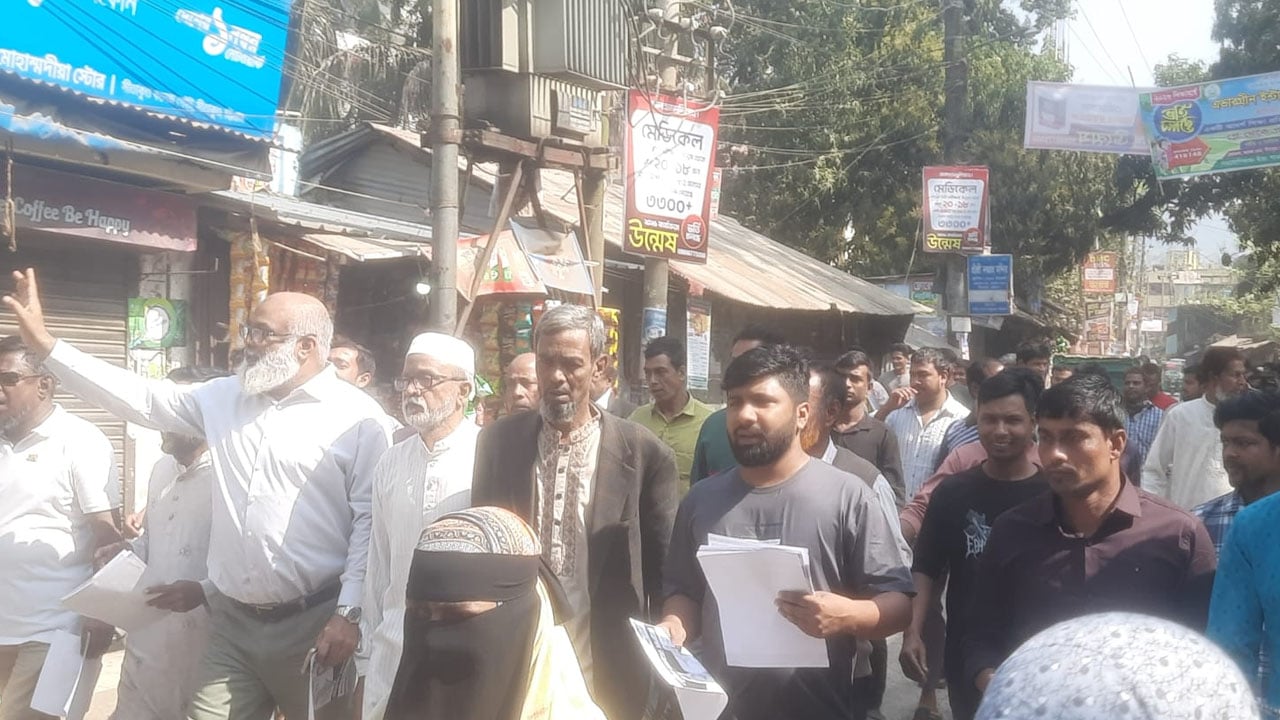
Bangladesh Ship Breakers Association (BSBA) president Amjad Hossain Chowdhury has joined the campaign in support of BNP candidate Professor Aslam Chowdhury for the Chattogram-4 (Sitakunda) constituency. On Saturday morning, he conducted public outreach and street meetings in several areas of Sitakunda municipality, including Bholagiri Ashram, Nij Taluk, Bhuiya Para, and Sitakunda College Road. During the campaign, he interacted with residents, shopkeepers, and businesspeople, urging them to vote for the paddy sheaf symbol to ensure Aslam Chowdhury’s victory. Amjad Hossain Chowdhury stated that sustainable development in Sitakunda, industrial safety, workers’ rights, and employment protection require honest, capable, and people-oriented leadership. He described Aslam Chowdhury as an educated and experienced leader closely connected with the community. According to him, if elected, Aslam Chowdhury would be able to address long-standing deprivation in the region and advance local development. The campaign for the paddy sheaf symbol in Sitakunda is reportedly gaining momentum as the election approaches, with increasing participation from local and industrial leaders.
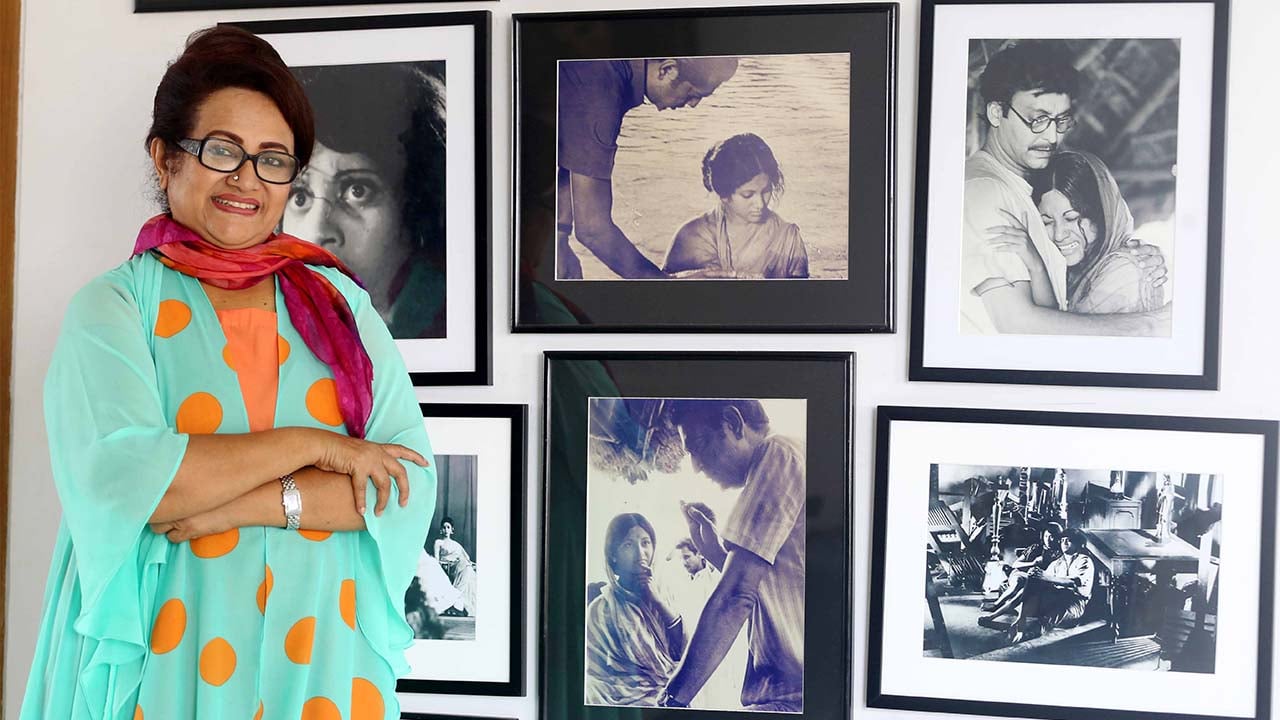
Internationally acclaimed Bangladeshi actress Bobita is set to receive the 2026 Ekushey Padak, one of the country’s highest civilian honors. The announcement was made at a press conference following an advisory council meeting on Thursday. Bobita expressed deep gratitude to the state and those who selected her, calling it a blessing to receive such recognition during her lifetime. She has been receiving congratulatory messages from fans and well-wishers across Bangladesh and abroad since the news broke. Bobita began her film career under the direction of the late filmmaker Zahir Raihan, to whom she has dedicated her upcoming award. Over her career, she has acted in nearly 300 films and produced several under her banner “Bobita Movies.” She has previously won multiple National Film Awards, including Best Actress for “Noyonmoni,” “Boshundhora,” and “Badi Theke Begum,” and received a Lifetime Achievement Award in 2016. Bobita gained international recognition for her role in Satyajit Ray’s “Ashani Sanket.” She stated that she would only return to acting if offered a story centered on her character and one that genuinely appeals to her.
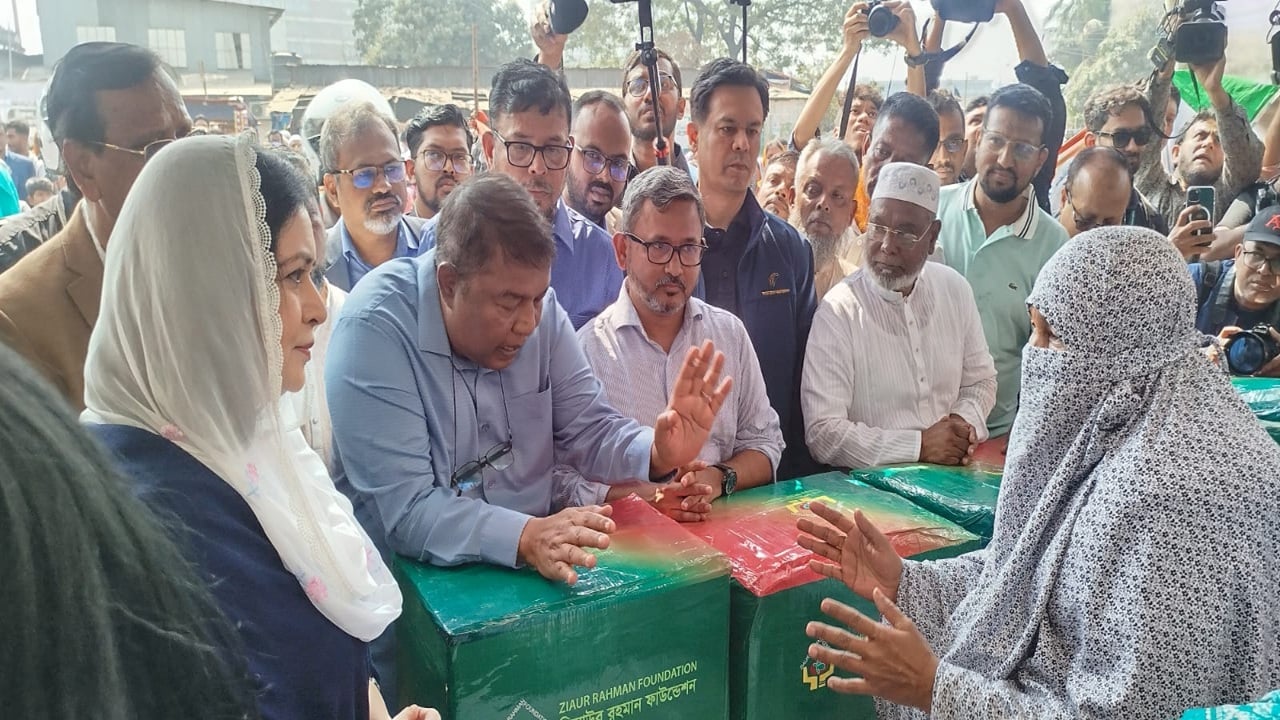
Dr. Zubaida Rahman, wife of the BNP chairperson, extended humanitarian support to victims of a devastating fire in Dhaka’s Bhashantek area on Saturday, February 7, 2026. The fire destroyed homes and belongings, leaving many families in severe distress. She visited the affected site to oversee relief activities and distributed essential items to help families resume daily life. Alongside distributing relief materials, a medical camp was set up to provide healthcare services to affected women, children, and the elderly. Experienced doctors conducted health checkups and supplied necessary medicines. The initiative aimed to address both immediate needs and health concerns of the victims. Local residents reportedly felt relief and reassurance from the coordinated assistance and medical support. The effort, joined by BNP adviser Bir Muktijoddha Abdus Salam, Dr. Farhad Halim Donar, and local party members, was described as a humanitarian example in response to the sudden disaster.
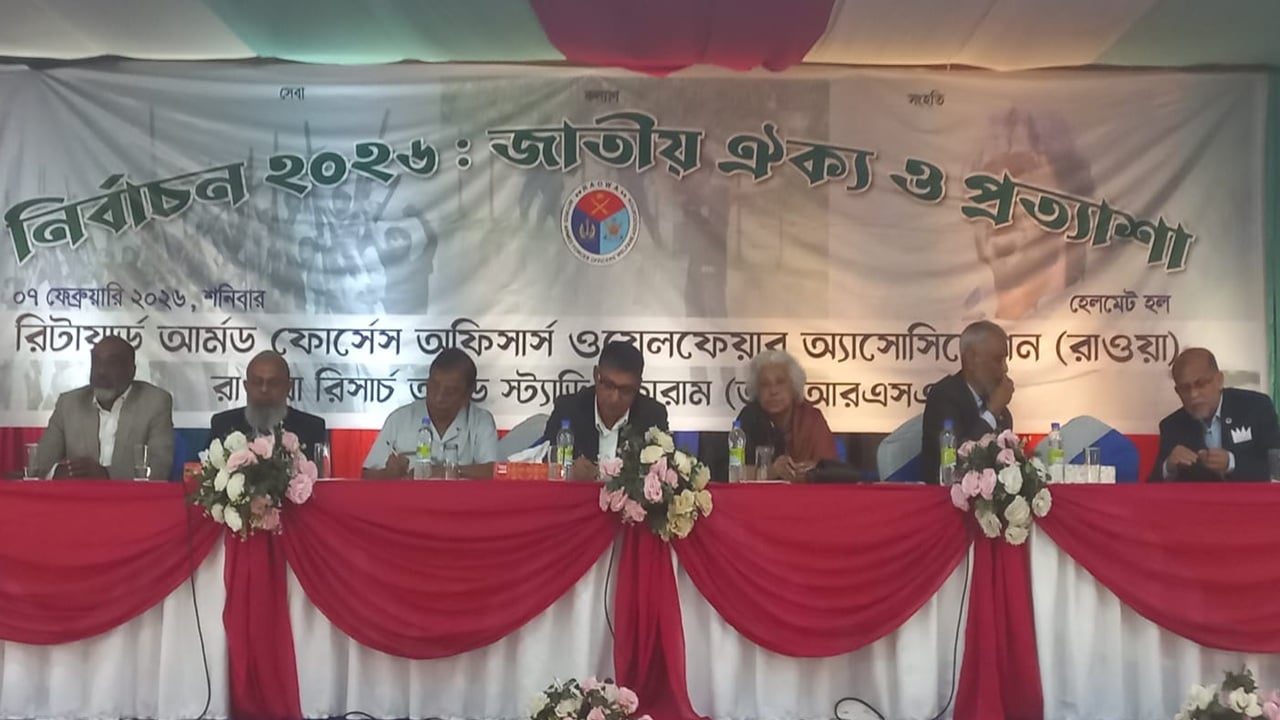
Political scientist Professor Dilara Chowdhury has alleged that a neighboring country is attempting to sabotage Bangladesh’s upcoming 13th national election. Speaking at a seminar held on Saturday afternoon at the RAOWA Club in Dhaka’s Mohakhali, organized jointly by the Retired Armed Forces Officers’ Welfare Association and the RAOWA Research and Study Forum, she claimed that the neighboring country does not want a fair election in Bangladesh and urged citizens to remain vigilant. During her remarks, Professor Chowdhury said that a few individuals involved in the July revolution had engaged in extortion, but that did not invalidate the broader movement, which she said had the participation of marginalized communities. She criticized the country’s elite class for allegedly siphoning money abroad and called for national unity, urging voters to choose honest candidates regardless of party affiliation. Other speakers at the event, including Lt. Col. Modachher Hossain, Lt. Col. Hasinur Rahman, and Major (Retd.) Barrister Sarwar, discussed issues such as inequality, leadership, and the need for anti-hegemony declarations from political parties, emphasizing the demand for a fair election.
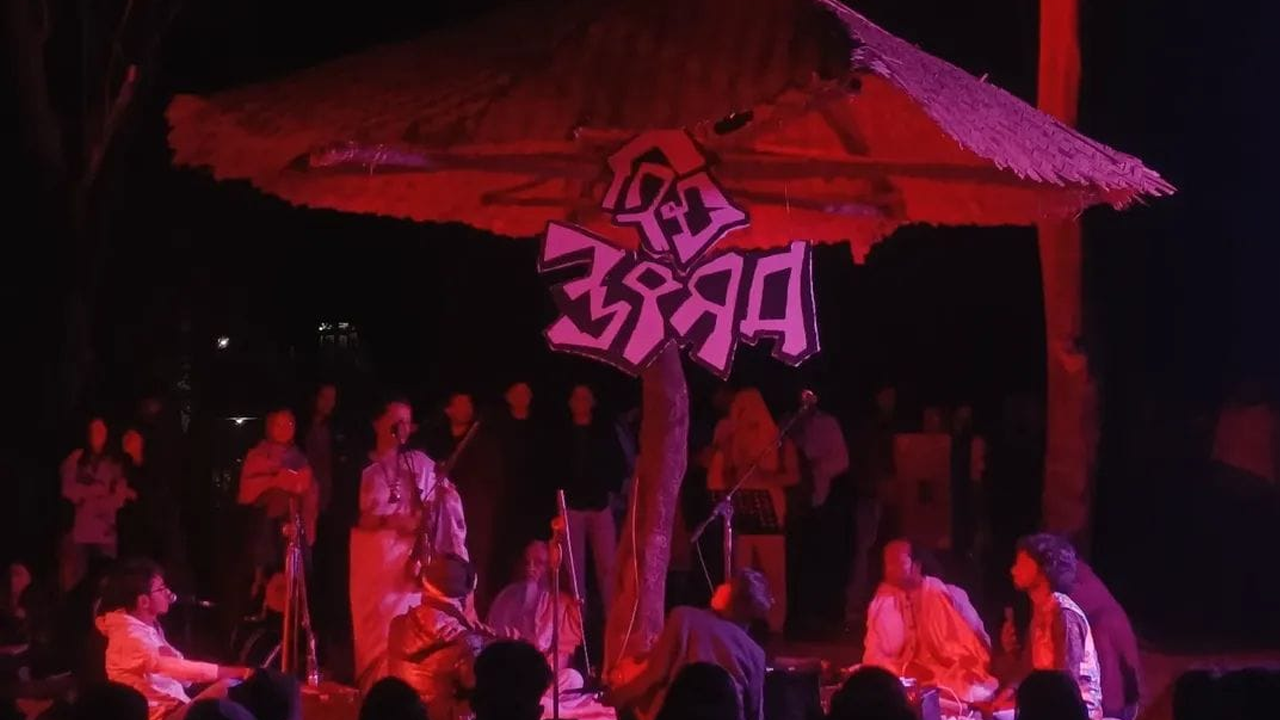
A controversy arose at Jahangirnagar University on Friday night, February 6, when a folk performance during the final night of the university’s winter festival featured a distorted recitation of Surah An-Nas. The performance, by singers Eshak Sarkar and Chhonia Sarkar, took place at the Chhobi Chattar around 11:30 p.m. The male performer partially recited the verse and made a comment linking it to dance, prompting discomfort among the audience. Two students went on stage to protest, calling the act offensive to religious sentiments. The artist immediately apologized, but tensions escalated when some organizers confronted the protesting students. Following the incident, posts on social media claimed that the musical session was being shut down, which fueled further criticism on campus. A group of students later gathered at the Shaheed Minar and then staged a sit-in in front of the vice-chancellor’s residence around 2 a.m., demanding an investigation and action against those responsible. Vice-Chancellor Professor Mohammad Kamrul Ahsan assured students that the matter would be reviewed based on a preliminary report from the proctorial team. Assistant Proctor Professor Abdur Razzak stated that the issue initially arose from the Surah reference, and that students protested from a moral standpoint. He added that the artist had apologized and the situation was brought under control.
BNP candidate for Moulvibazar-3 constituency, M Naser Rahman, announced that he will introduce a bill in parliament to ensure the rights of tea workers if elected. Speaking at an election rally on Friday evening at the Nach Mandir in Rajnagar Tea Garden, he said that under a BNP government, women from tea worker families would receive a family card providing essential goods worth about Tk2,500 per month. He also pledged to raise the daily wage of tea workers to Tk245, aligning with international standards. Rahman recalled that tea workers’ daily wages had once been only Tk35, which was raised to Tk120 during the governments of former finance minister M Saifur Rahman and former prime minister Khaleda Zia. He criticized the current government for increasing wages by only Tk50 over fifteen years. Addressing the workers, he urged them to support the BNP’s symbol in the upcoming February 12 national election. He emphasized that the BNP has always worked for tea workers and promised to continue efforts to improve their wages and benefits through legislative initiatives if elected.
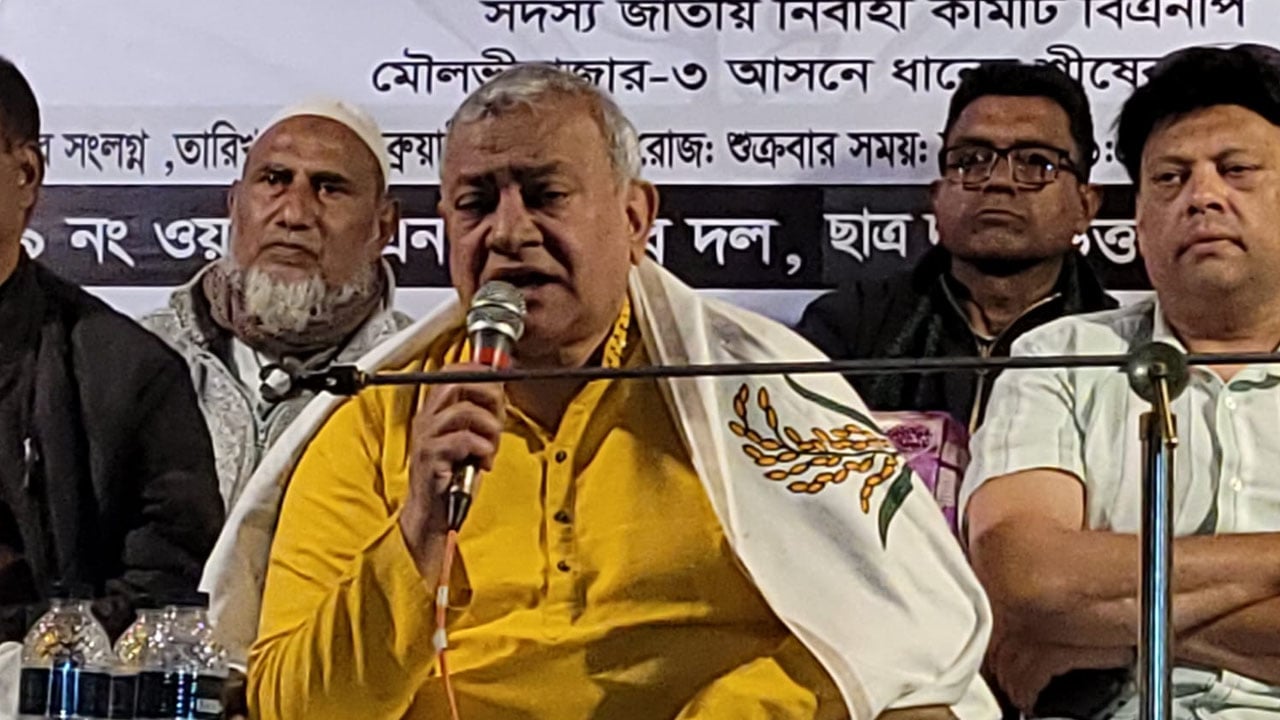
BNP candidate for Dhaka-8, Mirza Abbas, has accused the Election Commission of failing to act responsibly. Speaking to journalists during a campaign event in the Shantinagar area of Dhaka on Saturday, February 7, he said that despite submitting several complaints, he has not received any response from the commission, which he described as very unfortunate. Abbas alleged that a particular political party appears overly confident about winning the election, suggesting bias in the process. He stated that while the election is being presented as participatory, partiality is evident, which he termed as harmful. He questioned whether a false result would be used to enter parliament, calling such a scenario unacceptable. He urged voters to overcome all conspiracies and exercise their voting rights properly on election day, emphasizing that the people alone should decide who they elect.
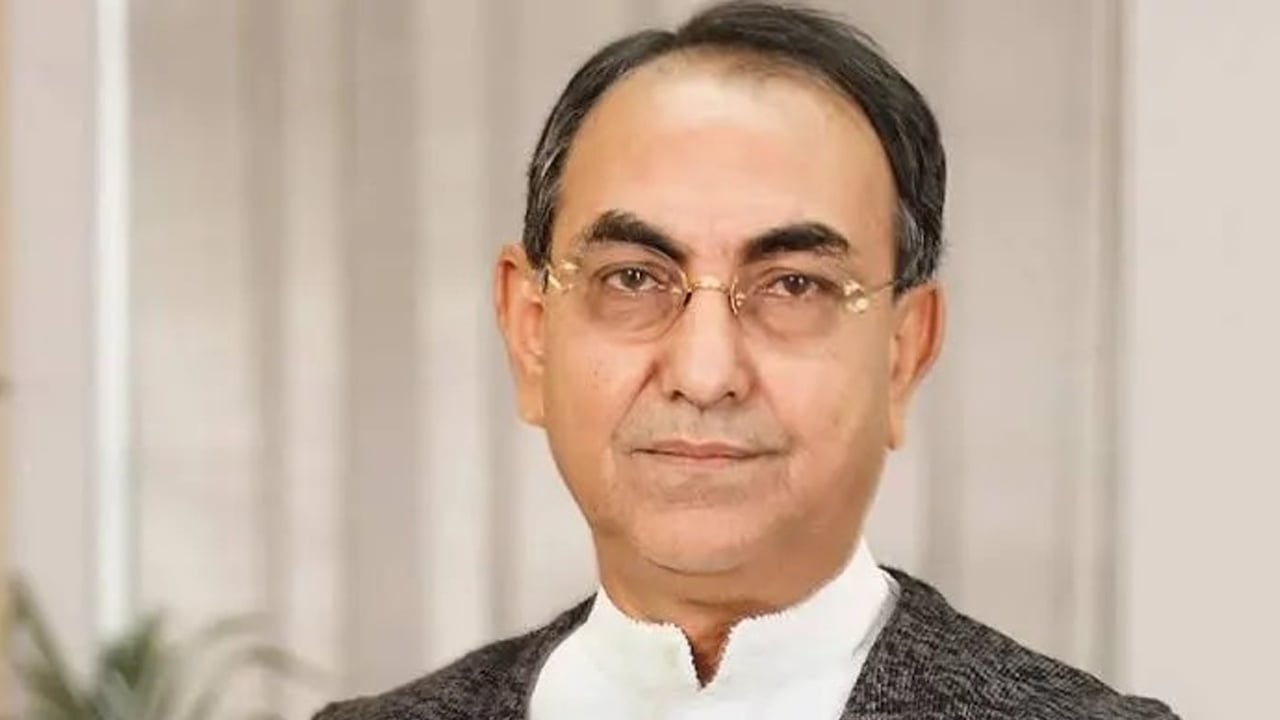
Iranian Foreign Minister Abbas Araghchi has said that Iran is prepared for both peace and war, as the date for the second round of indirect talks with the United States remains undecided. In an interview with Qatar-based Al Jazeera, Araghchi confirmed that both sides have agreed to hold the next round of discussions but have yet to finalize the schedule. He emphasized that Tehran and Washington view the talks as urgent. Araghchi highlighted that the word “urgent” is crucial, warning that any delay could allow hardline factions in Iran or the influence of the Israel lobby in Washington to derail the process. Addressing questions about the risk of war, he acknowledged that the possibility always exists but reiterated Iran’s readiness for either outcome. He also reassured regional countries that if the United States attacks Iran, Tehran would target American forces stationed in the region, not neighboring states. Araghchi further noted that trust between the two nations remains fragile following last year’s war and that rebuilding confidence will take time.
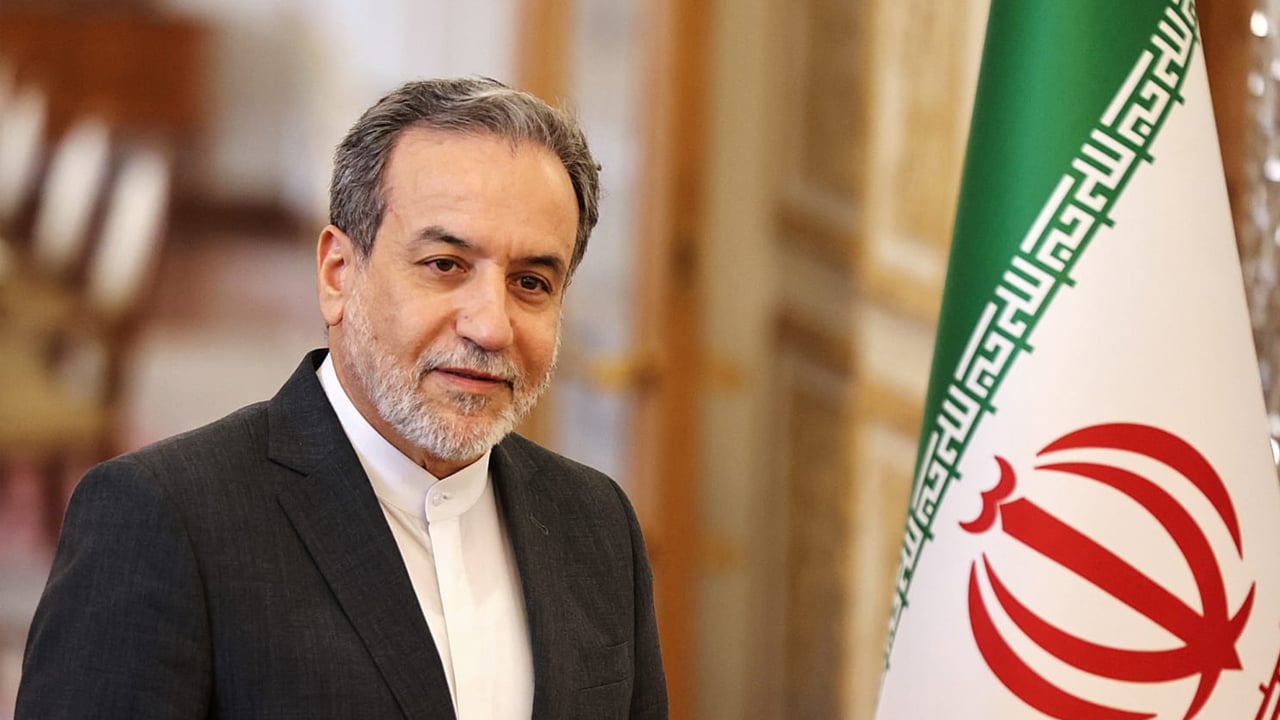
BNP Central Election Steering Committee spokesperson and chairman’s adviser Mahdi Amin has alleged that a political party is preparing for planned election engineering. Speaking at a press conference at the BNP’s election office in Gulshan on Saturday, he said the involvement of that party’s leaders in the production of fake voting seals in Lakshmipur is clear evidence of the plan. He further claimed that a large number of burqas and niqabs are being made to misuse religious sentiments for casting fake votes. Amin stated that a printing press owner arrested in connection with the illegal seals confessed in court that the seals were made under the instruction of a Jamaat-e-Islami leader. He urged the Election Commission to ensure the appointment of sufficient female polling officers, especially in women’s booths, and to verify voter identities by face as per law and regulations. He also alleged irregularities in the appointment of election observers and called on the Election Commission and the government to ensure a level playing field for a free, fair, and neutral election.
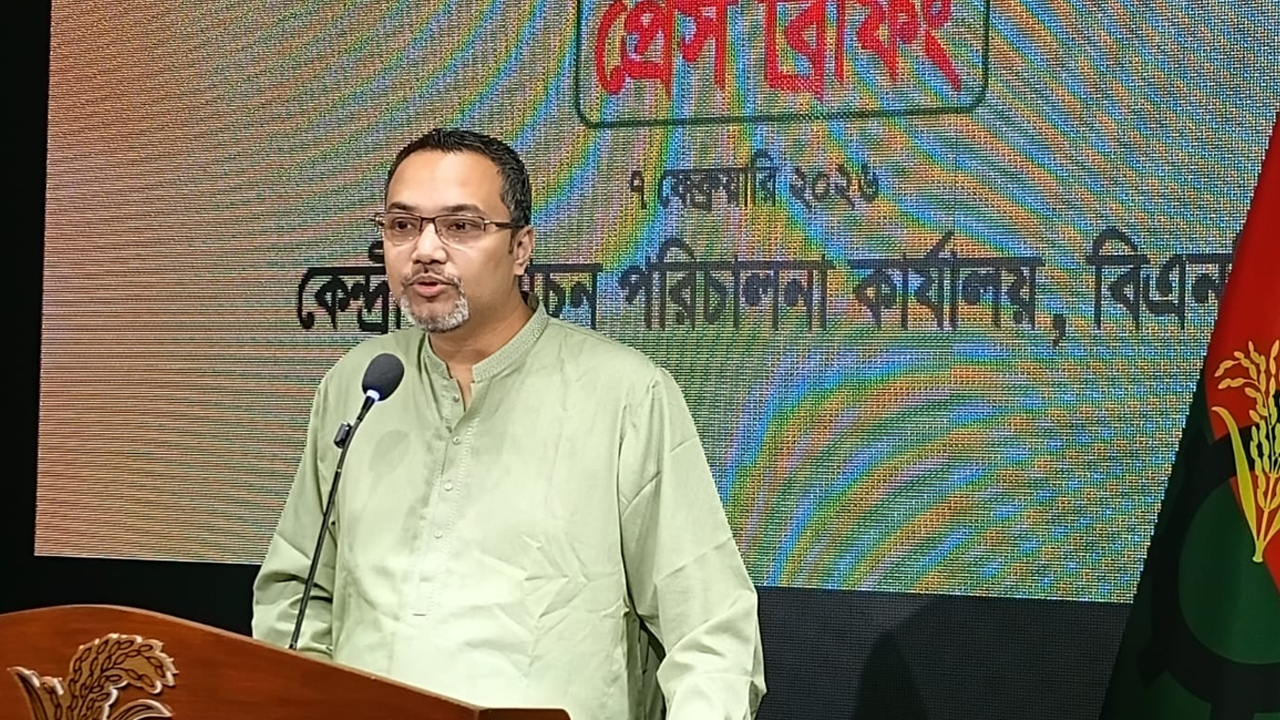
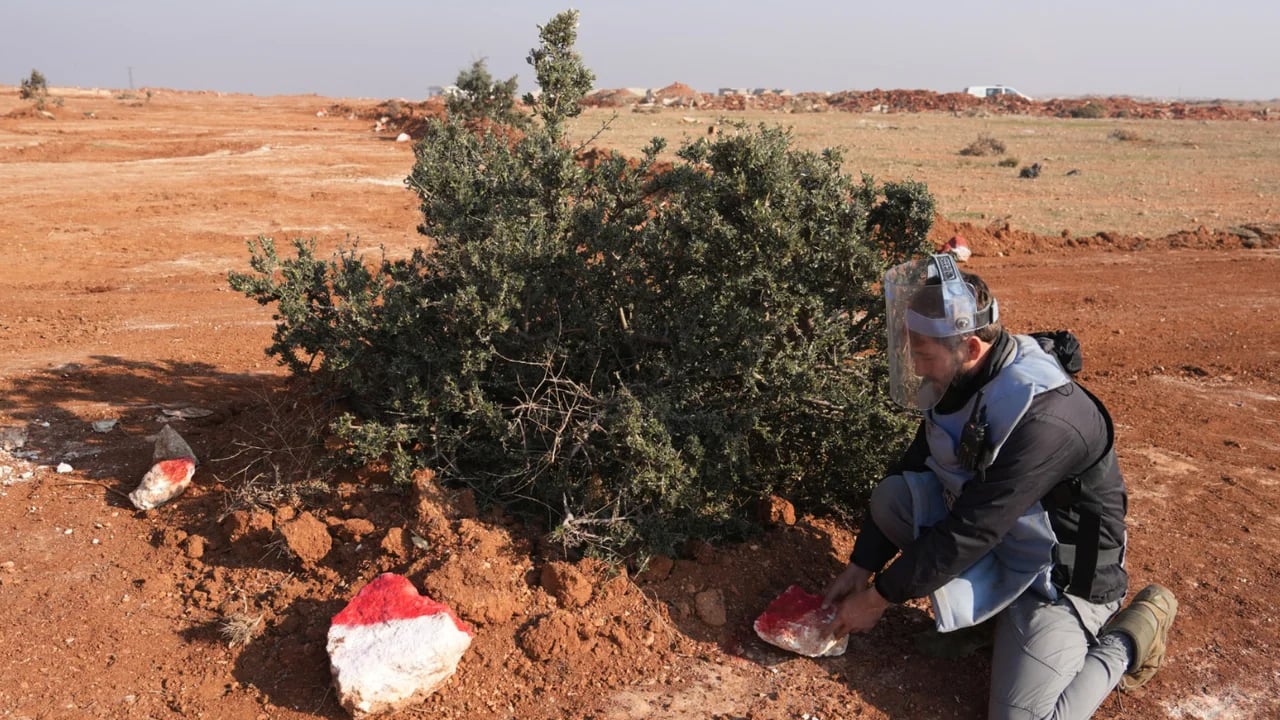
A landmine explosion in Syria’s northwestern Idlib province has killed a 10-year-old boy and left his two younger brothers permanently disabled. The incident occurred in Khan Shaykhun when the children discovered a buried object resembling a toy, which detonated as they tried to unearth it. Syrian Civil Defense, known as the White Helmets, rescued the injured and took them to a hospital 15 kilometers away, but the eldest boy, Mohammad, later died. The family had returned home months earlier after spending five years in a displacement camp near the Turkish border, believing the area was safe following the ouster of Bashar al-Assad in December 2024. However, landmines and unexploded ordnance remain widespread across Syria, killing or maiming civilians almost daily. The International NGO Safety Organization (INSO) reported that more than 1,600 people, including children, have been killed or injured by mines since Assad’s fall. Humanity & Inclusion estimates around 300,000 active explosive devices still scattered across Syria, making Idlib one of the country’s most contaminated regions.
The ‘1 Nojor’ media platform is now live in beta, inviting users to explore and provide feedback as we continue to refine the experience.