

The ‘1 Nojor’ media platform is now live in beta, inviting users to explore and provide feedback as we continue to refine the experience.
BNP Chairperson Tarique Rahman is visiting three northern districts of Bangladesh today as part of the campaign for the 13th National Parliamentary Election. He is scheduled to attend an election rally at 11:30 a.m. at Thakurgaon Government Boys High School field. Following this, he will address a campaign gathering at 1:00 p.m. at Nilphamari Municipality’s large field and later join another rally at Birampur Government College field in Dinajpur. The entire city of Thakurgaon has been prepared for his arrival, with heightened enthusiasm among party leaders and activists. Security measures have been tightened around the rally venues to ensure a smooth visit. The events mark a significant phase in the BNP’s election campaign in northern Bangladesh. The rallies are expected to energize local supporters and strengthen the party’s organizational presence ahead of the upcoming national election.
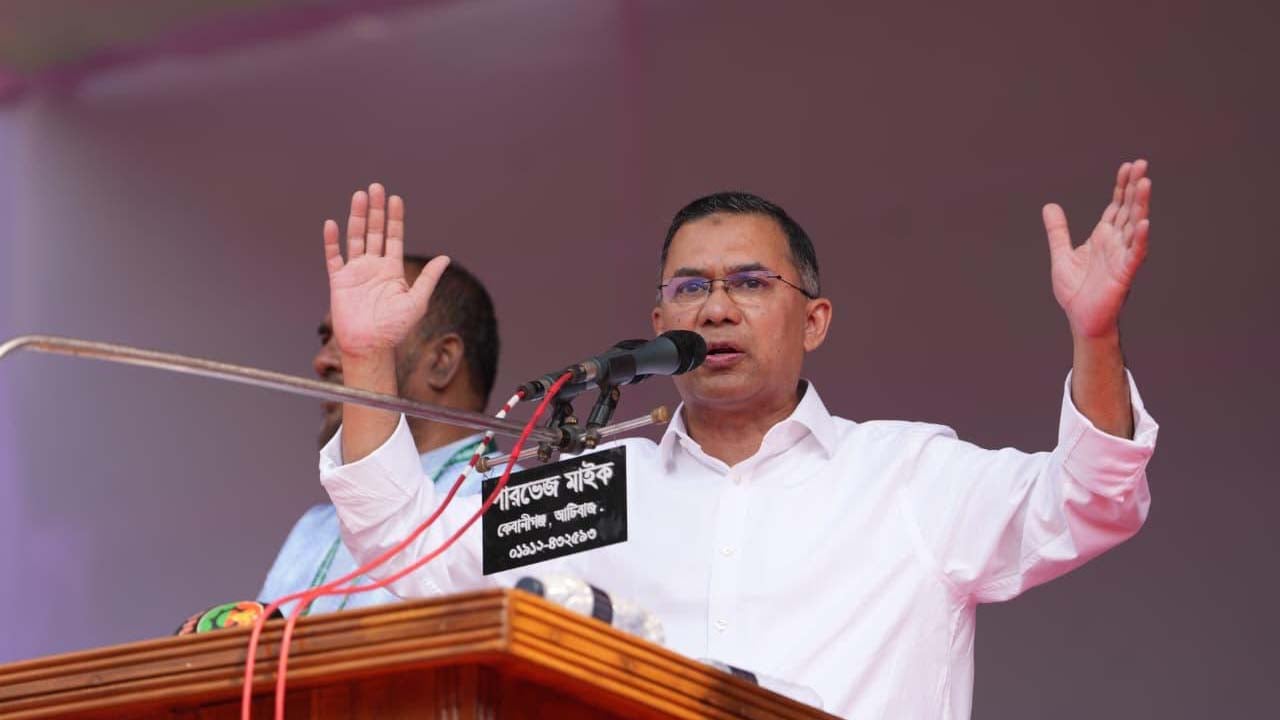
A long-anticipated meeting between the United States and Iran took place in Oman, where U.S. President Donald Trump described the discussions as 'very good.' Speaking to reporters aboard Air Force One on his way to Mar-a-Lago in Florida, Trump said Iran was eager to reach a deal and confirmed that another round of talks would be held next week. The meeting in Muscat was led by Iranian Foreign Minister Abbas Araghchi, while the U.S. delegation included Special Envoy Steve Witkoff, Trump’s son-in-law Jared Kushner, and U.S. Central Command chief Brad Cooper. The talks occurred amid a significant U.S. military buildup in the Middle East, with the stated goal of preventing further escalation of tensions. During the discussions, Trump issued an executive order imposing punitive measures against Tehran. The order stipulates that countries purchasing goods from Iran will face secondary tariffs on their own exports to the United States.

Election campaigning has intensified across Bogura and northern Bangladesh ahead of the 13th parliamentary election and referendum. Following BNP Chairperson Tarique Rahman’s recent visit to Bogura, local party activities have gained new momentum. Rahman, contesting from Bogura Sadar-6 constituency with the paddy sheaf symbol, addressed a rally at Altafunnesa Field after 19 years and later issued directives to strengthen grassroots outreach. BNP activists are now conducting door-to-door campaigns across the district to seek votes. According to the Election Commission, Bogura’s 12 upazilas have seven parliamentary constituencies with a total of 2.956 million voters, including 1.467 million men and 1.488 million women. Local BNP units have appointed coordinators in unions, municipalities, and wards to organize campaign efforts. The party is promoting promises such as family, health, and farmer cards as part of its development agenda. District BNP leaders said Rahman’s visit has energized activists and improved voter engagement. They expressed optimism about reclaiming Bogura’s seven constituencies, historically seen as a BNP stronghold.

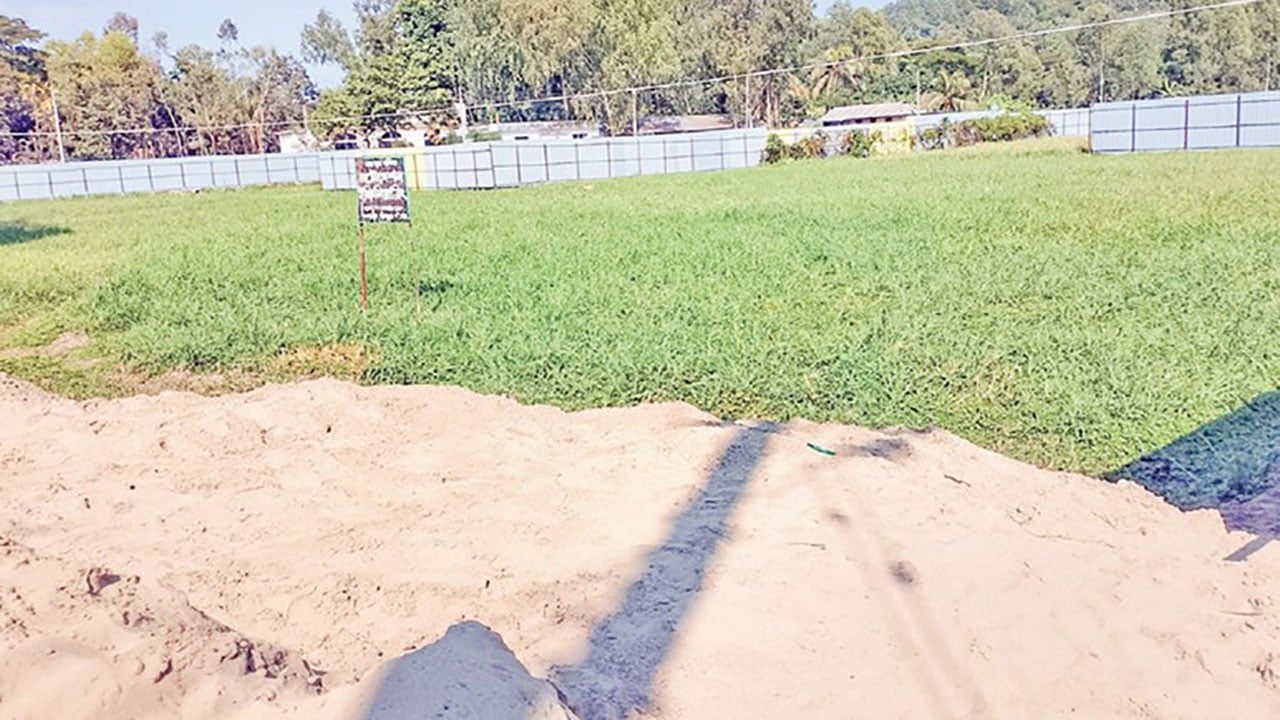
In Sitakunda upazila of Chattogram, large-scale filling of farmland, ponds, and natural drainage channels is taking place under the guise of industrialization. Despite repeated incidents, local administration has yet to take effective action, leaving residents fearful of environmental damage and future flooding. In Bashbaria Union’s Magpukur area, a company named Automation Engineering has reportedly begun filling a one-acre waterbody, blocking a key drainage route and alarming hundreds of nearby families. Locals allege that unplanned and illegal landfilling is threatening food production and causing waterlogging even after light rainfall, endangering homes, mosques, schools, and roads. A former union member said he filed a written complaint two weeks earlier but no action followed, while company representatives allegedly filed false police cases against protesters. Experts say changing land use or filling wetlands without permission is illegal and call for coordinated action by environmental and land authorities, though such oversight appears absent in Sitakunda. Officials stated that unauthorized filling will be halted if proven, while the accused company owner claimed ignorance about the need for permission and promised to obtain it if required.
Preparations for the upcoming election in Chattogram have reached their final stage, with 1,965 polling centers ready across 16 constituencies. According to the Election Commission, a total of 6,682,517 voters are expected to cast their ballots. Election officials are completing last-minute arrangements, while candidates continue their campaigns across the city and surrounding areas. Security forces have been placed on high alert to ensure a peaceful voting process. Security sources report that the army will deploy with maximum readiness, conducting area domination from 48 hours before to 24 hours after voting. Patrols will cover key roads, industrial zones, hilly routes, and remote unions. Technology-based surveillance, including drone monitoring, mobile signal mapping, and night-vision teams, will support rapid response units. Army officers will coordinate directly with returning officers to handle any unrest. The divisional commissioner and returning officer Dr. Md. Ziauddin are overseeing all preparations, ensuring coordination among administrative agencies. Police, RAB, and other forces have been assigned to maintain order, with at least one platoon of police at each center and permanent RAB camps in high-risk areas.
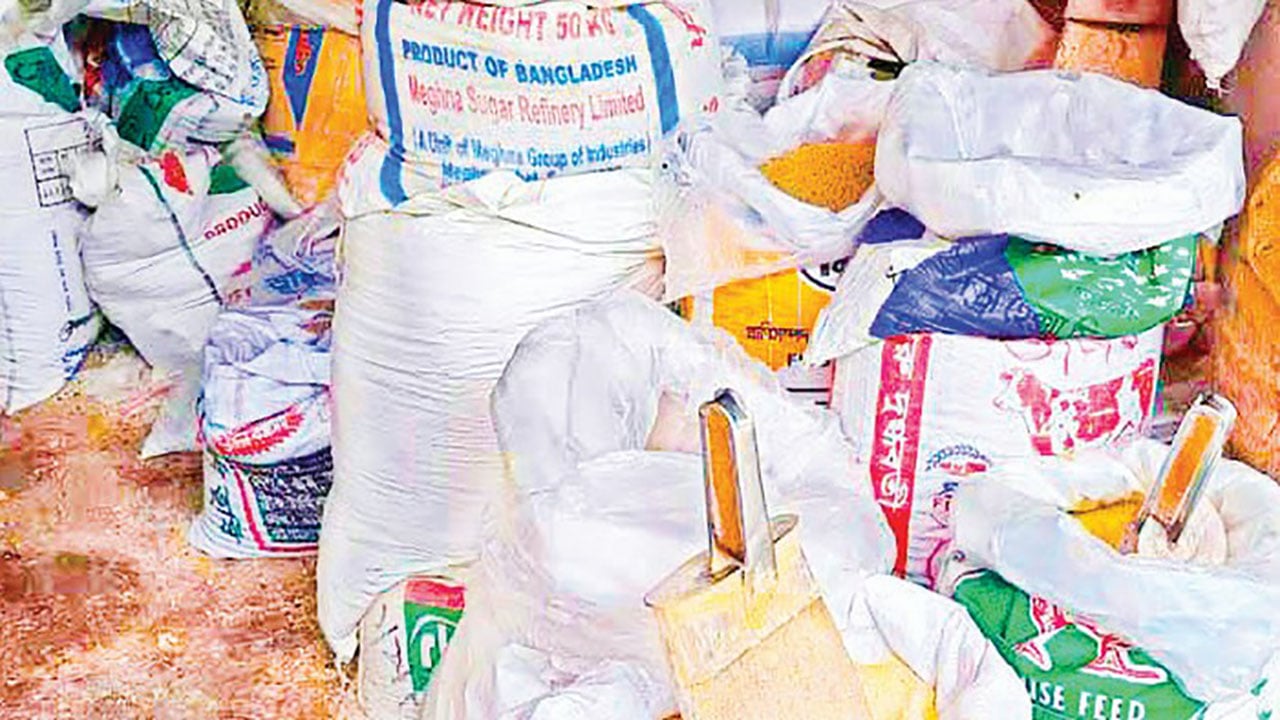
In Lalmonirhat’s Aditmari upazila, the fertilizer market has reportedly fallen under the control of a powerful syndicate. Government-allocated fertilizers are missing from authorized dealers’ warehouses but are being sold in retail shops at double the official price. Farmers allege that an artificial crisis has been created, forcing them to buy fertilizers such as TSP at inflated rates ranging from Tk 2,400 to Tk 3,200 per bag. The shortage has disrupted potato and other crop cultivation during the current Rabi season. Farmers accuse local agriculture officials of negligence in monitoring the market. According to the report, sub-assistant agricultural officers often limit their duties to signing dealer registers without field inspections, allowing dishonest dealers to divert stock to the black market. Officials claim they cannot conduct raids without the assistant commissioner’s approval, leaving room for irregularities. Farmers describe the few raids conducted as superficial, with only minor fines imposed on small retailers. The district’s Department of Agricultural Extension deputy director, Saikhul Arefin, denied any fertilizer shortage. However, locals question this claim, pointing to rising prices and the spread of adulterated fertilizers that threaten soil quality and future crop yields.
India’s Minister of State for External Affairs Kirti Vardhan Singh told the Lok Sabha on Friday that India’s relationship with Bangladesh is independent and not influenced by any third country. Responding to written questions, he said India continuously monitors areas of national interest in Bangladesh and takes all necessary measures to safeguard them. Singh also reaffirmed India’s support for a democratic, stable, peaceful, progressive, and inclusive Bangladesh, which has been conveyed to the country’s interim government. He emphasized that India and Bangladesh share deep historical, geographical, cultural, linguistic, and social ties, with bilateral relations aimed at people-centric development. Regular meetings and exchanges continue under existing institutional frameworks. On the issue of minority safety in Bangladesh, Singh said India consistently raises the matter with the Bangladeshi government at the highest levels, including during meetings between senior officials. Addressing another question on a possible Bangladesh-Pakistan-China alignment, Singh said India keeps constant watch over its security and economic interests and maintains active engagement with neighboring countries under its “Neighbourhood First” policy to ensure regional peace and prosperity.
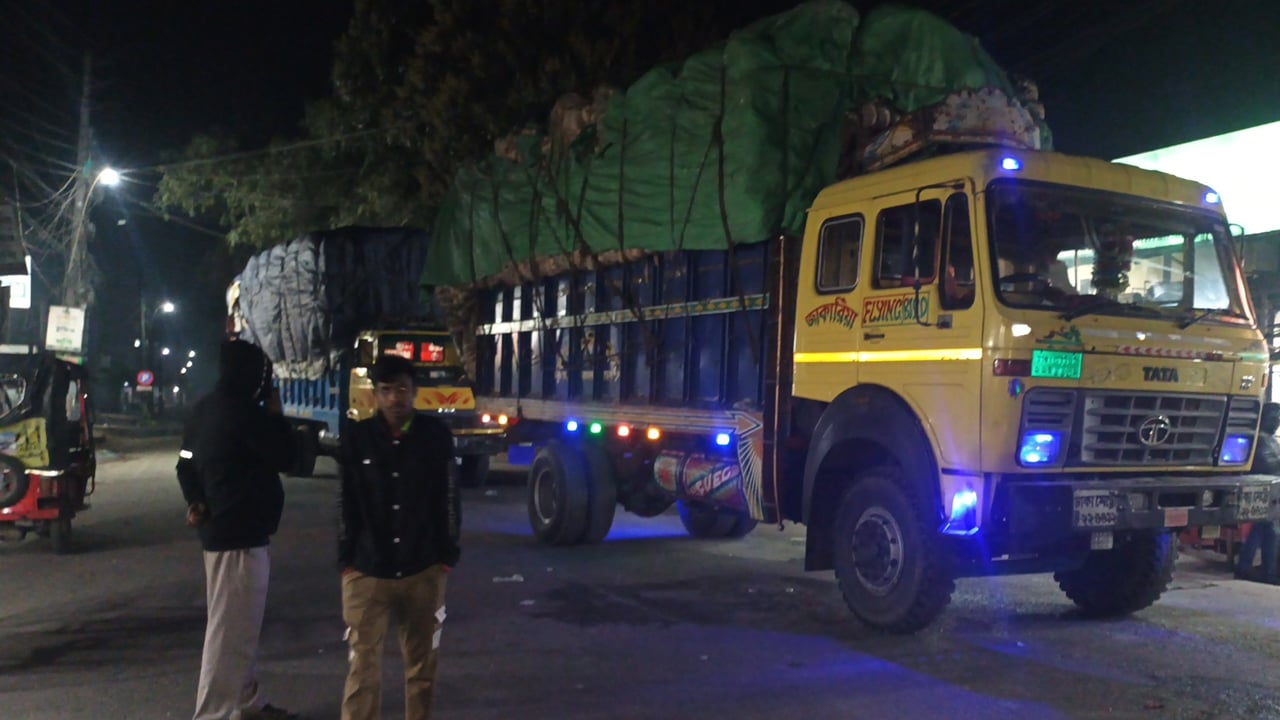
Students and members of Inquilab Mancha staged a road blockade in Lalmonirhat on Friday evening to protest a reported police attack on their leaders in Dhaka. The blockade began around 6 p.m. at Mission Mor and continued until 4 a.m., halting all vehicular movement. Participants included 15–20 students, among them Sajjadur Nabi, Al Nahirar Kabir, Sabbir Islam Sajib, Al Amin, and Emdadul Haque Naim. Protesters demanded justice for the killing of Shaheed Osman Hadi and a fair investigation into the police assault on Inquilab Mancha’s Abdullah Al Jaber, Fatima Tasnim Juma, and Salauddin Ammar. They expressed frustration that such incidents were occurring in post-2024 Bangladesh and criticized the lack of visible progress in Hadi’s murder case. The demonstrators vowed to continue the blockade until receiving instructions from their central leadership. Earlier, a separate protest march was held in Rangpur city organized by Jatiya Chhatra-Shakti. The Lalmonirhat blockade disrupted road connectivity between the Burimari land port and the rest of the country.
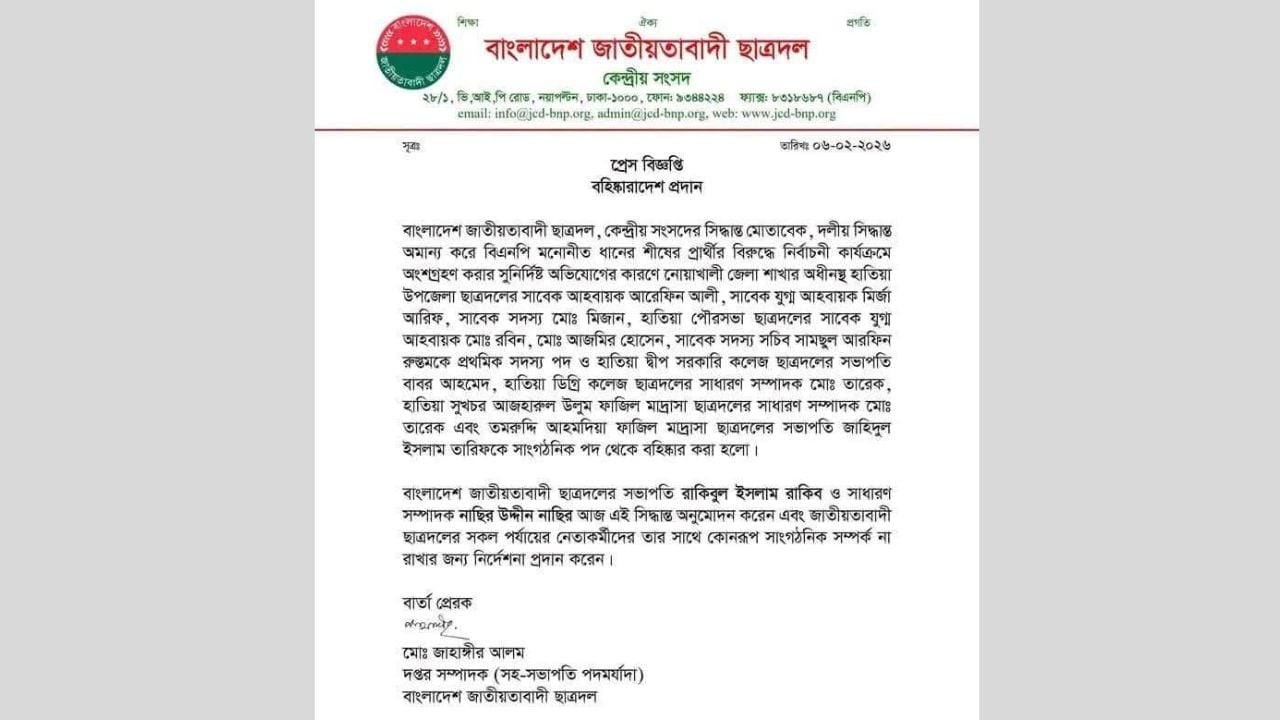
The central committee of the Bangladesh Jatiyatabadi Chhatra Dal has expelled nine leaders from its Hatia upazila unit in Noakhali. The decision was announced on Friday night through a press release signed by central office secretary Jahangir Alam. According to the statement, the expelled leaders were found to have violated the BNP’s directives by participating in election activities against the party’s nominated candidate who ran under the paddy sheaf symbol. Those expelled include former Hatia upazila Chhatra Dal convener Arefin Ali, former joint convener Mirza Arif, former member Md. Mizan, former Hatia municipal joint convener Md. Robin, Azmir Hossain, former member secretary Shamsul Arefin Rustam, and several others. Additionally, Babor Ahmed, president of Hatia Dwip Government College Chhatra Dal, Md. Tarek, general secretary of Hatia Degree College Chhatra Dal, Md. Tarek of Sukhchar Azharul Ulum Fazil Madrasa, and Zahidul Islam Tarif of Tamraddi Ahmadia Fazil Madrasa were also expelled. The press release stated that central president Rakibul Islam Rakib and general secretary Nasir Uddin Nasir approved the decision and instructed all members to avoid any organizational contact with the expelled individuals.
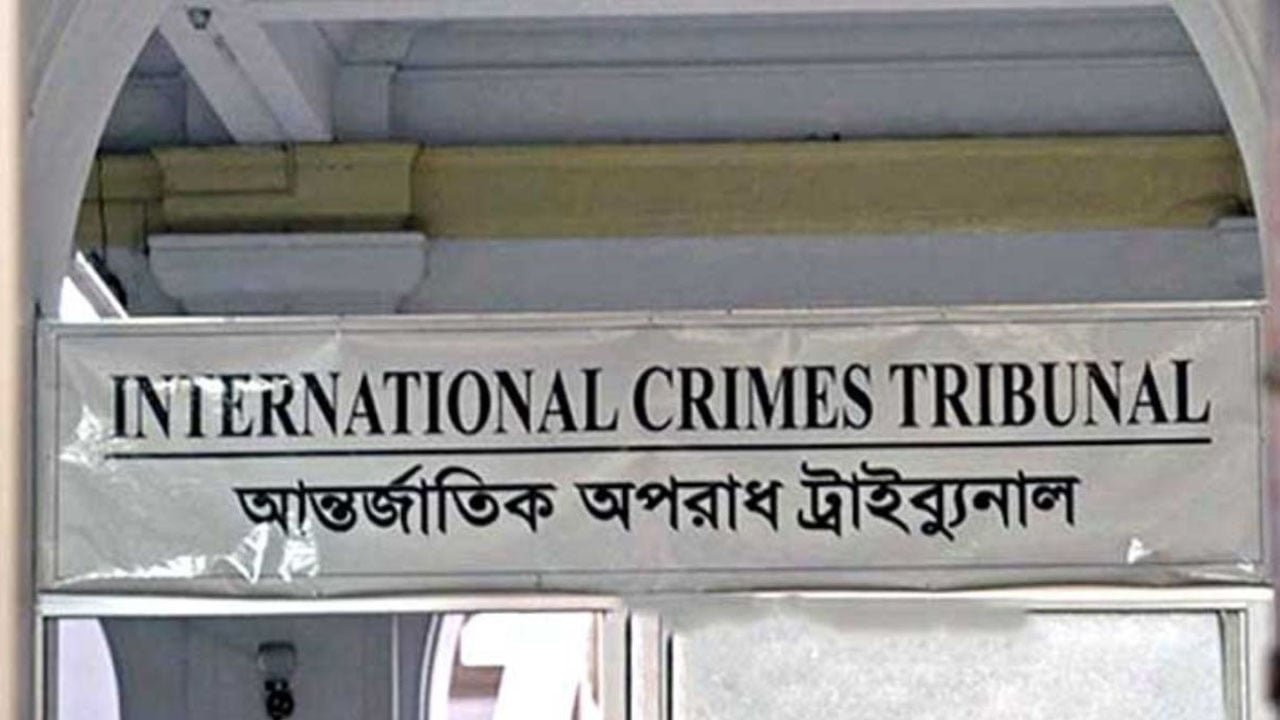
The prosecution of Bangladesh’s International Crimes Tribunal has formally filed charges against 99 accused in six cases related to killings during the July Revolution. According to the report, four cases involving 88 accused were submitted in January 2026, and two more cases with 11 accused followed in February. The tribunal accepted the charges and issued arrest warrants for fugitives. The accused include former ministers, senior police officials, and political leaders from various organizations. In addition, the tribunal ordered the start of trials in four separate cases against 12 individuals, including Sajeeb Wazed Joy and Obaidul Quader. Trials have also begun in three other cases involving 32 defendants, including former Prime Minister Sheikh Hasina and 25 current and former army officers, over enforced disappearances and killings during the Awami League’s 15-year rule. Prosecutor Gazi M.H. Tamim said investigations had taken over a year due to the new investigative team’s inexperience but are now progressing smoothly. The tribunal continues to process multiple cases stemming from the July Revolution, with verdicts pending in the Abu Sayeed and Ashulia murder cases.
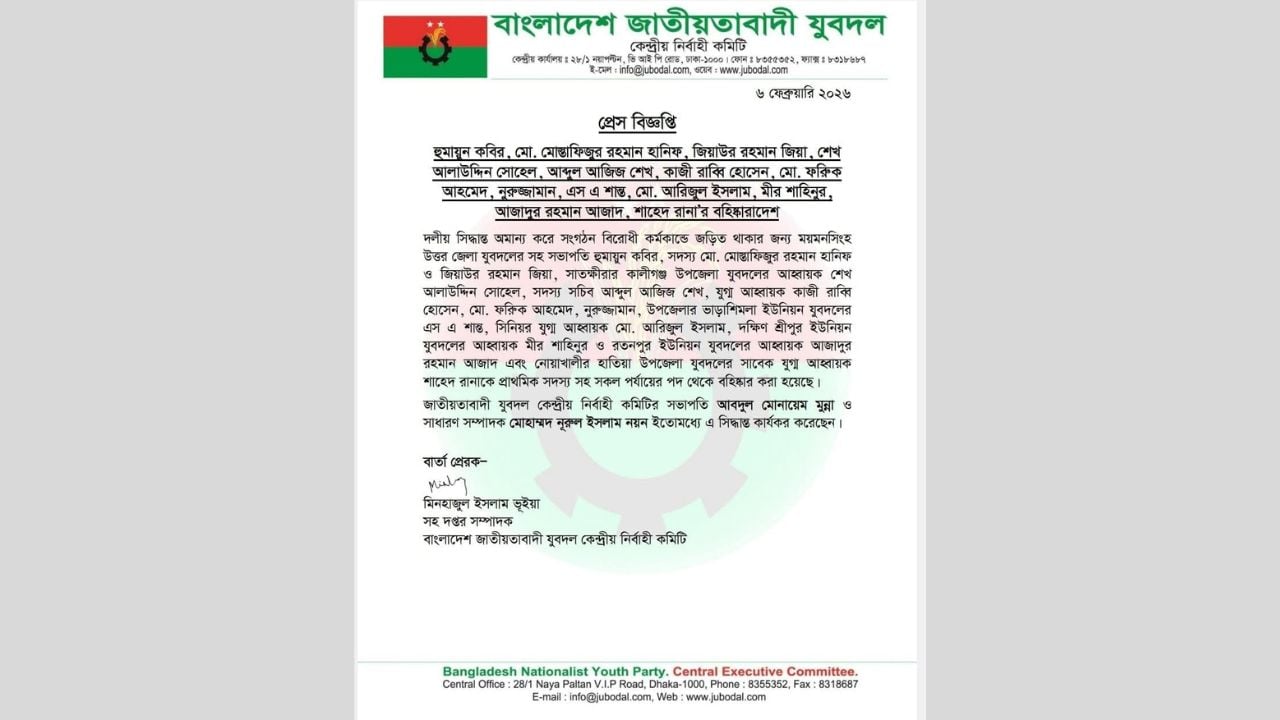
The central executive committee of Bangladesh Jatiyatabadi Jubo Dal has expelled three leaders from its Mymensingh North district unit for violating party decisions and engaging in activities against the organization. The decision was announced in a press release issued on Friday, signed by the party’s central joint office secretary Minhajul Islam Bhuiyan. Those expelled are vice president Humayun Kabir and members Mostafizur Rahman Hanif and Ziaur Rahman Zia. The statement said their primary memberships and all organizational positions were revoked based on specific allegations of breaching party discipline. According to local sources, the three expelled leaders supported an independent candidate in the Mymensingh-3 constituency during the 13th National Parliamentary Election, opposing the BNP-nominated candidate with the paddy sheaf symbol. The press release also mentioned that several other leaders from Kaliganj in Satkhira and Hatiya in Noakhali were expelled under the same order. The decision was implemented by Jubo Dal central president Abdul Monayem Munna and general secretary Mohammad Nurul Islam Noyon, as stated in the official announcement.
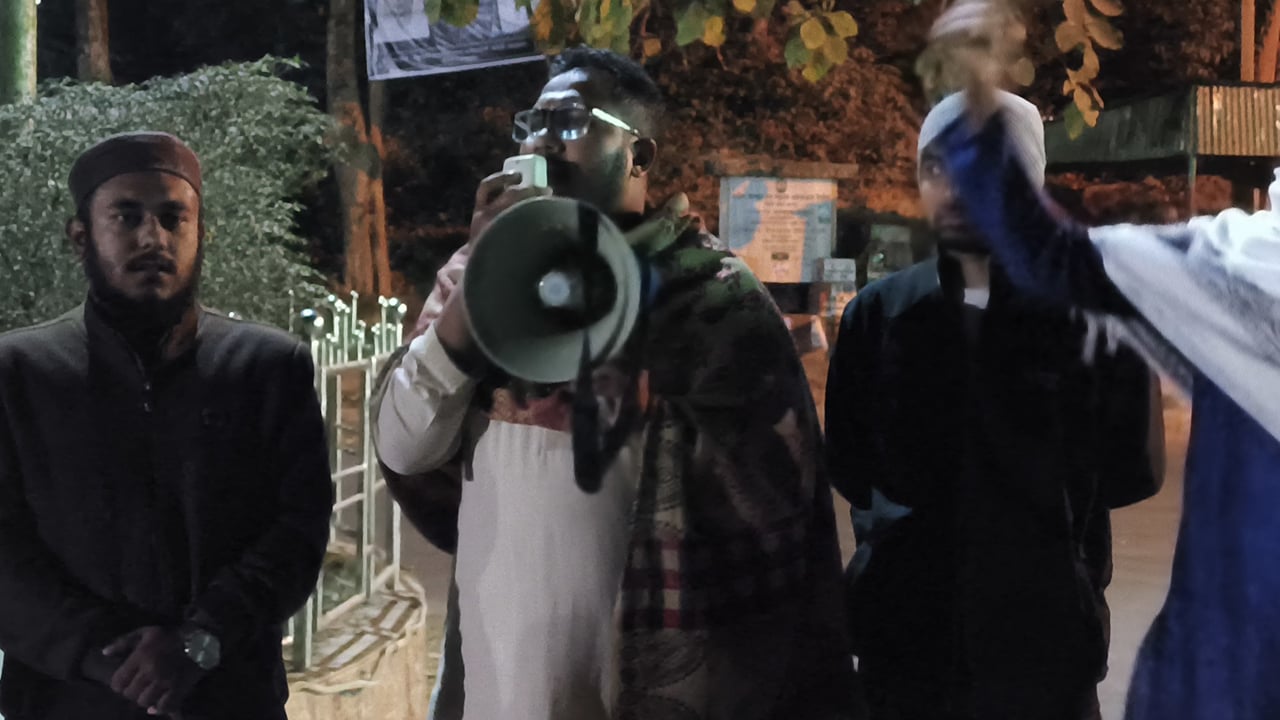
Chittagong University Central Students’ Union (Chaksu) executive member Sohanur Rahman said police had attacked not just the Inquilab Mancha program but Bangladesh itself. He made the remarks during a protest rally held late Friday night at the university’s Zero Point, organized to denounce the police assault on the Inquilab Mancha event. Rahman criticized the interim government for ignoring public demands for a UN-supervised investigation into the killing of Hadi, saying the administration had forgotten it came to power through July’s bloodshed. He also condemned the chief adviser’s statement justifying police action near the Jamuna area, noting that police had attacked ordinary people in Dhaka University and Shahbagh as well. Arabic department student Mohammad Riad alleged that remnants of the previous administration remained in power, calling the police action the interim government’s greatest failure. The protest, organized by Chaksu, was attended by members of various student organizations and general students, with Sohanur Rahman conducting the event.
The tenth edition of the T20 World Cup begins today amid a major boycott controversy. The Bangladesh Cricket Board (BCB) decided to withdraw from the tournament after the International Cricket Council (ICC) rejected its request to change venues. Pakistan has expressed support for Bangladesh’s stance and announced it will not play its group-stage match against India in Colombo. It remains uncertain whether the Pakistan Cricket Board (PCB) will reverse its decision, as reports indicate pressure and threats are being exerted to make them reconsider. The 20-team tournament is being co-hosted by India and Sri Lanka, with matches split between the two countries. Captains’ photo sessions were held separately in Mumbai and Colombo, later digitally combined by the ICC, highlighting organizational challenges for India as a host. Bangladesh’s withdrawal opened a spot in Group C, which was filled by Scotland at the last moment. The tournament retains its previous format, featuring four groups leading to a Super Eight stage, semifinals, and a final, totaling 53 matches. The opening match in Colombo features Pakistan against the Netherlands.

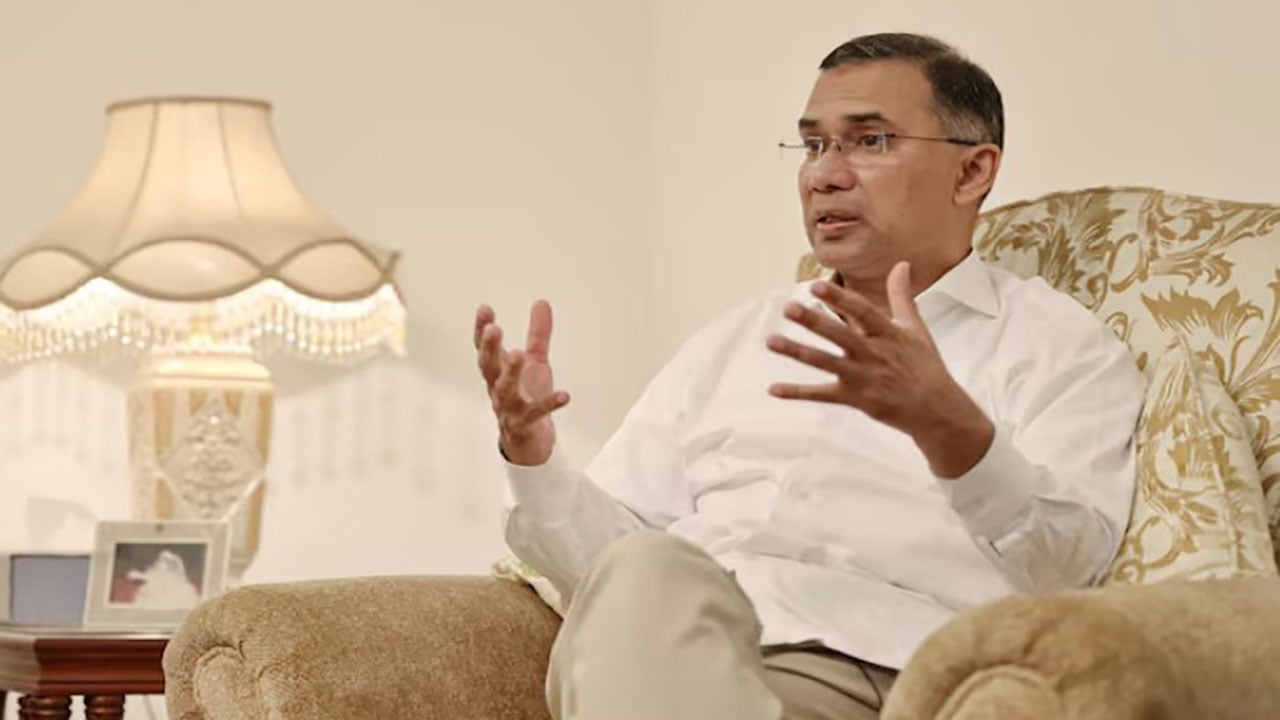
BNP Chairperson Tarique Rahman has ruled out the possibility of forming a coalition government with Jamaat-e-Islami after Bangladesh’s 13th national parliamentary election. In an interview with Reuters on February 6 at his party office, he said the BNP is confident in its ability to form a government on its own. Rahman also discussed strengthening ties with China, the Gen Z vote, and the Rohingya issue. Jamaat-e-Islami, once banned but now re-emerging as a political force, is considered BNP’s main rival in the upcoming election. The two parties previously governed together from 2001 to 2006. Jamaat has expressed interest in joining a unity government to stabilize the country, but Rahman questioned how he could form a government with political opponents, suggesting Jamaat could instead serve as a strong opposition. BNP has fielded candidates in 292 of 300 constituencies and expects to win more than two-thirds of the seats. Rahman added that Bangladesh would maintain partnerships based on national interest and sovereignty, not alignment with any specific country, emphasizing the need for economic growth and job creation for the youth.
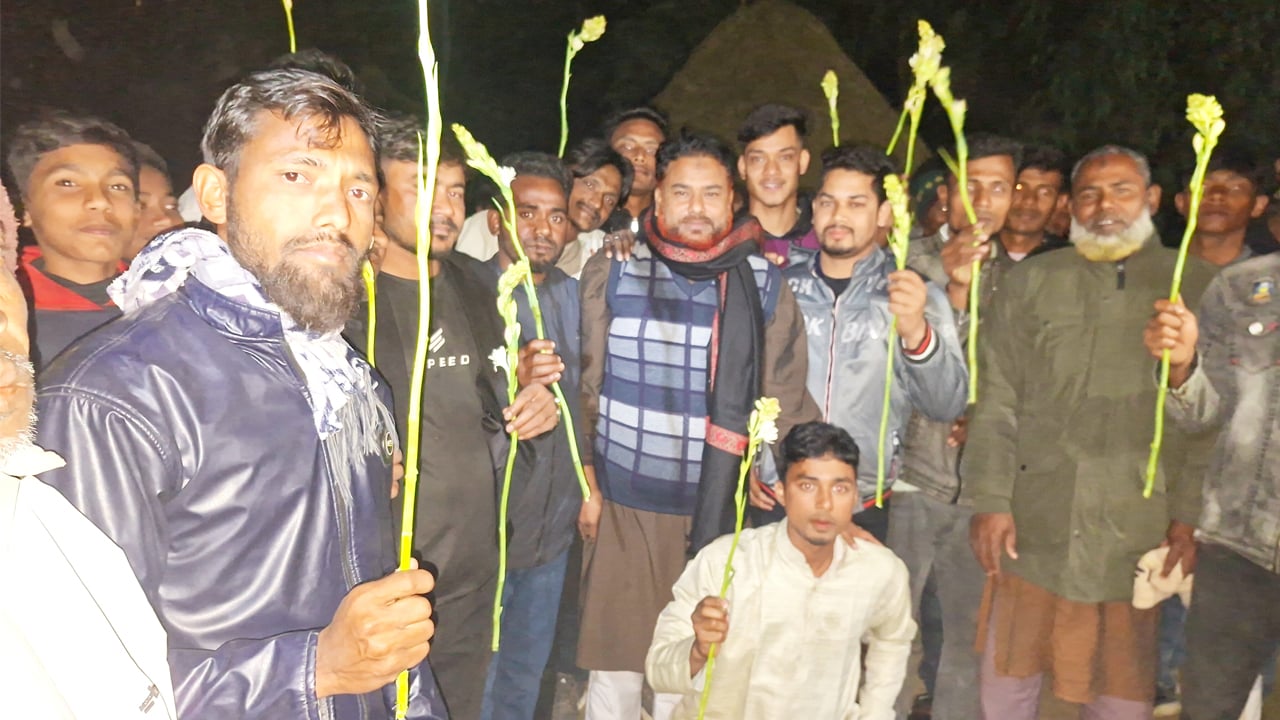
More than fifty young men from Hajipara village in Nilphamari’s Jaldhaka upazila formally joined Bangladesh Jamaat-e-Islami on Friday night, February 6, 2026. The joining took place at an open-yard meeting under the party’s scale symbol in Ward No. 8 of Dharmapal Union, led by former upazila vice chairman Faisal Murad. Jamaat leaders welcomed the new members with flowers during the event. Faisal Murad described the new entrants as the assets of the future, emphasizing their potential role in building a just and equitable Bangladesh based on Islamic ideals. The youths said they were inspired by Islamic principles and the current social and political context of the country, expressing their intention to participate actively in party activities and work for the scale symbol. Union Ameer Maulana Rasheduzzaman, along with Shahidur Rahman, Masum Mawla, Maulana Robiul Islam, Imran Ali, Liton, and other local leaders, activists, and residents, were present at the gathering.
The ‘1 Nojor’ media platform is now live in beta, inviting users to explore and provide feedback as we continue to refine the experience.