

The ‘1 Nojor’ media platform is now live in beta, inviting users to explore and provide feedback as we continue to refine the experience.
The article discusses the recently revealed Epstein Files, described as a mirror reflecting the moral and ethical decay of modern civilization. Based on court records, investigative documents, and official files, the report shows how powerful figures maintained close ties with a man repeatedly accused of serious crimes. It questions how a system emerged where the voices of children and young victims were silenced while the names of the powerful remained protected. The piece argues that the files reveal the hypocrisy of global power structures, where those who publicly advocate for human rights privately sustain exploitative networks. It highlights how state mechanisms often shield offenders, slowing investigations and weakening charges, leaving victims exhausted and disillusioned. The files also expose the narrowness of accountability in international politics, where laws are harsh for the weak but lenient for the powerful. Despite the revelations, the article notes that real change remains elusive, with only statements and denials surfacing. It concludes that the Epstein Files uncover the duplicity of the global order, warning that if power remains beyond question, injustice will persist.

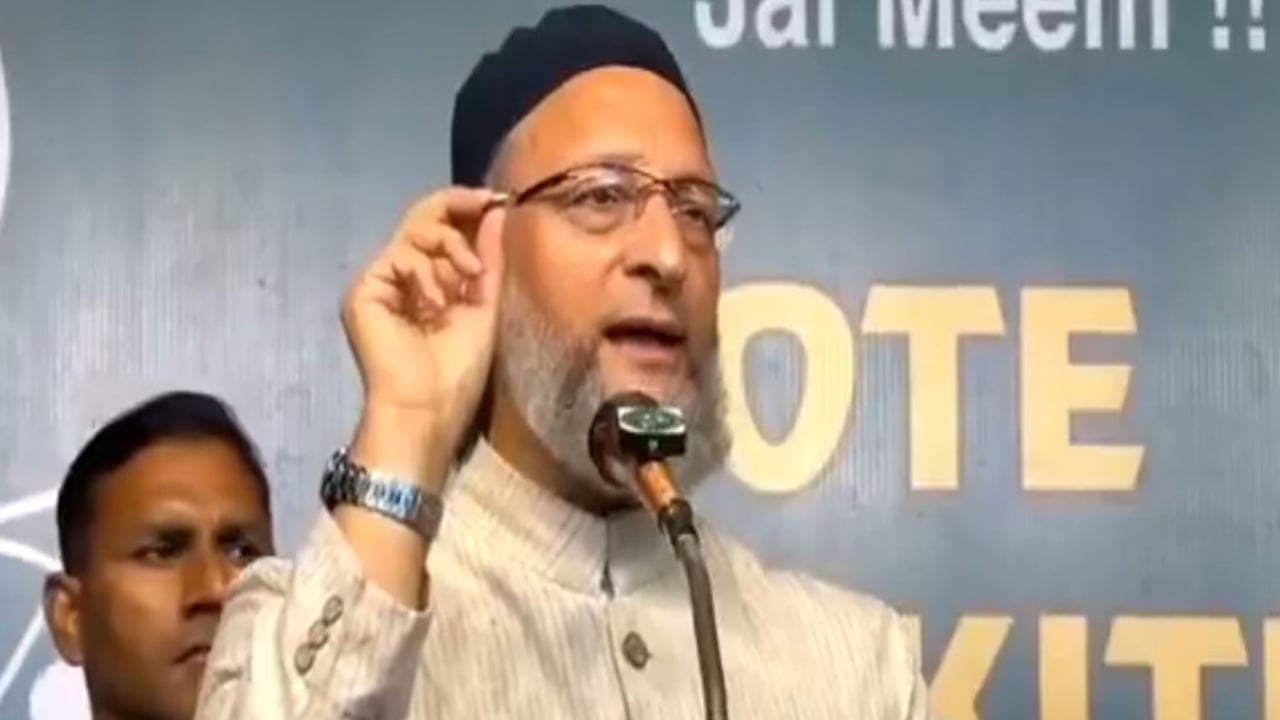
All India Majlis-e-Ittehadul Muslimeen (AIMIM) president Asaduddin Owaisi has sharply criticized Assam Chief Minister Himanta Biswa Sarma for his alleged anti-Muslim remarks. Speaking at a public rally in Nizamabad on Friday, Owaisi accused Sarma of discriminating against 'Miya Muslims' and violating the Indian Constitution’s guarantee of equal rights for all citizens. Owaisi mocked Sarma’s earlier comments about giving lower fares to Muslim auto drivers, saying he would personally offer the chief minister two rupees, questioning whether he would accept it. Earlier, Sarma had referred to undocumented immigrants as 'Miya Muslims' and suggested they should vote in Bangladesh rather than Assam. He also said efforts should be made to pressure them to leave the state, adding that his administration was openly opposed to them. The term 'Miya' is widely regarded as a derogatory label used in Assam for Bengali-speaking Muslims, implying they are of Bangladeshi origin. The exchange highlights ongoing political and communal tensions in Assam over identity, migration, and citizenship issues.
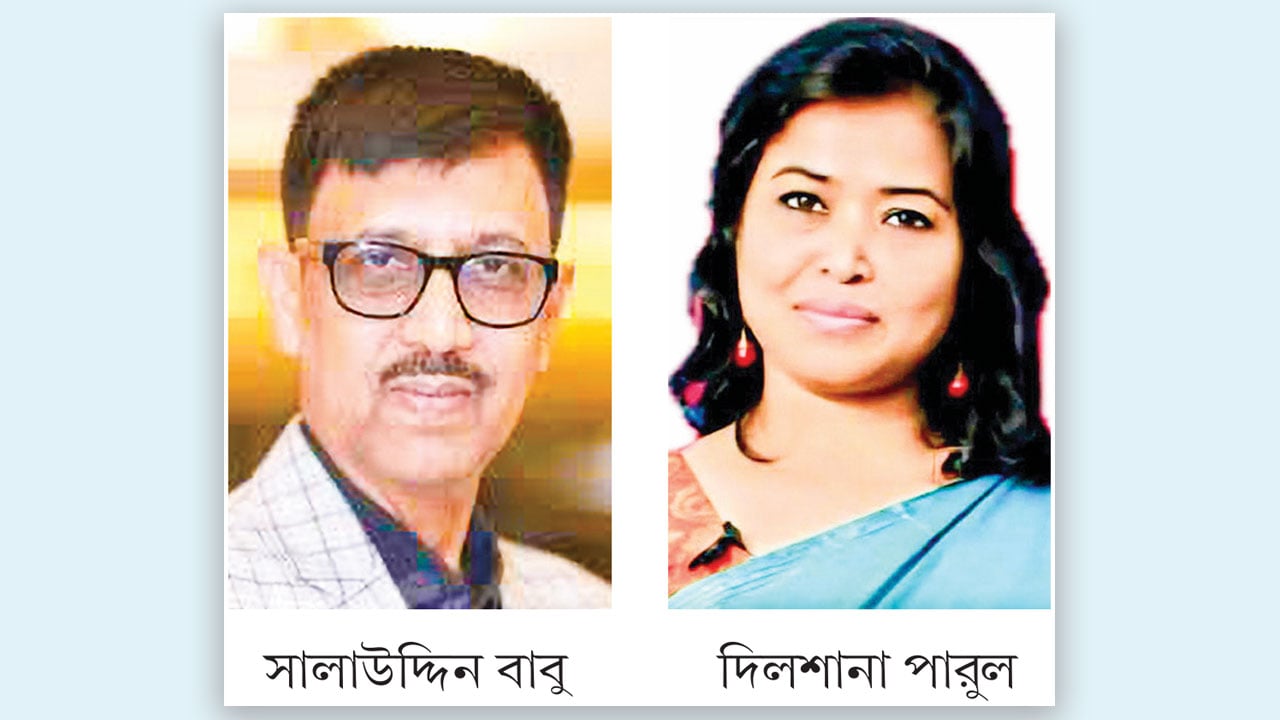
In the upcoming parliamentary election for Dhaka-19 (Savar-Ashulia), BNP-nominated candidate Dr. Dewan Mohammad Salauddin Babu is conducting an energetic campaign and receiving strong voter response. Meanwhile, NCP candidate Dilshana Parul, backed by Jamaat-e-Islami and an 11-party alliance, is depending on Jamaat’s vote bank but has yet to mobilize a large portion of its activists on the ground. Field reports indicate that among eight contestants, the BNP candidate and former MP Babu currently enjoys a lead in public support. Dr. Babu has pledged a 100-day priority plan focusing on eliminating drugs, extortion, and illegal occupation of footpaths, along with traffic control measures. He is contesting for the fifth time under BNP’s “sheaf of paddy” symbol. Dilshana Parul, a former Jahangirnagar University student leader, entered the race after Jamaat withdrew its own candidate but faces hesitation among long-time Jamaat workers due to the new election symbol. Election officials said 38 of the 275 polling centers have been marked as risky, with additional security and CCTV already deployed. The constituency has 747,070 registered voters.
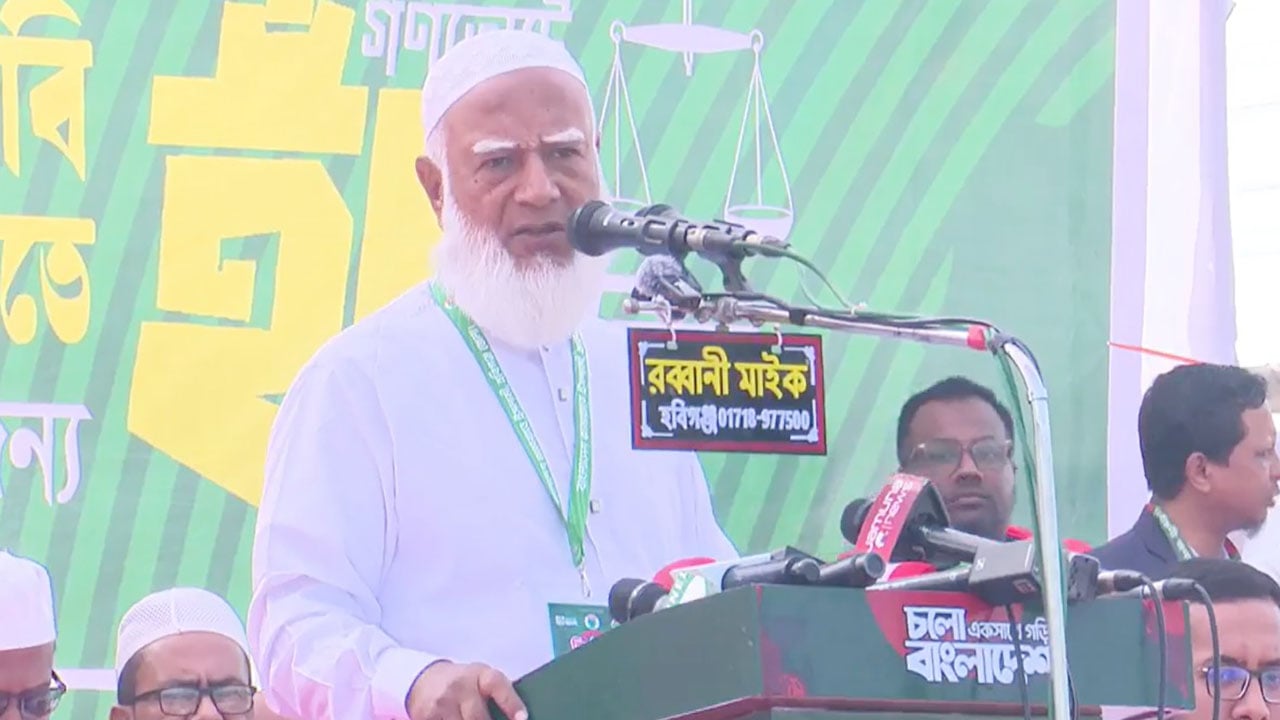
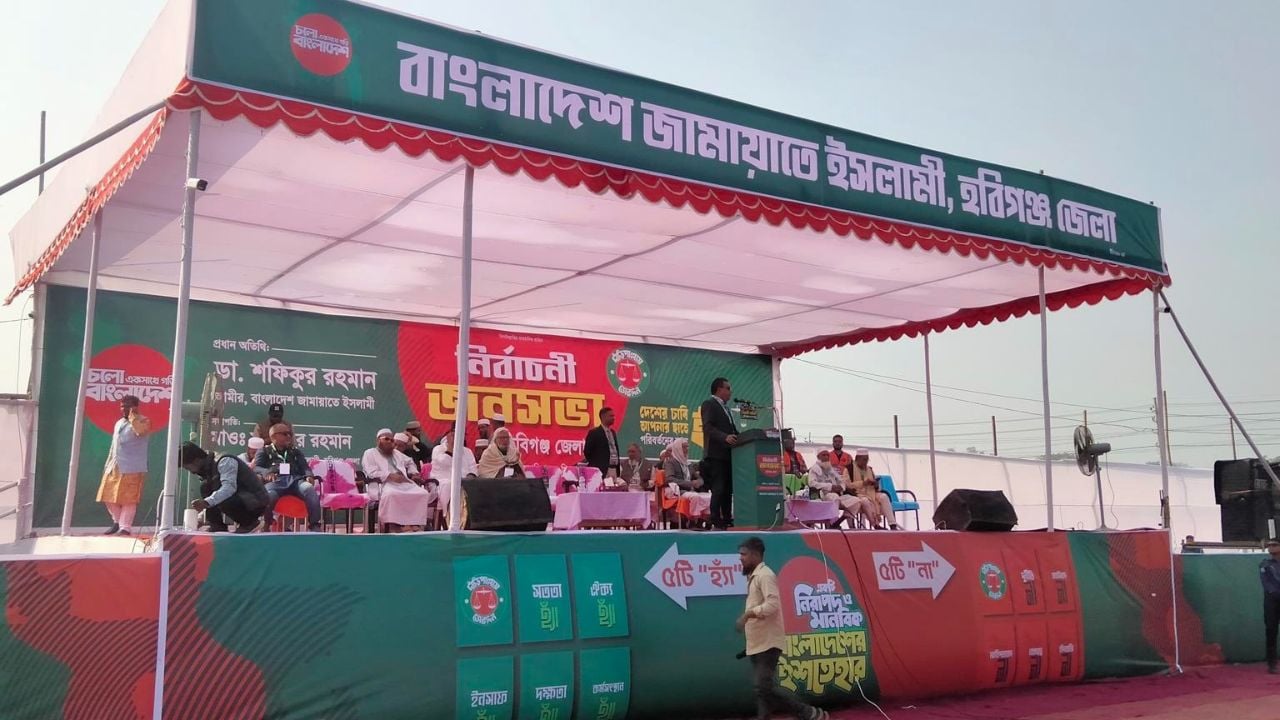
Jamaat-e-Islami Ameer Dr. Shafiqur Rahman declared that politics is not a profession but a duty, pledging to end extortion and corruption in Bangladesh. Speaking at an election rally in Habiganj on Saturday at 11 a.m., he criticized dishonest leadership for failing to improve people's lives and promised annual public disclosure of income and expenditure if elected. He demanded that those who insulted women apologize to the nation’s 180 million citizens. Rahman blamed former ruling powers for spreading terrorism and corruption, saying that dishonest politics has perpetuated inequality despite sacrifices for a just society. He pledged to modernize Habiganj’s tea gardens and to prevent religious divisions, emphasizing merit-based opportunities for all citizens. He further stated that if his party comes to power, its members of parliament would not accept tax-free cars or subsidized flats, opting instead to pay full price or use simpler means of transport if necessary.
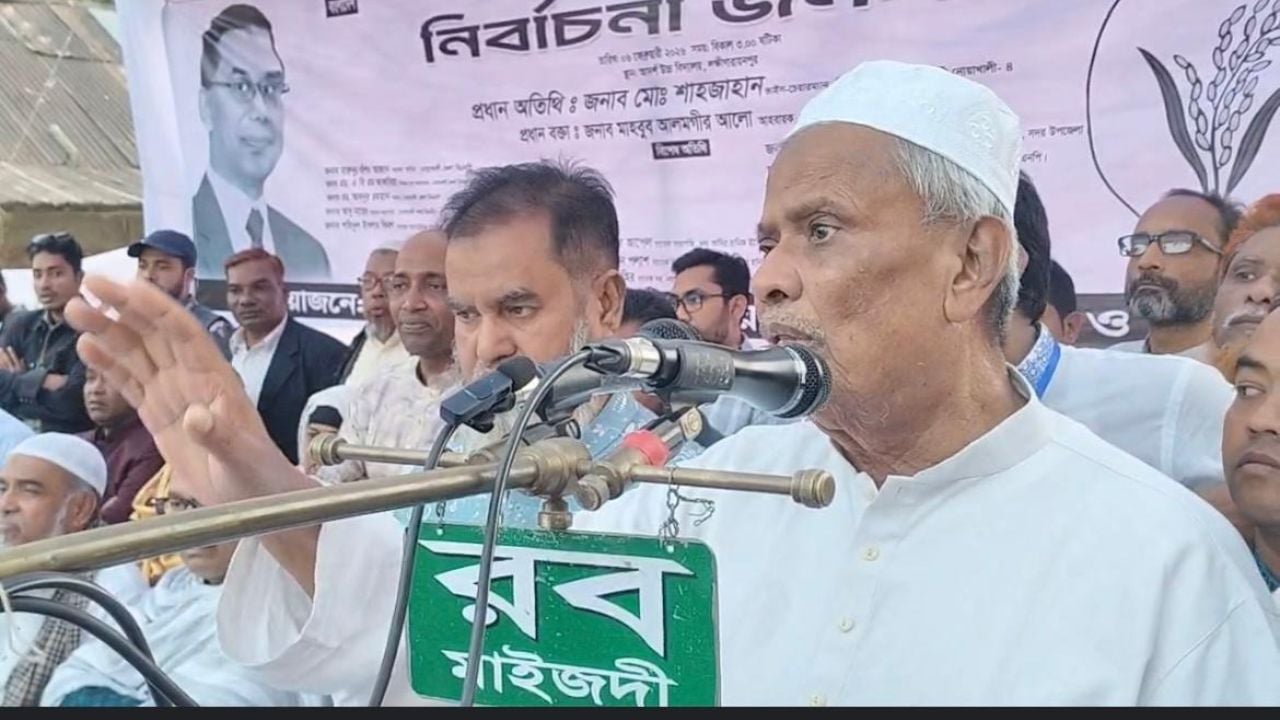
BNP central vice chairman and Noakhali-4 candidate Md. Shahjahan announced that if the party wins the 13th national parliamentary election and forms the government, Noakhali Sadar and Subarnachar will be made free from drugs, terrorism, and extortion. He made the remarks on Friday evening at an election rally held at Adarsha High School field in Kadir Hanif Union under Noakhali Sadar upazila. Shahjahan urged voters in Noakhali-4 and across the country to support the BNP’s paddy sheaf symbol in the February 12 election. The rally was presided over by Abdul Motaleb Apple and conducted by Mostafizur Rahman Palash, with the presence of BNP leaders including Barrister A.S.M. Sayem, Mahbub Alamgir Alo, and Md. Harunur Rashid Azad. Shahjahan, a former three-term MP, promised to prioritize infrastructure development, modern drainage systems, educational improvements, and upgraded healthcare facilities if elected. He emphasized BNP’s commitment to civility, tolerance, and non-retaliatory politics, describing the party as popular among people of all professions and calling for prayers for the Zia family and himself.
Professors Mohammad Abdur Rab and Muhammad Mohiuddin Sarkar argue that Bangladesh’s economy, despite its potential, remains constrained by corruption, debt, and policy short-sightedness. They emphasize that remittances and the ready-made garment sector currently drive the economy, but structural weaknesses such as rising non-performing loans, foreign debt, and low tax-to-GDP ratios threaten long-term stability. The authors call for redefining economic strategies after the July revolution, focusing on sustainable development rather than GDP illusions. They identify corruption as the root of most crises, noting its deterrent effect on foreign investment and its role in capital flight. The article highlights the need for governance reforms, transparency, and accountability in public spending. It also warns that unplanned foreign borrowing and export dependency could destabilize the economy as Bangladesh transitions from LDC status. The authors propose an “economy of justice,” where fairness, honesty, and balanced resource distribution guide all policies. They urge reforms in taxation, banking, and trade diversification to ensure inclusive growth and long-term economic resilience.

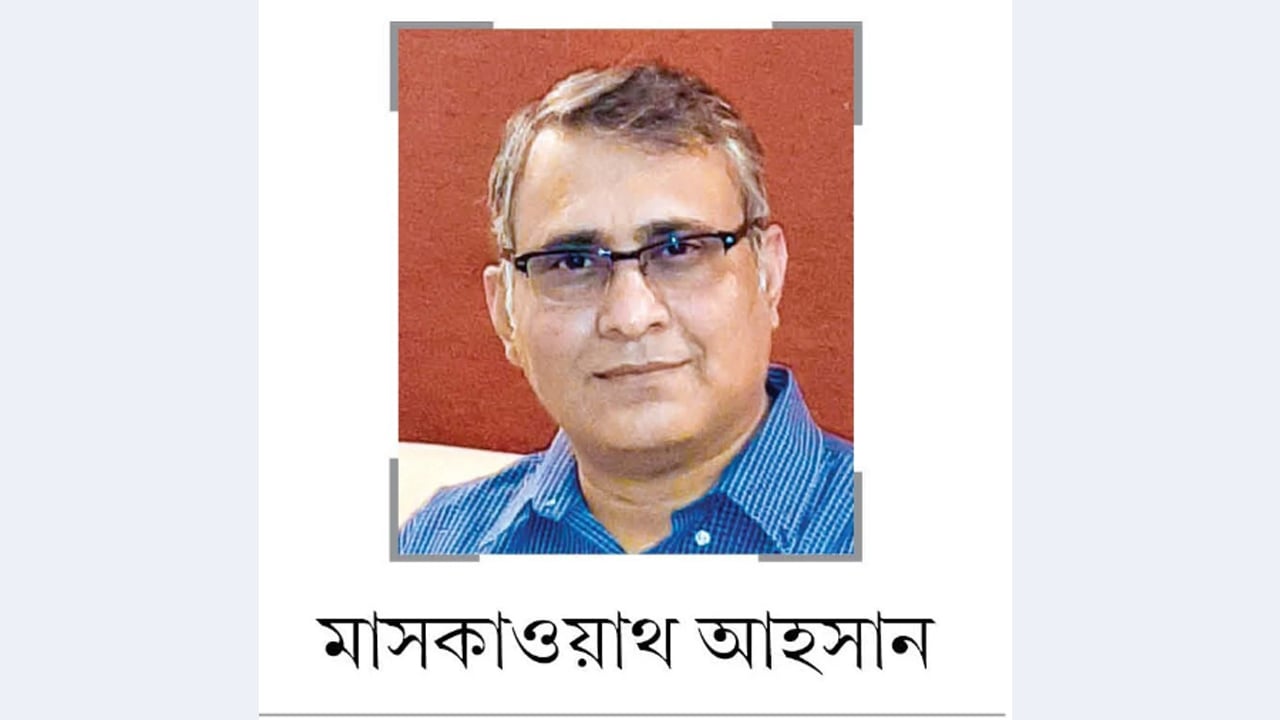
Bangladeshi writer Maskawath Ahsan, in a column published on February 7, 2026, argues that Indian media’s repeated questioning of Bangladesh’s secularism is hypocritical given India’s own religious politics. He cites examples of Indian outlets such as The Week and Al Jazeera journalists asking whether Bangladesh might become a religious state if certain political alliances come to power. The article also mentions Indian politician Harsh Vardhan Shringla’s claim that an NCP–Jamaat victory would indicate an unfair election. Ahsan contrasts these concerns with India’s internal developments under the Hindu nationalist BJP government, including the revocation of Kashmir’s autonomy, anti-Muslim violence, and the construction of the Ram temple on the Babri Mosque site. He accuses Indian media and film industries of promoting Islamophobia through propaganda and selective narratives. The author concludes that Bangladesh should focus on building an inclusive, humane state rooted in harmony among all religious and ethnic groups, while maintaining cultural sovereignty and resisting sectarian influence from India’s Hindutva politics.
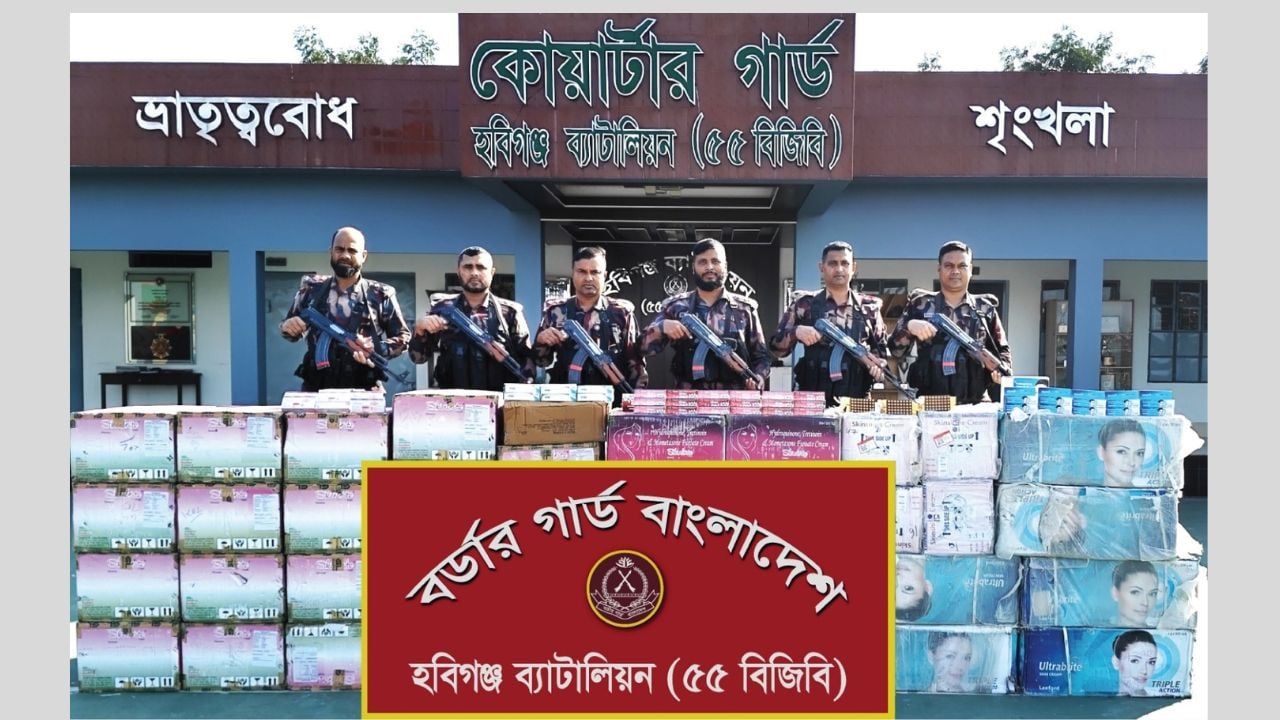
Border Guard Bangladesh (BGB) seized a truck loaded with a large quantity of Indian cosmetics and medicines worth around Tk 20 million in Madhabpur, Habiganj. The operation was conducted early Friday by the 55 Habiganj Battalion following a tip-off. Acting on secret information, a special BGB team took strategic position near the Madhabpur Muktijoddha Chattar area on the Dhaka–Sylhet highway. Around 4 a.m., a suspicious truck arrived, but the driver fled after noticing the BGB patrol. Upon searching the abandoned vehicle, BGB members discovered Indian cosmetics and a large quantity of Melanocyl medicine hidden under stones inside sacks. Lieutenant Colonel Tanzilur Rahman, commanding officer of the 55 Habiganj Battalion, confirmed that the truck and illegal goods brought for smuggling were immediately seized. The recovered items have been handed over to the customs authorities. According to BGB, similar anti-smuggling operations will continue in the area to prevent illegal cross-border trade.
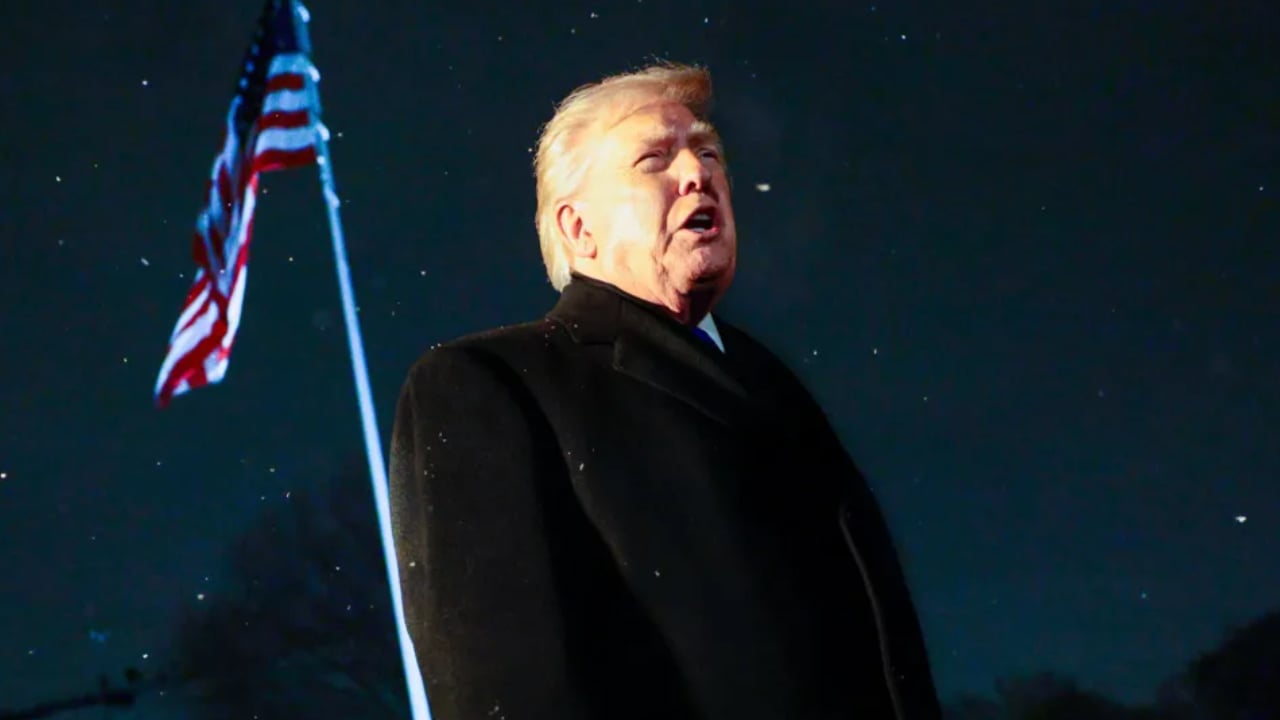
U.S. President Donald Trump has signed an executive order warning of additional tariffs on countries that continue trading with Iran. The order, signed on Friday during U.S.-Iran discussions in Oman, does not specify the exact tariff rate but cites 25 percent as an example. According to the order, the tariffs would apply to goods imported into the United States from any country that directly or indirectly purchases, imports, or receives services from Iran. Trump did not make direct comments about the order itself, but while speaking aboard Air Force One on Friday night, he reiterated that Iran must not possess nuclear weapons. Earlier this year, Trump had issued a similar warning on Truth Social, threatening a 25 percent tariff on nations doing business with Iran. The executive order underscores Washington’s continued pressure on Tehran and its trading partners, signaling potential economic consequences for countries maintaining commercial ties with Iran.
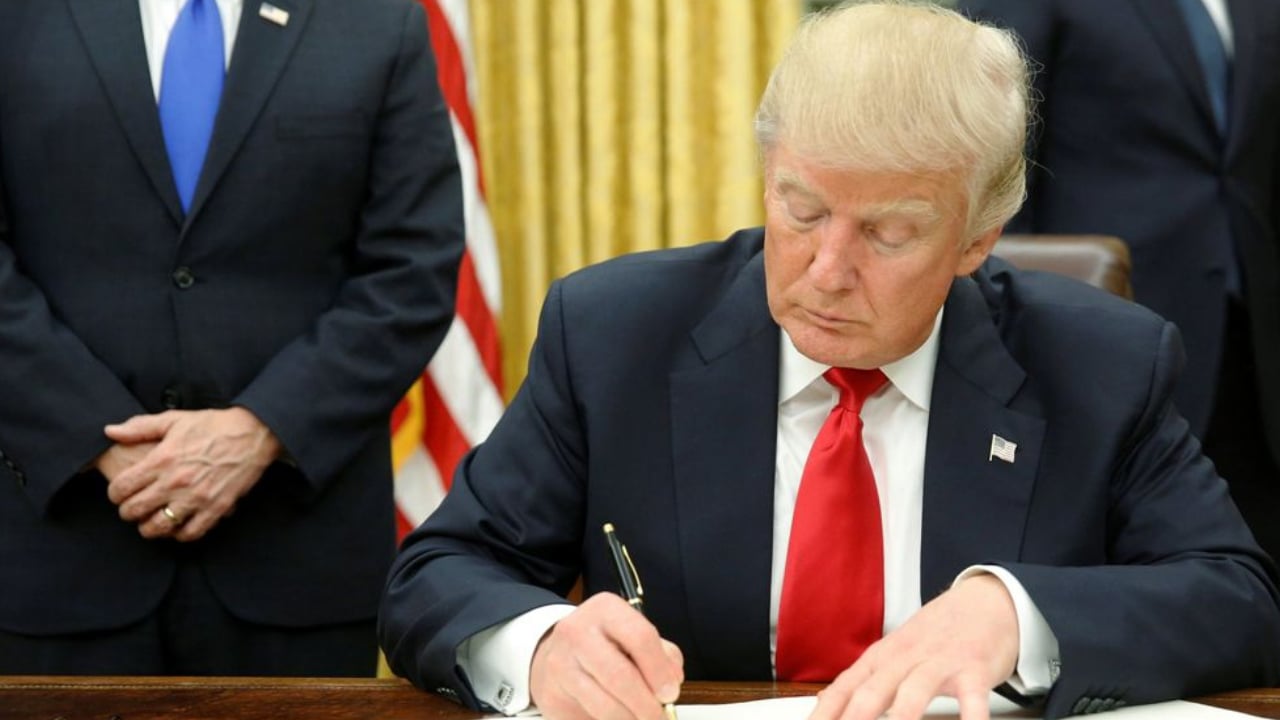
U.S. President Donald Trump has signed an executive order removing the 25 percent punitive tariff previously imposed on Indian goods. The order, which takes effect on February 7, was originally introduced as a penalty for India’s purchase of Russian oil, according to the report. The decision follows recent announcements by Trump and Indian Prime Minister Narendra Modi that Washington and New Delhi have reached a new trade agreement. Under the new trade arrangement, tariffs on Indian goods are expected to drop from 50 percent to 18 percent. The executive order also reiterates Trump’s demand that India stop buying oil from Russia and increase its energy imports from the United States. Additionally, it outlines plans for the two countries to expand defense cooperation over the next decade. India has not confirmed Trump’s claim that it will halt Russian energy purchases. Previously, New Delhi defended its decision to buy Russian oil, describing it as a matter of national interest.
All shops, commercial establishments, and shopping malls across Bangladesh, including Dhaka, will remain closed on February 11 and 12, which fall on Wednesday and Thursday. The Bangladesh Business Association announced the decision on Saturday morning, citing the upcoming national parliamentary election and referendum as the reason for the closure. In addition to retail and commercial outlets, all scheduled banks operating in the country will also remain closed on the same dates. The directive for bank closures has been issued under the authority granted by Section 45 of the Bank Company Act, 1991. The measure is intended to facilitate the smooth conduct of the election and referendum across the country. These coordinated closures are expected to ensure that business and financial activities do not interfere with the national voting process and that citizens can participate in the election and referendum without disruption.
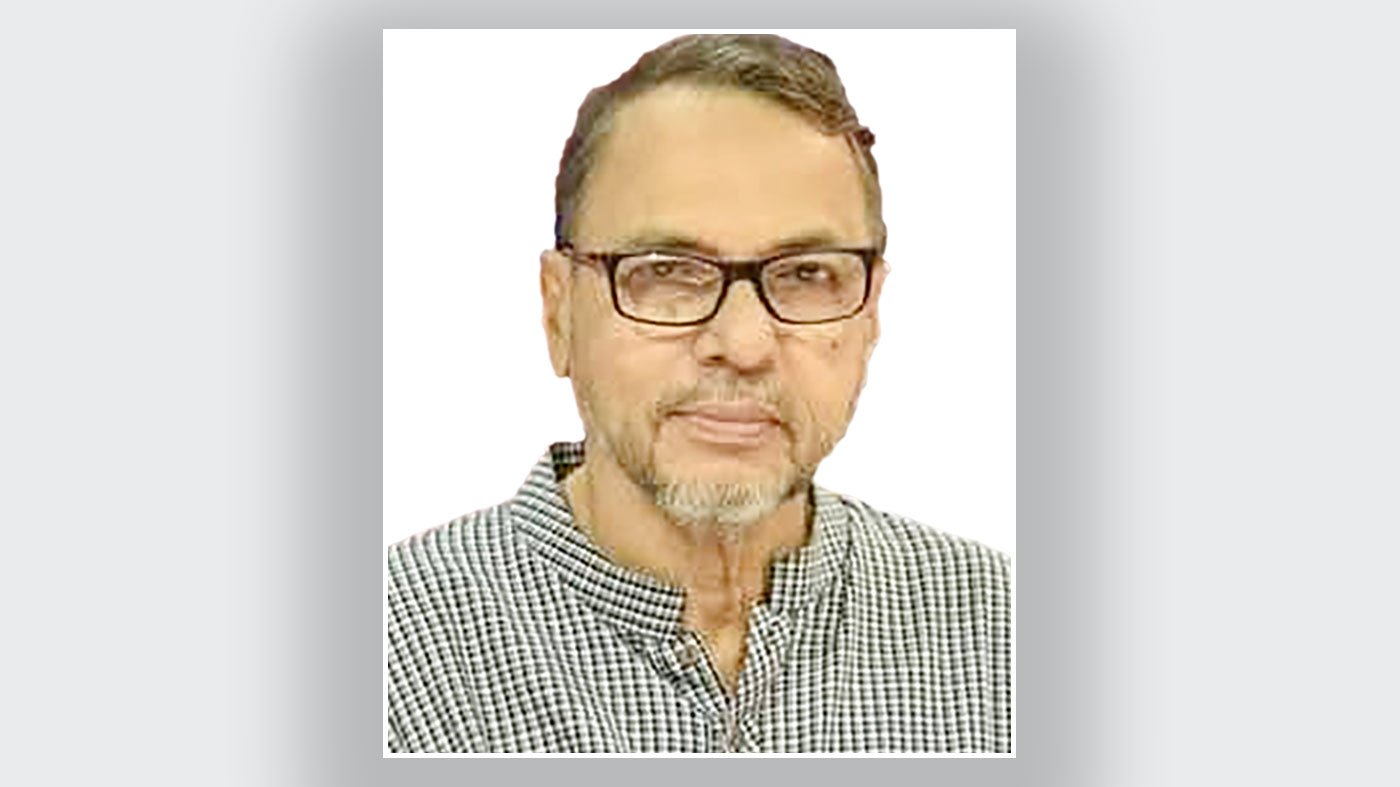
Political analyst Abdul Latif Masum argues that Bangladesh may need a national unity government following the 2026 election. He notes that both BNP leader Tarique Rahman and Jamaat-e-Islami Ameer Dr. Shafiqur Rahman have publicly expressed support for forming a national government after the polls, regardless of which party wins. The proposal, he writes, aims to ensure political stability, economic recovery, and national security in a period of uncertainty and division. The article recalls historical coalition experiences in Bangladesh, including the BNP–Jamaat partnership of the 1990s and early 2000s, and compares them with global examples such as wartime Britain, post-apartheid South Africa, and transitional Nepal. Masum argues that such governments succeed when parties prioritize national interest over ideology and operate within a defined timeframe. He concludes that current political and economic conditions show signs that a national government could become essential. According to him, a unity administration involving all major parties could strengthen national security and foster consensus in a politically fragmented Bangladesh.
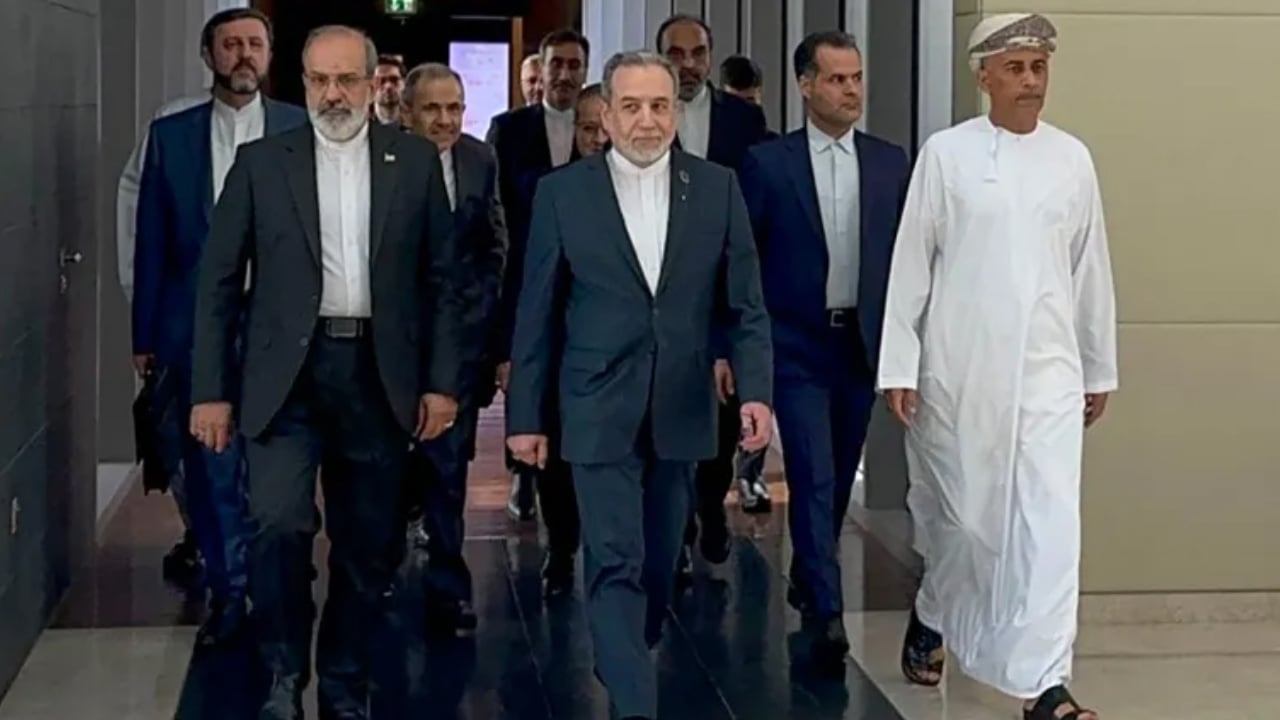
Iranian Foreign Minister Abbas Araghchi described recent indirect nuclear talks with the United States in Muscat, Oman, as a 'good start.' The discussions, mediated by Oman, took place on Friday and lasted about six hours. The U.S. delegation included special envoy Steve Witkoff, presidential adviser Jared Kushner, and CENTCOM chief Brad Cooper. Araghchi said the talks were held in a positive atmosphere and indicated a possible consensus to continue dialogue, though no roadmap was set to ease fears of potential U.S. attacks. Araghchi emphasized that the discussions focused solely on nuclear issues and were conducted in a calm, threat-free environment. He stated that Iran clearly presented its positions and concerns, while also listening to the U.S. side. Omani Foreign Minister Sayyid Badr al-Busaidi played an active mediating role, facilitating message exchanges between the two sides. According to Araghchi, the next round of talks will be determined after further consultations through Oman. He noted that overcoming the deep mistrust that developed over the past eight months following the war with Israel remains the first challenge to building a new dialogue framework.
An election rally organized by the Habiganj district unit of Jamaat-e-Islami began on Saturday morning at the Newfield ground in Habiganj. The event started at 8:30 a.m., with local leaders delivering speeches under the chairmanship of district Jamaat chief Maulana Mukhlisur Rahman. Jamaat Ameer Dr. Shafiqur Rahman is scheduled to attend as the chief guest and deliver his address around 10 a.m. The rally marks the formal start of Jamaat-e-Islami’s election campaign activities in the district. The gathering is being held as part of the party’s broader political mobilization ahead of upcoming polls. The report notes that the event is locally organized and attended by party leaders and supporters. Further details about the rally’s agenda, attendance, or specific campaign messages were not provided in the source text.
The electoral contest in Comilla-7 (Chandina) constituency has become increasingly complex as internal divisions within the Bangladesh Nationalist Party (BNP) threaten its traditional dominance. Dr. Redwan Ahmed, formerly the secretary general of the Liberal Democratic Party (LDP), joined the BNP and secured its nomination under the paddy sheaf symbol. However, his campaign faces serious challenges following the entry of expelled BNP leader Atikul Alam Shawon as an independent candidate, raising fears of a split in the BNP vote. Local analysts note that grassroots dissatisfaction has strengthened Shawon’s position, particularly after the dissolution of the Chandina Upazila BNP committee for not supporting Redwan. Many BNP activists allege that Redwan has close ties with a section of the local Awami League and had been disconnected from party activities for 17 years, while Shawon remained active during periods of political repression. The constituency now sees a three-way race among Redwan, Shawon, and Solaiman Khan of the 11-party alliance, which includes Jamaat-e-Islami. Observers suggest that the internal rift and multiple strong contenders have placed the BNP candidate under significant pressure ahead of the election.
The ‘1 Nojor’ media platform is now live in beta, inviting users to explore and provide feedback as we continue to refine the experience.