

The ‘1 Nojor’ media platform is now live in beta, inviting users to explore and provide feedback as we continue to refine the experience.
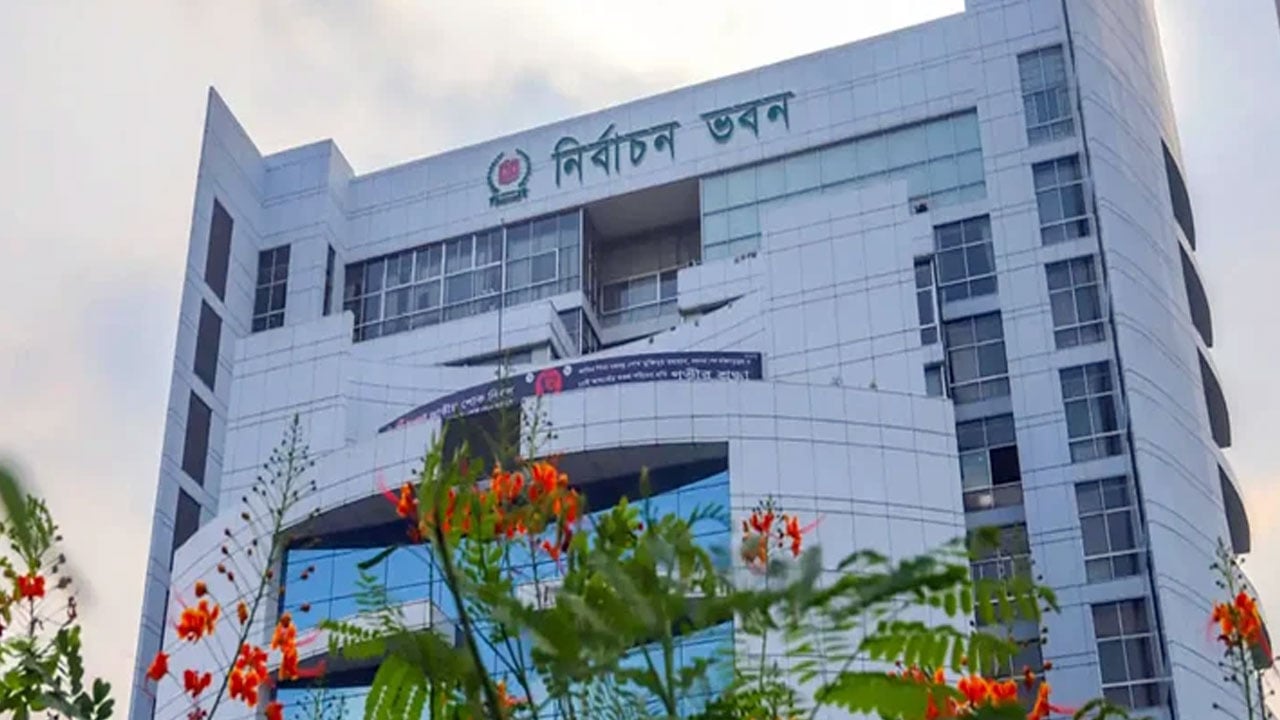
The Election Commission (EC) of Bangladesh has decided to hold a meeting with diplomats from various foreign missions stationed in the country. The meeting, scheduled for Sunday at 10:30 a.m. at The Westin in Dhaka, aims to explain the commission’s position regarding the upcoming 13th National Parliament election and the related referendum. A responsible source within the commission confirmed the information. According to an election commissioner, the meeting will include foreign diplomats, ambassadors from different countries, and representatives of the United Nations. Discussions will focus on the EC’s preparations for the February 12 election, transparency measures, and issues related to international observation. The initiative reflects the commission’s intent to engage with the diplomatic community ahead of the national vote. The meeting is expected to clarify the EC’s stance and readiness for the upcoming electoral process, providing an opportunity for foreign missions to understand the commission’s approach to ensuring transparency and international oversight.
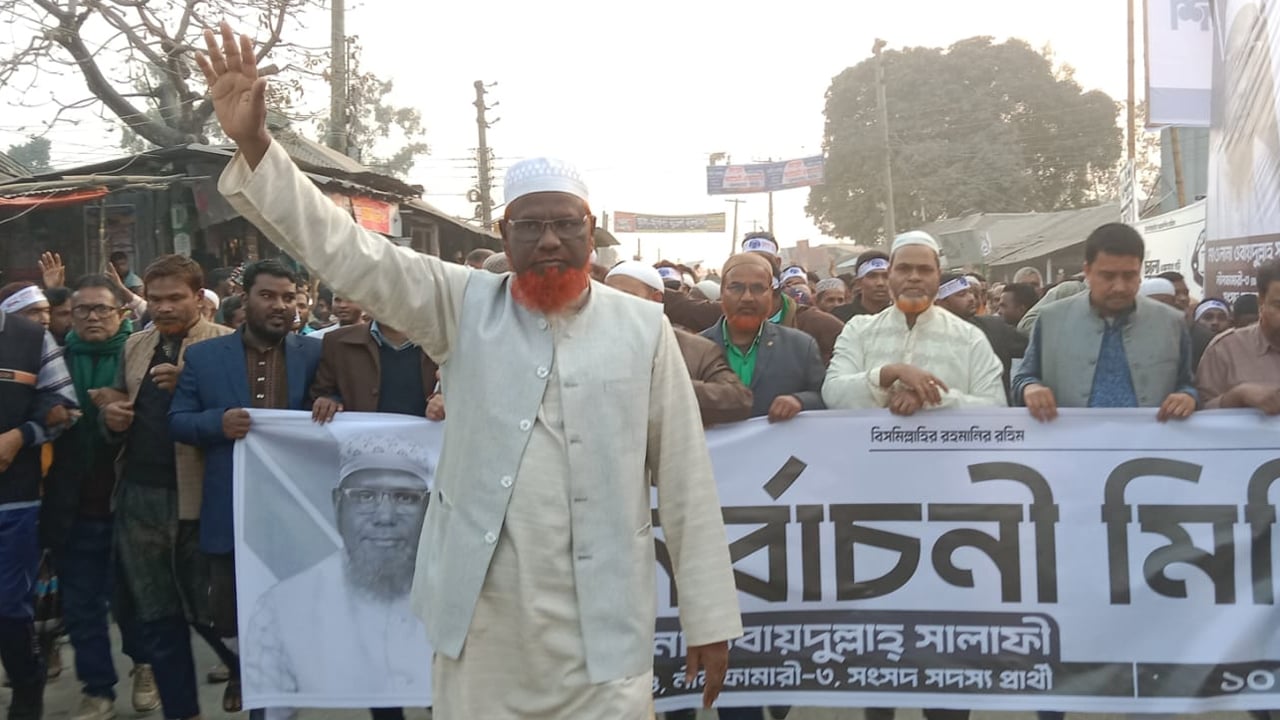
The formal campaign for Bangladesh’s 13th National Parliamentary Election began on Thursday, marked by a rally in support of Jamaat-e-Islami candidate Maulana Obaidullah Salafi in Nilphamari-3 (Jaldhaka). The Jaldhaka Upazila unit of Jamaat organized the procession in favor of the party’s traditional scale symbol, starting at 4:30 p.m. from the Al-Falah upazila office. Several local leaders, including district council member Prabhashak Sader Hossain, acting Amir and Jaldhaka Press Club president Alhaj Kamruzzaman, and NCP leader Mohayminul Rahman Sana, participated in leading the march. According to the report, this election marks the first time in nearly 17 years that Jamaat-e-Islami is contesting under its own electoral symbol. Political observers noted that this opportunity has energized the party’s activists and supporters across the region. The event in Jaldhaka reflects Jamaat’s renewed organizational activity as the national campaign period officially opens, signaling heightened political engagement ahead of the upcoming polls.
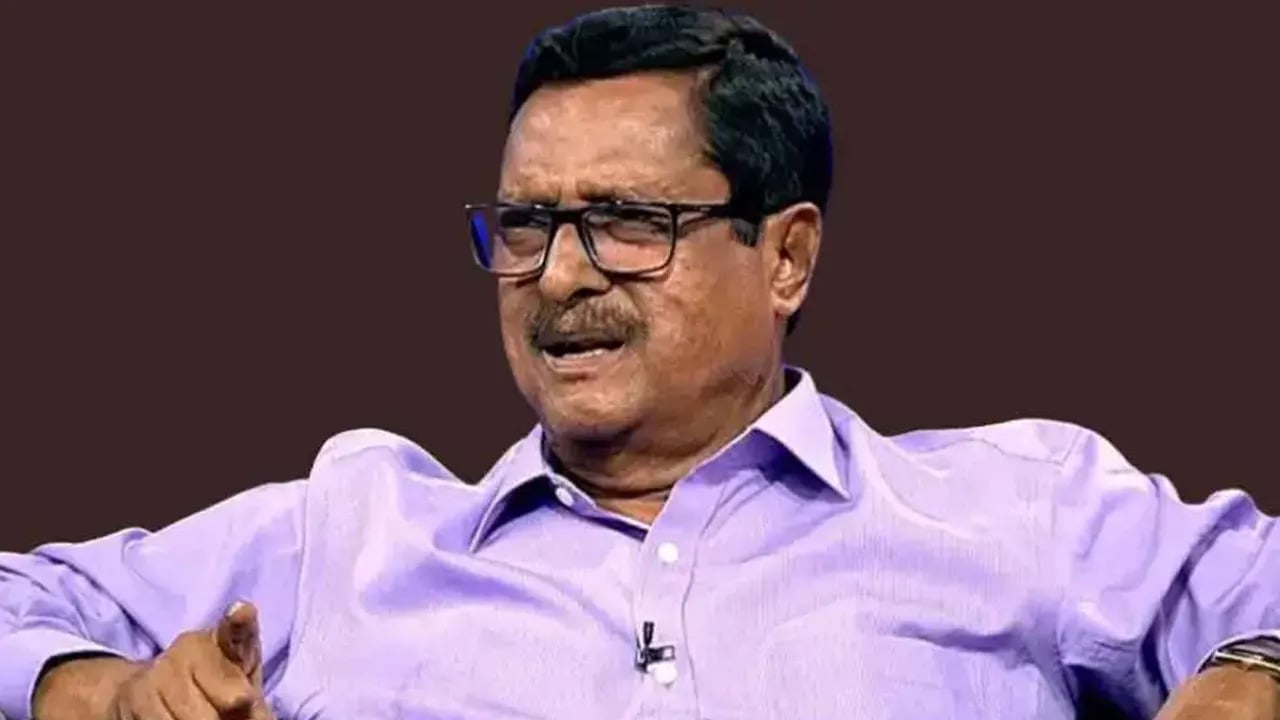
Advocate Fazlur Rahman, the BNP-nominated candidate for Kishoreganj-4 (Itna–Mithamain–Austagram) constituency, fell ill on his way to attend a public rally of BNP Chairperson Tareq Rahman in Bhairab on Thursday afternoon. He was subsequently admitted to Jahurul Islam Medical College Hospital in Bhagalpur, Bajitpur upazila of Kishoreganj, around 4:30 p.m. According to his personal assistant Enamul Haque, Fazlur Rahman suddenly became unwell while traveling to the rally venue, developing fever and vomiting. Hospital Director Professor Dr. Bahar Uddin Bhuiyan stated that the patient was suffering from fever, breathing difficulties, and a respiratory infection. When asked about his condition, Dr. Bhuiyan said it was too early to determine whether he was out of danger, as medical tests were still ongoing. The incident occurred ahead of a major BNP gathering in Bhairab, where Tareq Rahman was scheduled to address supporters.
The Anti-Corruption Commission (ACC) has filed a case against 43 individuals, including Liaquat Ali Khan, chairman of Rupayan Housing Estate Limited, and several officials of Rajuk, over allegations of occupying government and privately owned land. The announcement was made on Thursday afternoon at the ACC headquarters in Segunbagicha, Dhaka, by Akhtar Hossain, the commission’s Director General (Prevention). According to the ACC, Liaquat Ali Khan made an agreement in 2013 with a landowner for about 2.5 acres but later claimed ownership without completing payment or registration, leading to a court case that remains under a stay order. Despite the pending case, Rajuk officials allegedly approved land use, project, and construction permissions for Rupayan without verifying ownership documents or court restrictions. The ACC stated that Rupayan obtained approvals for projects covering 41.548 acres, though valid documents were submitted for only 16.32 acres. The ACC’s preliminary investigation confirmed the allegations, prompting the case. Other accused include Rupayan’s estate officer Sajjad Hussain and several Rajuk planners and designers. The case involves illegal inclusion of government and Bhawal Estate land in Rupayan’s projects.

The United Arab Emirates has implemented a new Child Digital Safety (CDS) Law that makes it a legal obligation for parents to monitor and control their children's online activities. The law transforms digital safety from a matter of parental advice into a binding legal responsibility. It imposes strict regulations on harmful online content, excessive digital use, and the collection and use of children’s personal data, assigning clear duties to parents, digital platforms, and service providers. According to the UAE Cybersecurity Council, 72 percent of children aged eight to twelve use smartphones daily, while only 43 percent of parents regularly monitor their children's online behavior. The CDS Law applies not only to UAE-based companies but also to foreign digital platforms that target Emirati child users. It mandates age verification systems, content filtering, parental control software, and restrictions on advertising aimed at minors. Legal expert Marina El Hachem stated that parents are now legally required to oversee children’s digital activities, prevent inappropriate account access, protect privacy and security, and report harmful or obscene content to authorities. Neglecting a child’s online safety will be treated as a legal violation under the new law.

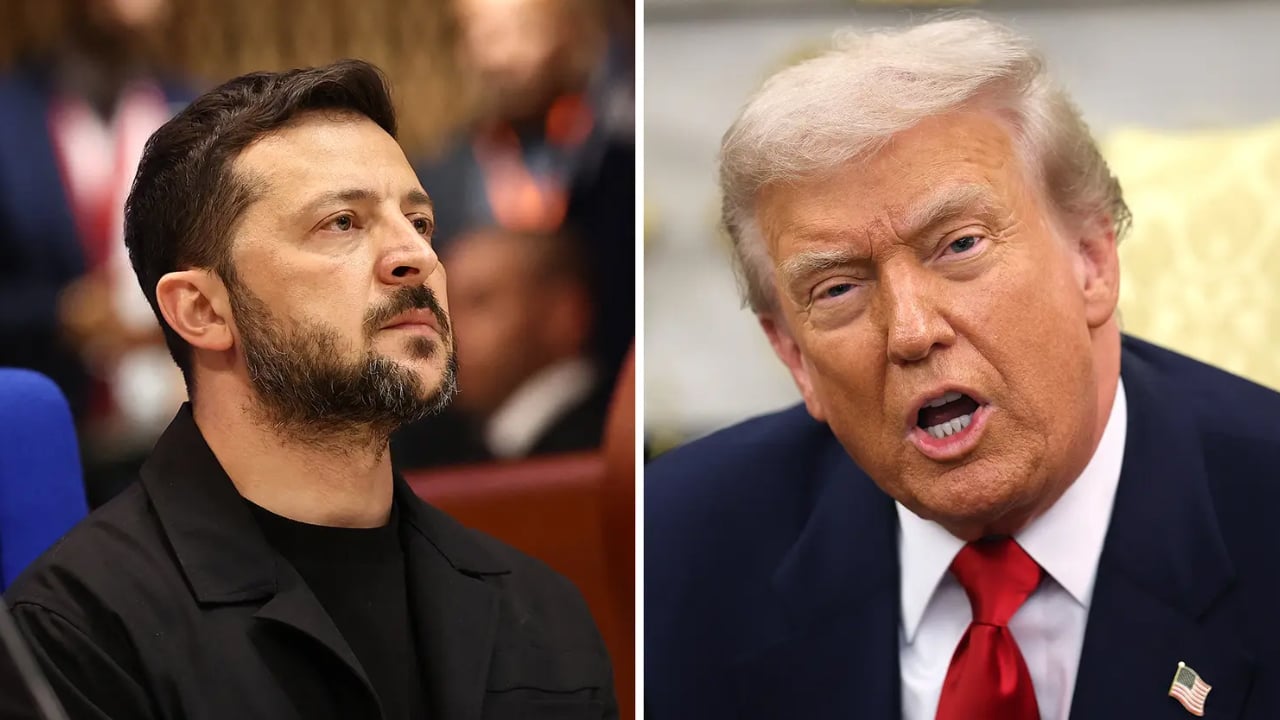
Ukrainian President Volodymyr Zelensky said U.S. President Donald Trump 'will not change' following their one-hour meeting. Zelensky described the meeting as good and very important, thanking Trump for taking the time to speak. After the meeting, held in Davos, Zelensky addressed world leaders, noting that America’s position is changing but no one is certain how. He questioned how Europe would keep pace with such rapid changes. Zelensky criticized European leaders for avoiding decisive action on Ukraine, saying some leaders, though European, are not acting in Europe’s interest. He added that some powerful leaders still seek direction from others and question how long they must remain firm. According to Zelensky, no great power can function this way, and Europe must learn to defend itself. He warned that the current challenges facing the continent pose serious threats to the European way of life, emphasizing the need for unity and self-reliance among European nations.
New Delhi has decided to bring back the families of Indian diplomats and government officials working in Bangladesh, citing security precautions. The decision, reported by India’s Press Trust of India (PTI), comes just weeks before Bangladesh’s 13th national parliamentary election. However, India clarified that its High Commission in Dhaka and other missions abroad will remain open. According to PTI, officials advised family members of Indian personnel stationed in Dhaka and other posts to return to India as part of the security alert. A BBC report stated that India’s Ministry of External Affairs has now classified Bangladesh as a “non-family” posting, placing it alongside Pakistan, Afghanistan, and Sudan. In response, Bangladesh’s Foreign Affairs Adviser Md. Touhid Hossain said there is no evidence that Bangladesh failed to ensure the safety of Indians. He described India’s move to equate Bangladesh with Pakistan as unfortunate but acknowledged it was India’s decision. Hossain added that maintaining strong bilateral relations requires both sides to act responsibly, warning that repeated divisive steps could damage ties. He also remarked that India’s reaction appeared somewhat excessive based on his four decades of experience.
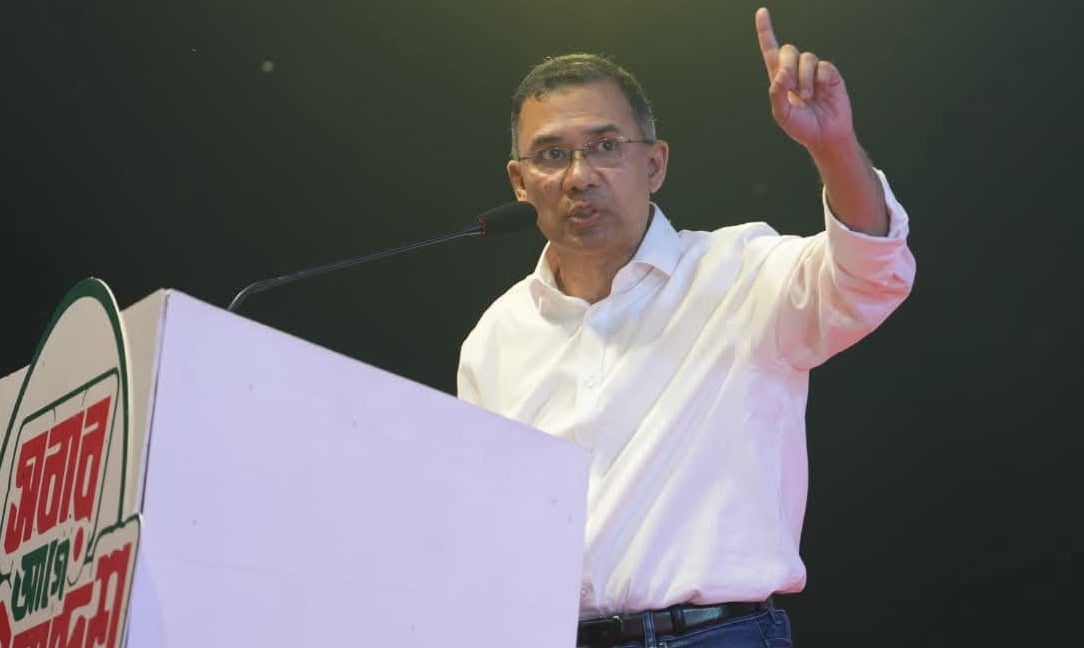
BNP Chairperson Tarique Rahman announced that his party would introduce family cards for tea workers and day laborers if it comes to power. He also promised honorariums for imams. Rahman made these remarks on Thursday, January 22, at an election rally organized by Moulvibazar District BNP at Ainpur field in Sherpur under Sadar upazila, where he was the chief guest. In his speech, Rahman said that during previous BNP governments, local development had accelerated, women’s education was made free up to the intermediate level, and small agricultural loans were forgiven. He claimed that under BNP rule, citizens could speak freely and criticize the government without fear of abduction or killing. He credited the sacrifices of many people for the party’s current position. Rahman further highlighted that half of the country’s population is women and recalled that Begum Khaleda Zia had made education free for girls from class one to intermediate level. He added that a future BNP government would create employment opportunities for unemployed youth.
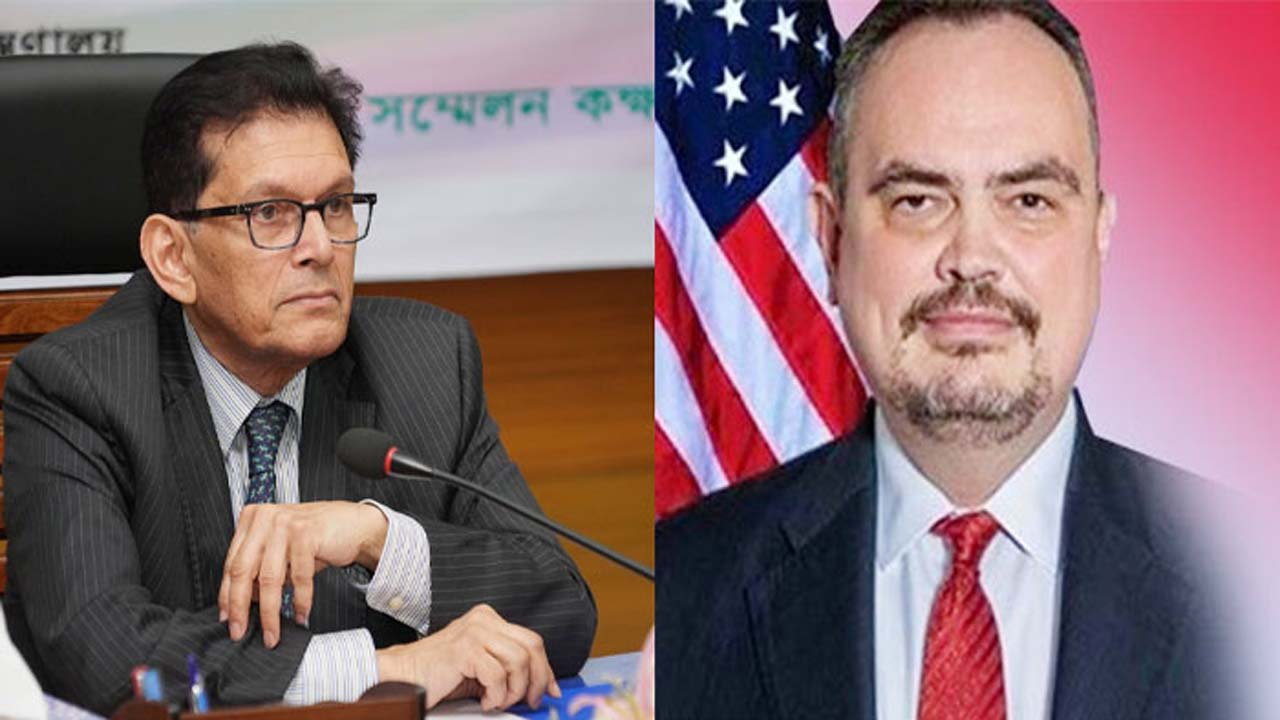
Newly appointed US Ambassador to Bangladesh Brent Christensen has reaffirmed Washington’s strong support for Bangladesh’s democratic transition. During a meeting on Thursday afternoon with National Security Adviser Khililur Rahman at the adviser’s office, Christensen praised the interim government’s initiatives regarding upcoming elections and reform programs. The meeting lasted about an hour and covered key aspects of bilateral relations, according to a statement from the Chief Adviser’s Office. Discussions included mutual tariff agreements, humanitarian assistance for Rohingya refugees, visa bonds, immigration issues, and the repatriation of undocumented Bangladeshis from the United States. The two sides also discussed opportunities for US business and investment in Bangladesh, expansion of economic cooperation, and regional matters of shared interest. The statement said the ambassador reiterated US support for Bangladesh’s political stability and democratic process, emphasizing that free, fair, and participatory elections are vital for the country’s democratic progress. Khililur Rahman welcomed Christensen as the new ambassador and recalled his previous service in Dhaka and Washington. He expressed hope that bilateral relations would strengthen further during Christensen’s tenure.
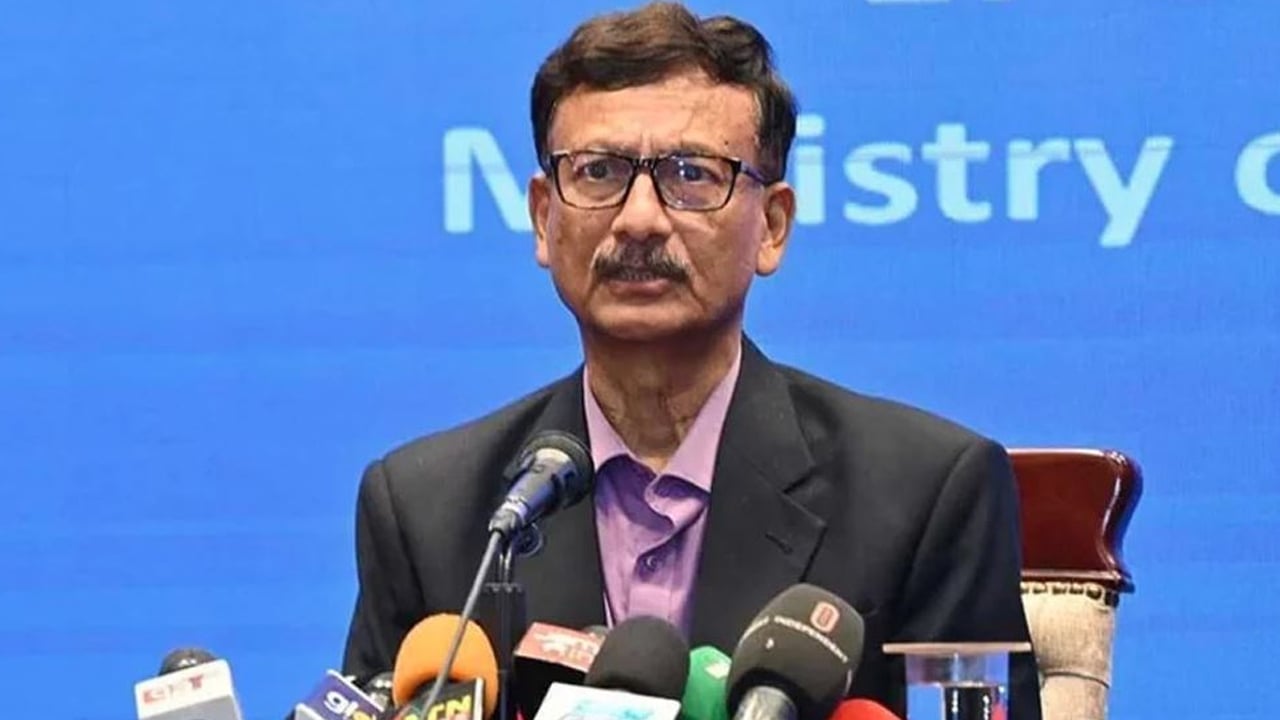
National University Vice-Chancellor Professor Dr. A.S.M. Amanullah stated that around one million students graduate annually from the university, with about 40 percent facing frustration in the job market due to an outdated syllabus. He made the remarks on Thursday at a meeting with principals from colleges in Rangamati, Khagrachhari, and Bandarban districts, held at Rangamati Government College. He said that over the past five decades since independence, Bangladesh has failed to build effective links between education, research, and industry, leaving the country behind in the global technological race. To make higher education more employment-oriented, the university has begun curriculum reforms, making information technology and English compulsory subjects in undergraduate honors programs. The institution has also initiated collaborations with local and international universities and industries, supported by UNICEF and other organizations. The Vice-Chancellor listened to the principals’ feedback and promised to incorporate their suggestions into the university’s plans. He emphasized that despite a large population, Bangladesh faces a shortage of skilled manpower due to insufficient investment in education compared to infrastructure development.
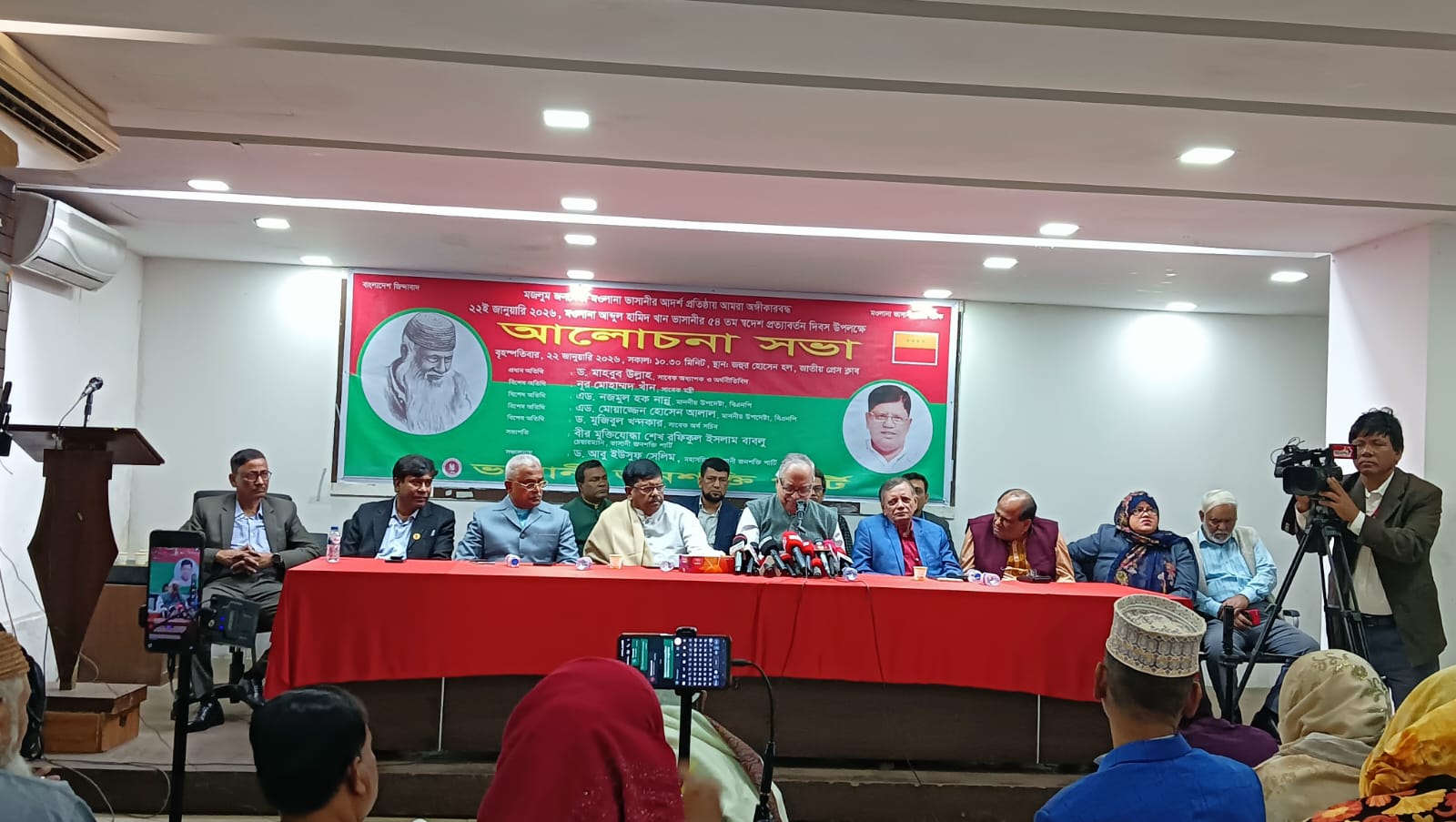
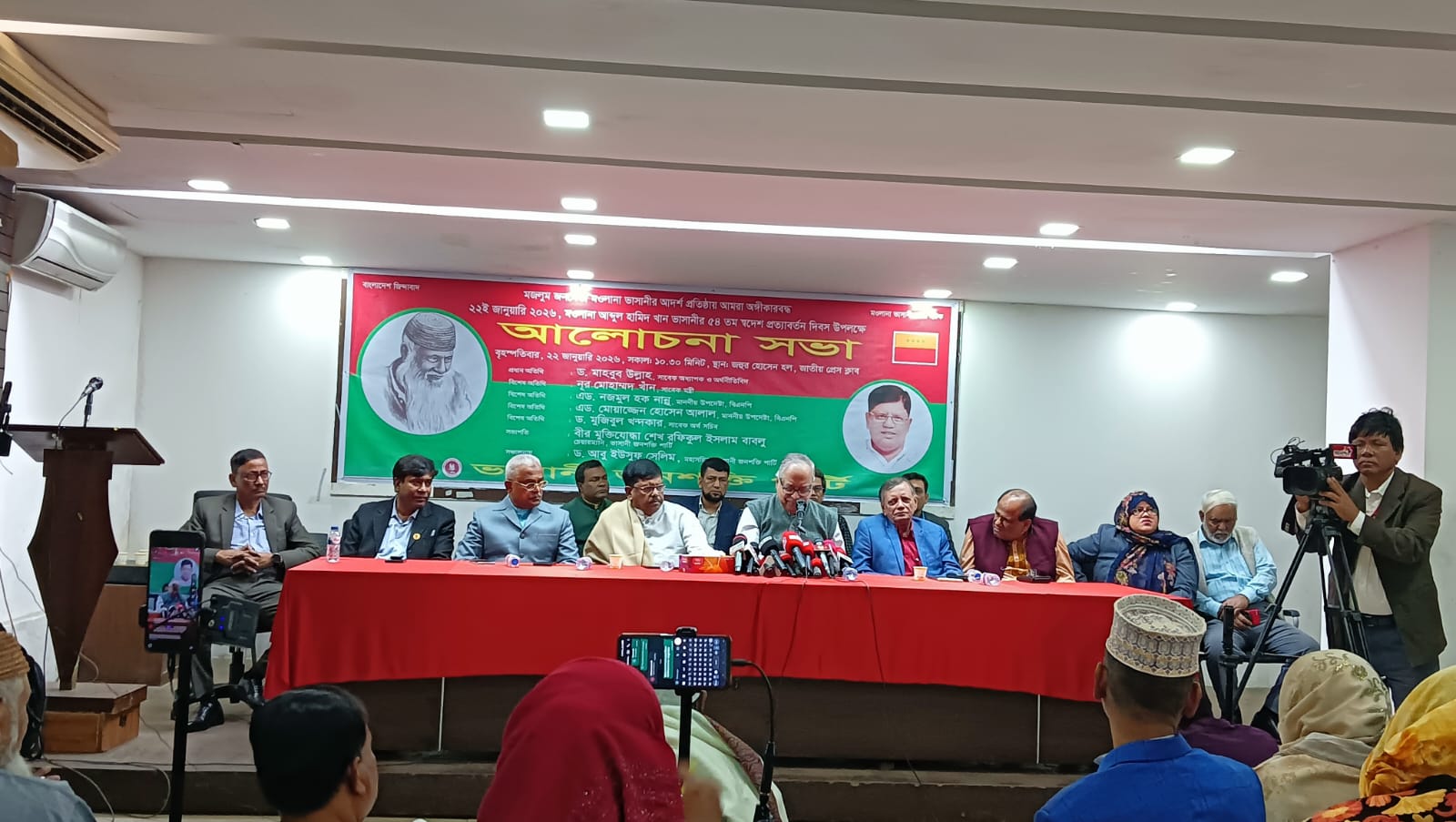
Economist Dr. Mahbub Ullah described Maulana Abdul Hamid Khan Bhashani as the undisputed leader of the anti-imperialist struggle in Bangladesh. He made the remark on Thursday at a discussion organized by the Bhashani Janashakti Party at the National Press Club’s Zahur Hossain Chowdhury Hall, marking the 54th anniversary of Bhashani’s return to the country. Dr. Ullah said Bhashani was a visionary who guided the political direction of the nation, always standing for farmers, workers, and the working class. He noted that although Bhashani never held state power, he influenced many who later governed Bangladesh, including Sheikh Mujibur Rahman, Kazi Zafar Ahmed, and Mashiur Rahman Jadu Mia. Dr. Ullah lamented that even 49 years after Bhashani’s death, his dream of an ideal Bangladesh remains unfulfilled. He urged politicians to study Bhashani’s life and philosophy and to introduce his ideals to the youth. The event was chaired by Bhashani Janashakti Party chairman and freedom fighter Sheikh Rafiqul Islam Bablu, with several political figures including Nazmul Haque Nannu and Dr. Abu Yusuf Selim also speaking.
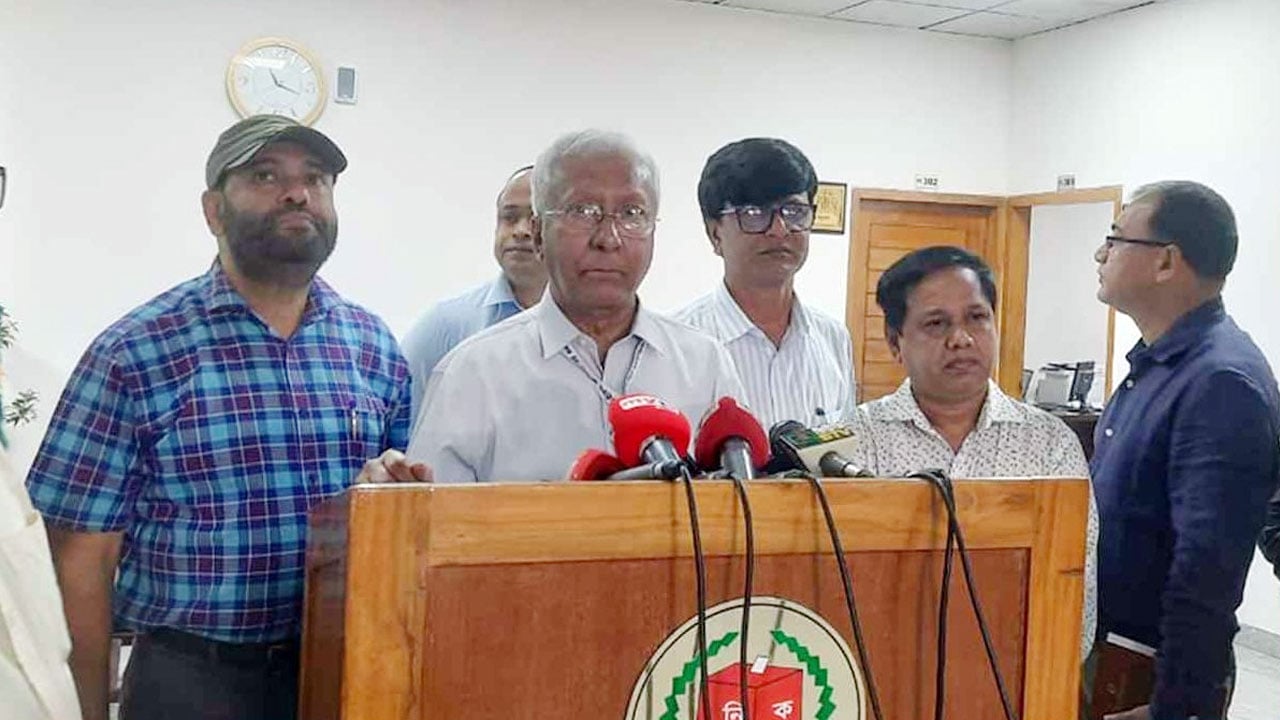
Bangladesh Election Commission Senior Secretary Akhtar Ahmed said on January 22, 2026, that vote counting in the upcoming national election may take longer than usual due to the use of two separate ballots and a higher number of candidates across the country. He made the remarks after meetings with officials from mobile operators, banks, and the BNCC at the Election Commission building in Agargaon, Dhaka. Ahmed explained that different ballot types are being used for expatriate and domestic voters, and that postal ballot counting at returning officers’ offices poses a major challenge. He cited examples of constituencies with large numbers of postal voters, including Feni-3 with 16,038, Chattogram-15 with 14,274, and Cumilla with 13,939 registered postal voters. The secretary added that about 500 foreign observers and journalists are expected to monitor the election, with on-arrival visa facilities provided. The Election Commission invited 83 organizations, of which 36 confirmed participation, including representatives from the European Union, Commonwealth, and Turkey. Ahmed also said discussions were held on limiting mobile and internet banking transactions to curb the influence of black money, and over 16,000 BNCC volunteers will assist in maintaining law and order during the election.
Banglalink, one of Bangladesh’s leading digital operators, has signed a partnership agreement with Clinicall Limited to expand healthcare services through its MyBL app. The signing took place at Banglalink’s headquarters, Tiger’s Den, with senior officials from both companies present. The collaboration aims to make healthcare more accessible and affordable for millions of users by integrating doctor consultations, medicine delivery, lab tests, and insurance coverage into a single digital platform. According to Banglalink, this partnership marks a major step toward transforming digital connectivity into everyday solutions for its customers. The initiative reflects the company’s commitment to providing meaningful digital services beyond traditional telecommunications. Clinicall will offer reliable and quality healthcare through affordable subscription plans, enhancing the MyBL app’s role as a one-stop lifestyle platform. Banglalink stated that this effort aligns with its broader “Digital for All” vision, which includes services such as the Toffee entertainment platform and the AI-based lifestyle package Rise. The company, a subsidiary of Nasdaq-listed VEON Ltd., continues to focus on innovation and inclusive digital empowerment across Bangladesh.

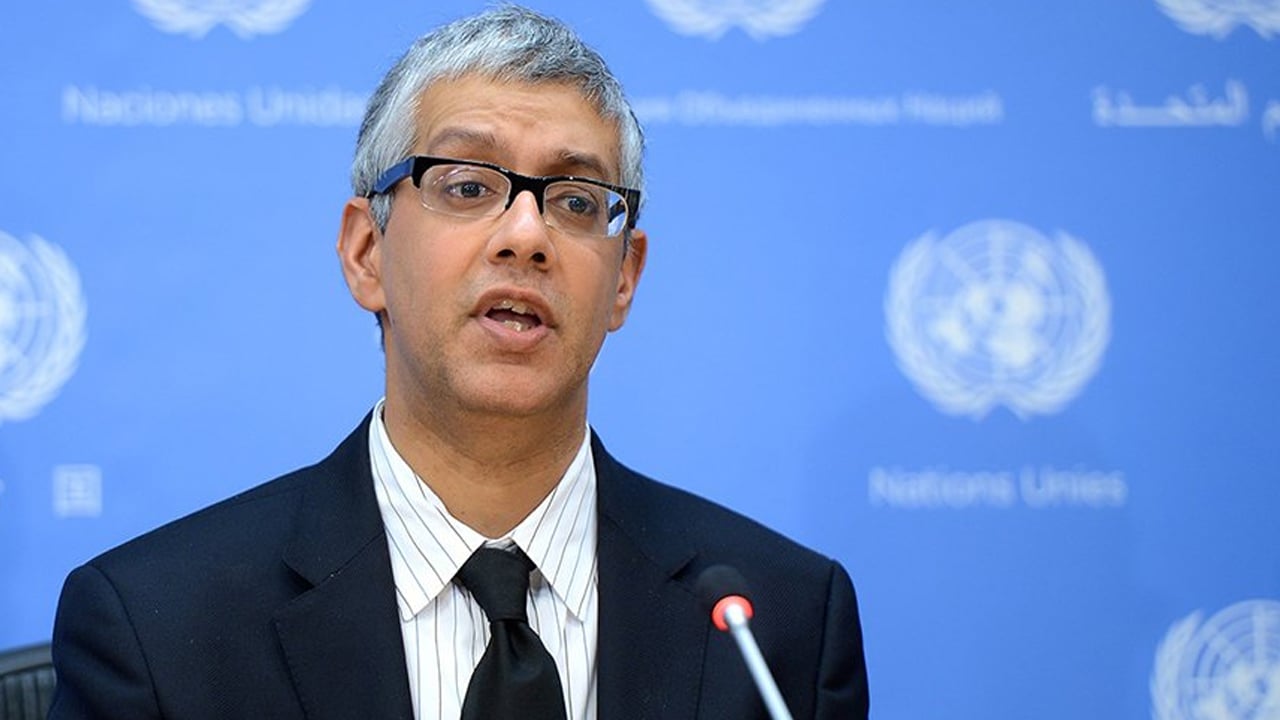
At a regular press briefing on Wednesday, January 21, 2026, the United Nations reiterated its emphasis on ensuring accountability for those responsible for the mass casualties during Bangladesh’s July 2024 uprising. The issue arose when a journalist asked whether the UN Secretary-General would urge the Indian government to return Sheikh Hasina to Bangladesh, following her conviction by a Bangladeshi court for allegedly ordering killings during the uprising that left at least 1,400 people dead. In response, UN Deputy Spokesperson Farhan Haq avoided naming any country but underscored the need for accountability based on objective facts. He stated that those identified as responsible must face justice in accordance with international law. Haq added that the UN itself had provided information on the killings and reaffirmed that accountability must be pursued with fundamental respect for international legal standards. The UN has maintained its focus on justice for the victims of the July uprising since the beginning of the crisis, emphasizing that due process and adherence to international law are essential in addressing such grave human rights violations.
The United States is reassessing its previous position on Jamaat-e-Islami, with a US diplomat in Dhaka stating that Washington wants to view the party as a 'friend' and increase direct communication. According to a recording obtained by The Washington Post, the diplomat made the remarks during a closed-door meeting with female journalists in Dhaka. The diplomat suggested that Bangladesh has become more 'Islam-oriented' and that Jamaat may perform better than ever in the upcoming national election scheduled for February 12. The diplomat also said that even if Jamaat comes to power, it would not be able to impose Sharia law, and warned that the US would not hesitate to impose economic sanctions if any alarming steps were taken. US Embassy spokesperson Monica Shi later clarified that the meeting was a routine, off-the-record discussion. She emphasized that the United States does not support any specific political party and will work with whichever government is elected by the people. The report indicates growing US diplomatic interest in Bangladesh’s evolving political landscape ahead of the national polls.

The ‘1 Nojor’ media platform is now live in beta, inviting users to explore and provide feedback as we continue to refine the experience.