

The ‘1 Nojor’ media platform is now live in beta, inviting users to explore and provide feedback as we continue to refine the experience.
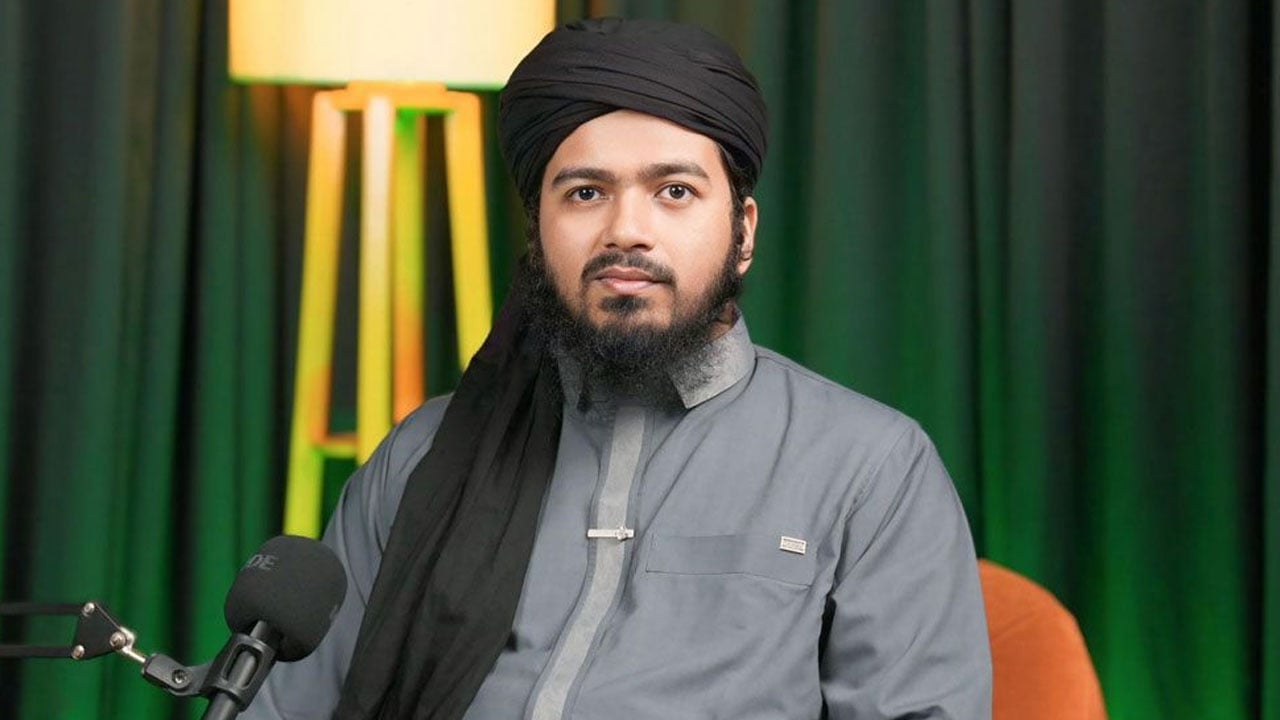
Islamic scholar and Jamaat leader Mufti Ali Hasan Usama stated that the more Jamaat distances itself from Maududi’s ideology, the deeper crisis it will face. He made the remarks on Monday during a program, emphasizing the importance of revisiting Maududi’s original works. Usama noted that several books included in their syllabus contain translation issues that distort Maududi’s intended meaning. He said that while Maududi’s writings convey one message, the translations often present another, leading to fundamental misunderstandings. He further explained that such discrepancies are natural but cautioned against blaming the original author for translators’ mistakes. According to him, some people unfairly attribute translation errors to Maududi himself, which he described as an act of injustice.
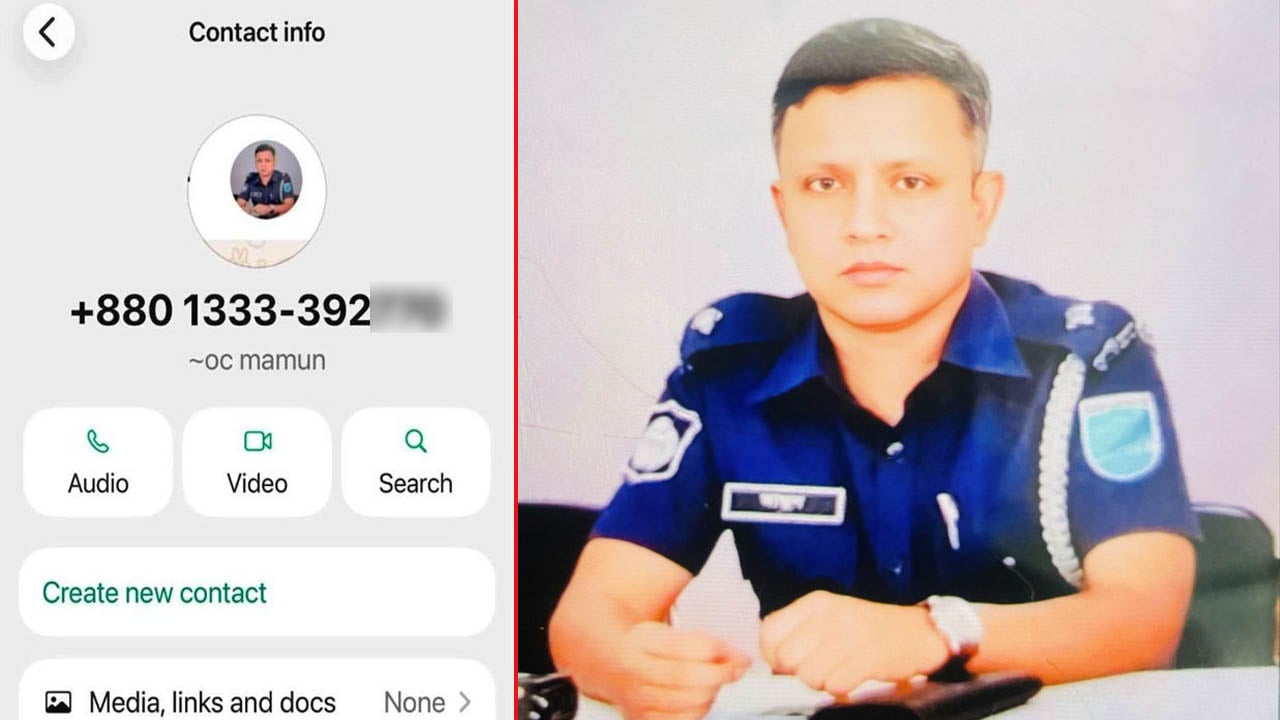
A group of fraudsters has allegedly created a fake WhatsApp account using the name and photo of Mirzapur Police Station Officer-in-Charge (OC) Abdullah Al Mamun to demand money from various individuals. The incident has caused concern in the Tangail upazila, prompting police to urge residents to remain alert. The scammers reportedly call people claiming that complaints or cases have been filed against them and then demand money in exchange for resolving the matter. One victim, Nurul Islam Khan, a resident of Bawar Kumarjani area and an expatriate in Singapore, said he received such a call from a number using the OC’s name and photo. Suspicious of the caller’s behavior, he refused to share any information and later sent screenshots of the number to journalists. Local sources said a similar attempt was made earlier targeting former Mirzapur Press Club president Abul Kashem Khan. OC Abdullah Al Mamun confirmed receiving complaints about the fake account and said police have begun investigating to identify and arrest those involved. Authorities have advised the public to verify any such calls and avoid financial transactions without confirmation.
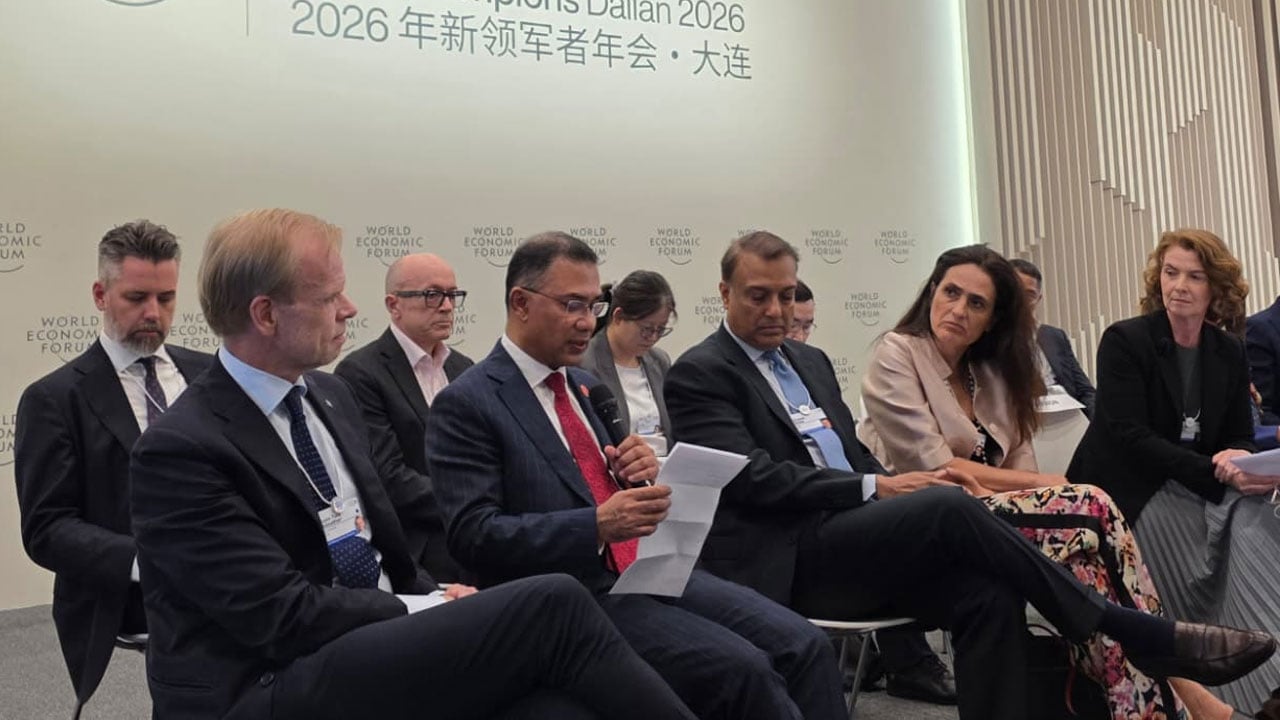
Prime Minister Tarique Rahman has called on world leaders to turn their climate commitments into concrete actions to protect millions of lives threatened by climate change. Speaking on Tuesday at the World Economic Forum’s 17th Annual Meeting of the New Champions in Dalian, China, he urged that promises be translated into results so the world can face the future with confidence. He expressed hope that COP-31 would address these challenges and reaffirmed Bangladesh’s readiness to play its part. Rahman emphasized that climate action should be viewed as an investment in prosperity and stability, not as a cost. He outlined three priorities ahead of COP-31 and COP-32: operationalizing the loss and damage fund, making climate finance more accessible to vulnerable nations, and ensuring adaptation alongside mitigation. He highlighted Bangladesh’s initiatives, including dredging 20,000 kilometers of rivers and canals, constructing the Padma Barrage, modernizing the Teesta Barrage, planting 250 million trees, and expanding renewable energy to 20 percent by 2030. He reaffirmed Bangladesh’s commitment to becoming a climate-resilient nation and called on global leaders to overcome differences and honor their pledges under the UNFCCC and Paris Agreement.
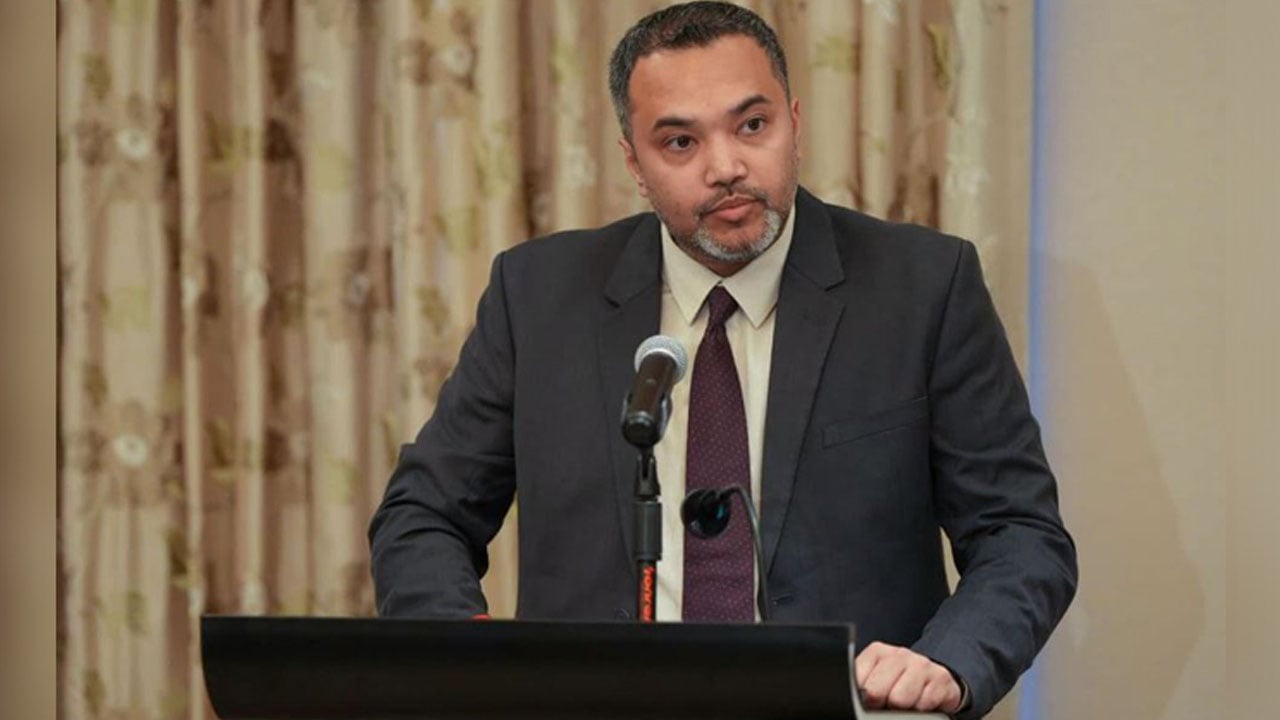
Prime Minister’s Adviser and Spokesperson Mahdi Amin announced that the government aims to ensure a trustworthy and competitive environment for global investors under the message ‘Bangladesh is open for business’. He made the statement at a press conference held at the Shangri-La Hotel in Dalian, China, during the World Economic Forum’s Summer Davos 2026. Prime Minister Tarek Rahman is attending the event, marking his first participation in a global summit as head of government. Amin said Bangladesh’s participation focuses on attracting foreign investment, creating employment, and linking sustainable development and climate resilience with international partnerships. He noted that the WEF President and CEO Alois Zwinggi met with the Prime Minister to discuss investment growth and employment creation. The Prime Minister also addressed the ‘Climate Leadership in a Shifting Global Landscape’ session, presenting Bangladesh’s climate initiatives and future plans, including river dredging, tree planting, and renewable energy expansion. According to Amin, the Prime Minister’s engagement is enhancing Bangladesh’s global stature while opening new opportunities for investment, employment, and knowledge exchange through international collaboration.
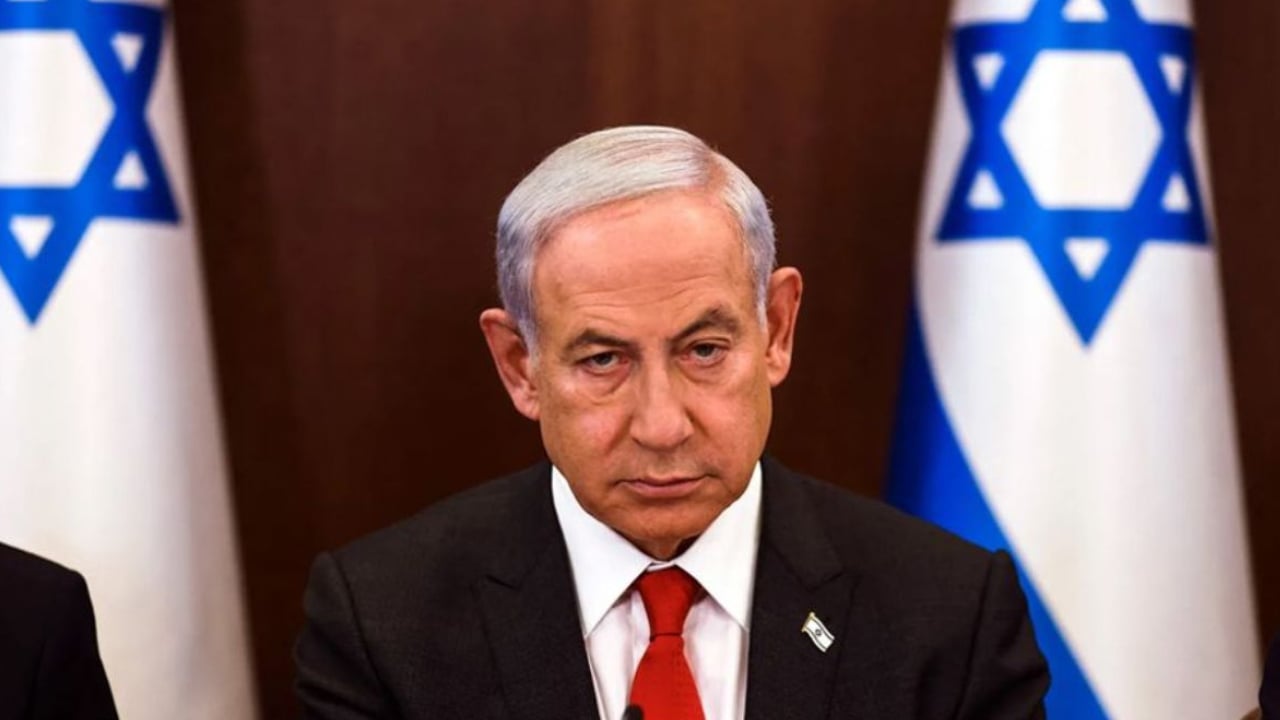
Israeli Prime Minister Benjamin Netanyahu’s government is under growing pressure from both the United States and domestic public opinion. The tension has intensified over the government’s stance on confronting Lebanon’s armed group Hezbollah, with Israeli officials repeatedly asserting that the army has full freedom to act against any threats in southern Lebanon. Analysts view these statements as attempts to reassure the public amid rising political uncertainty. As national elections approach, Israeli leaders are emphasizing their firmness, but Washington is reportedly urging restraint to avoid a major offensive against Hezbollah. Consequently, Israeli authorities are portraying recent operations in southern Lebanon as defensive actions aimed at protecting soldiers’ security. The government’s inability to deliver on long-standing promises to disarm Hezbollah and reduce attacks on northern border communities has fueled public frustration. This growing dissatisfaction has increased political pressure on Netanyahu’s administration, raising questions about its effectiveness in managing national security and border stability.
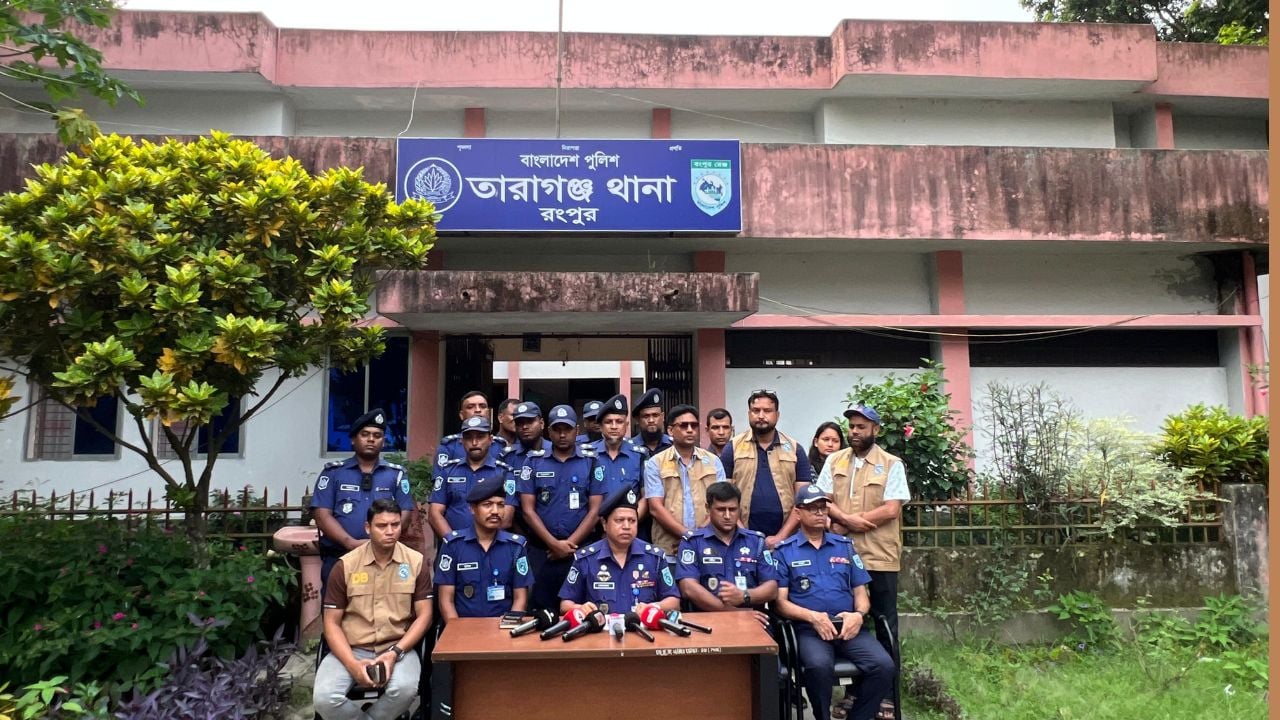
Police in Rangpur’s Taraganj upazila have arrested an 18-year-old man in connection with the rape and murder of nine-year-old Sanjida Khatun, a second-grade student at a local madrasa kindergarten. The arrest was announced on Tuesday afternoon during a press conference at Taraganj Police Station by Rangpur Superintendent of Police Mohammad Mozammel Haque. Sanjida went missing on June 19 while playing near her home in Bhimpur Quranipara area of Alampur Union. Her body was discovered the next morning beside a jute field near her house. According to the police, the suspect, Mujahid Islam, was detained from his home in Bhimpur Quranipara around 9:30 p.m. on Monday. Preliminary interrogation and evidence indicated that the child was shown obscene videos before being raped and killed. Police said they are continuing to question the suspect and investigating whether others were involved. A case has been filed, and the investigation remains ongoing. The incident has cast a shadow of grief over the local community.
Information and Broadcasting Minister Zahid Uddin Swapon and Water Resources Minister Shahid Uddin Chowdhury Annie are set to leave Dhaka on Tuesday night to join Prime Minister and BNP Chairperson Tarique Rahman during his official visit to China. The information was confirmed by BNP Media Cell member Shayrul Kabir Khan, who said the two ministers will accompany the Prime Minister in Beijing as part of his delegation. According to the BNP Media Cell, the ministers will be involved in several key issues during the visit. With their inclusion, three full ministers are now accompanying the Prime Minister on the China trip, including the Foreign Minister. Tarique Rahman began his overseas tour on Sunday afternoon, first visiting Malaysia at the invitation of Prime Minister Anwar Ibrahim before proceeding directly to China at the invitation of Chinese Premier Li Qiang. During the China visit, Tarique Rahman will hold bilateral talks with Premier Li Qiang on June 25 and meet President Xi Jinping on June 26. He is also attending the 17th Annual Meeting of the New Champions (Summer Davos Forum) in Dalian from June 23 to 25, where over 1,700 delegates from more than 90 countries are participating.

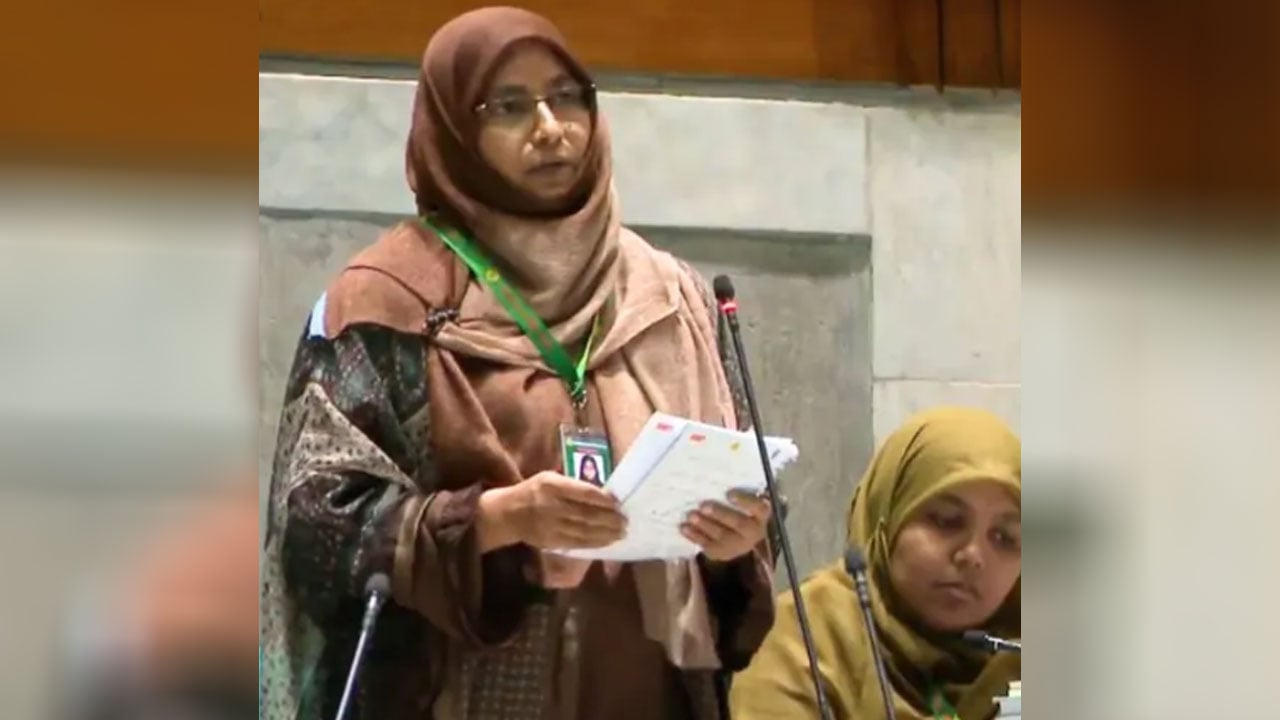
Jamaat-e-Islami lawmaker and mother of July Revolution martyr Jabir Ibrahim, Rokeya Begum, told Parliament that the abolition of fascist systems is impossible without visible justice for the July killings. Speaking during the national budget debate, she said the main demand of the martyr families is to ensure justice for every killing and to present regular updates on trial progress in Parliament. She recalled her son’s death during the uprising and said the blood of countless martyrs still cries out for justice. Rokeya Begum noted that the 2026–27 budget allocates 3 billion taka for monthly stipends and housing aid for martyr families and injured fighters but stressed that justice remains their top priority. Citing the law minister’s earlier statement, she said 80 cases of crimes against humanity from July are under the International Crimes Tribunal, with seven verdicts delivered and 51 still under investigation. She also raised concerns about the slow pace of trials and the large number of fugitives. Law Minister Asaduzzaman responded that the government provides legal protection to July fighters within the existing framework and is ready to expand it if needed.
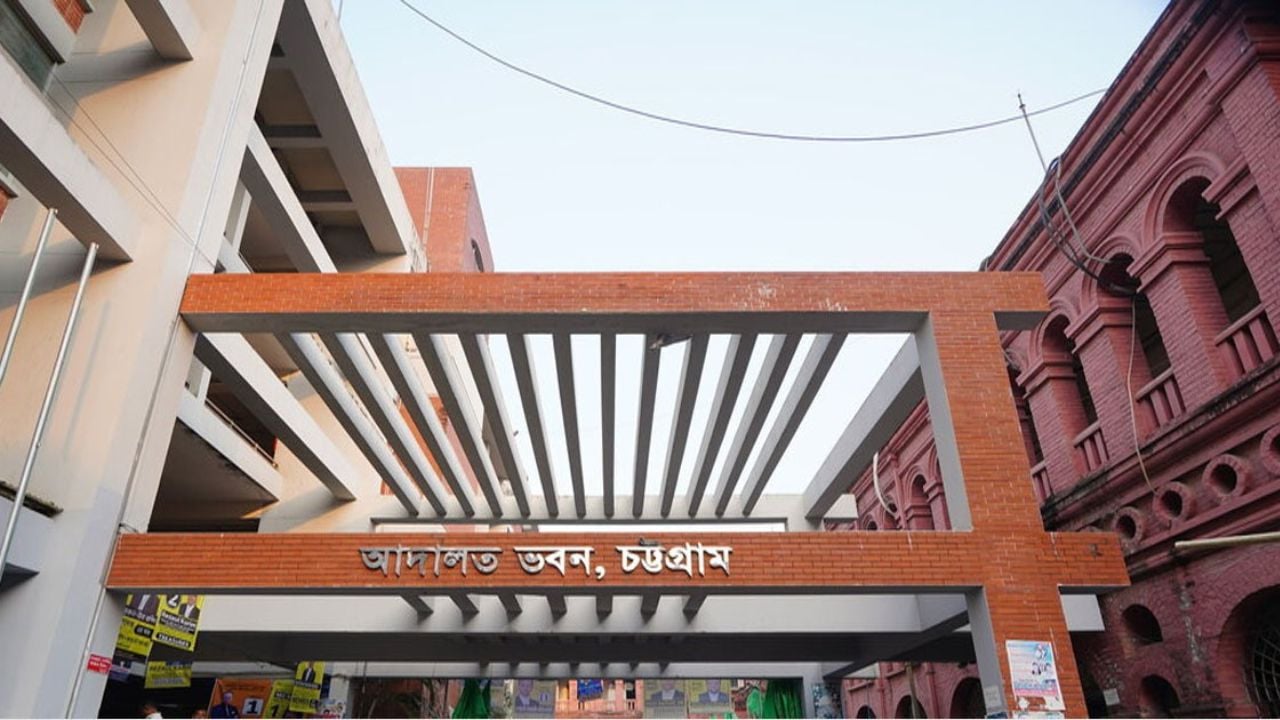
A Chattogram court has sentenced a man to life imprisonment and an additional 17 years of rigorous imprisonment for abducting and sexually assaulting his sister-in-law. The verdict was delivered on Tuesday by Judge S M Zillur Rahman of the Chattogram Women and Children Repression Prevention Tribunal-5. The convict, Fazlul Karim, remains absconding after securing bail, prompting the court to issue arrest and sentence warrants against him. According to the prosecution, the charges were proven beyond doubt through testimonies from five witnesses and other evidence. The court also imposed fines totaling seven lakh taka, with additional six months of imprisonment for non-payment. The case originated from an incident on October 31, 2022, when Karim allegedly abducted his 17-year-old sister-in-law from Khaja Road in Chandgaon under the pretext of buying her snacks. The victim’s father filed a case with Chandgaon Police Station, and police later submitted a charge sheet. The trial began on February 2, 2025, following the framing of charges. After a lengthy judicial process, the tribunal delivered its judgment, concluding the case.
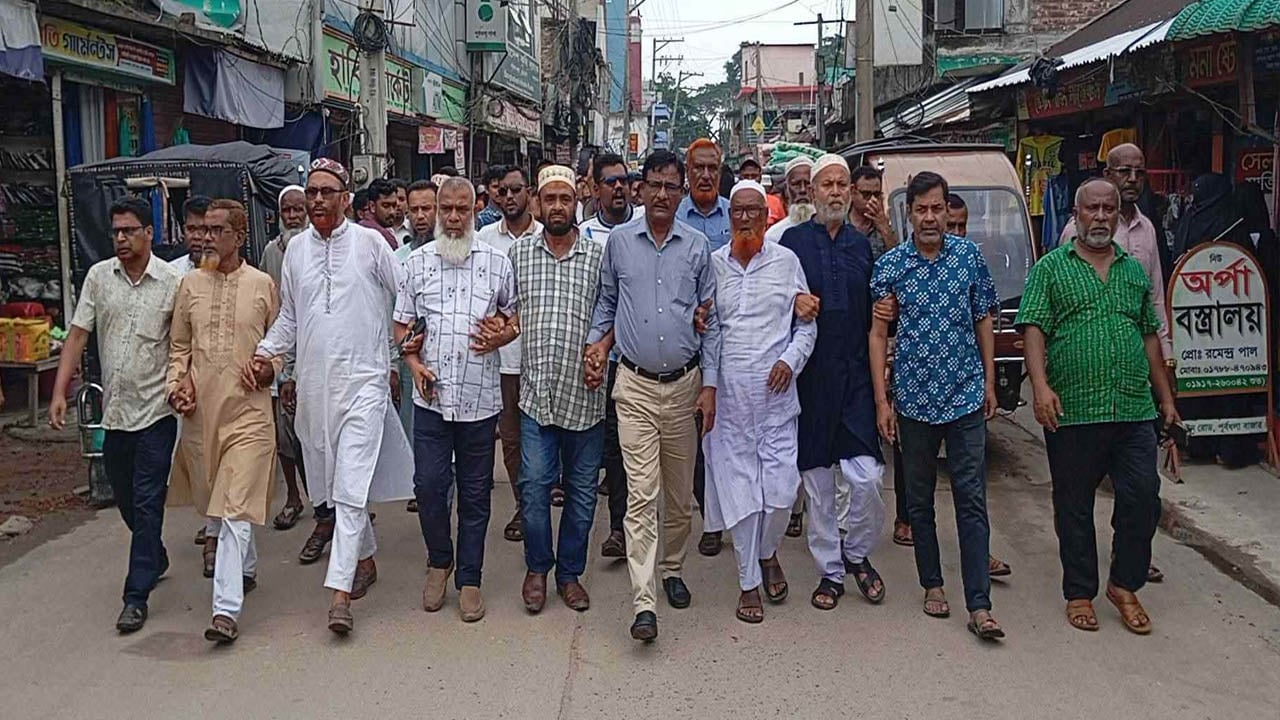
Leaders and activists of the Bangladesh Nationalist Party (BNP) and its affiliated organizations held a protest rally and demonstration in Purbadhala, Netrokona, on Tuesday afternoon. The event was organized to denounce what they described as nationwide unrest and sabotage attempts by the banned Awami League and its associated groups. The rally began in front of the BNP’s local office on Khadya Godam Road and concluded at Jamtala Gorurhata intersection, followed by a brief protest meeting. At the meeting, Abu Taher Talukdar, former convener of the Netrokona district BNP and current convener of the Purbadhala upazila BNP, urged vigilance to prevent any acts of violence or instability. He accused local Chhatra League activists of previously attempting to create unrest through sudden processions and warned that such actions would no longer be tolerated. Other BNP leaders also spoke, calling for unity to maintain peace and stability. Participants pledged to resist any acts of sabotage or violence and called on law enforcement agencies to take necessary measures to uphold public order.
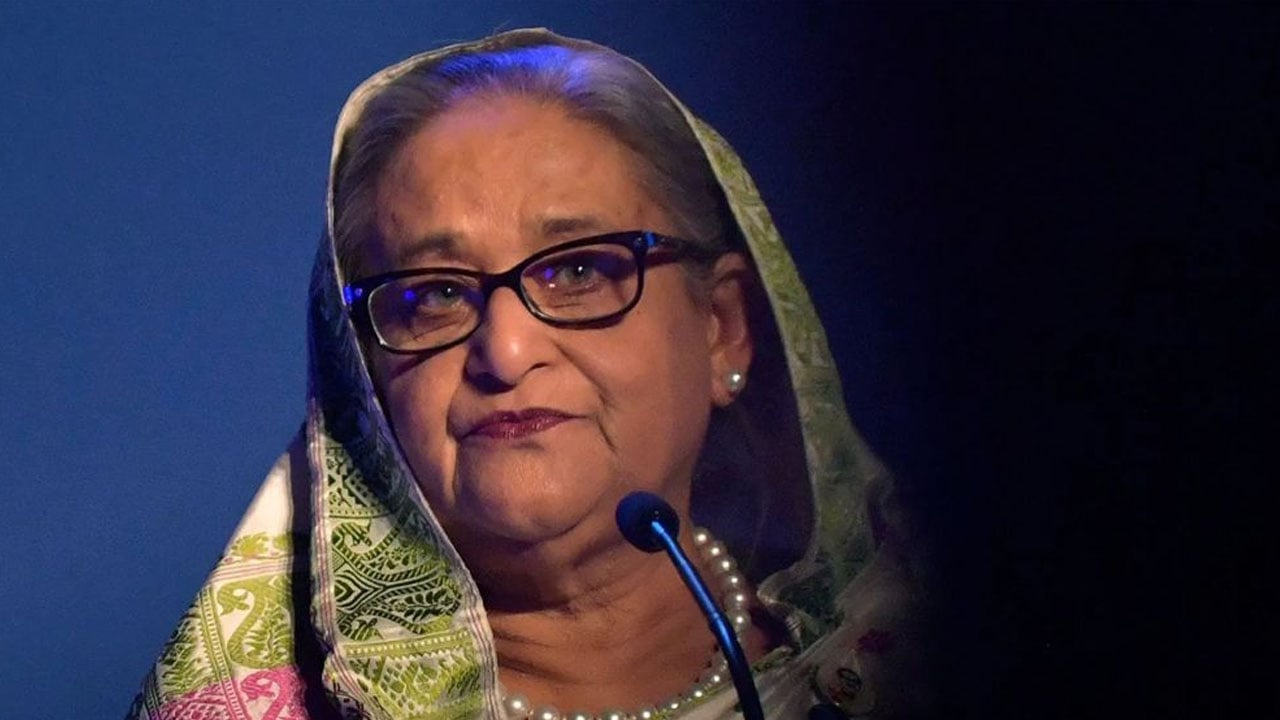
A Dhaka court has fixed September 20 as the new date for submission of the investigation report in a corruption case filed against former Prime Minister Sheikh Hasina and 16 others. The case involves allegations of irregularities, abuse of power, and financial losses to the state in connection with the Meghna-Gomti Bridge toll collection contract. The decision was made on June 23 by Acting Judge Mohammad Alamgir of the Dhaka Metropolitan Senior Special Judge’s Court after the Anti-Corruption Commission (ACC) failed to submit the report within the previous deadline. According to the case details, in 2016, Computer Network Systems (CNS) Limited was awarded the toll collection contract through a direct procurement process, bypassing an ongoing tender and competitive bidding. The company received 17.75 percent of total toll revenue as service charges, amounting to about Tk 489 crore, while previous and subsequent contracts for similar services cost significantly less. Based on comparative data, the ACC alleges that the state incurred a financial loss of approximately Tk 309 crore due to the sole-source contract. The ACC filed the case on October 12 last year under various sections of the Anti-Corruption Act and the Penal Code.
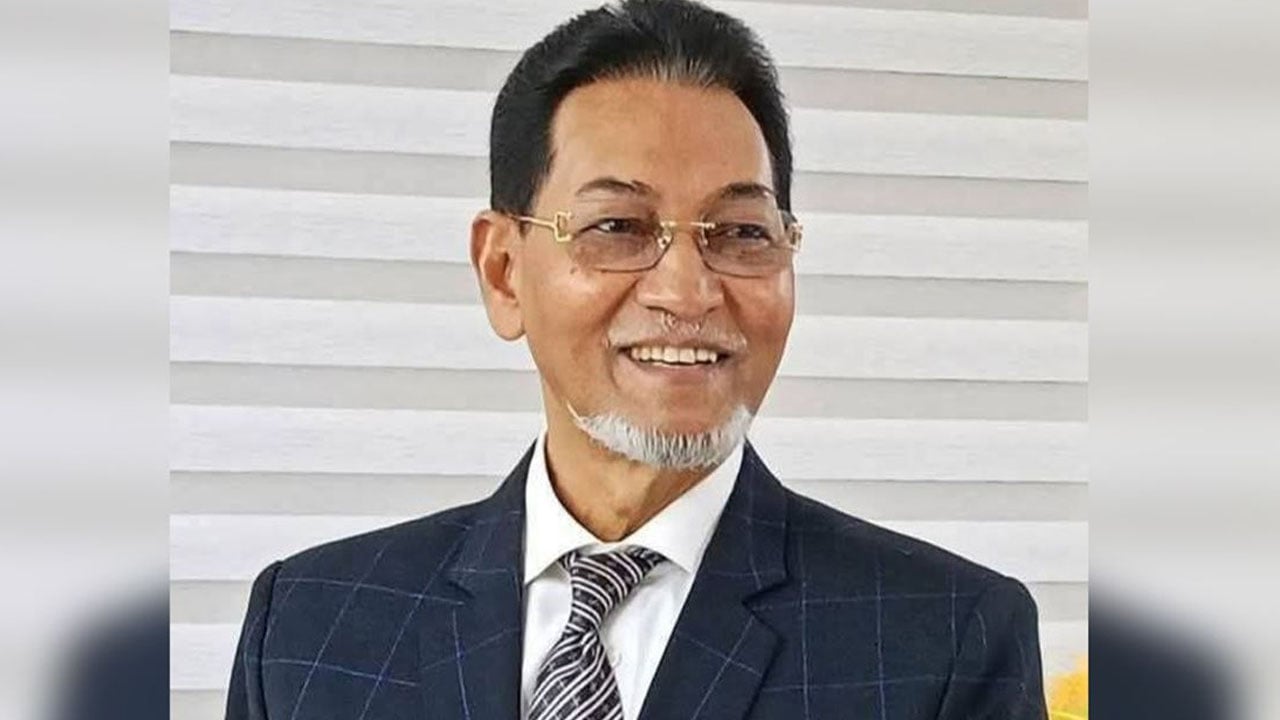
Bangladesh’s Chief Whip Md. Nurul Islam stated that the government’s current budget focuses on addressing the fragile economic situation and reducing public suffering. He made the remarks on Tuesday at a discussion on the 2026–27 fiscal year budget organized by the MBA Association of Bangladesh at the National Press Club in Dhaka. Highlighting instability in the banking sector, he criticized a previous law limiting depositor refunds to one lakh taka if a bank went bankrupt, arguing that such policies had pushed the sector toward collapse. He expressed deep concern over money laundering and inflation, claiming that about 30 lakh crore taka had been laundered abroad, forcing the dollar rate to rise from 82 to 130 taka, which severely burdened ordinary citizens. The Chief Whip urged that the budget be viewed from a humanitarian perspective rather than as mere numbers. He called for unity to alleviate the suffering of marginalized people, recover looted wealth, and rebuild the economy through constructive criticism and necessary reforms.
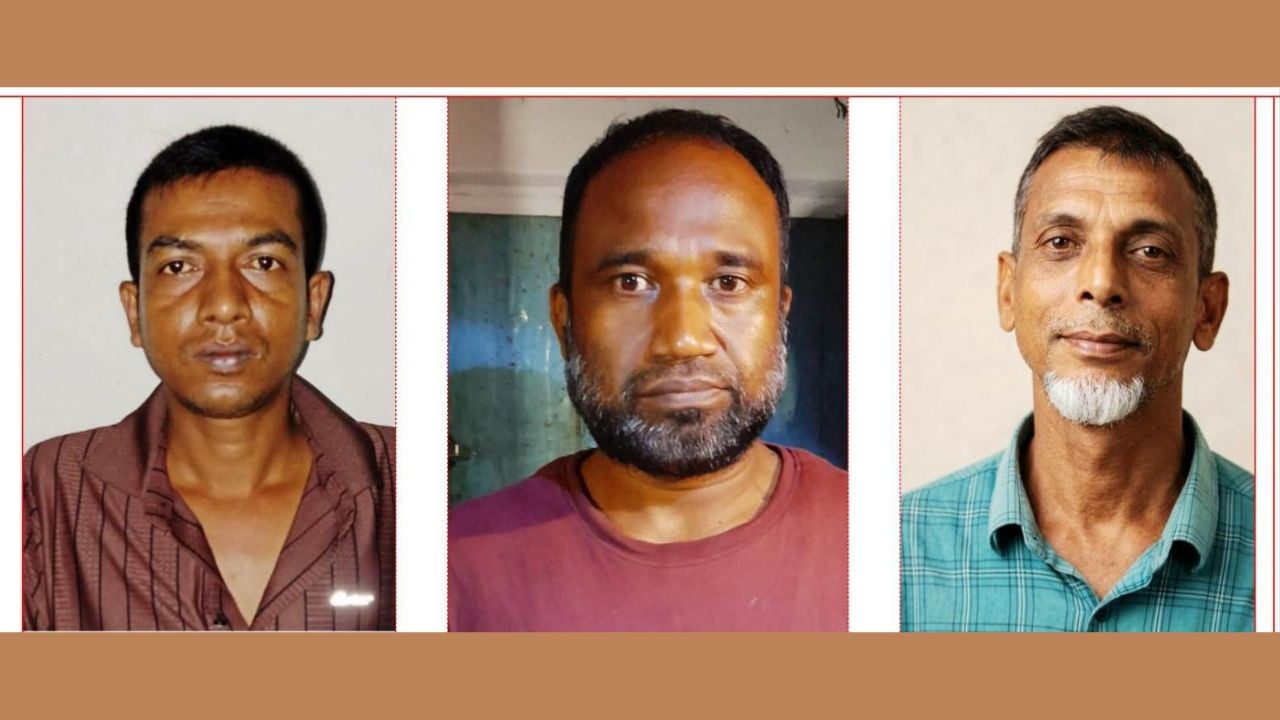
Police in Saghata upazila of Gaibandha have arrested three suspects in connection with the killing of Islami Chhatra Shibir leader Saifullah Bari. The murder case, filed at Saghata Police Station, names six individuals and includes 10 to 15 unidentified persons. The arrested suspects are Ashraf Khondokar, Robiul Islam, and Shah Alam. The arrests were confirmed by Saghata Police Station’s investigation officer Pobitro Kumar on Tuesday evening. According to police, the named accused include former Jubo Dal convener Mokhlesur Rahman Mukul, his brother Palash, Ashraf Khondokar, BNP member Robiul Islam, Monarul Islam, and ward-level BNP member Shah Alam. Police said one suspect was initially detained on the day of the incident, and based on his information, two more were arrested later that night. Efforts to apprehend the remaining suspects are ongoing. The murder occurred on June 21 in the Bonarpara Charmatha area of Saghata, where Saifullah Bari was fatally stabbed allegedly by Mukul, his brother Palash, and Ashraf.
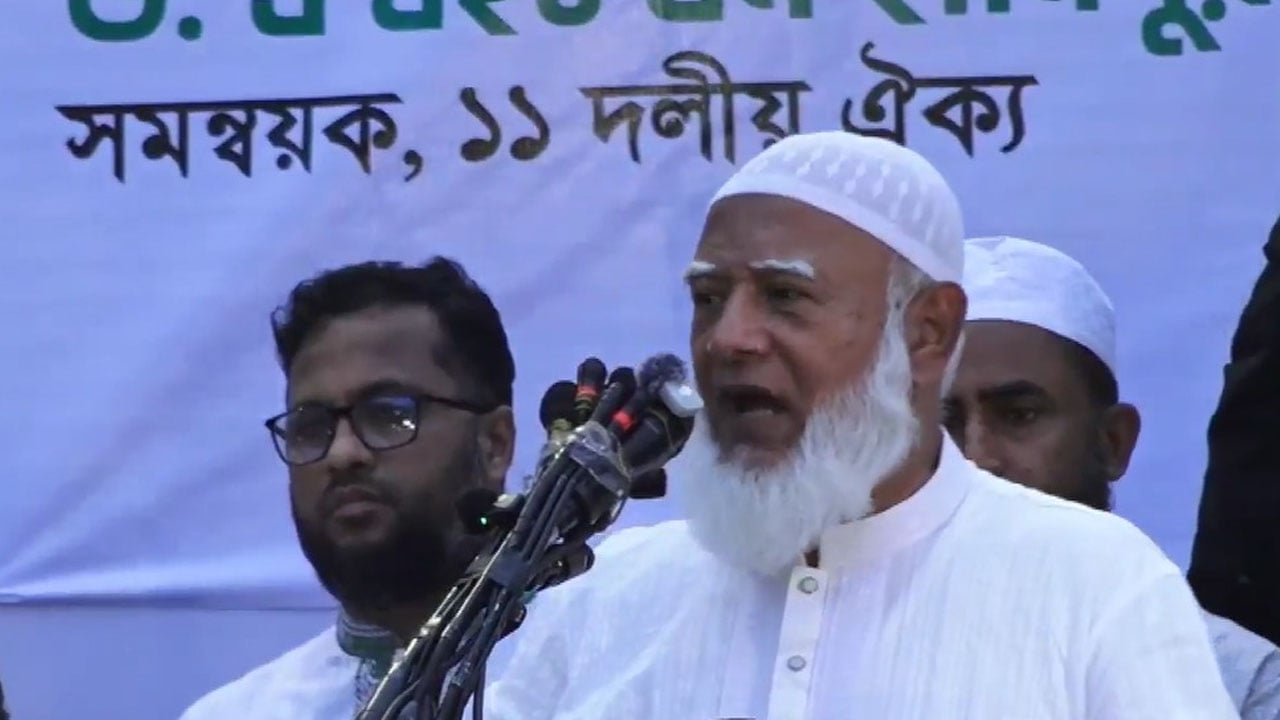
Jamaat-e-Islami Ameer and opposition leader Dr. Shafiqur Rahman has called on the government to ensure justice for past killings and disappearances or to find a way to step down. Speaking as chief guest at a rally organized by the 11-Party Alliance in Bijoynagar, Dhaka, on Tuesday, he accused the ruling authorities of failing to deliver on their promises to investigate crimes committed during the previous regime. The event was held to demand justice for alleged murders and atrocities under what he described as a fascist government. Rahman alleged that despite earlier commitments to end oppression, the current administration has continued violence, claiming that 600 people were killed in the past four months. He criticized the government for political interference in banks, universities, and local administration, warning that the country was again heading toward one-party authoritarian rule. He also cited recent killings of political activists, including a student leader in Gaibandha, as examples of ongoing injustice. Concluding his speech, Rahman urged supporters to prepare for a new revolution to free the nation from corruption and authoritarianism, asserting that Jamaat would not compromise with any form of fascism.
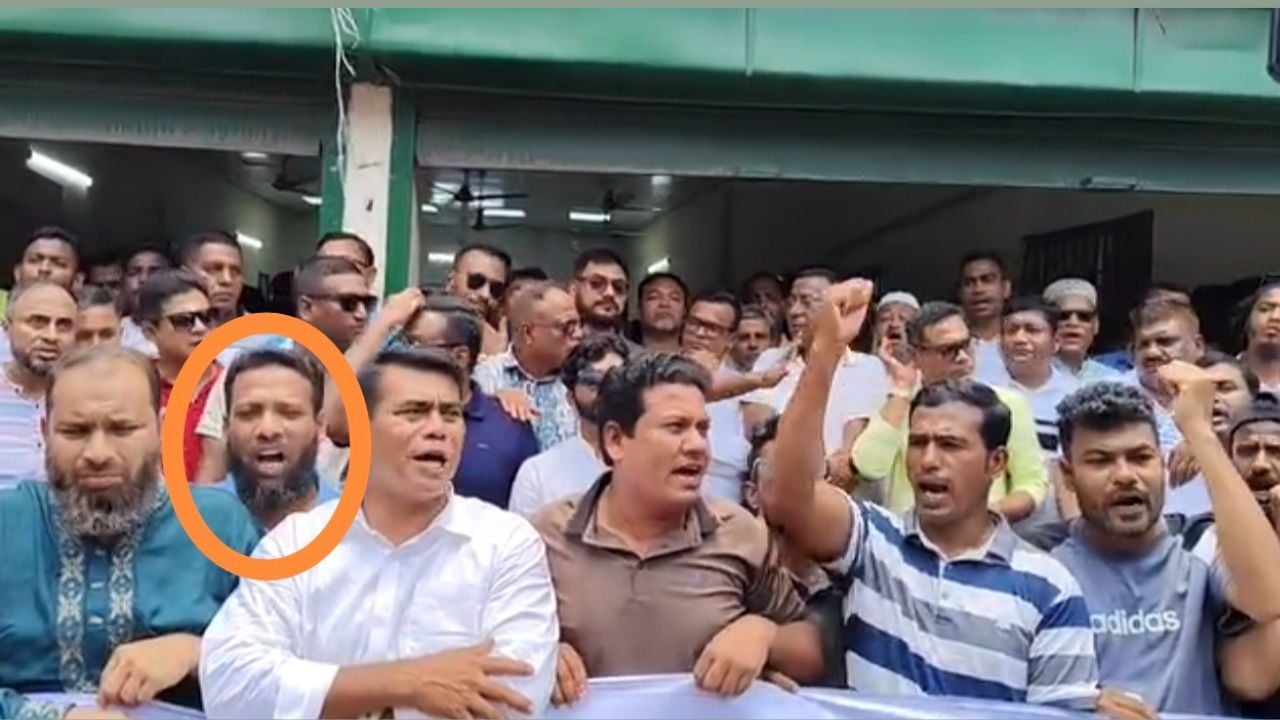
A Comilla University employee, Masud Rana, who works as a plumber in the engineering section, was seen participating in a Jubo Dal protest in Kandirpar, Comilla, on Tuesday afternoon during official working hours without taking any leave. Videos and photos of him leading slogans at the demonstration quickly spread on social media. According to sources, the protest was organized by the Comilla South District Jubo Dal to resist what they described as disorder by the banned Awami League. University officials confirmed that Masud Rana had not applied for leave, and his participation in political activities during office hours drew negative reactions from many within the institution. Acting Registrar Nurul Karim Chowdhury stated that no government employee is allowed to join a rally during office hours and that the matter would be investigated and reported to higher authorities if proven. The university’s Pro-Vice Chancellor, Professor Dr. Masuda Kamal, reiterated that employees cannot take part in demonstrations during work time.
The ‘1 Nojor’ media platform is now live in beta, inviting users to explore and provide feedback as we continue to refine the experience.