

The ‘1 Nojor’ media platform is now live in beta, inviting users to explore and provide feedback as we continue to refine the experience.
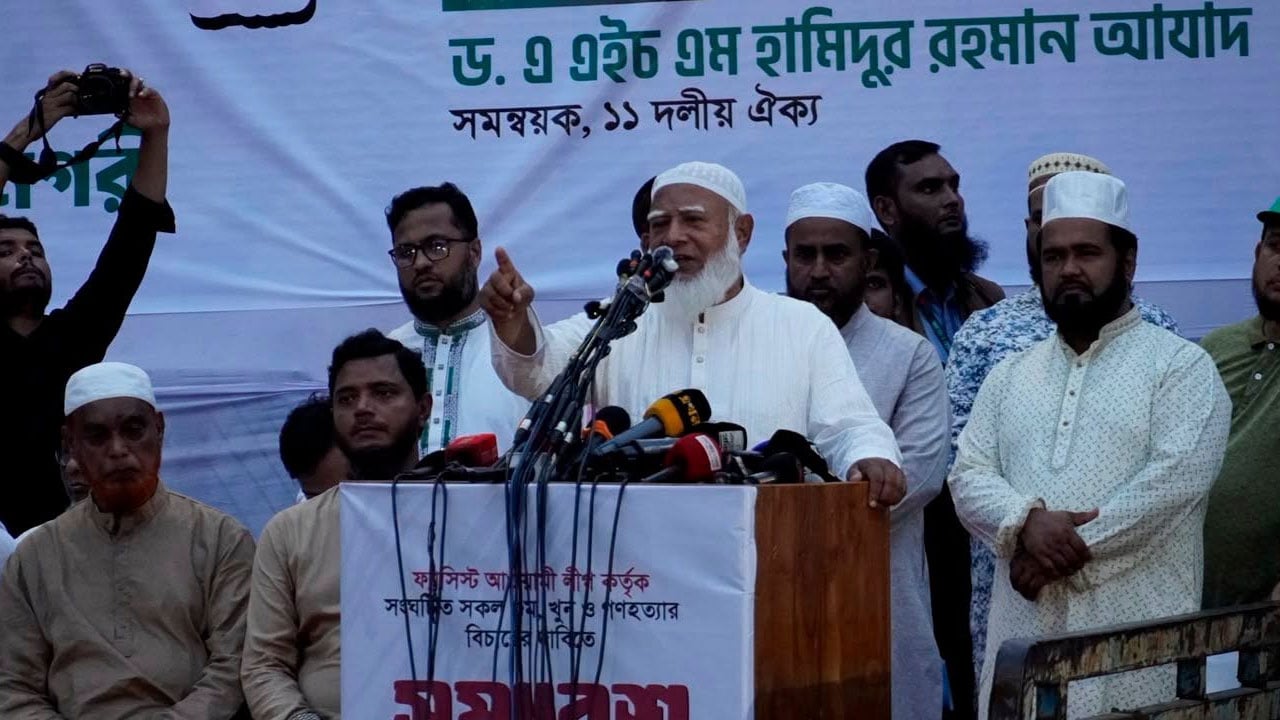
Opposition leader and Jamaat-e-Islami chief Dr. Shafiqur Rahman has alleged that efforts are underway to suppress justice in the murder case of Sharif Osman Hadi, describing him as a symbol of revolution. Speaking as the chief guest at a rally organized by the 11-Party Alliance in Bijoynagar, Dhaka, on Tuesday, he said that the charge sheet in the case has not yet been filed and questioned whose interests were being protected by the delay. The rally was held to demand justice for all enforced disappearances, killings, and massacres allegedly committed during the rule of what he termed the “fascist Awami government.” Dr. Rahman criticized the current ruling party, saying that despite earlier promises to investigate past political violence, it has failed to deliver justice and that around 600 people have been killed in the past four months. He also accused the ruling party of killing its own activists. Dr. Rahman vowed that his party would not retreat from the struggle and called on supporters to protect the country’s independence and sovereignty with unity and faith.
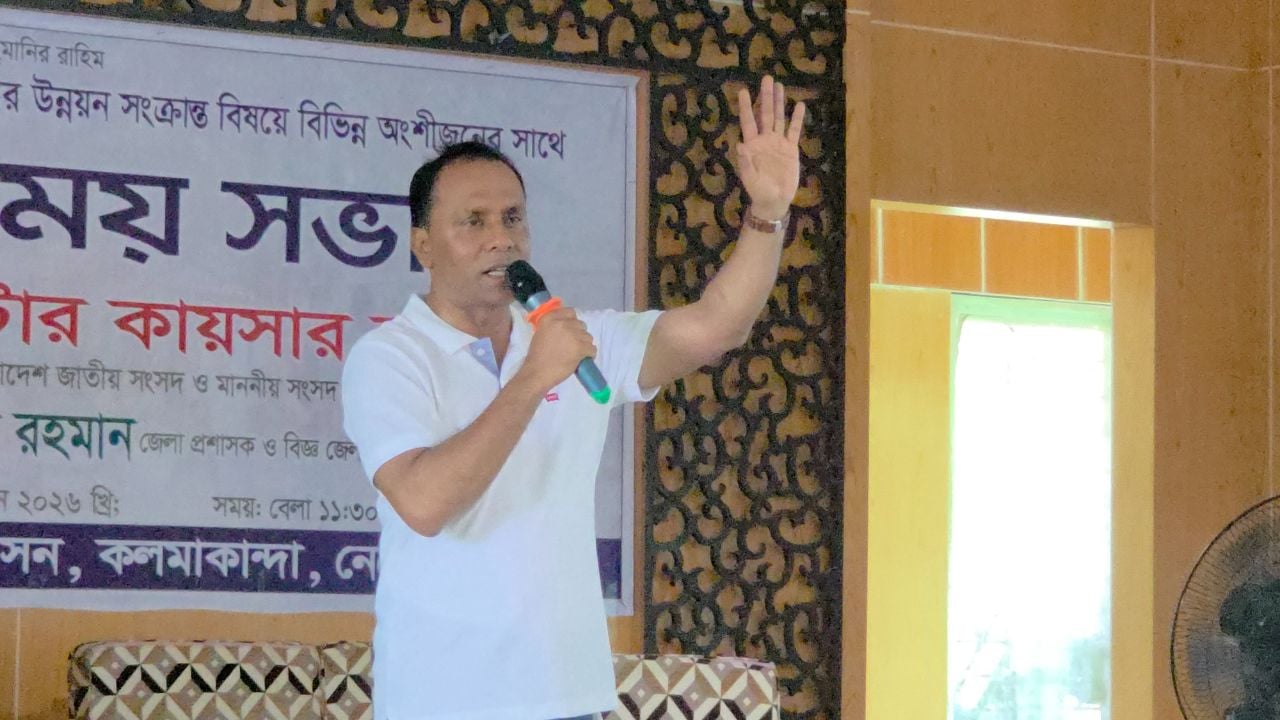
Deputy Speaker and Netrokona-1 MP Barrister Kaiser Kamal called for unity beyond political differences to ensure the development of Kalmakanda. Speaking as chief guest at a views-exchange meeting organized by the upazila administration on Tuesday afternoon, he emphasized that all parties must work together for progress. He highlighted plans for a bypass and highway around Kalmakanda Sadar to ease traffic congestion, boost trade, and improve agricultural transport, which he said would invigorate the local economy. Kamal also discussed long-term goals to transform Kalmakanda into a modern and planned township, including the potential establishment of a municipality to enhance drainage, waste management, and civic services. He stressed education and sports as tools to keep youth away from drugs and crime, announcing initiatives for a sports stadium, training center, and a technical or engineering college. He urged contractors and engineers to maintain quality in all development projects funded by public money. The meeting was chaired by Netrokona Deputy Commissioner Khandaker Mushfiqur Rahman and attended by representatives from various political, social, and religious groups.
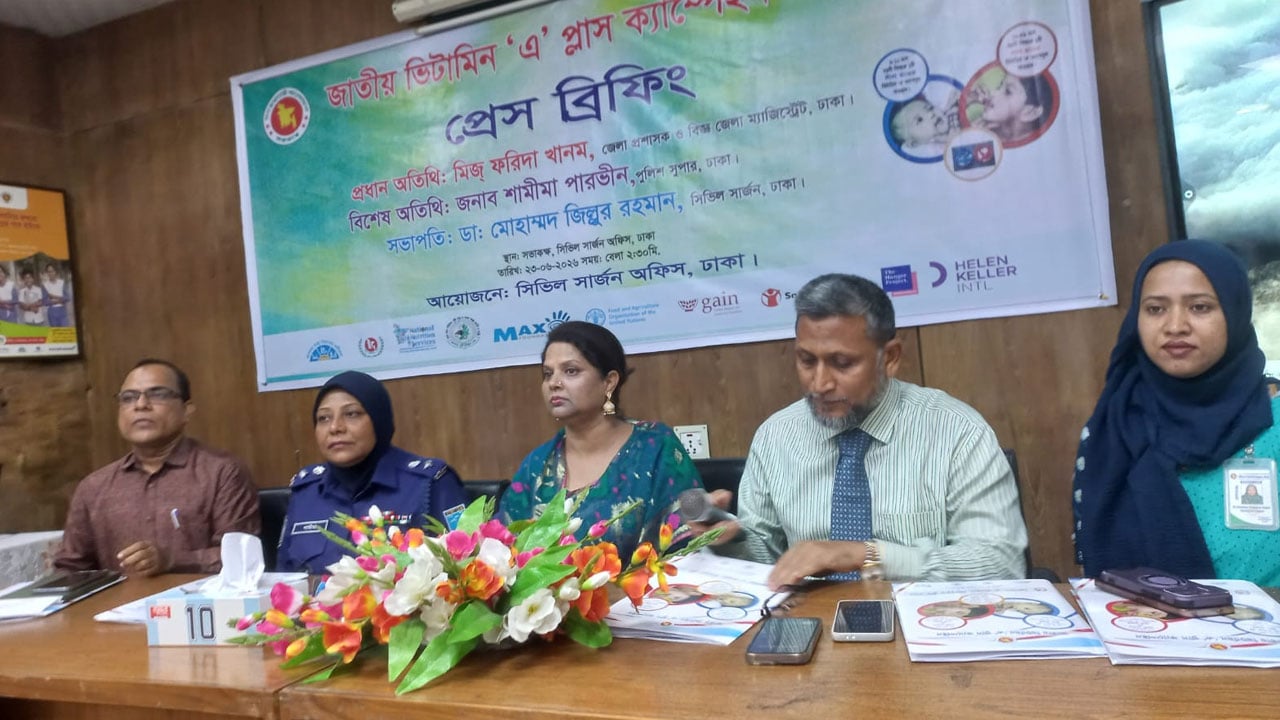
Dhaka district authorities have set a target to administer Vitamin A capsules to 553,799 children under the National Vitamin A Plus Campaign 2026. The campaign will be held on June 28 across the country, including Dhaka, from 8 a.m. to 4 p.m. without interruption. Civil Surgeon Dr. Mohammad Zillur Rahman announced the plan at a press briefing attended by Dhaka Deputy Commissioner Farida Khanam and Superintendent of Police Shamima Parvin. According to the briefing, 74,117 children aged 6–11 months will receive blue capsules containing 100,000 IU, while 478,682 children aged 12–59 months will receive red capsules containing 200,000 IU. A total of 1,743 centers, including 1,618 outreach and 125 mobile centers, will operate across the district, supported by 3,486 volunteers and 292 government staff. The Civil Surgeon emphasized Vitamin A’s role in child growth, immunity, and disease prevention, assuring that the government-supplied capsules meet international safety standards. Deputy Commissioner Farida Khanam urged collective participation to ensure no child is left out, highlighting the importance of child nutrition for building a healthy and capable future generation.
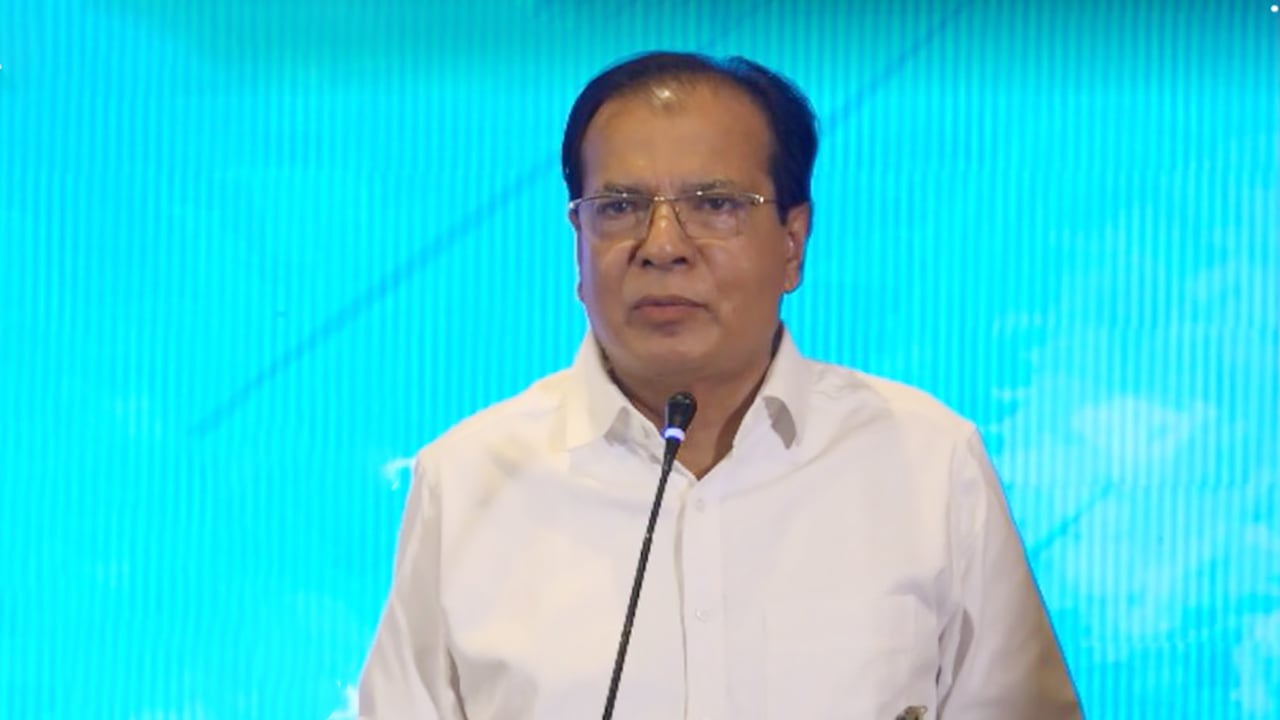
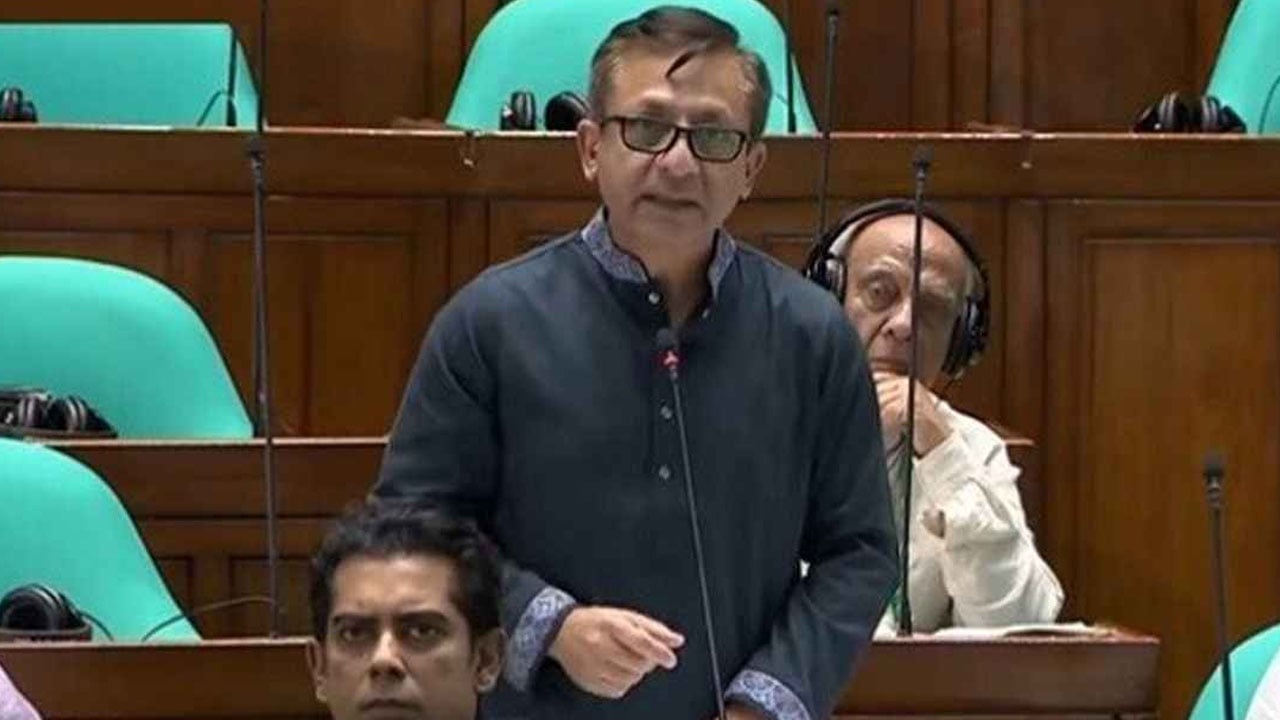
Disaster Management and Relief Minister Asadul Habib Dulu told parliament that a total of 445 safe shelters have been identified in Dhaka as part of earthquake and urban disaster preparedness efforts. The list includes 256 shelters under Dhaka South City Corporation and 189 under Dhaka North City Corporation. A formal proposal has been sent to the Prime Minister’s Office to officially declare these sites as earthquake shelters. Responding to a question from Gopalganj-1 MP Selimuzzaman Mollah, the minister said a coordinated volunteer database is being developed to keep 100,000 volunteers ready in Dhaka and nearby areas. He added that monitoring and rapid dissemination of earthquake and tsunami information have been strengthened through coordination among the Meteorological Department, Geological Survey, and other relevant agencies. The minister emphasized that, given Bangladesh’s proximity to earthquake and tsunami-prone zones, the government is prioritizing preparedness and risk reduction measures, including adherence to the Bangladesh National Building Code for earthquake-resistant infrastructure.
A prominent Islamic scholar, Maulana Qari Md. Abu Raihan, was allegedly beaten and seriously injured in a boundary dispute in Kalibajail village under Deokhola Union of Fulbaria upazila, Mymensingh. The incident occurred on Sunday morning when a long-standing land boundary disagreement between neighbors escalated into violence. According to the complaint, neighbor Mosharraf Hossain attacked Abu Raihan with an iron rod, leaving him critically injured. He was first taken to Mymensingh Medical College Hospital and later referred to Dhaka for advanced treatment. The victim, aged 64, is a senior teacher at Lalbari Madrasa in Dhaka and the son of late Maulana Shohrab Ali. His elder brother, Abu Sayeed, reported that the family has been facing threats and feels unsafe since the attack. Abu Raihan’s son, Kawsar Jamil, filed a written complaint with Fulbaria Police Station naming four accused. Police visited the scene on Tuesday and confirmed that legal action is underway, with efforts ongoing to arrest the suspects.
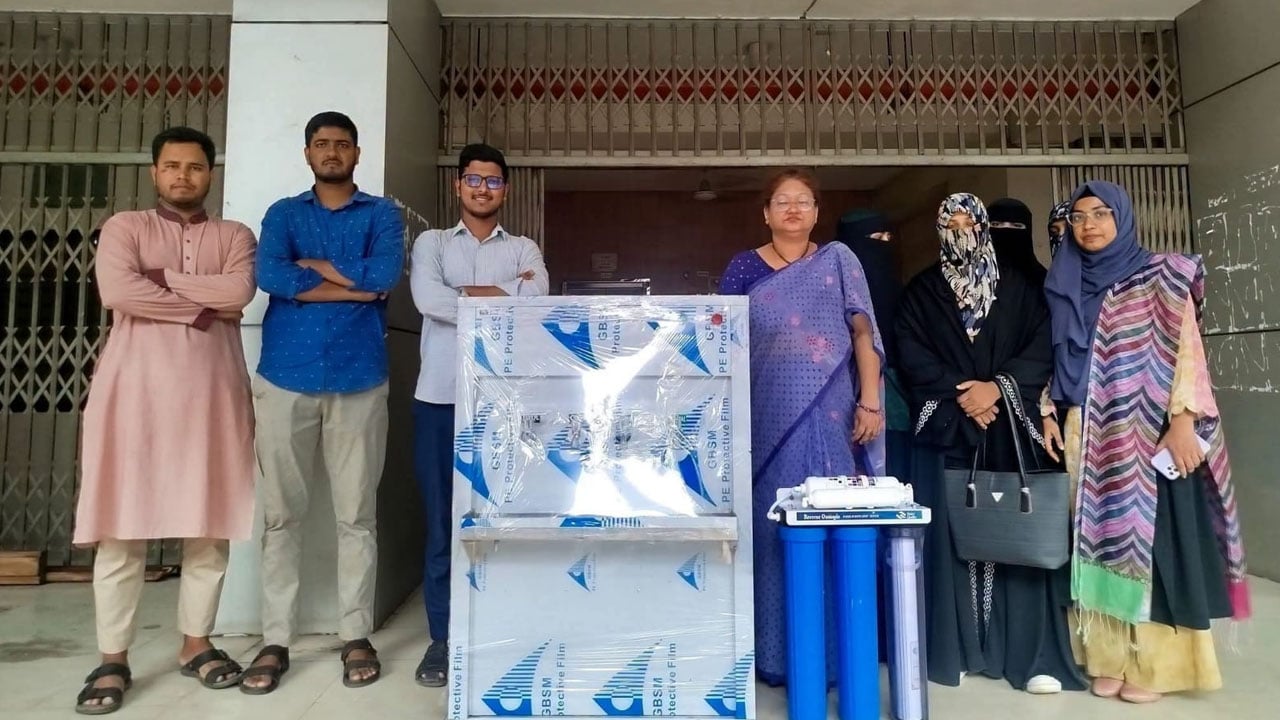
The Jagannath University Central Students’ Union (JAKSU) has handed over a high-capacity cold water filter to the university’s only female dormitory, Nawab Faizunnesa Chowdhurani Hall. The handover took place on Tuesday in the presence of the hall administration and student representatives. The initiative was taken in response to long-standing student demands for access to safe and cold drinking water. JAKSU Vice President Md. Riazul Islam said the initiative came amid intense heat across Bangladesh and overcrowding in the dormitory, which houses about 1,200 students despite having only 600 seats. He noted that the university administration should ideally ensure such facilities but has not done so, prompting the student body to act independently. He urged the administration to address broader water supply issues on campus. The hall provost, Professor Dr. Anjuman Ara of the Physics Department, and JAKSU leaders were present during the handover ceremony.
Sylhet Metropolitan Police conducted a 32-hour special operation aimed at maintaining law and order, controlling crime, and ensuring public safety in the city. During the drive, 63 individuals were arrested for involvement in various offenses, including four activists of the Chhatra League. The arrests took place over two phases: 36 people were detained in the first 24 hours, and another 27 were arrested in the following eight hours. According to police, those arrested include suspects in regular cases, individuals accused in illegal procession cases, warrant-holders, drug users and dealers, smugglers, and others charged under the metropolitan ordinance. Authorities also recovered illegal goods such as 1,400 pieces of KitKat chocolate, 24 kilograms and six packets of cannabis, and 10 sacks of cumin. In a separate traffic operation, legal action was taken against 151 vehicles, with 77 cases filed and 74 vehicles seized. Police stated that legal procedures are being completed before presenting the detainees to the court.

Bangladesh’s trade deficit for the 2024–2025 fiscal year reached 24.168 billion US dollars, according to Commerce Minister Khandaker Abdul Muktadir. He presented the figures in parliament on Tuesday, noting that export earnings totaled 55,191.24 million dollars while imports stood at 79,359.24 million dollars. The largest deficit was with China at 17,868 million dollars, followed by India at 7,859.87 million dollars. Other major deficits were recorded with Indonesia, Singapore, Brazil, Qatar, and Malaysia. The minister said Bangladesh remains heavily dependent on the ready-made garment sector, which accounts for 84 percent of total export income. To reduce reliance on a single product, the government has extended bond facilities to exporters in eight additional sectors, including leather, jute, agriculture, pharmaceuticals, ICT, light engineering, frozen food, and plastics. The National Board of Revenue has issued the necessary orders to support this diversification. He added that Bangladesh is pursuing free trade agreements and GSP Plus benefits with the European Union, China, and India to mitigate potential tariff challenges after graduating from least developed country status in 2026.
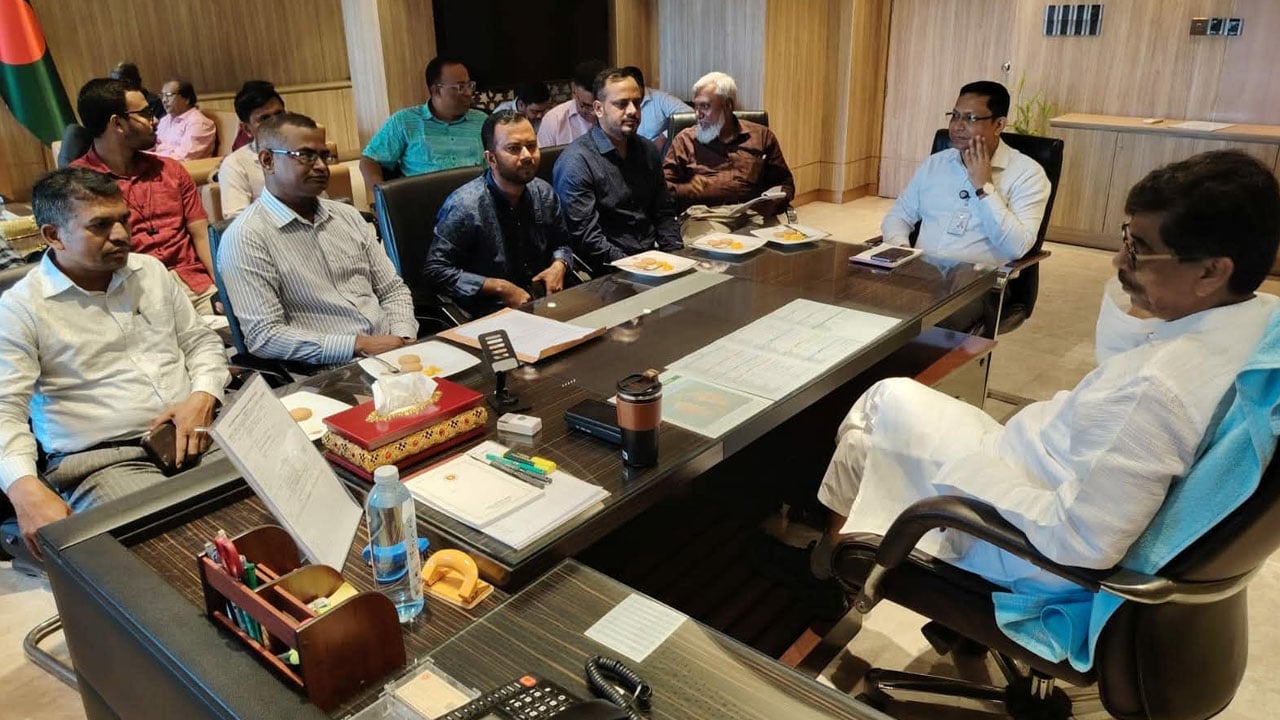
Members of the newly formed committee of the Fisheries and Livestock Journalists Forum (FLJF) met with Fisheries, Livestock and Agriculture Minister Mohammad Aminur Rashid on Tuesday at the minister’s office in the Secretariat. The meeting was attended by the minister’s private secretary Pankaj Barua, senior information officer Md. Mamun Hasan, and assistant private secretary Md. Aminul Islam. During the meeting, FLJF president Tarikul Islam Suman and general secretary Zahidur Rahman presented several proposals focused on development and sustainable management in the fisheries and livestock sectors. The minister listened attentively and urged journalists to highlight not only positive but also negative aspects of the sector. Other FLJF office bearers and members, including vice president Mohammad Naimuddin, joint general secretary Bayezid Munshi, treasurer Shahjahan Molla, and several executive members, were also present at the meeting.
All India Majlis-e-Ittehadul Muslimeen (AIMIM) president and Hyderabad MP Asaduddin Owaisi has called for the direct intervention of India’s Home Minister Amit Shah to halt the demolition and removal of Muslim religious structures in Rajasthan’s border districts. In a message posted on social media platform X on June 21, Owaisi alleged that local administrations in several border districts were deliberately targeting mosques, madrasas, and dargahs for demolition. Citing information from AIMIM’s Bikaner district president Shafi Jamil Qasmi, Owaisi stated that four mosques and dargahs in Bikaner and nine more in Phalodi, Jaisalmer, and Barmer had already been demolished. He also claimed that eviction notices had been issued against more than a hundred other religious sites. According to Owaisi, the authorities justified the operations on national security grounds, first alleging that the structures were built on grazing land and later citing approval and documentation issues. Owaisi described the demolitions as discriminatory and unlawful, urging Amit Shah to take immediate action to stop them. As of now, neither the Rajasthan state government nor the Union Home Ministry has issued an official response.
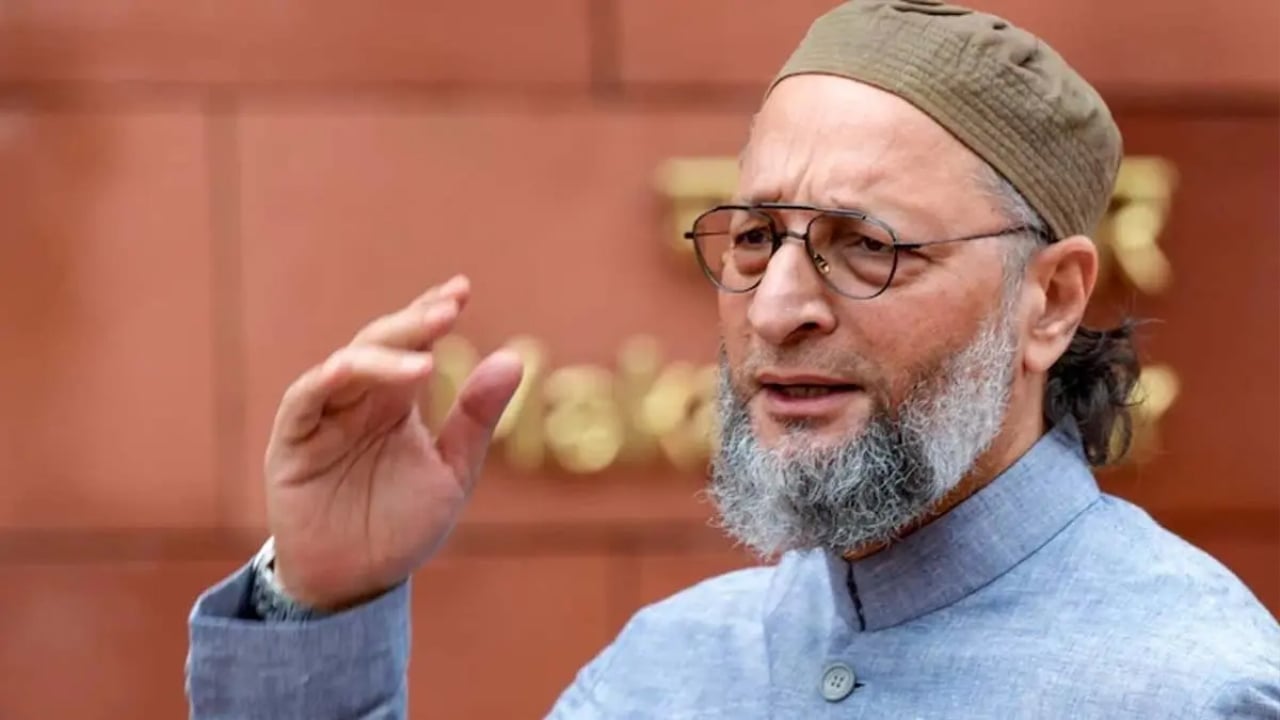
Commerce Minister Khandaker Abdul Muktadir informed the National Parliament that the National Security Intelligence Directorate has identified 31 tea estates as high-risk due to labor unrest over unpaid wages. He made the statement on Tuesday in response to a question from BNP lawmaker Selina Sultana during a session chaired by Speaker Hafiz Uddin Ahmed. The report, dated May 18, 2025, highlighted wage disputes and management disorder following some owners abandoning their estates in August 2024. The minister said that although there is no current policy for identifying sick tea gardens, the Bangladesh Tea Board has taken several measures to address wage arrears and restore normal operations. Two committees were formed to reopen the closed Burjan and Phultola estates, and financial aid was provided from the Tea Board’s welfare fund. Both gardens are now operating normally. He added that the government arranged special exports of unsold tea from 12 National Tea Company estates to pay workers’ dues and continues to ensure rations, healthcare, housing, and other welfare benefits for tea workers. A family card program is also being introduced to improve living standards.
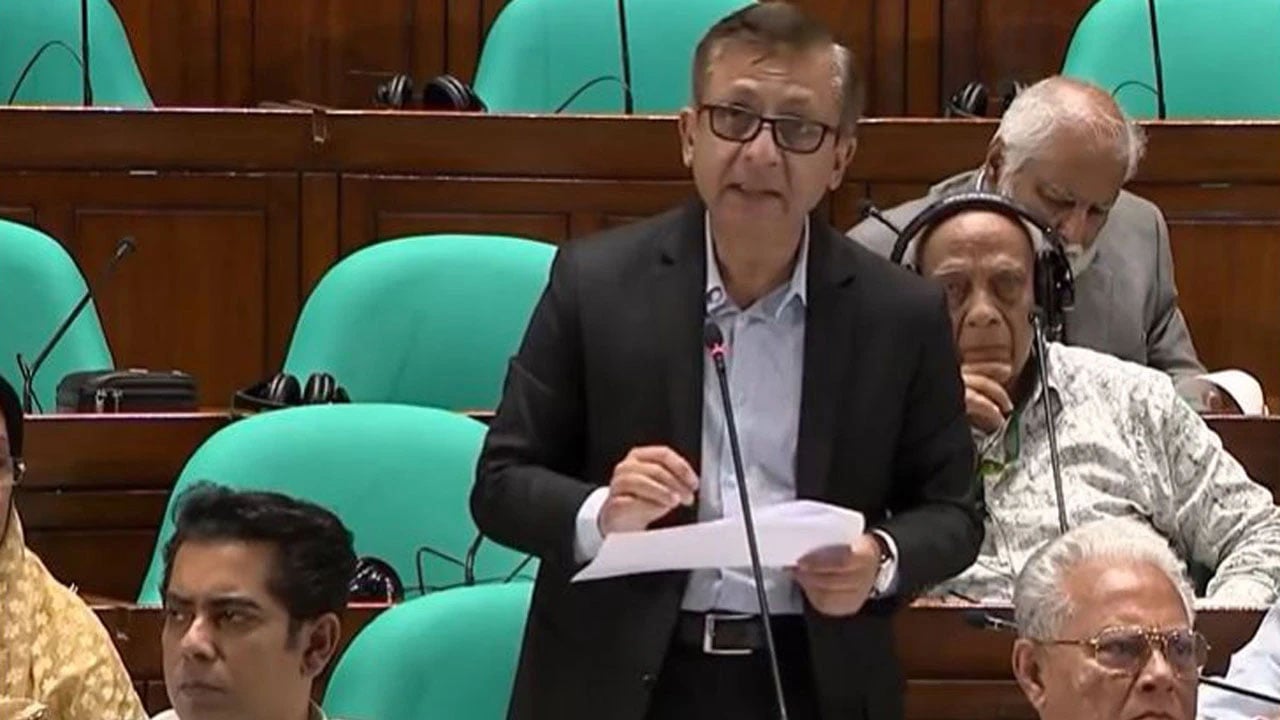
A Cumilla court has ordered the return of expelled Islami Chhatra Shibir central leader Jisan Mia to jail after completing a two-day remand in a case filed over rape and forced abortion allegations. The order was issued on Tuesday afternoon by Chief Judicial Magistrate Amli Court-3 Judge Taiyab Uddin Ahmed. The matter was confirmed by Detective Branch Officer-in-Charge Shamsul Alam Shah, who said Jisan was produced before the court following the remand. According to police, Jisan was arrested after being found unconscious near Laksam Railway Junction on June 12. That night, a woman filed a case naming Jisan as the prime accused and three others for assisting in the alleged rape. Earlier, the court had rejected Jisan’s bail plea and sent him to jail. On Sunday, police sought an eight-day remand, but the court granted two days. Jisan Mia is the central assistant international secretary of Islami Chhatra Shibir and former president of the organization’s Cumilla West unit. The other three accused in the case are Sekandar Ali, Golam Rabbani, and Sajib Hasan.
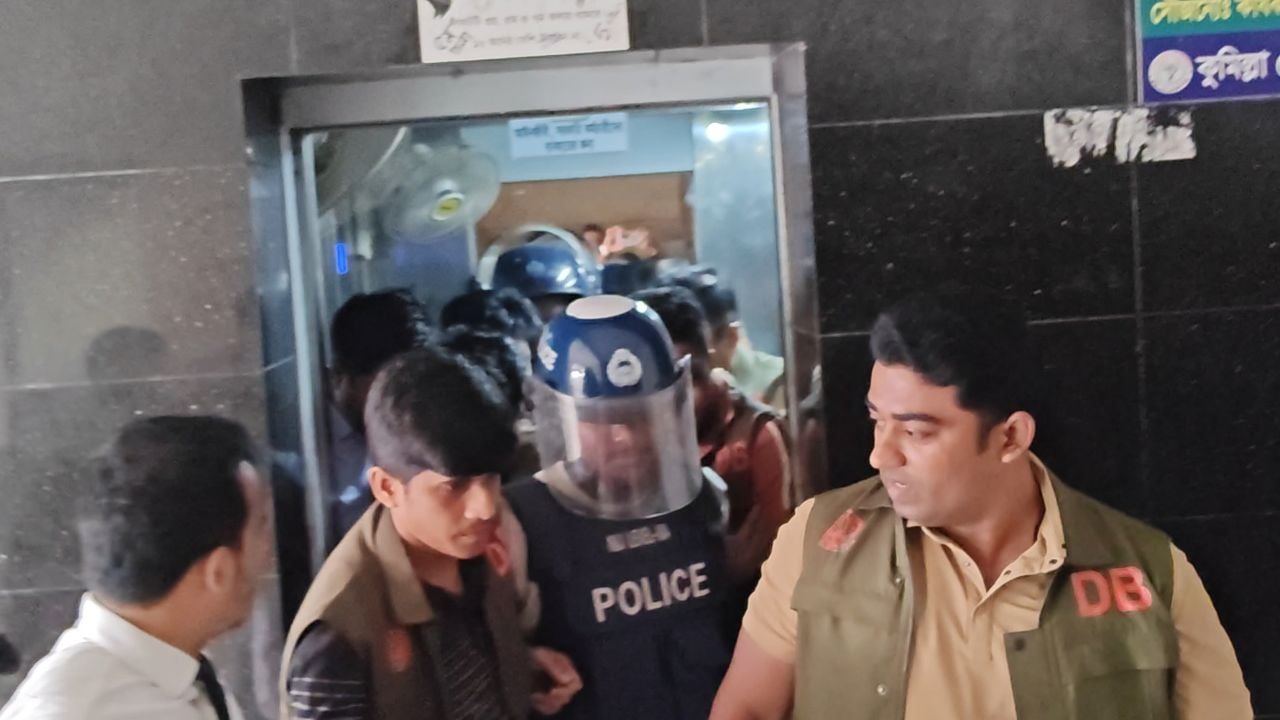
A Dhaka court has ordered a four-day remand for lawyer Shafik Nazrul in a cybercrime case involving alleged fraud through Facebook advertisements using photos of Jaima Rahman, daughter of Prime Minister Tarique Rahman, and Adiba, daughter of the Attorney General. The order was issued on Tuesday by Metropolitan Magistrate Ariful Islam. The case was filed by Khurshid Alam under the Cyber Security Act, accusing Nazrul of deceiving bar council examinees through a Facebook page named 'LAW DOCTOR'. According to the case details, Nazrul allegedly used the images to claim close ties with influential figures and promised to help candidates pass the bar council exam in exchange for money. One victim reportedly paid over four lakh taka after being promised guaranteed success but failed the June 12 exam, exposing the fraud. Police sought seven days of remand to recover the embezzled funds and identify other members of the fraud group, but the court granted four days. In a separate case filed by the Bangladesh Bar Council, Nazrul was also shown arrested for allegedly spreading false information about the bar exam through a coaching center in Sher-e-Bangla Nagar.
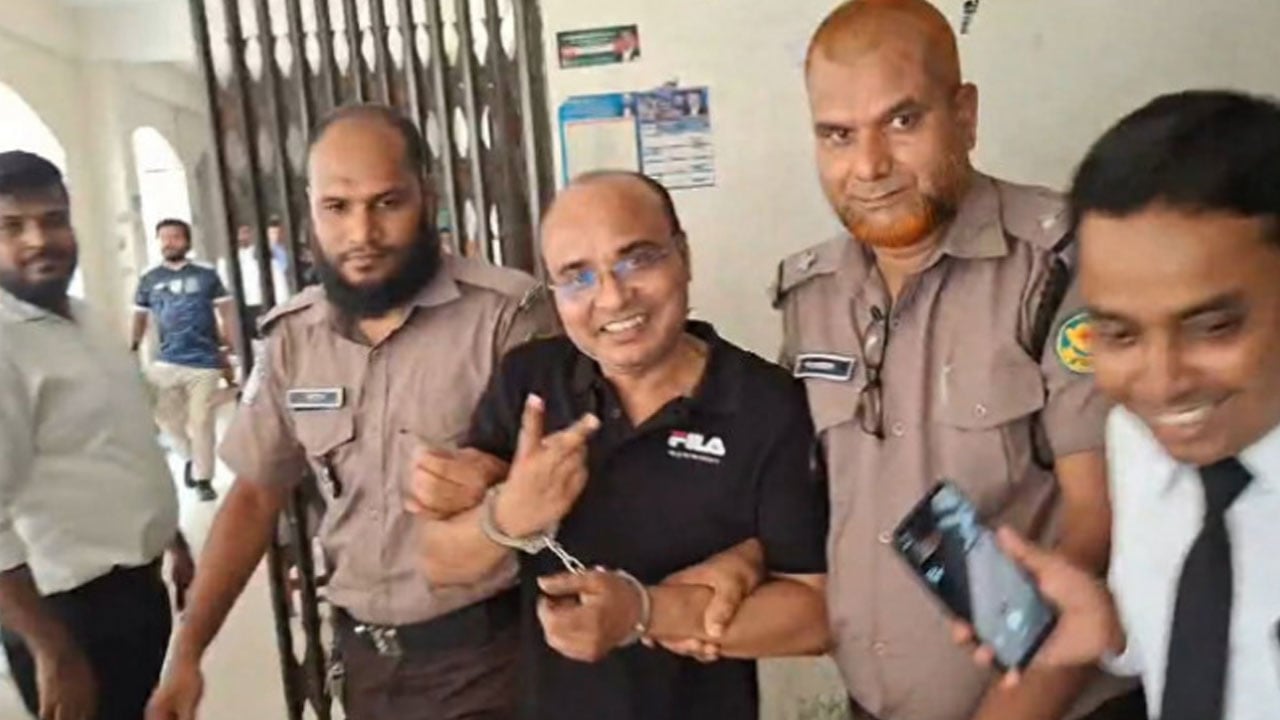
India’s Ministry of External Affairs has issued an official explanation regarding the recent visit of Zahedur Rahman, information adviser to Bangladesh Prime Minister Tarique Rahman, amid public discussion over the trip. Ministry spokesperson Randhir Jaiswal said Rahman entered Delhi using a private passport and a SAARC visa, stating that he came to attend a conference. After necessary verification, Indian authorities allowed him entry, but he later decided to return to Bangladesh without attending the event. According to the report, Rahman arrived in Delhi on Sunday to join an international conference but faced a lengthy immigration inquiry at the airport, which drew attention in both countries. He currently serves as adviser on policy and strategy, information and broadcasting, and cultural affairs, holding a rank equivalent to a state minister. The Bangladesh High Commission and other parties helped secure his entry clearance. Following the incident, Bangladesh’s Ministry of Foreign Affairs summoned India’s acting high commissioner in Dhaka and handed over a formal note of protest.
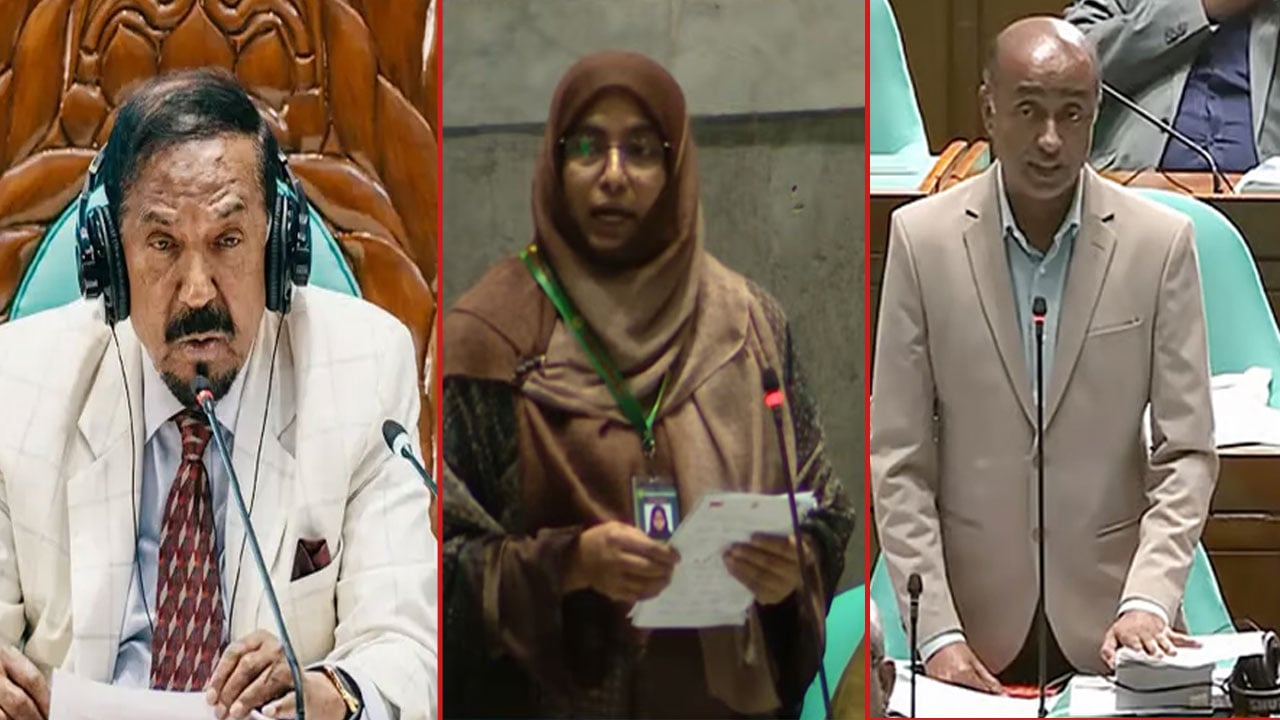
Speaker of the National Parliament Hafiz Uddin Ahmed on Tuesday advised Law Minister Asaduzzaman to be mindful in his remarks, noting that the person he was addressing is a martyr’s mother. The exchange took place during a session of the 13th National Parliament. Rokeya Begum, a female Member of Parliament and mother of July uprising martyr Jabir Ibrahim, spoke during the general discussion on the proposed 2026–27 national budget. She demanded budget allocation for the July Smriti Foundation, stating that its workers have not received salaries or allowances for three months. Rokeya Begum also said that while legal protection has been provided to the July fighters, they are not receiving political protection. The Speaker’s intervention highlighted the sensitivity of the discussion, as it involved a family member of a national martyr raising concerns about budgetary and political recognition for those linked to the July uprising.
The ‘1 Nojor’ media platform is now live in beta, inviting users to explore and provide feedback as we continue to refine the experience.