

The ‘1 Nojor’ media platform is now live in beta, inviting users to explore and provide feedback as we continue to refine the experience.
A second group of 32 Bangladeshi nationals has returned from Iran, facilitated by the Bangladesh Embassy. They traveled from Tehran to Mashhad by road and flew to Dhaka via Sharjah on July 8. The repatriation comes amid regional tensions following the Israel-Iran conflict. The Foreign Ministry noted that about 2,500 Bangladeshis are currently in Iran, including students, embassy staff, patients, and others, with nearly 300 considered at higher risk due to security and health concerns.
US President Donald Trump announced new high tariffs on imports from 14 countries, effective August 1. Bangladesh faces a 35% tariff, while South Korea and Japan will have a 25% tariff. Other countries like Myanmar, Laos, South Africa, and Indonesia face tariffs ranging from 25% to 40%. This move escalates the ongoing trade tensions and follows reciprocal tariffs introduced earlier this year. The White House has sent official letters to affected countries, with possible future expansions.
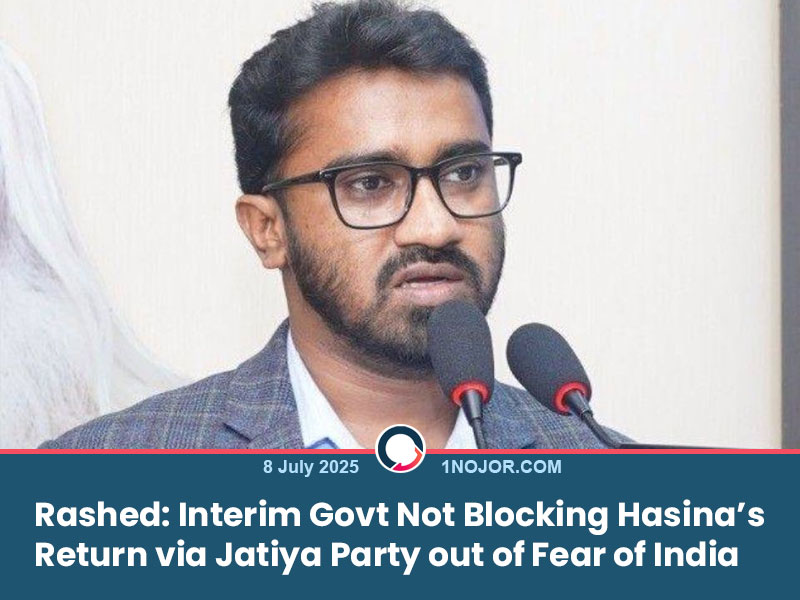
Gano Adhikar Parishad General Secretary Rashed Khan has alleged that efforts are underway to restore the Awami League to power through a revamped Jatiya Party, under the leadership of its new Secretary General, Barrister Shamim Haider Patwary. He claimed that after earlier attempts involving figures like Saber Hossain Chowdhury and Mannan failed, Patwary is now being used as the last resort. Rashed further accused the interim government of cooperating in this alleged deception, stating that the plan is being orchestrated according to Indian strategy. “Even if the Prime Minister herself cannot return directly, they are trying to regain power using the Jatiya Party as a proxy,” he added.
The High Court has released its full verdict declaring Sections 20 and 21 of the 15th Amendment, which abolished the caretaker government system, unconstitutional and void. The court also invalidated several added constitutional articles and reinstated the referendum provision under Article 142, saying its removal undermined the Constitution’s basic structure. The 15th Amendment made 54 changes in total, but the court left the decision on other provisions to the next Parliament. The verdict followed writs filed by civil society leaders in 2023.
Following the U.S. withdrawal in 2021, the Taliban took control of Afghanistan but remain largely unrecognized internationally. Russia recently became the first country to formally recognize the Taliban government, while China has extended economic support and diplomatic engagement. India and Iran have also shifted their approaches, balancing security and strategic interests. Despite strained relations with Pakistan, several nations continue cautious diplomacy with the Taliban, driven by practical and security considerations. Experts anticipate more countries may follow Russia’s lead in formal recognition.
Senior leaders of the Jatiya Nagarik Party have paid their respects at the grave of Abrar Fahad, a student of BUET who was beaten to death by activists of the ruling party’s student wing, Chhatra League. The leaders described Abrar as a powerful symbol of resistance against fascism and said his tragic death marked a turning point in the struggle against Indian hegemony in Bangladesh’s political landscape. They also met with Abrar’s family and engaged in discussions with local residents.

U.S. President Donald Trump criticized New York mayoral candidate Zohran Mamdani for threatening to arrest Israeli Prime Minister Benjamin Netanyahu under an ICC warrant. Speaking before a White House dinner, Trump said Mamdani is in a “honeymoon period” and warned him to behave if he expects federal support. The threat drew backlash from Republicans, while Netanyahu dismissed it as “ridiculous.” Mamdani’s stance is based on alleged war crimes in Gaza. Netanyahu may visit New York in September for the UN General Assembly.
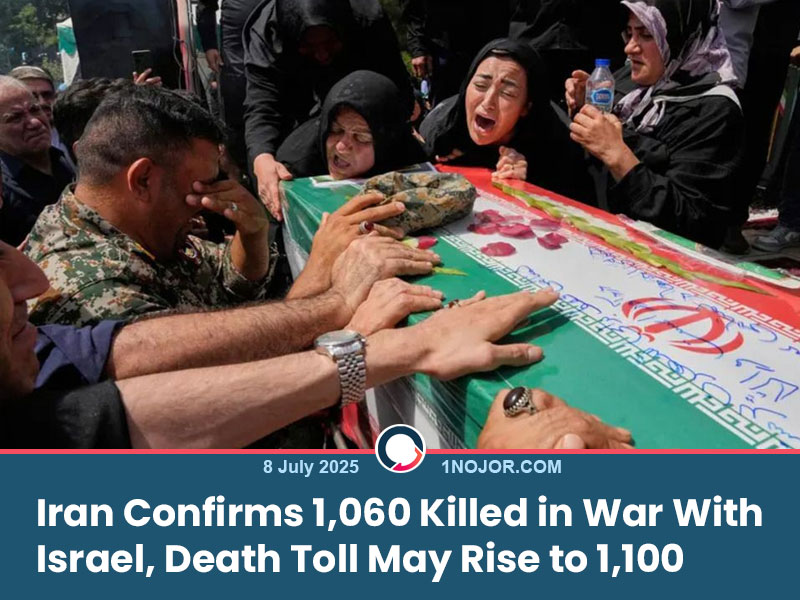
The Iranian government has confirmed that at least 1,060 people have died in the recent conflict with Israel, and the death toll may rise to over 1,100. In an interview with state television, Saeed Ohadi, head of the Foundation of Martyrs and Veterans Affairs, revealed that many of the injured remain in critical condition. Twelve days of Israeli airstrikes reportedly caused extensive damage to Iran’s military and nuclear infrastructure. Following the ceasefire, Tehran has gradually started disclosing the scale of the destruction. According to Human Rights Activists, among the 1,190 reported fatalities, 436 were civilians.
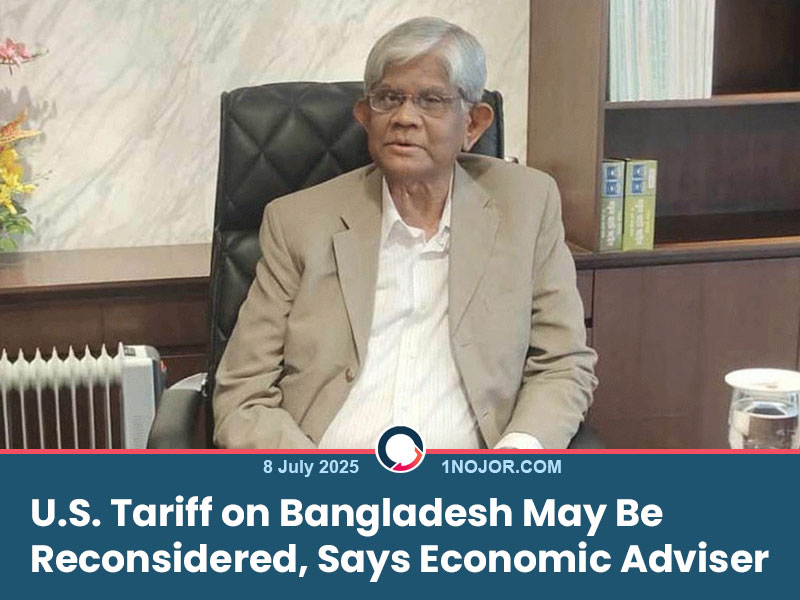
The United States may reconsider the recently imposed 35% tariff on Bangladeshi products, according to Finance Adviser Dr. Salehuddin Ahmed. He stated that a key meeting between Bangladesh’s Trade Adviser and representatives of the U.S. Trade Representative (USTR) will be held on Wednesday, July 9, to discuss the issue. Dr. Ahmed noted that the trade deficit between Bangladesh and the U.S. is only $5 billion, making such a high tariff unjustifiable. The 35% tariff is scheduled to take effect on August 1. Previously, a 37% tariff was proposed in April but was suspended for three months.
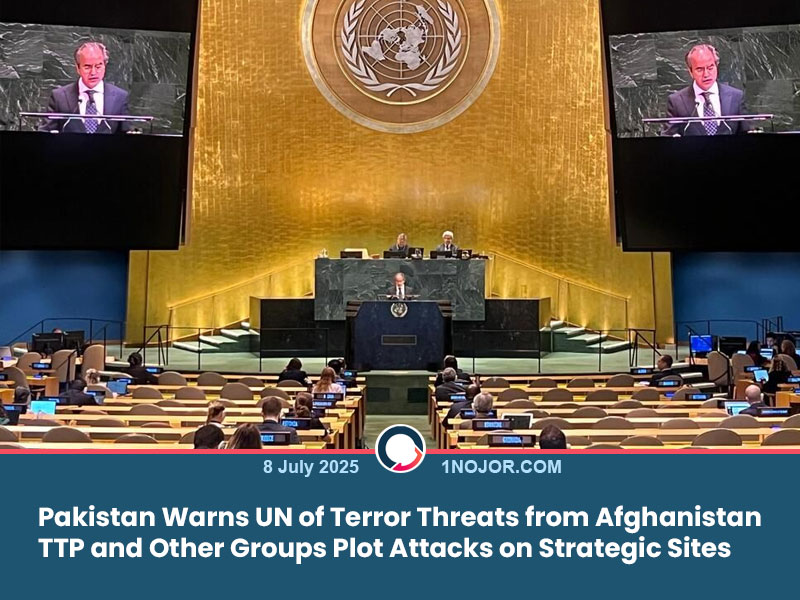
Pakistan has issued a warning to the United Nations, highlighting the growing threat of cross-border terrorism originating from ungoverned regions of Afghanistan. According to Pakistani authorities, groups such as Tehrik-i-Taliban Pakistan (TTP), the Balochistan Liberation Army (BLA), and others are allegedly planning attacks on Pakistan’s strategic infrastructure and key development projects. Islamabad stressed that Afghanistan must not become a safe haven for terrorists, warning that the threat poses risks not just to Pakistan, but to regional and global stability as well. In a recent high-level meeting between Pakistani and Afghan officials, both sides discussed counter-terrorism cooperation, enhancing regional connectivity, and improving trade transit. They jointly recognized terrorism as a major obstacle to regional peace.
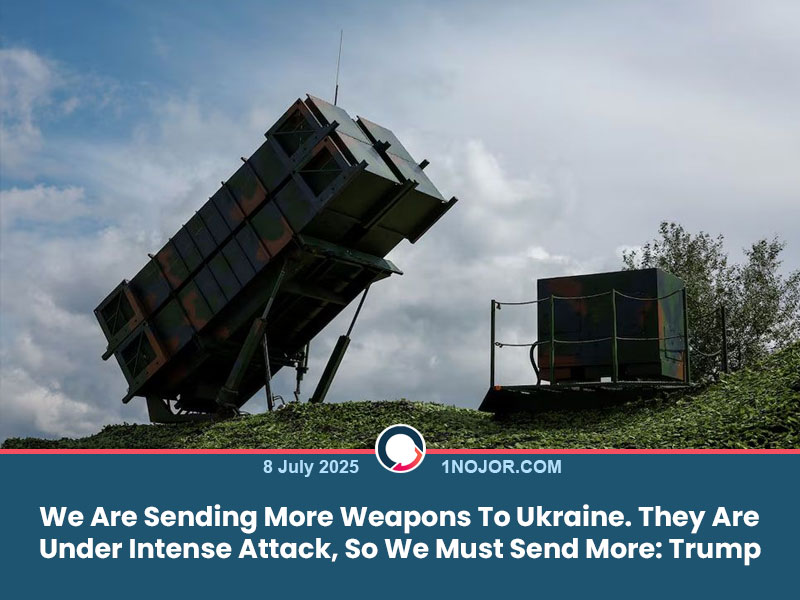
U.S. President Donald Trump has announced plans to send additional weapons to Ukraine, citing the country’s increasing vulnerability amid intensified attacks. Speaking ahead of a dinner with Israeli Prime Minister Benjamin Netanyahu on Monday (July 8), Trump said, “Ukraine is under severe assault. We need to send more weapons.” Previously, the Trump administration had paused certain arms shipments. The White House clarified that this renewed move aligns with Trump's "America First" policy. The Pentagon further stated that only defensive weapons would be provided, aimed at supporting Ukraine's right to self-defense.
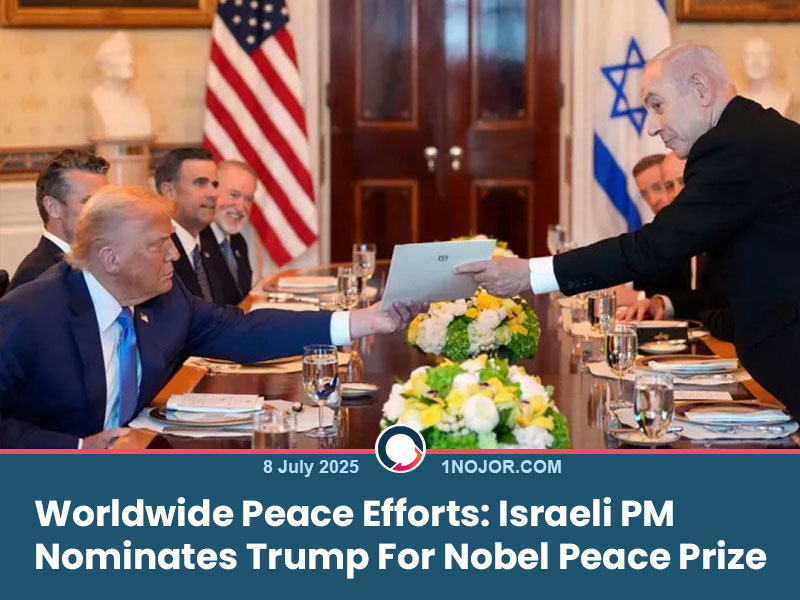
Israeli Prime Minister Benjamin Netanyahu has formally nominated U.S. President Donald Trump for the Nobel Peace Prize, citing his role in promoting peace in various global regions. The nomination was handed over during a dinner at the White House, with Trump expressing gratitude. Previously, U.S. Congressman Buddy Carter also nominated Trump for his role in brokering a ceasefire between Iran and Israel.
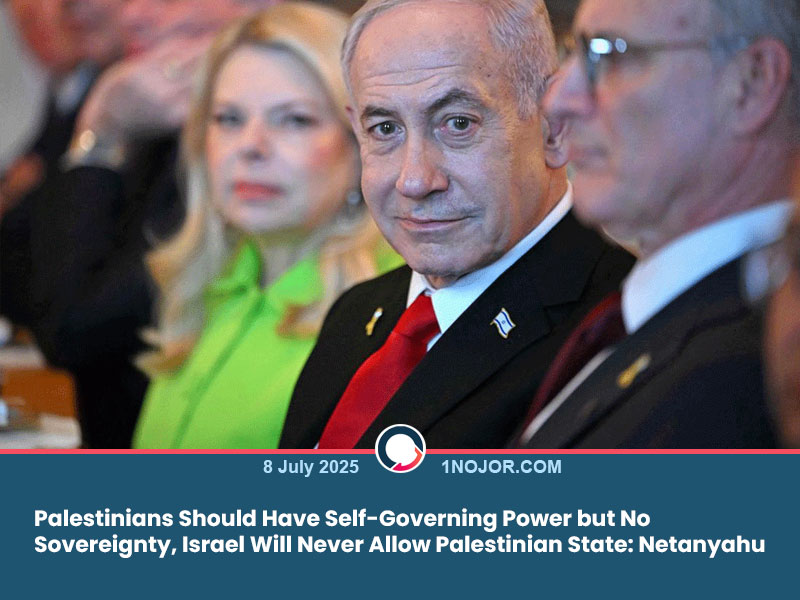
Israeli Prime Minister Benjamin Netanyahu declared that while Palestinians should have the authority to govern themselves, they should not be granted sovereign power. “Israel will never allow the establishment of a Palestinian state,” he said. “We will make peace only with those Palestinians who do not seek our destruction. And even then, all sovereign security powers will remain solely with Israel.” When asked about the possibility of an independent Palestinian state, President Trump responded ambiguously: “I don’t know.”
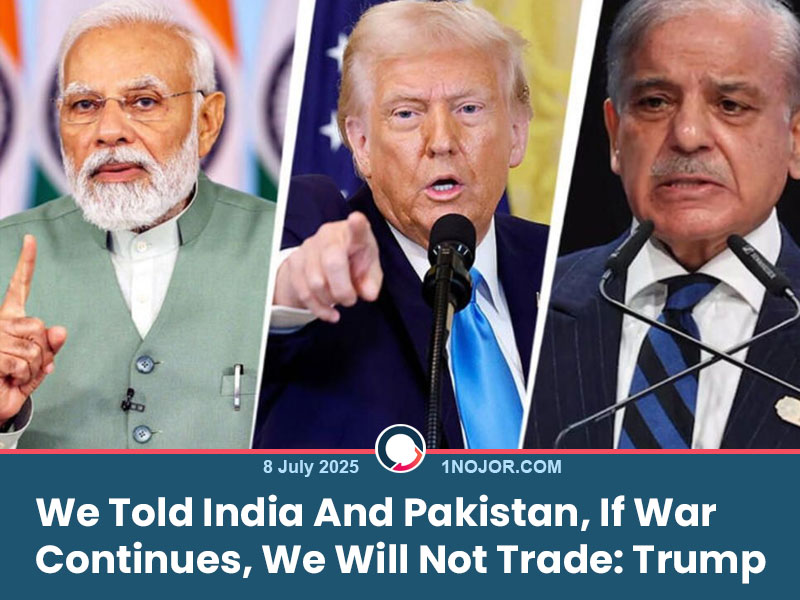
President Trump claimed that U.S. diplomatic intervention helped avert a potential nuclear conflict between India and Pakistan. “We told both nations clearly—if war continues, we will cease all trade with them. They were close to a nuclear confrontation. Stopping that was critical,” Trump stated. However, Indian Prime Minister Narendra Modi and Foreign Secretary Vikram Misri have dismissed the claim, stating that India never sought U.S. mediation. They affirmed that the de-escalation resulted from direct military-level talks between the two nations and not from any U.S.-led peace effort or trade-related pressure.
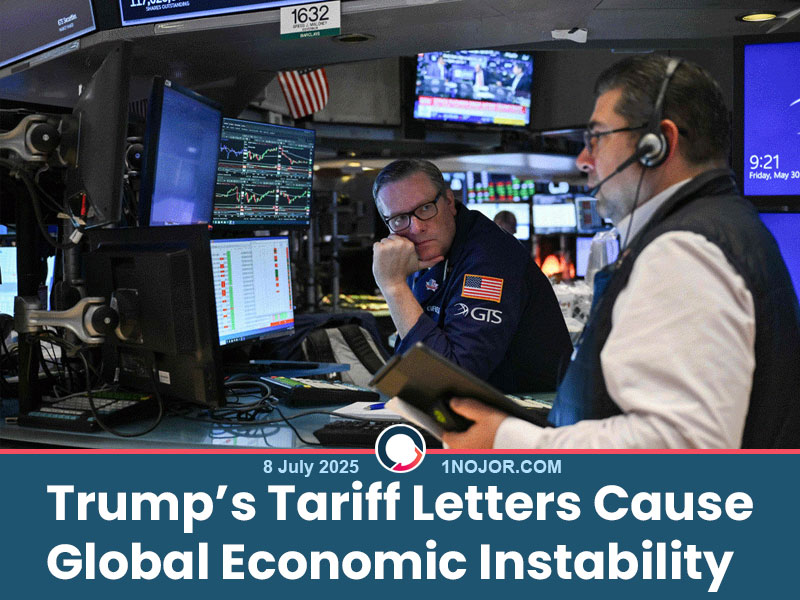
President Trump’s abrupt release of a “tariff letter” has triggered significant volatility in global financial markets. The announcement of new import tariffs—set to take effect from August 1 on 14 countries, including Bangladesh—has led to sharp declines in indices like the Dow Jones, Nasdaq, and S&P 500. Shares of companies such as Toyota, Nissan, Honda, LG, and SK Telecom fell by several percentage points. The tariff policy has also affected U.S. bond markets and led to a strengthening dollar, weakening other major currencies. Trump warned that BRICS-aligned nations may face an additional 10% tariff. Economists have cautioned that the policy could destabilize not just trade but the global economic equilibrium.
The ‘1 Nojor’ media platform is now live in beta, inviting users to explore and provide feedback as we continue to refine the experience.