

The ‘1 Nojor’ media platform is now live in beta, inviting users to explore and provide feedback as we continue to refine the experience.
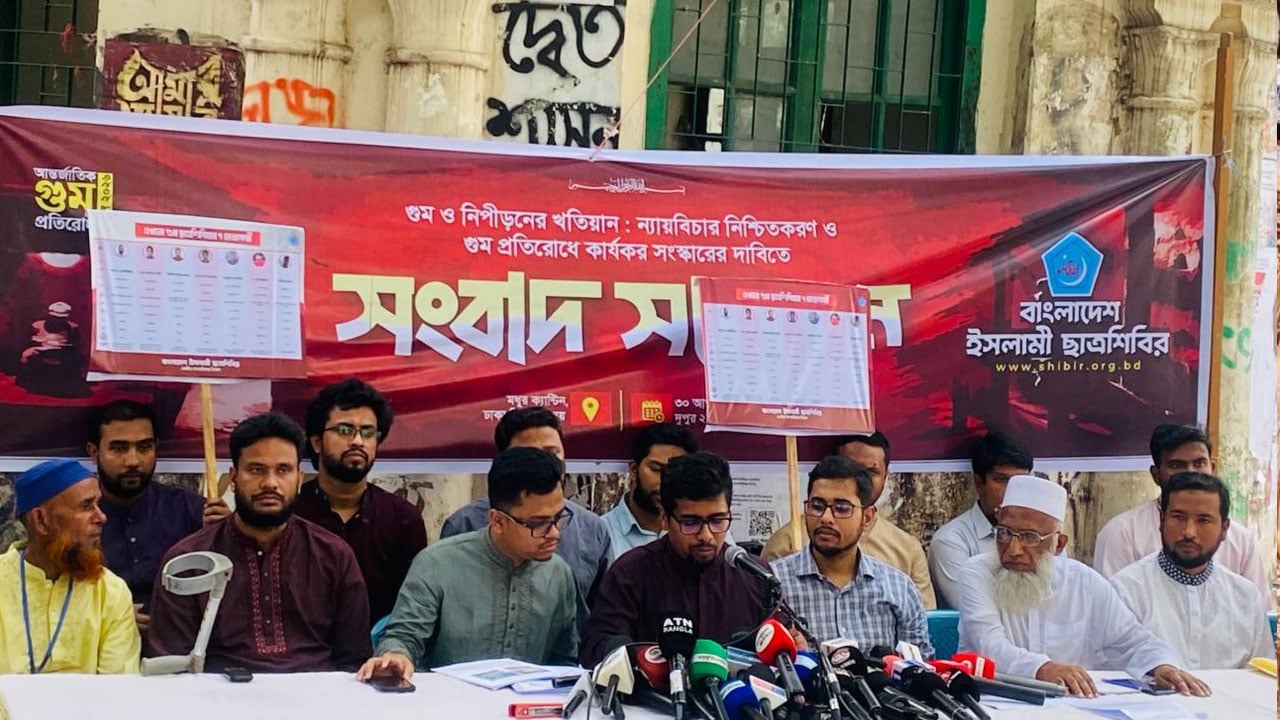
Bangladesh Islami Chhatra Shibir demanded justice for 241 of its leaders and activists it says were victims of enforced disappearance and called for the whereabouts of seven members still missing. At a Sunday press conference at Madhur Canteen of Dhaka University, held for the International Day of the Victims of Enforced Disappearances, the group also sought independent investigations into allegations against law-enforcement personnel. In a written statement, Nurul Islam Saddam named the seven missing members and said authorities had not acknowledged detaining them despite more than a decade having passed in some cases. He cited the final report of the commission investigating disappearances, claiming it verified 1,569 cases and included 241 Chhatra Shibir members among victims identified by political affiliation. The organisation also alleged that more cases were not formally reported because of fear, insecurity, trauma and people being abroad. The group alleged killings after disappearances, torture, political cases and abuse during detention. It demanded independent inquiries, prosecution of those involved, compensation and rehabilitation for victims’ families, legal reforms, and full independent investigative powers for the National Human Rights Commission over complaints against security forces.
Argentina’s World Cup-winning goalkeeper Emiliano Martinez has joined Chelsea from Aston Villa for a £7.5 million transfer fee, ending his six-year association with the Midlands club. The 33-year-old has moved to Stamford Bridge after prolonged speculation over his future, choosing Chelsea as he sought a new challenge. Martinez joined Aston Villa from Arsenal in 2020 and made 255 appearances for Villa across all competitions. During his time at the club, he featured in all three of UEFA’s major competitions. His final match for Aston Villa was the Europa League final, where he played after taking pain medication despite suffering a finger injury. Aston Villa had already signed Japanese goalkeeper Zion Suzuki from Parma in anticipation of Martinez’s possible departure. A potential move to Juventus had also emerged, but that deal did not materialise. Martinez had previously expressed a desire to leave Villa, and his transfer to Chelsea has now concluded his time with the club.

Rajshahi-1 lawmaker Mujibur Rahman raised concerns in Bangladesh’s national parliament over domestic airfares reportedly doubling or more within a single day. During the second day of the third parliamentary session on Sunday, August 30, he asked whether steps would be taken to keep fares at a tolerable level. Speaker Hafiz Uddin Ahmed Bir Bikram presided over the sitting. Rahman said passengers may see a fare of Tk6,000 in the morning rise to Tk12,000 by the afternoon, calling such increases abnormal and unbearable. Civil Aviation and Tourism Minister M Rashiduzzaman Millat responded that the claim required verification. He said a Dhaka-Chattogram return ticket had not cost Tk12,000 and stated that its set price was Tk6,400. The minister said taxes, including about 15 percent payable to the government, were considered in setting the fare at Tk6,300. He said measures had been taken to stop black marketing of tickets near departure times. Millat pledged direct oversight, saying passengers should receive tickets at the determined price and that the lawmaker would not need to pay above Tk6,400.

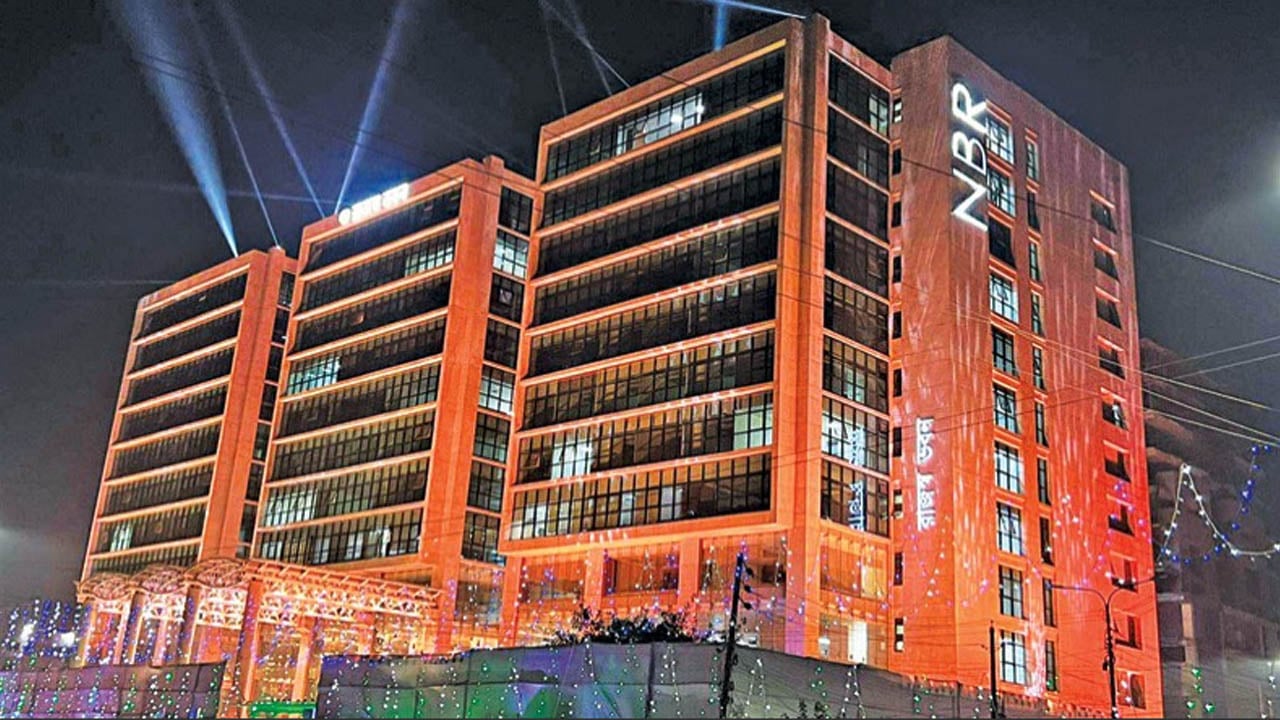
Bangladesh’s National Board of Revenue has reshuffled 36 officers of the BCS Tax cadre serving as additional tax commissioners. The transfers were announced in a notification issued on Sunday by the Tax Administration-1 branch of the Internal Resources Division. The order was signed by First Secretary Wakil Ahmed, and the transferred officers have been assigned to new workplaces. The notification says any existing additional responsibilities held by officials at the locations where the transferred officers have been posted will be considered cancelled. It does not provide further details in the text about the individual postings or the reasons for the administrative changes. The transferred officials have been instructed to hand over responsibility for their previous duties and join their new workplaces immediately. The source indicates that a separate link contains the full list of officers affected by the transfers.
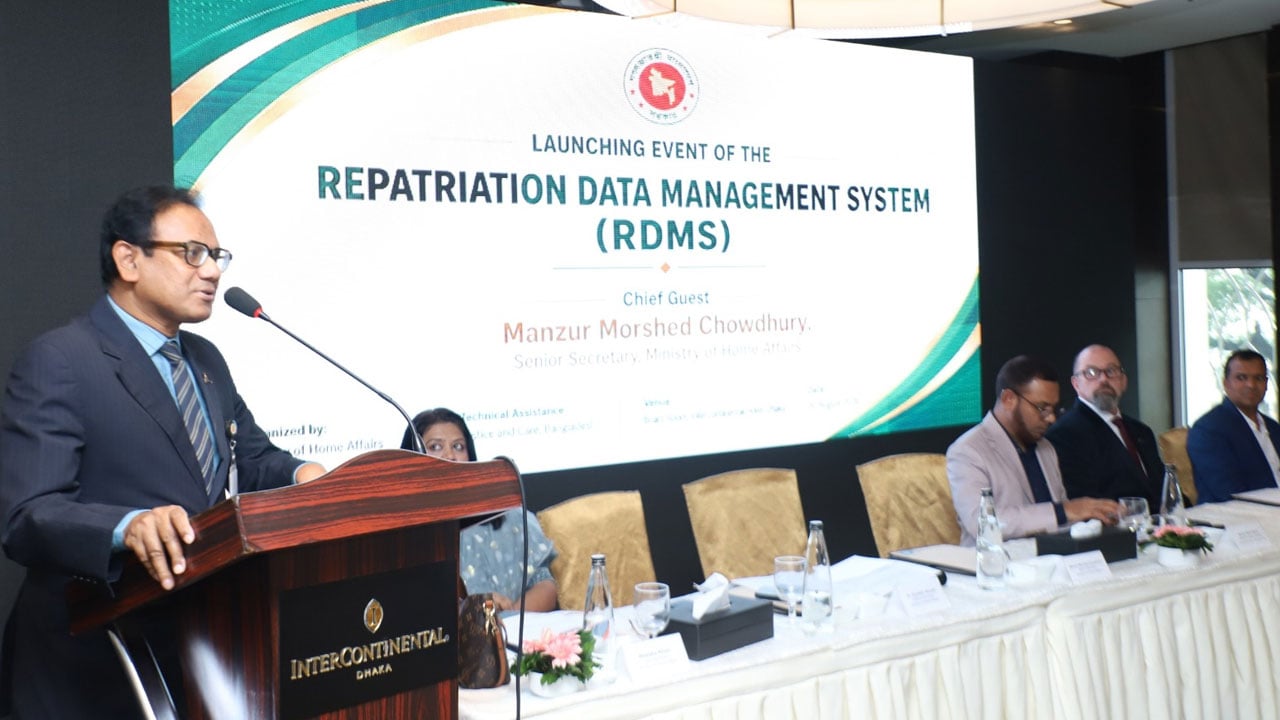
Bangladesh’s Ministry of Home Affairs has launched the Repatriation Data Management System, or RDMS, to make the return of Bangladeshi citizens who are victims of human trafficking and irregular migration more effective and coordinated. The digital platform was inaugurated on Sunday at an event in a hotel in the capital. Justice and Care Bangladesh provided technical assistance, while the Australian government supported the system’s development and upgrade. Additional Secretary for Political and Expatriation Affairs Dr Ziauddin Ahmed said RDMS has been incorporated into the ministry’s domain to accelerate efforts to prevent trafficking and reintegrate rescued people. The platform has already been linked with the National Identity Card database to preserve comprehensive information on returnees and trafficking survivors. Work is also under way to coordinate RDMS with birth and death registration and passport services to help accurately identify children. Justice and Care Bangladesh said the system will centrally store and manage repatriation case information and speed up nationality and police-record verification. Officials said inter-agency coordination could support victim protection and efforts against irregular migration.
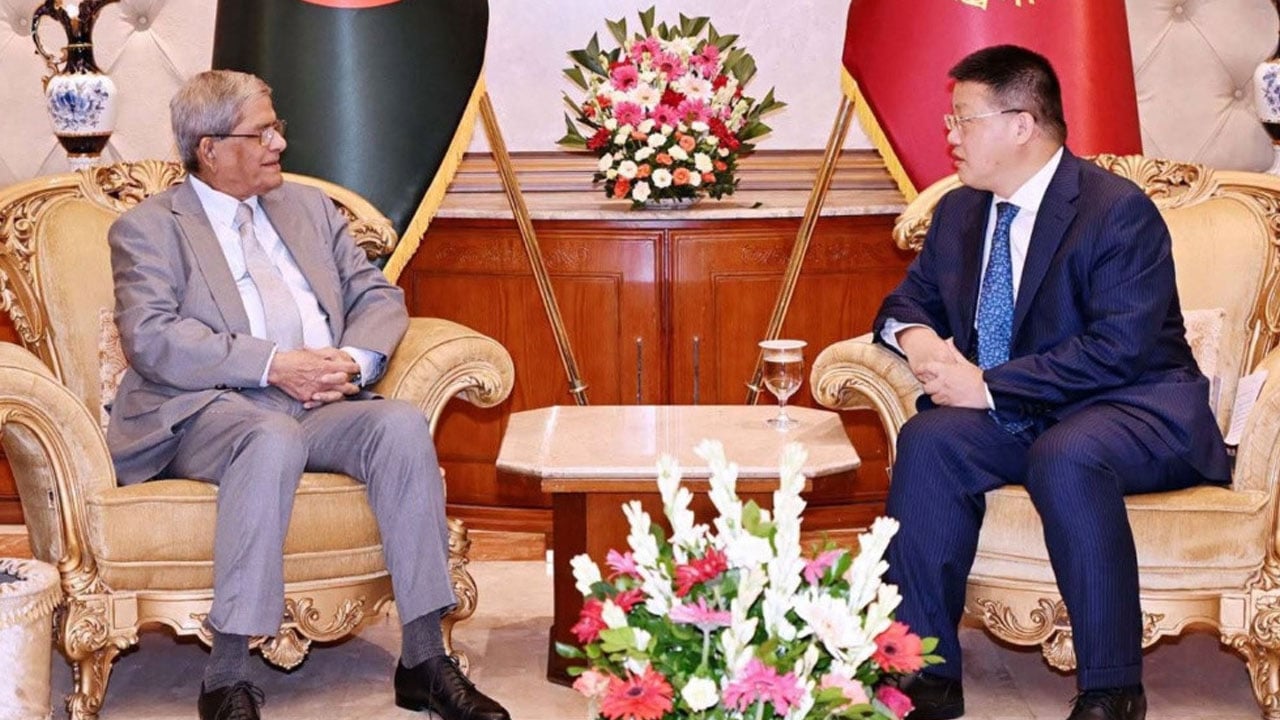
Chinese Ambassador to Dhaka Yao Wen met Bangladesh President Mirza Fakhrul Islam Alamgir at Bangabhaban on Sunday afternoon. On behalf of Chinese President Xi Jinping, Yao conveyed greetings to Bangladesh’s new president and invited him to visit China at a convenient time. Presidential Press Secretary Md Sarwar Alam confirmed the information on Sunday afternoon. The ambassador also briefed the president on progress linked to the Bangladeshi prime minister’s recent China visit. He cited the foundation stone laying for the China Economic and Industrial Zone, a commercial agreement on modernising Mongla port, and potential cooperation to establish the Mongla Export Processing Zone. Yao said at least 30 Chinese companies were expected to invest about $500 million in Bangladesh, potentially creating jobs for at least 100,000 people. The meeting covered Teesta River management and restoration, strategic dialogue at foreign-minister level, proposed “two plus two” diplomacy and defence talks, and exports of jackfruit, mangoes and guavas to China. Solar energy, electric-vehicle assembly plants, the China-Bangladesh-Myanmar Economic Corridor and cooperation on the Rohingya crisis were also discussed. Both sides pledged to deepen bilateral cooperation.
RAB-2 has arrested two people, including suspect Md. Mosharraf Hossain Poni, over the death of schoolteacher Ronjina Parvin during an alleged snatching incident in front of the National Parliament Building. RAB-2 commander Additional DIG Noymul Hasan announced the arrests at a press conference on Sunday. According to RAB-2, its intelligence information and technology-assisted tracking indicated that the two suspected snatchers in the Ronjina Parvin murder case were staying in the Purba Tejturi Bazar area under Tejgaon police station. RAB-2 then conducted an operation in the area and detained them. The force said the suspects were arrested within 24 hours of the killing along with the motorcycle allegedly used in the snatching. It said Poni faces multiple cases at police stations across the country. On Saturday, motorcycle-borne snatchers allegedly pulled Ronjina's bag while she was travelling by rickshaw, causing her to fall and suffer a head injury. Doctors at Suhrawardy Hospital declared her dead. Her husband, Abdul Matin, filed a case with Sher-e-Bangla Nagar police station.
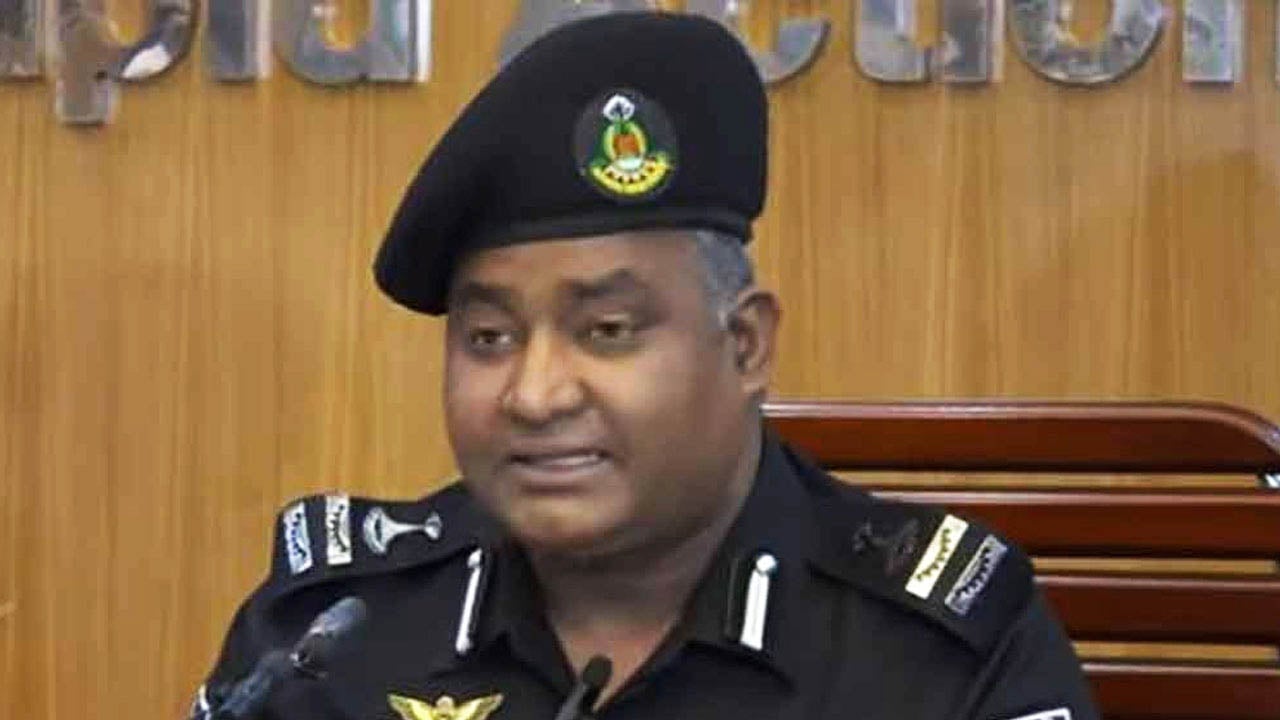
Jamaat-e-Islami held a preparatory meeting at its central office in Moghbazar, Dhaka, on Sunday to organize a Dhaka-to-Chattogram long march scheduled for September 5. The planned march, involving an alliance of 11 parties, is based on six demands including implementation of the referendum verdict, trial over the July killings, and resolution of fuel and fertilizer shortages. The meeting was chaired by long march implementation committee convener and Jamaat Secretary General Mia Golam Parwar. Opposition leader and Jamaat Ameer Dr Shafiqur Rahman attended as chief guest and gave directions. Participants discussed the overall implementation of the march and preparations by different organizational divisions. Leaders discussed preparations to begin the programme with a rally at Shapla Chattar in the capital at 7am on September 5, targeting attendance of more than one lakh people. They also reviewed efforts to ensure participation by people from different professions and called on the public to join the march in support of what they described as legitimate public demands. Several Jamaat and alliance leaders, along with officials from cultural, publicity, IT and medical divisions, attended.
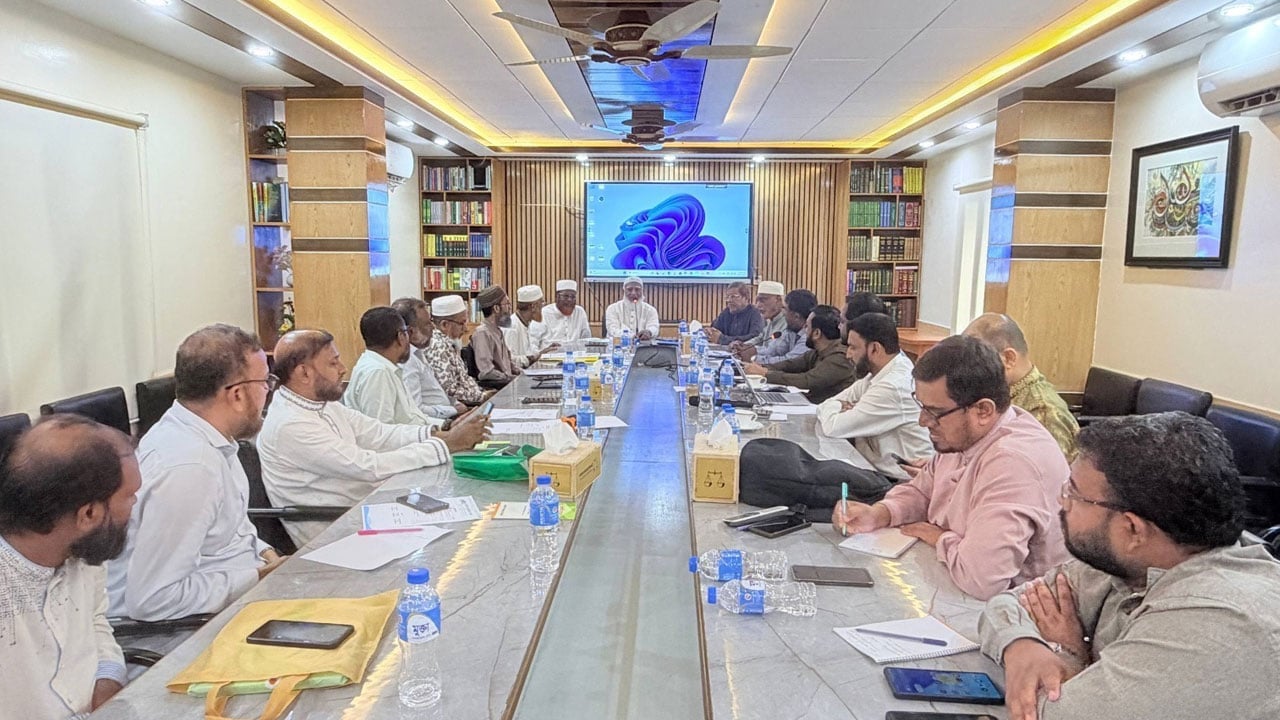
A Dhaka court on Sunday sentenced Monir Hossain to life imprisonment for stabbing Biplob Bashir to death in Gopibagh 25 years ago, following a dispute over repayment of a Tk 20 loan. Additional Metropolitan Sessions Judge-13 Zahidul Islam also fined him Tk 20,000 and ordered a further three months of rigorous imprisonment if he fails to pay. The accused was absent when the verdict was delivered. According to the case and court sources, the killing occurred on the afternoon of December 4, 2001. After leaving a mosque following prayers, victim’s father Nazir Ahmad saw Monir stabbing his son repeatedly on the road. Nazir Ahmad and others detained Monir after hearing Biplob’s cries. Biplob was taken first to Monowara Hospital and then National Hospital, where a doctor declared him dead. Nazir Ahmad filed a murder case at Demra police station the same day. Police submitted a charge sheet against Monir on March 31, 2002, and the trial began after charges were framed on September 3 that year. Five witnesses testified. Monir received bail in 2009, but it was cancelled in 2013 after he failed to appear in court.

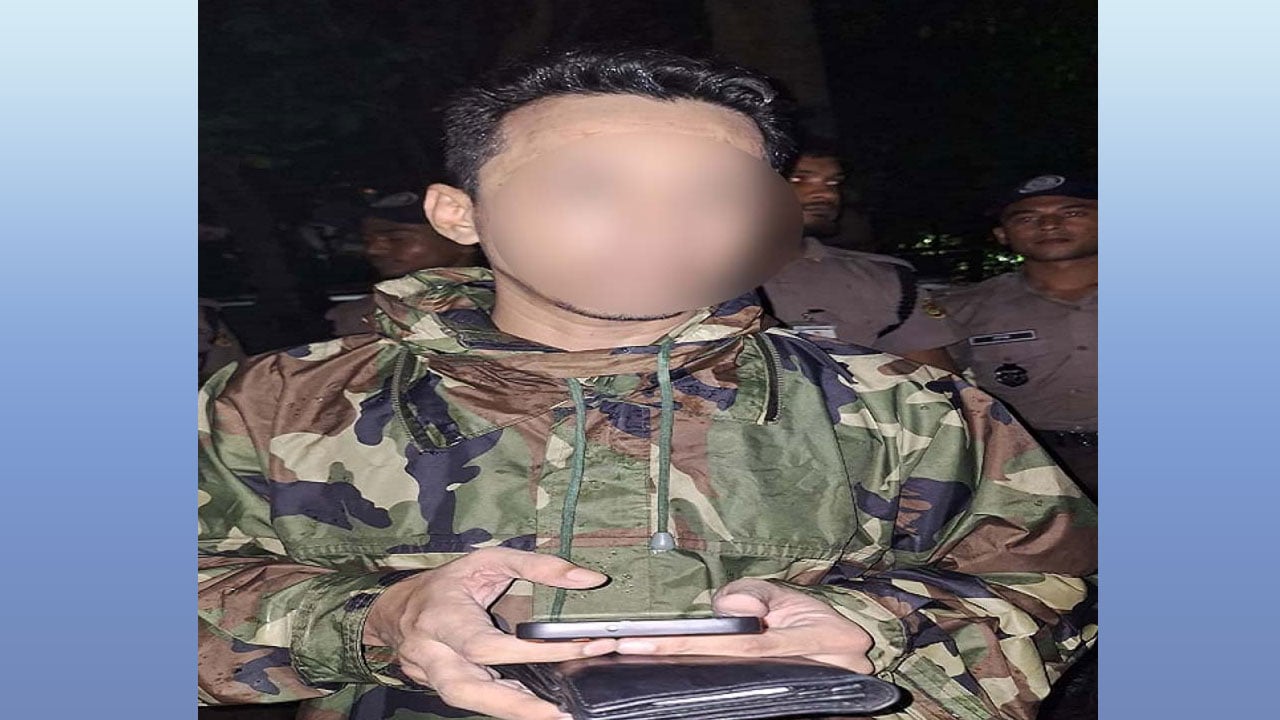
Police arrested Saif Imran, 37, in Gulshan, Dhaka, after he allegedly falsely identified himself as an assistant director of the Directorate General of Forces Intelligence, or DGFI. The arrest took place near the Pakistan High Commission after he parked his motorcycle beside the mission on Saturday afternoon. According to police, Imran claimed that DGFI vehicles were usually parked at the location when he was told not to park there. He returned in the evening and parked his motorcycle at the same place again, prompting police suspicion. During questioning, he admitted that he was not an officer or member of DGFI. Police arrested him on allegations of using a false identity to conceal his real identity. A fraud case has been filed against him at Gulshan Police Station, and he has been sent to court. Gulshan Police Station Officer-in-Charge Daud Khan confirmed the matter.
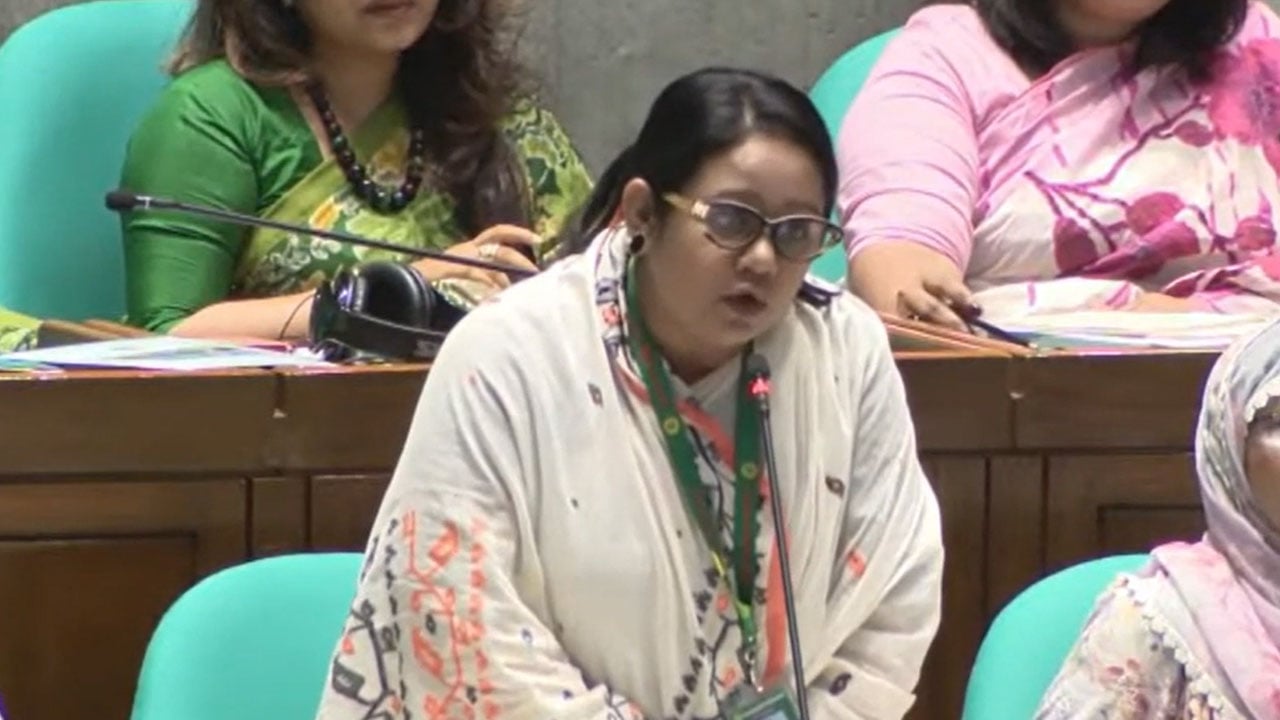
Liberation War Affairs Minister Ahmed Azam Khan told parliament on Sunday that a special directorate has been established to provide rehabilitation and state recognition to those killed, injured or otherwise affected during the July movement. He made the remarks in response to a question from lawmaker Sanzida Islam Tuli about progress on recognition, compensation and rehabilitation. Tuli said the ministry had planned a directorate for state recognition and rehabilitation of July movement martyrs and injured people. She also sought details on plans and current progress for people subjected to enforced disappearance and extrajudicial killing. The minister said the ministry had arranged a large event at the Bangladesh-China Friendship Exhibition Center for the International Day of the Victims of Enforced Disappearances, attended by victims and family members regardless of political affiliation. Khan said the government was committed to granting state recognition to leaders of BNP, Jamaat and other political parties who were subjected to disappearance, killing, torture or disability over the past 17 years. He added that an initiative was under way to create another directorate to ensure their proper rehabilitation and state evaluation.
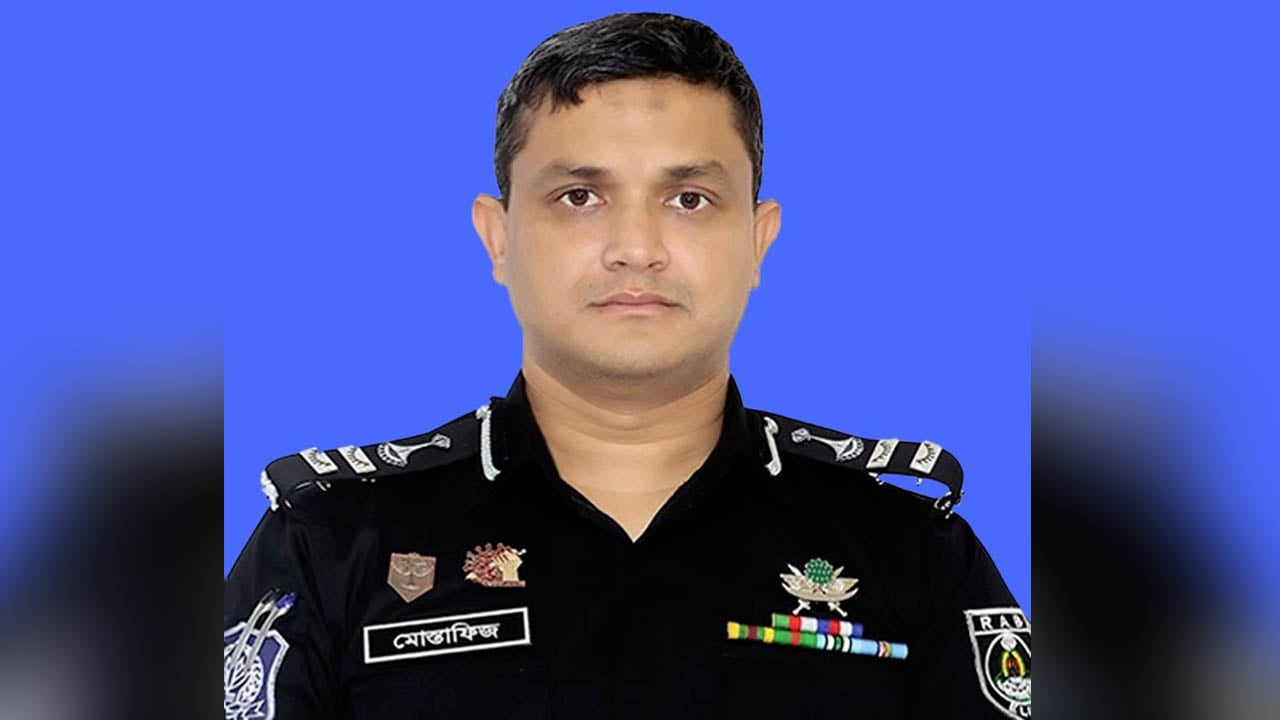
Lieutenant Colonel Mostafizur Rahman has assumed responsibility as commanding officer of Rapid Action Battalion’s RAB-7 unit in Chattogram. He previously served at RAB-15. RAB Assistant Director for Media ARM Mozzafar Hossain confirmed the appointment. In his new role, Mostafizur Rahman will lead the unit’s operations in Chattogram and surrounding areas. He succeeds Lieutenant Colonel Md Hafizur Rahman, who had previously served as RAB-7 commanding officer. The source said Mostafizur Rahman performed various duties at RAB-15 before taking up the new assignment. The change is part of periodic reassignments to key posts, including commanding officers, across different RAB units. According to related sources, officers from the army, navy and air force generally serve in RAB on deputation for fixed terms before returning to their respective services. RAB-7 conducts operations involving law-and-order control, crime suppression, anti-drug drives and action against other offences in Chattogram and nearby areas. Related officials said these activities will be carried out in a more coordinated manner under the new commander.
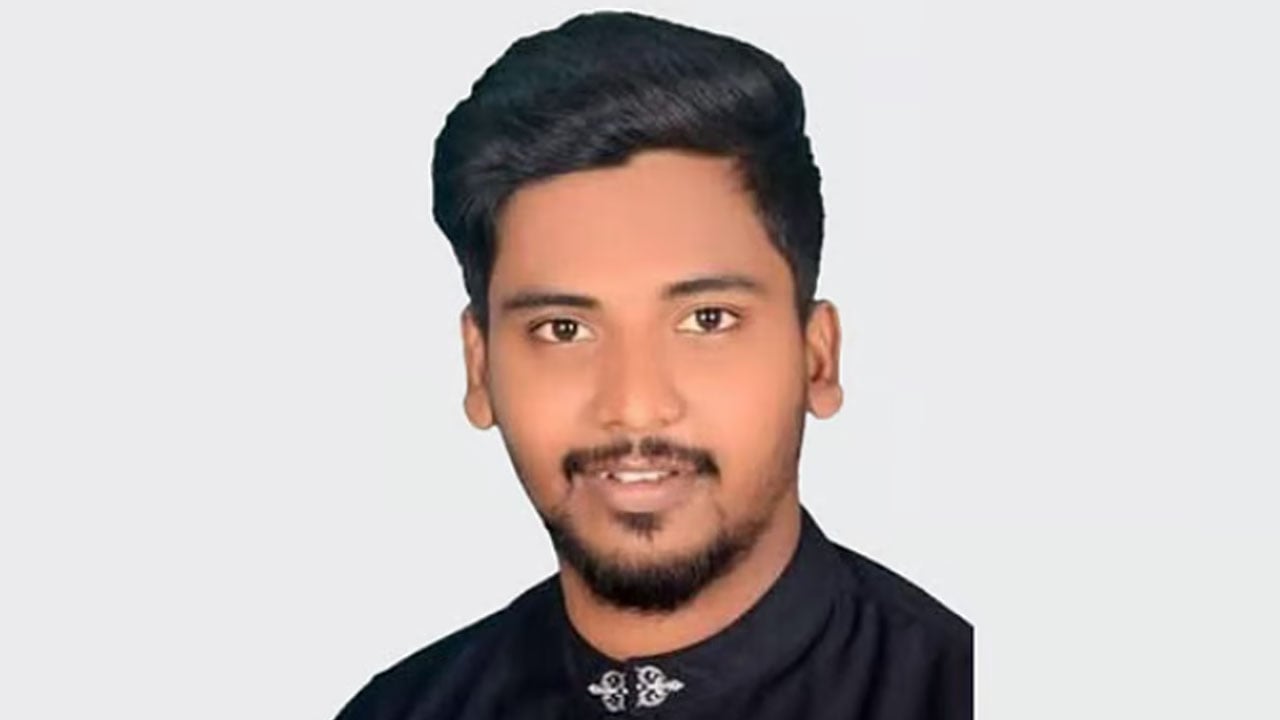
Police arrested Al Amin Shanto, general secretary of Airport police station Chhatra Dal, and Abdur Rauf, president of the Airport unit BNP, over an alleged gold jewellery snatching incident in the Hazrat Shahjalal International Airport area. The arrests were made during an operation on Sunday evening, and police said they recovered 100 grams of stolen gold jewellery from the two men. The case was filed at Airport Police Station on August 29 by Sumon, a resident of Raipura upazila in Narsingdi. Along with Rauf and Shanto, the case names Airport police station Chhatra Dal president Ripon and Airport ward BNP general secretary Rubel as accused. Deputy Commissioner Mirza Tarek Ahmed Beg of police’s Uttara division confirmed the arrests. According to the complaint, Sumon’s Malaysia-based elder brother Kausar sent 200 grams of gold jewellery on August 28 for his sister’s wedding and family use. Sumon and friend Rohan Chowdhury collected it from an acquaintance at the airport. The complaint alleges the accused assaulted them, accused them of links to Awami League and Chhatra League, and took the jewellery before fleeing.
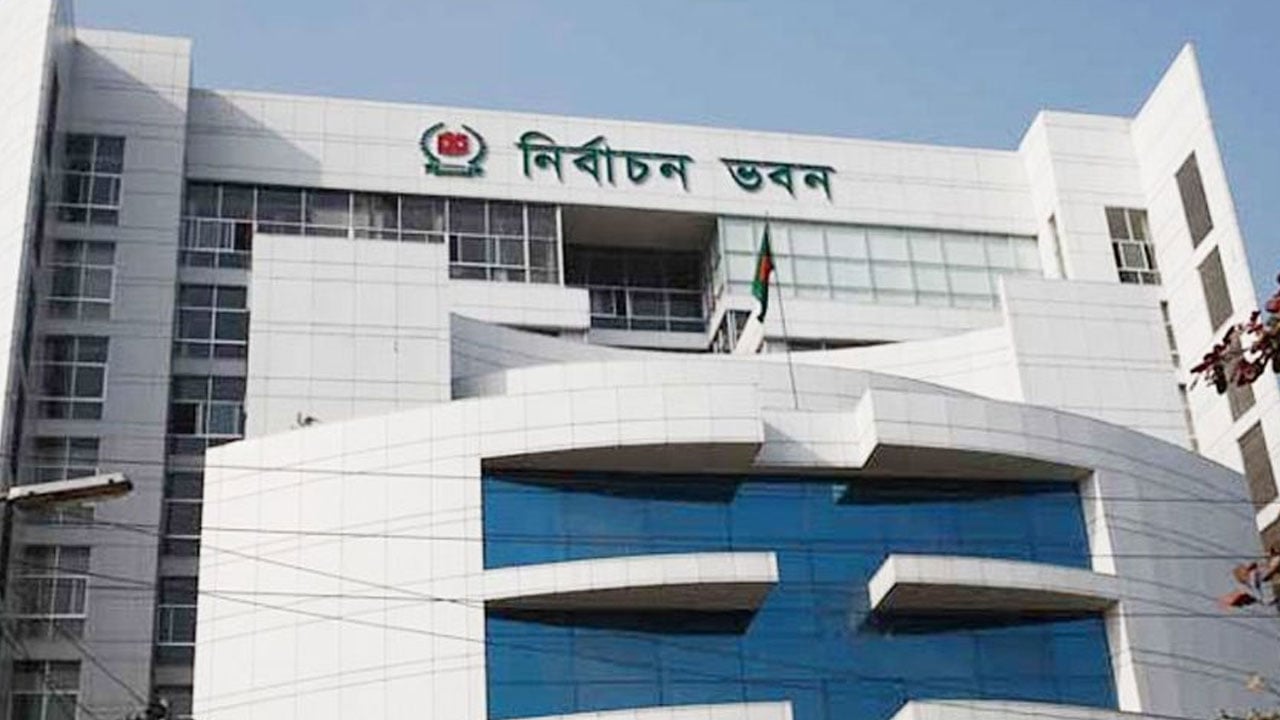
Bangladesh’s Election Commission on Sunday issued a new gazette updating the descriptions of 11 parliamentary constituencies to incorporate newly formed upazilas and a union parishad. The changes cover Thakurgaon-1, Bogura-2, Pirojpur-1, Mymensingh-10, Brahmanbaria-3 and 4, Cumilla-3, Lakshmipur-2 and 3, Chattogram-2, and Cox’s Bazar-1. Election Commission officials said the amendment is intended to align constituency information with administrative restructuring and will not significantly alter the actual voter areas or boundaries of the affected seats. In Thakurgaon-1, newly created Ruhia and Bhulli upazilas were included after being formed from Thakurgaon Sadar. Mokamtala was added to Bogura-2, while South Gafargaon was added to Mymensingh-10. The gazette also includes the new Barishal union parishad in Brahmanbaria-3 and excludes it from Brahmanbaria-4. Bangra upazila was added to Cumilla-3, Fatikchhari North to Chattogram-2, and Matamuhuri to Cox’s Bazar-1. The source says the revisions mainly update administrative identities rather than create major practical changes to parliamentary boundaries.
Bangladesh received $180.18 million in new foreign loans from development partners in July, the first month of the current fiscal year, while repaying $453.23 million in principal and interest on earlier borrowing. The government therefore paid $273.05 million more in external debt obligations than it received in new disbursements, according to an updated Economic Relations Division report released on Sunday. Foreign loan disbursements in July were 13.39 percent lower than in the same month of the previous fiscal year, when Bangladesh received $208.04 million. The July repayment total included instalments, interest and principal on existing external loans. Bangladesh had paid $446.68 million in principal and interest during the first month of fiscal year 2025-26, meaning the comparable repayment cost rose by about 4 percent over one year. Economists said debt payments exceeding new loan releases are increasing pressure on external financing, with potential effects on funding for development projects and foreign-exchange management if instalment and interest burdens continue to grow.

The ‘1 Nojor’ media platform is now live in beta, inviting users to explore and provide feedback as we continue to refine the experience.