

The ‘1 Nojor’ media platform is now live in beta, inviting users to explore and provide feedback as we continue to refine the experience.
Bangladesh Bank recorded a net profit of Tk25,900 crore in fiscal year 2025-26, up Tk3,280 crore from Tk22,620 crore in the previous fiscal year, 2024-25. The central bank’s board approved the financial statements for the past fiscal year at a meeting on Sunday chaired by Governor Mostakur Rahman in the central bank’s conference room. The board also approved an incentive bonus equivalent to six times the basic salary for central bank officials. Bangladesh Bank’s lending-management operations remained active despite an economic slowdown, as banks facing liquidity shortages borrowed more money from the central bank than before. This increased the central bank’s interest income. Profits also rose because reserve funds invested in different countries generated good returns. Economists said earning profit is not a central bank’s main function, stressing its responsibilities for banking-sector oversight, inflation control, private-sector investment and job creation. They said the deterioration in the economy and banking sector contributed to the higher profit and cautioned that the central bank should not stray from its core goals. In fiscal 2023-24, it made about Tk40,000 crore in actual profit, including Tk15,300 crore in net profit.
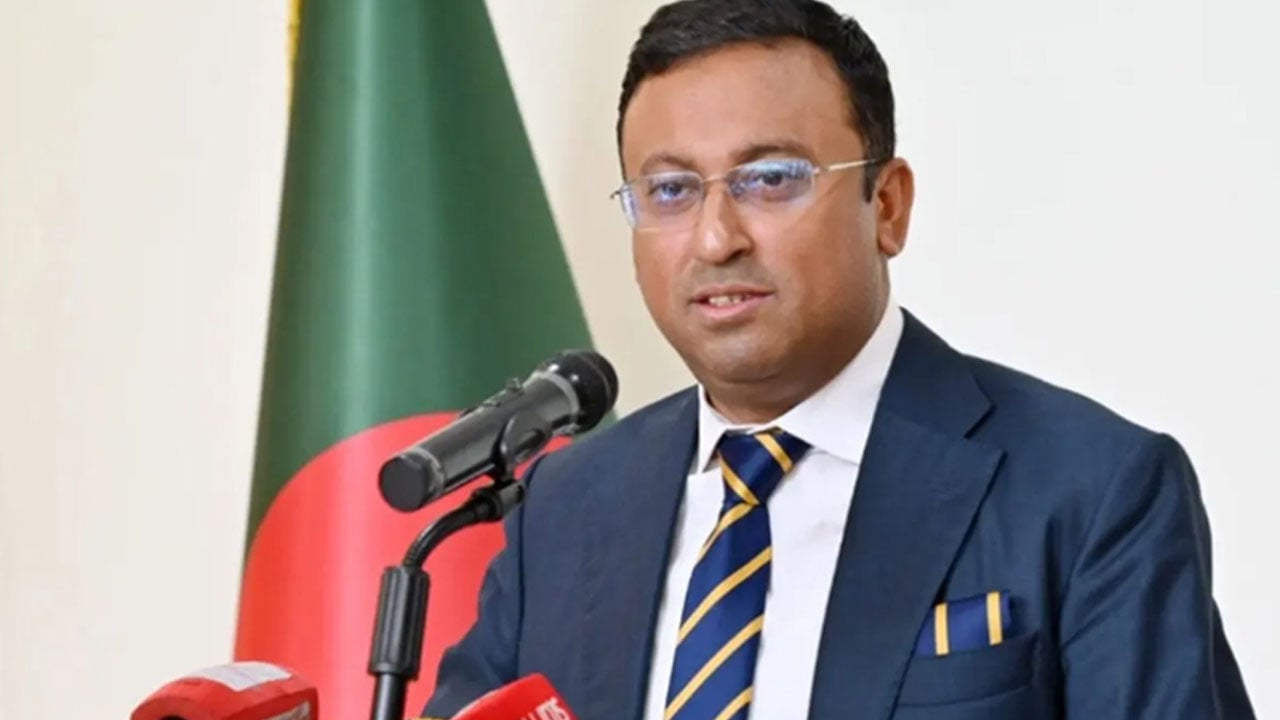
State Minister for Foreign Affairs Humayun Kabir said Saudi Arabia and Turkey have taken a positive stance on Bangladesh’s inclusion in the Mecca defense alliance. Responding to journalists’ questions on Sunday, he also said Dhaka sees no risk in joining the alliance. Kabir said Bangladesh’s relationship with China has reached its highest level of strategic engagement. As part of that relationship, Bangladesh and China are set to begin diplomatic and defense dialogue, according to the state minister. The date for the planned diplomatic and defense dialogue with China has not yet been finalized. Kabir repeated that Saudi Arabia and Turkey had shown a positive attitude toward Bangladesh’s possible membership in the Mecca defense alliance, while Bangladesh does not identify any risk linked to the matter.
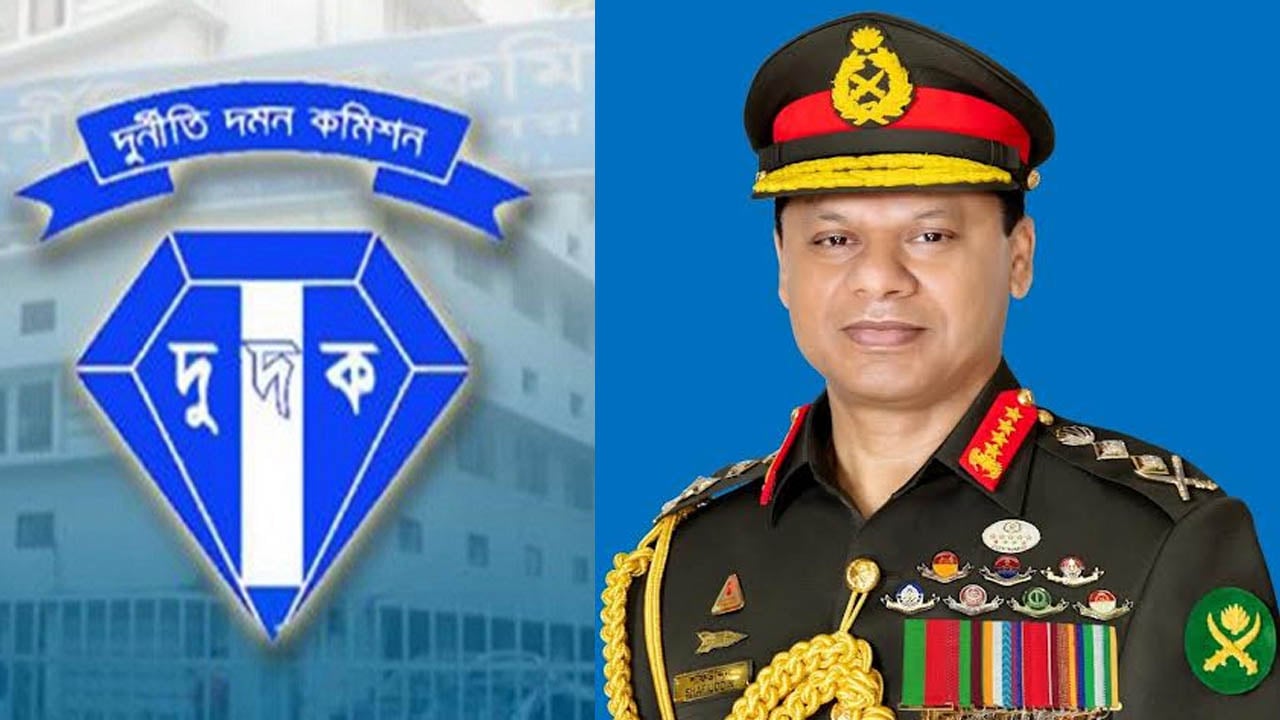
Bangladesh’s Anti-Corruption Commission (ACC) has summoned former army chief General S M Shafiuddin Ahmed for questioning over allegations that he acquired illicit assets through various irregularities and corruption. He has been instructed to appear at the ACC headquarters in Segunbagicha, Dhaka, at 12:30pm on September 14 and bring a photocopy of his national identity card. ACC public relations officer Aktarul Islam confirmed the matter on Sunday. An ACC notice signed by director Md Abul Hasnat said Shafiuddin’s statement was needed for the inquiry into the allegations. The commission formed a two-member inquiry team led by Hasnat, with deputy director Mozammil Hossain as a member. According to the notice, the inquiry into the allegations against Shafiuddin began on December 14, 2025. A senior ACC official said the matter remains at the inquiry stage. After completing its work, the team will submit a report to the commission, which may decide whether to file a case if evidence supports the allegations. If the allegations are not substantiated, the inquiry may be closed. Shafiuddin served as army chief from June 24, 2021, until his retirement on June 23, 2024.
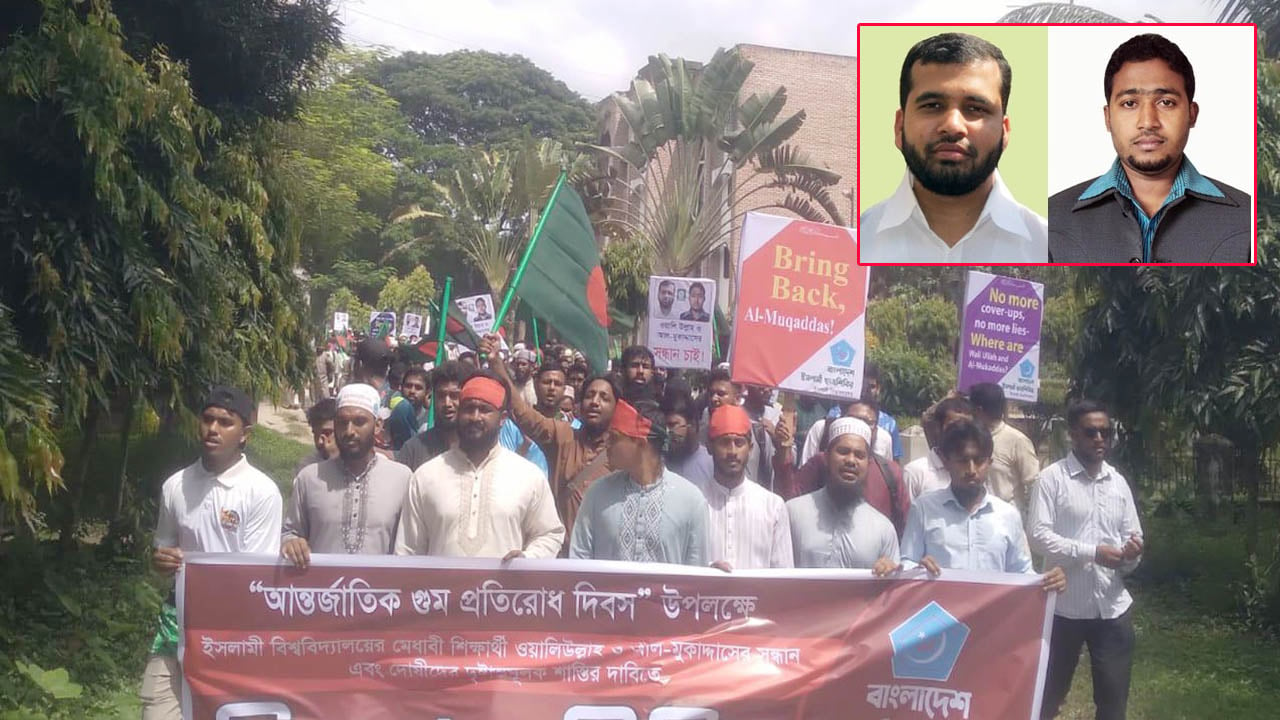
Islami Chhatra Shibir’s Islamic University unit held a protest march on Sunday to demand the whereabouts of two long-missing students, Waliullah and Al Muqaddas, and exemplary punishment for those involved in their disappearance. The programme was organised on the International Day of the Victims of Enforced Disappearances. The march began at the university’s Bottola at about 1pm, passed through halls and main campus roads, and ended at the main gate with a brief rally. The organisation’s leaders and activists, along with about 200 students, joined the programme. Participants chanted slogans demanding answers from the administration over the two students’ disappearance and also raised slogans against the Awami League. Islamic University unit president Md Yusuf Ali and secretary Rashedul Islam Rashed attended, as did Kushtia district Chhatra Shibir president Md Imran Biswas. At the rally, Yusuf Ali called for the missing people to be found immediately, or for their families to be told the location of their graves if they are not alive. He demanded identification and legal punishment of those responsible, questioned the work of an investigation committee, and sought a progress update and clear report within one week. He warned of further movement with general students otherwise.
Bangladesh recorded three additional dengue deaths in the past 24 hours, while 1,097 patients were admitted to hospitals with the disease, according to a Sunday press release from the Directorate General of Health Services. The admissions figure was the highest single-day total reported this year. The reporting period ran from 8am Saturday to 8am Sunday. The previous highest daily admission figure this year was 996, recorded last Saturday. During the latest 24-hour period, 258 patients were admitted in Dhaka division outside city corporations, 243 in Khulna and 123 in Barishal. Admissions also included 116 in Chattogram, 109 in Dhaka South City Corporation and 82 in Dhaka North City Corporation. In the first 30 days of the current month, 39 people died and 19,373 were infected, the release said. Since January, total dengue cases have reached 34,683 and deaths have risen to 93. Of all infected people so far, 61 percent are male and 38 percent are female. During the latest reporting period, 793 patients were discharged from hospitals after recovery.

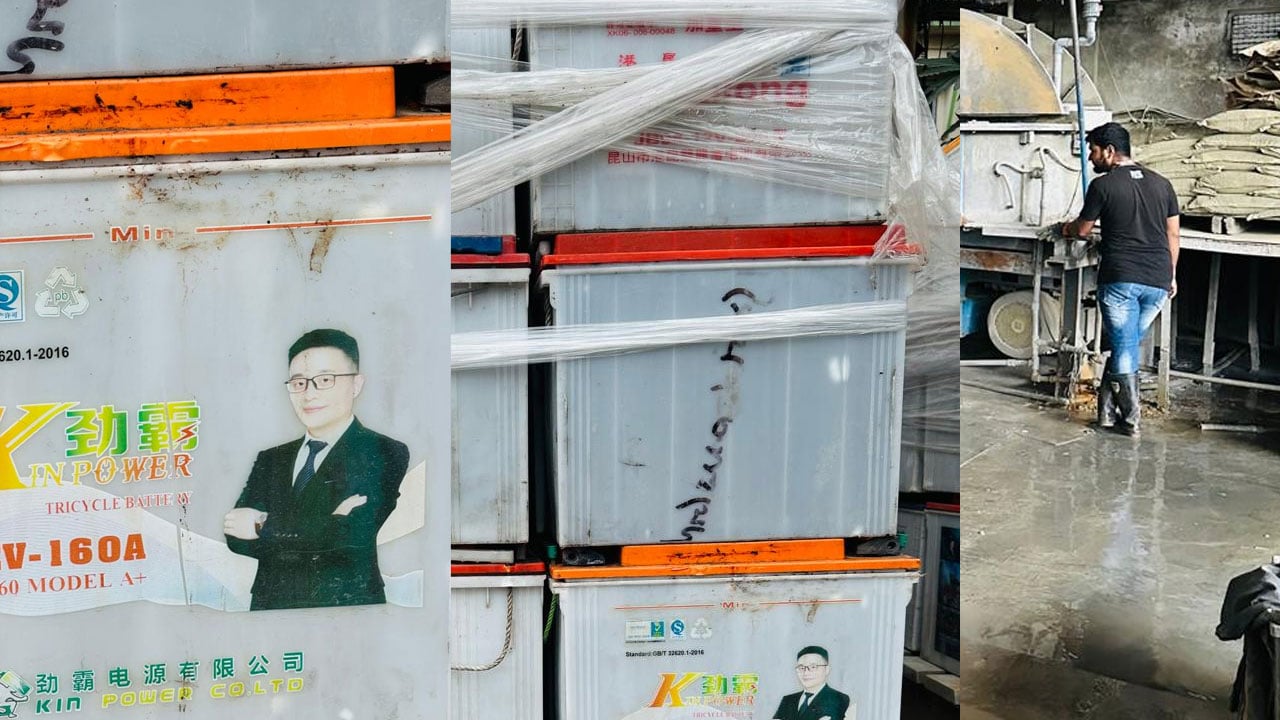
Bangladesh’s National Board of Revenue said its VAT Audit, Intelligence and Investigation Directorate in Dhaka Division uncovered alleged VAT evasion of nearly Tk 318 crore by battery producer Jiuzhou Industry Limited. The NBR disclosed the finding in a news release on Sunday, based on information related to the company’s battery production and sales. The company’s factory is located in Rupganj, Narayanganj. According to the release, a preventive team from the directorate raided Jiuzhou Industry on August 3 following intelligence information. During the operation, officials seized commercial documents, records and accounting papers. A subsequent detailed review and calculation using the seized materials found alleged evasion of Tk 317 crore, 92 lakh, 51 thousand and 378. The NBR alleged that the company had been operating while concealing actual information with the aim of evading government revenue. It said procedures are under way to recover the evaded revenue and pursue further legal and judicial action under VAT law. Jiuzhou produces and markets batteries and related components, including batteries for IPS, UPS, solar systems and motor vehicles, using imported raw materials and equipment.
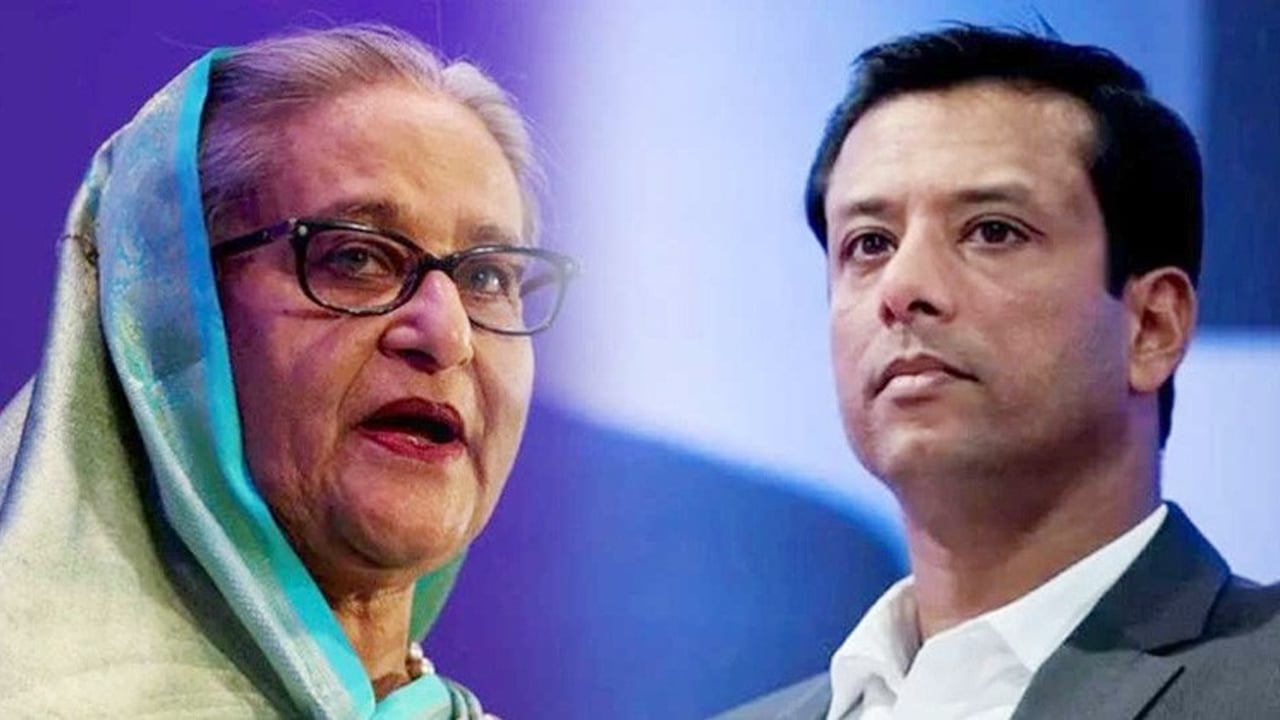
Police have submitted a charge sheet against ousted prime minister Sheikh Hasina, her son Sajeeb Wazed Joy and 27 others in the killing of Abdur Rahman Jisan in the Matuail area of Jatrabari, Dhaka, during the July uprising. Jatrabari police station court official Sub-Inspector Mohiuddin Chowdhury confirmed on Sunday that investigating officer Sub-Inspector Kawsar Hossain filed the charge sheet on 8 July. A hearing on accepting it is set for 6 October. The case alleges that a decision to suppress protesting students and members of the public was made at a 14-party alliance meeting chaired by Hasina at Ganabhaban on 19 July. It says the plan was implemented through Hasina’s instructions and messages sent from abroad by Joy, with the participation of other accused. According to the charge sheet, senior police and Rapid Action Battalion officers directed subordinates to suppress the movement, and large numbers of police were deployed in Jatrabari on 20 July. It also alleges that some local Awami League, Jubo League and Chhatra League activists joined attacks with weapons. Jisan was shot dead while serving water to protesters, and his father Babul Mia filed the murder case on 25 August 2024.
Nine people were injured in a clash between two local BNP factions over control of sand extraction from the Jamuna River in Nalsandhya, Sarishabari upazila of Jamalpur on Saturday night. The injured included Pingna Union BNP finance secretary Md Masud, BNP member Chan Mia, former union Jubo Dal general secretary Mazharul Islam Mukul, member Md Anis, and BNP workers Harun Or Rashid, Humayun Kabir and Abdur Rahim. Local sources said former Pingna Union Chhatra Dal general secretary Subhash and his associate Sakhawat had allegedly been illegally extracting sand from the Jamuna River for a long time. Masud, Chan Mia and other local residents protested over the matter, after which Subhash and Sakhawat became angered, according to the sources. At about 8:30pm, Subhash and Sakhawat allegedly arrived on eight motorcycles and attacked Masud and his associates at a tea stall with locally made weapons. Three injured men—Anis, Chan Mia and Masud—were referred to Jamalpur General Hospital after their conditions worsened, while others received local treatment. Police said no written complaint had yet been filed and legal action would follow if one is submitted.
-63bf96.jpg)
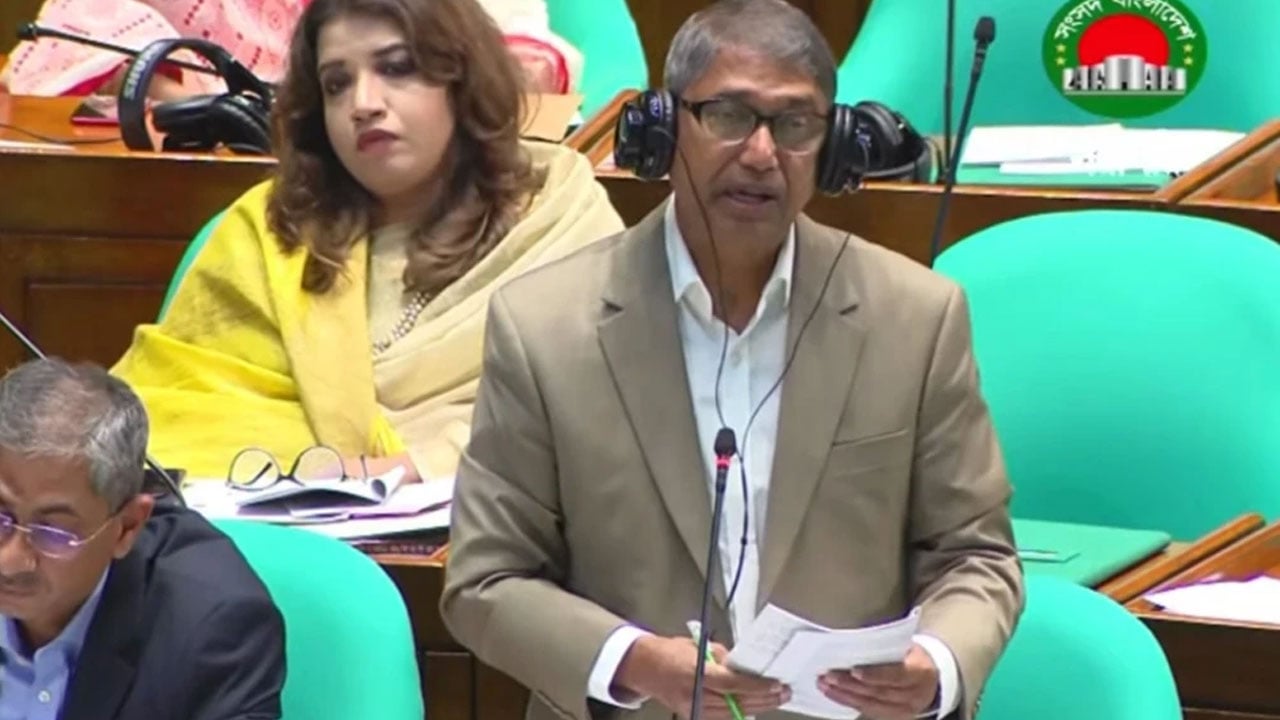
Liberation War Affairs Minister Ahmed Azam Khan told parliament that the government has established measures to preserve the list of genuine freedom fighters and identify and cancel fraudulent freedom fighter certificates. He presented the details in a written reply to a question from Netrokona-3 lawmaker Rafiqul Islam Helaly during Sunday’s parliamentary sitting. The minister said complaints alleging that a person is not a freedom fighter, when received by the ministry or the National Freedom Fighters Council, are investigated and heard through a council subcommittee. If verification determines that the person cannot be proven to be a genuine freedom fighter, the subcommittee recommends cancellation of that person’s gazette notification. Ahmed Azam Khan described complaint-based verification, investigation and hearings as a regular and continuing process of the National Freedom Fighters Council. He said legal and administrative action is being taken against holders of false certificates through this process. The parliamentary question had sought information on the government’s current actions to protect the list of genuine freedom fighters and detect and revoke fraudulent certificates.
The government has transferred 27 deputy secretaries from the BCS Administration cadre in a major administrative reshuffle, with most assigned as deputy directors for local government at district commissioners’ offices. The Public Administration Ministry’s Field Administration-2 branch issued the notification on Sunday. The postings cover district offices including Narsingdi, Thakurgaon, Jhenaidah, Satkhira, Rajshahi and Joypurhat. Anti-Corruption Commission deputy director Tamim Talha Imamin was posted to Narsingdi as deputy director for local government. Cumilla additional deputy commissioner Md Saiful Islam was transferred to Thakurgaon, while Magura additional deputy commissioner Md Abdul Kader was sent to Jhenaidah in the same role. Officials from the Mymensingh District Council, Dhaka Mass Rapid Transit Development Project and Gaibandha administration were also included. The transfer list also includes officials from the Planning Commission, Land Records and Survey Department, Sustainable and Renewable Energy Development Authority, Chattogram City Corporation and the Implementation Monitoring and Evaluation Division. New local government deputy directors were assigned to several hill and border districts, including Bandarban, Khagrachhari, Rangamati, Feni, Panchagarh and Nilphamari. Transferred officials must be released by September 3 and join their new workplaces; otherwise, they will be considered released from September 4.

England sealed the three-match Test series against Pakistan with a commanding 194-run win in the second Test at Lord’s. The hosts took an unassailable 2-0 lead with one match remaining after dismissing Pakistan for 194 on the fourth day while defending a target of 389. Pakistan lost three wickets for 14 and could not recover from the early batting collapse. Saud Shakeel led their resistance with 97, falling three runs short of a century, while opener Shan Masood made 26. Ollie Robinson took four wickets in Pakistan’s second innings, following his four-wicket haul for 11 runs in their first innings. Jofra Archer claimed three wickets as Pakistan were bowled out for 110 in the first innings. England made 290 in their first innings, led by Jamie Smith’s 61, Jordan Cox’s 55 and Gus Atkinson’s 45. After gaining a 180-run lead, England scored 208 in the second innings, with Dan Lawrence top-scoring on 54. Mohammad Abbas took five wickets for 57 in that innings and had earlier taken four for 73, while Mohammad Ali claimed three wickets for 86.

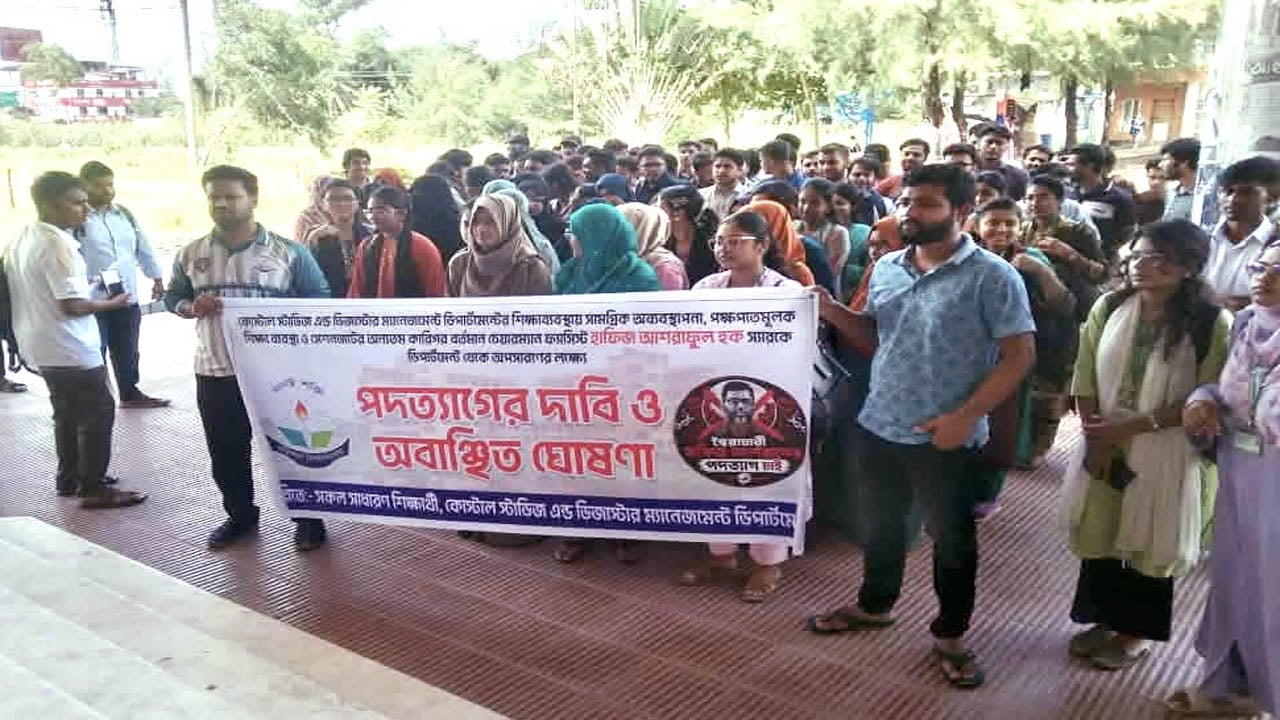
Students of Barishal University’s Coastal Studies and Disaster Management Department declared department chairman and founding associate professor Hafiz Ashraful Haque unwelcome and demanded his removal. On Sunday at about 10:30am, they locked the chairman’s room, classrooms and office, then staged a sit-in before the vice-chancellor’s office with banners and slogans. The students alleged prolonged session delays, administrative paralysis and broader mismanagement in the department. They said the chairman had previously given written assurances to resolve the session backlog but had not implemented them, disrupting academic activities. They also alleged that despite an annual development fee of Tk1,200 from each student, no visible development had occurred over the past 10 years apart from installing a classroom screen. Through the university proctor, students spoke with the vice-chancellor by phone after finding the vice-chancellor absent from the office. They said he promised to meet them within 24 hours. Proctor associate professor Mehdi Hasan Sohag asked students to submit written complaints, saying action would follow regulations. Haque attributed the difficulties mainly to shortages of classrooms and teachers and urged students not to take such extreme action.
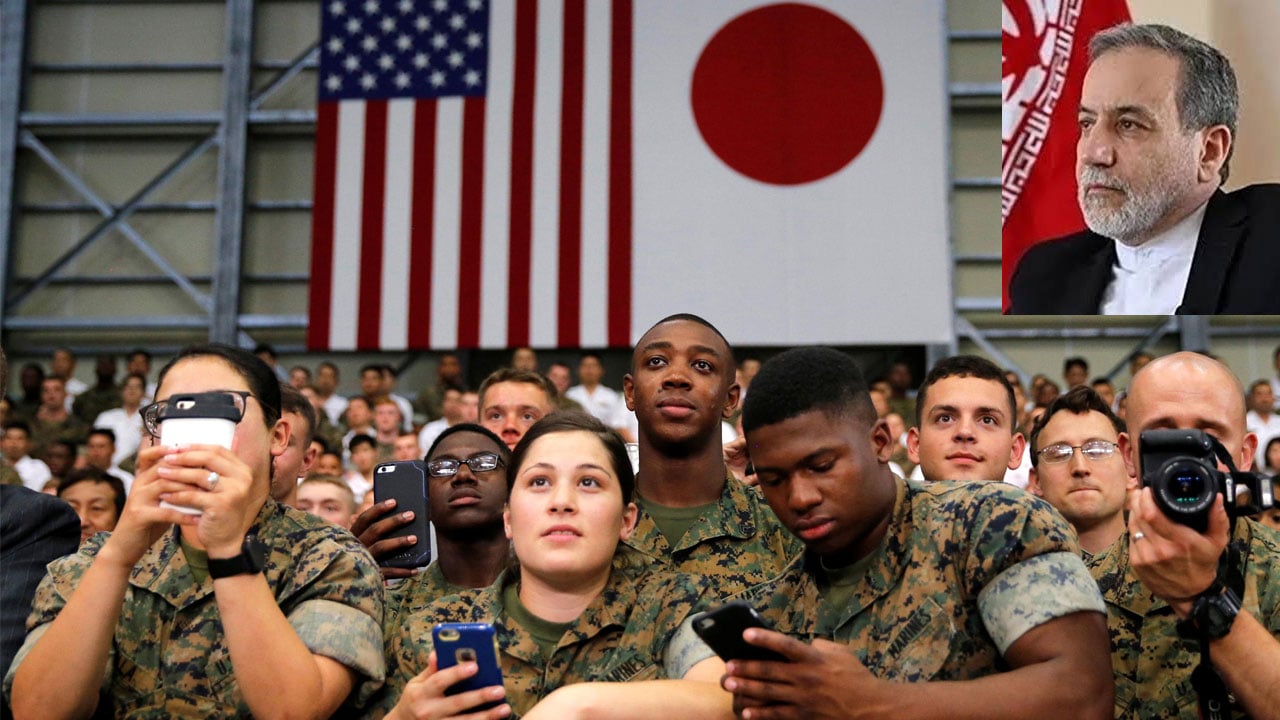
Iranian Foreign Minister Abbas Araghchi has urged Japanese people to hold their government accountable for what he described as participation in US “crimes.” His remarks followed reports that US F-16 fighter jets were sent from Japan’s Misawa Air Base to the Middle East for an attack on Iran. Araghchi questioned the use of US military facilities located in Japanese territory for operations in other parts of the world. Citing Fars News Agency, he said the Japanese government was responsible for the use of facilities based in the country. The foreign minister also raised questions about the Japanese government’s role in how US military bases and installations in Japan are used for American military operations. The source did not include a response from the Japanese government or further details about the reported deployment of the F-16 aircraft.
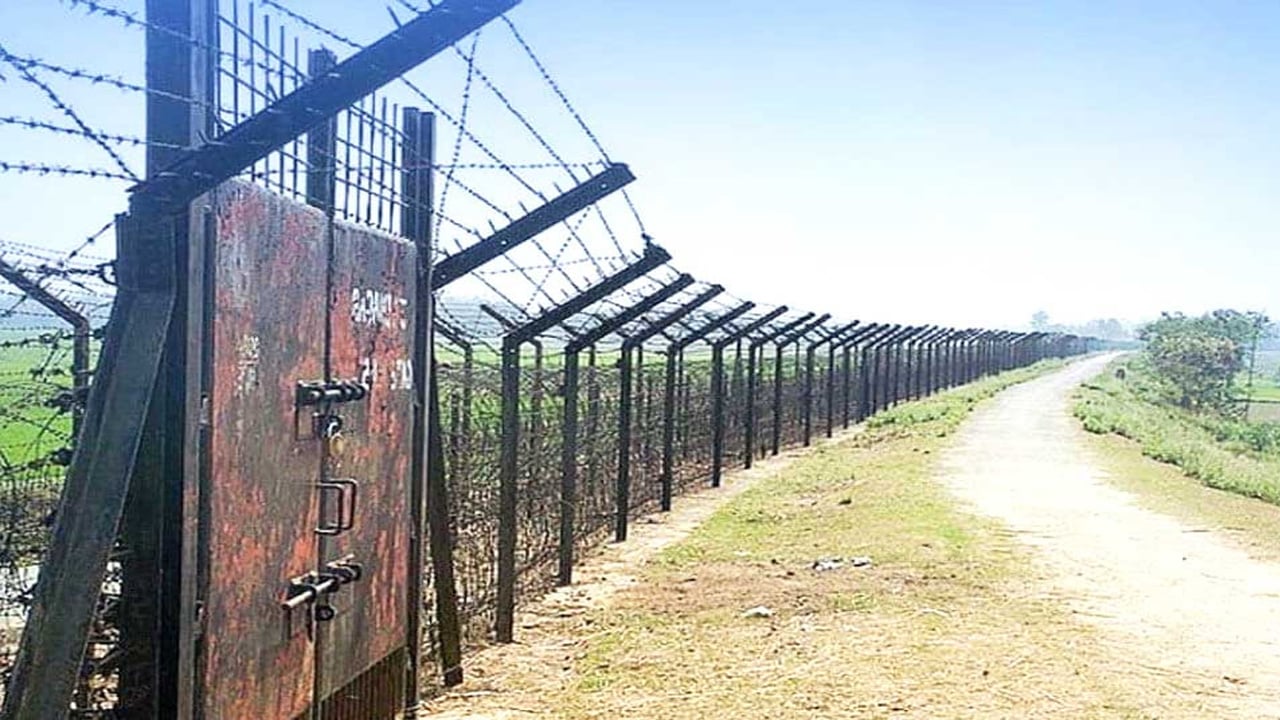
A Bangladeshi youth, Sohag Mia, 20, was killed in alleged firing by India’s Border Security Force (BSF) in the Chimtibil border area of Chunarughat, Habiganj. Sohag was identified as the son of Shafik Mia from the area. His uncle, Abdul Kadir, said Sohag had gone to the border area in the morning to bring cattle, as he did regularly, when BSF personnel suddenly fired at him. Family members began searching after they could not find him. Abdul Kadir and others later found Sohag lying in the border area and took him to Chunarughat উপজেলা Health Complex. The attending doctor, Sirajam Munira, declared him dead. Police prepared an inquest report and sent the body to the morgue.
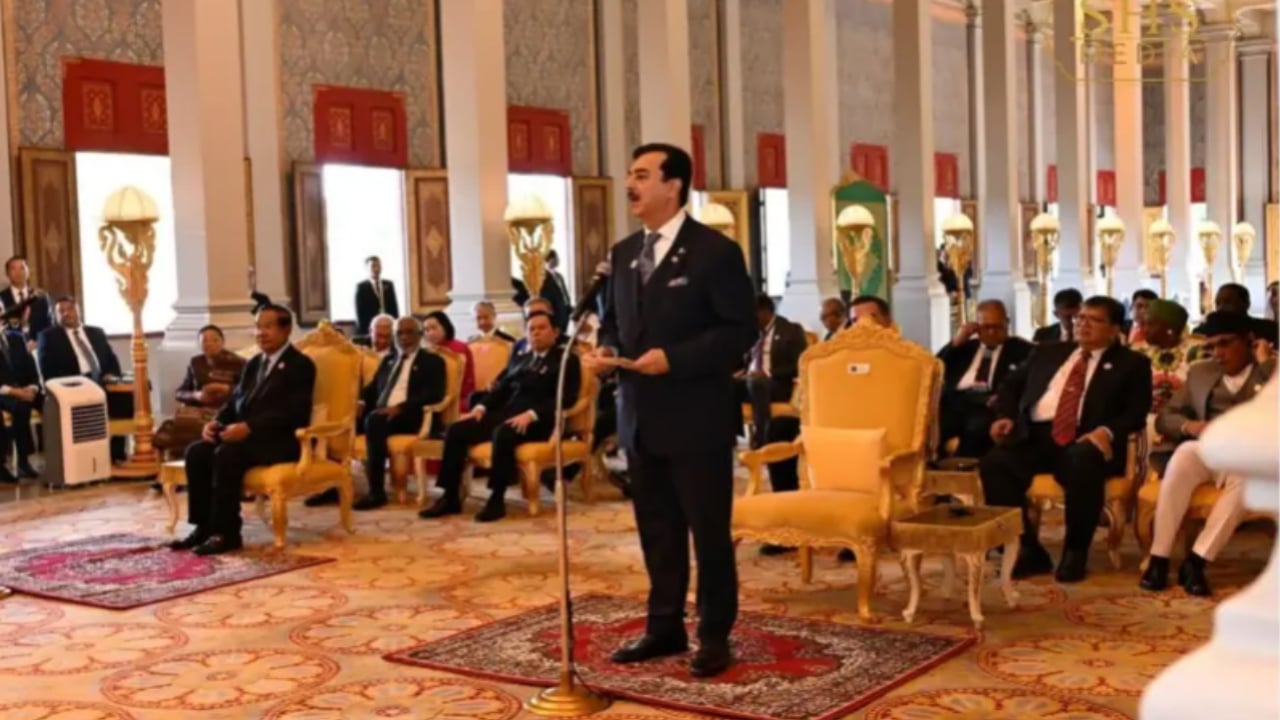
Pakistan Senate Chairman Yousuf Raza Gilani called for international law to be applied equally to all states and for greater Global South representation in shaping global laws and policies. He made the remarks on Saturday at the second Inter-Parliamentary Speakers’ Conference in Phnom Penh, Cambodia’s capital. Gilani said peace cannot be established selectively, arguing that a threat to peace in one part of the world becomes a threat everywhere. He urged parliaments to help approve international agreements, ensure accountability and promote fair international policies. Stressing peaceful dispute settlement, he described diplomacy and dialogue as the most effective path and referred to Pakistan’s role in advancing dialogue between the United States and Iran. He said Pakistan has itself been affected by terrorism and has hosted millions of refugees, giving it an understanding of the costs of conflict and a reason to choose peace. Gilani proposed turning the conference into a permanent institution, with rapid-response mechanisms, fact-finding missions and regular parliamentary work on peace and security. He also met Cambodian Prime Minister Hun Manet and King Norodom Sihamoni.
The ‘1 Nojor’ media platform is now live in beta, inviting users to explore and provide feedback as we continue to refine the experience.