

The ‘1 Nojor’ media platform is now live in beta, inviting users to explore and provide feedback as we continue to refine the experience.
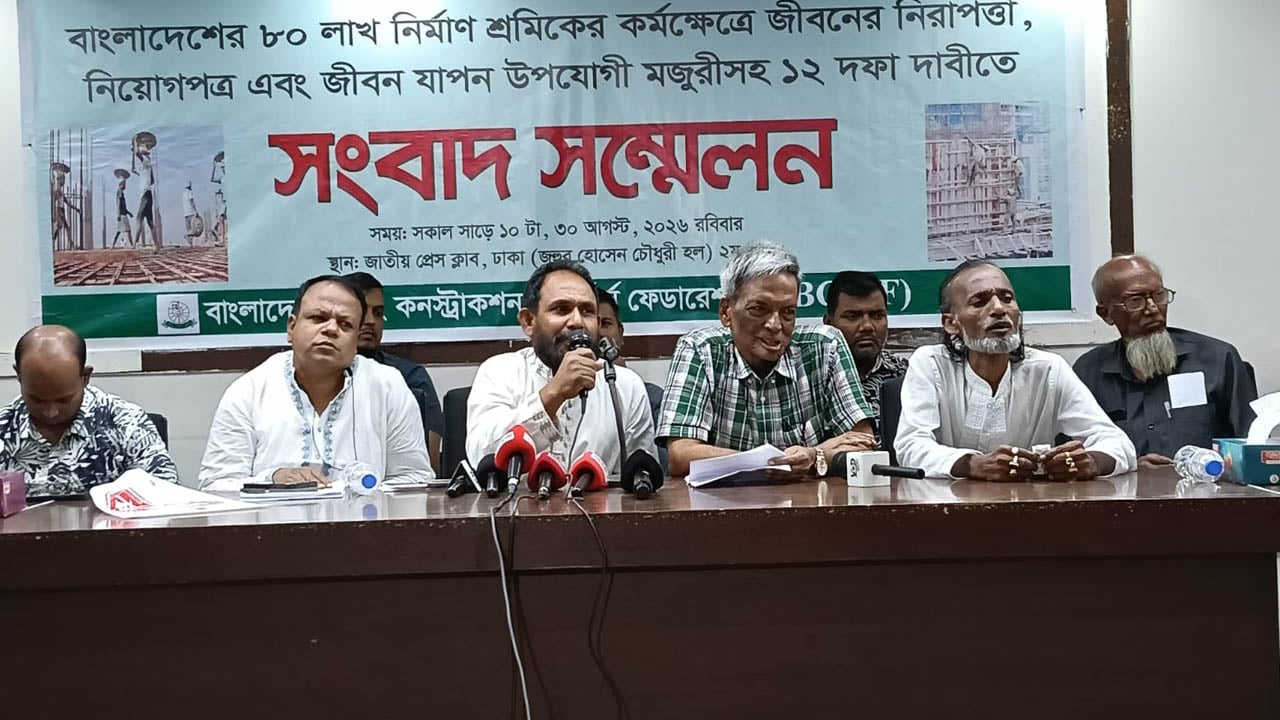
The Bangladesh Building Construction Workers Federation held a press conference at the National Press Club on Monday, presenting a 12-point demand for workplace safety and broader protections for construction workers. Federation president Md Abdul Matin delivered the written statement, saying that about 8 million construction workers are employed across the country while facing dangerous and neglected conditions. Matin said workers build high-rise buildings, roads, culverts, bridges, flyovers and modern markets despite risks to their lives. He said many are compelled to work without basic protective equipment such as safety helmets, belts, boots and gloves. Although appointment letters are mandatory under the national labour law, he said nearly all of the estimated 8 million workers are deprived of them, leaving them vulnerable to deprivation and harassment by employers. The federation called for appointment and identity cards, living wages, social security, retirement welfare allowances and a separate government welfare fund. It also demanded compensation equal to lifetime earnings, treatment and rehabilitation for workers killed or injured at work, monitoring of safety and labour laws, district-based government hospitals, compulsory approval for construction projects, and depositing 1 percent of project costs into a welfare fund. Other demands include group insurance and implementation of all government holidays.
Police in Dasmina, Patuakhali, have launched an operation to recover a one-and-a-half-year-old boy allegedly sold for Tk100,000 by his father, carpenter Md Maruf. The incident was reported on Saturday morning in Betagi Boro Gopaldhi village. Family members allege Maruf took his son Musa from grandmother Mahfuza Begum, saying he would take the child to the market, but did not return. The family later learned that Musa had allegedly been handed over to Imran Hossain of Ramanathsen village for money, which they say was intended to buy an iPhone. They further allege Maruf went to Dhaka with the child, exchanged an old iPhone for a new one, and later admitted under family pressure that he had transferred the child in writing for Tk100,000. Imran acknowledged taking the child, saying Maruf had discussed giving him the boy for a long time and that the arrangement was made after discussions with family members. He said he left the child at his father-in-law's home on Saturday afternoon. Police said they are investigating the child's location, will verify the allegations after recovery, and will take legal action against those involved.

Bangladesh has confirmed a decision to buy Chinese-made J-10CE multirole fighter jets, with a draft proposal sent to the Finance Ministry and the Armed Forces Division for final approval. The proposed package also includes Chinese attack helicopters, VIP transport helicopters and drones. Prime Minister’s Information and Broadcasting Adviser Zahedur Rahman said procurement could be completed quickly if funding is available in the current fiscal year; otherwise, the process would move to the next fiscal year. The J-10CE is the export version of China’s Chengdu J-10C. The single-engine aircraft can conduct air combat, ground strikes, surveillance and long-range missions, with a reported maximum speed of about Mach 1.8 to 2. It has modern radar and can carry various air-to-air and air-to-ground missiles. Bangladesh has not officially disclosed the number of aircraft or the contract value. Earlier information indicated a preliminary plan for 20 J-10 aircraft at an estimated cost of about $2.2 billion, including spare parts, training, transport, insurance and other equipment. The purchase is viewed as part of the Bangladesh Air Force’s modernization plan.

Pakistan were struggling in their chase of 389 against England in the Lord’s Test, reaching 115 for four after 32 overs at the time of reporting. The visitors needed another 274 runs with six wickets remaining after a severe first-innings batting collapse left them behind in the match. Ollie Robinson took three wickets and Jofra Archer one in Pakistan’s second innings, reducing them to four down for 111. Saud Shakeel remained unbeaten on 67 after building resistance with captain Shan Masood, who made 26. Earlier, Robinson claimed 4 for 11 and Archer 3 for 26 as Pakistan were dismissed for 110 in their first innings; Azan Wais scored 46. England made 290 in their first innings, led by Jamie Smith’s 61 and Jordan Cox’s 55. Pakistan pacer Mohammad Abbas took 4 for 57. England were then bowled out for 208 in the second innings despite Dan Lawrence’s 54, with Abbas taking 5 for 57, setting Pakistan the difficult target.

India and Uzbekistan have signed a long-term uranium agreement, Indian Prime Minister Narendra Modi announced after meeting Uzbek President Shavkat Mirziyoyev in Tashkent on Sunday. The two leaders also discussed expanding cooperation beyond existing areas, including nuclear fuel and urban development. The sides stressed the need to prepare an action plan for implementing three sister-city and sister-state agreements. Modi proposed using the experience of Gujarat’s GIFT City in the construction of Uzbekistan’s planned new city, New Tashkent. Cooperation between the countries already covers trade, investment, education, pharmaceuticals, information technology and culture. Mirziyoyev said bilateral trade exceeded $1 billion for the first time last year. He also said direct flights between the two countries have increased to 14 per week. The Uzbek president further indicated an initiative to allow Indian citizens visa-free travel for up to 30 days, adding another proposed measure to strengthen people-to-people links.

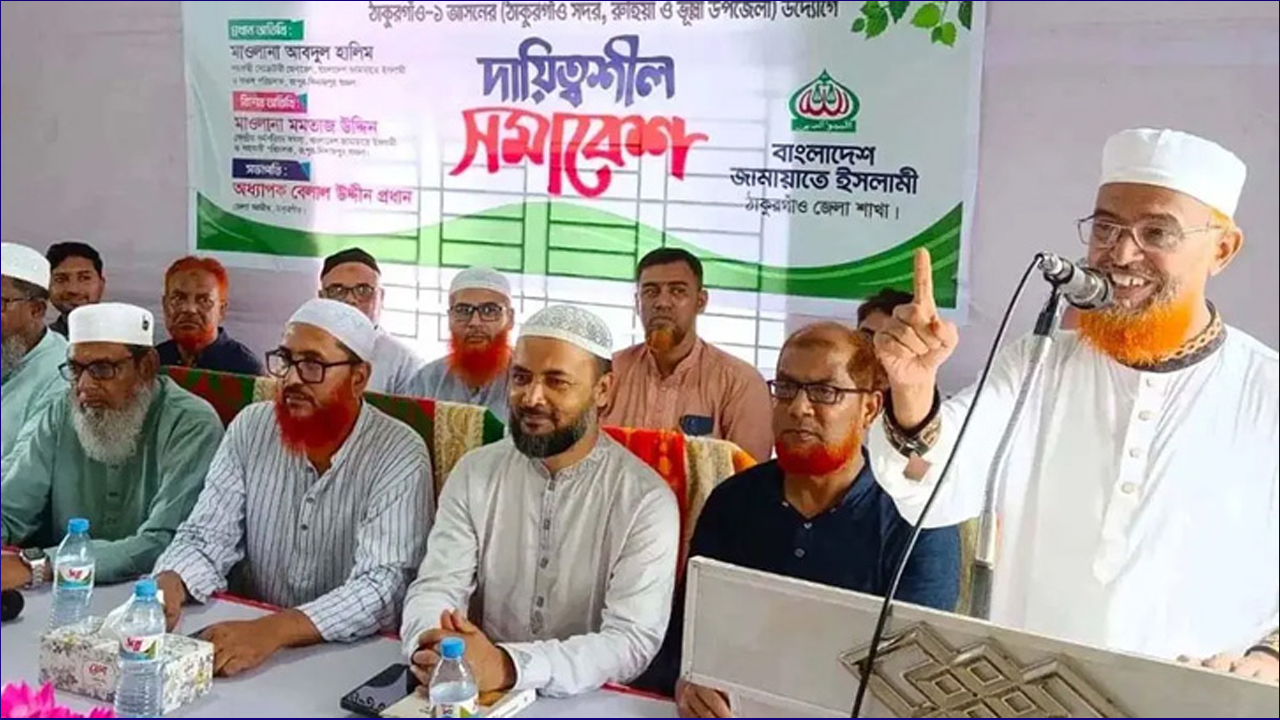
Bangladesh Jamaat-e-Islami has announced Delwar Hossain as its candidate for the Thakurgaon-1 by-election, after the seat became vacant following BNP Secretary General Mirza Fakhrul Islam Alamgir’s election as president. The candidacy was formally announced on Sunday, August 30, at a gathering of party officials at the Thakurgaon district Jamaat office. Jamaat central Assistant Secretary General and Rangpur-Dinajpur regional director Maulana Abdul Halim made the announcement. He said Delwar was selected as the nominee of an 11-party alliance under a central decision. Delwar is assistant secretary of Dhaka metropolitan south Jamaat and a former president of ইসলামী ছাত্রশিবির. Abdul Halim said elections are the main means of establishing democracy and that Jamaat has decided to participate in all elections. He expressed hope that the alliance candidate would win if the election is neutral and voters can cast ballots freely. Delwar also contested the February 12 parliamentary election as Jamaat’s candidate. The Election Commission is expected to announce the by-election schedule soon.
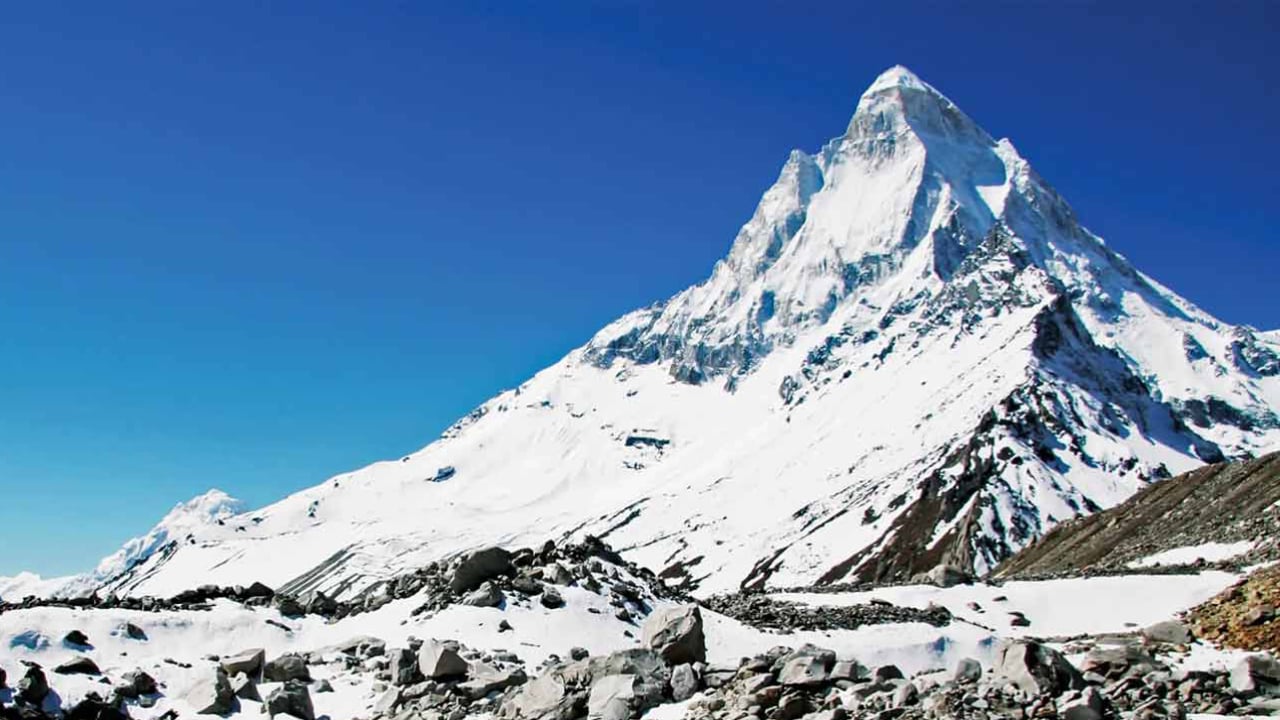
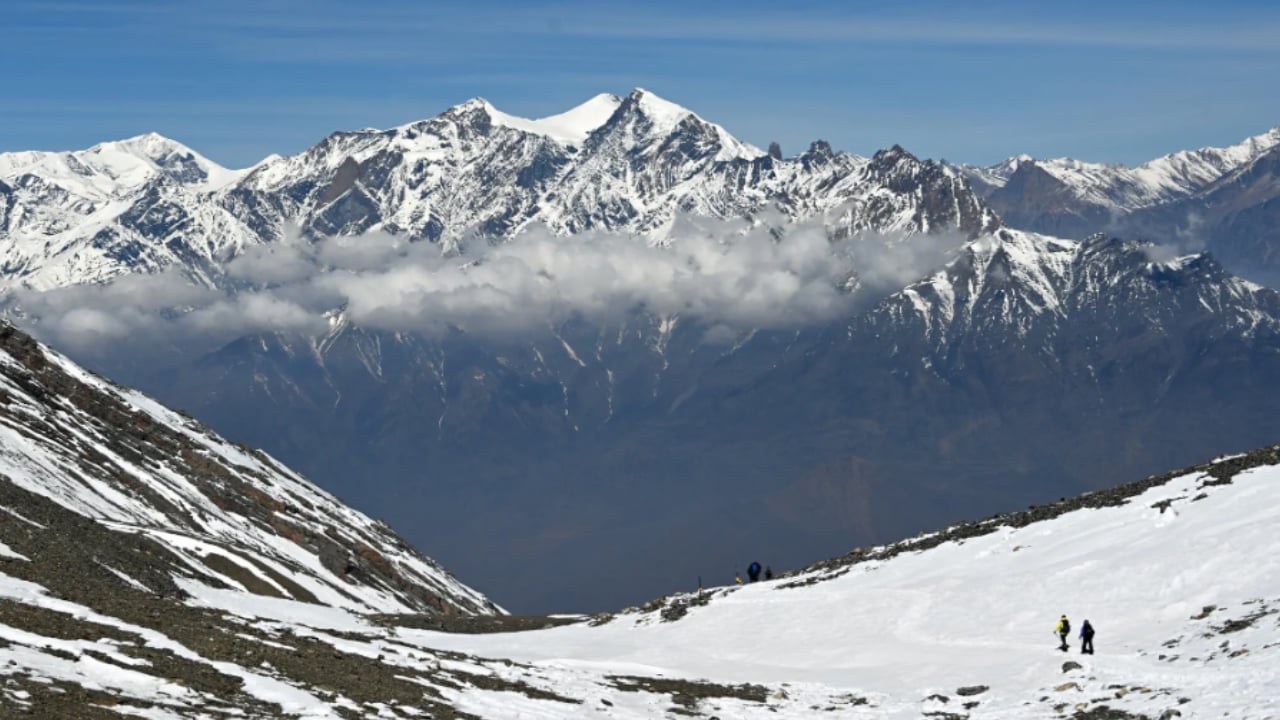
Climate change is rapidly altering the Himalayan environment, with glaciers melting, snow and ice declining, and risks of rockfalls and sudden floods increasing. On Wednesday, a glacier and part of a mountain collapsed on the northern side of 23,734-foot Langtang Lirung near Nepal’s Tibet border, sending water, mud and rocks across about 60 miles. Weeks earlier, an avalanche on Broad Peak in Pakistan’s Karakoram range killed 10 climbers, including Nepali mountaineer Nirmal Purja. Tribhuvan University glacier researcher Aravindra Khadka said Himalayan glaciers are losing an average of about one metre of ice each year. Mountain guide association president Tula Singh Gurung said retreating snow and ice are exposing bare rock and making routes unfamiliar, while rockfall risks are emerging across many areas. Experts said further research is needed to establish the precise cause of the Langtang disaster. The changes also threaten Nepal’s tourism-dependent mountain economy. Tourism accounted for 6.1 percent of the economy and nearly 1.2 million jobs in 2023, according to the World Bank. Climbers increasingly use weather forecasts, GPS, avalanche detectors and drones, which may reduce risks for Sherpas and other local workers as autumn trekking approaches.
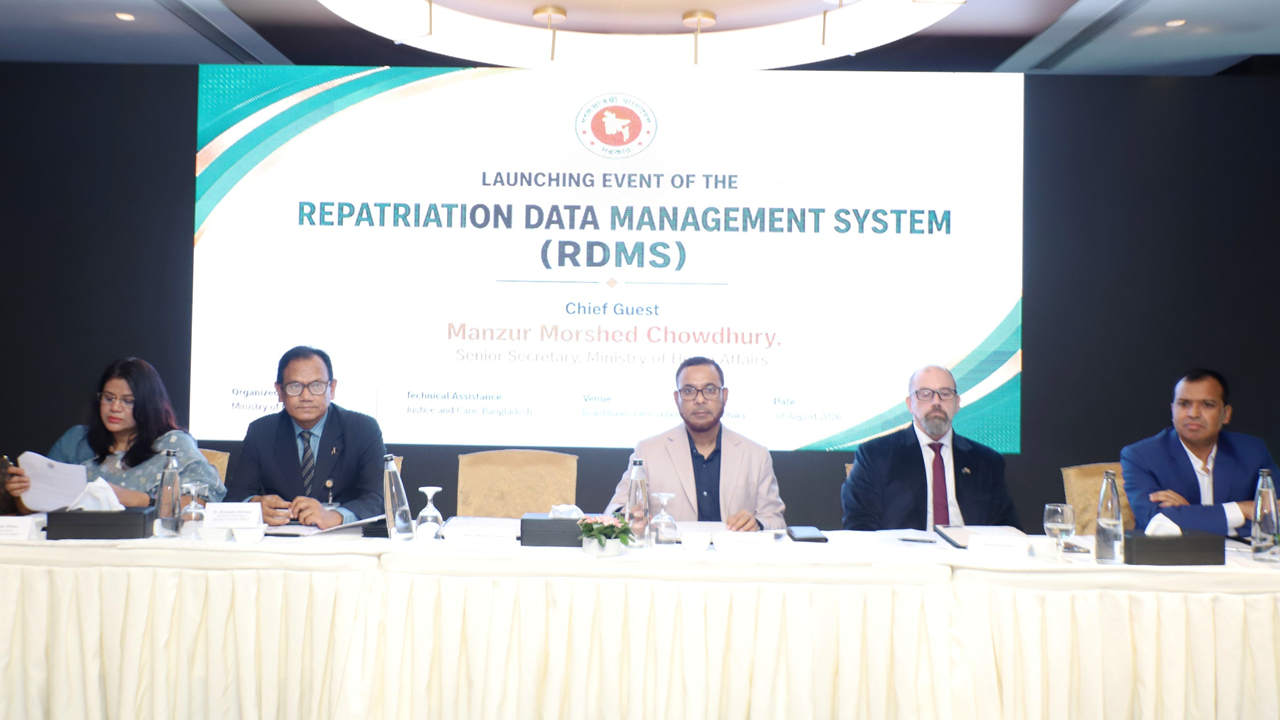
Bangladesh’s Home Ministry on Sunday launched the Repatriation Data Management System, or RDMS, to make the return of Bangladeshi citizens who are victims of human trafficking and irregular migration more effective and coordinated. The launch took place at a hotel in the capital at an event organised by the ministry with support from Justice and Care Bangladesh, chaired by Additional Secretary Dr Ziauddin Ahmed. The central digital platform was developed by the ministry with technical assistance from Justice and Care Bangladesh, while the Australian government supported its development and upgrades. It is designed to centrally store and manage repatriation case information, improve coordination among government agencies, speed up nationality and police-record checks, and enable real-time monitoring and reporting. Dr Ahmed said the platform has already been linked with the national identity database to preserve comprehensive information on returnees and survivors. Work is under way to integrate it with birth and death registration and passport services to identify children accurately. The system also aims to securely manage sensitive personal information and allow Bangladeshi missions abroad and relevant agencies to submit repatriation requests through a more structured process.
Local residents surrounded the Palli Bidyut Samity-1 zonal office in Madhabdi, Narsingdi, protesting excessive load shedding, while thousands of textile workers blocked the Dhaka-Sylhet highway on Sunday. Workers occupied the road outside the Madhabdi electricity office from 10am to noon, disrupting traffic and demanding uninterrupted power for the Narsingdi and Madhabdi industrial areas. The blockade created traffic congestion of about three kilometres on both sides of Madhabdi bus stand, causing hardship for long-distance passengers and other commuters. Workers said repeated outages had disrupted factory production and reduced their earnings. Textile worker Ratan Mia said the inability to produce cloth regularly was affecting workers' wages and called for the situation to be restored quickly. Police from Madhabdi station, district administration officials and local leaders went to the site to address the protest. The workers returned to their workplaces and traffic resumed after they were assured that electricity supply conditions would be normalised within seven days. Deputy general manager Mohsin Kabir said load shedding was a national problem and that officials would try to improve supply in Madhabdi within a week.
A devastating flash flood in Nepal’s Rasuwa area near the Nepal-Tibet border on 26 August has renewed concern over climate change impacts on the Himalayas. Scientists say rapidly melting glaciers and permafrost are weakening mountain slopes, increasing the risk of glacier collapses, landslides and sudden floods. Hundreds of people were killed and many others went missing in the border-area disaster. The US Geological Survey said a 5.2-magnitude tremor recorded during the event was not an earthquake, but resulted from a glacier collapse and a massive movement of ice and rock downhill. Scientists said the debris entered a river, creating a powerful flow of water, ice, mud and rocks. River levels rose by about nine metres within 30 minutes, submerging nearby settlements, roads, bridges, power facilities and other infrastructure. Scientists cautioned that further research is needed to determine the disaster’s direct link to climate change. They urged regular monitoring of glaciers and river levels, satellite surveillance, stronger early-warning systems and faster information-sharing among Nepal, China and downstream countries. Rivers originating in the Hindu Kush-Himalaya region support the lives and economies of about 2.1 billion people.
On International Day of the Victims of Enforced Disappearances, observed on August 30, an account has revisited the 2015 disappearance of current Home Minister Salahuddin Ahmed. According to Syed Habib Hasnat, the owner of the Uttara flat, Ahmed was taken from the residence in Dhaka on March 10 while serving as BNP spokesperson during anti-government protests. Ahmed, who had moved there from Gulshan, was found in Shillong, Meghalaya, on May 11 after about two months missing. Hasnat said Ahmed had shifted between Gulshan flats as government agencies, intelligence bodies, RAB and police searched for him. On March 10, Hasnat said he found an unusually deserted area, a strong law-enforcement presence near the building, a broken flat door, and staff saying their “guest” had been taken away. He left Bangladesh soon afterward, fearing arrest or disappearance. The government denied that law-enforcement personnel had taken Ahmed and said he had gone into hiding. Reports in two national dailies on March 18 cited witnesses who said law-enforcement members took him. Hasnat also said intelligence officials later threatened him to remain silent when he prepared to hold a press conference abroad.
A Dhaka court has ordered former member of parliament Barrister Muhammad Shahjahan Omar to be shown arrested as a suspected accused in the murder case of local BNP leader Ishaq Jomaddar. Metropolitan Magistrate Mahbub Alam issued the order on Sunday, August 30, following an application by Adabar police sub-inspector and case investigation officer Mahesh Chandra Singh. According to the case allegations, Ishaq Jomaddar, 50, was the organisational secretary of the former Ward No. 30 in the Adabar police area. He was shot during an anti-discrimination student movement near Shyamoli Club field in Adabar on the afternoon of August 5, 2024. He was taken in critical condition to Shaheed Suhrawardy Medical College Hospital, where doctors declared him dead. The investigator's application alleged that Jomaddar was killed in indiscriminate firing on protesters on the instructions of Sheikh Hasina and senior Awami League leaders. It said showing Omar arrested was necessary for a proper investigation and to prevent him from going into hiding if released on bail. The application also said multiple murder, corruption and explosives law cases against Omar are pending at several police stations, including New Market and Rajapur in Jhalakathi.
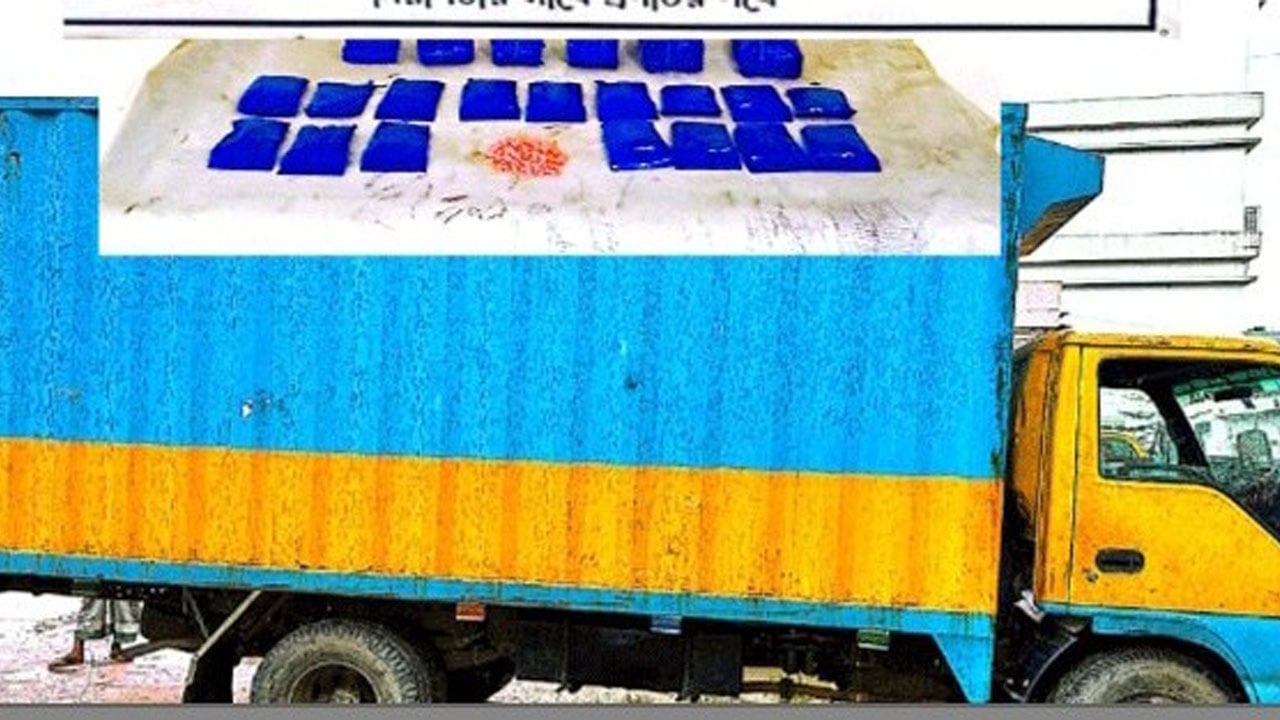
Police seized a covered van carrying 10,000 yaba tablets in the Mahajanghata area of South Jaldi on the Chattogram-Banshkhali main road in Banshkhali, Chattogram, at about 7:30am on Sunday. The driver fled after noticing a police checkpoint, leaving the vehicle behind during the operation near Sajal Sanitary Home Service. According to police sources, officers signalled the Chattogram-bound covered van, bearing registration number Dhaka Metro-A-14-0552, to stop. The driver then quickly abandoned the vehicle and escaped. Police searched the van and recovered the 10,000 yaba tablets from behind the driver's seat. The vehicle, allegedly used to transport the drugs, was also seized. Banshkhali police station Officer-in-Charge Md. Rabiul Haque said police are working to identify and arrest those involved in transporting the narcotics. A case has been filed at Banshkhali police station under the Narcotics Control Act. Operations to arrest the absconding driver are continuing, police said.
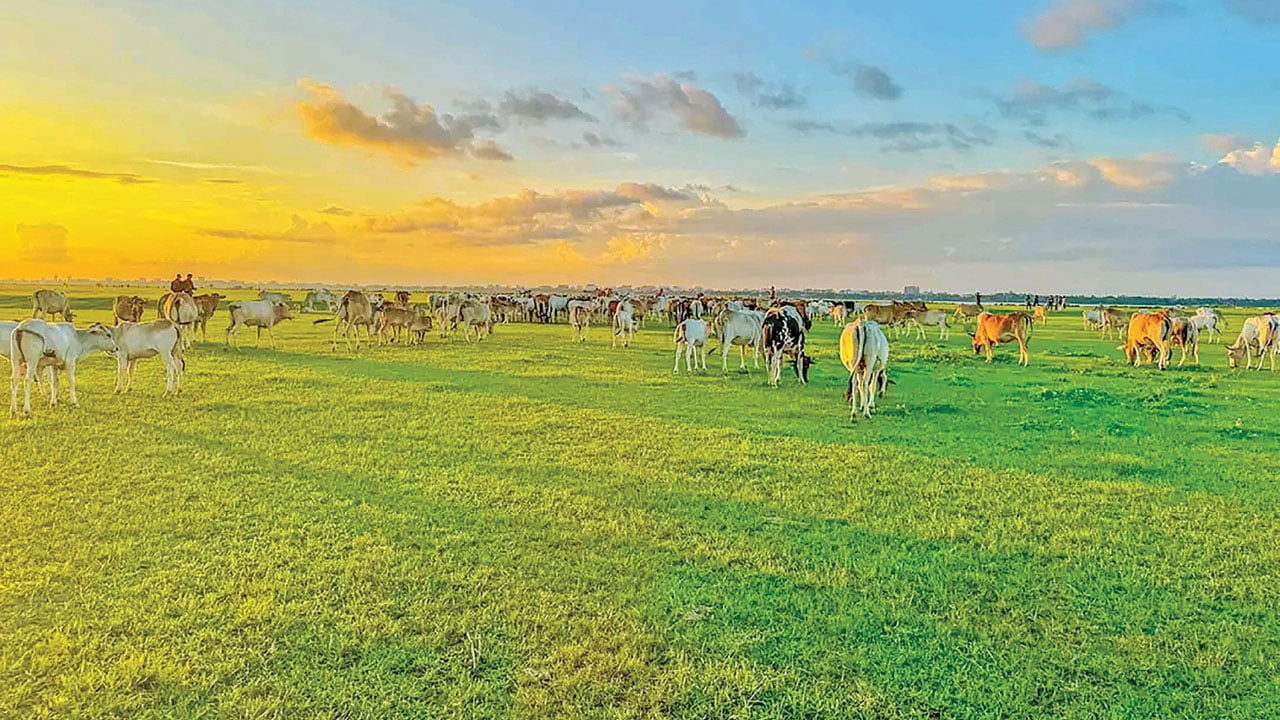
Residents of Middle Char in Paba upazila of Rajshahi, locally known as “Mini Switzerland” for its scenic Padma River landscape, say they endure severe shortages of basic public services. The char, part of Charkhidipur in Harian Union’s Ward 8, has about 140 to 150 households and more than 700 residents. Despite farming and livestock rearing being the main livelihoods, residents lack healthcare, markets, grid electricity, a cemetery, higher-level education and flood shelters. There is no hospital, clinic, pharmacy or basic treatment facility on the char, forcing emergency patients and snakebite victims to cross the river by boat for care. Residents say pregnant women, children and critically ill patients face particular danger, especially at night or during poor weather. Deaths require burial across the river in cemeteries in Khojapur and Dasmari, while household supplies must be bought from markets on the mainland. Flooding during Bhadra and Ashwin submerges large areas for up to two months, displacing families and livestock and damaging crops. Locals have requested a hospital, high school, sufficient solar panels and an elevated shelter for people and animals. They also report uncertainty over land records, rent payments and mutation procedures for ancestral holdings.
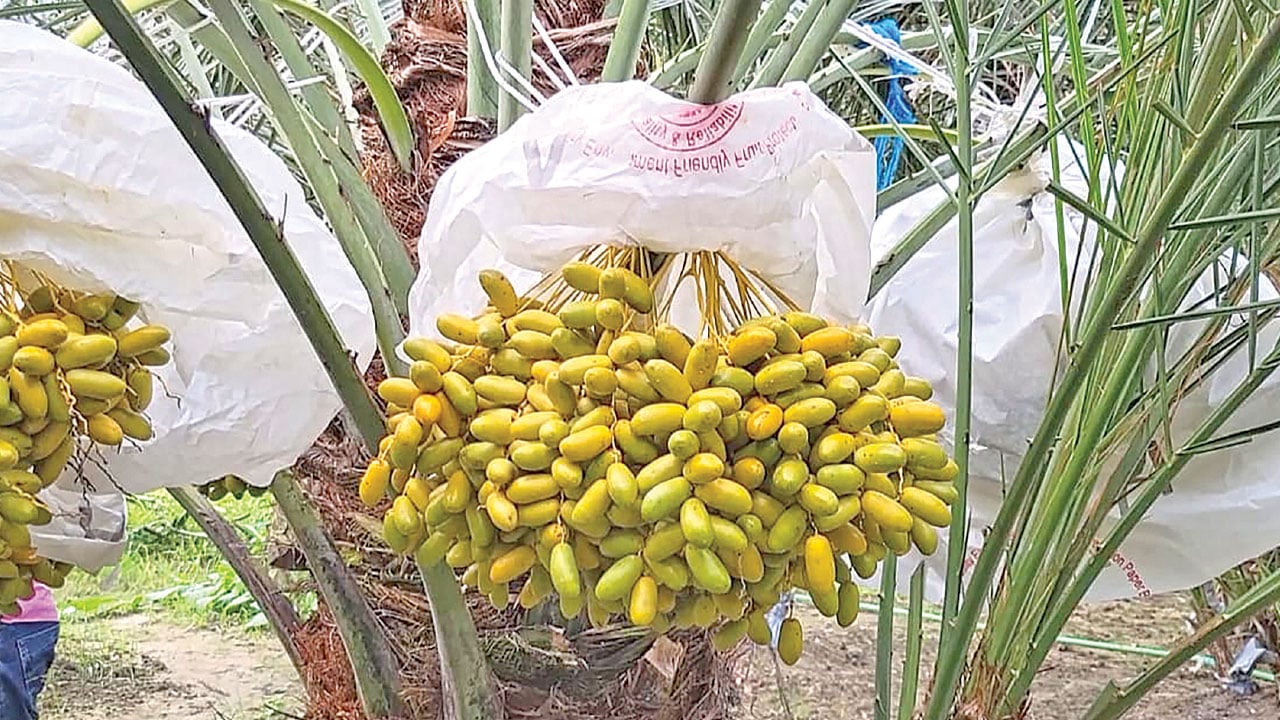
Young entrepreneur Saifuddin Hiru has developed a date-palm garden on 33 decimals of land in Atgharia, Pabna, after beginning with four saplings in 2022. Four years later, his garden contains 60 trees, including Ajwa, Maryam, Medjool, Sukkari, Warhish and Barhi varieties. Local farmers and agriculture officials have expressed optimism after seeing fruit on the trees. Hiru said he faced discouragement from experienced local farmers because Bangladesh’s humid climate and heavy rainfall present major obstacles for date cultivation. Without institutional training, he used internet and YouTube resources to learn cultivation methods and sought varieties that could adapt to local conditions. Visitors now come from distant areas after seeing videos of the orchard on social media, though questions remain over whether the dates will match desert-grown fruit in taste. Hiru plans to expand the garden using new offshoots, or suckers, produced by the trees and has sought government support and easy-term loans for commercial growth. Agricultural Extension Department Deputy Director Jahangir Alam Pramanik said the garden is under close observation. He said cultivation could be expanded across the district after scientific assessment if taste and market prices are satisfactory.
The ‘1 Nojor’ media platform is now live in beta, inviting users to explore and provide feedback as we continue to refine the experience.