

The ‘1 Nojor’ media platform is now live in beta, inviting users to explore and provide feedback as we continue to refine the experience.
A union-level BNP labor leader named Jahangir Alam, aged 50, was killed on Monday evening during an arbitration meeting in Sultanpur Uttarpara of Brahmanbaria Sadar upazila. The incident occurred when a dispute escalated into a violent clash between two sides. Jahangir, son of the late Mohammad Ali, was a candidate for the position of vice president of the union BNP’s labor wing. According to local residents and the victim’s family, the meeting was called to resolve a long-standing marital conflict between Jahangir’s niece and her husband Ataullah, son of Satchu Mia. During the meeting, an argument turned into a physical altercation, and Ataullah’s associates attacked Jahangir’s side with local weapons. Jahangir and several others were injured and taken to Brahmanbaria General Hospital, where doctors declared Jahangir dead. Police visited the scene following the incident. Additional Superintendent of Police Md. Rakib Ur Reza stated that the body was sent for autopsy and that legal action against those involved is underway.
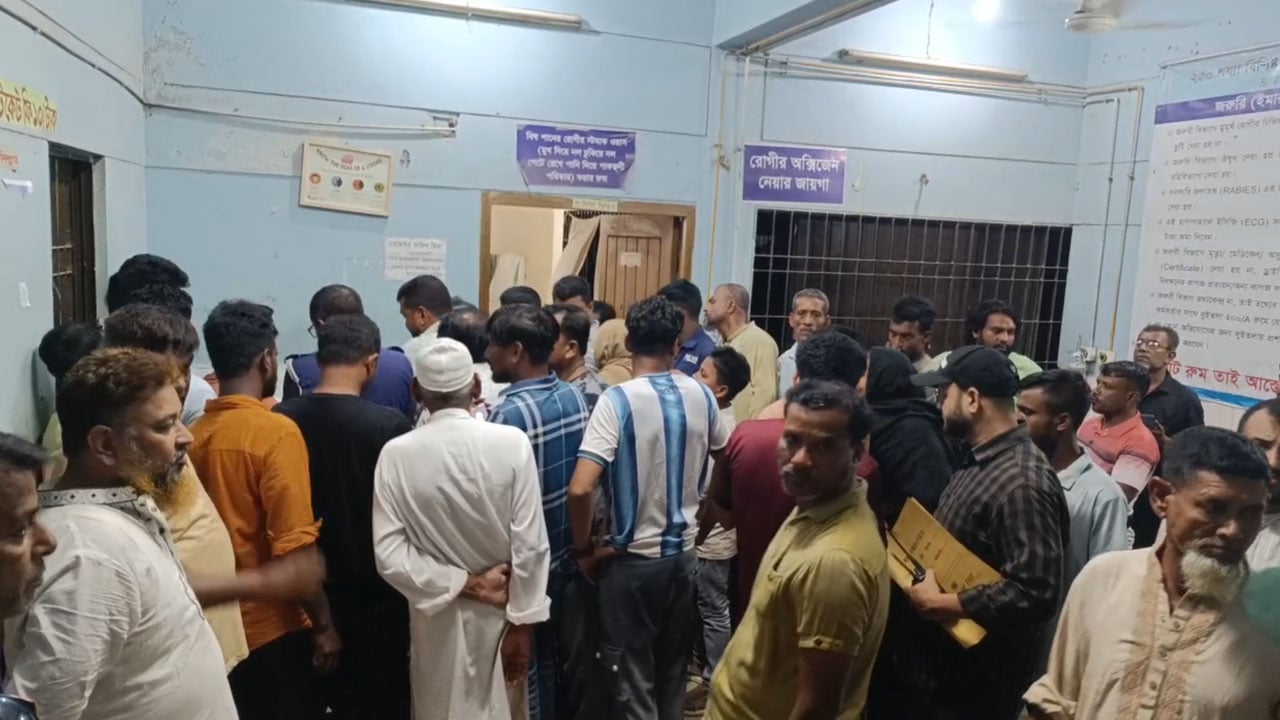
The International Crimes Tribunal-2 has released the full 809-page verdict in the case of Abu Sayeed, a student of Begum Rokeya University in Rangpur, who was declared the first martyr of the July Revolution. The tribunal found that police officers intentionally and unlawfully killed Abu Sayeed under a state-directed policy of violent suppression. Chief Prosecutor Aminul announced the verdict details at a press briefing, noting that appeals may be filed after review. The judgment stated that forensic and evidence-based investigations by an internationally recognized human rights mission confirmed the killing was part of a broader, systematic campaign against civilians, qualifying as a crime against humanity under the International Crimes (Tribunals) Act, 1973. The tribunal determined that Sayeed died from multiple injuries, including gunshot wounds, and ruled the death a planned murder. Two former police officers received death sentences, three others life imprisonment, and several university officials and student leaders received prison terms ranging from three to ten years. The tribunal also deemed one convict’s time in custody as sentence served.

Iranian Parliament Speaker Mohammad Bagher Ghalibaf stated that Iran has made significant progress toward what he described as its 'final victory' against Israel and the United States. In a post on social media platform X, he called Iran’s resistance 'historic' and credited the country’s armed forces and people for their role in defending the nation against those who sought its destruction and surrender. Ghalibaf emphasized that Iran will remain steadfast in protecting its sovereignty and national interests, refusing to yield under any pressure. His remarks come amid heightened regional tensions involving Iran, Israel, and the United States, which have drawn widespread international attention. Iranian leaders have repeatedly vowed to continue their resistance in the face of external challenges. The statement underscores Tehran’s ongoing defiance and signals a continuation of its current stance amid growing geopolitical friction in the region.
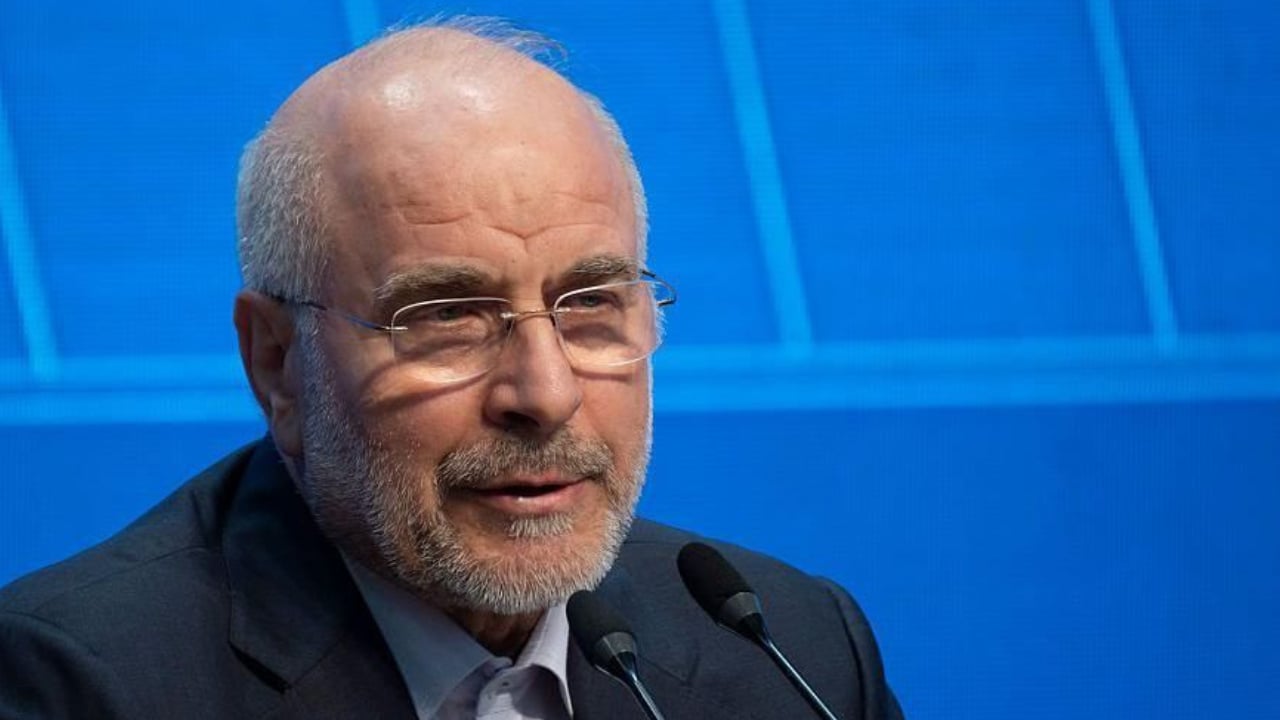
Analysts believe the upcoming United States–Iran agreement could significantly weaken Israeli Prime Minister Benjamin Netanyahu’s long-standing strategic goals. Early reports suggest the new ceasefire and negotiation framework lacks key Israeli concerns, causing frustration in Tel Aviv. The framework, announced Sunday, reportedly omits restrictions on Iran’s ballistic missile program and its funding of allied groups in the Middle East. Israel fears that easing sanctions could strengthen Iran’s economy and indirectly support groups like Hezbollah and the Houthis, which have previously attacked Israel. Uncertainty remains over how the deal will address Iran’s nuclear program, including its stockpile of enriched uranium and future enrichment rights. Further discussions are expected during a 60-day ceasefire. Netanyahu also faces domestic political pressure ahead of elections, with polls showing him trailing. His ally, US President Donald Trump, has recently criticized him while calling Iran’s new Supreme Leader pragmatic. Observers say Netanyahu’s recent strike near Beirut may have been politically motivated, but it risks appearing as an attempt to derail the US-Iran deal. Analysts argue that if the agreement proceeds, it could make the 2015 nuclear deal appear comparatively effective, further questioning Netanyahu’s Iran policy.
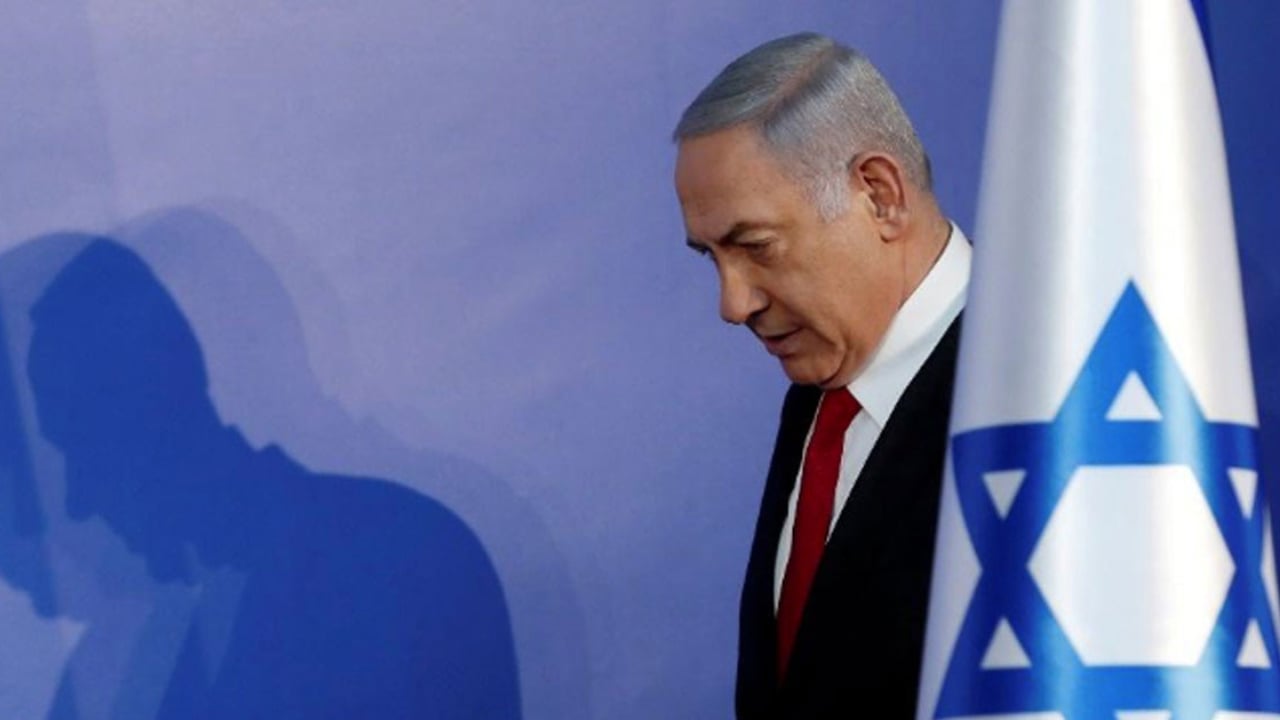
A bakery in Naria upazila of Shariatpur was fined Tk 100,000 on Monday for multiple irregularities found during a joint inspection by the upazila administration and the Bangladesh Food Safety Authority. The operation took place at the Pilot Mor area and was led by Assistant Commissioner (Land) Laki Das, with district food safety officer Subrata Bhattacharya and police personnel present. The inspection team identified several violations at the bakery named 'Arian Biscuit', including food production and storage in unhygienic conditions, use of fake BSTI logos on packaging, and storing expired cakes for sale. Following these findings, bakery owner Suman Sardar was fined Tk 100,000. Authorities instructed the bakery to comply with all food safety regulations in the future and warned that stricter legal action would be taken if similar violations were found again.
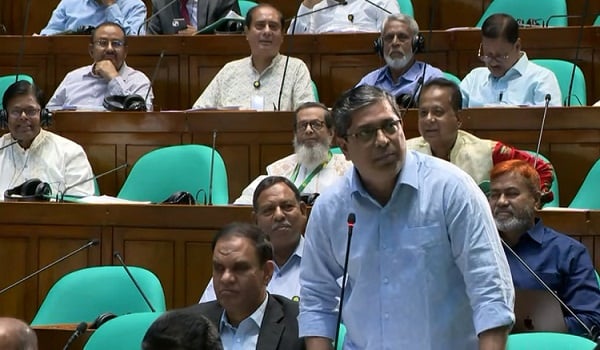
In Bangladesh’s Parliament on Monday, State Minister for Local Government Mir Shah Alam faced criticism after two newly formed union councils in his constituency were named 'Simanta' and 'Diganta', matching the names of his two sons. Opposition lawmakers alleged that the unions were named after his family members, violating the Union Parishad Act 2009, which prohibits naming unions after individuals. The minister denied the allegation, claiming the similarity was coincidental. The controversy arose in the newly created Mokamatla upazila of Bogura-2 constituency, where several unions were reorganized last month. According to the minister, 'Simanta' was named because the area borders another region, while 'Diganta' was chosen for its distant location near the Gaibandha district boundary. He emphasized that the names were selected by the district administration, not by him. Government MPs expressed support for the minister during the session, while the opposition reiterated concerns about political influence in local naming decisions. The issue has drawn attention to administrative transparency in local government restructuring.
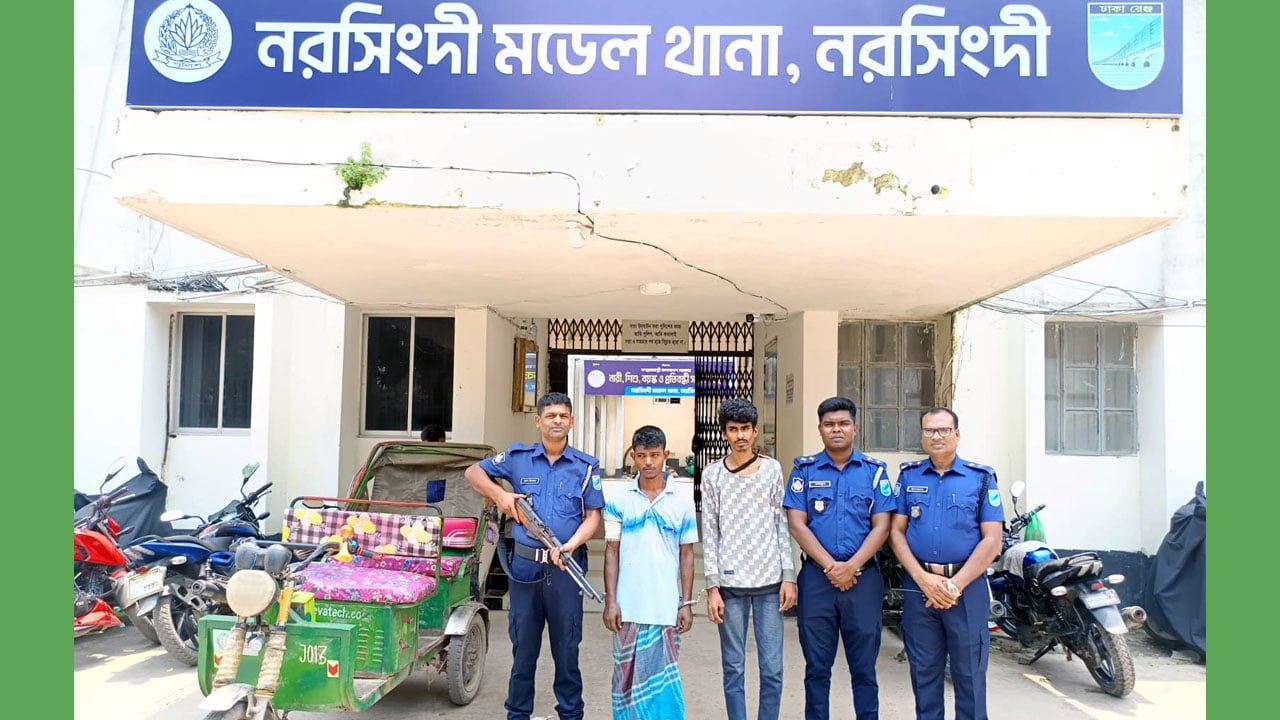
Police in Narsingdi have uncovered the mystery behind a previously clue-less murder and arrested two suspects, Md. Anwar Hossain (27) and Ashik (21), in connection with the killing of Sarowar Hossain (22). The arrests and case details were disclosed by Additional Superintendent of Police (DSB) Md. Kalimullah during a press conference at Sadar Model Police Station on June 15, 2026. According to police, Sarowar, a battery-run autorickshaw driver from Netrakona’s Kendua area, was found dead on the night of June 14 near the Beribandh area of Champaknagar village in Narsingdi Sadar upazila. Based on technological and intelligence inputs, the two suspects were detained, leading to the identification of the victim. During preliminary interrogation, both admitted involvement, revealing that a financial dispute between Sarowar and Anwar led to the murder. Police said the suspects lured Sarowar to the location on June 13, killed him by slitting his throat, and later sold the autorickshaw’s battery. A case was filed by the victim’s father, and a court granted three days’ remand for Anwar and two days for Ashik.
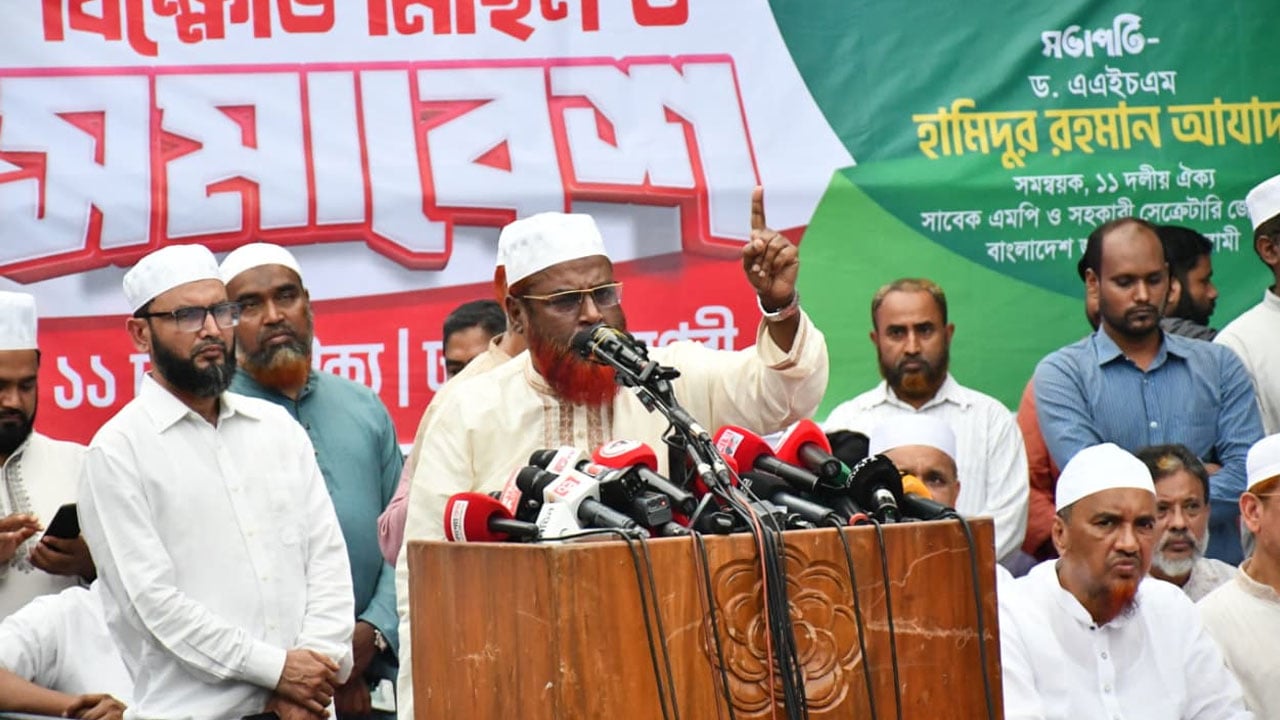
Bangladesh Jamaat-e-Islami Secretary General Professor Mia Golam Porwar stated that people in 32 border districts are prepared to assist the Border Guard Bangladesh (BGB) in resisting any push-in attempts. He made the remarks on Monday at a protest rally in Dhaka’s Shahbagh organized by the 11-party alliance against alleged push-ins, border killings, and abuses by India. Porwar emphasized that Bangladeshis are peace-loving but will not tolerate dominance disguised as friendship, calling for relations with neighbors based on fairness and equality. Speakers at the rally, including leaders from Jamaat-e-Islami, Bangladesh Khelafat Majlis, and other allied parties, accused India of aggressive behavior and criticized the Bangladeshi government for being submissive in foreign policy. They alleged that India was pushing its Muslim citizens into Bangladesh and violating prisoner exchange agreements. Several speakers also demanded that the government summon the Indian High Commissioner and take a stronger stance on border killings. Following the rally, participants marched from Shahbagh’s Shaheed Osman Hadi Square through key city points before concluding at Paltan, calling for an end to border violence and push-in incidents.
US Vice President JD Vance stated that Iran could gain access to a $300 billion reconstruction fund if it fulfills certain conditions. The fund would be financed by a coalition of Gulf countries. In an interview with CBS on Monday, Vance said Iran’s access depends on meeting its commitments under the proposed arrangement. Vance cautioned that Iranian hardliners might emphasize the benefits of the deal while downplaying the concessions required. He clarified that returning $24 billion in frozen Iranian assets is not part of the potential agreement, and the draft text has not yet been released. Supporters of a tougher stance on Iran have expressed concern that any new deal could allow Tehran to channel economic gains to regional allies and armed groups, echoing criticism from the Obama-era asset release. Vance added that technical discussions would continue even after any agreement is signed. He emphasized that Iran would receive economic relief only if it verifiably refrains from developing or acquiring nuclear weapons. The US remains open to talks on asset releases and possible sanctions easing if Iran commits to long-term nuclear limits.

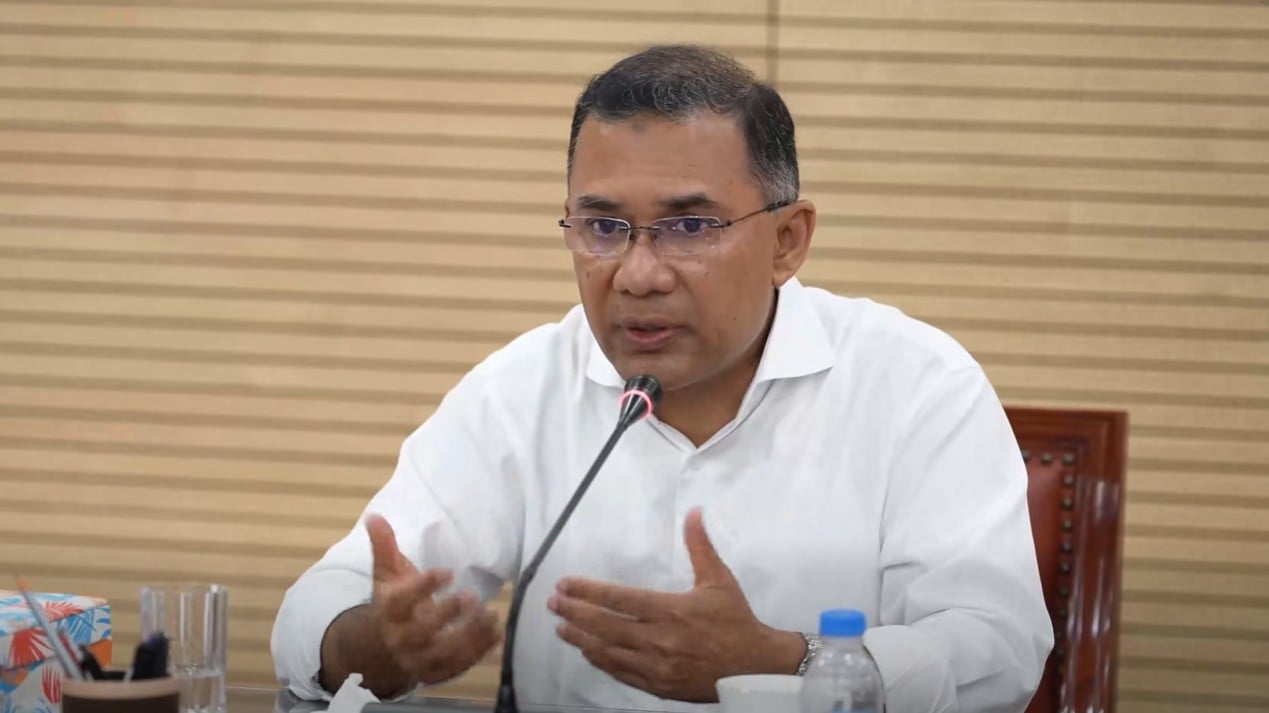
Prime Minister Tarique Rahman has called on the media to pursue truthful and objective journalism. He made the appeal on Monday during a meeting at the Secretariat with chief executive officers and news editors of television channels. The prime minister emphasized that the media should present the truth to the public without engaging in political or governmental flattery. He also sought the cooperation of the media in bringing about positive change in the country. During the meeting, participants discussed the current challenges facing the television industry, including professional difficulties for journalists, job security, and issues related to media freedom. The discussion highlighted the importance of maintaining journalistic integrity while addressing the sector’s ongoing crises. The prime minister’s remarks underscored the government’s expectation that the media will play a constructive role in national development through responsible reporting and adherence to factual accuracy.
Bangladesh Jamaat-e-Islami Secretary General Mia Golam Porwar has strongly condemned the killing of party activist Md. Asaduzzaman, whose burned body was found with hands and feet tied in Kalukhali, Rajbari, on Monday morning. In a statement sent to the media on June 15, 2026, he described the incident as an act of extreme brutality and a crime against humanity, expressing deep concern and outrage. Porwar said the murder demonstrated a lack of safety for citizens and accused the government of failing to ensure public security. He argued that repeated killings were occurring because perpetrators were not being brought to justice. He demanded the immediate arrest and trial of those responsible for Asaduzzaman’s death. He also prayed for the deceased’s soul and extended condolences to the bereaved family, urging them to remain patient during their time of grief.

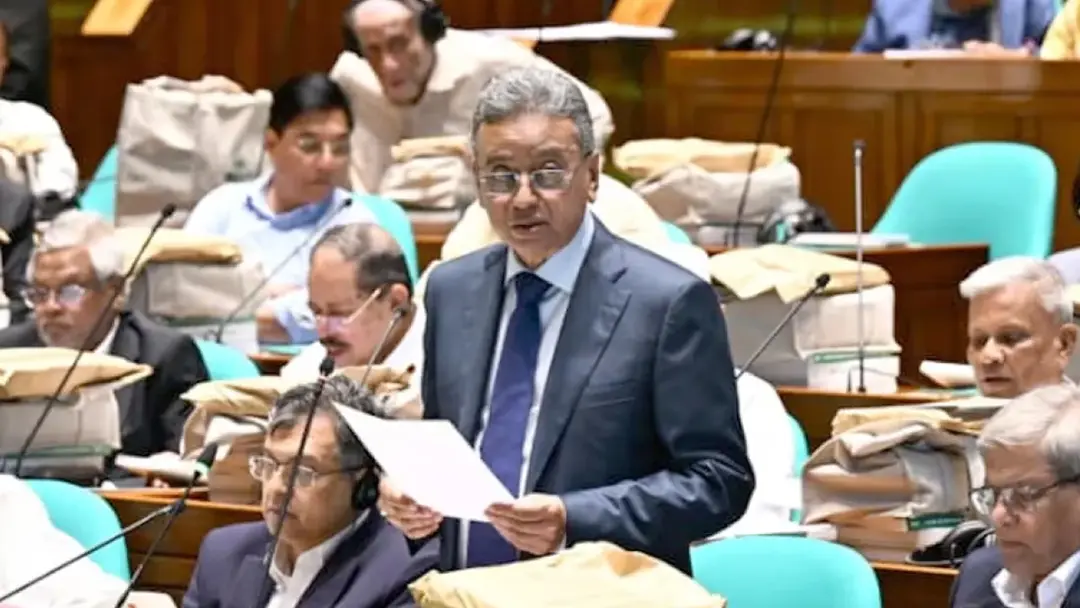
The Bangladesh Parliament has passed a supplementary budget of Tk 56,117 crore for the 2025–26 fiscal year. Finance Minister Amir Khosru Mahmud Chowdhury presented the Appropriation (Supplementary) Bill, 2026, which was approved by voice vote. The supplementary budget was introduced to authorize expenditures exceeding the original allocations for ministries, divisions, and agencies. Before passage, 25 grant demands were voted on, and 304 cut motions were submitted by 20 members, all of which were rejected. The original budget allocated Tk 7.9 trillion across 62 ministries and divisions. In the revised budget, allocations for 27 ministries increased by Tk 56,117 crore, while 35 saw reductions totaling Tk 59,348 crore, resulting in an overall decrease of Tk 2,000 crore. The Finance Division received the highest supplementary allocation of Tk 28,655 crore, followed by the Planning Division, Science and Technology Ministry, and Water Resources Ministry. Opposition lawmakers criticized the practice of approving expenditures after spending, citing concerns over fiscal transparency, debt management, and delayed budget submission. The Speaker acknowledged that prior parliamentary approval could strengthen fiscal oversight, while the Finance Minister stated that the revised budget deficit stands at Tk 2 trillion, or 3.3% of GDP.
Islami Bank has announced that customers who closed or broke their term and savings-based accounts during recent instability can now reactivate them with all previous benefits intact. According to an internal directive issued on Monday, customers have seven working days to reopen their closed Mudaraba Term Deposit (MTDR), Mudaraba Monthly Profit Deposit Scheme (MMPDS), Mudaraba Special Savings Scheme (MSS), and Mudaraba Savings Bond (MSB) accounts. The reactivated accounts will retain the original profit rates and other conditions. The bank stated that many customers had withdrawn deposits out of fear during recent uncertainty surrounding the institution. To assist those clients, all zones, branches, and sub-branches have been instructed to take necessary steps, prepare lists of closed accounts, and contact affected customers by phone and address. Officials believe the initiative will help restore depositor confidence and improve liquidity. The unrest followed the appointment of a new chairman, which led to heavy withdrawals. The reactivation offer aims to stabilize deposits and bring withdrawn funds back into the bank.
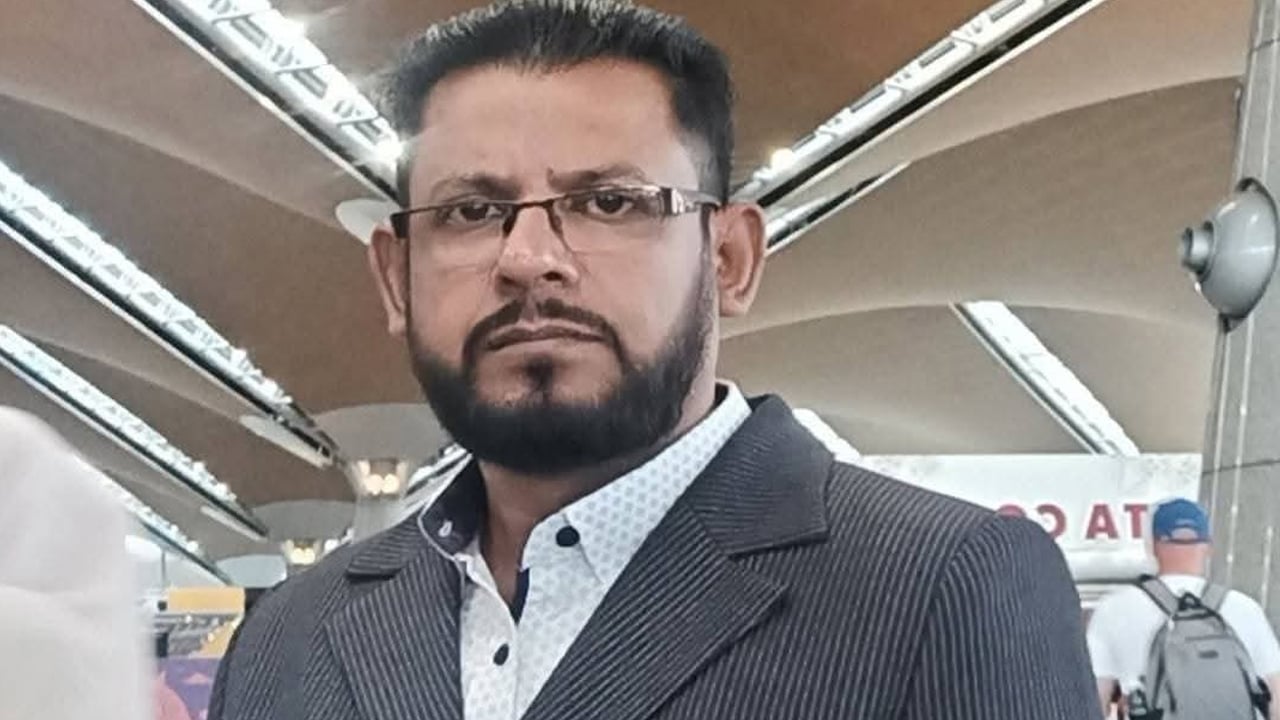
A Bangladeshi expatriate named Abu Hanif Noman, aged 53 and originally from Basutia village in Gafargaon upazila of Mymensingh, died in a road accident in Malaysia. According to family sources, the incident occurred on Sunday evening while he was on his way to work. Noman was seriously injured in a motorcycle accident and later died at a hospital while undergoing treatment. Noman had been living in Malaysia for a long time. He was the son of Abdul Hai and is survived by his wife and three daughters. The family has stated that arrangements are being made to bring his body back to Bangladesh. The Officer-in-Charge of Gafargaon Police Station, A. S. M. Atikur Rahman, confirmed the news of his death. The report did not mention further details about the accident or the exact location in Malaysia where it occurred.
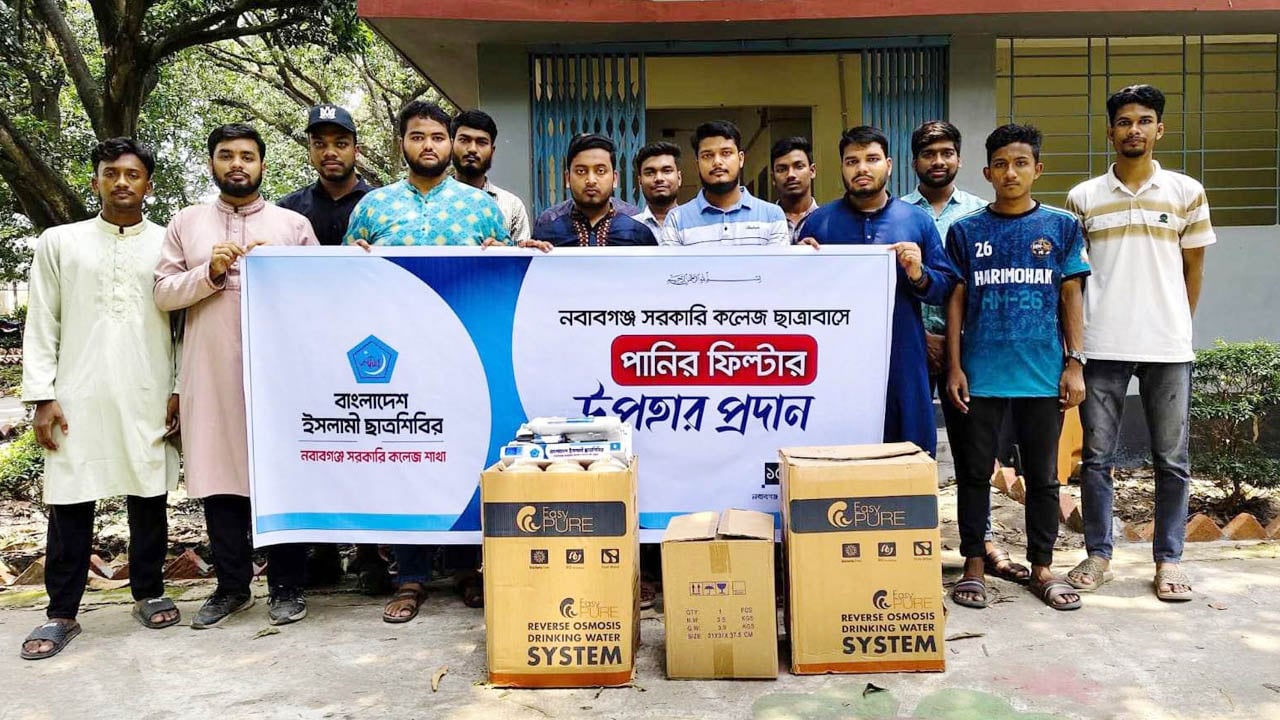
Islami Chhatra Shibir has donated two water filters to the student hostels of Nawabganj Government College in Chapainawabganj. The filters were formally handed over to the students on Monday afternoon as part of an initiative by the college branch of the organization. The donation aims to ensure access to safe drinking water for hostel residents. Students reported that both hostels had been facing a prolonged shortage of safe drinking water, forcing many to collect water from distant sources. They said the new filters have eased the long-standing problem to some extent. The event was attended by the district branch president Yusuf Al Galib, secretary Abdur Rahman, office secretary Mohammad Yusuf Ali, and other leaders of Islami Chhatra Shibir. Organizers stated that similar humanitarian and welfare activities will continue in the future to support students’ well-being.
The ‘1 Nojor’ media platform is now live in beta, inviting users to explore and provide feedback as we continue to refine the experience.