

The ‘1 Nojor’ media platform is now live in beta, inviting users to explore and provide feedback as we continue to refine the experience.
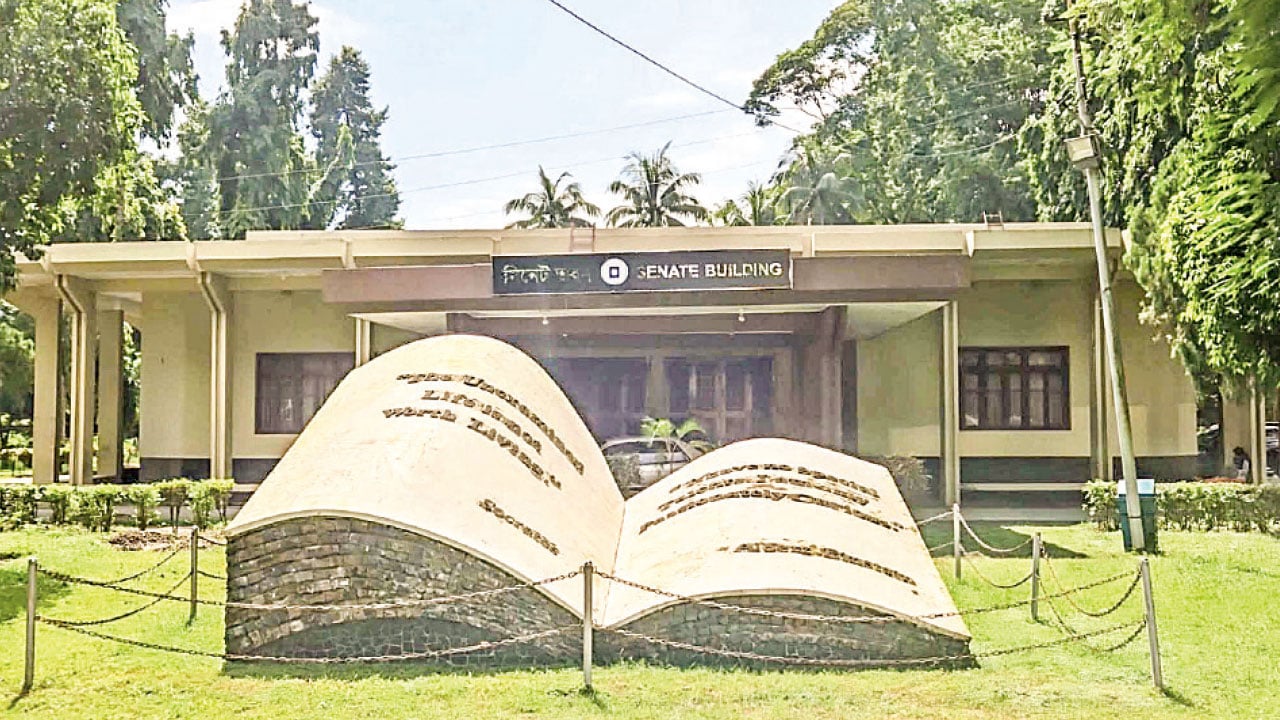
Nearly 10 months after five student representatives were elected to Rajshahi University’s Senate, they have not been sworn in and no Senate session has been held. The representatives were elected in the Rajshahi University Central Students’ Union, or RAKSU, and Senate student representative election on October 18, 2025, ending a 35-year gap in such student representation. Their inability to formally assume office has raised questions about student representation and the effectiveness of the university’s top policymaking forum. The university’s last Senate session was held on May 19, 2016, according to university information and reports cited in the article. The five elected representatives are Salahuddin Ammar, Mostakur Rahman Jahid, Fahim Reza, Akil Bin Taleb and Salman Sabbir. Senate member Salman Sabbir alleged that successive administrations had avoided the issue despite repeated discussions, while Jahid said the administration had not given importance to arranging a Senate session. Vice-Chancellor Professor Dr Faridul Islam said the university was considering activation of the Senate and hoped to arrange a session soon after resolving technical problems. He said the administration was pressing to ensure that the elected members could attend at least one Senate session during their term.
India’s Army has signed an agreement with the United States to buy Javelin anti-tank missile systems, the US Embassy said on Friday. The deal was concluded through the US State Department’s Foreign Military Sales process. Javelin systems can target tanks, armoured vehicles and protected positions, according to the report. US Ambassador to India Sergio Gor called the agreement “big news” and described the purchase of the battlefield-proven system as a major advance in US-India defence ties. He said the deal could also open a path for joint production. Indian defence sources cited in reports said the agreement involves about 60 Javelin missiles worth roughly 2.92 billion rupees, though US authorities did not officially confirm the quantity or value. The portable guided system has a fire-and-forget capability, allowing an operator to move after launch while the missile tracks its target. Deliveries are expected to begin by the end of fiscal year 2026-27, according to Indian defence sources, although conflicts in West Asia have delayed supplies of various equipment. India had also received US approval in November 2025 for a separate potential Javelin sale.

Kolkata Police have filed a first information report against former West Bengal chief minister Mamata Banerjee over a Trinamool Chhatra Parishad anniversary programme held on Cathedral Road in Kolkata on Friday. The FIR was registered at Hastings police station and also names the event’s organisers. Police acted on their own initiative following allegations linked to the programme. The allegations include contempt of a court order, obstructing police work and continuing the event beyond the time set by the court. The organisers had been directed by the High Court to keep the northbound lane of the road open during the gathering. However, both lanes were reportedly closed in practice. There were also allegations of scuffles with police during the programme. The court had permitted the meeting to continue until 3 pm, but the programme was alleged to have continued after that deadline. The FIR against Banerjee and the organisers cites multiple provisions of the Bharatiya Nyaya Sanhita.

Bogura Silk Seed Research Station, a century-old facility at Bonani on the city’s entrance, has resumed full production this year after overcoming a labour shortage. The station, one of Bangladesh’s two silk seed research facilities, restarted partial operations in 2022 after a long closure. It still faces a major shortage of permanent staff despite regular work by an average of 20 farmers. Established in 1905 on 101 bighas of land, the facility produces silk seeds, raw silk cocoons and mulberry saplings used to feed silkworms. Over the past three years, it produced 1,654 kilograms of raw silk cocoons, which were sent to silk factories in Joypurhat and Rajshahi. It also supplies an average of 3,000 kilograms of raw silk annually and distributed 160,000 mulberry saplings nationwide last year. Of the station’s 30 approved posts, 25 are vacant, and its acting assistant director also oversees two other districts. Sources said production stagnated after the facility was previously leased to private operators. Industry stakeholders say government support, recruitment and modern technology could help restore its heritage while supporting rural employment and domestic demand for silk yarn, estimated at nearly 300 metric tons.

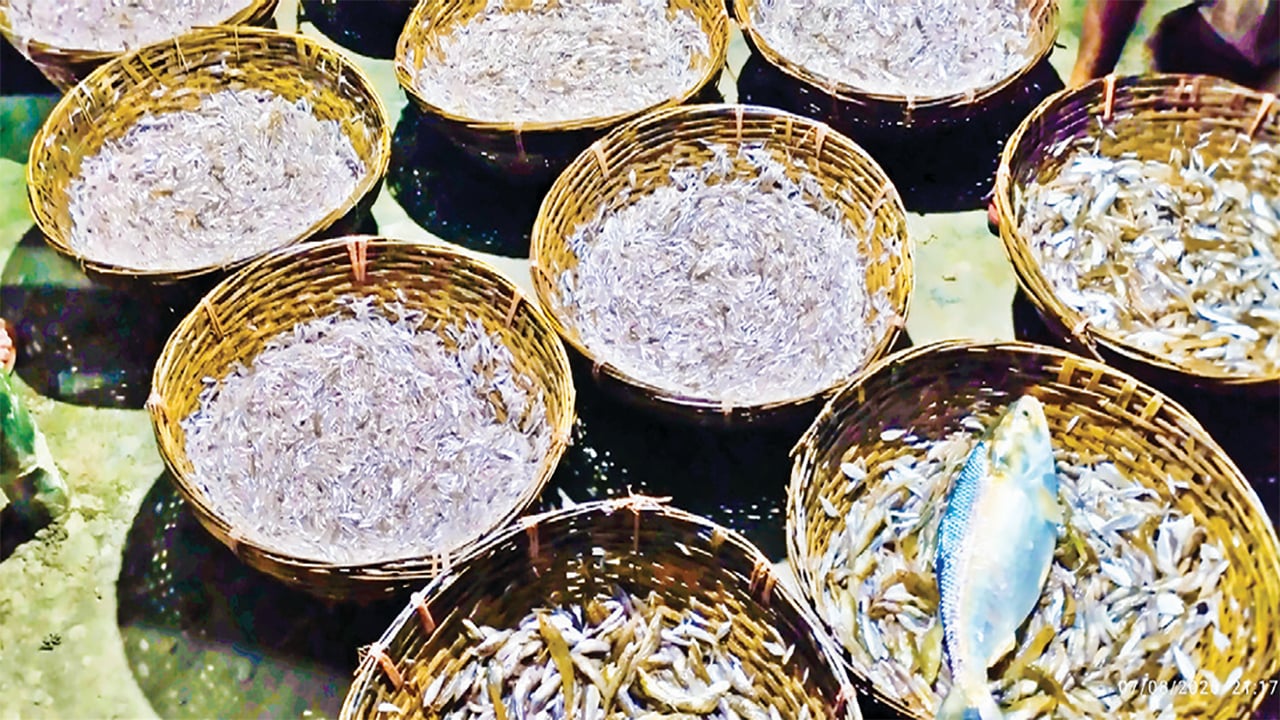
Native freshwater fish species are steadily disappearing from the haors, canals and wetlands of Mohanganj, Madan and Khaliajuri upazilas in Netrokona. Fishers and traders say juvenile fish killing has already eliminated several species, while others face extinction. Species cited as declining include chital, baghair, banehar, baush, shilong, ritha, rani, kajoli, gilachaki, bacha and shrimp. These fish were caught in local rivers and wetlands eight to 10 years ago and sold through the Mohanganj fish market to buyers from Dhaka and other parts of the country. Over roughly the past decade, catches have progressively declined and many species are no longer found in the haors, increasing dependence on farmed fish. Scarce specimens that appear at markets are bought at high prices by enthusiasts. Sources identified river siltation, shrinking water depth, sand deposits from monsoon flows, unplanned pesticide use, gas tablets, and China duari and current nets as major threats. Upazila Fisheries Officer Anik Rahman said such practices are prohibited and officials conducted several drives this year, seizing and destroying China duari and current nets valued at Tk 5 million.
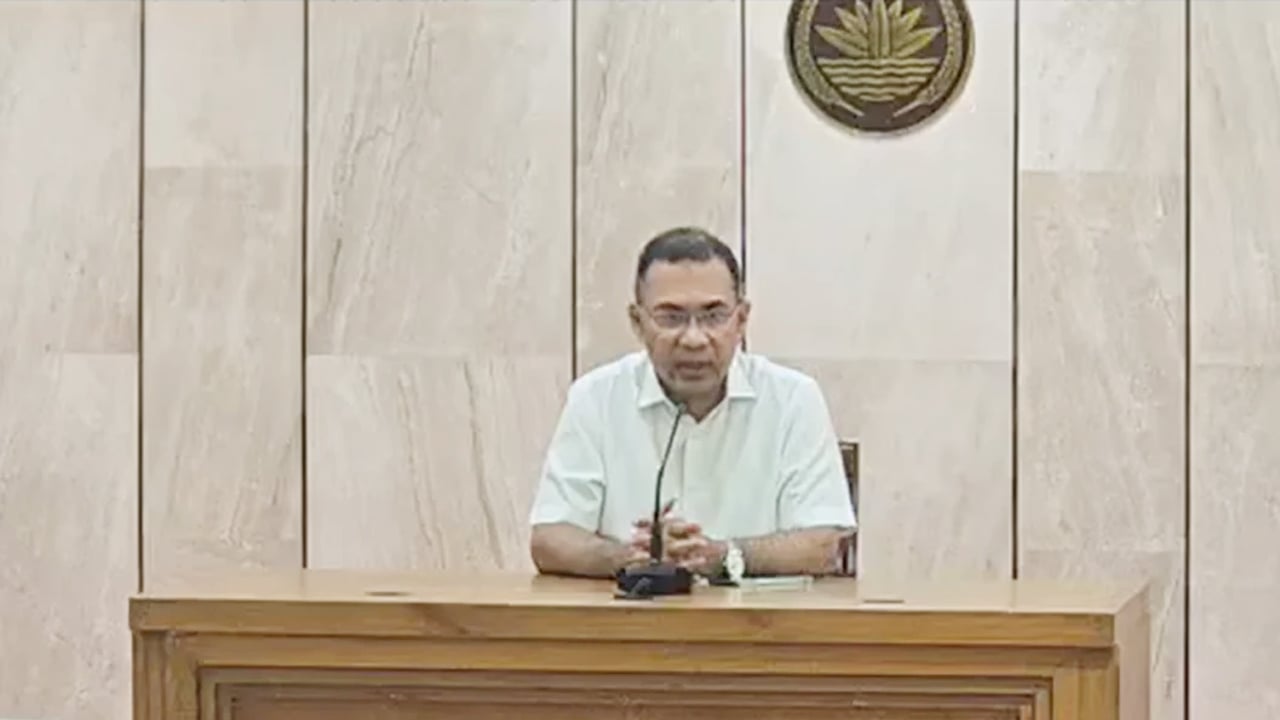
Prime Minister Tarique Rahman handed appointment letters to 74 family members of people killed or disappeared during the anti-fascist movement against the Awami League government and the July mass uprising. The event was held on Saturday afternoon at Karobi Hall in the Prime Minister’s Office in Tejgaon. He said the country’s people had been freed from fascists because of the contribution of July martyrs. Addressing relatives of victims of enforced disappearance, killings and those killed in the July uprising, Rahman said the families, rather than the government, were a source of strength, encouragement and inspiration. He said the government could not always implement everything as expected because of various realities, but would not retreat from its commitments. The prime minister said the government was firmly committed to fulfilling the aspirations of those who gave their lives from the independence struggle through the July mass uprising to establish democracy. He also pledged support for affected families. Many recipients became emotional after receiving their appointment letters, and Rahman assured them that he would remain by their side.
Iran’s Supreme Leader Ayatollah Mojtaba Khamenei has called for stronger domestic production, inflation control and a gradual reduction in the use of the US dollar in transactions to strengthen the country’s economy. In a message issued on Friday for Government Week, he praised President Masoud Pezeshkian’s administration for its actions amid US-Israeli aggression, sanctions and blockade. Khamenei said the government had taken effective measures to ensure essential goods and services for the public and to restore damaged important facilities. He said Iran must rely as much as possible on domestic production to address economic challenges, while imports should be made prudently where internal production is insufficient. The supreme leader also stressed the importance of using innovation and new technologies developed by talented young people. He described preserving national unity and social cohesion as a fundamental responsibility, urging people to avoid actions that create social divisions. Khamenei further called for education, culture and human-resource development to be prioritised across government policies, expressing hope for a strong and prosperous Iran.

Jamaat has blamed government inefficiency and mismanagement for severe suffering caused by a 50-kilometre traffic jam on the Dhaka-Chattogram highway. Its media wing said Saturday afternoon that the congestion began on Friday afternoon and was continuing, stretching from the Sonargaon section of the highway to Madhaiya in Chandina, Cumilla. The party said bridge repair work in the Sonargaon area was the main cause of the disruption. It argued that beginning the repairs without arranging an alternative route for vehicles was an extremely irresponsible decision by the government. Jamaat said thousands of ordinary passengers, including women, children, elderly people and sick patients, were facing difficulties because of alleged negligence and short-sighted decisions by the government and relevant authorities. It also said freight trucks, passenger buses and other vehicles had remained stuck for hours, resulting in the loss of large numbers of work hours. According to the party, the prolonged standstill could cause financial losses for businesspeople. Jamaat maintained that the public was paying the price for what it described as government incompetence and disorderly management.

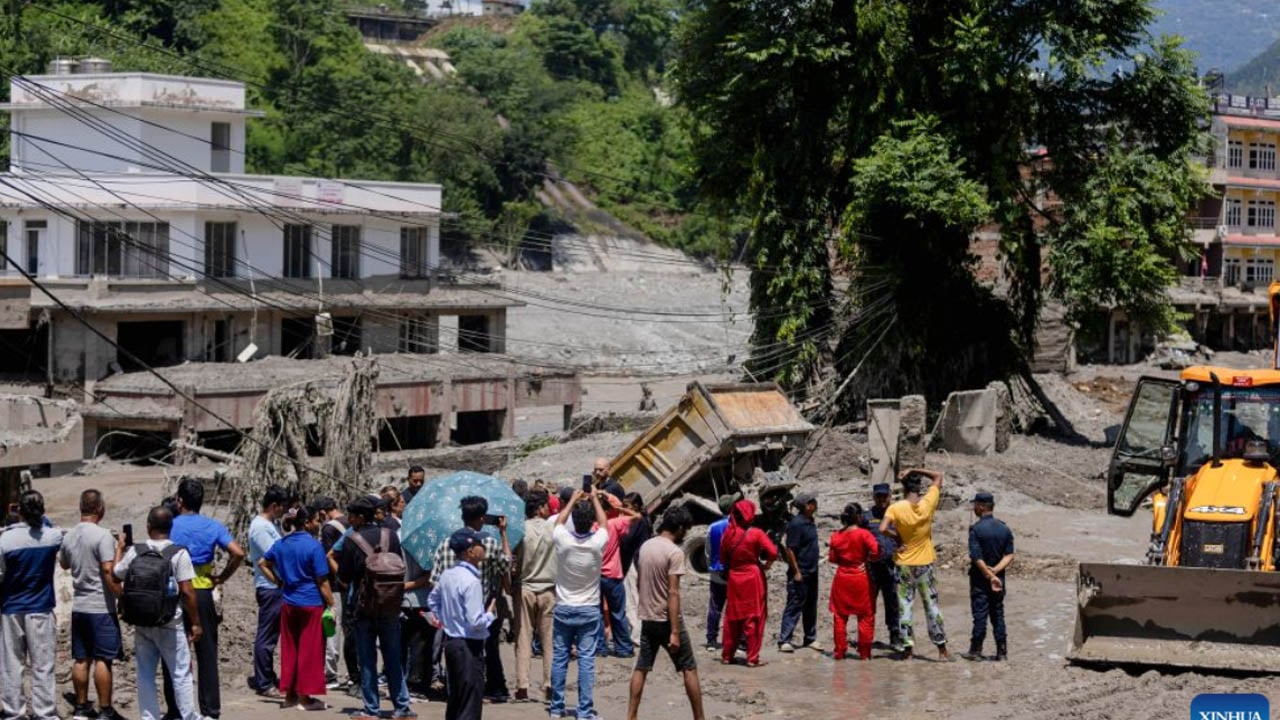
Nepal has issued documentation instructions for domestic and foreign media personnel travelling to report on recent flooding, including the devastating Bhotekoshi River flood that caused deaths early Wednesday. Foreign journalists must submit copies of passports and valid visas, employment or contract documents from their media organisations, institutional recommendation letters, and recommendations from their home-country foreign ministry or embassy or consular office in Nepal. The Information Administration and Press Section under Nepal’s Ministry of Information and Communications issued the notice. Information Department spokesperson Govinda Prasad Pandey said the process was not a new policy, describing press-pass issuance for foreign journalists as a longstanding regular procedure. However, a government official told The Kathmandu Post the arrangement was intended to organise news-gathering activities during the current disaster situation and was not a permanent rule. Applicants must apply online after submitting documents and, once approved, appear in person with two passport-sized photographs to collect a press representative certificate and journalist identification card. Offices will remain open on public holidays, Pandey said. Foreign journalists already in Nepal without passes must obtain them before reporting; reporting without a press pass will not be considered lawful, he said. Nepali journalists must also apply online and provide specified identity, employment, recommendation, education, registration and bank documents.
Meta, the parent company of Facebook and Instagram, has agreed to pay $18 billion to settle ongoing US litigation over the safety of children and teenagers using social media. Under the settlement reached Wednesday with a coalition of 52 state attorneys general, Meta will pay the amount in stages over the next 10 years and introduce new restrictions for younger users. The company did not admit to violating any law. The planned measures include limiting children’s daily app use to a maximum of two hours and issuing break reminders every 15 minutes. Accounts identified as belonging to minors will be automatically disabled from midnight to 6am, while notifications will be turned off during school hours, from 8am to 3pm. Like counts on users’ own posts and others’ posts will also be hidden by default to reduce popularity-related pressure on teenagers. Age verification remains a major challenge for implementation. Meta may rely on facial analysis, government identification checks and online behavior analysis, all of which carry risks of incorrect age identification. Experts stressed that privacy protection is also important, while Meta said other major platforms should take similar child-safety steps.

Iranian army chief Amir Hatami said Iran was victorious because the opposing side failed to achieve its stated objectives in the war. Citing Fars News Agency, the report said Hatami described the outcome through a military framework in which an attacker must accomplish its goals to be considered successful. Hatami said the “enemy” had sought to destroy Iran’s drone and missile capabilities. He said Iran continued using its stockpiled missiles against the enemy at “maximum intensity” until the final moment. The report did not identify the opposing party or provide details about the conflict’s timing or location. According to Hatami, in a defensive war, the defending side is regarded as victorious when the enemy fails to achieve its objectives. He said that standard applied in this case, arguing that the enemy’s failure to reach its war aims meant Iran had won. The comments were reported by Al Jazeera, citing Fars News Agency.

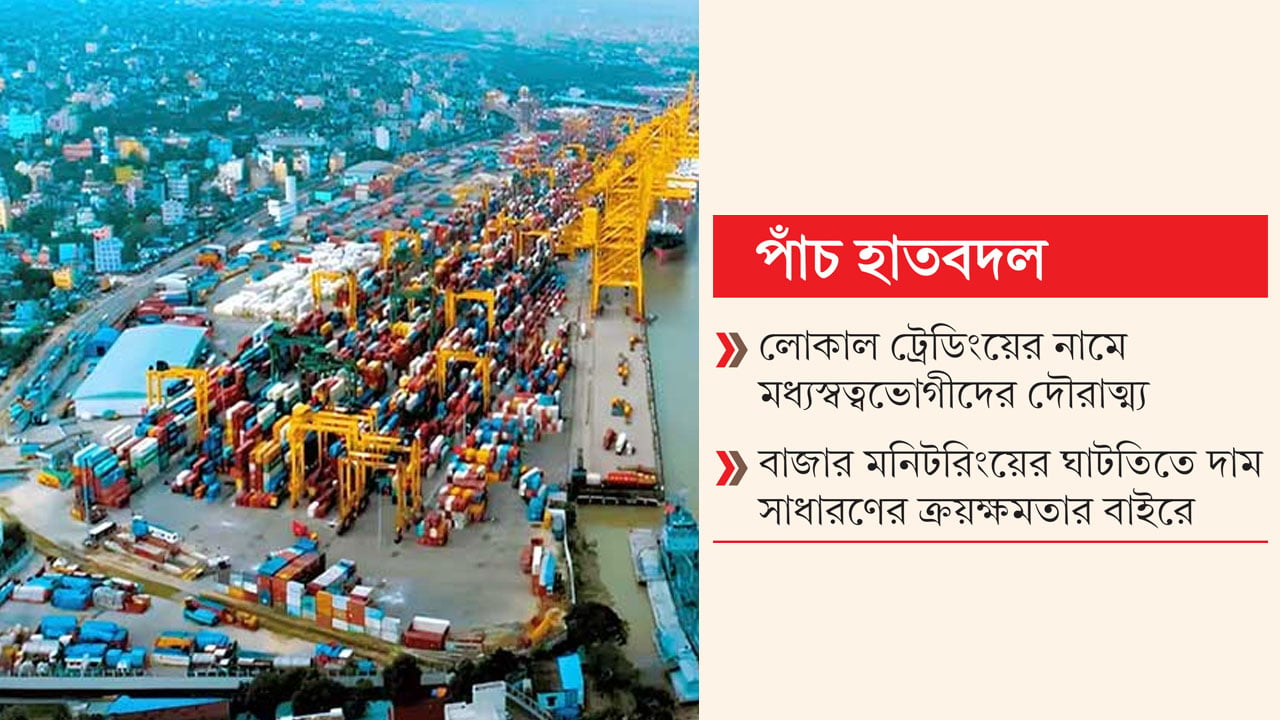
Essential goods in Bangladesh can become Tk40 to Tk50 more expensive per kilogram between international sourcing and retail sale, according to market information cited in the report. Products move from importers through large and small wholesalers and local trading before reaching shops, with added prices at each stage. For Indian lentils, the stated international-market price is Tk123 per kilogram, while the product sells for Tk155 in Chattogram’s Khatunganj wholesale market and Tk160 to Tk170 at retail. Importers and traders cite shipping, port, customs, insurance, transport, storage, processing, fuel, labour, tolls and shop expenses as contributors to higher prices. One importer said moving goods from the port to wholesalers costs about Tk4 per kilogram. Wholesalers also cited processing imported raw pulses in domestic mills, while retailers pointed to transport, rent, wages and weight loss from moisture. Consumer-rights representatives describe the gap between international and consumer prices as abnormal, saying products change hands two or three times in Khatunganj and profits are added repeatedly. The National Directorate of Consumer Rights Protection said it would conduct drives based on specific information. Market experts called for stronger supply-chain monitoring and market oversight.
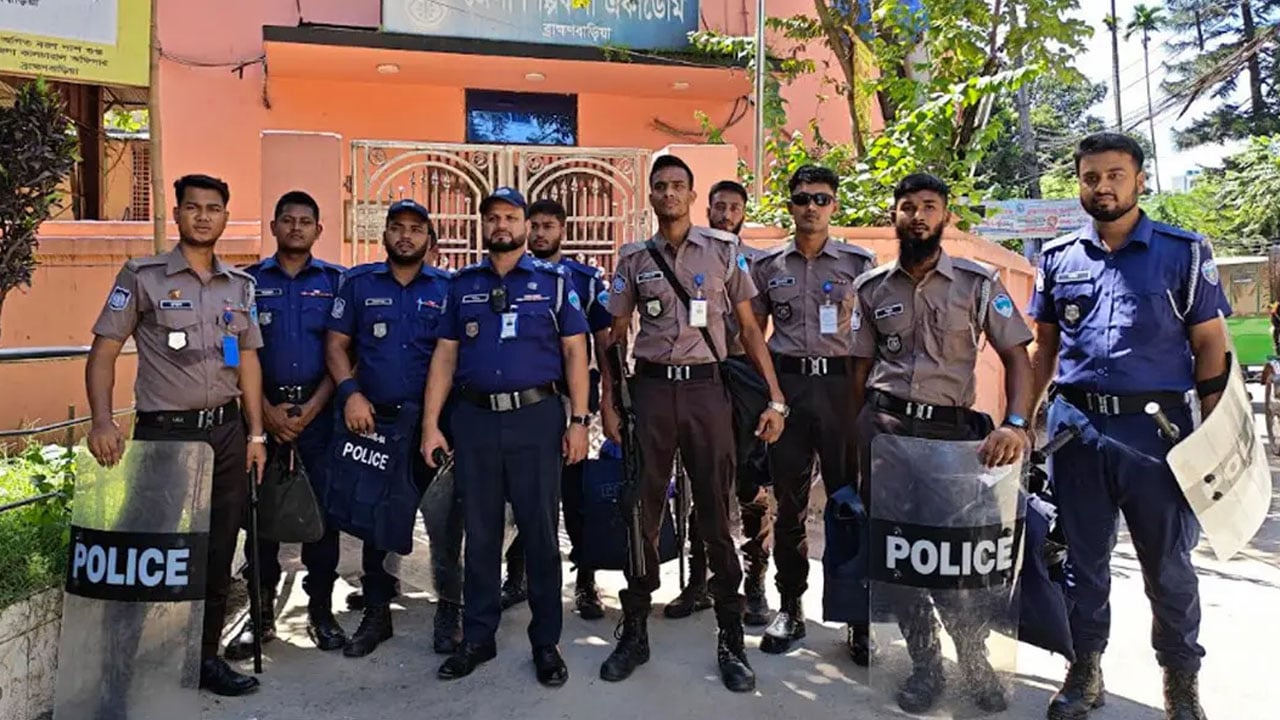
Qaumi Chhatra Oikya Parishad has announced an Islamic cultural programme at the Brahmanbaria District Shilpakala Academy auditorium, where the NCP district committee had planned an organisational coordination meeting and political workshop on Saturday at 4pm. The new programme was announced for 3pm Saturday at the same venue amid a dispute over remarks attributed to NCP leader and member of parliament Hasnat Abdullah. Abdul Khaleq, a member of the Qaumi students’ convening committee, said the group had demanded that Hasnat Abdullah apologise for what it described as false statements about Brahmanbaria. He said the programme was announced after no apology was made. On Friday night, madrasa students under the organisation’s banner protested and said they would resist the NCP event if Hasnat did not apologise. NCP central organiser Abdullah Al Mahmud Jihan said the party had informed the deputy commissioner about holding a political event at the auditorium and was discussing the matter with authorities. Deputy Commissioner Md Abu Sayeed said NCP had notified officials of a private event, not a political rally. He said neither side could use the auditorium without district administration permission.
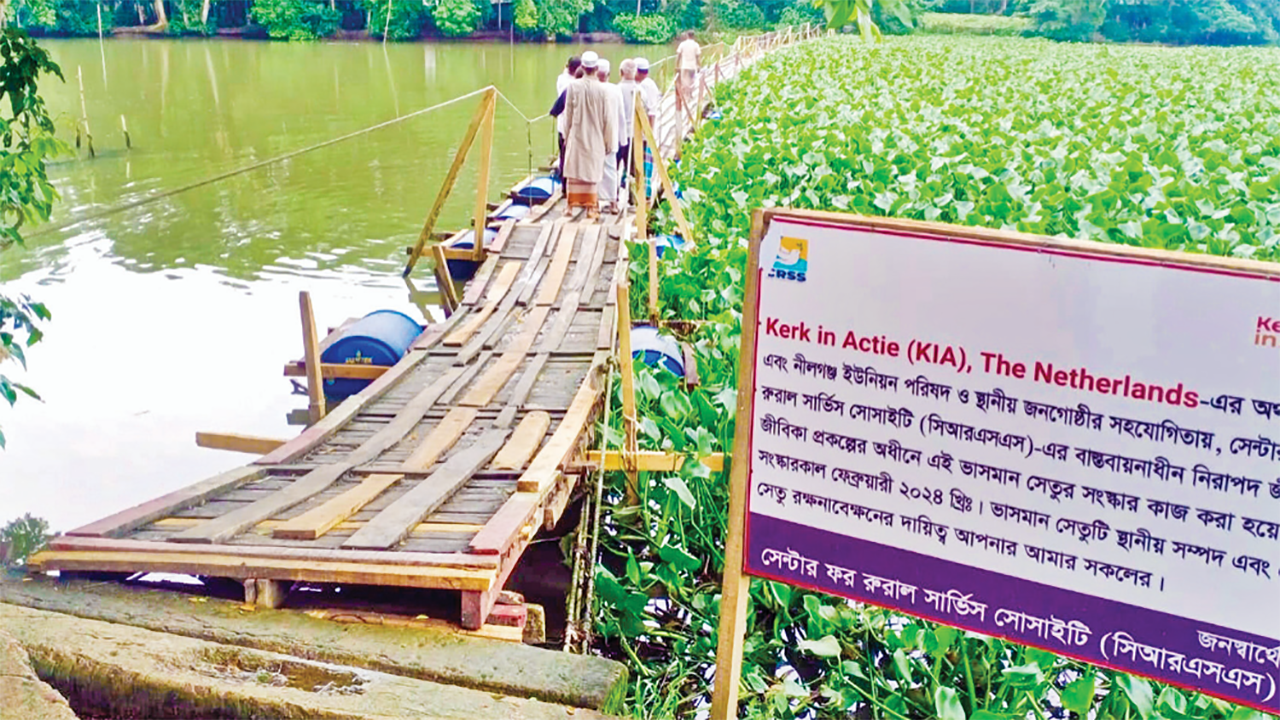
More than 500 vegetable and agricultural producers in Nilগঞ্জ Union of Kalapara, Patuakhali, are facing severe transport difficulties because there is no permanent bridge over the Pakhimara canal. For nearly 30 years, farmers from Kumirmara, Neyamatpur and Elempur have carried produce through mud, by boat and across a risky floating bridge to reach the wholesale market in Pakhimara. Residents say the three villages produce vegetables and other farm goods worth about Tk20 crore to Tk25 crore annually and meet roughly 70 percent of Kalapara upazila's vegetable demand. Surplus produce is sent daily by bus, truck and pickup to wholesale markets in other parts of the country. During monsoon, earthen internal roads become muddy and unusable, forcing distant farmers to use boats. Farmers currently depend on a wooden floating deck built on drums with their own funds to cross the roughly 300-foot-wide canal. Officials say a 490-metre girder bridge is planned under the Local Government Engineering Department. Upazila Engineer Moniruzzaman said implementation is expected as quickly as possible if ECNEC approval is obtained.
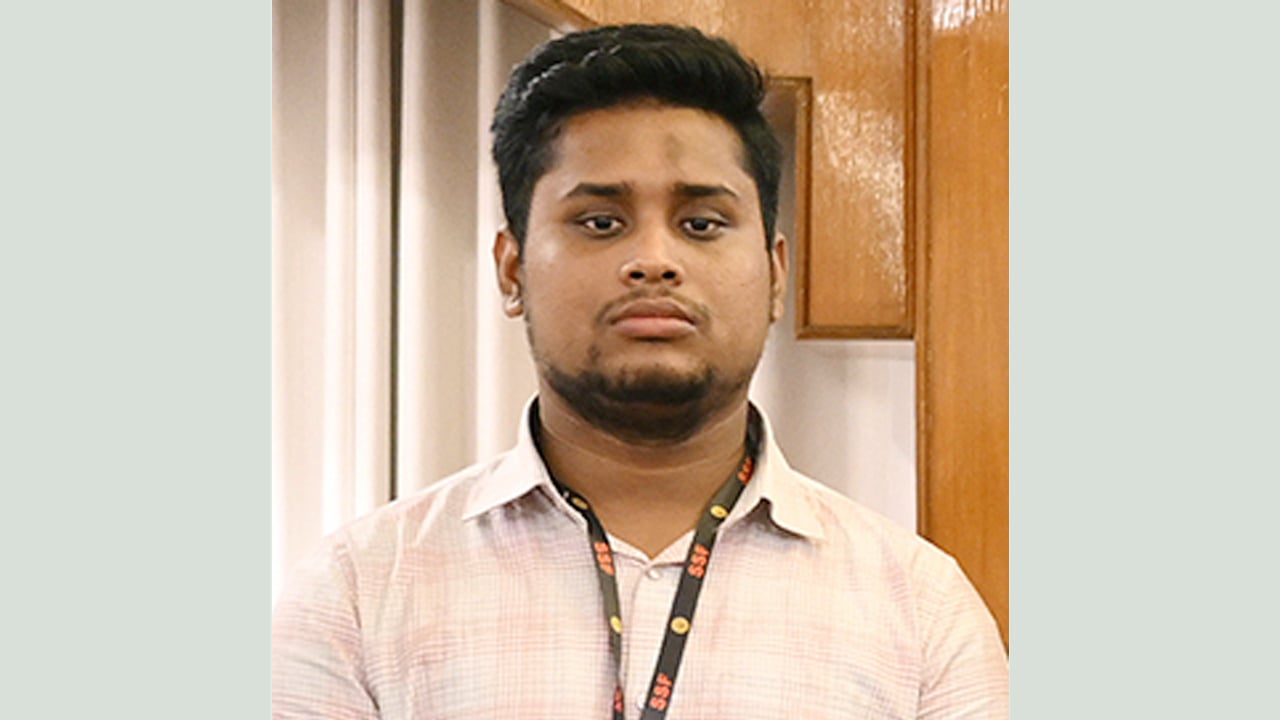
Hasnat Abdullah, a Cumilla-4 lawmaker and National Citizen Party leader, has expressed regret over misunderstandings with people of Brahmanbaria arising from his parliamentary remarks seeking accountability from the home minister for deteriorating law and order. In a Facebook post on Saturday, he said he had made a factual error by referring to Brahmanbaria instead of Sylhet while discussing a boat race. He said the home minister's assertion that music and cinema were nearly prohibited in Brahmanbaria shifted responsibility for ministry failures onto local people and religious scholars. Hasnat said reports about a police concert being stopped differed from events on the ground, claiming madrasa students had asked for lower sound late at night because it disrupted exam preparation and that some students were injured in police baton charges. Hasnat said the students had not sought to stop the concert and argued that cultural activities were not banned in Brahmanbaria. He said limited time during a supplementary parliamentary question prevented him from explaining the matter fully. Reaffirming his commitment to July's ideals, he called for equal rights and government protection so no group can impose its views on others.
The ‘1 Nojor’ media platform is now live in beta, inviting users to explore and provide feedback as we continue to refine the experience.