

The ‘1 Nojor’ media platform is now live in beta, inviting users to explore and provide feedback as we continue to refine the experience.
Hasnat Abdullah, a Cumilla-4 lawmaker and National Citizen Party leader, has expressed regret over misunderstandings with people of Brahmanbaria arising from his parliamentary remarks seeking accountability from the home minister for deteriorating law and order. In a Facebook post on Saturday, he said he had made a factual error by referring to Brahmanbaria instead of Sylhet while discussing a boat race. He said the home minister's assertion that music and cinema were nearly prohibited in Brahmanbaria shifted responsibility for ministry failures onto local people and religious scholars. Hasnat said reports about a police concert being stopped differed from events on the ground, claiming madrasa students had asked for lower sound late at night because it disrupted exam preparation and that some students were injured in police baton charges. Hasnat said the students had not sought to stop the concert and argued that cultural activities were not banned in Brahmanbaria. He said limited time during a supplementary parliamentary question prevented him from explaining the matter fully. Reaffirming his commitment to July's ideals, he called for equal rights and government protection so no group can impose its views on others.
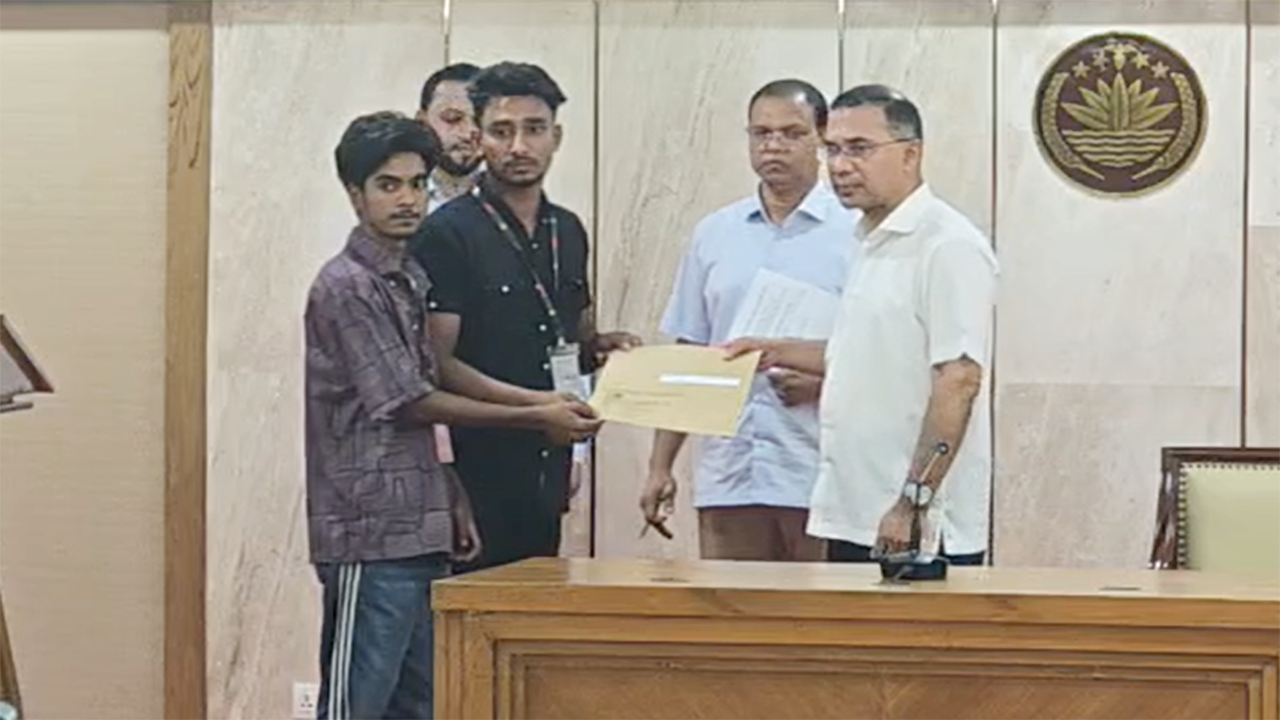
Prime Minister Tarique Rahman handed over job appointment letters to 74 family members of people subjected to enforced disappearance and killings during the movement that led to the Awami League government’s fall, as well as those killed in the July uprising. The event took place on Saturday afternoon at the Karobi Hall of the Prime Minister’s Tejgaon office. Family members of the victims attended the programme alongside officials from different responsible levels of government. Many recipients became emotional after receiving their appointment letters. The source did not specify the positions, institutions, or terms of the jobs offered. During the event, the prime minister assured the affected families that he would remain beside them. Additional Press Secretary to the Prime Minister Atikur Rahman Rumon conducted the programme. The report did not provide further information about the recruitment process or subsequent arrangements for the recipients.
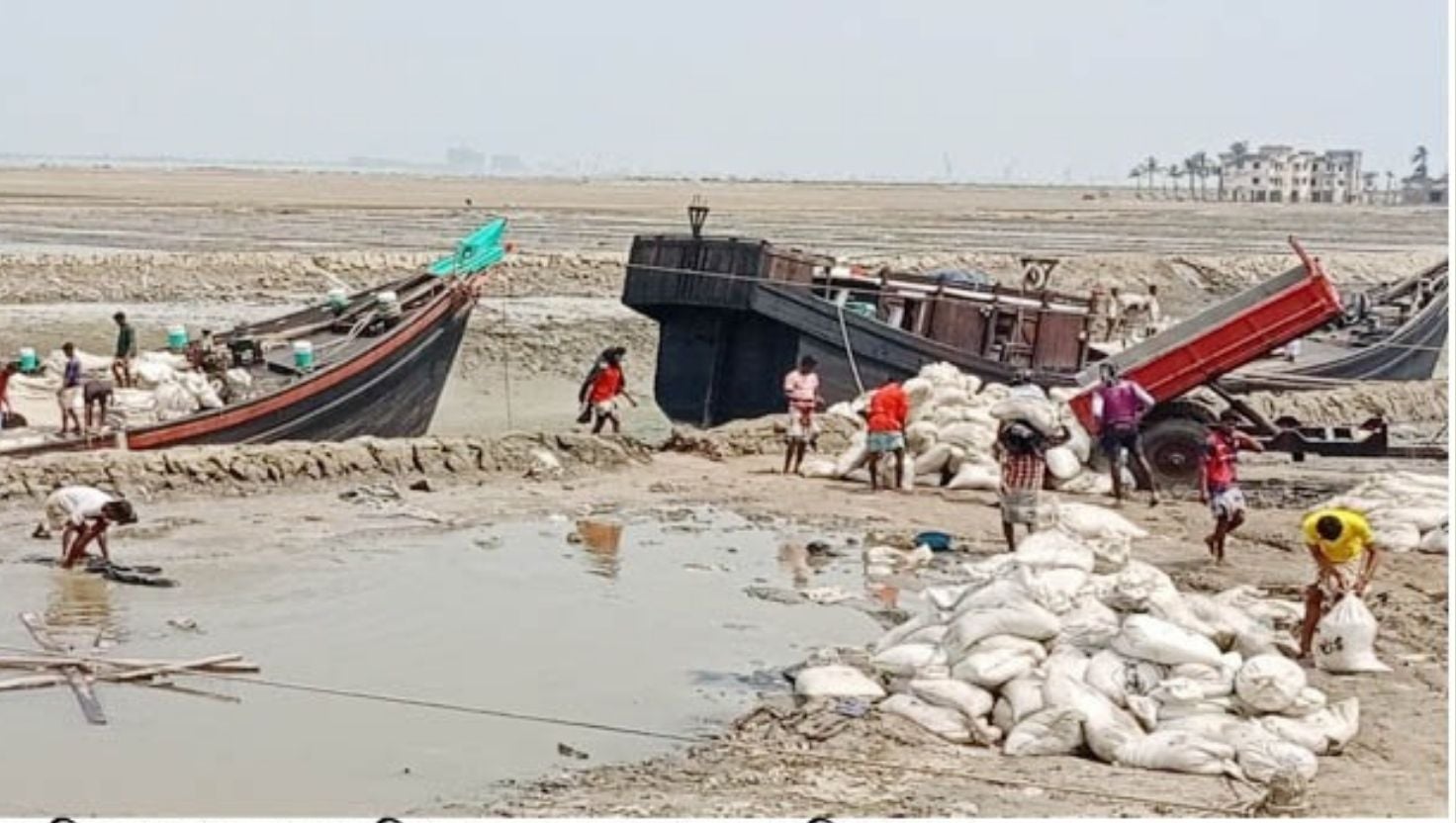
Salt workers at several jetties in Kutubdia say they receive inadequate wages despite carrying heavy salt sacks throughout the day. Workers at Satruddin Peyarakata New Jetty Ghat said they earn Tk7.50 per sack loaded from the road onto trawlers, although sacks labelled 40 kilograms often weigh about 50 kilograms. Working from 6am to 5pm, they carry 80 to 90 sacks and receive Tk600 to Tk650 daily. Worker Manik said the company has kept the same wage for four years. Workers said no meal is provided, forcing them to spend about half their earnings on food and snacks. They work about 20 days a month, with work halted by storms and rain, and demand Tk10 per sack. At Darbar Ghat, workers receive Tk7 per maund, up from Tk6 six months earlier. Traders cited market constraints and uneven rates. Akhtar Company said mill owners are not purchasing salt at higher prices despite increases in field prices. Ibrahim said workers receive Tk23 per maund for moving salt from fields to roads and trawlers. Union official Shafiul Alam said monsoon brings more job seekers to jetties while salt transport declines, reducing available work.
Former Pakistan cricket captain Javed Miandad became emotional while speaking about the imprisonment of his former teammate Imran Khan and called for his swift release. Miandad said Khan was not corrupt, speaking as Khan was being returned to Rawalpindi’s Adiala Jail after a health examination in Islamabad. Khan, who served as Pakistan’s prime minister from 2018 to 2022, has been imprisoned since 2023 after being convicted in a corruption case. In remarks to the YouTube channel Narrative, Miandad described Khan as an honest person and questioned what harm would result from releasing him. He said Khan’s condition in prison remained on his mind. Miandad and Khan were teammates in Pakistan’s 1992 World Cup-winning side, and Miandad played six World Cups between 1975 and 1996. Khan’s party questioned why he was not examined at a private hospital under specialist doctors, as it said had been directed by the Supreme Court. His sons, Sulaiman and Kasim Khan, also expressed concern during the second England-Pakistan Test at Lord’s, saying their father’s physical condition was worsening day by day.

The Trump administration has issued a memorandum imposing stricter restrictions on university approval of internships for international students in the United States. The memorandum, issued on August 24, warns that institutions could lose certification to enroll foreign students if they fail to comply with rules governing Curricular Practical Training, or CPT. The memo says monitoring under Immigration and Customs Enforcement’s Student and Exchange Visitor Program found an alarming increase in CPT approvals. Under existing rules, CPT is permitted only when it is an essential component of a student’s academic curriculum. The Department of Homeland Security said the rules themselves have not changed, but misuse of them will no longer be tolerated. Following the memorandum, several universities have temporarily paused some internship applications. Berkeley, however, continues to process applications for internships that are required for degree completion. Rights advocates have voiced concern over free expression, academic freedom and due process amid broader pressure by the Trump administration on universities over policies and programs.
Bangladesh’s Meteorological Department has forecast temporary rain or thunderstorms and gusty to squally winds in 11 regions, with speeds reaching up to 60 kilometres per hour. The warning applies from 5 a.m. until noon on Saturday, 29 August, and was issued for inland river ports. The affected regions are Mymensingh, Dhaka, Faridpur, Khulna, Barishal, Patuakhali, Cumilla, Noakhali, Chattogram, Cox’s Bazar and Sylhet. Winds from the south or southeast may blow at 45 to 60 kilometres per hour over these areas, according to the department’s advisory. River ports in the relevant areas have been instructed to display local cautionary signal number 1 because of the potential for squally weather and rain. The advisory specifically cites the possibility of temporary rainfall or thunderstorms alongside the stronger winds during the stated period.

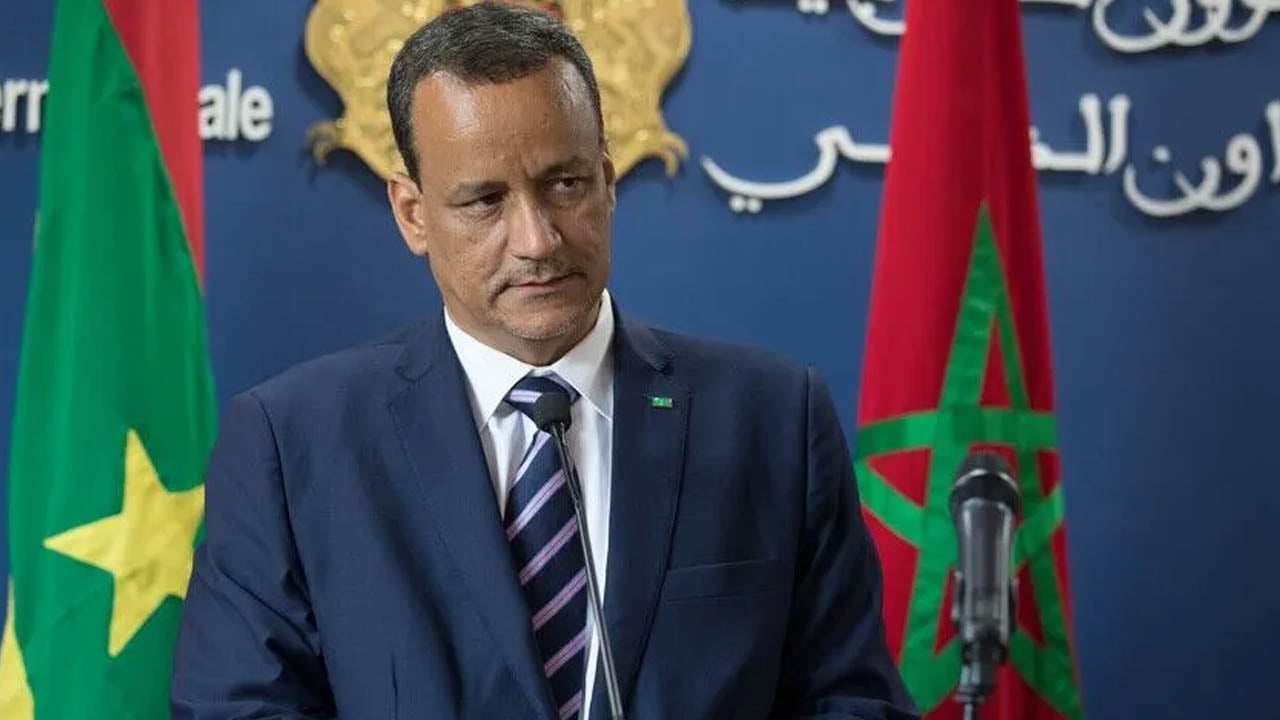
Mauritanian diplomat and former foreign minister Ismail Ould Cheikh Ahmed has been elected secretary-general of the Organisation of Islamic Cooperation. He was chosen on Thursday during a special meeting of OIC foreign ministers in Jeddah, Saudi Arabia. The 66-year-old will succeed Chad’s Hissein Brahim Taha, whose term is formally due to end next November. The special meeting also discussed Palestinian statehood and the recent situation in Jerusalem. The OIC works on major issues concerning the Muslim world, with Palestinian national rights and the status of Jerusalem among its principal concerns. Ahmed served as Mauritania’s foreign minister from 2018 to 2022. Before that, he was the United Nations secretary-general’s special envoy for Yemen between 2015 and 2018 and worked with the UN Support Mission in Libya. He also held UN humanitarian coordination and UNFPA representative roles in Yemen from 2012 to 2014 and in Syria from 2008 to 2012. He speaks Arabic, French and English.
A woman named Amirunnesa died inside an ambulance after it was trapped in severe congestion on the Dhaka-Chattogram highway. A resident of Pranbhagabatipur village in Chandraganj, Lakshmipur, she suffered a heart attack on Friday night and was taken toward Dhaka at about 8pm, according to relative Tarek Al Hasan. The ambulance became stuck near Daudkandi around 11pm and remained largely stationary for four hours. She died around 3:30am. Her relatives said she might have survived if she had reached hospital. The reported traffic jam stretched about 40 kilometres. Another affected traveller, Monir Hossain, said he was travelling from Cumilla to Dhaka with an overseas-bound passenger and had to use an auto-rickshaw from Chandina to Gauripur. Monir said traffic restrictions linked to AI cameras prevented vehicles from travelling in the opposite direction. He said the trip from Cumilla to Gauripur took four hours and cost Tk1,250 in broken stages. Highway police said congestion briefly eased around noon before worsening again, while multiple police teams were working to restore traffic flow.

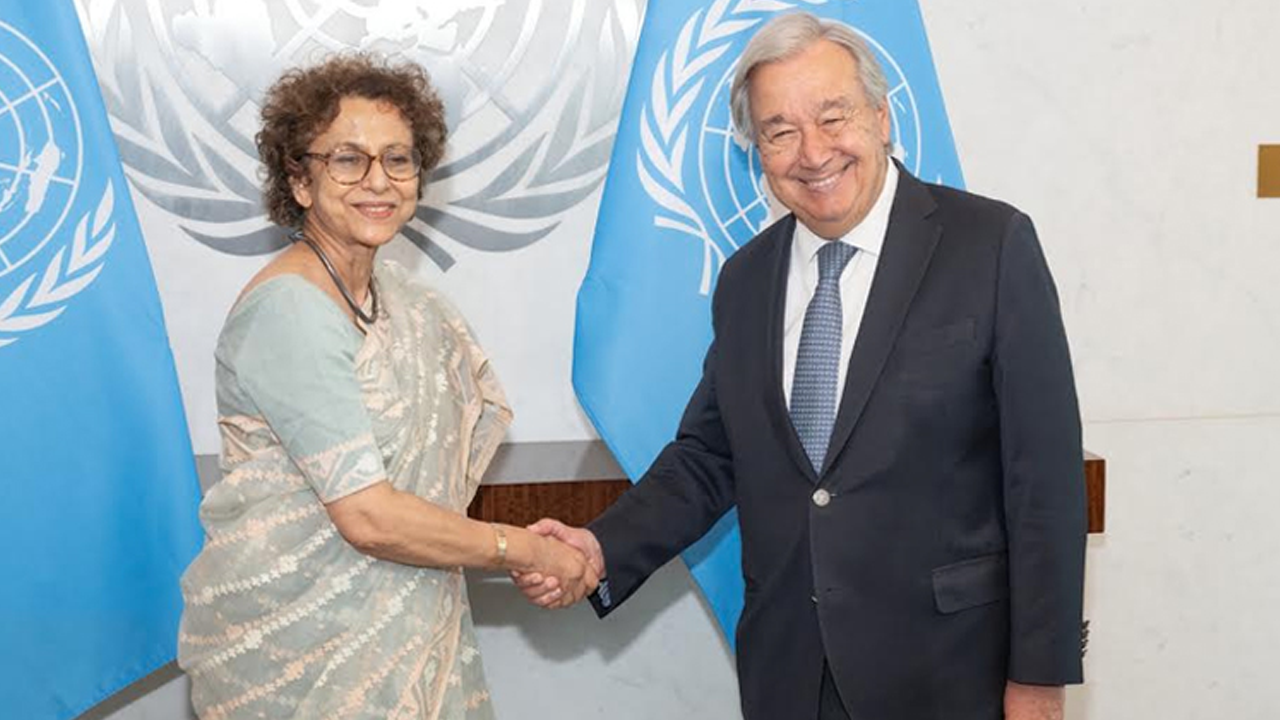
Internationally recognised human rights figure Irene Zubaida Khan has formally assumed duties as Bangladesh’s new permanent representative to the United Nations. She presented her credentials to UN Secretary-General António Guterres at UN headquarters in New York on Friday, according to a press release received in Dhaka on Saturday. Khan brings decades of international experience in human rights, international law, refugee protection, rule of law and sustainable development. Since 2020, she has served as the UN special rapporteur on the protection and promotion of the right to freedom of opinion and expression. Previously, Khan was secretary-general of Amnesty International from 2001 to 2009, becoming the organisation’s first woman secretary-general. She later led the International Development Law Organization from 2012 to 2019 and held several positions during a 21-year career with UNHCR. Khan received the Sydney Peace Prize in 2006 and authored The Unheard Truth: Poverty and Human Rights. She studied law at the University of Manchester and Harvard Law School.
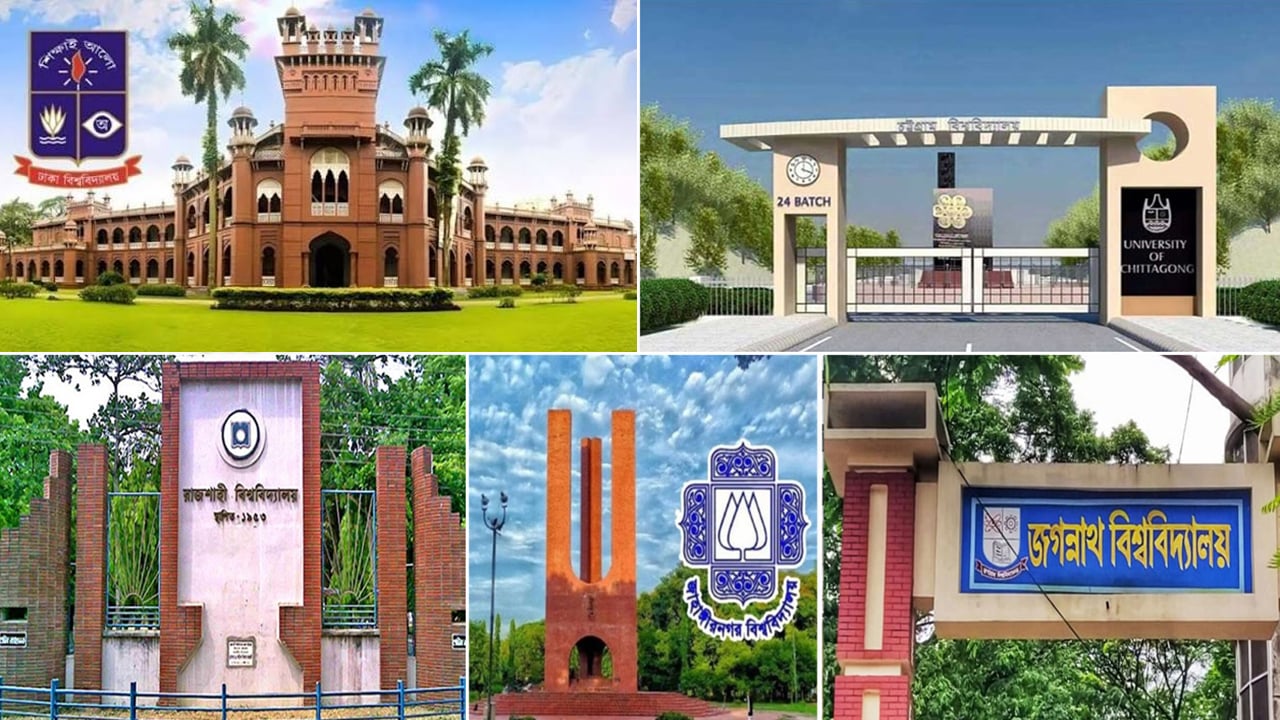
Uncertainty is growing over whether follow-up elections will be held on time for five student unions elected at Bangladesh’s public universities after the 2024 revolution. The terms of four unions at Dhaka, Jahangirnagar, Chittagong and Rajshahi universities end in September and October, while Jagannath University’s union term ends next January. Student leaders say university administrations have shown limited progress toward announcing new election schedules. The student unions were revived after demands from general students and student organisations, and candidates backed by ইসলামী ছাত্রশিবির won most positions in the five elections. Leaders of the unions say they have pursued student services and campus improvements, but allege that administrative obstacles and lack of cooperation have hampered implementation. Student Dal says it supports regular union elections and expects to win future contests. At Dhaka University, union representatives demanded an election schedule by September 12, while the vice-chancellor said a preliminary cell had been formed and a schedule would be announced soon. Elections at Shahjalal University remain stalled in court, while polls at BUET, Bangladesh Agricultural University and Begum Rokeya University face separate obstacles including political restrictions, constitutional disputes and administrative delays.
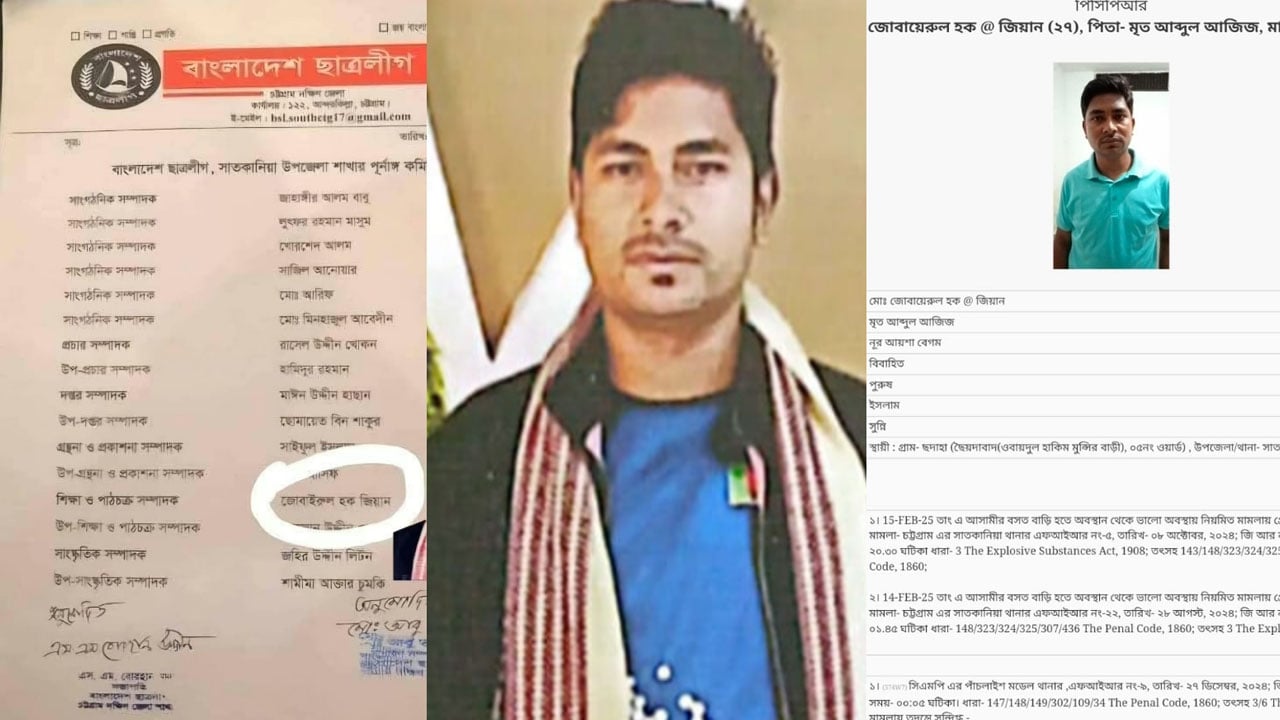
At least 10 alleged victims have submitted written complaints to the superintendent of police against Jobairul Haque Zian, a leader of the banned Chhatra League in Satkania, Chattogram, after an investigative report was published on August 22. Despite the complaints, police have not arrested him. The report alleged that Zian used fake female identities on Facebook to establish contacts and personal relationships with police officers and people from other professions. According to the complaints, Zian allegedly collected sensitive information, photographs and videos through deceptive online contact, then used the material for blackmail and severe harassment. Several complainants said they feel unsafe and fear he could use connections with influential people to cause them serious harm. Some victims are reportedly afraid to reveal their identities and have demanded a proper investigation and punishment if allegations are proven. Police said Zian could not be arrested because no specific case had been filed against him. However, Bangladesh Human Rights Foundation secretary general Advocate Zia Habib Ahsan said police may detain and question a person over allegations such as blackmail and can file a case themselves if necessary. Additional DIG Nazmul Hasan said there was no instruction preventing Zian's arrest, while the Chattogram Range DIG could not be reached.
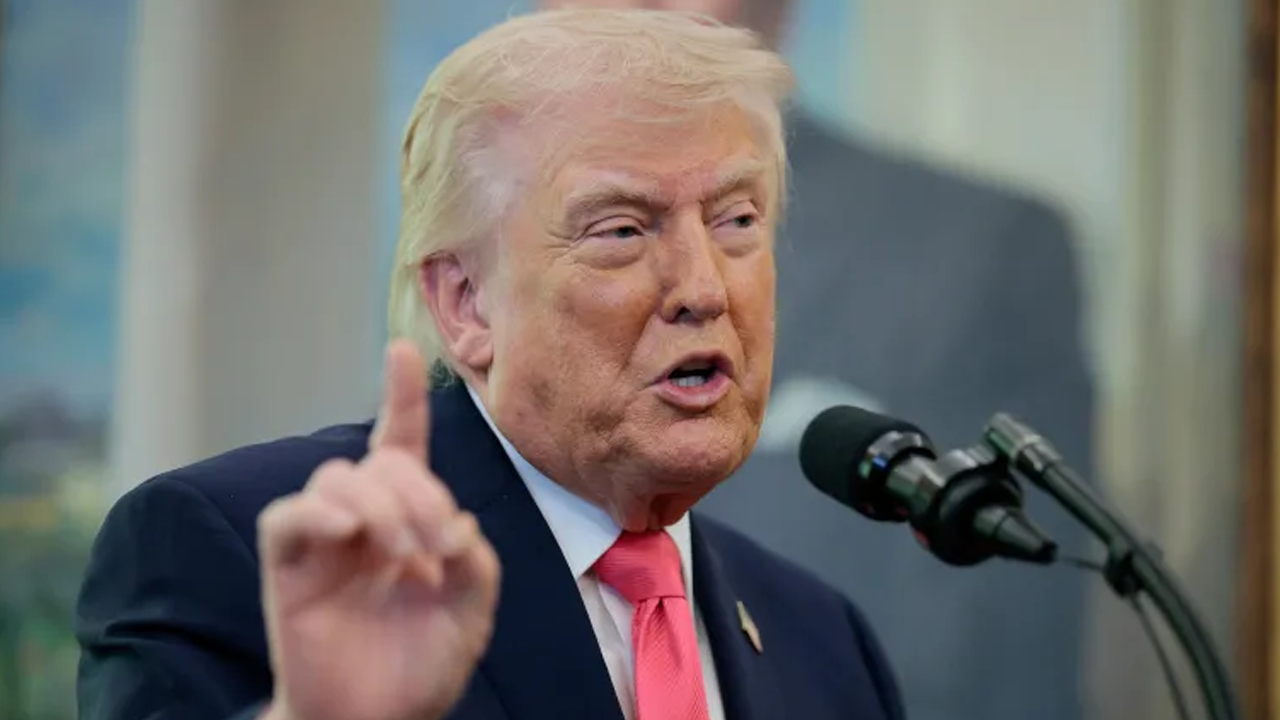
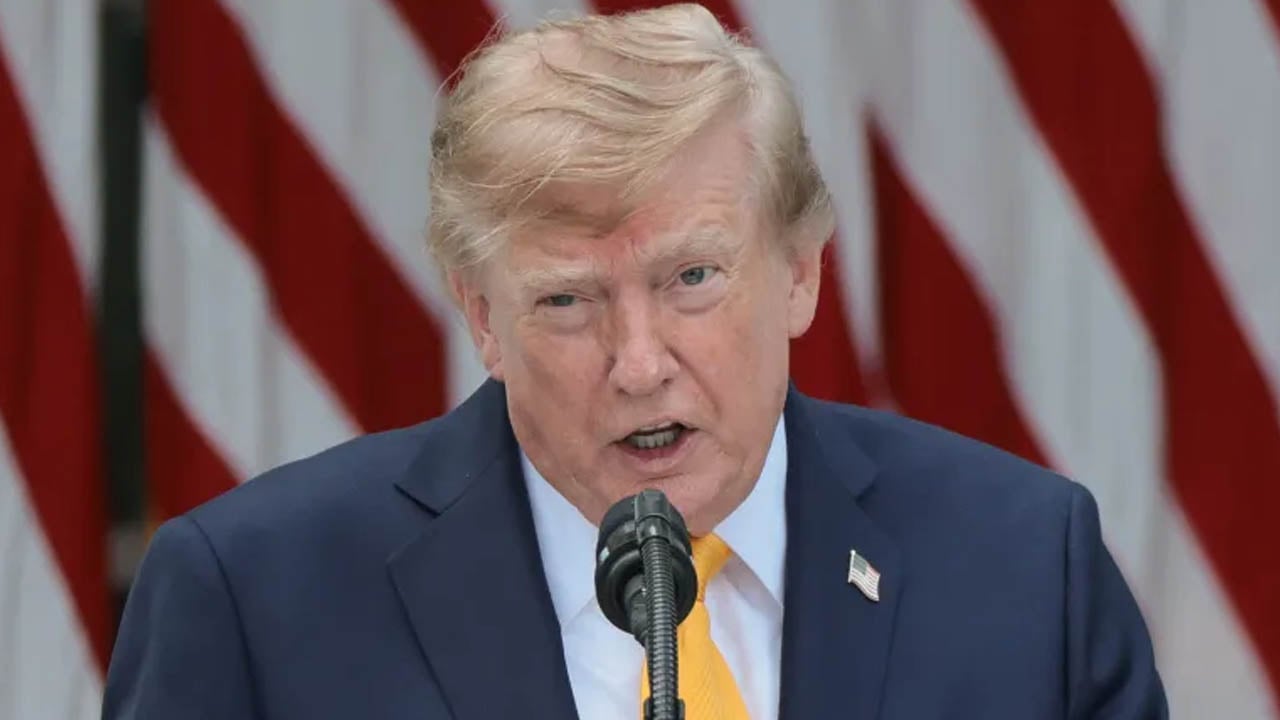
US President Donald Trump announced that Americans have secured majority control over more than 65 billion barrels of Venezuela’s proven oil reserves through private-sector partnerships. He said the arrangement could help US companies revive the OPEC member’s troubled energy industry while ensuring a new crude oil source for the US domestic market and potentially reducing fuel prices. Trump provided no further details of the agreement. In a Truth Social post, he said Secretary of State Marco Rubio and Defense Secretary Pete Hegseth had worked closely with Venezuela’s interim president, Delcy Rodriguez, under his direction. Trump said the arrangement required no spending by US taxpayers. The announcement followed weeks of bilateral talks on granting US companies long-term access to specified Venezuelan oilfields and supplying the produced crude to the United States. Venezuelan officials are preparing to sign agreements next week allowing several US companies to conduct new oil exploration and production. Venezuela’s government welcomed the deal, saying it would increase the economy and public revenue. Despite holding the world’s largest oil resources, Venezuela currently produces only 1.25 million barrels daily because of prolonged underinvestment, mismanagement and US sanctions.
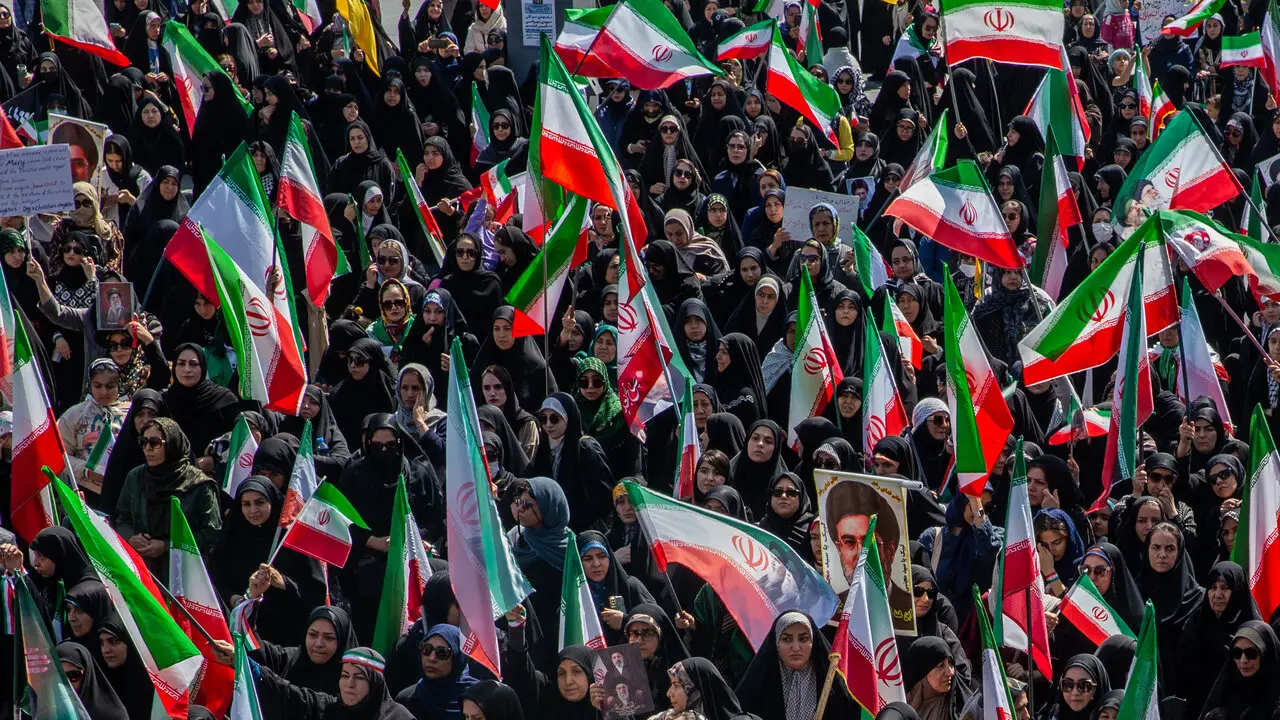
Six months after a US-Israeli war against Iran began on February 28, the source says Iran’s governing system remains intact despite extensive air strikes and heavy military damage. The report says Supreme Leader Ali Khamenei and several senior officials were killed in the joint operation, while his son and successor, Seyyed Mojtaba Khamenei, was seriously injured. Washington has now shifted from military action to intensified economic pressure. US Treasury Secretary Scott Bessent announced “Operation Economic Outcast” on Monday, saying it aims to isolate Iran further and collapse its already damaged economy. Analysts cited in the report question whether additional sanctions can force Tehran to surrender, change behavior or face government collapse, particularly as Iran is already under thousands of sanctions. They also say Washington’s ultimate objective remains unclear. The conflict is currently described as stalled, with neither side directly attacking the other and blockades around the Strait of Hormuz relatively eased, allowing some oil supplies to move. Iran and Oman are continuing talks over the strait, but Tehran remains unwilling to relinquish control. Experts warn that deepening economic pressure could instead increase risks of renewed military escalation.
Thursday’s Champions League draw determined opponents for 36 teams in the league phase, which will run from September 8 to January 28. The schedule has produced several high-profile meetings, including Real Madrid versus Inter Milan at the Santiago Bernabeu, Arsenal hosting Real Madrid, Paris Saint-Germain facing Barcelona, and Manchester City playing PSG. Real Madrid will begin their campaign against Italian champions Inter while pursuing a 16th European title. Arsenal remain unbeaten against Real Madrid in Champions League matches, having won both legs of last season’s quarter-final. PSG, the previous champions, beat Barcelona 2-1 in last season’s league phase, while City hold four wins, two losses and one draw against the French club. Other notable fixtures include Aston Villa against PSG at Villa Park, Manchester City versus Barcelona, Inter against Liverpool at San Siro, Liverpool against Atletico Madrid, Arsenal against Bayern Munich, and Manchester United against Bayern. United return to the competition after two seasons, with their Old Trafford meeting with Bayern carrying added historical significance.

Cristiano Ronaldo scored the decisive goal as Al Nassr beat Al Taawoun 2-1 in the Saudi Pro League on Friday night. The victory moved the Portuguese forward’s professional career tally to 978 goals, leaving him 22 short of the 1,000-goal milestone. Ronaldo, 41, is pursuing the landmark as his major remaining individual target. Al Nassr controlled the match at home from the outset but fell behind in the 11th minute when Al Taawoun’s Bassam Mohammed Alhuraiji scored for the visitors. The home side responded with greater attacking intent and levelled before halftime through Samu Costa, sending the match into the break at 1-1. Ronaldo settled the contest five minutes into the second half. A shot by teammate Mohamed Simakan was heading toward goal, and Ronaldo applied a close-range touch to send it into the net. It was his second goal in three Saudi Pro League matches this season. Al Nassr have won all four of their league matches, further strengthening their position at the top of the standings.

The ‘1 Nojor’ media platform is now live in beta, inviting users to explore and provide feedback as we continue to refine the experience.