

The ‘1 Nojor’ media platform is now live in beta, inviting users to explore and provide feedback as we continue to refine the experience.
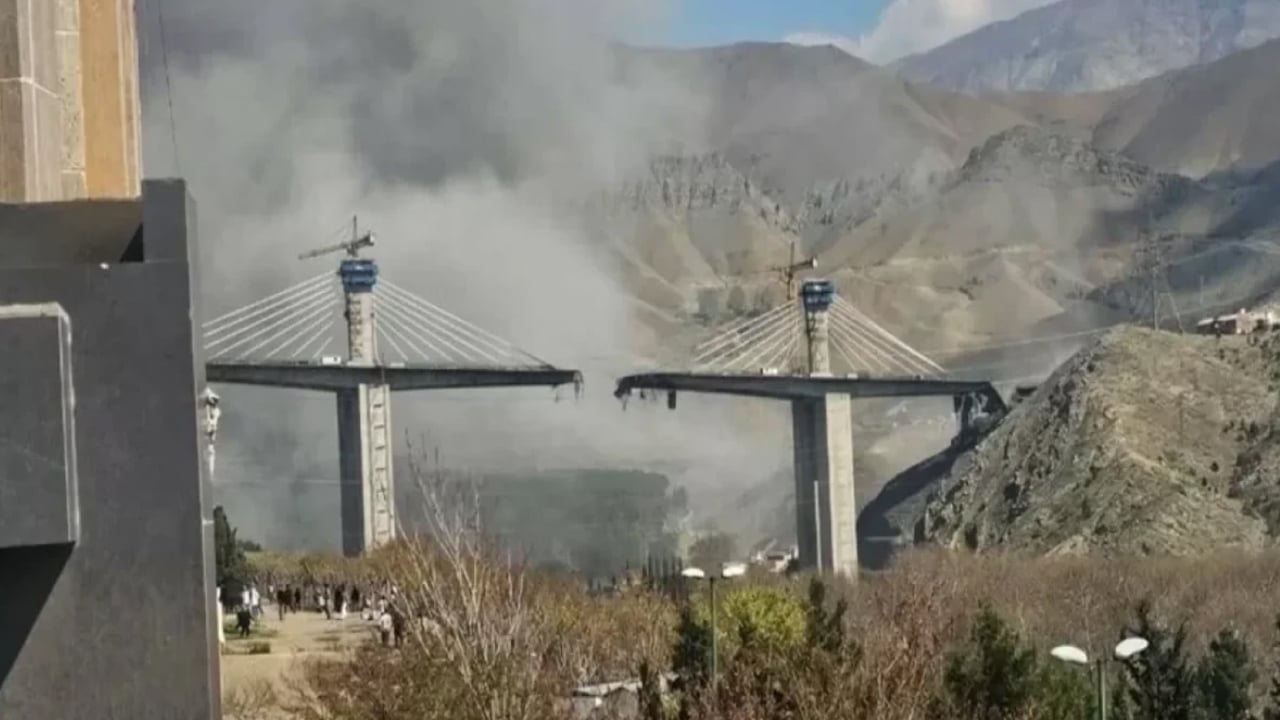
Iran’s state-run Fars News Agency has reported that a US airstrike struck the Ak Takeh Khan railway bridge in Golestan province, northern Iran. The bridge is part of a vital rail corridor linking Tehran with China, Iran’s largest trading partner. The incident reportedly disrupted a route that had been used to transport goods to Russia during periods when US sanctions complicated access to Iranian seaports. According to the report, Iranian authorities plan to complete repairs on the damaged bridge quickly. The railway line crossing the bridge connects Iran with Turkmenistan and Kazakhstan before reaching China, making it strategically important for regional trade and freight movement. The report, citing Al Jazeera as a source, underscores the bridge’s significance for Iran’s overland trade network and its role in maintaining economic links amid geopolitical tensions.
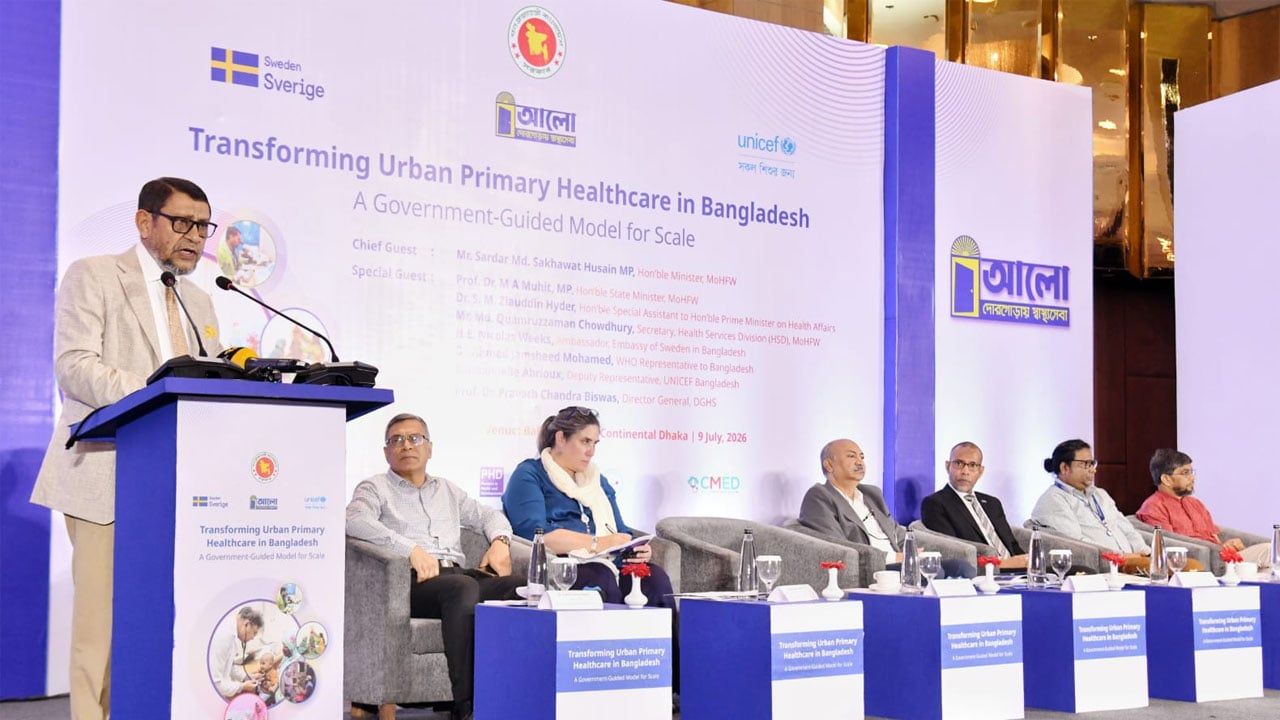
Health Minister Sardar Md. Shakhawat Hossain announced that dialysis services for kidney patients will be introduced at the upazila level across Bangladesh. The initiative will be implemented in phases, expanding through upazila health complexes, district hospitals, and medical college hospitals. He made the announcement on Thursday at a discussion in Dhaka focused on expanding primary healthcare in urban areas, organized by the Directorate General of Health Services. The event presented evidence-based results and lessons from the ‘Alo Clinic’ model, with participation from senior health officials and representatives of UNICEF and the World Health Organization. The minister also said that steps are being taken to increase the number of ambulances to ensure patients in remote areas can reach advanced medical centers quickly. He emphasized that every citizen, regardless of financial capacity or location, has the right to quality healthcare. The government aims to strengthen public hospitals to boost public trust and ensure accessible healthcare for marginalized communities, with support from international partners to improve public health services amid rapid urbanization.
Bangladesh recorded two additional dengue-related deaths and 190 new hospital admissions in the past 24 hours, according to a press release from the Directorate General of Health Services (DGHS) on Thursday. The previous day saw three deaths and 251 infections. In the first nine days of July, a total of 1,643 people have been infected and six have died from dengue. Last month, 2,907 infections and 13 deaths were reported. The DGHS report detailed that between Wednesday and Thursday morning, 48 patients were admitted in Barishal division, 34 in Chattogram, 31 in Dhaka North City Corporation, 40 in Dhaka South, 22 in Khulna, six in Mymensingh, seven in Rajshahi, and two in Sylhet. During the same period, 193 patients were discharged from hospitals. As of July 9, a total of 7,747 dengue patients have been hospitalized this year, with 24 deaths recorded. Among the deceased, two died in January, two in February, one in May, 13 in June, and four in July. In 2025, Bangladesh reported 102,861 dengue cases and 413 deaths.

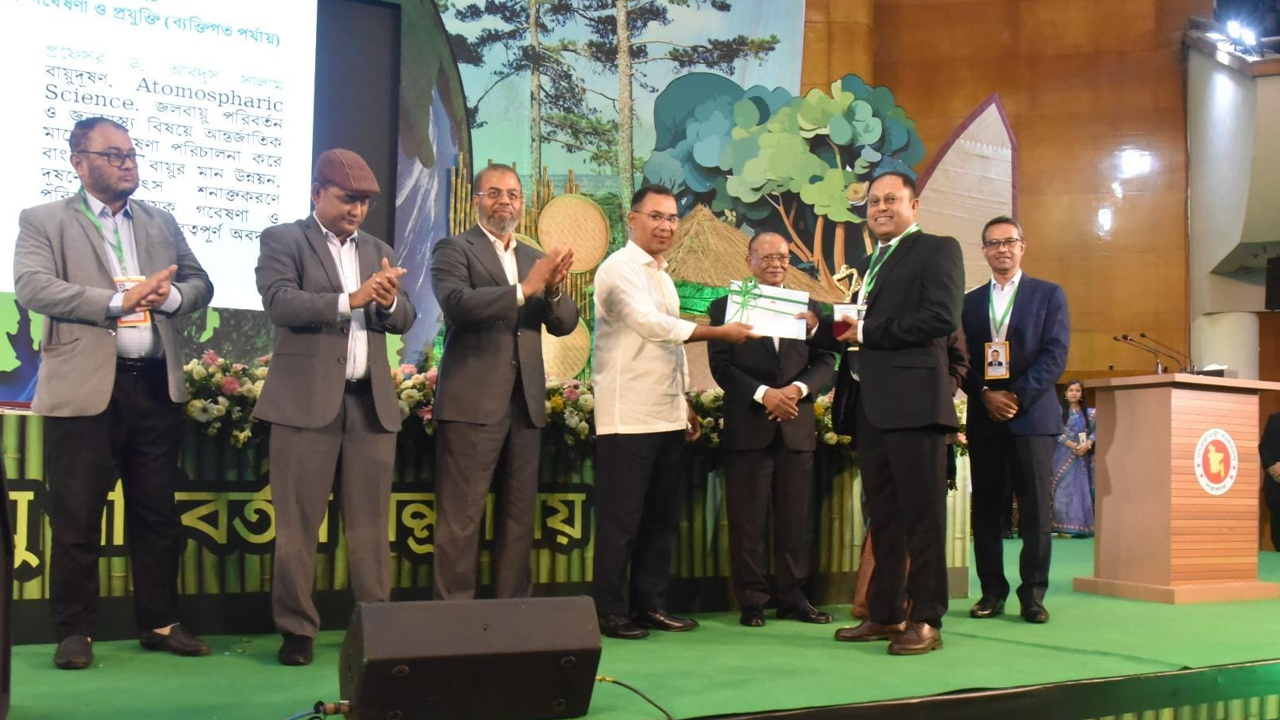
Professor Dr. Abdus Salam, Pro-Vice Chancellor (Education) of the University of Dhaka and a faculty member of the Department of Chemistry, has been awarded the National Environment Award 2025 for his contributions to environmental research and technological innovation. The award was presented by Prime Minister Tareq Rahman on Thursday, July 9, 2026, at the Bangladesh-China Friendship Conference Center during the national ceremony marking World Environment Day 2026. According to the Ministry of Environment, Forest and Climate Change, Dr. Salam was nominated in the category of environmental research and technology innovation through a gazette issued on June 7, 2026. The university’s public relations office stated that he has been conducting research for nearly 25 years on environment, air pollution, atmospheric science, climate change, and public health, earning international recognition for his work. His studies have significantly contributed to improving air quality in Bangladesh and identifying pollution sources. Dhaka University teachers and officials congratulated Dr. Salam on receiving the award. This year, three individuals and three institutions were honored with the National Environment Award 2025 for their contributions to environmental conservation, education, and innovation.
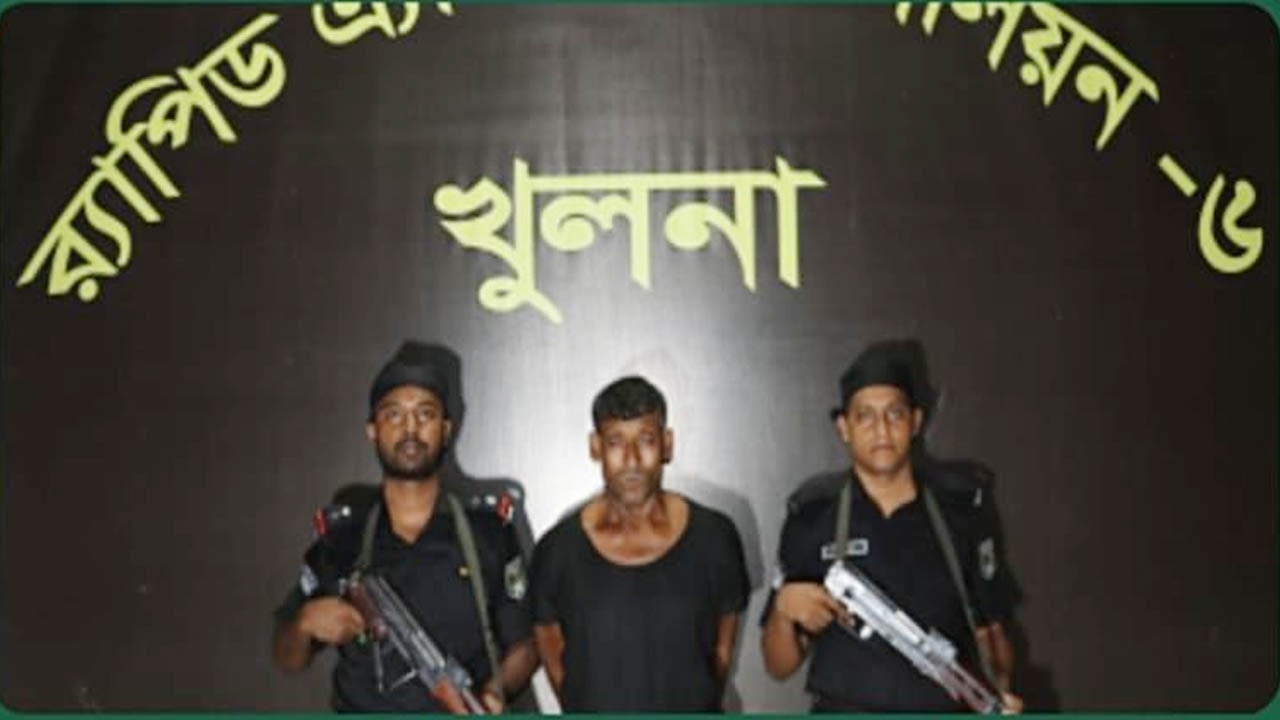
Rapid Action Battalion (RAB)-6 has arrested Khabir Molla, identified as the leader of the notorious Khabir gang and one of Khulna’s top criminals, during a special operation in the Gazirhat area under Dighalia Police Station on Wednesday evening. The arrest took place around 5:20 p.m. as part of RAB’s regular anti-crime drive. Law enforcers recovered a one-shooter gun, two rounds of fresh ammunition, and a Chinese axe from his possession, which were seized in the presence of witnesses following legal procedures. According to RAB, Khabir Molla, aged 47 and son of Kawsar Molla from Jangushia village in Dighalia, has long been involved in professional robbery and terrorist activities. Police records show that he faces 13 cases across Khulna and Narail districts, including charges of murder, arms possession, and robbery. RAB stated that a case under the Arms Act has been filed against him at Dighalia Police Station, and he is being handed over for further legal action. The agency affirmed that similar operations will continue to bring armed criminals and major suspects under the law.
A church under construction in Subhasgram’s Buri Bottola area of Sonarpur, West Bengal, was attacked and vandalized by a group of about 100 people on July 9, 2026. The attackers allegedly broke into the building, damaged pillars, and destroyed three crosses on the roof. Members of the small Christian community said they were also threatened during the assault. Witnesses reported that the incident occurred while painting work was underway inside the church. The attackers reportedly identified themselves as members of the Hindu Jagaran Manch and accused local Christians of converting people with financial inducements, a claim denied by the victims. The church belongs to the Presbyterian Church of India and serves 116 members from around 50 families. Police detained three suspects and filed a case under charges of trespassing, damage, and criminal intimidation. Authorities said the situation is now calm. Christian leader Herod Mallik announced that a delegation had visited the site and called for a protest rally on July 14. The incident has sparked political controversy, with the CPI(M) accusing the ruling BJP of fostering communal tensions in the state.

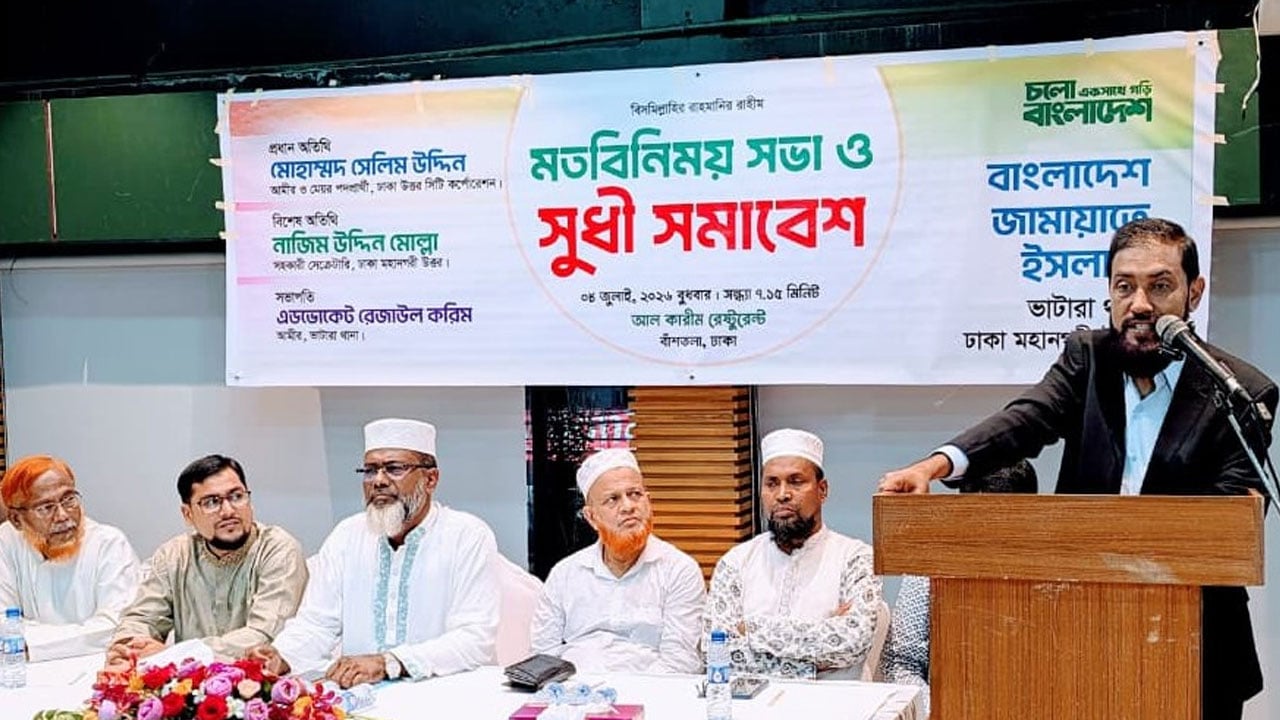
Bangladesh Jamaat-e-Islami has announced its commitment to building a political culture where leadership aligns words with actions. Mohammad Selim Uddin, the party’s Dhaka North city chief and mayoral candidate for Dhaka North City Corporation (DNCC), made the statement on Wednesday evening at a gathering in Vatara, Dhaka. He said the party aims to create a safe, clean, and citizen-friendly capital modeled after modern global cities. Selim Uddin highlighted issues such as unemployment, drug abuse, corruption in public healthcare, and the high cost of private medical services. He expressed concern over extortion affecting businesses and consumers, and the gas crisis threatening industries and employment. He pledged to resolve the city’s water shortage and establish a humane, accountable, and citizen-oriented city corporation if given a five-year mandate. He added that fulfilling pre-election promises is Jamaat’s main goal and mentioned the launch of a mobile application called “Nagarik Seba Dot Net,” which is already providing various civic services before the election.
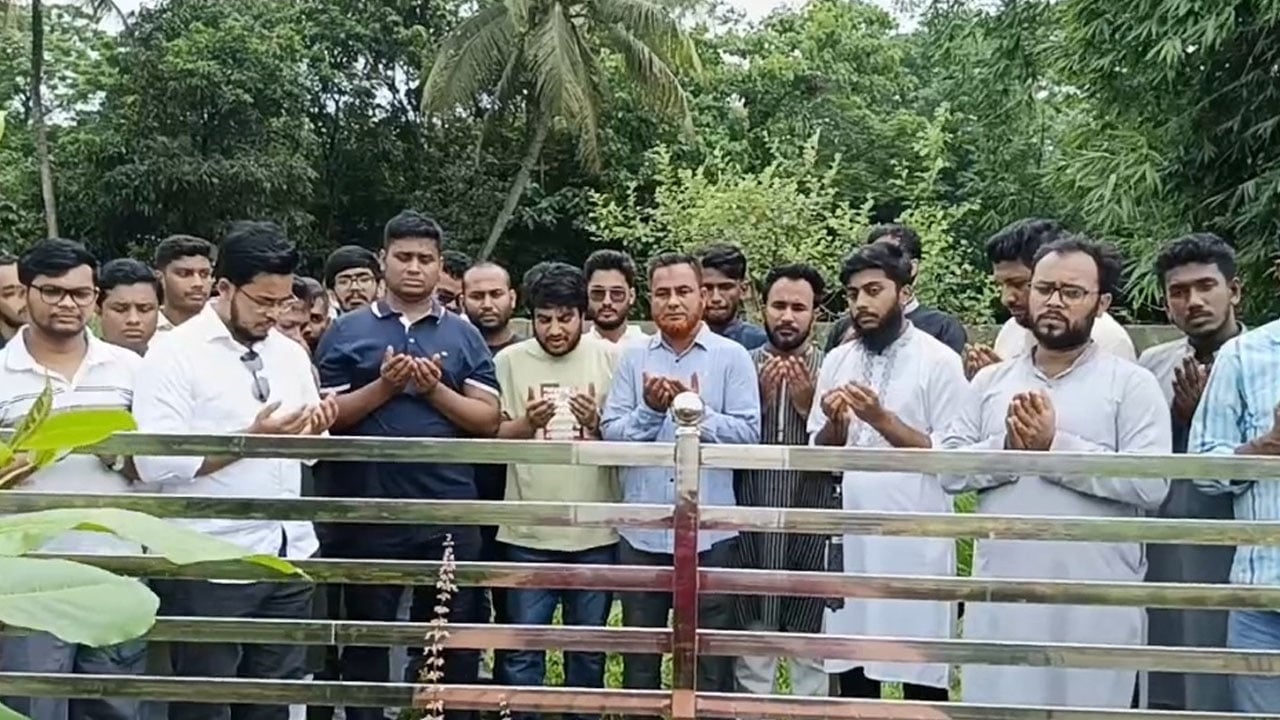
Hasanat Abdullah MP, the South Regional Chief Coordinator of the National Citizens Party (NCP), visited the grave of martyr Ishtiaq Ahmed Shraban in Feni’s Anandapur Union on Thursday, July 9, 2026. Shraban was the first martyr of the July uprising in Mohipal, Feni. After offering prayers at the gravesite, Abdullah spoke with Shraban’s parents and family members to express condolences. Local NCP leaders including Abdul Aziz, Muhaimin Tajim, and Omar Faruk accompanied him during the visit. According to district NCP member-secretary Shah Waliullah Manik, Abdullah came to Feni to attend the party’s South Regional July March inauguration. The NCP’s “July Awakening to Build the Nation” march was scheduled to begin at 5 p.m. from Sonagazi Upazila square, with Abdullah and central party leaders leading the event.
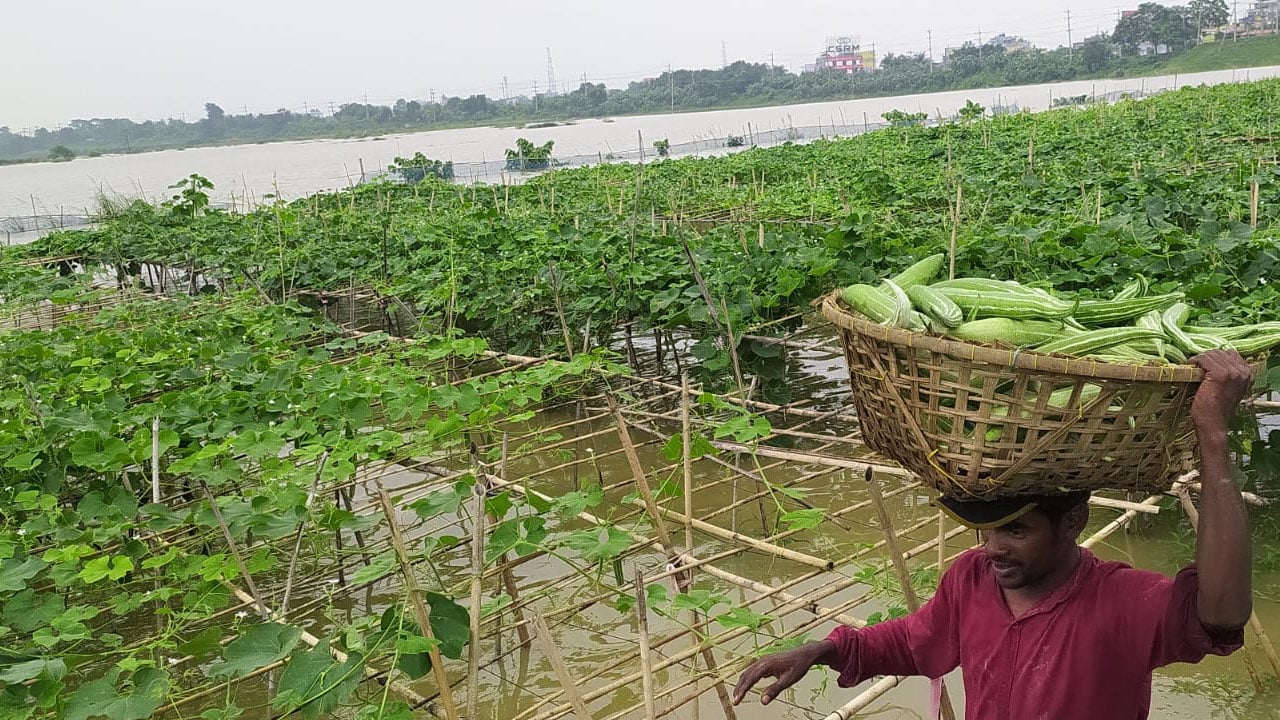
Heavy hill floods from India have inundated vast croplands in Cumilla, leaving more than a thousand farmers facing severe losses. Early-season vegetables and other crops in Adarsha Sadar and Burichang upazilas were submerged as the Gomti River overflowed on Thursday morning. Farmers were seen wading through waist-deep water trying to salvage what they could from fields of gourds, leafy greens, and other vegetables. Local farmers reported extensive damage, with some losing investments worth hundreds of thousands of taka. Many were forced to harvest immature crops in an attempt to recover part of their losses before total destruction. The affected areas include Kachiatali Amtali, Balikhara, Bhanti, and Kamarkhara, where floodwaters have covered large stretches of farmland. Mizanur Rahman, Deputy Director of the Department of Agricultural Extension in Cumilla, confirmed that thousands of farmers’ crops have been submerged due to rising water levels in the Gomti River. He said officials are on-site assessing the situation and that necessary assistance measures will be taken after the damage survey is completed.
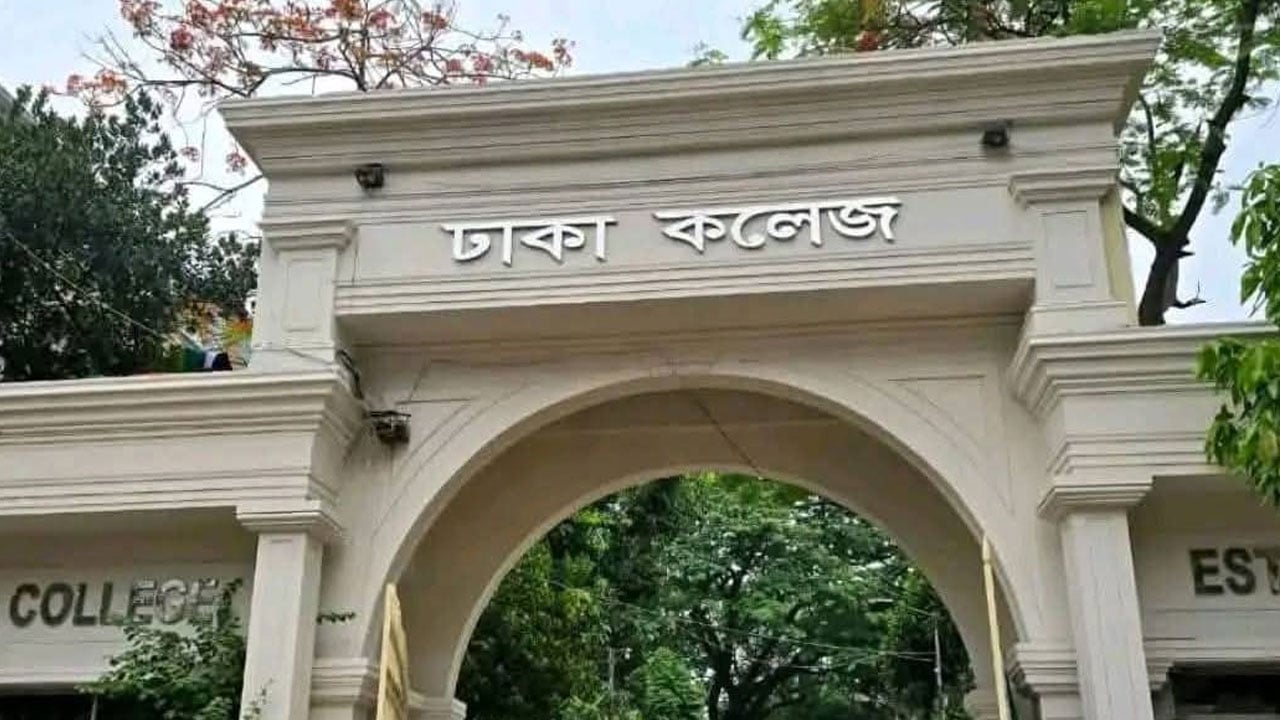
A controversy has emerged over the results of the third-year English department examinations at Dhaka College, one of the seven government colleges affiliated with the University of Dhaka. A student, Ramim Fakir, alleged that he was marked as passed in a course he did not attend due to illness, while being shown as failed in another course he actually took. The incident has raised questions among students about the transparency of the result publication and answer script evaluation process. Dhaka College Principal Professor A.K.M. Elias said the matter had not yet been brought to his attention but assured that any formal complaint would be forwarded to the University of Dhaka for investigation. English Department Head Professor Anupama Pal stated that the college had no role in the examination process, which was conducted by the university. Examination Controller Himadri Shekhar Chakraborty acknowledged that such discrepancies could occur due to inconsistencies in script evaluation and promised corrective measures once verified. University authorities emphasized that ensuring accurate results for all students remains their top priority and pledged steps to prevent similar incidents in the future.
A student of Green University, Manjurul Islam Hasib, died early Thursday at Green Life Hospital in Dhaka after being assaulted in Tongi, Gazipur. The incident occurred on Tuesday night near Jamtala Road adjacent to Salam’s brickfield gate in the Paghar area, reportedly following a dispute between two groups. Hasib, aged 25, was attacked with sharp weapons during the clash and later succumbed to his injuries. Two others, Akash (25) and Imran Hasan Onik (24), were also injured in the same incident. Locals said the altercation began around 8:30 p.m. on Tuesday when Hasib’s group and that of Jobayer Hossain, son of Ayat Ali, engaged in a heated argument that escalated into violence. Police have arrested Jobayer Hossain, 45, in connection with the case and sent him to the Gazipur court. According to Tongi East Police Station Inspector (Investigation) Md. Zillur Rahman, Hasib’s body has been sent to the morgue for autopsy. The investigation into the incident is ongoing.
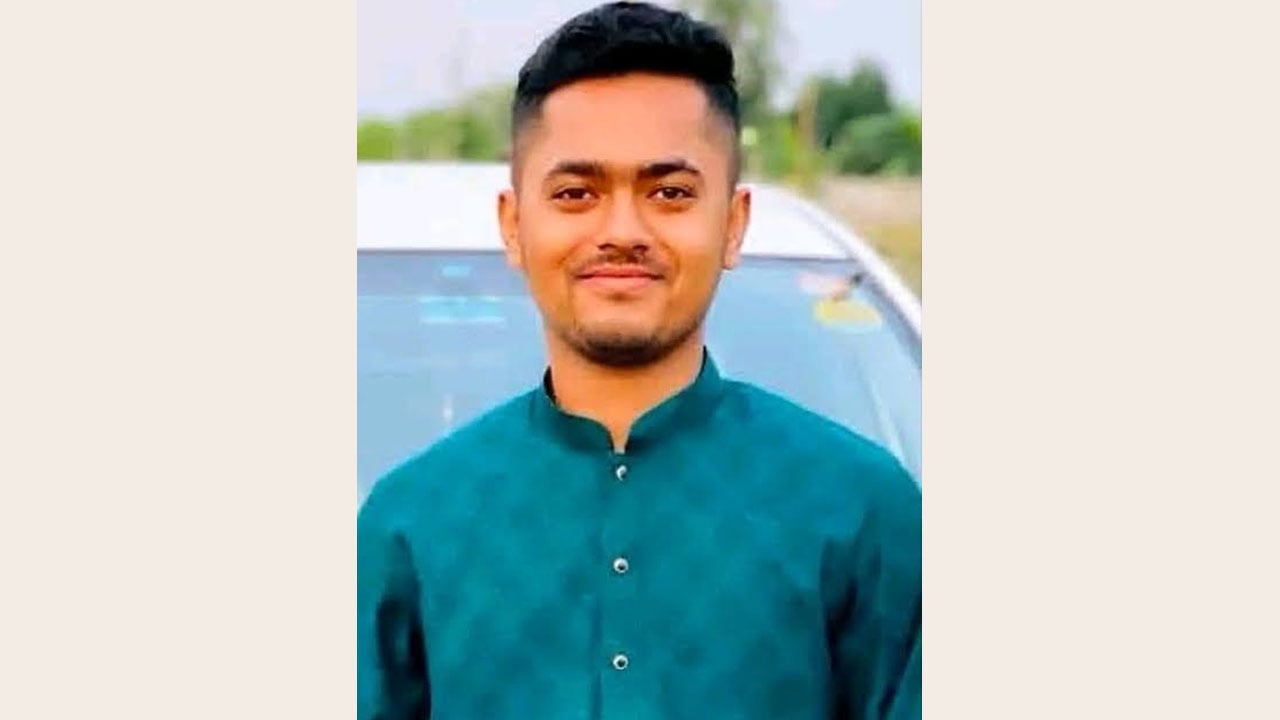
Lebanese President Joseph Aoun is preparing for an official visit to the United States at the invitation of President Donald Trump. Aoun met with U.S. Ambassador Michelle Issa to discuss the upcoming trip and review the security situation in southern Lebanon. The meeting focused on strengthening the existing ceasefire in the region and addressing ongoing cross-border hostilities. According to a statement from the Lebanese presidency, Aoun urged the United States to pressure Israel to halt attacks and fully implement the U.S.-brokered ceasefire agreement. He also called for an end to Israeli shelling and demolition activities in occupied Lebanese towns. Ambassador Issa said Aoun’s visit reflects Trump’s commitment to Lebanon’s stability and announced a follow-up meeting in Rome on July 14–15 involving representatives from Lebanon, the U.S., and Israel. Issa further noted that a U.S. military delegation will arrive in Beirut within days to coordinate the handover of several areas to the Lebanese army following the withdrawal of Israeli forces.

A ten-month-old child died in a landslide triggered by heavy rainfall in Jungle Salimpur of Sitakunda upazila, Chattogram, on Wednesday. Following the incident, the upazila administration, police, fire service, and local representatives launched extensive rescue and evacuation operations in vulnerable hillside areas to prevent further casualties. Public announcements were made urging residents at the foot of the hills to move to safety, and three shelters were prepared for evacuees. According to local sources, the landslide occurred in Ward No. 1’s Bagangbari area, where a section of the hill collapsed onto a house, burying the infant named Tanvir, son of Moin Uddin and Lamia Begum. UNO Fakhrul Islam, along with police and officials, visited the site and directed families in risky zones to relocate. The administration provided Tk 25,000 in cash and food aid to the victim’s family. Authorities confirmed that shelters have been equipped with clean water, dry food, baby food, and medical support. Additional shelters are ready to open if weather conditions worsen.
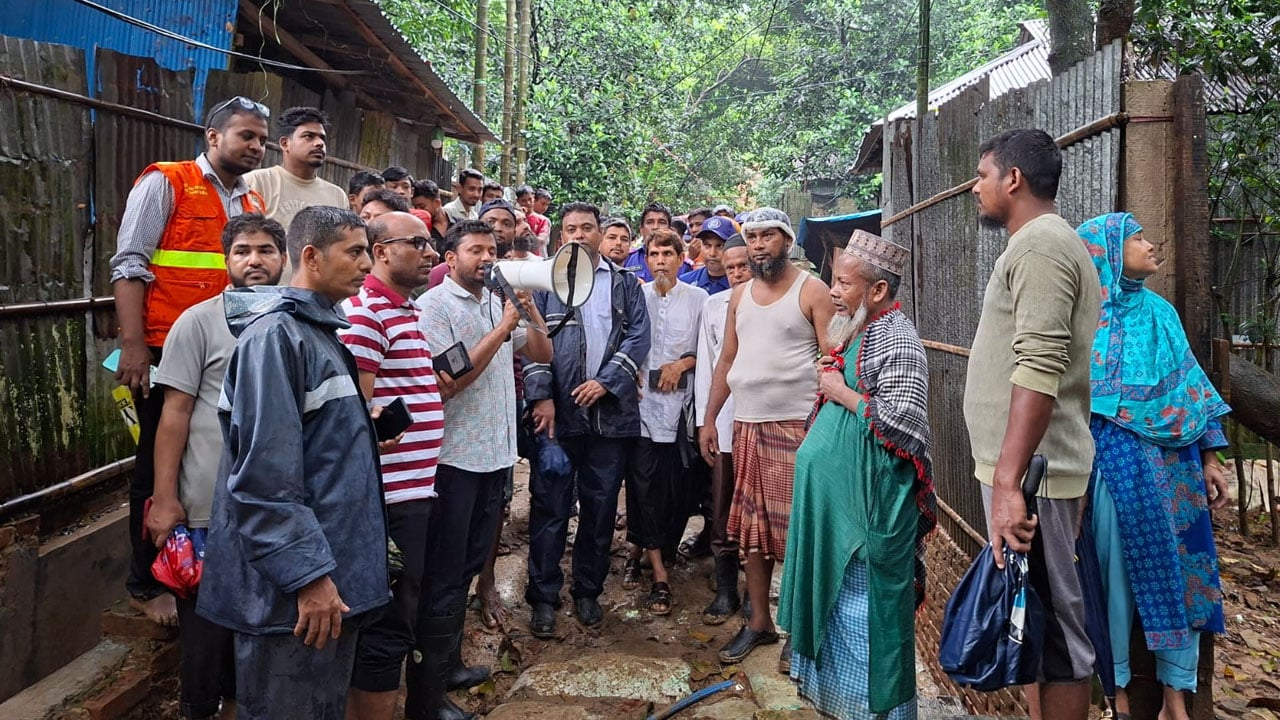
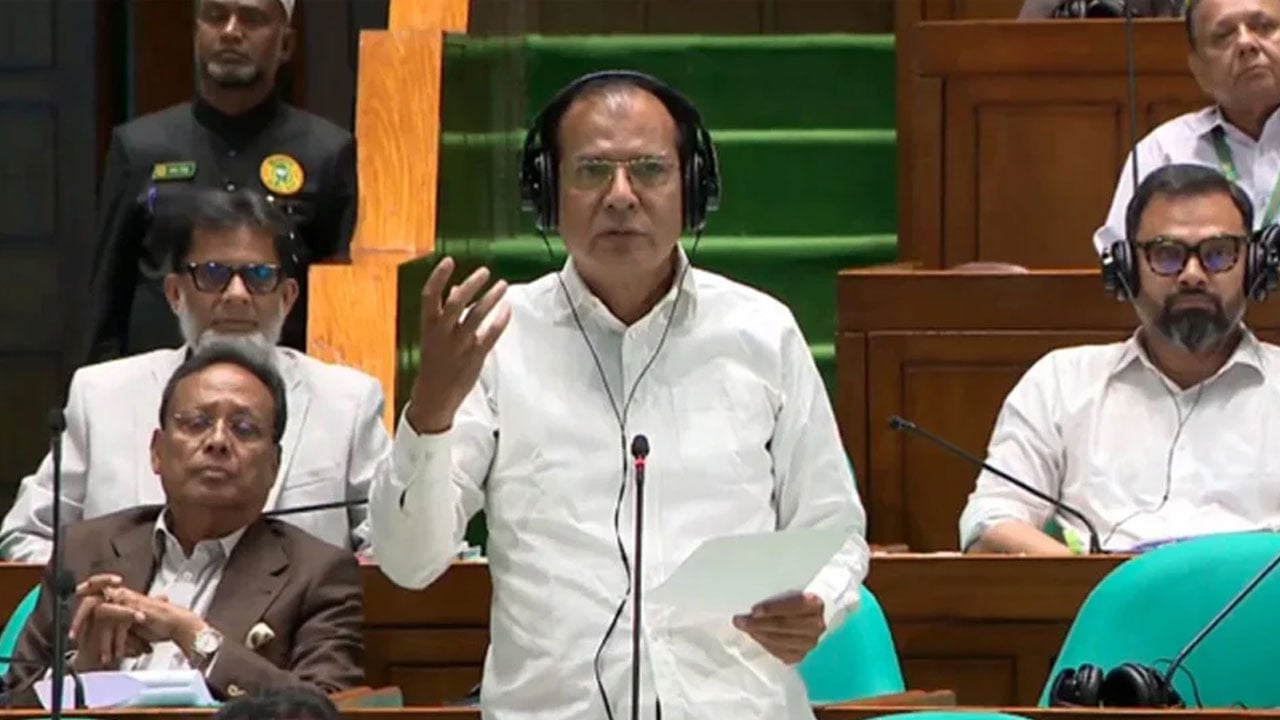
Disaster Management and Relief Minister Asadul Habib Dulu told parliament that the government is giving top priority to the safety and relief of people affected by heavy rainfall in Chattogram and the hill districts. He reported that landslides and floods have caused deaths in Cox’s Bazar, Chattogram, Bandarban, and Rangamati. Hundreds of shelters have been opened, accommodating thousands of displaced residents. Additional cash and rice allocations have been made to the affected districts, and the Prime Minister’s Relief Fund has also provided financial support. The minister said that loudspeaker announcements are ongoing to move people from risky areas to safe shelters, where food, water, and sanitation are ensured. He added that the government is ready to rehabilitate people living on dangerous hillsides on government land. The Prime Minister is monitoring the situation and has instructed officials to provide further aid if needed. Dulu also stated that the government has strengthened early warning systems and emergency response capacity, shifting from relief-based to risk-reduction-based disaster management. Equipment and rescue boats have been distributed across coastal and flood-prone districts to enhance preparedness.
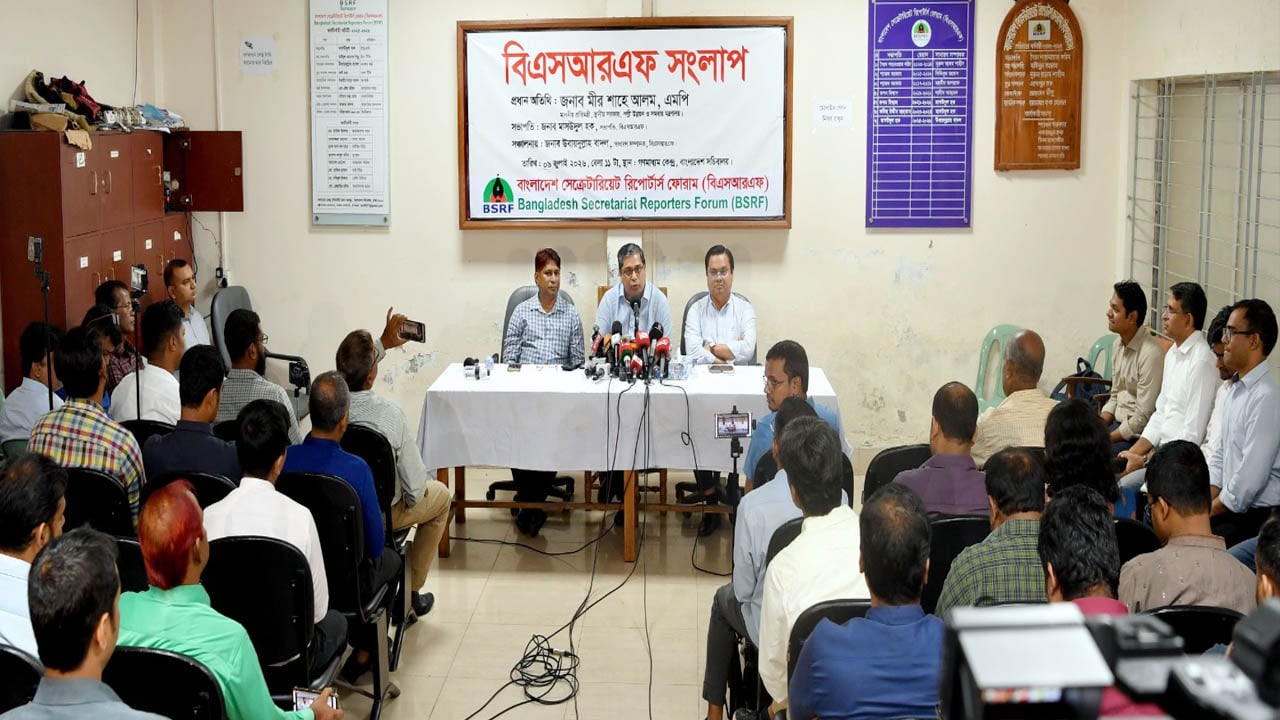
State Minister for Local Government, Rural Development and Cooperatives Mir Shah Alam, MP, emphasized that responsible, objective, and constructive journalism plays a vital role in accelerating Bangladesh’s development. Speaking as the chief guest at the ‘BSRF Dialogue’ organized by the Bangladesh Secretariat Reporters Forum at the Secretariat’s media center on Thursday, he called on the media to present government development activities accurately and counter misinformation and rumors. Mir Shah Alam said that constructive criticism from the media helps identify and correct mistakes, enabling the government to serve citizens more effectively. He noted that responsible journalism ensures accountability and makes development initiatives more dynamic and people-oriented. Discussing Bogura’s development, he stated that the district had long lagged behind but that he was working tirelessly under the Prime Minister’s guidance to address the gap. Sharing his personal background, the State Minister mentioned his previous role as founder and chairman of Ruposhi BD Group and said he has since handed over management duties to his family to focus fully on public service.
The ‘1 Nojor’ media platform is now live in beta, inviting users to explore and provide feedback as we continue to refine the experience.