

The ‘1 Nojor’ media platform is now live in beta, inviting users to explore and provide feedback as we continue to refine the experience.
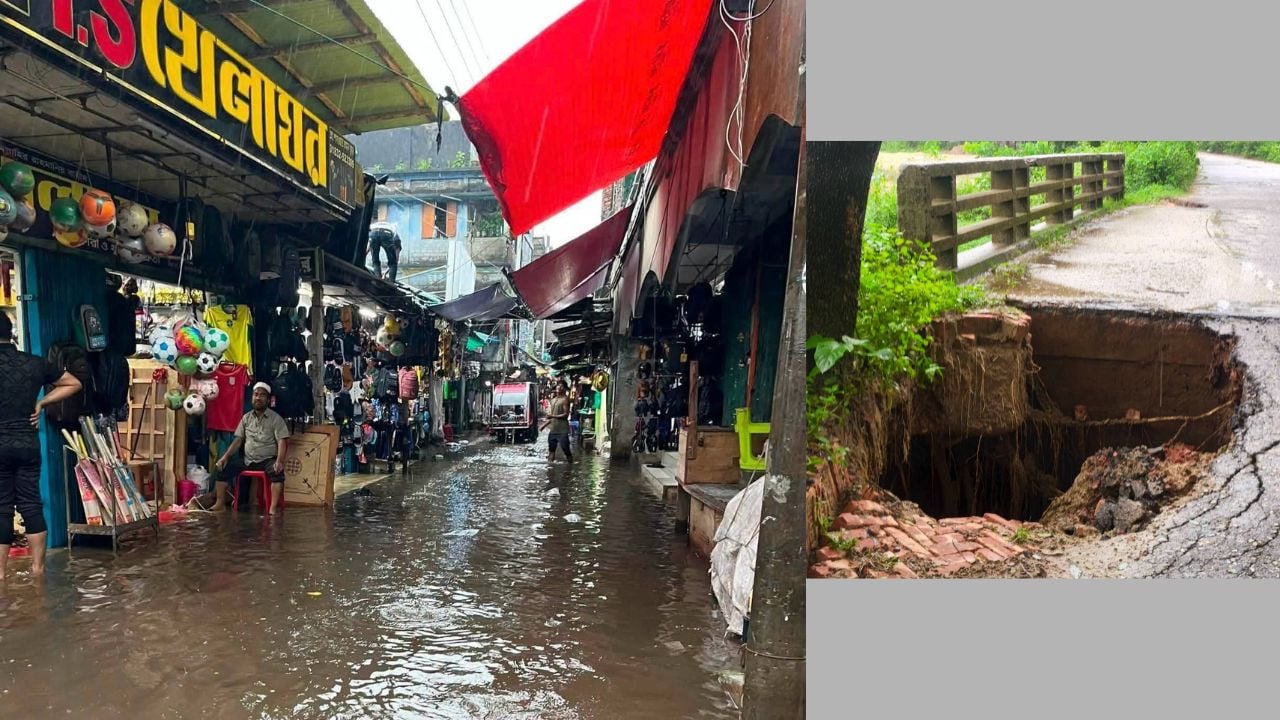
Continuous rainfall over the past three days has inundated more than a hundred homes in Eidgaon upazila of Cox’s Bazar, leaving over twenty villages waterlogged. Poor drainage has worsened the situation, while heavy downpours have raised fears of landslides and bridge collapses in several areas, including key roads and residential zones. Local residents warned that without prompt administrative action, lives could be at risk. Union Parishad chairmen from Eidgaon, Jalalabad, Islampur, Islamabad, and Pokkhali reported widespread flooding, with some areas facing severe waterlogging and erosion threats. The Himchhari Bridge on the Eidgaon–Eidgar–Baishari road, a vital link for around two lakh people, has developed a large cavity due to hill runoff, prompting fears of a total collapse. Local officials confirmed awareness of the issue and said emergency measures were underway. The upazila administration stated that while water has receded in some areas, drainage work continues in others. Concerned citizens urged swift action to prevent waterborne diseases such as diarrhea and dengue if stagnant water persists.
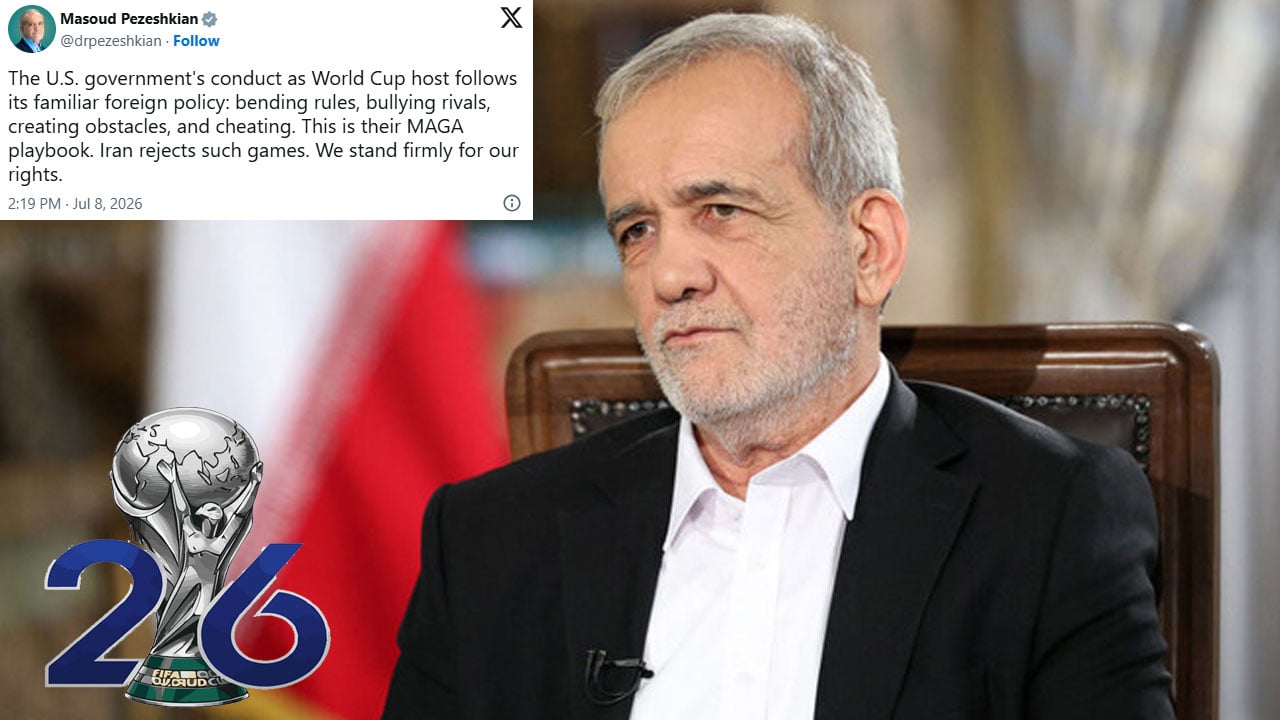
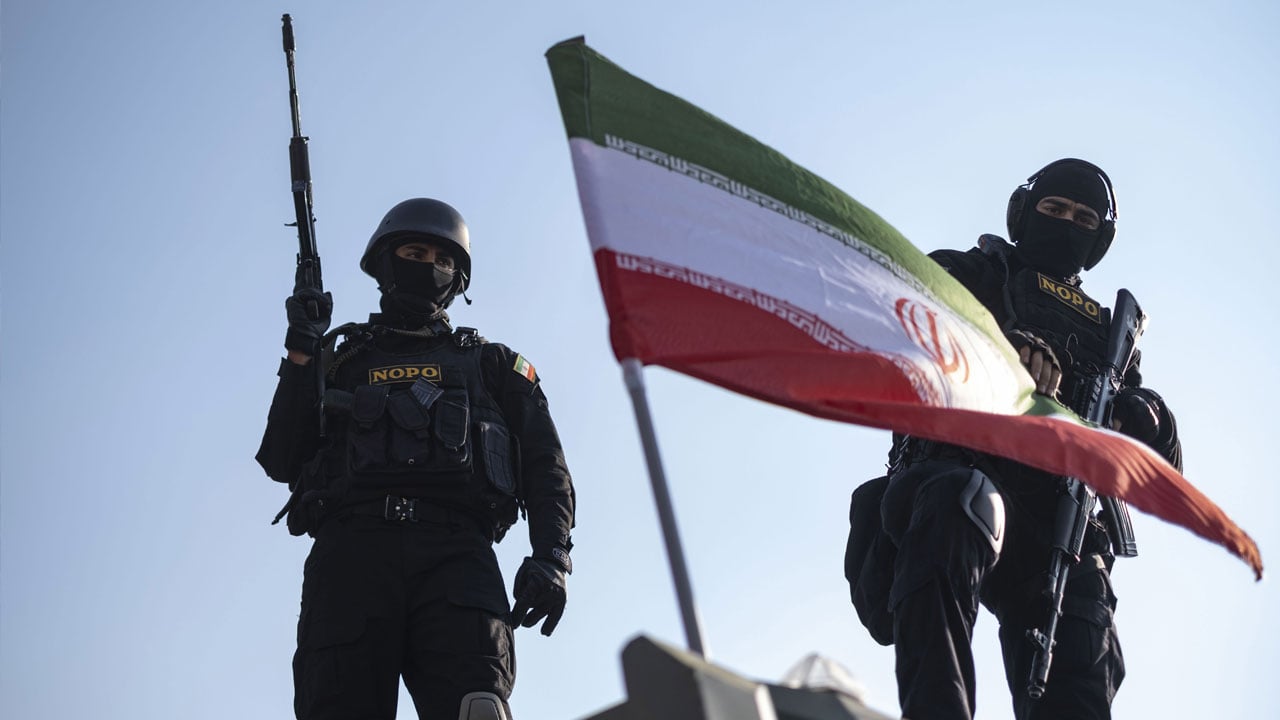
Iranian President Masoud Pezeshkian has accused the United States of violating rules as the host of the Football World Cup, alleging that Washington is intimidating rivals, creating obstacles, and engaging in deceit. He stated that such behavior reflects the broader foreign policy of the United States. His remarks were reported by Al Jazeera. In a post on social media platform X, Pezeshkian said the conduct of the US government mirrors its so-called ‘MAGA playbook’. He added that Iran rejects such games and stands firmly for its rights. The comments come amid heightened tensions between Tehran and Washington. The report noted that US forces recently struck more than 80 targets inside Iran and reimposed sanctions on the country’s oil sector, further straining bilateral relations.
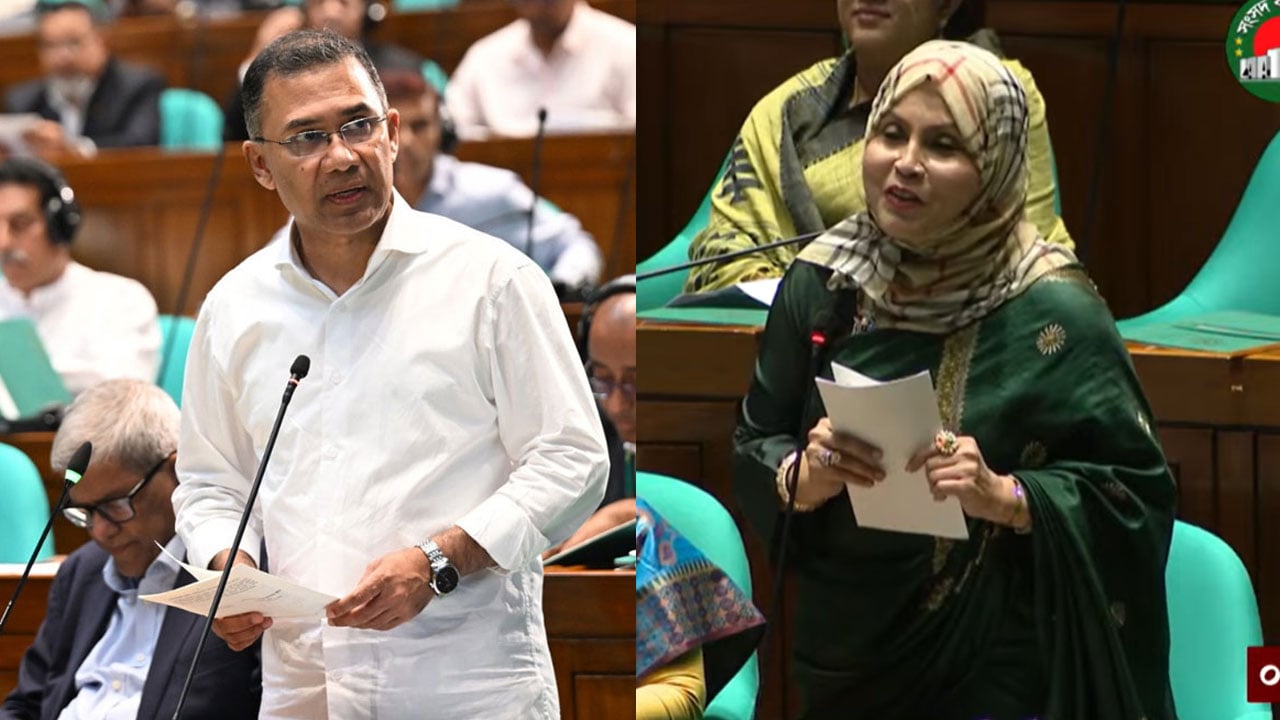
During a parliamentary session on Wednesday, Madaripur’s reserved seat MP Helen Zerin Khan asked Prime Minister Tarek Rahman whether the government would take steps to upgrade Eden Mohila College to a university. In response, the Prime Minister said that the education minister would have the appropriate answer on the matter. He added that one of the main priorities of the previous BNP government was promoting women’s education and that the current administration continues to emphasize both educational and economic empowerment for women through initiatives such as the family card program. The Prime Minister further noted that former Prime Minister Khaleda Zia’s government had made education free for girls up to the intermediate level, and the current government now aims to extend free education for women up to the honors level. He also mentioned plans to introduce scholarships for female students who achieve good academic results, emphasizing the government’s commitment to advancing women’s education and participation in national development. The session was attended by many female students in the gallery, who observed the proceedings directly.
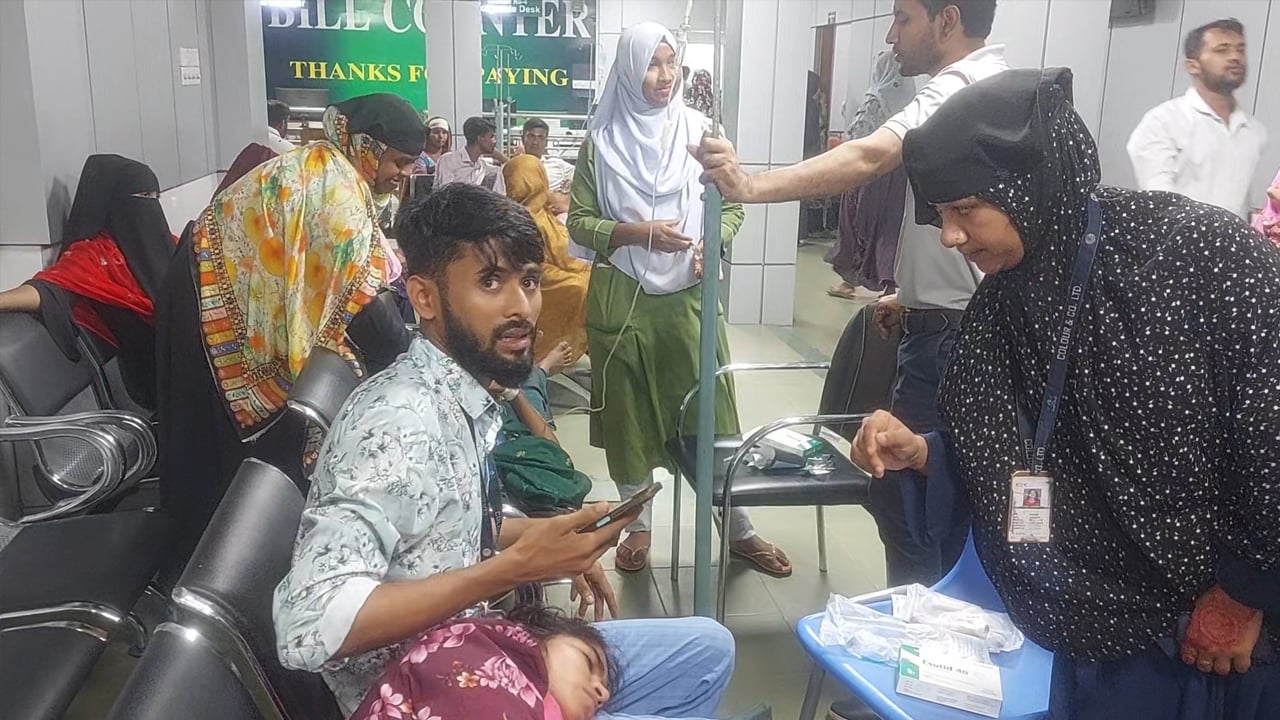
At least 30 to 35 workers at Color & Co. Ltd., a garment factory in Tepirbari area of Sreepur, Gazipur, fell ill on Wednesday morning, marking the second consecutive day of similar incidents. The workers, mostly women, experienced dizziness, chest pain, abdominal pain, and nausea shortly after production began. The factory halted operations and sent the affected workers to nearby hospitals. On Tuesday, over fifty workers had reported similar symptoms, deepening the mystery surrounding the recurring illness. According to hospital authorities, most of the affected workers were women showing consistent symptoms. Sreepur’s health officer Dr. Shafiqul Islam suggested the incident might be a case of mass hysteria or mass psychogenic illness but emphasized that confirmation would require investigation. A team led by the civil surgeon has been formed to collect samples and inspect the site. Factory officials confirmed the sudden onset of illness, while workers demanded an impartial probe into workplace conditions following the recent death of a colleague. Police visited the factory and reported that workers expressed their concerns peacefully as authorities continued their investigation.
Iran issued a strong warning following U.S. President Donald Trump’s declaration that an agreement with Tehran had ended. The Iranian Armed Forces’ central command unit, Khatam al-Anbia Headquarters, stated that any party assisting U.S. military aggression against Iran’s sovereignty or territory would be considered a legitimate target. The statement was reported by Al Jazeera and published through Iran’s semi-official Tasnim news agency. According to the Tasnim report, the command emphasized that any source of support for U.S. aggression—whether direct or indirect—would be treated as a valid target by Iran’s armed forces. It further suggested that individuals, institutions, or infrastructure aiding U.S. military operations could face necessary countermeasures. The warning reflects heightened tensions between Tehran and Washington following Trump’s announcement, signaling Iran’s readiness to respond to any perceived threat or collaboration against its sovereignty.
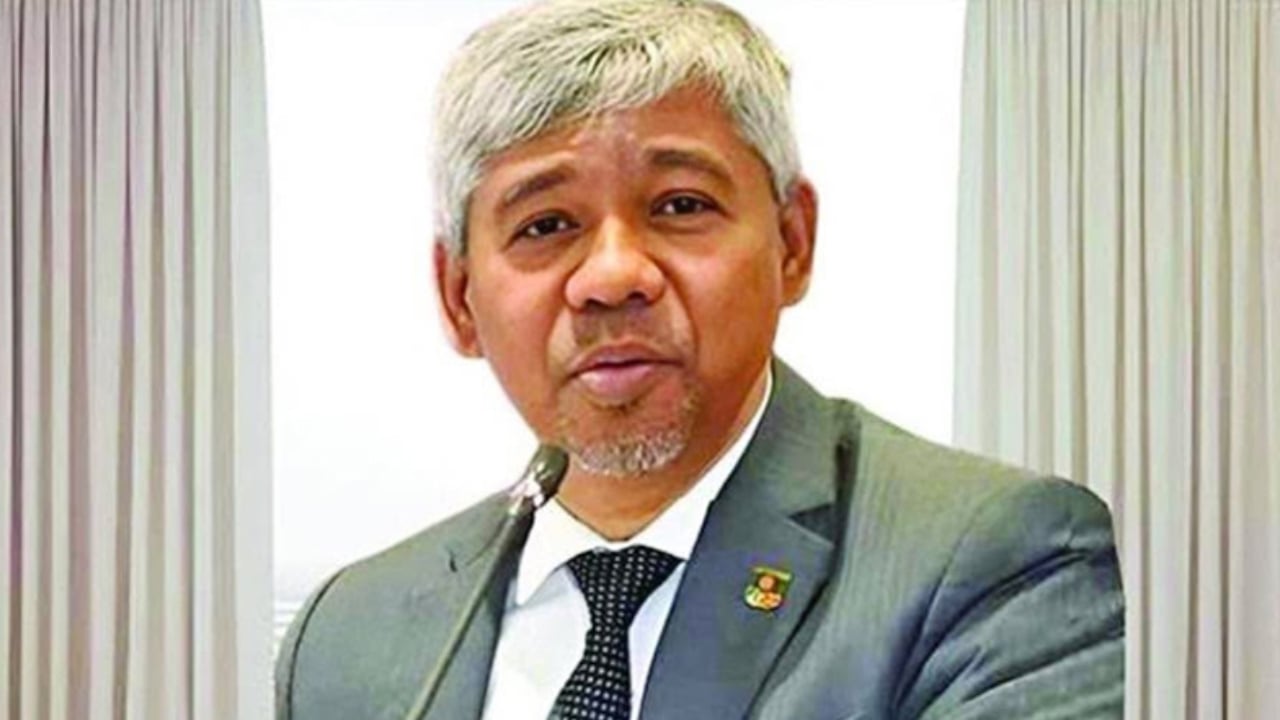
Abdur Rahman Khan, the recently retired chairman of Bangladesh’s National Board of Revenue (NBR), is set to be appointed as the country’s next executive director at the World Bank. He will succeed Sharifa Khan, the former senior secretary of the Economic Relations Division (ERD), who currently holds the position. Once the official government notification is issued, Abdur Rahman Khan will represent Bangladesh on the World Bank’s Board of Executive Directors. According to relevant sources, the Prime Minister’s Office has already approved the file related to his appointment. The executive director represents member countries on the World Bank’s board, participating in key decisions regarding loans, grants, development projects, policy matters, and other financial operations. The alternate executive director performs duties in the absence of the executive director and assists in board activities. The appointment marks a continuation of Bangladesh’s representation in the World Bank’s decision-making body, ensuring the country’s participation in shaping global development and financial policies.
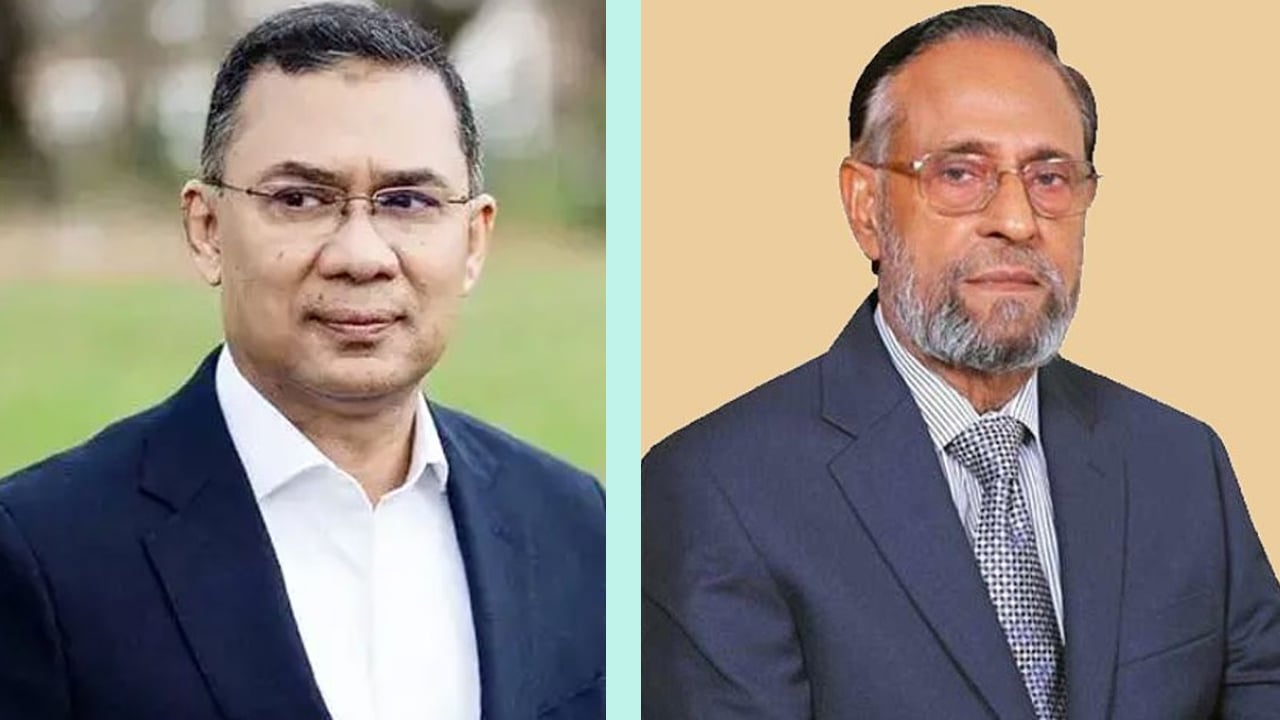
Liberal Democratic Party (LDP) Chairman Dr. Colonel (Retd.) Oli Ahmed has advised Prime Minister Tarique Rahman not to spend nights outside Dhaka. He made the suggestion on Wednesday afternoon during a seminar of eleven political parties held at the Diploma Engineers Auditorium. Addressing the Prime Minister, Oli Ahmed said that foreign spies operating in Bangladesh are harming both the leader and the country, and urged him to take reform initiatives as the son of Begum Khaleda Zia. Oli Ahmed further stated that the Prime Minister is surrounded by enemies, claiming that those appearing close to him are his real adversaries. He alleged that foreign spies have infiltrated key positions in the government and the ruling party, warning that they could cause serious harm to Tarique Rahman at any time. He advised removing such individuals from the party. He also commented on the country’s deteriorating law and order situation, rising extortion, and weak economic conditions, noting that new investments are not coming in and that the Prime Minister is not in a strong position.
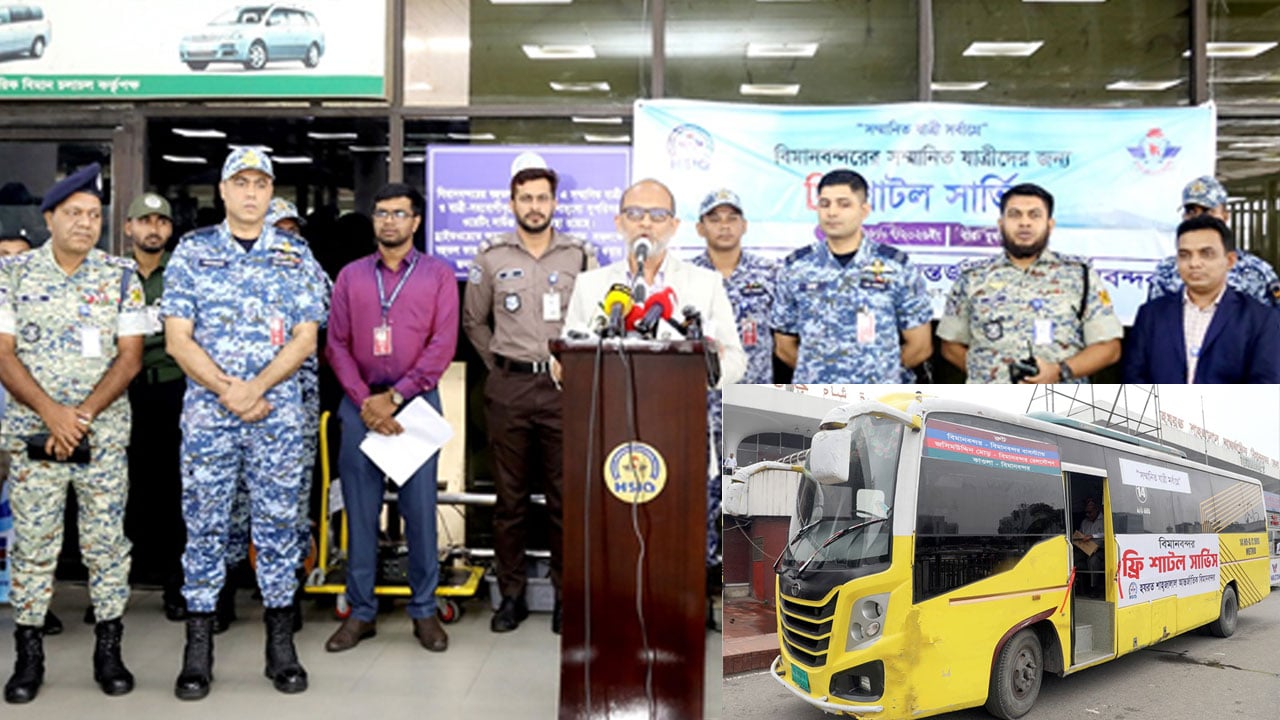
A free shuttle service has been launched at Hazrat Shahjalal International Airport in Dhaka to ensure safe, convenient, and comfortable transport for arriving and departing passengers. The initiative, funded by the Civil Aviation Authority of Bangladesh (CAAB), was inaugurated by Group Captain S M Ragib Samad, Executive Director of the airport, at a ceremony held in front of the airport canopy. The service operates under the guidance of the Minister and State Minister for Civil Aviation and Tourism and the CAAB Chairman. Initially, the buses will run between the airport and key nearby points including the Airport Bus Stand, Jasimuddin Mor, Airport Railway Station, and Kawla. The service aims to provide free, fast, and secure travel between major connection points for passengers, particularly benefiting senior citizens, women, children, physically challenged travelers, and those carrying heavy luggage. According to CAAB, the initiative is expected to reduce dependence on private vehicles, ease traffic congestion around the airport, and promote an environmentally friendly transport system while improving overall passenger service quality.
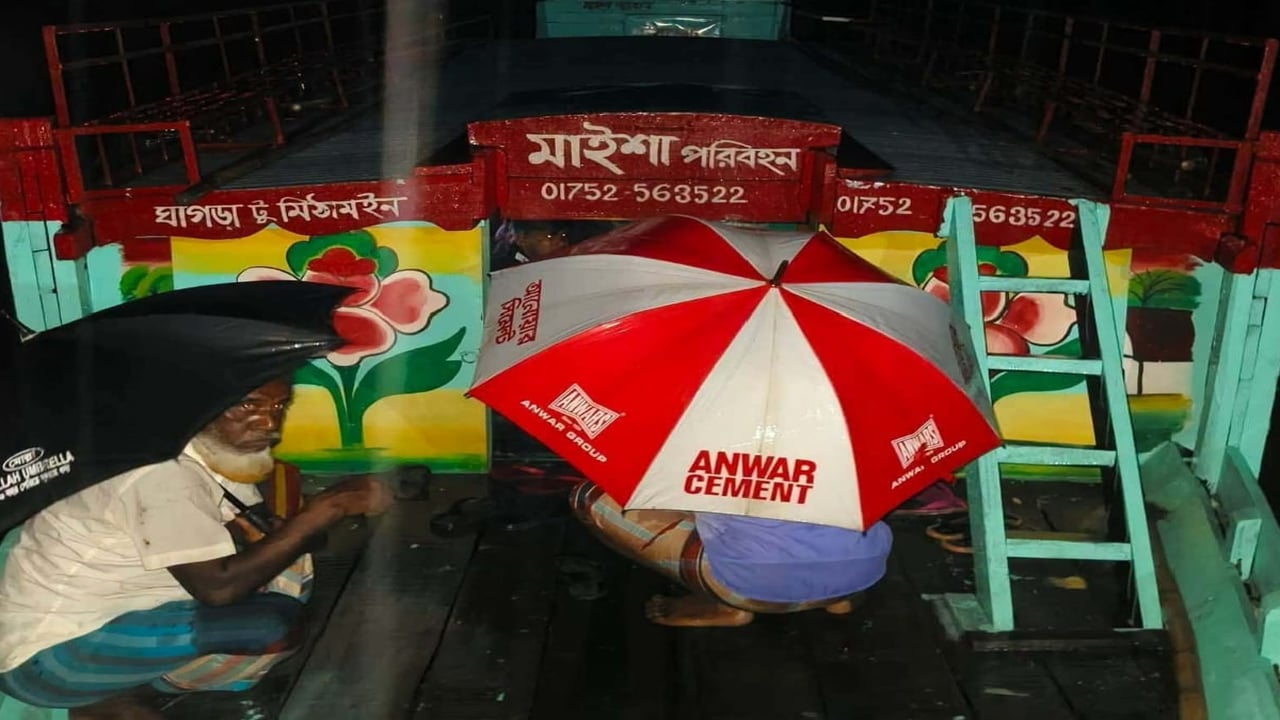
A robbery took place on a corpse-carrying trawler in the Karimganj haor area of Kishoreganj district on Tuesday night. According to reports, a group of robbers looted passengers’ mobile phones, the trawler’s solar panel battery, and cash near the Noagaon sluice gate around 10 p.m. The trawler was transporting the body of a 15-day-old infant who had died at Mymensingh Medical College Hospital while returning to the family’s home in Mitamain Chamokpur village. Passenger Abdul Haque said six robbers stopped their trawler despite their pleas, explaining that they were carrying a child’s body. The robbers ignored the request and took all valuables. Karimganj Police Station Officer-in-Charge Md Soheb Khan stated that no formal complaint had been received yet but the matter would be investigated in coordination with the river police. Chandraghat River Police In-Charge Md Iskandar confirmed hearing about the incident and said legal action would follow once a complaint was filed. Authorities are awaiting an official complaint to begin a formal investigation into the robbery.
Global oil prices rose sharply after U.S. President Donald Trump announced that the ceasefire with Iran was over. The declaration came following overnight retaliatory attacks between the United States and Iran, triggering volatility in energy markets. On Wednesday, international benchmark Brent crude increased by 6 percent to reach 78 dollars per barrel, while U.S. benchmark West Texas Intermediate (WTI) rose 5.95 percent to 74.60 dollars per barrel. In contrast, European share prices fell by 1.6 percent. Earlier, oil prices had already climbed more than 2 percent on Wednesday following renewed U.S. strikes and the reinstatement of trade sanctions against Iran. On Tuesday, prices had risen by nearly 3 percent. The developments reflect heightened geopolitical tensions affecting global energy markets. Speaking at the NATO summit alongside Secretary-General Mark Rutte, Trump said the memorandum of understanding with Iran was “over” and described it as a waste of time, signaling a further deterioration in U.S.-Iran relations.

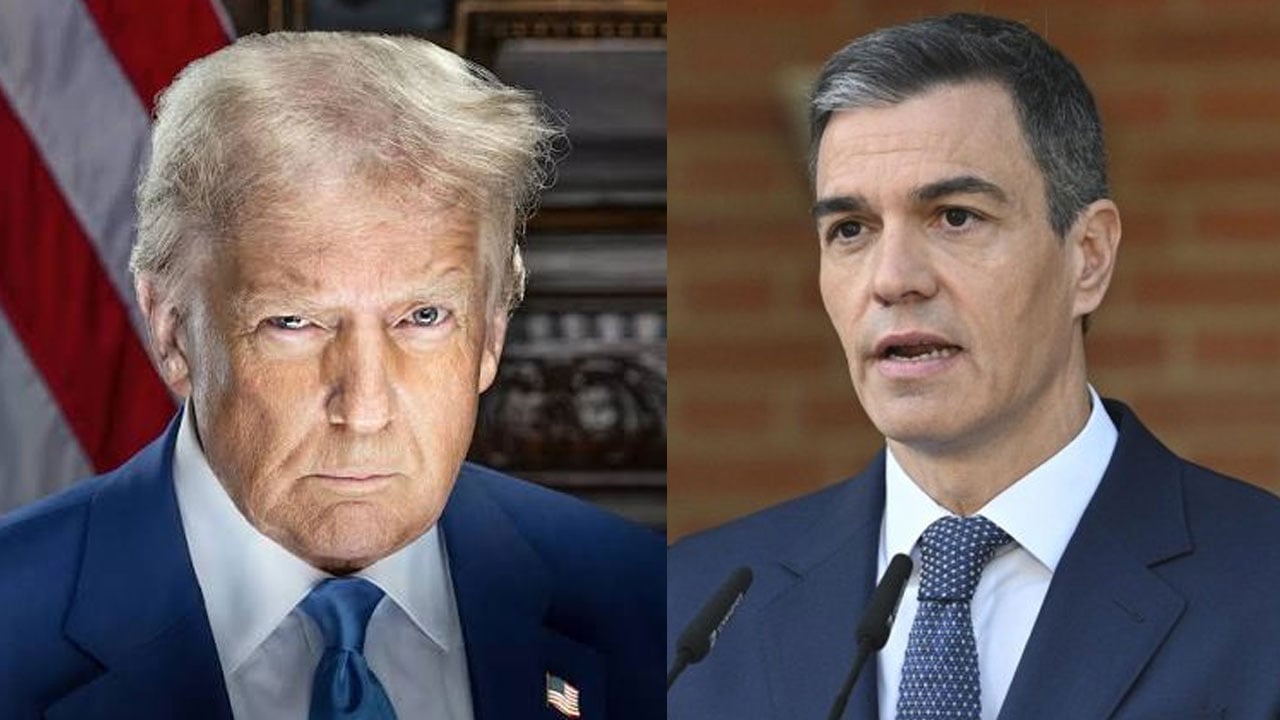
U.S. President Donald Trump has threatened to end all trade relations with Spain, a move that Madrid has described as a normal business occurrence. According to Spain’s Prime Minister’s Office, the country views such comments as part of regular commercial interactions. The statement was reported by Al Jazeera on July 8, 2026. In an official statement, the Prime Minister’s Office emphasized that Spain maintains excellent social, cultural, and economic relations with the United States and has no intention of altering them. The response came after Trump’s remarks during a NATO summit in Ankara, Turkey, where he told reporters that he had instructed U.S. Treasury Secretary Scott Besent to immediately sever all trade and commercial ties with Spain. Trump justified his position by criticizing Spain’s role in NATO, claiming the country neither participates adequately nor contributes financially. Madrid’s calm response suggests it does not expect immediate disruption in bilateral relations despite the U.S. president’s comments.
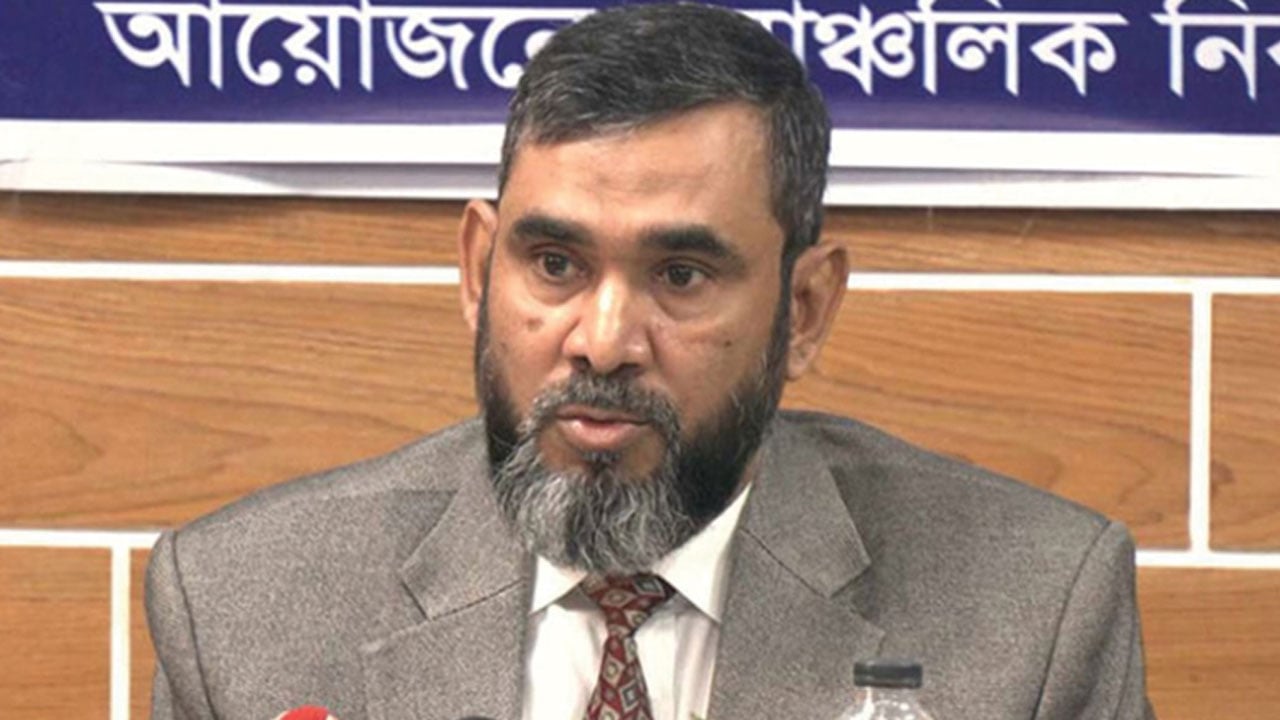
Election Commissioner Brigadier General (Retd.) Abul Fazal Md. Sanaullah announced that the Election Commission (EC) will develop both short- and long-term plans for election observation based on numerous recommendations received. He made the remarks on Wednesday while inaugurating a two-day stakeholder dialogue in a Dhaka hotel focused on observation-related suggestions. Sanaullah said the EC had gathered opinions from observer groups and stakeholders before and after the election and hoped the dialogue would generate ideas to make future elections more inclusive. The dialogue, jointly organized by the European Partnership for Democracy (EPD) and the International Foundation for Electoral Systems (IFES), aims to discuss observation recommendations, reform priorities, and implementation strategies. Over fifty participants, including local observers, civil society representatives, and election officials, are attending. European Union Ambassador Michael Miller highlighted that the EU had already presented 19 specific recommendations and expected further input from the workshop to guide future priorities. Following the thirteenth parliamentary election in February, the EC is preparing for upcoming local government elections and is consulting stakeholders on regulatory reforms. The commission plans to apply the dialogue’s outcomes to strengthen democratic processes.
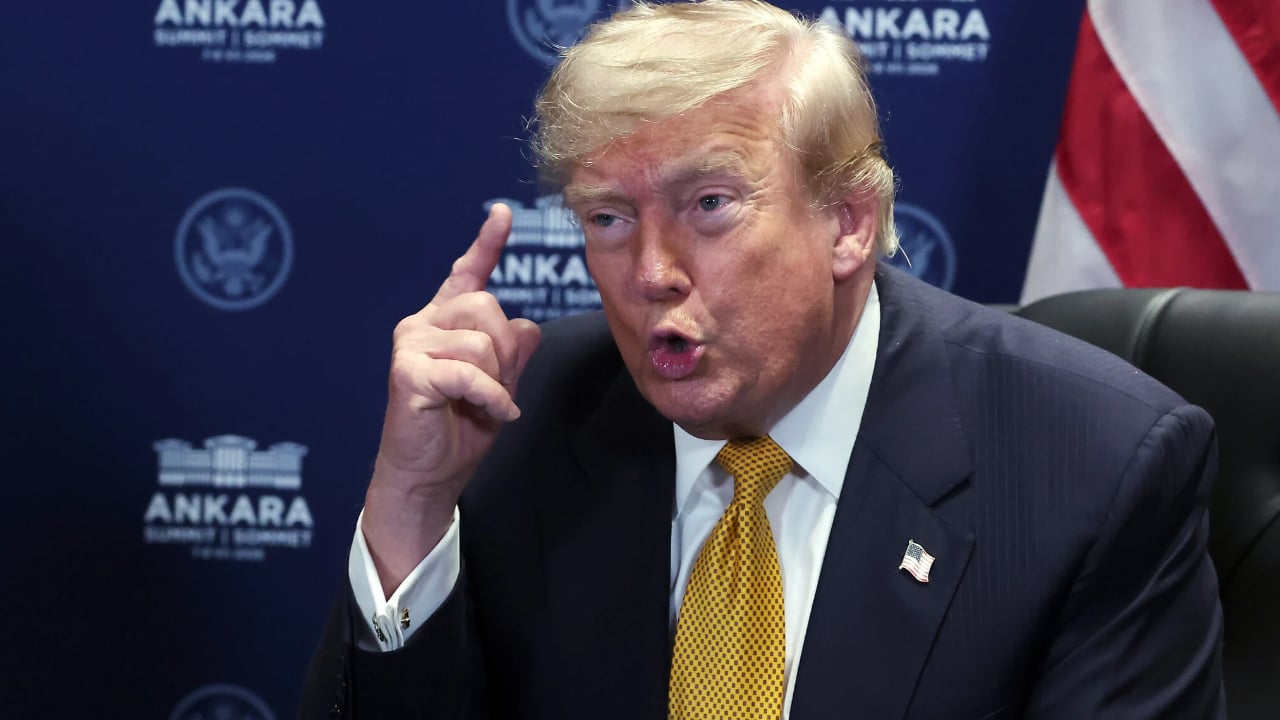
US President Donald Trump announced that the memorandum of understanding signed with Iran to maintain a ceasefire has collapsed. Speaking to reporters at a NATO summit in Ankara, Turkey, he said continuing talks with Iran would be a waste of time. The agreement, brokered by Pakistan, aimed to achieve a final deal within 60 days, but indirect negotiations in Qatar failed to make progress. Following this, US forces launched new attacks on Iran on Tuesday. Trump stated that the memorandum was effectively over and criticized Iran’s leadership as violent and untrustworthy. He claimed that if Iran possessed nuclear weapons, it would use them. The US military carried out extensive air and missile strikes on more than 80 Iranian targets near the Strait of Hormuz, accusing Tehran of attacking commercial ships in the vital trade route. In retaliation, Iran launched missile and drone attacks on 85 US military installations located in Bahrain and Kuwait, signaling a sharp escalation in hostilities between the two nations.
A Dhaka court has sentenced expelled Awami League leader Enamul Haque Enu and his brother Rupun Bhuiyan to ten years in prison each in a money laundering case filed under the Money Laundering Prevention Act at Wari Police Station. The court also fined them Tk 64.62 crore, with an additional six months of imprisonment in default of payment. The verdict was delivered on Wednesday afternoon by Judge Nure Alam Bhuiyan of Dhaka Special Judge Court-6. Eight other accused were acquitted due to lack of evidence, according to Public Prosecutor Md. Selim Khan. Earlier, on January 30, 2025, the same court had sentenced Enu and Rupun to seven years in prison and fined them Tk 34.26 lakh in the same case. The case was originally filed on February 27, 2020, by RAB-3 officer Nayeb Subedar Ramzan Ali, accusing the brothers of concealing Tk 26.55 crore obtained through illegal means. The charge sheet was submitted on August 8, 2021, naming Enu, Rupun, and eight others. The court framed charges on September 18, 2022, and heard testimonies from 13 of 16 witnesses before delivering the final verdict.
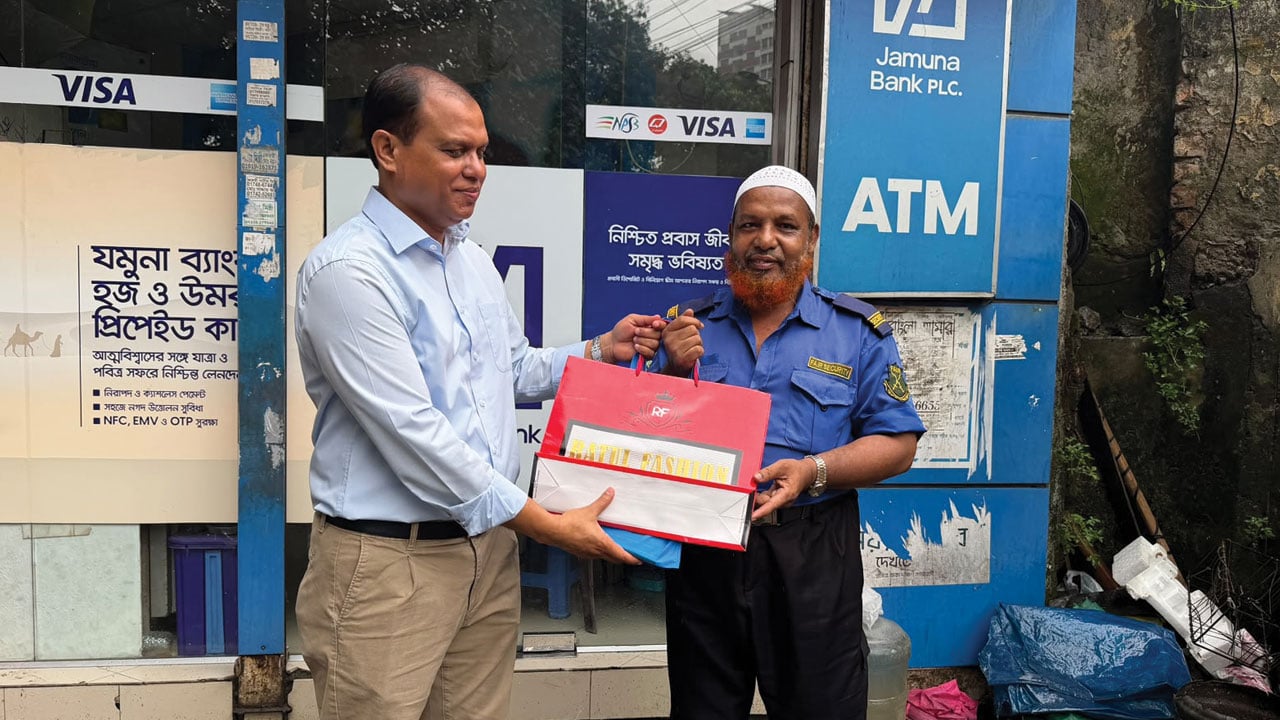
Prime Minister Tarek Rahman has sent a gift to Abdus Salam, a security guard stationed at an ATM booth near the old Ramna police station in Dhaka. Salam, who works twelve-hour shifts despite health issues, had a habit of standing with a sheaf of paddy to greet the prime minister’s motorcade as it passed by. The gesture caught the attention of the prime minister, who then instructed his Additional Press Secretary, Atikur Rahman Ruman, to meet Salam and deliver gifts on his behalf. During the visit, the official inquired about Salam’s health and family. Originally from Nagarbari Ghat in Pabna, Salam had previously worked as a driver before a stroke forced him to change professions. His consistent display of respect and affection moved the prime minister, prompting this personal response. Local residents have praised the prime minister’s gesture as a rare example of compassion and recognition of a common citizen’s sincere respect. Salam expressed deep gratitude, calling it the happiest day of his life and saying he never imagined the prime minister would notice him.
The ‘1 Nojor’ media platform is now live in beta, inviting users to explore and provide feedback as we continue to refine the experience.