

The ‘1 Nojor’ media platform is now live in beta, inviting users to explore and provide feedback as we continue to refine the experience.
On Wednesday, July 8, 2026, nearly 99 percent of the global population will experience daylight at the same time due to the Earth's tilt and the ongoing summer in the Northern Hemisphere. For about one minute, most of the planet’s densely populated regions will be illuminated by the sun, leaving only a small fraction of people in darkness. Around 5:10 p.m. Bangladesh time (11:10 a.m. GMT), approximately 8.2 billion people will be under daylight or twilight. Daylight will cover most parts of North America, South America, Europe, Africa, and Asia, where the majority of the world’s population resides. Nighttime will prevail only in Australia, New Zealand, parts of Southeast Asia, Antarctica, and nearby oceanic areas. This phenomenon is not unique to this year. Between May 18 and July 17 each year, there is a brief daily period when about 99 percent of people on Earth experience daylight or twilight simultaneously, coinciding with the Northern Hemisphere’s longest days in June before the sun gradually shifts southward.

An international law enforcement operation has led to the arrest of 24 individuals linked to India-based organized crime networks. U.S. officials announced the arrests on Tuesday, noting that several suspects were also accused of involvement in the killing of a prominent Sikh leader in Canada. The operation was jointly conducted by agencies from the United States, Canada, and Europe following a long-running investigation into transnational criminal groups engaged in extortion, contract killings, shootings, assaults, forced payments, and drug trafficking. According to the charges, two of the accused allegedly directed their criminal empires from prisons in India. Among those named are Lawrence Bishnoi, accused of ordering the 2023 murder of Canadian citizen Hardeep Singh Nijjar, and Jaggu Bhagwanpuria, a rival gang leader with an alleged network spanning multiple countries. Another accused, Ravinder Singh Dhandar from Vancouver, was charged with trafficking large quantities of cocaine and methamphetamine from the U.S. to Canada. Officials described the coordinated action as a major strike against three violent transnational organizations that have spread fear and violence across several continents.
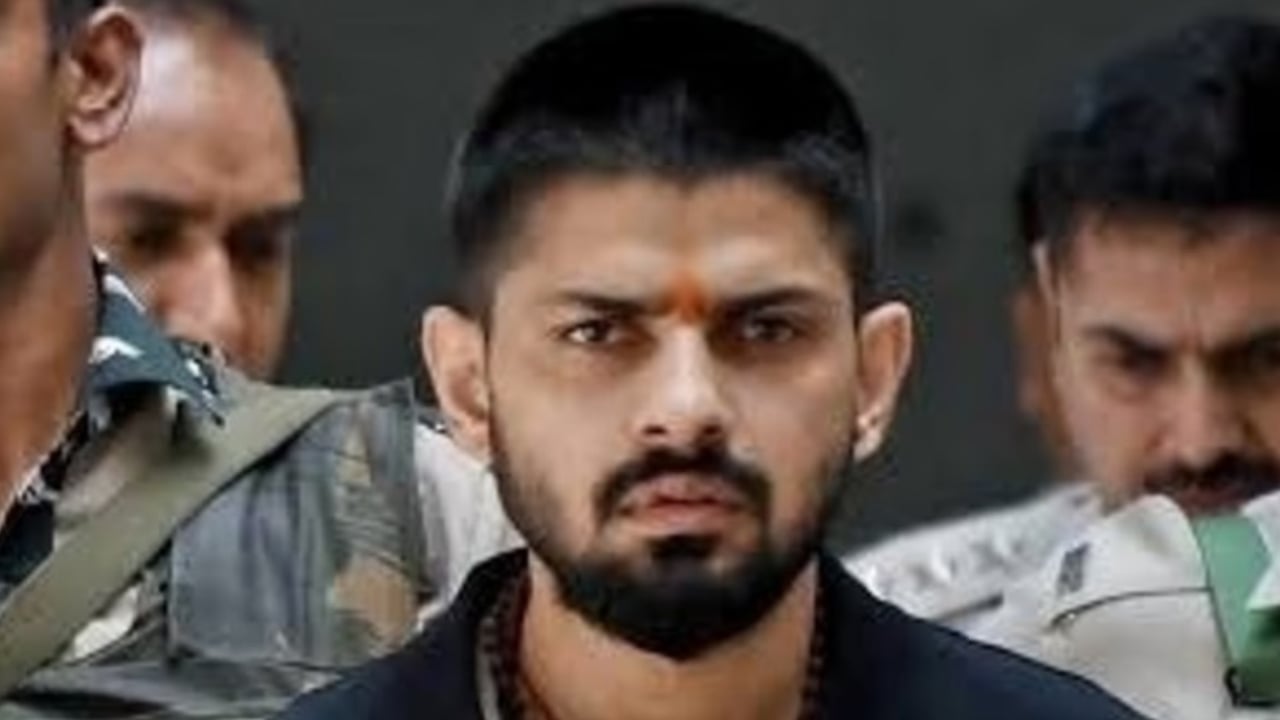
A Dhaka court has ordered former Naogaon-6 lawmaker Md. Omar Faruk Suman to be shown arrested in an attempted murder case related to the July uprising and anti-discrimination student movement in Mohammadpur. The order was issued on Wednesday by Dhaka Metropolitan Magistrate Md. Jamshed Alam, confirmed by state prosecutor Shamsuddoha Suman. The investigating officer, Sub-Inspector Md. Moniruzzaman of Mohammadpur Police Station, had filed the petition on July 6. According to the case, on August 5, 2024, complainant and victim Md. Sohel Rana joined a protest at Mohammadpur’s Tin Rastar Mor, where listed accused allegedly attacked the demonstrators. Gunfire from the attackers struck Sohel Rana, and bombs were thrown at the crowd, injuring several people. The attempted murder case was filed on June 11, 2025, at Mohammadpur Police Station. Omar Faruk was previously arrested by the Dhaka Metropolitan Detective Police on September 8, 2025, and has remained in custody since then.
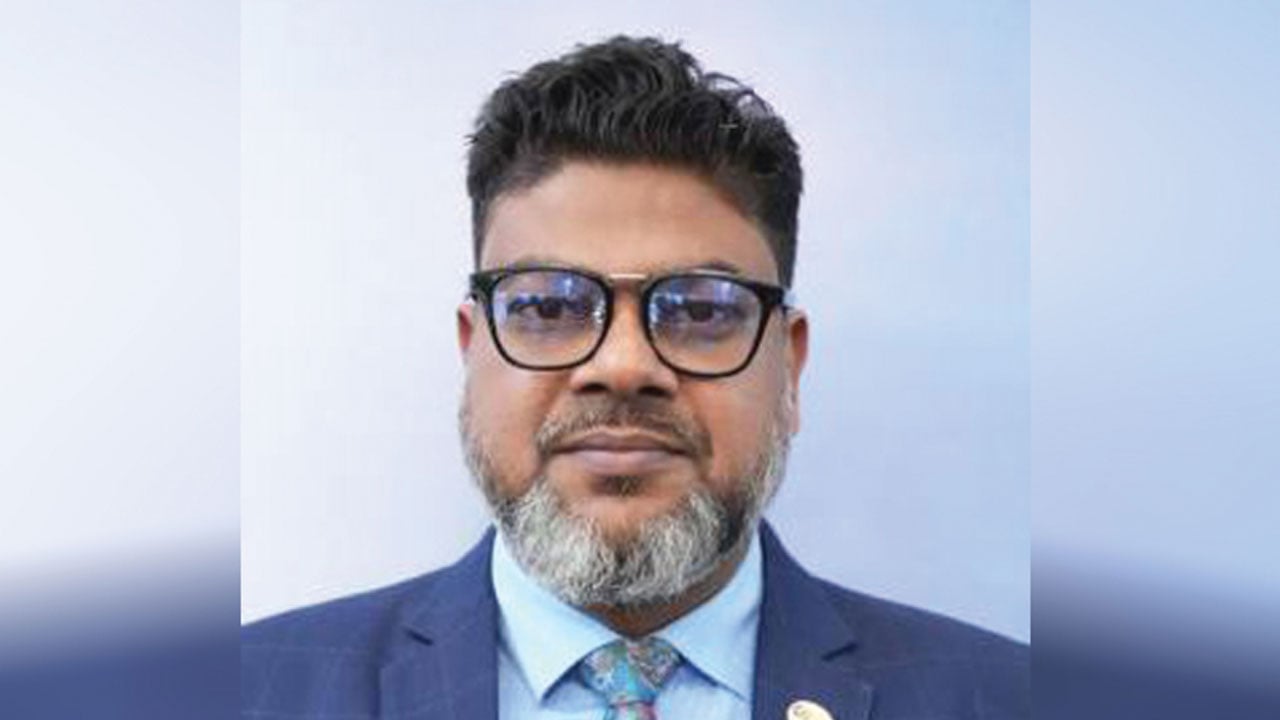
Bangladesh’s Minister of Information and Broadcasting, Zahir Uddin Swapon, met with the Netherlands Ambassador to Bangladesh, Mel Joris van Bommel, at the ministry office in Dhaka on Wednesday. The ambassador congratulated the minister on assuming office and highlighted the long-standing bilateral relationship between the two countries, which has expanded across education, health, development, and trade. He expressed interest in further strengthening this partnership. Minister Swapon said the current government is working to bring qualitative changes in its operations and expressed interest in collaborating with the Netherlands in media and communication sectors. He noted that new media, artificial intelligence, and the digital ecosystem have created emerging challenges in the information age. The minister emphasized the state’s responsibility to ensure freedom of expression while protecting citizens from misinformation and disinformation, calling for a clear strategy in this regard. The Dutch ambassador underscored the importance of developing new frameworks to address digital challenges and briefed the minister on the Netherlands’ initiatives in this area.

Public support for Israel has declined in the United States, according to a survey conducted by the Associated Press and the NORC Center for Public Affairs Research between June 11 and 17. The poll found that about one-third of American adults believe Israel committed genocide against Palestinians during the Gaza war. Among Democrats, nearly half agreed with this view, while only about 20 percent of all respondents rejected the accusation. Roughly half said they lacked enough information to form an opinion. The survey also revealed divisions among American Jews, with around 30 percent believing Israel carried out genocide. The most significant political shift appeared among Democrats: 58 percent now think the United States gives Israel excessive support, up from 45 percent in January 2024. Meanwhile, 62 percent of Democrats believe the US does not provide enough support to Palestinians, compared with 49 percent two years earlier. These findings indicate a growing partisan and generational divide in US attitudes toward Israel and the Palestinian issue.

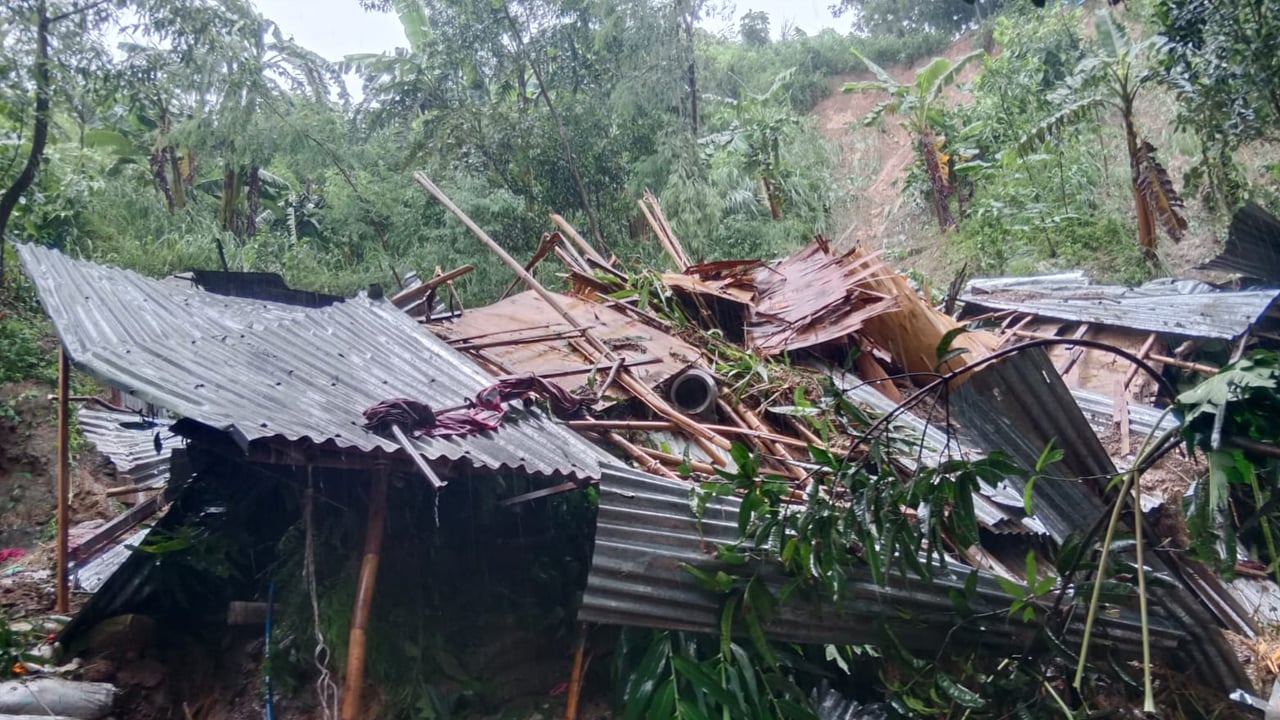
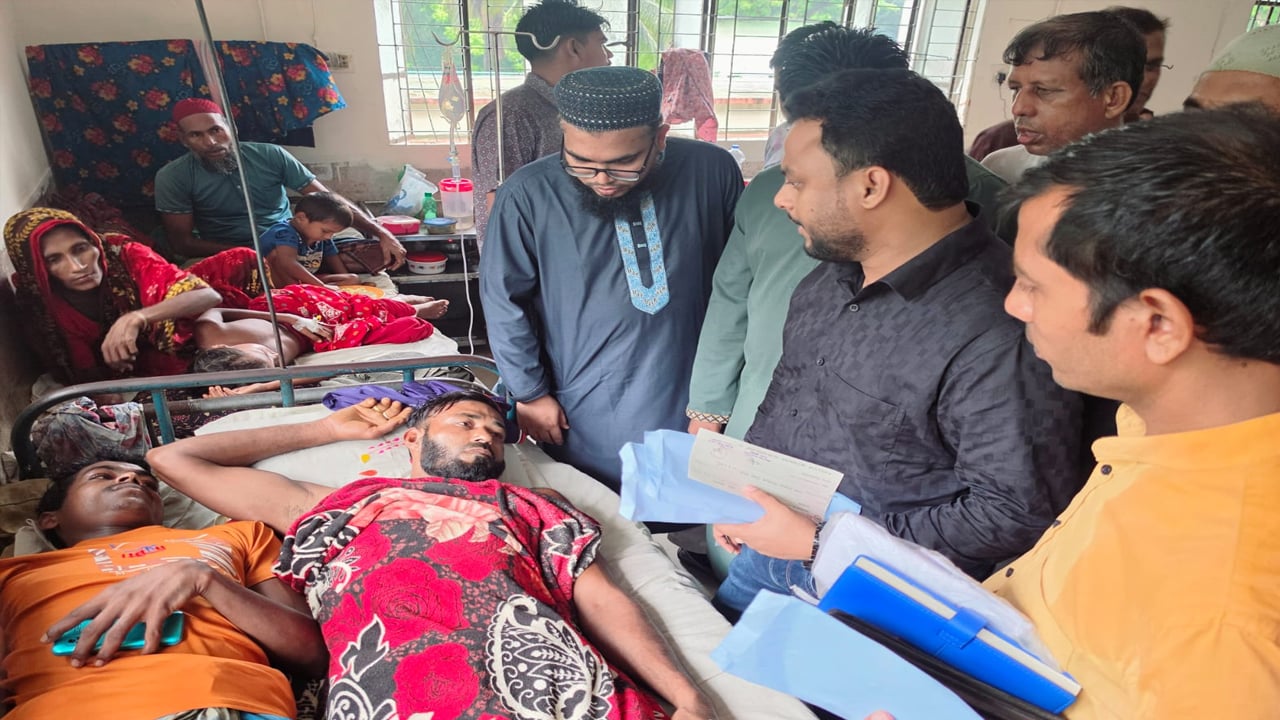
A landslide in the Khajurtala area of Jungle Salimpur, Sitakunda, Chattogram, killed a 10-month-old child and injured his mother on Wednesday morning. The incident occurred around 9:30 a.m. when a portion of a nearby hill collapsed onto the house of local resident Mohin Uddin, destroying the dwelling and burying the family under debris. The deceased child was identified as Ashraful Islam Tanvir, son of Mohin Uddin. The injured mother received initial medical treatment following the accident. Local sources reported that the landslide struck suddenly, leaving little time for the family to react. In response to the incident, authorities have urged residents living in vulnerable hillside areas to relocate to safer locations to prevent further casualties. Attempts to contact the in-charge of the Faujdarhat police outpost, Md. Rubel, for additional information were unsuccessful. The event highlights ongoing risks faced by communities residing near unstable slopes in the region, prompting renewed calls for precautionary measures and relocation efforts.
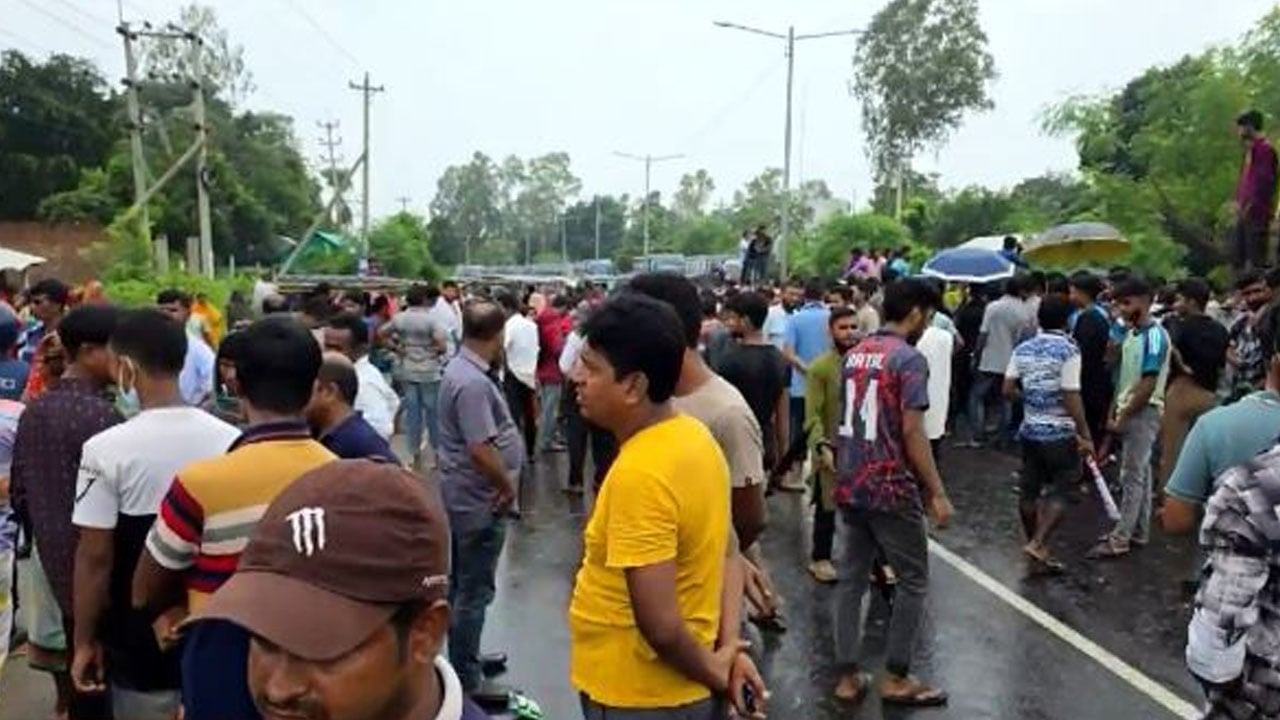
Several hundred workers of the ‘China Hardware’ factory blocked the Dhaka-Paturia highway at Nobogram bus stand area in Shibaloy, Manikganj, on Wednesday morning. The blockade began around 9 a.m. as the workers demanded payment of wages and allowances according to the government gazette. The protest caused severe traffic congestion on both sides of the highway, leaving hundreds of vehicles stranded. According to the workers, multiple meetings had previously been held with the factory management over the same demand, including one on Tuesday, but no effective resolution was reached. As a result, they refrained from entering the factory on Wednesday and instead took position on the highway. The officer-in-charge of Shibaloy Police Station said police arrived at the scene and were in discussions with both the workers and the company management to restore normal traffic and resolve the issue peacefully. Efforts were underway to reopen the highway and bring the situation under control, according to local authorities.
A Dhaka court has ordered the arrest of former minister Rashed Khan Menon in a corruption case related to teacher recruitment at the capital’s Wills Little Flower School and College. The order was issued on Wednesday by Metropolitan Senior Special Judge Md Shahjahan Kabir, following a petition from the Anti-Corruption Commission (ACC). The ACC’s public prosecutor Mir Ahmed Ali Salam confirmed the court’s decision. The case was filed on December 22 last year, accusing Menon and 19 others of irregularities and fraud in the recruitment process. According to the case, an illegal recruitment board was formed without the authority of the special governing committee, excluding required representatives from the Directorate of Secondary and Higher Education. Candidates without the mandatory NTRCA certificate were allowed to apply, and the top scorer in the written test was denied participation in the oral exam. Appointment and joining letters were issued before the recruitment process was completed. Menon, president of the Workers Party, was previously arrested by police on August 22, 2024, and remains in custody.

Six fishermen from Patuakhali’s Galachipa upazila remain missing three days after their fishing trawler capsized in the Bay of Bengal. The incident occurred on the night of July 5, about 60 kilometers south of Maudubi in Rangabali upazila, when the vessel was struck by a sudden storm. Five crew members were rescued alive, two of whom are receiving treatment at Galachipa Upazila Health Complex. The Coast Guard and local fishermen have continued search operations, but no trace of the missing men has been found as of Wednesday afternoon. The missing fishermen are residents of Gazalia, Panpatti, and Sadar unions, while the rescued include trawler owner Imadul Sikder and four others. According to Sikder, the trawler overturned suddenly, trapping three men inside the cabin. The survivors clung to floating debris and buoys for hours before being rescued by another fishing boat early Monday. A general diary has been filed with Galachipa Police Station regarding the incident. Local authorities have sought assistance from the Navy to support the ongoing rescue efforts.
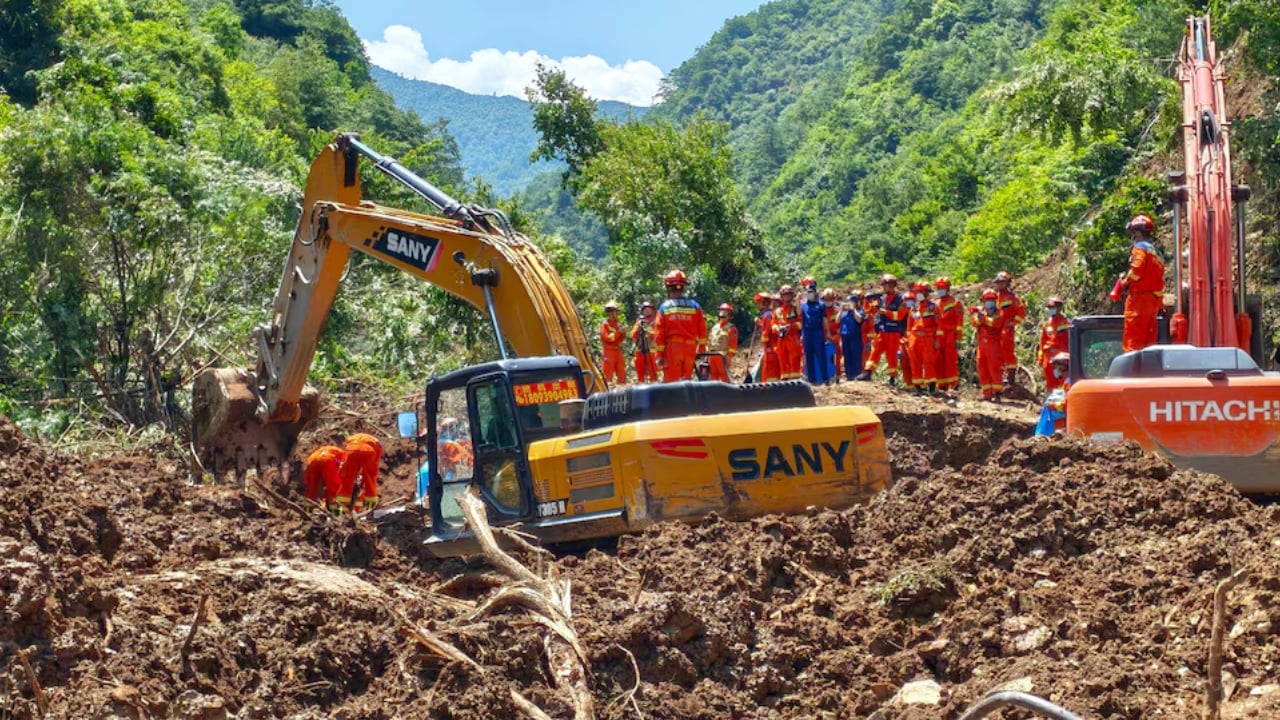
A landslide in Renchang village of Dangchang County, located in China's northwestern Gansu province, has killed 21 people. The incident occurred at 6:56 a.m. on Tuesday, when 33 people were buried under debris. Rescue teams quickly arrived at the site and launched an operation, which has now concluded, according to China's state news agency Xinhua. Following the disaster, the Chinese government allocated 30 million yuan for reconstruction in the affected area. On the same day, severe storms and heavy rainfall in southern and central China killed about 17 people and injured hundreds. In Guangxi, flooding occurred in around 40 rivers and waterways, and a reservoir dam collapsed under water pressure, forcing thousands to evacuate. President Xi Jinping has instructed authorities to make maximum efforts in rescue and relief operations, as multiple regions continue to face extreme weather conditions.
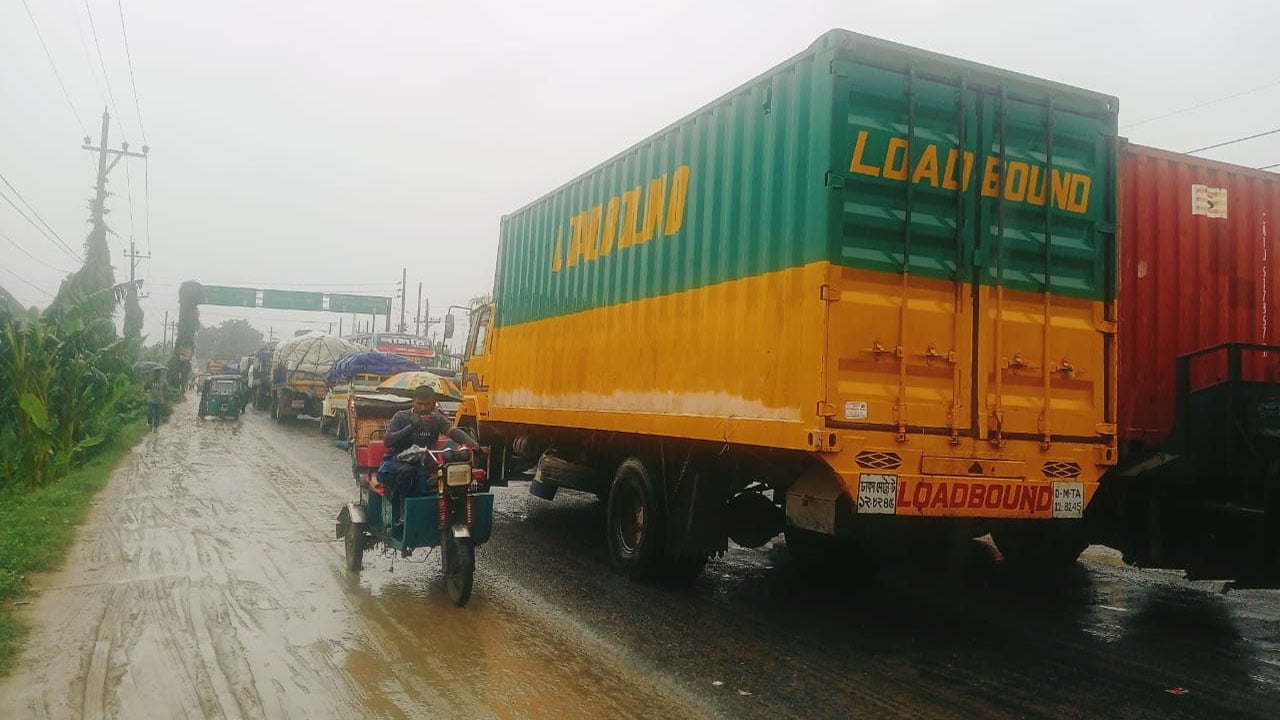
A 22-kilometer-long traffic jam has formed on the Dhaka-Sylhet Highway, stretching from the World Road roundabout in Sarail, Brahmanbaria, to Budhanti in Bijoynagar upazila. The congestion began on Tuesday evening and worsened by Wednesday morning after two cargo trucks broke down near Shahbazpur Bridge and Islamabad areas, causing severe suffering for thousands of passengers and transport workers. According to police and local sources, the gridlock started when a lorry and a covered van collided head-on in heavy rain at Baishamura in Sarail upazila. Although highway police and fire service personnel removed the damaged vehicles after about an hour, the traffic backlog had already built up. Continuous rain overnight left potholes filled with water, further worsening road conditions. Only one lane toward Sylhet remains open at the World Road intersection, as development work has closed two other lanes. Highway police are working continuously to ease the situation and restore normal traffic flow as soon as possible.
Police in Baruipur, South 24 Parganas district of West Bengal, reported that the main accused in the rape and murder of a Muslim girl was killed in an encounter. According to police, the accused, Prabhas Mondal, tried to snatch a gun and escape during a late-night operation, prompting officers to open fire. His death has sparked debate, with some describing the incident as a 'Yogi model' encounter similar to those seen in Uttar Pradesh. During interrogation, Prabhas allegedly mentioned the name of a BJP leader, Raja, suggesting possible involvement in the crime. However, police have not arrested Raja, raising questions about the investigation’s transparency. Meanwhile, police have arrested three other suspects—Ananda Sardar, Dibakar Sardar, and Kabir Molla—bringing the total arrests to four. Chief Minister Suvendu Adhikari visited Baruipur and announced a 'zero tolerance' policy toward both the crime and subsequent violence. Authorities have identified 200 individuals from protest footage and arrested 20 for obstructing police work, as the case continues to stir political and public scrutiny.

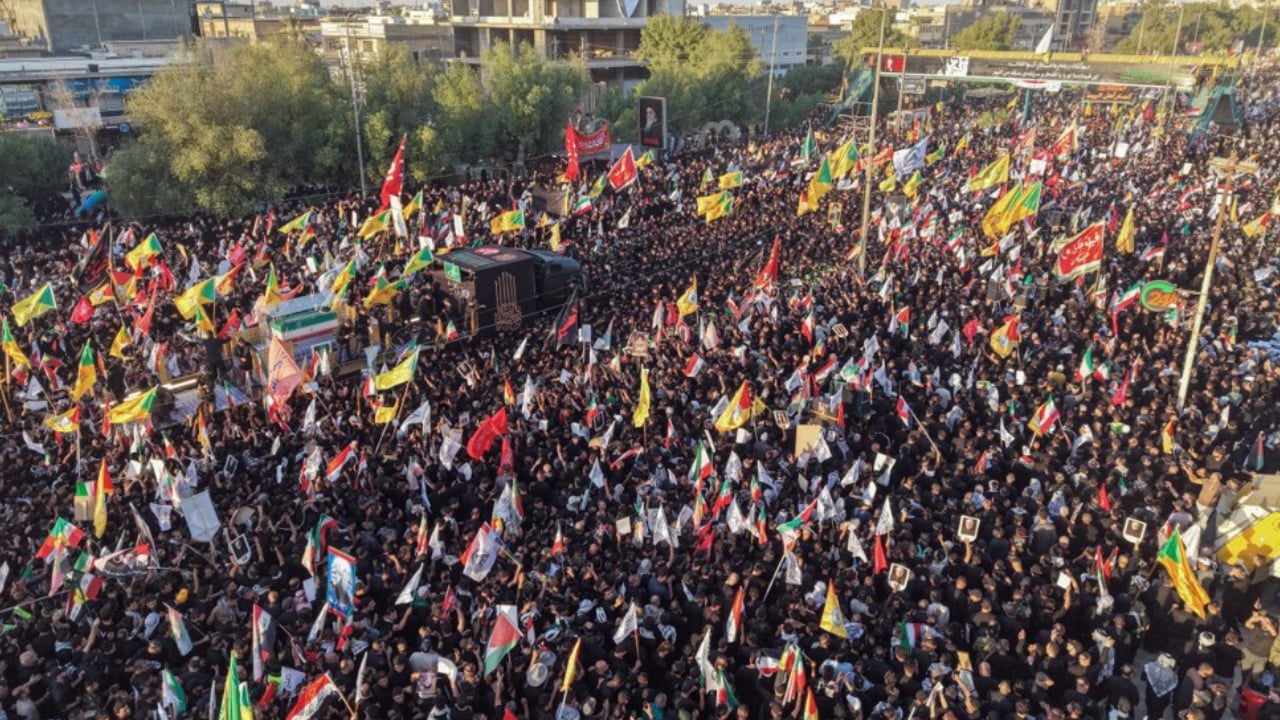
Iraq’s Popular Mobilization Forces (PMF), also known as Hashd al-Shaabi, announced that more than 2.3 million people participated in a mourning procession for Ayatollah Ali Khamenei in the holy city of Najaf. The statement, broadcast on Iran’s state media IRIB on Wednesday, said people from across Iraq joined the event, with the number of mourners continuing to rise. As part of several days of farewell ceremonies, Khamenei’s body was taken to Najaf. Similar commemorations were also organized in Qom, Karbala, and his hometown of Mashhad. The funeral prayer was first held at the shrine of Hazrat Ali (RA), followed by the official mourning procession that began at 6 a.m. local time in Najaf. The procession moved from the shrine through Kufa Bridge and Thawrat al-Ashreen Square toward Al-Sadrin Square before Khamenei’s body was taken to Karbala, marking a major moment in the multi-day mourning events.
NATO Secretary-General Mark Rutte has defended recent United States airstrikes on Iran, calling them necessary. Speaking to reporters in Ankara ahead of a NATO summit, Rutte said that if Iran violated the ceasefire, a strong US response was essential. His remarks came after the US Central Command (CENTCOM) confirmed that at least 80 strikes had been carried out on specific Iranian targets. According to CENTCOM, the attacks targeted Iran’s air defense systems, command and control networks, coastal radar installations, and anti-ship missile capabilities. The US military said these actions were in retaliation for Iranian attacks on three commercial vessels transiting the Strait of Hormuz. The exchange underscores escalating tensions between Washington and Tehran, with NATO leadership publicly backing the US position just before a key alliance meeting in Turkey.

The Ministry of Liberation War Affairs in Bangladesh has identified around 200 fake applications among more than 3,000 new submissions from individuals claiming to have been injured during the July Uprising. According to ministry sources, the Special Branch (SB) and Police Bureau of Investigation (PBI) verified 2,388 applications, confirming the authenticity of 1,590. The process to officially recognize these individuals as July fighters is underway. Approximately 600 other applications showed inconsistencies, including duplicate submissions and false claims under the names of deceased persons. The ministry stated that the verification was conducted through intelligence agencies to prevent controversy similar to earlier disputes over published gazettes. Previously, names of 13 martyrs and 219 injured fighters were removed from the official list due to irregularities. The ministry emphasized that anyone found to have been listed through false information would be removed. The investigation also revealed that most new applications came from Dhaka Division. Under existing regulations, fraudulent listing as a martyr or July fighter carries a maximum two-year prison sentence and a fine of up to two lakh taka.

The ‘1 Nojor’ media platform is now live in beta, inviting users to explore and provide feedback as we continue to refine the experience.