

The ‘1 Nojor’ media platform is now live in beta, inviting users to explore and provide feedback as we continue to refine the experience.
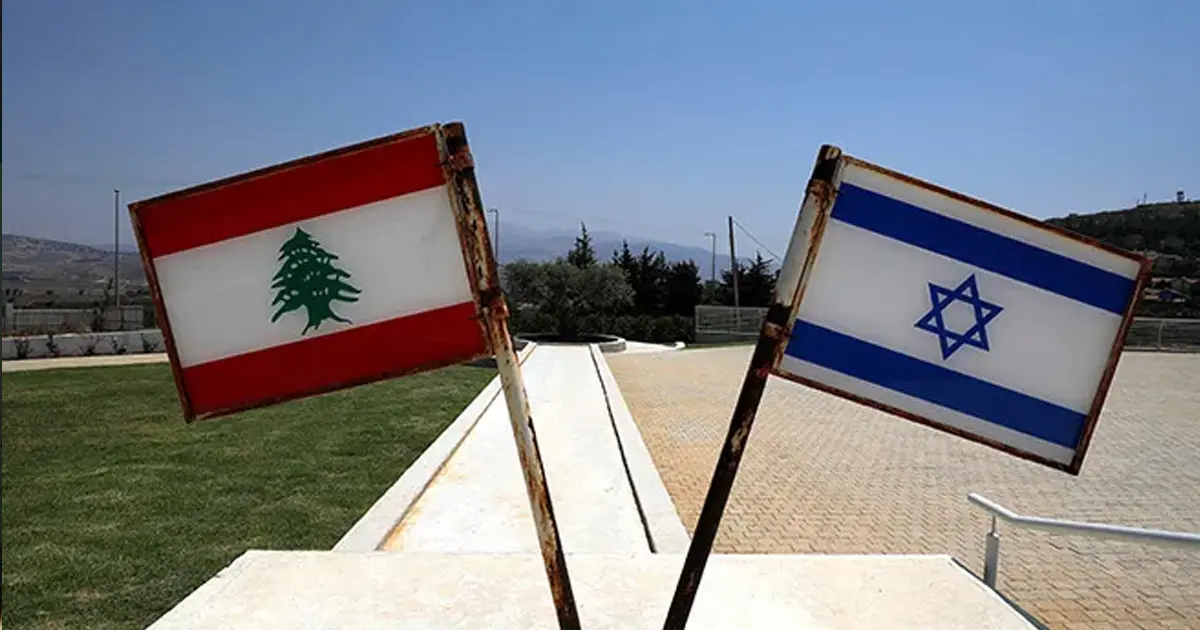
Israel and Lebanon have agreed to hold direct talks at a designated time and place following discussions in Washington. The agreement was reached after a trilateral meeting in the United States, according to a Reuters report citing the U.S. State Department. The development marks a significant step toward easing tensions along the border between the two countries. The understanding emerged after diplomatic efforts led by the United States, which hosted the meeting involving representatives from Israel and Lebanon. The talks are viewed as part of a broader initiative to reduce hostilities and promote stability in the region. The U.S. role in facilitating the dialogue underscores its continued involvement in Middle Eastern diplomacy. Observers consider the upcoming direct talks an important move toward de-escalation, though the exact schedule and venue have not yet been disclosed.
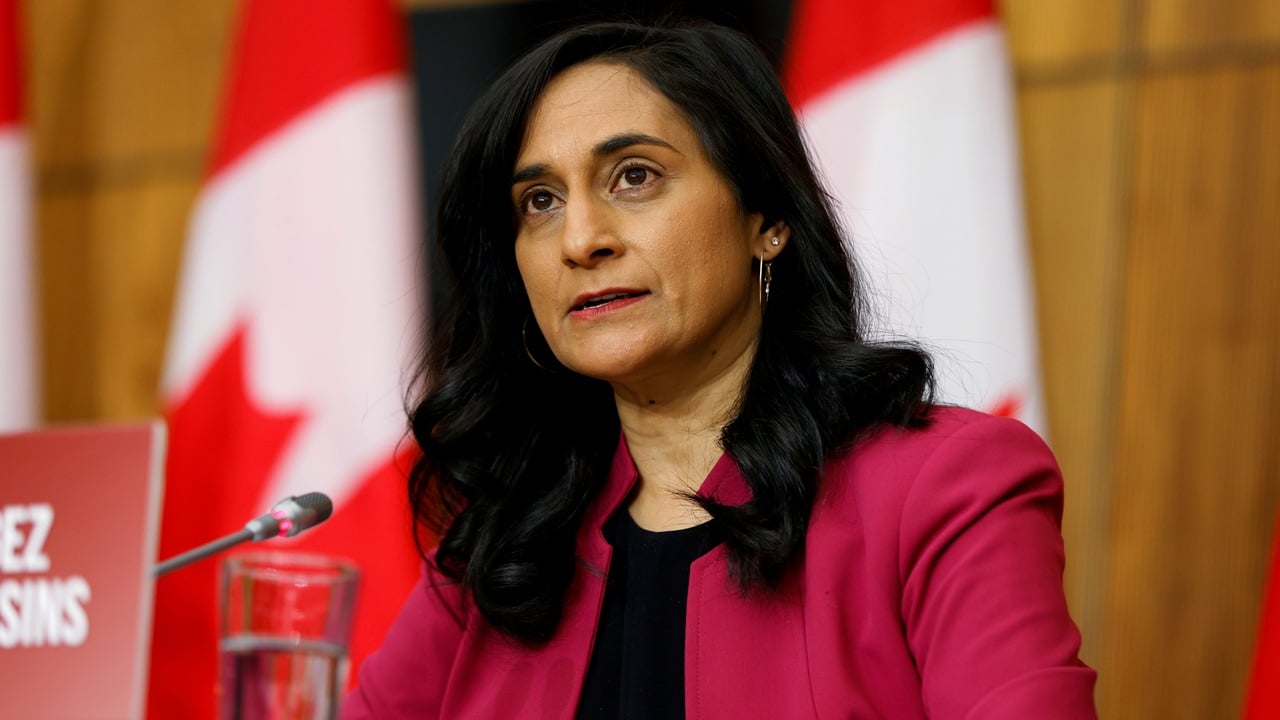
Canada has announced a financial assistance package of 40 million US dollars for the people of war-torn Lebanon, according to Lebanon’s Ministry of Foreign Affairs. The funds will not be delivered directly to the Lebanese government but will instead be distributed through various international organizations to reach ordinary citizens. During a phone conversation, Canadian Foreign Minister Anita Anand reaffirmed her country’s full support for Lebanon’s sovereignty. She also condemned Israeli airstrikes in Lebanon and emphasized the importance of maintaining peace in the region, according to the report citing Al Jazeera. The aid initiative reflects Canada’s stated commitment to humanitarian support and regional stability amid ongoing conflict in Lebanon.
A new poll by the Israeli Institute for National Security Studies (INSS) found that 61 percent of Israelis oppose the US-Iran ceasefire announced last week, while 73 percent expect fighting with Iran to resume within a year. The ceasefire, declared shortly before a US deadline for potential strikes, has sparked frustration among Israelis who had anticipated a decisive victory against Iran. Despite the truce, Israel has continued military operations in Lebanon, killing more than 300 people in the past week and drawing international condemnation. Analysts and political figures say Prime Minister Benjamin Netanyahu oversold the war’s potential outcomes, including regime collapse in Iran and the destruction of its nuclear and missile programs. Critics such as Yair Lapid and Yair Golan accused Netanyahu of strategic failure and subservience to US decisions, while former diplomat Alon Pinkas said the backlash stems from unmet expectations Netanyahu himself helped create. Netanyahu, however, insists Israel remains in close coordination with Washington and supports the US blockade of the Strait of Hormuz. Observers suggest the political fallout could deepen as Netanyahu faces renewed scrutiny over his handling of both the Iran conflict and the earlier October 7 attacks, which continue to shadow his leadership.

As Sudan’s civil war enters its fourth year, the country faces one of the world’s worst humanitarian crises, with no sign of resolution. The conflict, which began on April 15, 2023, between the Sudanese Armed Forces (SAF) led by General Abdel Fattah al-Burhan and the Rapid Support Forces (RSF) commanded by Mohamed Hamdan Dagalo, has devastated the nation. The SAF controls much of eastern and central Sudan, including Khartoum, while the RSF dominates the western Darfur region. According to the UN Refugee Agency, 14 million people have been displaced, including 4.4 million who fled to neighboring countries. The World Health Organization estimates 40,000 deaths, with widespread reports of executions, sexual violence, and attacks on civilians. Mediation efforts by the United States, Saudi Arabia, Egypt, the UAE, IGAD, and the African Union have failed to produce a ceasefire. The FAO reports that 21 million people face acute food insecurity, and nearly two-thirds of the population needs urgent humanitarian aid. Hospitals are overwhelmed, disease outbreaks are spreading, and attacks on healthcare facilities have killed more than 2,000 people. Regional instability and disrupted supply chains have further hampered humanitarian operations, leaving millions without access to food, medicine, or safety.

Pakistani Prime Minister Shehbaz Sharif announced he will travel to Saudi Arabia and Turkiye this week as part of his efforts to mediate a second round of peace talks between the United States and Iran. President Asif Ali Zardari said Sharif had briefed him on his diplomatic initiative, which coincides with a two-week ceasefire halting US and Israeli strikes on Iran. Zardari urged continued engagement with Washington, Tehran, and other powers to sustain the peace process. The renewed diplomatic activity follows unconfirmed reports of backchannel negotiations and public support from US President Donald Trump and the United Nations. Trump suggested talks could resume in Pakistan within days, while UN Secretary-General Antonio Guterres said it was “highly probable” that ceasefire discussions would restart. A diplomat told the Associated Press that both sides had agreed to more talks, though the venue and timing remained undecided, with Islamabad and Geneva under consideration. The fragile ceasefire has held despite a US naval blockade of Iranian ports and Iran’s restriction of the Strait of Hormuz. Observers note that communication lines between Washington and Tehran remain open, raising cautious optimism for continued dialogue.

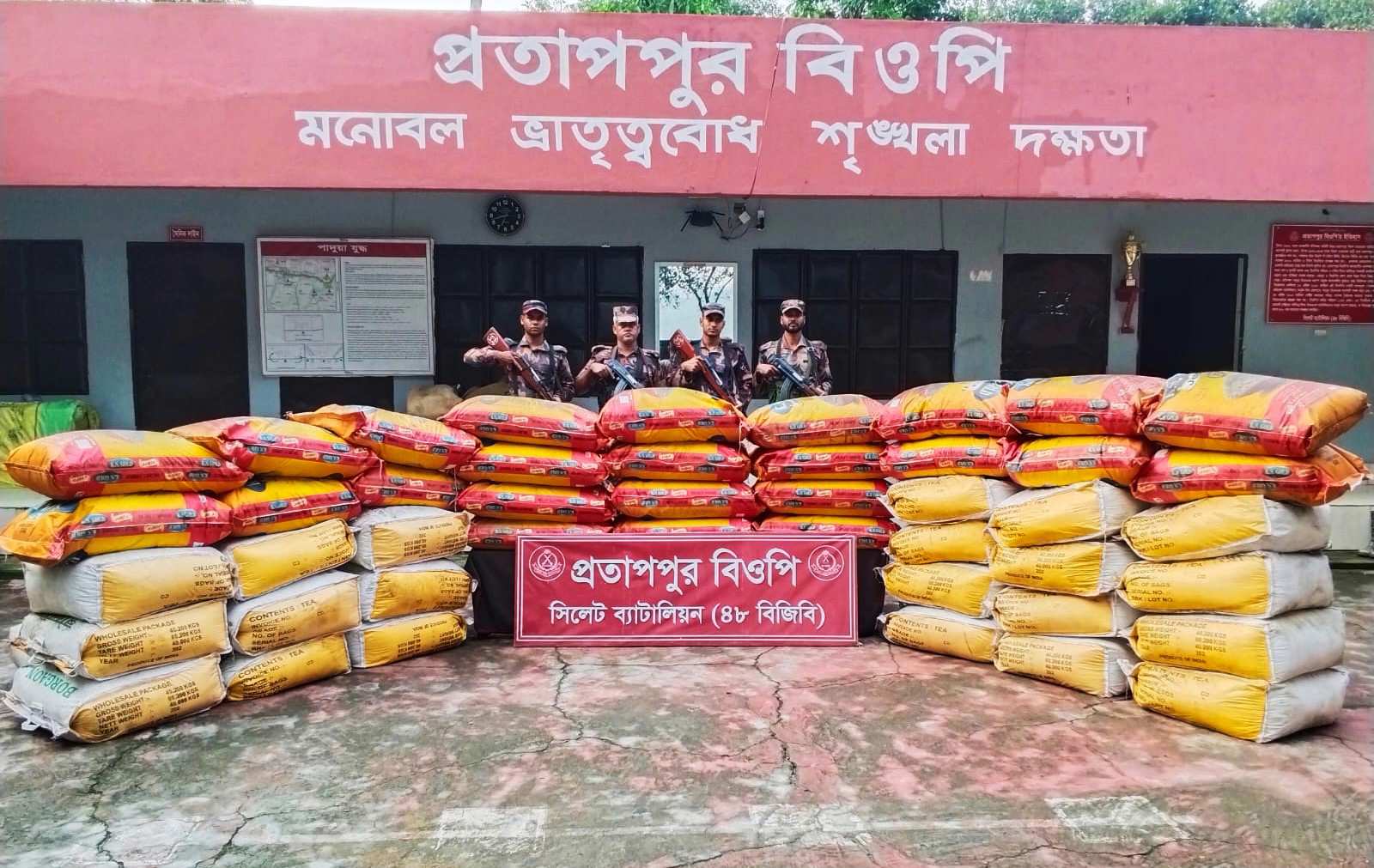
The 48th Battalion of Border Guard Bangladesh (BGB) conducted multiple operations along the Sylhet border on Tuesday, April 14, seizing a large quantity of smuggled goods valued at approximately 4.06 million taka. The operations were carried out in the Banglabazar, Tamabil, Minatila, Panthumai, Protappur, Bichanakandi, and DBirhaor Border Outpost areas following secret intelligence information. According to BGB, the seized items included Indian cattle, cumin, skin care cream, tea leaves, shrimp fry, dried fish, liquor, and beer. Additionally, catfish and used mobile batteries were intercepted while being smuggled out of Bangladesh. The BGB stated that the seizures were part of its ongoing efforts to strengthen border security and curb smuggling and drug trafficking. BGB confirmed that legal procedures will be taken against the confiscated goods in accordance with existing regulations, and that intelligence surveillance and anti-smuggling operations will continue across the border areas.
Italy has suspended its defence agreement with Israel, which covers the exchange of military equipment and technology research, Prime Minister Giorgia Meloni announced on Tuesday in Verona. The decision halts the automatic renewal of the pact, which was approved by Israel in 2006 and renewed every five years. The agreement includes cooperation in defence industries, military training, research and development, and information technology. The move comes as relations between Italy and Israel have become strained following recent Israeli attacks on Lebanon. Although Meloni’s right-wing government has been one of Israel’s closest allies in Europe, it has recently voiced criticism of Israeli military actions. Tensions escalated after Italy accused Israeli forces of firing warning shots at a convoy of Italian peacekeepers in Lebanon, prompting Rome to summon Israel’s ambassador in protest. In response, Israel summoned Italy’s ambassador after Italian Foreign Minister Antonio Tajani condemned what he called “unacceptable attacks” on Lebanese civilians. Tajani, who visited Beirut for talks with Lebanese leaders, expressed solidarity with Lebanon following the incidents.

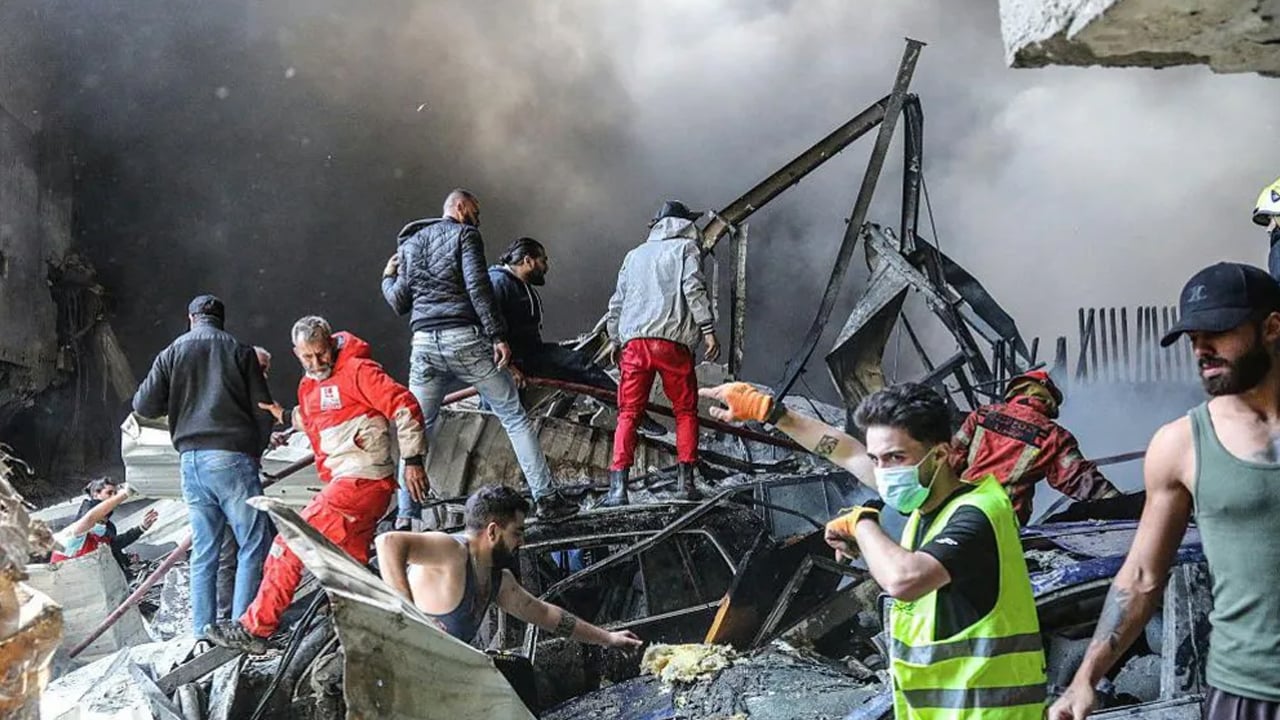
Israeli forces carried out a severe attack on the Tebnin hospital in southern Lebanon, the only functioning medical facility in the area, causing extensive damage and injuring several people. The assault took place on Tuesday, April 14, according to a report by Al Jazeera. The attack occurred while ceasefire discussions were ongoing in Washington, highlighting the continued escalation of violence in the region. Beyond the hospital, Israeli bombardments have reportedly targeted homes and civilian infrastructure across southern Lebanon. Troops positioned near the United Nations–designated Blue Line have been systematically destroying residential buildings, farmland, and key installations. Allegations have emerged that Israel’s operations are aimed at creating a so-called buffer zone along the border. The situation underscores the growing humanitarian and security crisis in southern Lebanon as international diplomatic efforts to halt the conflict continue in parallel.
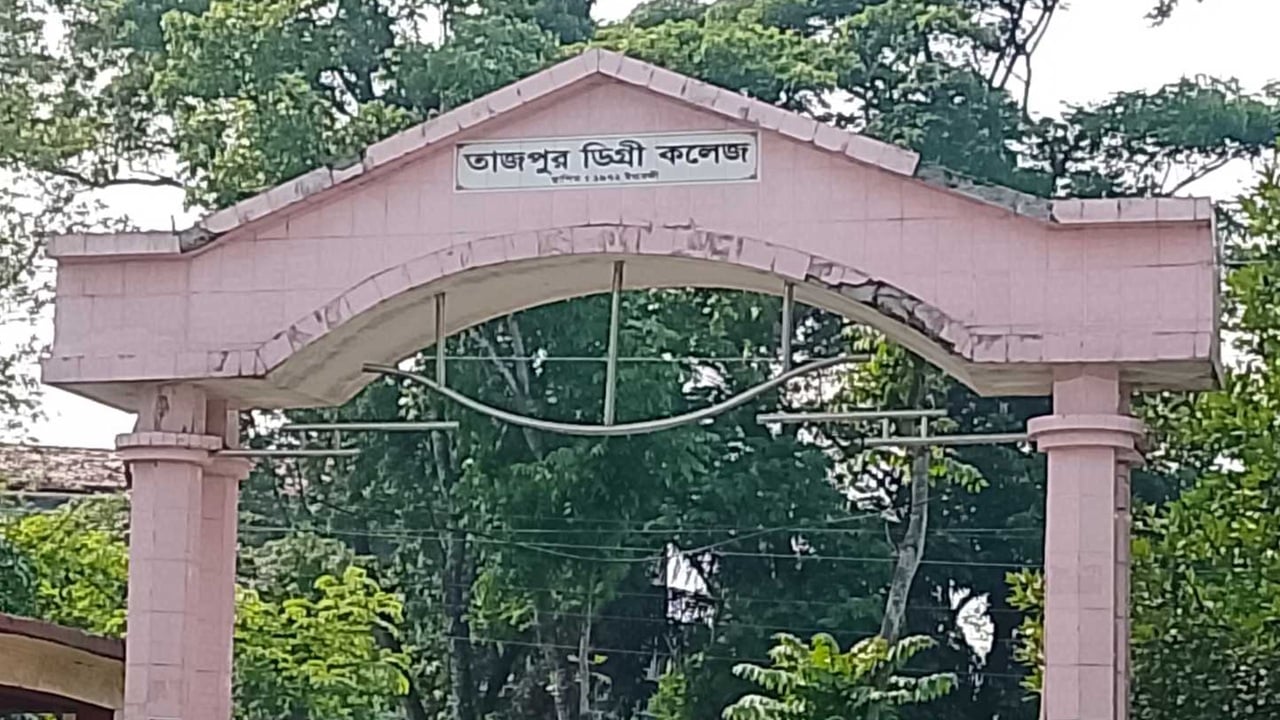
A recruitment process at Tajpur Degree College in Osmaninagar, Sylhet, has stalled after the institution collected application fees from candidates but failed to proceed with hiring. The college had announced vacancies for several positions on September 10 of the previous year, inviting permanent Bangladeshi citizens to apply within 15 days and submit a non-refundable fee of 500 taka per post. Around 46 applicants responded, but no written or oral tests have been held, leaving candidates disheartened and uncertain. The delay stems from a September 28 circular issued by the Ministry of Education, which transferred recruitment responsibilities to district commissioners, creating a conflict with the college’s earlier notice. Acting Principal Md Khorsuzzaman said the matter has been reported to the Additional Deputy Commissioner (Education) and that a decision will be made soon. However, ADC (Education) Masud Rana stated he was unaware of the recruitment notice or any suspension of the process. Applicants have demanded either completion of the recruitment or a clear explanation regarding their applications and fees.
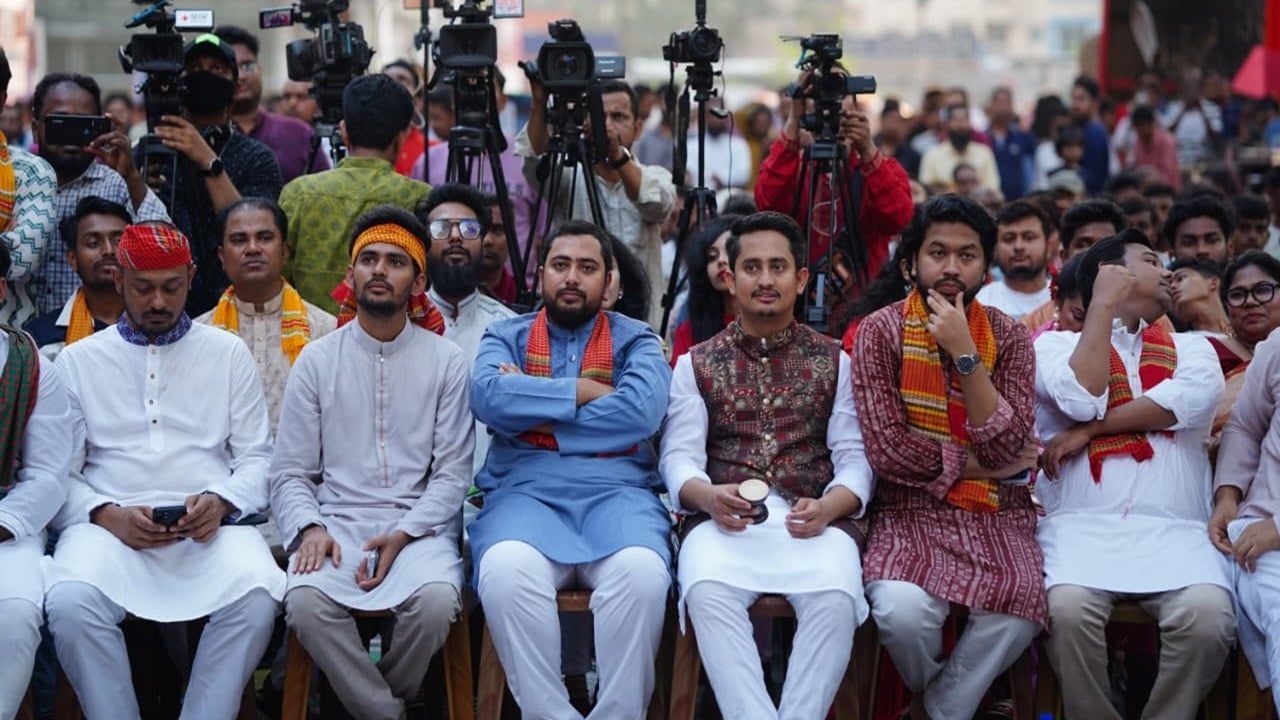
The National Citizens Party (NCP) organized a colorful procession in Dhaka on Tuesday afternoon to celebrate Pahela Baishakh, the Bengali New Year. The event began at 3:40 p.m. from Navy Goli in Banglamotor, circled the Intercontinental Hotel intersection, and returned to its starting point. The NCP’s cultural cell arranged the procession, where participants in traditional attire carried placards promoting unity and harmony. A Baishakhi fair featuring traditional crafts and food stalls was also held at Navy Goli. The cultural program began at 4:30 p.m., inaugurated by NCP spokesperson Asif Mahmud, who pledged to uphold justice and fairness in the new year. Senior leaders including convener and opposition chief whip Nahid Islam attended the event. Performances were given by several artists, including Ashik and his team, and Baul Kajol Dewan. During the fair, Nahid Islam urged the ruling BNP government to fulfill its reform commitments under the July Charter and respect the referendum’s verdict, accusing it of leaving key reforms pending despite forming a new government.
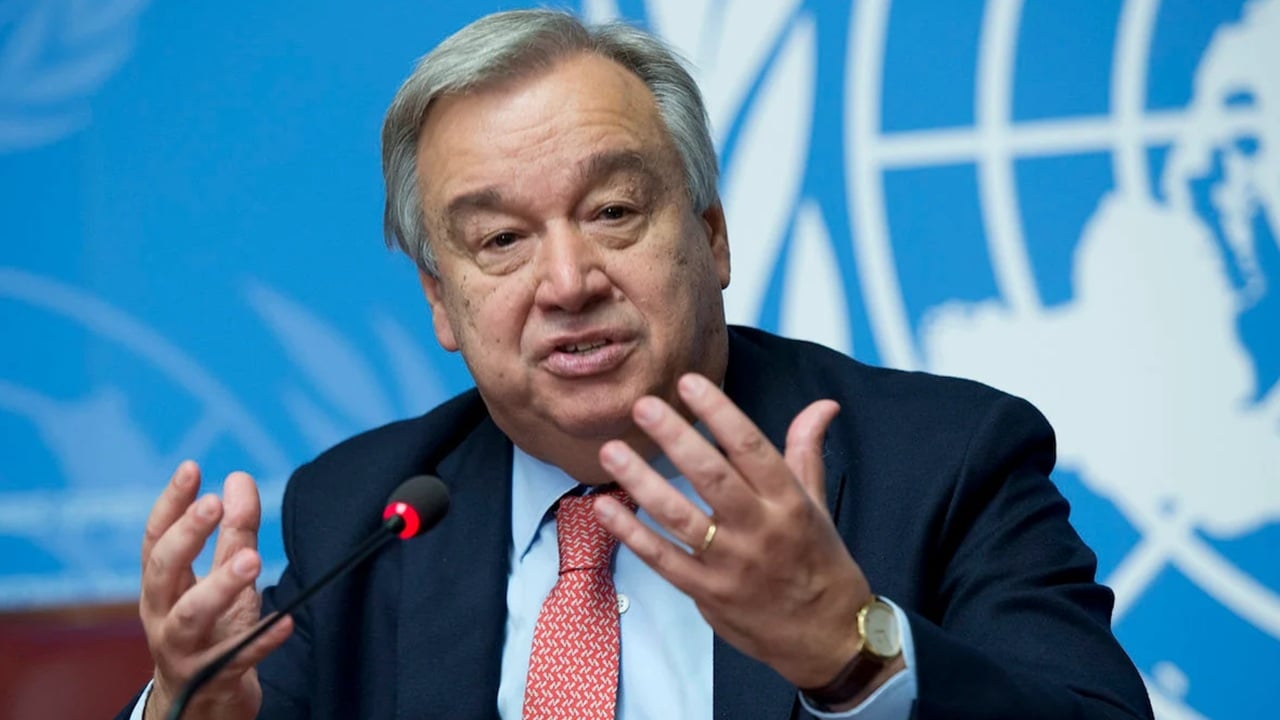
United Nations Secretary-General António Guterres said that international law is being trampled across the world, particularly in the Middle East. Speaking to journalists at the UN headquarters in New York, he noted that rules governing the use of force are being ignored and emphasized the urgent need for restraint and adherence to international norms. Guterres stated that there is a strong possibility of renewed talks between the United States and Iran. He also described the ongoing discussions between Israel and Lebanon as very important for improving conditions on the ground. The Secretary-General stressed that the crisis in the Middle East has no military solution and called for the resumption of dialogue with strong goodwill while maintaining any existing ceasefires. His remarks, reported by Al Jazeera, come amid heightened regional tensions and underscore the UN’s call for diplomacy and respect for international law as the only viable path to stability.
A woman named Ayesha Khatun, aged 40, was stabbed to death by her nephew, Touhid Hossain, 18, in Fulbaria upazila of Mymensingh on Tuesday evening. The incident occurred in Koiarchala village under Bakta Union following a quarrel over a 10 taka debt. According to locals and police, an argument between two children over the small amount escalated into a dispute among adults, leading Touhid to attack his aunt with a sharp knife, killing her on the spot. The deceased was the wife of Tara Mia, while the accused is the son of Tara Mia’s brother, Lal Mia. Fulbaria Police Station Officer-in-Charge Saifullah Saif confirmed that the accused had been detained and that legal proceedings were underway. Police have initiated legal action regarding the murder, and further investigation is in progress to determine additional details surrounding the incident.

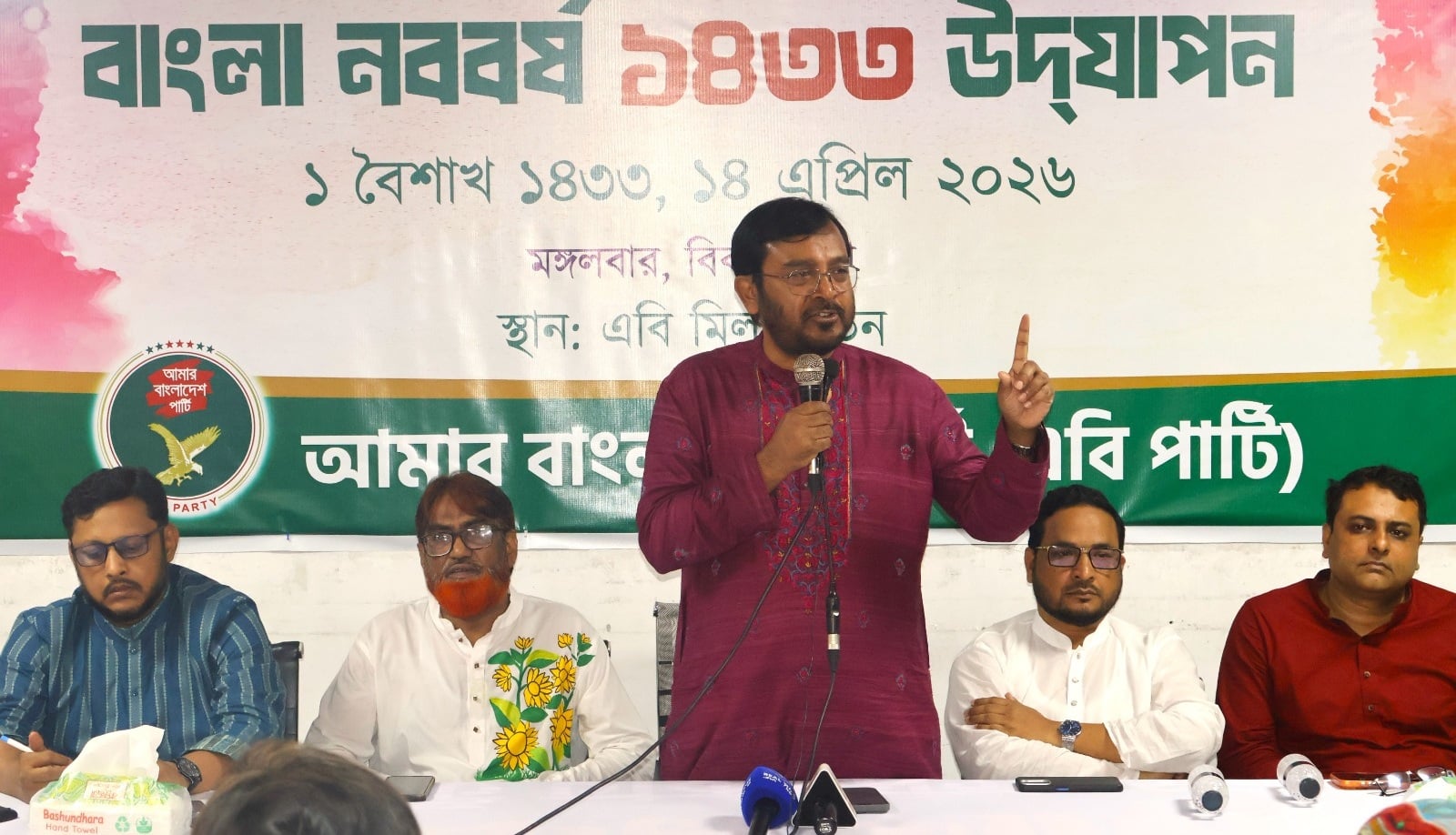
At a discussion marking Pahela Baishakh in Dhaka, Majibur Rahman Manju, chairman of the Amar Bangladesh (AB) Party, sharply criticized the ruling BNP, alleging that it repeatedly deceives citizens after securing votes through promises of reform. He said that despite pledges to reform the judiciary and banking sectors, the government has abandoned those commitments. Manju remarked that the ink on voters’ fingers has barely dried, yet memories of repression and remand have already faded. Speaking as chief guest at the event organized at the party’s Bijoynagar office, Manju accused the authorities of exploiting the people’s simplicity and warned that public patience could give way to mass uprisings, citing past movements in 1952, 1971, and 1990. He further claimed that the government disregarded a 70 percent referendum verdict and used votes for its own interests instead of respecting them. Manju urged citizens to unite and become aware to overcome the current crisis, noting that many are under economic pressure and disillusioned after the failed 2024 movement. He concluded by expressing hope for restoring democracy and people’s rights in the new year.
U.S. President Donald Trump has said that the United States and Iran may engage in discussions within the next two days. He made the comment in an interview with the New York Post, suggesting that some development could occur soon and noting an interest in visiting Pakistan. Earlier, U.S. Vice President J.D. Vance met with Iran’s parliamentary speaker Mohammad Bagher Ghalibaf and other officials in Islamabad over the weekend. That meeting concluded without any agreement. Meanwhile, Iranian state media reported on Tuesday that Tehran and Pakistan had exchanged messages but stated there was no information confirming any agreement to hold further talks with the United States. The statements indicate ongoing diplomatic movement but no confirmed schedule or venue for a new round of U.S.–Iran negotiations.
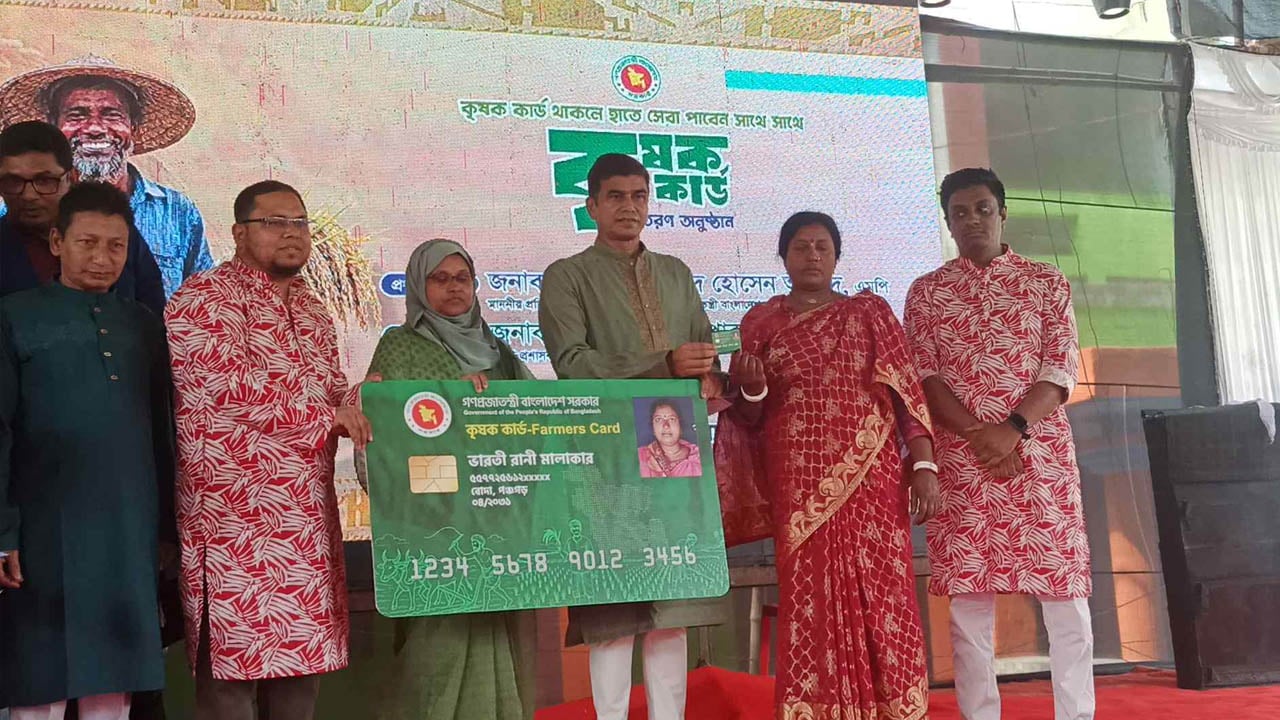
State Minister for Water Resources Farhad Hossain Azad announced that the distribution of farmer and family cards will be conducted without any political bias. He made the statement on Tuesday afternoon while attending a farmer card distribution event at Bairati High School field in Paikpir Union of Boda upazila, Panchagarh. The minister said that all eligible citizens, regardless of political affiliation, religion, or ethnicity, will receive government assistance. As part of a pilot project, 2,000 farmers in Paikpir area have received agricultural cards, while another 1,592 farmers in Kamalapur block of Dhakkamara Union under Sadar upazila were given cards. The minister emphasized that the selection process involved three levels of verification led by the Ministry of Agriculture and the Upazila Executive Officer to ensure fairness. He also mentioned plans to bring four crore families under the family card program, with 50 lakh more cards to be distributed within two to three months. Local farmers expressed satisfaction after receiving the cards, noting that such assistance had not always been properly distributed in the past.
The ‘1 Nojor’ media platform is now live in beta, inviting users to explore and provide feedback as we continue to refine the experience.