

The ‘1 Nojor’ media platform is now live in beta, inviting users to explore and provide feedback as we continue to refine the experience.
U.S. President Donald Trump announced that new talks with Iran could begin in Pakistan within two days, aiming to ease ongoing tensions between the two countries. The announcement coincided with a continued decline in the U.S. dollar, which fell for the seventh consecutive day in global markets. At the end of trading on April 14, the dollar index dropped 0.26 percent to 98.8 points, its lowest level since March 2. The dollar’s decline was further supported by lower-than-expected U.S. inflation data, which reassured investors and reduced pressure on the currency. Market analyst Karl Schamotta noted that the Trump administration appeared to be seeking an honorable exit from the conflict, raising the possibility of a symbolic agreement that could reopen the Strait of Hormuz and halt attacks. Analysts said investors are now watching diplomatic developments in Pakistan and the Middle East. If a lasting ceasefire or peace deal is achieved, the dollar could fall further to pre-conflict levels.

A robbery took place at the house of expatriate Absar Uddin in Patiya upazila of Chattogram on the night of April 14, 2026. Thieves broke into the house in Kelishahar Union’s Ward 7 when no one was home and stole cash, gold, and other valuables worth over Tk 2 million. Police from Patiya station visited the scene immediately after being informed, confirming the incident. According to local sources and the victim’s family, Absar’s brother Jasim Uddin and his family were away visiting a religious shrine in Fatikchhari. Jasim’s son, Naimur Rahman Durjoy, discovered the break-in upon returning home around 9:30 p.m. He found the door open, lockers broken, and the window grill cut. The robbers reportedly took 7 bhori of gold, Tk 400,000 in cash, a laptop, and the CCTV disk containing footage from seven cameras. Police suspect the robbery occurred sometime after evening. The family has demanded that those responsible be quickly identified and brought to justice.

A woman named Lili Akter, aged 30, was found dead under mysterious circumstances on Tuesday morning in the South Bandar area of Anwara upazila, Chattogram. Following the incident, police detained her husband, Mohiuddin Jahangir, for questioning. The couple had two children, an eight-year-old son and a four-year-old daughter. The sudden death has cast a shadow of grief over the family and local community. According to reports, Lili’s mother-in-law, former female member Rezia Begum, informed Lili’s parental family about the death shortly after it occurred. Local residents claimed that the death did not appear to be natural and suggested that other causes might be involved. They urged the authorities to conduct a thorough investigation to uncover the truth behind the incident. Karnaphuli Police Station Officer-in-Charge Shahinur Alam stated that the body had been sent to the morgue and that a complaint from the family had been received. He confirmed that an investigation is underway and that necessary legal steps will be taken based on its findings.
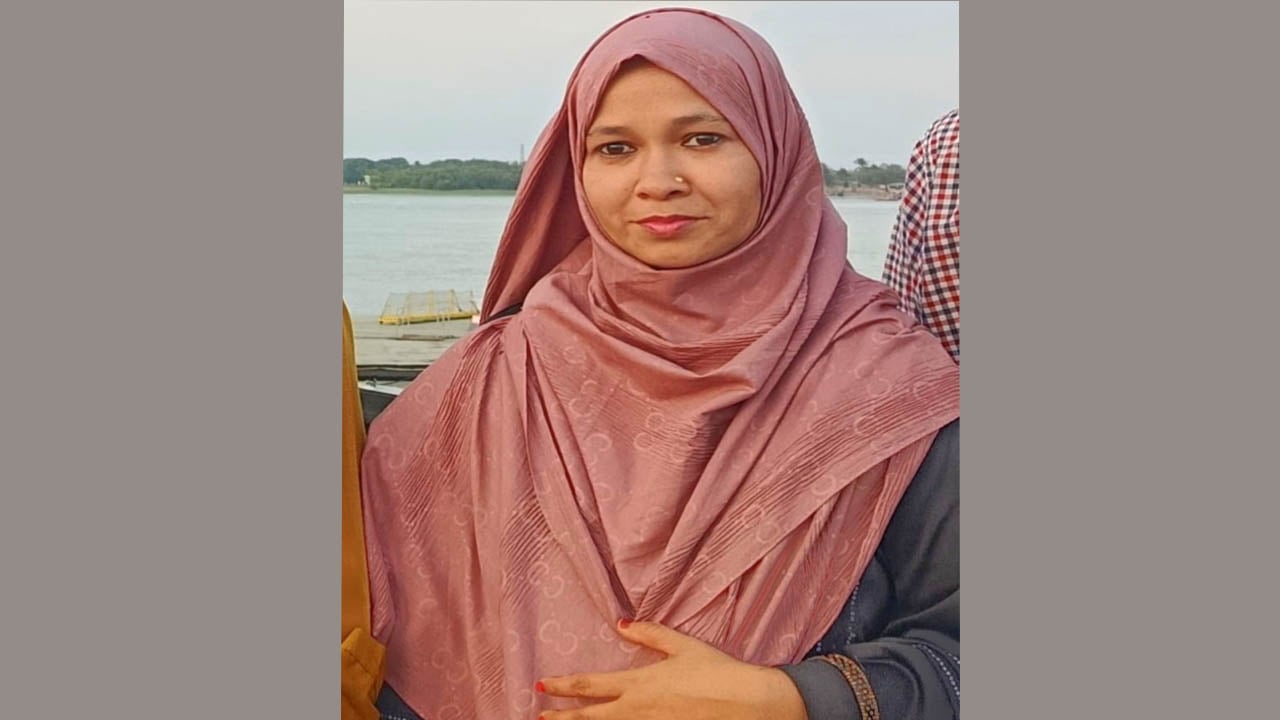
The 2025 primary scholarship examinations have begun across Bangladesh on Wednesday at 10 a.m., starting with the Bangla subject test that will continue until 12:30 p.m. The schedule was approved by the National Steering Committee of the Ministry of Primary and Mass Education on March 5, followed by the publication of detailed timings by the Directorate. According to the official schedule, the English test will be held on April 16, primary mathematics on April 17, and Bangladesh and Global Studies with Primary Science on April 18. Each exam will start at 10 a.m. and last for two and a half hours. However, in the three hill districts—Rangamati, Khagrachhari, and Bandarban—the exams will follow a different timetable, beginning with mathematics on April 17 and ending with English on April 20. Authorities have also announced that students with special needs will receive an additional 30 minutes for each test, ensuring inclusive participation across all examination centers.

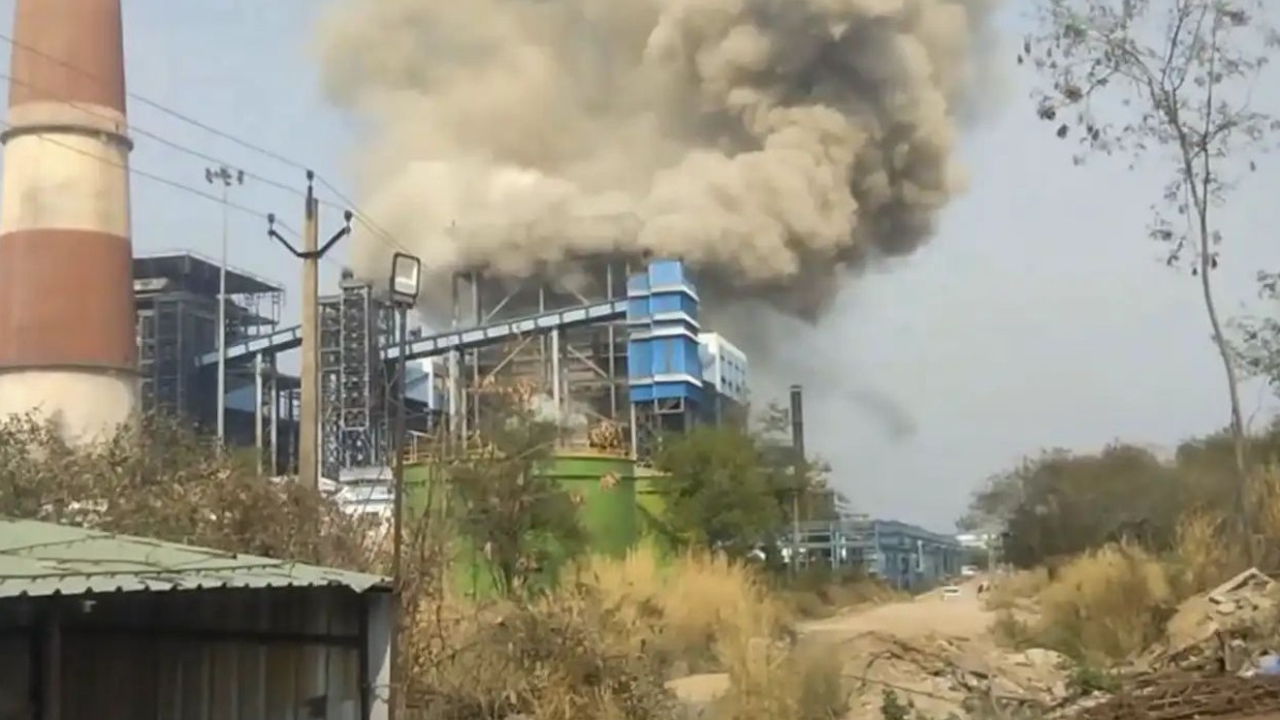
At least 11 workers were killed and 22 others injured in a boiler explosion at a thermal power plant in Chhattisgarh, India. The incident occurred on Tuesday afternoon at Vedanta Limited’s facility in Singhitarai village of Shakti district. Local authorities and law enforcement agencies launched a rescue operation soon after the explosion, and the injured were taken to nearby hospitals for treatment. Police suspect that several workers may still be trapped inside the boiler room, raising fears that the death toll could rise further. District Superintendent of Police Prafulla Thakur confirmed that four workers died at the scene, while seven others succumbed to injuries in hospital. State Chief Minister Vishnu Deo Sai described the incident as tragic, assuring government support for the victims’ families and ordering an investigation to determine the cause and hold those responsible accountable. Vedanta Limited stated that the boiler room was not directly under its control and was operated by subcontractor NTPC GE Power Services Limited. The company pledged assistance for affected families and promised full medical care for the injured.
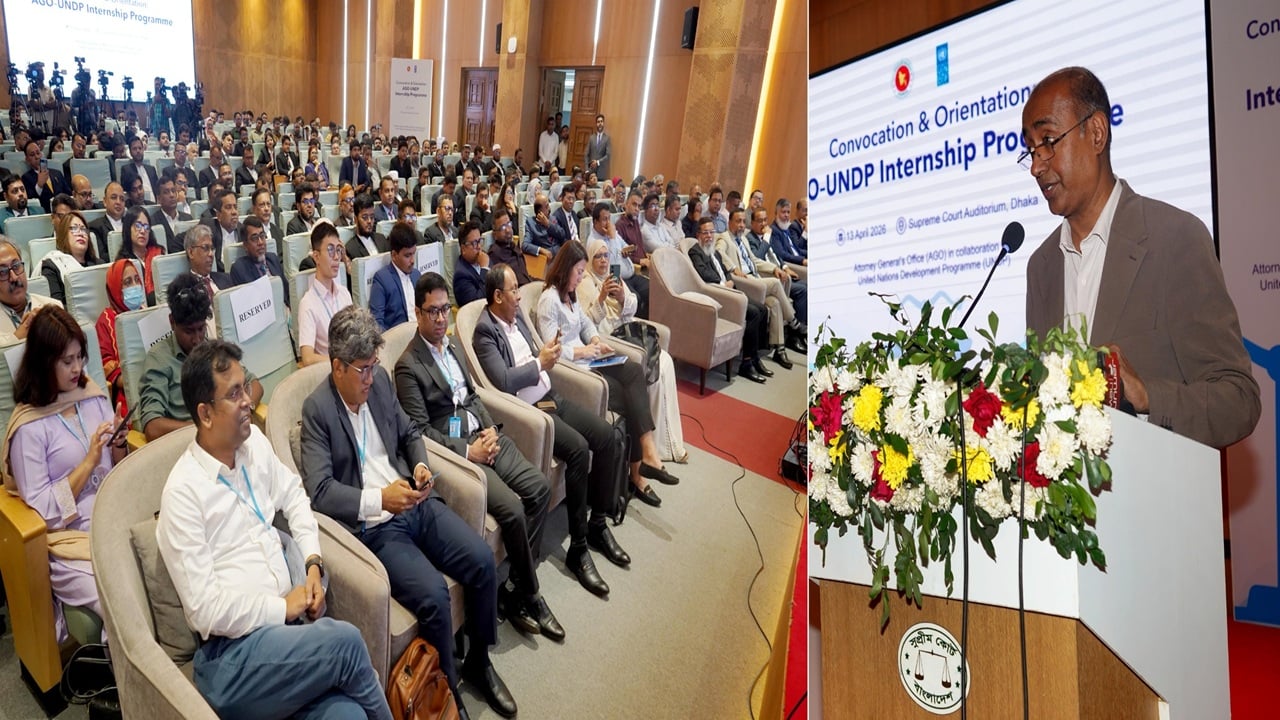
Law Minister Md. Anisul Huq has called on the Bar Council to ensure that the current bar examination system does not become an undue obstacle for English-medium and foreign-educated law graduates. He made the remarks on Tuesday at the Supreme Court Auditorium in Dhaka during an event marking the completion of the first phase and the start of the second phase of a six-month internship program organized by the Attorney General’s Office with support from the United Nations Development Programme (UNDP). The minister noted that many talented students who studied in English-medium institutions or abroad face difficulties because the bar exam questions are in Bangla. He urged the Bar Council to consider modernizing the system. He also emphasized enhancing the social status of the legal profession and improving its quality. Praising the internship program, he said it inspired him to propose to the Prime Minister that each Member of Parliament be assigned an intern from a university to assist in research and legislative work. The minister further mentioned budgetary instructions for modernizing the Attorney General’s Office and expressed concern over the limited implementation of the Law Commission’s recommendations despite significant expenditure.
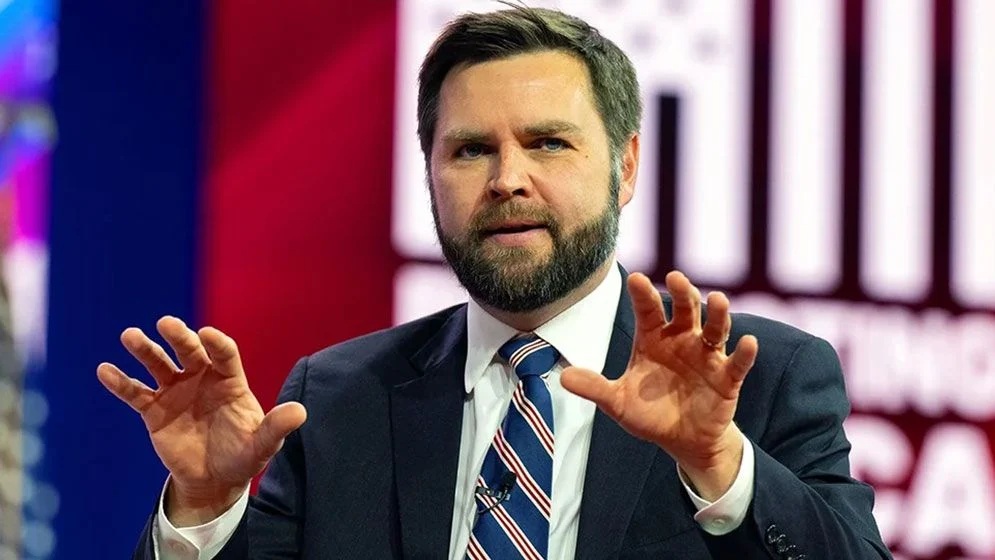
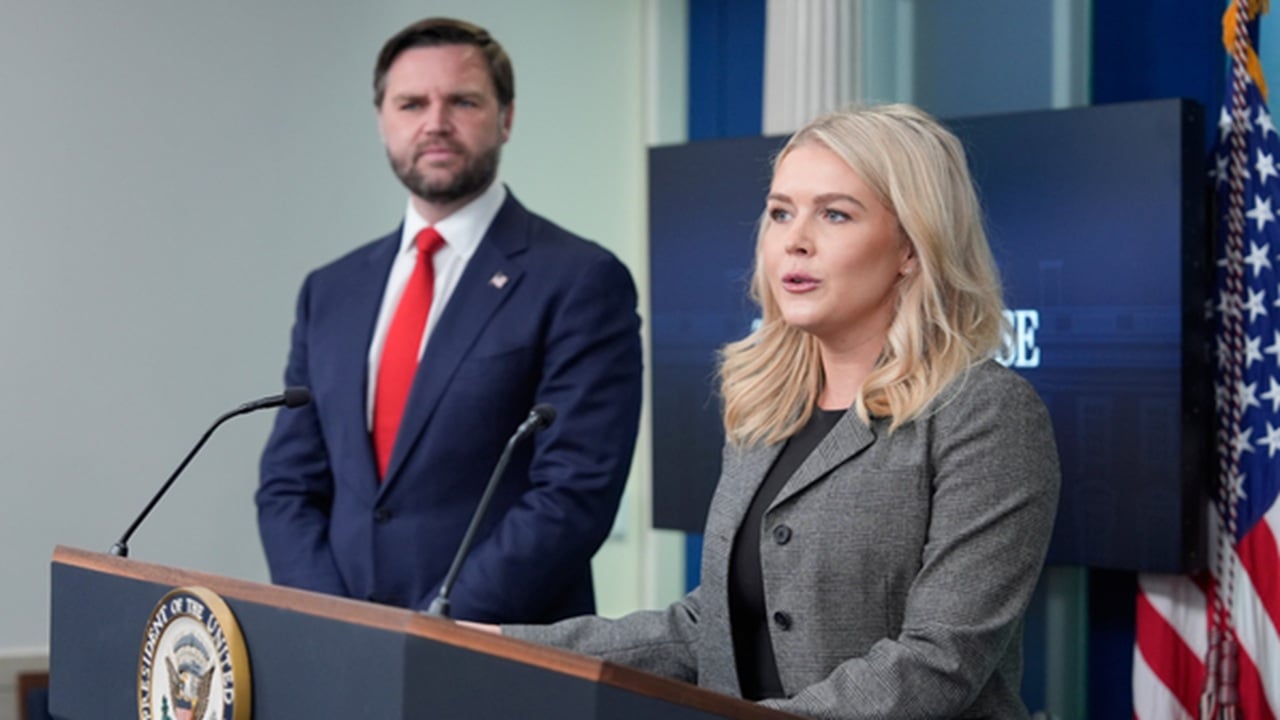
US Vice President JD Vance is expected to lead the American delegation in a possible second round of direct talks with Iranian officials before the current ceasefire expires, according to multiple sources cited by CNN. The discussions aim to explore diplomatic solutions to end the ongoing Iran war. Sources also indicated that President Donald Trump’s special envoy Steve Witkoff and his son-in-law Jared Kushner may attend the meeting. Kushner has reportedly been involved in diplomatic efforts since before the conflict began. Trump has tasked these three senior advisers with finding a diplomatic path out of the war and has expressed full confidence in them. Following a 21-hour marathon meeting last Saturday, Vance, Witkoff, and Kushner have maintained close contact with Iranian representatives and mediators in pursuit of a potential agreement, the sources added.
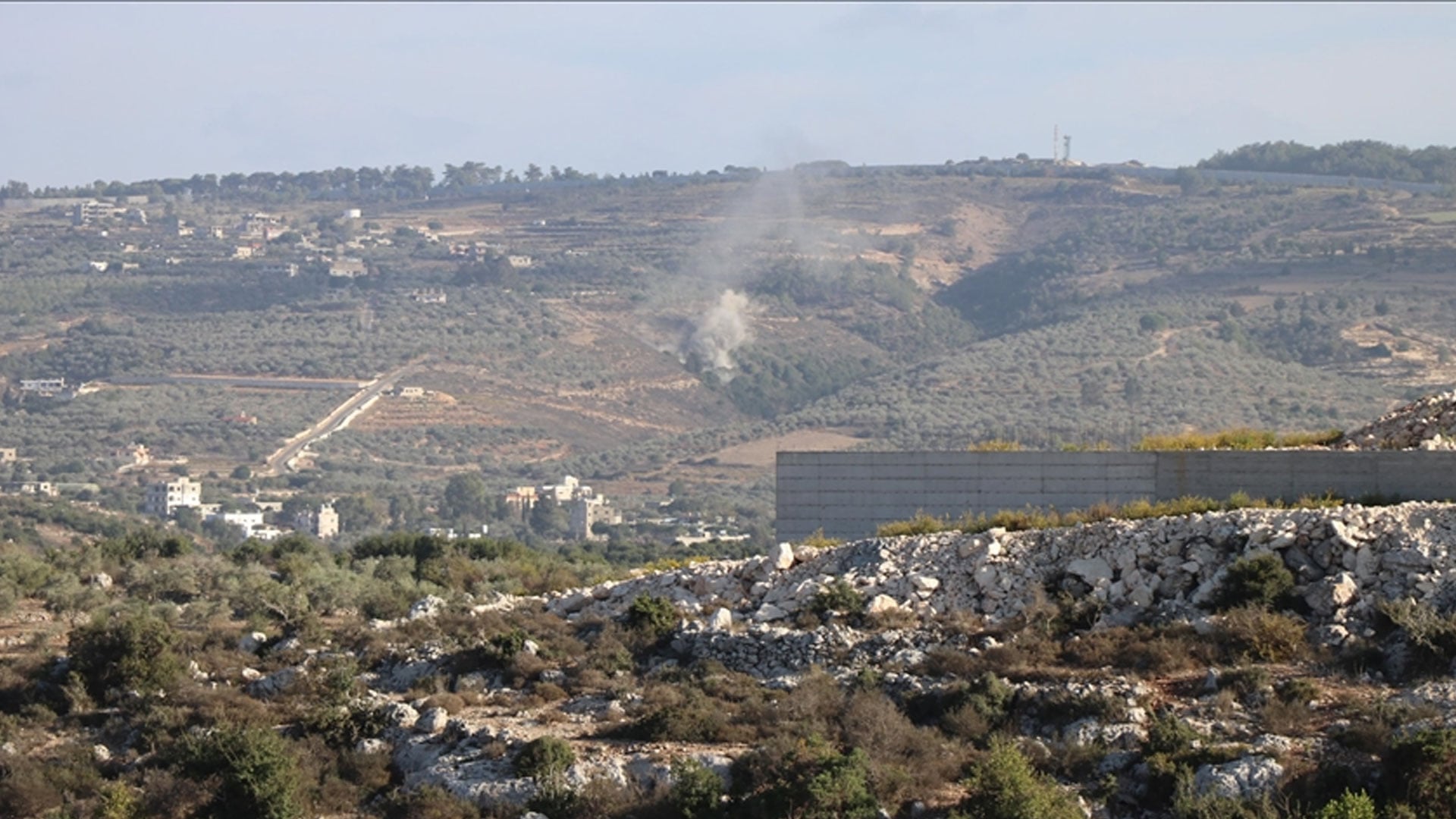
Lebanon’s armed group Hezbollah carried out drone attacks targeting Israeli military positions in the Golan Heights. The group confirmed the operation in a statement released overnight on Tuesday. According to Hezbollah, the strikes hit a cannon position in the Jawra area and the artillery battalion command headquarters in Odem. As of now, there have been no confirmed reports of casualties or damage resulting from the attacks. The Israeli military has not issued any immediate comment regarding the incident. The report was cited by Al Jazeera. The situation adds to ongoing tensions along the Israel–Lebanon border, though the immediate impact of the latest strikes remains unclear.
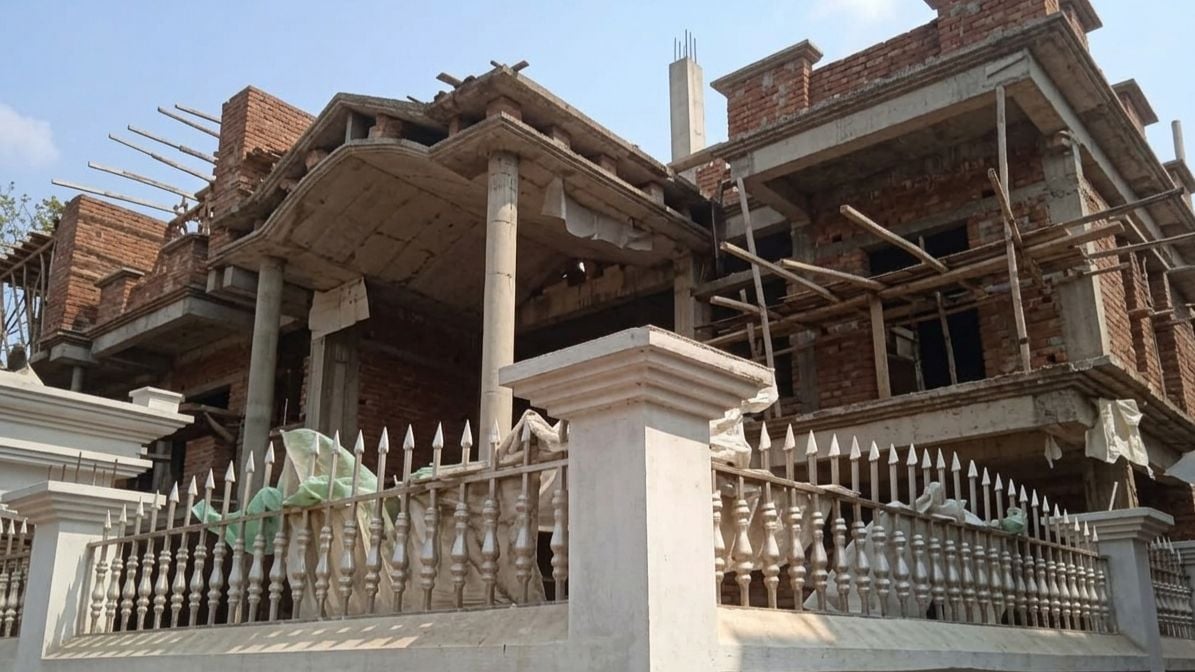
Allegations have surfaced that a multi-storey building is being constructed illegally on reserved forest land in Ukhiya upazila of Cox’s Bazar. According to local sources, the construction is taking place at Swarnapahar in Kutupalong East Para under Rajapalong Union. The sons of the late Ilyas, known locally as Rohingya Ilyas, are accused of occupying forest department land and building a five-storey structure, with three floors already completed. Residents claim that an influential group has long been encroaching on forest areas to build various structures, causing environmental damage. Environmentalist and journalist Jasim Azad stated that forest encroachment, hill cutting, and illegal construction are increasing across the upazila, urging urgent action to protect the environment. Under the Forest Act of 1927, such encroachment and construction are punishable offenses, and the Environment Act of 1995 also provides penalties for environmental harm. Forest department officials said about five acres of forest land were recently recovered, and regular drives are ongoing. Ukhiya Range Officer Mohammad Shahinur Islam confirmed that legal action is being prepared against the accused and that necessary measures will be taken promptly.
The Trump administration is stepping up efforts to initiate direct talks with Iran before the current ceasefire period ends, according to a CNN report citing a source familiar with the discussions. The push for renewed dialogue comes amid heightened tensions and ongoing diplomatic activity between the two nations. Last week, officials from Iran and the United States met in Islamabad for a 21-hour marathon negotiation session but failed to reach an agreement to end hostilities. Meanwhile, U.S. President Donald Trump remarked that something significant might happen in Pakistan within the next two days, though no further details were provided. The report also noted that Gulf countries have expressed interest in assisting Pakistan’s efforts to bring the United States and Iran back to the negotiating table, while the U.S. Navy recently turned back eight Iranian oil tankers.
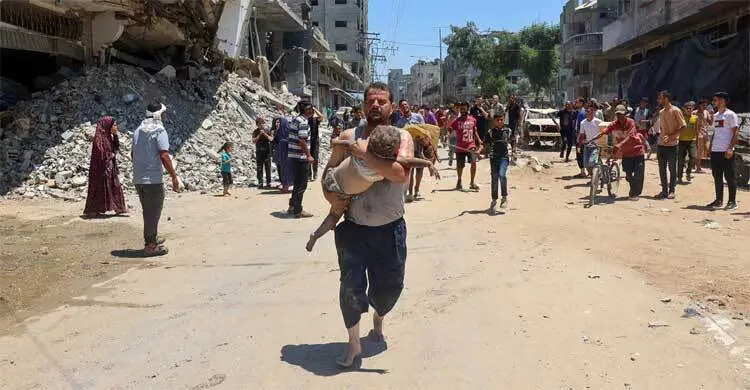
At least four Palestinians, including a child, were killed in a series of Israeli attacks on Gaza’s Al-Shati refugee camp, according to the Palestinian news agency Wafa. The strikes took place on Tuesday evening across several parts of Gaza, leaving several others injured. Reports said Israeli forces fired a shell at a police vehicle on Al-Nafaq Street in Gaza City, killing four people including a child. In a separate bombing in Beit Lahia, northern Gaza, another Palestinian was killed. The attacks came despite claims of a ceasefire, which the report alleged Israel continues to violate through ongoing assaults on civilian homes and key areas. The continued operations have reportedly increased the death toll in Gaza as strikes persist in densely populated areas, raising concerns over civilian safety and the humanitarian situation.
The International Monetary Fund (IMF) has warned that the ongoing conflict involving Iran, the United States, and Israel could bring the global economy dangerously close to recession if the war continues and energy prices remain high. In its World Economic Outlook report released in Washington on April 15, 2026, the IMF projected that global growth could fall below 2 percent in 2026, a level seen only four times since 1980. The report noted that the closure of the Strait of Hormuz following the outbreak of war had driven up fuel prices, and a failed peace effort in Pakistan has prolonged the crisis. The IMF said that if oil prices average 110 dollars per barrel this year and rise to 125 dollars by 2027, global growth will slow further, with inflation possibly reaching 6 percent. Chief Economist Pierre-Olivier Gourinchas stated that such conditions would feel like a recession for most people, with rising unemployment and food insecurity in some countries. The report also warned that the UK would be among the hardest hit developed economies, while Iran, Iraq, and Qatar could see sharp contractions this year. If the conflict eases within weeks and energy exports normalize by midyear, global growth could recover to 3.1 percent in 2026, though still below earlier forecasts.
Masud Saeedi, Member of Parliament for Pirojpur-1, said that Bangladesh should be built by upholding the significance and spirit of Baishakh and preserving Bengali culture. He made these remarks on Tuesday, April 14, during a Baishakhi fair organized by the Jhalokathi upazila administration. Saeedi emphasized that foreign cultures must be avoided, claiming that Western influences have nearly overtaken local traditions. He called on young people to revive and practice authentic Bengali cultural values, stating that a nation survives through its native culture and language. He urged unity and patriotism to shape the next generation into true patriots. He also criticized previous governments, accusing them of promoting foreign cultures over Bangladesh’s own and prioritizing foreign approval over national pride.

Hezbollah has claimed responsibility for missile attacks on 13 locations in northern Israel. The strikes occurred while discussions were underway in Washington aimed at halting the ongoing conflict. The Iran-backed group stated that its operations would continue until the United States and Israel stop their attacks. The report, citing Al Jazeera, noted that the attacks targeted multiple Israeli installations, though specific details about the sites or casualties were not provided. The timing of the assault coincided with diplomatic efforts to end hostilities, highlighting the fragile state of the ceasefire negotiations. The situation underscores the continued volatility in the region as international actors attempt to mediate between the parties involved.
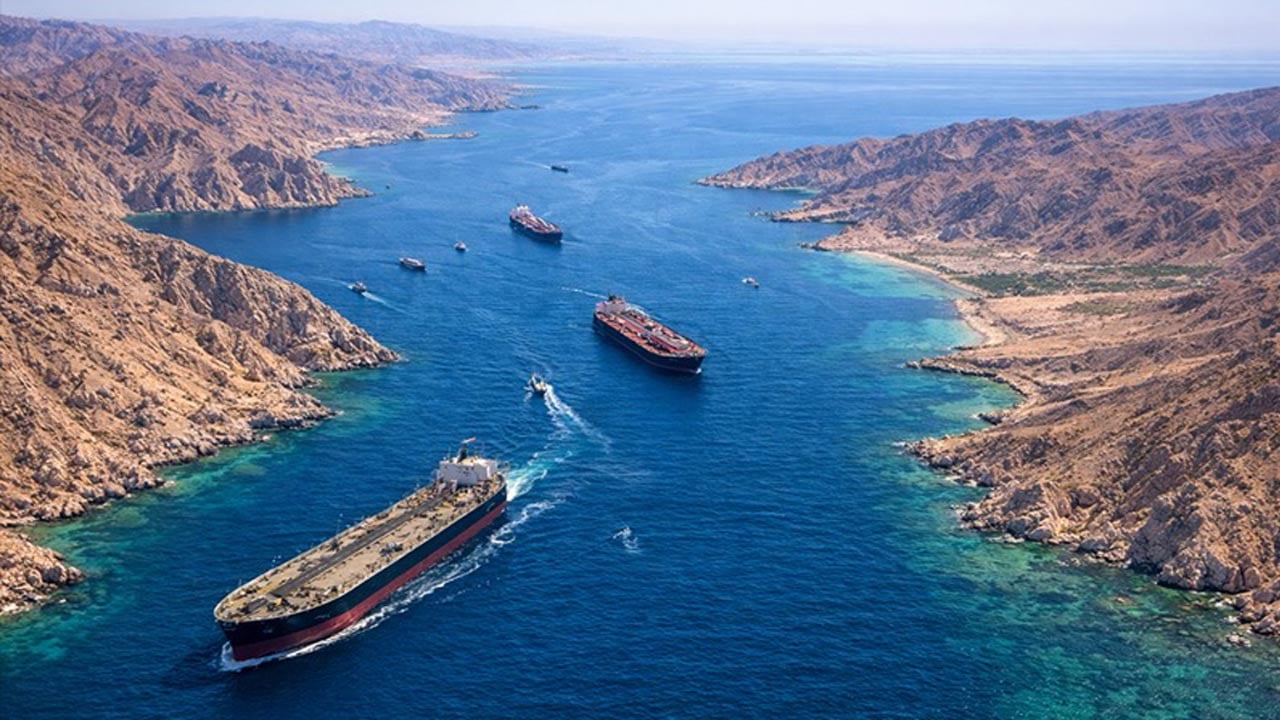
European countries are planning to form a major coalition to ensure the normal operation of maritime traffic through the strategically vital Strait of Hormuz without relying on the United States. According to The Wall Street Journal, citing unnamed officials, the plan will be implemented after the current conflict ends. The report notes that Gulf Cooperation Council (GCC) member states are deeply anxious amid escalating threats between U.S. President Donald Trump and Iran, as their economies depend heavily on oil exports through the strait. Meanwhile, Qatar has announced the lifting of all maritime restrictions, and Saudi Arabia has activated its east-west pipeline at full capacity to bypass Hormuz entirely. Saudi Arabia’s pipeline can transport about seven million barrels of oil per day, and the Manifa oil field on its southeastern coast is ready to supply an additional 300,000 barrels daily. These measures reflect the Gulf states’ growing reliance on alternative routes and strategies to sustain their economies during the ongoing crisis.
The ‘1 Nojor’ media platform is now live in beta, inviting users to explore and provide feedback as we continue to refine the experience.